
Review · GERMANY
Rostock: City Walking Tour
Rostock’s appeal comes into focus on foot. This private walk links the Rathaus, Gothic churches, medieval wall, and old harbor area in two hours, giving you a clear first look at the city without burying you in dates. The guide keeps the focus on seeing the town rather than turning the outing into a long lecture.
I like the small private group, which makes it easier to ask questions and set the pace within the planned route. I also like the practical storytelling: the tour gives you background on the Hanseatic city while keeping your eyes on actual streets, buildings, and squares. The main consideration is that the tour is conducted in German and is not suitable for people with mobility impairments.
Key points at a glance
- Meet beneath the griffin at the Rathaus: The town hall’s main entrance is the clear meeting point.
- A compact two-hour introduction: You cover major central sights without spending half the tour on one historical topic.
- Private groups up to six: The $147 group price can be good value when shared by several people.
- A mix of old and modern Rostock: The route connects medieval architecture with 20th-century city history.
- Questions are part of the experience: The guide explains rather than simply pointing out buildings.
- German is the tour language: Plan accordingly if you do not understand German comfortably.
Why this Rostock walk works as a first look
Rostock is easier to understand once you see how its central pieces fit together. The old town, harbor area, university square, churches, and surviving sections of the city wall are not presented as unrelated stops. They form a walk through the city’s changing character, from medieval trade to later urban development.
That matters because a short tour can easily become a checklist. Here, the route is designed to give you an overview. You see the major sights, hear the local story behind them, and leave with a better sense of where you are.
The tour has earned a 4.9 rating from 198 bookings, and the strongest praise centers on the same useful qualities: clear explanations, good organization, and a focus on the walk itself. One particularly helpful point is the balance. You get historical context, but not a flood of dates about the Hanseatic League.
That approach suits me. On a two-hour city walk, I want enough background to make the buildings meaningful, then I want to keep moving. This tour appears built for exactly that.
More Walking Tours in Germany:
- Discover Berlin Half-Day Walking Tour
★ 5.0 · 9,624 reviews - Berlin City walk Government District and Places of Democracy
★ 4.7 · 8,467 reviews - Berlin: Third Reich & Cold War Guided Walking Tour
★ 4.9 · 8,378 reviews
Starting beneath the griffin at Rostock’s Rathaus
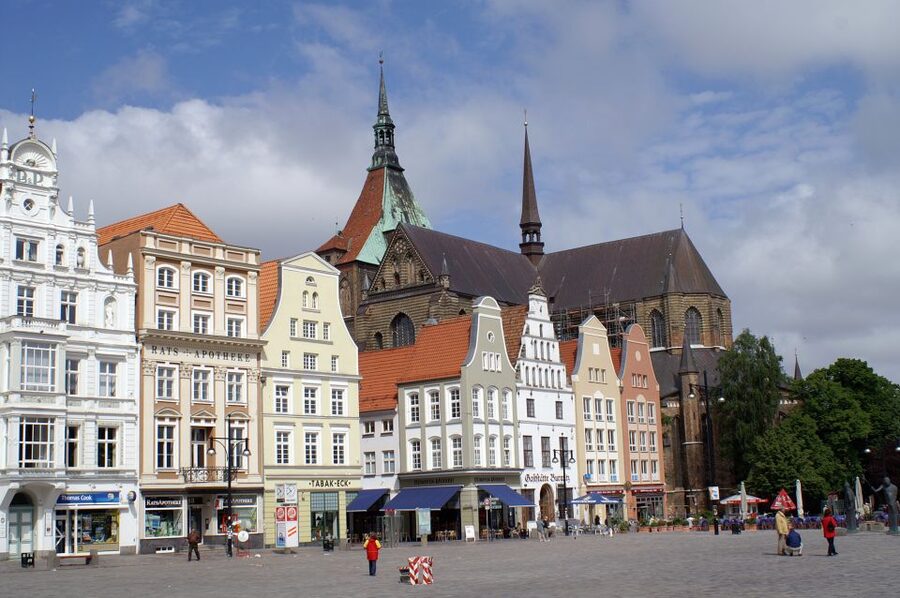
You meet at the main entrance of the Rathaus, under the symbol of the Greif, or griffin. This is a practical starting place because the town hall is one of Rostock’s central landmarks and an easy point to identify once you reach the old town.
The Rathaus gives the walk an immediate sense of place. It represents the civic side of Rostock, while the nearby churches and old streets show the religious and commercial sides of the medieval city. Your guide uses this area to begin explaining how the town center developed.
Do not expect a museum-style interior visit based on the information provided. The experience is a walking tour, and the listed focus is on the city’s streets, exterior architecture, squares, and historic areas.
The meeting point also helps you plan the rest of your day. Because the walk begins and ends within Rostock’s central areas, you can continue exploring on foot afterward. The exact finish point is not specified, so you should ask the guide at the start if you need to coordinate with a train, meal, or other appointment.
Gothic churches and the shape of old Rostock
The churches are among the most important architectural stops on the route. You will discuss Rostock’s Gothic churches as part of the wider story of the city center, with the guide explaining why these buildings matter rather than simply naming them.
Gothic architecture rewards a slower look. Even without an interior visit, you can pay attention to height, stonework, windows, and the way the churches dominate the surrounding streets. A local guide can also point out details you might walk past alone.
The tour’s style is especially useful here. The guide does not appear to treat every stop as a long history lesson. Instead, the explanations help you read the buildings in front of you. That keeps the pace pleasant and gives you room to ask about the features that catch your eye.
If you want a detailed account of every church, construction phase, and historical figure, two hours will feel limited. If you want a sensible introduction that shows you where the main architecture is and why it matters, the format is a better fit.
Old-town alleys and the medieval wall
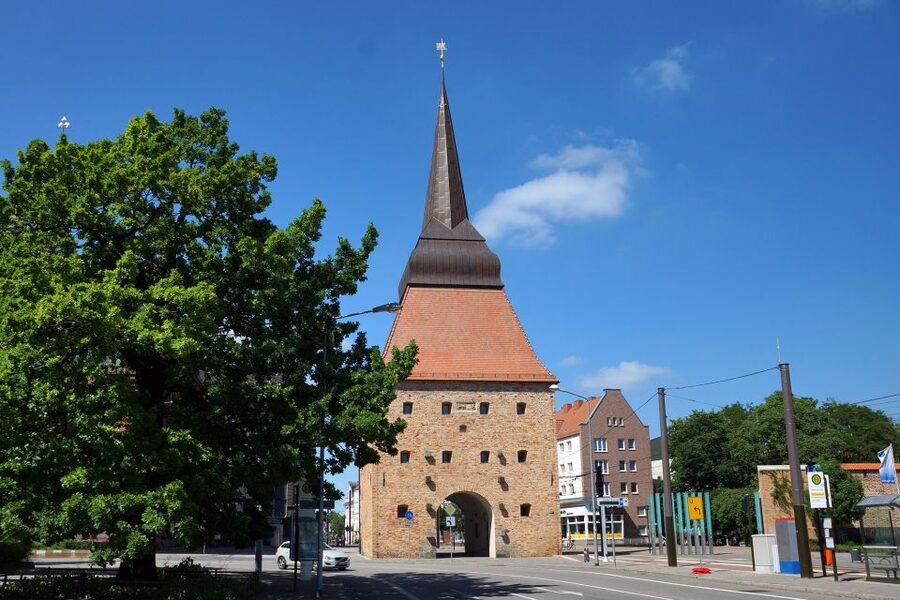
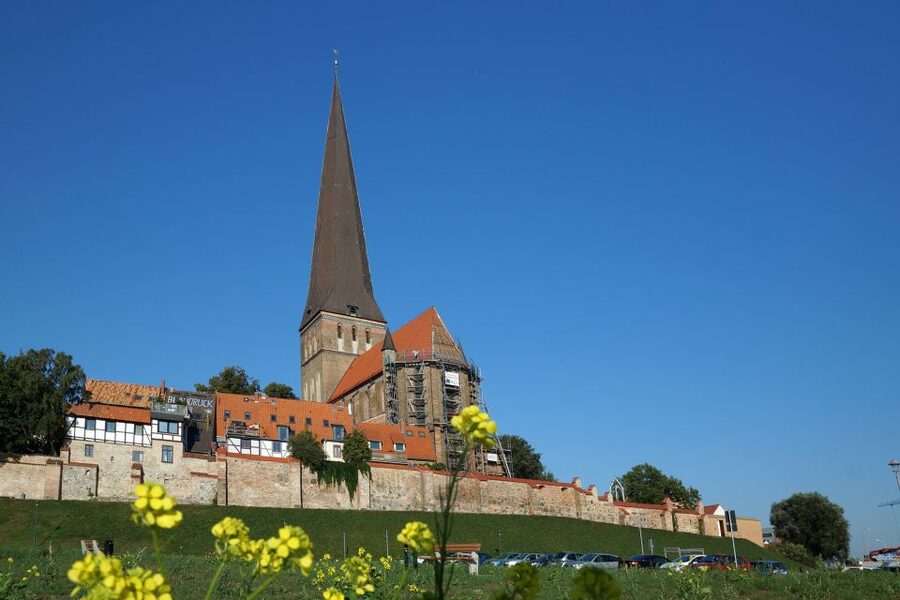
Rostock’s smaller streets provide a change from the main civic sights. The route includes old-town alleys and the medieval city wall, giving you a chance to see how the historic center was organized and protected.
A wall is more useful when you understand its place in daily city life. The guide can connect it to the growth of Rostock, its defensive needs, and the movement between the old town and the harbor. The walk therefore shifts from grand buildings to the physical structure of the city.
This is also where comfortable footwear matters. The activity lasts two hours and includes walking through historic central areas. The tour is specifically not suitable for people with mobility impairments, so anyone concerned about walking should consider that limitation before booking.
The description does not promise a fully step-free route or give a detailed surface report. If you need that information, ask before confirming. The private format may allow some discussion of your needs, but no route adjustment is guaranteed.
Same streets, a different guide:
- Munich: Third Reich & WWII Walking Tour
★ 4.6 · 6,181 reviews - Berlin: Discover Berlin Walking Tour
★ 4.9 · 5,998 reviews - Berlin’s Best: 2 Hour Walking Tour Third Reich and the Cold War
★ 5.0 · 5,486 reviews - Berlin: Hidden Backyards Guided Walking Tour
★ 4.8 · 5,360 reviews
Riverside boulevards and the harbor area
The tour also reaches the historic harbor area and riverside boulevards. These spaces add a wider view of Rostock after the tighter streets of the old town.
The harbor helps explain why Rostock grew into an important Hanseatic city. Here, the story moves beyond individual buildings to trade, water, movement, and the city’s connection with the Baltic region. You get a sense of how the town’s commercial life related to its urban center.
The riverfront also gives the walk breathing room. After alleys, churches, and walls, an open boulevard changes the pace and lets you see the city from a different angle. It is a good place to ask the guide how modern Rostock relates to its older core.
The experience spans medieval architecture through the 20th century. That is useful because Rostock is not presented as a frozen medieval setting. You see how later changes became part of the city’s present appearance.
Still, keep expectations in check. This is not advertised as a harbor cruise, boat trip, or specialist maritime tour. You walk through the historic harbor area and learn about it from the guide.
University Square and Rostock’s later identity
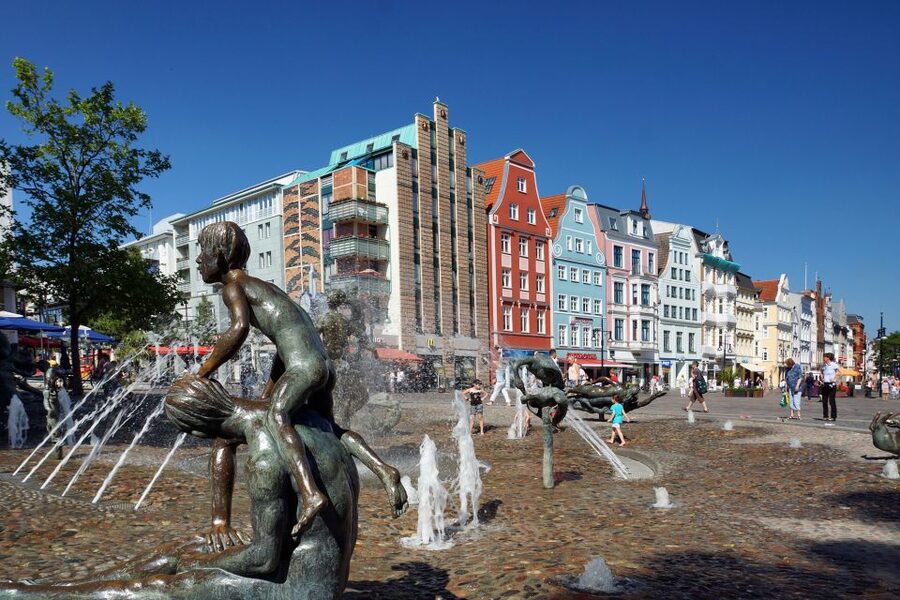
University Square adds another layer to the route. It shifts attention from church, wall, and harbor toward education and civic life.
A square connected with a university helps show that Rostock is more than an old port city. It is also a place shaped by students, learning, public space, and later urban change. The guide can place the square within the wider story of the town center and its 20th-century development.
This stop is valuable for visitors who want a balanced picture of Rostock. A route made only of medieval sights can make the city feel like a preserved display. The university area helps connect the historic center with the living city around it.
The supplied details do not identify a particular university building or promise an interior visit. Think of this as an outdoor orientation stop, not a campus tour.
A guide-led walk, not a history marathon
The strongest feature of the experience is its tone. The guide explains important background, but the focus stays on walking through Rostock and seeing the city directly.
That distinction matters. One July booking described the ideal balance: less time spent on broad Hanseatic history and more time on the actual route. Another praised the explanations for being informative without piling up too many historical numbers.
I find that approach sensible for a first visit. You need enough information to understand why the Rathaus, churches, wall, harbor, and university square belong in the same story. You do not need a lecture covering every century in equal detail.
The private setting should make conversation easier. You can ask about a building, request clarification, or follow up on a local detail without worrying about holding up a large group. The guide language is German, so your experience will depend heavily on your comfort with spoken German.
The provider is ROSTOCK GUIDE Anne Kirchmann. The available information does not confirm that Anne Kirchmann personally leads every departure, so do not assume a specific guide unless your booking confirms it. What you can count on is a live German-speaking guide and a private group format.
Is $147 good value for your group?
The price is $147 for a group of up to six people, not $147 per person. That changes the calculation.
For six people, the cost works out to $24.50 each. For four people, it is $36.75 each. For two people, it is $73.50 each. The private format makes the price most attractive when you can fill several places.
You are paying for a focused two-hour walk with an expert guide, not entry tickets, transport, food, or a full-day tour. That makes the value depend on what you want. If you mainly need directions and a few facts, the price may feel high. If you want a personal introduction to Rostock and the chance to ask questions, it is easier to justify.
The tour can also save time at the start of a visit. Rather than trying to work out the old town, wall, churches, harbor, and university square alone, you get a connected route in one sitting. You can then return to the places that interest you most.
The strongest value comes from treating this as an orientation walk. It is not designed to replace a full museum visit or a specialist architectural tour.
Who should book this Rostock tour?
I would recommend it to a first-time visitor who wants a clear introduction to central Rostock in a short period. It also suits families or friends who prefer a private group and want to ask questions without joining a large public tour.
It is a good match for anyone who enjoys city history best when it is tied to real streets and buildings. The guide covers the town hall, Gothic churches, wall, harbor, riverside areas, and university square, so you get several sides of the city rather than one narrow theme.
It may not suit you if:
- You need an English-language tour, since German is the stated language.
- You have significant mobility limits.
- You want extensive historical detail, museum admissions, or a specialist harbor experience.
- You prefer exploring independently and do not value a guide’s interpretation.
- You have less than two hours available for a walking activity.
The free cancellation policy allows cancellation up to 24 hours before the tour for a full refund. You can also reserve now and pay later, which is useful if your schedule in Rostock is still shifting.
Should you book this walk?
Book it if you want to understand Rostock quickly and prefer a guide who keeps history tied to the streets in front of you. The private group price is fair for four to six people, and the route covers the key central sights without turning the entire outing into a long account of Hanseatic trade.
Think twice if you need English, have mobility concerns, or want a detailed specialist tour. For everyone else, this is a practical first walk: short, focused, personal, and broad enough to show how Rostock’s medieval core, harbor, university area, and later city fit together.
FAQ
How long does the Rostock walking tour last?
The tour lasts two hours.
Where do I meet the guide?
Meet the guide in front of Rostock’s Rathaus, at the main entrance under the Greif, or griffin, symbol.
What language is the tour conducted in?
The live tour guide speaks German.
Is this a private tour?
Yes. The activity is offered as a private group tour for up to six people.
What sights are included?
The walk covers key areas and sights including the Rathaus, Gothic churches, medieval city wall, old-town alleys, historic harbor area, riverside boulevards, and university square.
Is the tour suitable for people with mobility impairments?
No. The activity is listed as not suitable for people with mobility impairments.
Can I cancel for a full refund?
Yes. You can cancel up to 24 hours in advance for a full refund. You can also reserve now and pay later.
New routes in Germany
- Munich: Walking Tour Old Town and Viktualienmarkt★ 4.7 · 839 reviews
- Stuttgart: Guided Ghost Walking Tour★ 4.5 · 867 reviews
- Stuttgart: Private Guided Circular City Walk★ 4.7 · 129 reviews
- Stuttgart: Old Town Highlights Guided Walking Tour★ 4.2 · 101 reviews
- Stuttgart: City Highlights – Guided Walking Tour★ 4.7 · 189 reviews
- Hamburg: Private Tour Red Light District Walking Tour★ 4.7 · 227 reviews
- Small Group Walking Tour: “Wild Kreuzberg”★ 4.8 · 199 reviews
- Sachsenhausen Memorial: Walking Tour from Berlin★ 4.7 · 132 reviews
Germany Walking Tours, compared.
Berlin City walk Government District and Places of Democracy
Read our review →

Berlin’s Best: 2 Hour Walking Tour Third Reich and the Cold War
Read our review →
Explore Berlin: See All The Iconic Sights & Some Hidden Gems
Read our review →
Third Reich Berlin: Hitler and WWII Walking Tour
Read our review →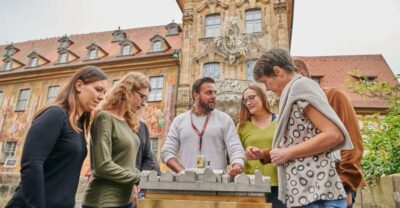
Browse the lists this tour appears in