
Review · LGBTQ-FRIENDLY
Berlin: Gay Berlin Out in Schöneberg Walking Tour
Berlin’s queer story comes alive around Nollendorfplatz, where ordinary streets reveal the former sites of clubs, meeting places, and early gay-rights organizing. This 2.5-hour walk connects the glamorous 1920s scene with the Nazi crackdown, postwar West Berlin, and the neighborhood’s continuing LGBTQIA+ life.
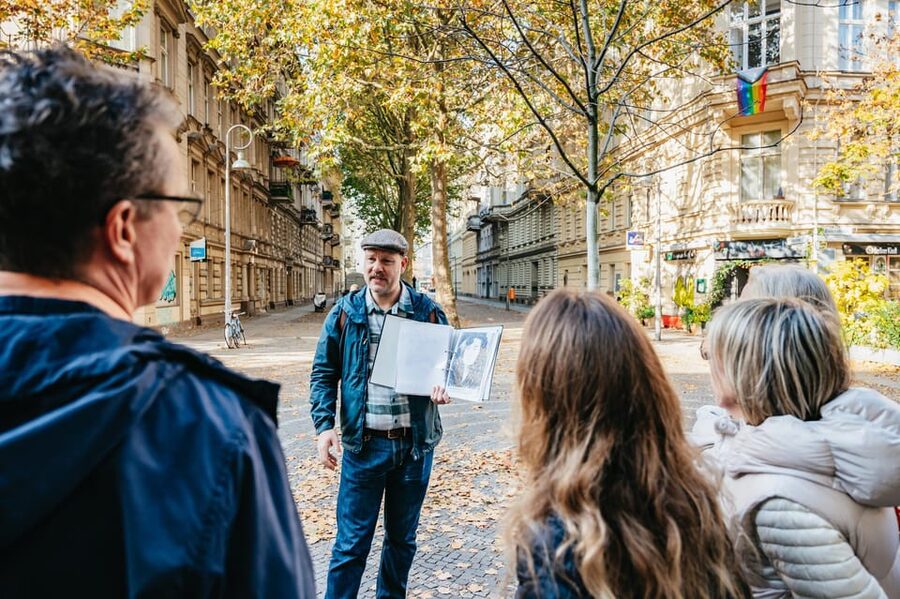
I like the way guide Tobias uses archive pictures and text to give vanished places a face. I also like the blend of gay, lesbian, trans, intersex, and gender-nonconforming stories, rather than treating queer history as a single narrow subject.
The main drawback is that much of what you see is a location or building from the past, not a preserved museum site. You need to listen closely and use your imagination, and cold or wet weather can make a long outdoor walk less comfortable.
Key points to know before you go
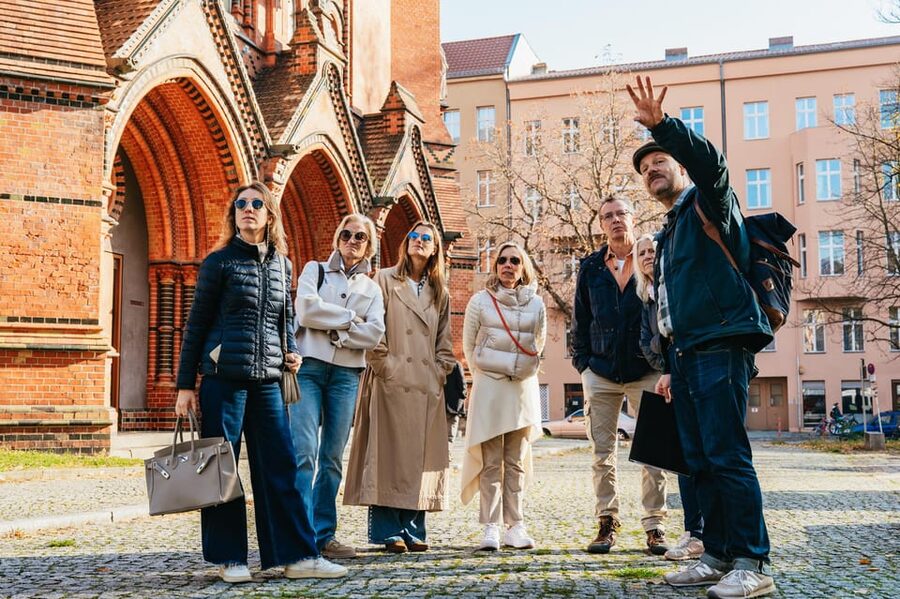
- Nollendorfplatz is the starting point for a story larger than one neighborhood: Schöneberg was a major center of Berlin’s queer life before the Nazi takeover.
- Nationalhof, Hollandais, Kleist Casino, and El Dorado are historical sites: Their importance comes from the stories attached to them, not from surviving interiors.
- Tobias is the central strength of the walk: He brings strong research, personal warmth, humor, archive images, and an easy willingness to answer questions.
- Christopher Isherwood’s former home adds a literary angle: His Berlin writing later became important to gay liberation and popular ideas about the city.
- The route includes lesbian and broader queer history: Schwerin Straße and Eisenacher Straße help show that Schöneberg’s story extends beyond famous gay men and cabarets.
- At $23, this is a good-value history walk: Food and drinks are not included, but the fee covers a focused local guide for two and a half hours.
Why Schöneberg matters to Berlin’s queer story
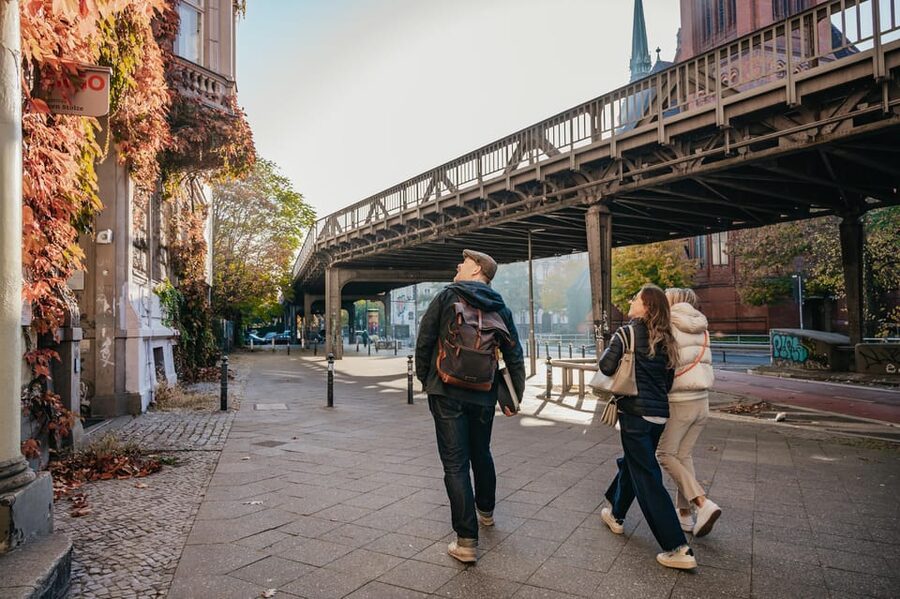
Schöneberg is not simply a district with a few LGBTQIA+ bars. Its importance comes from the way community, nightlife, politics, literature, and everyday life gathered here over many decades.
The key period on this walk is the time between the end of World War I and the Nazi rise to power in the early 1930s. Berlin’s queer scene was unusually visible then, with clubs, cabarets, meeting places, and organizations serving people who had few safe public spaces elsewhere.
That visibility did not mean full acceptance. The walk is useful because it avoids a simple story of carefree 1920s freedom. You learn about the gay-rights movement of the period, along with the social risks and political forces that threatened it.
The route also moves beyond the interwar years. Schöneberg became West Berlin’s main gay district again from the late 1960s onward, and the walk follows that return into the present day. You get a sense of change rather than a frozen portrait of old Berlin.
More LGBTQ-Friendly Walks in Berlin:
- San Francisco: Castro LGBTQ Walking Tour
★ 5.0 · 90 reviews - Pride Tours NYC’s LGBTQ Historical Walking Tour
★ 5.0 · 89 reviews - Florence: LGBTQ Renaissance Walking Tour with Mila
★ 4.9 · 85 reviews
Nollendorfplatz and the former Nationalhof
The area around Nollendorfplatz is the natural place to begin. Today, you see a functioning Berlin neighborhood, but Tobias uses the streets to point out where earlier queer life took shape.
The former Nationalhof is one of the most important stops. It was a center of the gay-rights movement in the 1920s, so this is more than a nightlife story. You learn how people organized, met, and built a sense of community before modern LGBTQIA+ rights existed.
This part of the tour helps you understand why location matters. A political movement does not happen only in government buildings. It also grows in cafés, clubs, apartments, and social halls where people can share information and recognize that they are not alone.
Because Nationalhof is presented as a former site, do not expect a preserved attraction with displays and signs explaining everything. The value comes from Tobias’s explanation and the setting around you. Archive photographs and printed material help bridge the gap between the present street and the earlier scene.
Hollandais, Kleist Casino, and the social world of the 1920s
The former Hollandais club and Kleist Casino add detail to the picture. These names can sound like a list of old venues, but the stops help explain how queer Berlin worked as a social network.
At places like these, people could meet others with similar lives and interests. Clubs also helped create visibility, even when social acceptance remained uncertain. Tobias places the venues within the wider period, so the walk is not just a parade of addresses.
I find this section especially useful if you know little about prewar queer Berlin. It shows that the city’s LGBTQIA+ life was not a recent import. People were already forming communities, arguing for rights, building public identities, and creating culture long before the language and legal protections familiar today.
The historic names also show the limits of what remains. You will not be touring the old Hollandais or Kleist Casino as working clubs. You are walking through a living district and learning how its earlier social world once fit into it.
Motzstraße and the El Dorado cabaret
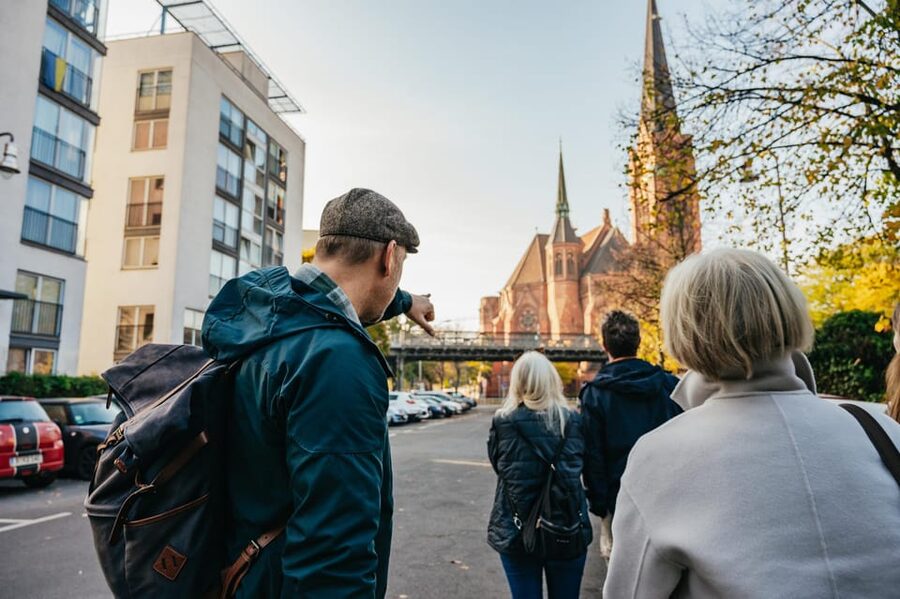
Motzstraße brings the theatrical side of Schöneberg into view. The former El Dorado cabaret club was one of the best-known venues associated with Berlin’s interwar queer culture.
A cabaret stop gives the tour a welcome change of pace. The story moves from organizing and community politics to performance, nightlife, fashion, and public identity. It also helps explain why 1920s Berlin gained such a strong reputation as a place where people could experiment with gender and sexuality.
Again, the attraction is the site and the account, not an intact club interior. The old El Dorado is part of the street’s history rather than a functioning museum. That may disappoint anyone hoping for a preserved cabaret, but it suits the wider purpose of the walk: Tobias shows how today’s buildings and streets carry traces of vanished social worlds.
His approach is said to combine facts with humor and personal anecdotes. That matters here. A long list of dates would flatten the subject, while a good storyteller can help you picture the people who used these places.
More Walking Tours in Berlin:
- Discover Berlin Half-Day Walking Tour
★ 5.0 · 9,624 reviews - Berlin City walk Government District and Places of Democracy
★ 4.7 · 8,467 reviews - Berlin: Third Reich & Cold War Guided Walking Tour
★ 4.9 · 8,378 reviews - Berlin: Discover Berlin Walking Tour
★ 4.9 · 5,998 reviews
Christopher Isherwood’s Nollendorfstraße home
The stop at Christopher Isherwood’s former home on Nollendorfstraße adds a literary thread. Isherwood’s writing about Berlin later became important to gay liberation, and his connection to Schöneberg helps link private experience with public culture.
You are not visiting a literary museum. The former home is another street-level location, so you should expect context rather than an interior tour. Still, it is a strong stop for readers who know Isherwood’s work or want to understand how writing helped shape later ideas about queer Berlin.
Tobias uses people as much as buildings to tell the story. That is one of the walk’s best features. The neighborhood becomes easier to remember when you connect it with writers, activists, performers, and residents rather than trying to memorize a map of former clubs.
If you are interested in Berlin literature, this stop gives you an extra reason to book. If you have never read Isherwood, you can still follow the importance of a writer whose work helped preserve and spread the image of queer life in the city.
From Nazi persecution to a postwar return
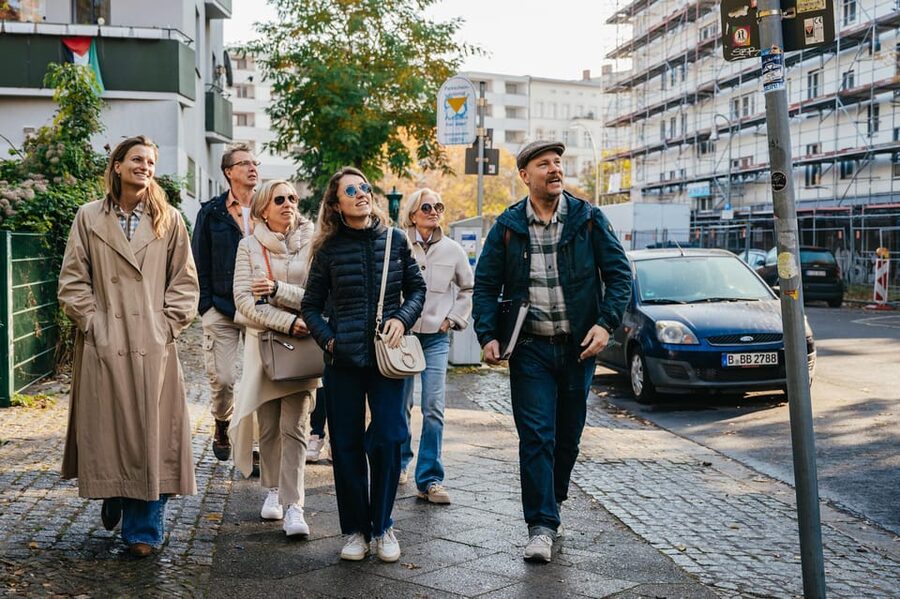
The tour’s most serious turn comes with the end of the interwar period and the accession of the Nazi Party. The earlier scene did not simply fade away. Political repression destroyed communities, silenced public life, and changed the meaning of these streets.
That part of the story needs care, and the walk places the nightlife and rights movement against the political danger of the time. The result is a more honest picture of Berlin. The city’s famous openness in the 1920s existed alongside vulnerability, and progress could be reversed.
The route then moves toward the resurgence of queer life in West Berlin from the end of the 1960s. Schöneberg became West Berlin’s main gay district, linking the prewar past with a newer period of organizing, nightlife, and public identity.
This shift gives the walk a useful shape. You are not only looking backward. You see how a neighborhood can lose its social role, regain it, and keep changing as the people who live there change.
Schwerin Straße and the lesbian quarter
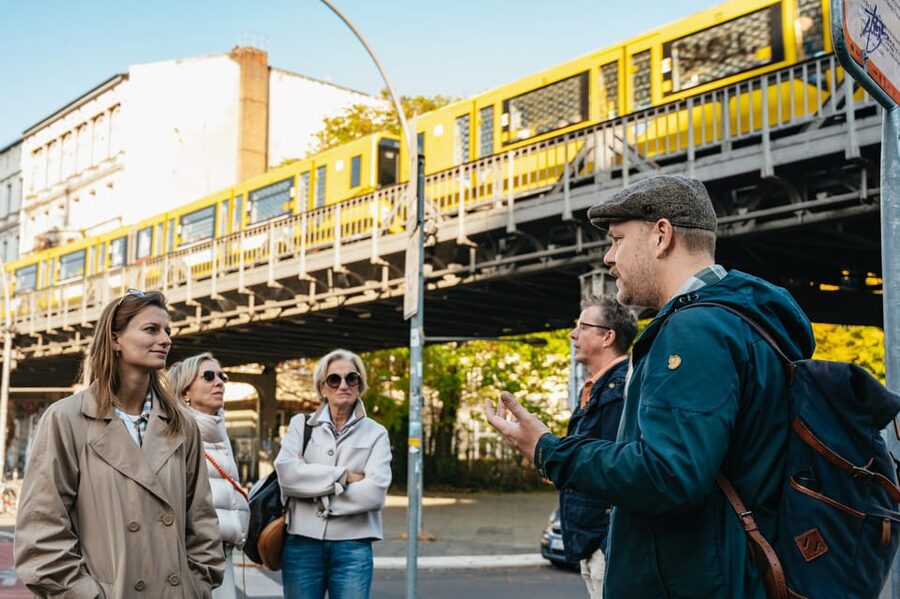
A major strength is the attention to lesbian history around Schwerin Straße. Many city tours about queer history focus heavily on famous gay men, cabarets, and writers. This route makes room for the women and lesbian communities who also shaped Schöneberg.
That wider view matters because queer history is not one story. The experiences of lesbians, gay men, trans people, intersex people, and gender-nonconforming people have overlapped, but they have not been identical.
You should expect the guide to connect local places with a broader range of people and identities. The tour does not treat the lesbian quarter as a token stop. It is part of the walk’s effort to show how different communities found one another and made space in the district.
The route is also praised for sensitivity around difficult subjects. That is important on a tour dealing with persecution, exclusion, and changing social attitudes. Tobias appears to keep the tone human and approachable without turning painful history into spectacle.
Eisenacher Straße and Schöneberg today
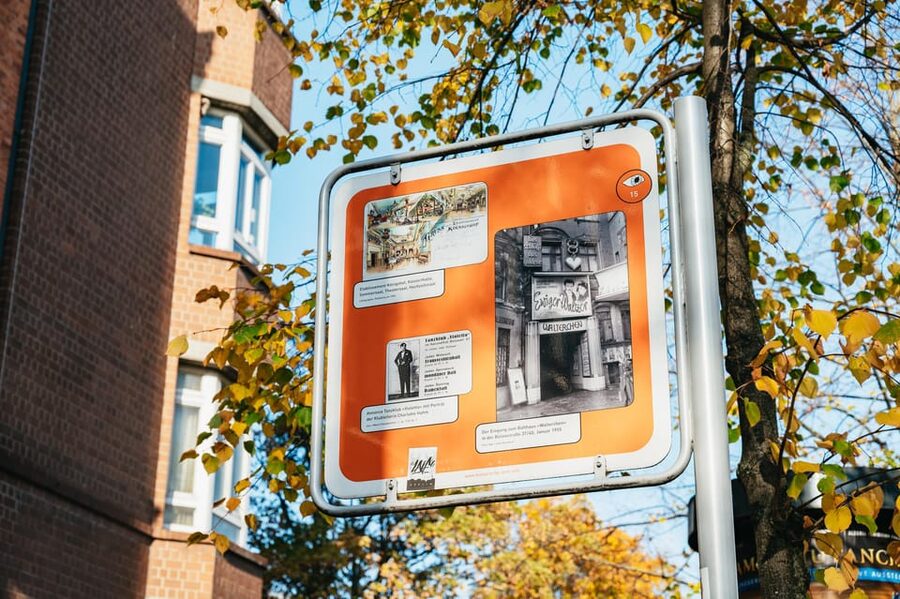
Eisenacher Straße helps bring the story into the present. The street still reflects the varied life of Schöneberg’s LGBTQIA+ community, so this section is less about vanished landmarks and more about continuity.
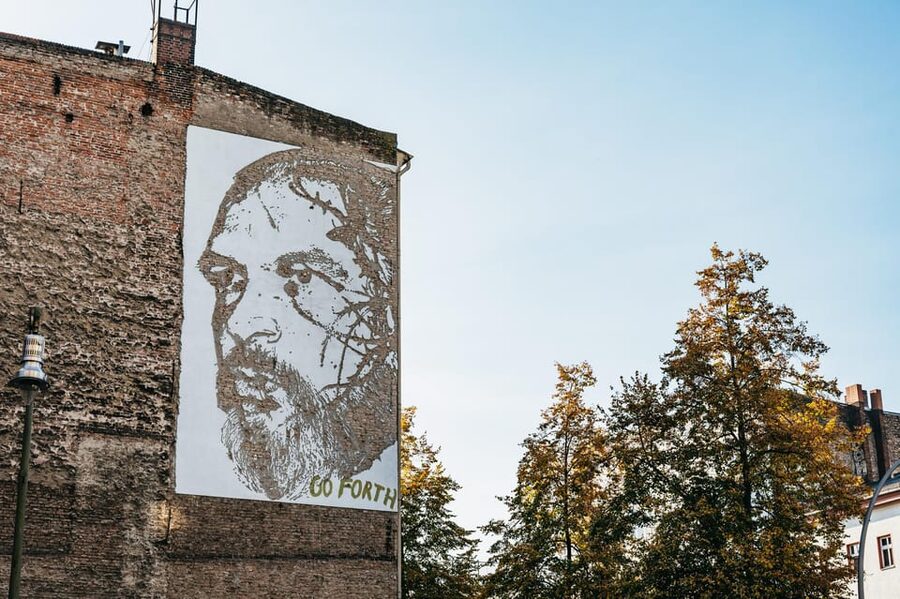
You may see everyday neighborhood life rather than a formal attraction. That is part of the appeal. The tour connects bars, cafés, shops, architecture, street art, and historic addresses, showing how queer identity can be part of a district’s daily rhythm.
The contrast with the former clubs is useful. Some places are gone, but the area is not merely a memorial. People still live, meet, work, and socialize here. The walk gives you a better sense of how a historic district functions now.
Several people have found it useful to continue afterward at a nearby queer café or bookshop. That is not included in the tour, and service at any suggested business can vary, but the idea makes sense: use the walk as an introduction, then support the local community on your own.
What Tobias brings to the walk
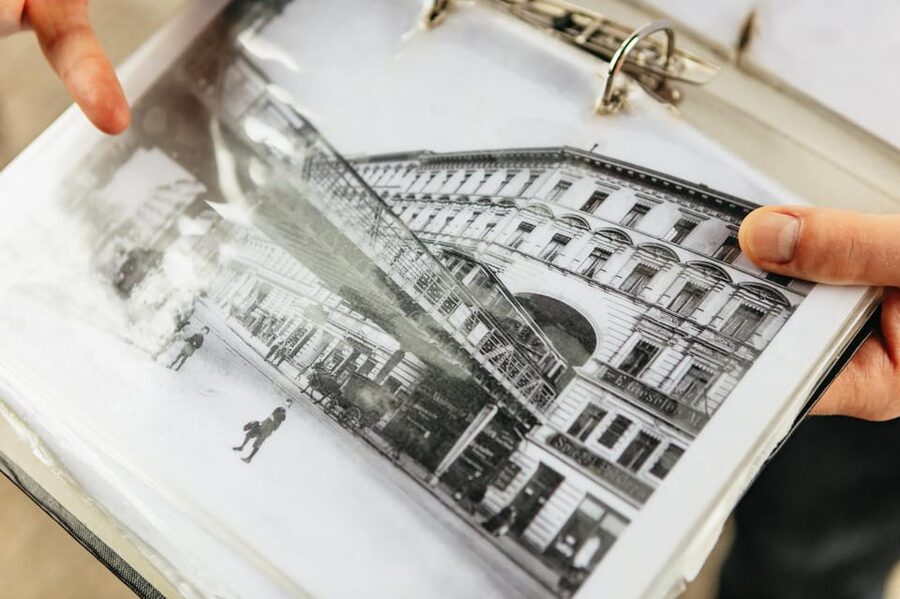
Tobias is repeatedly praised for his preparation, humor, English, and passion for the subject. More important, his style appears to suit a long walking tour. He explains places, answers questions, uses visual material, and adds personal stories without losing the historical thread.
His personal connection to the community also gives the tour a present-day voice. That does not replace research, and the strongest accounts describe both: careful preparation and a human way of telling the story.
You should allow time for questions. The walk is not designed as a silent march from one address to another. Tobias has been described as flexible and patient, with room for conversation along the way.
The archive pictures and text are particularly useful. Since many sites no longer look as they did, visual aids help you compare the street in front of you with the people and places being discussed.
Pace, weather, and accessibility
The tour lasts 2.5 hours, which is long enough to cover several periods without becoming an entire day commitment. The route includes time to walk, stop, look at buildings, discuss photographs, and ask questions.
You will be outdoors for most of the experience. Wear comfortable shoes and check the weather before you go. Cold and rain have not stopped the tour from running, but several accounts point to winter weather as a real factor. In colder months, dress properly and expect comfort stops rather than a warm indoor tour.
The activity is listed as wheelchair accessible. Since the exact meeting point can vary by booking option, confirm the starting details before you set out, especially if step-free access is important to you.
Tours are offered in English or German. Special dates, times, and meeting points can be arranged for a group, but you need to request those when calling. Food and drinks are not included.
Is $23 a fair price?
At $23 per person, I consider this strong value for a focused local history walk. You receive a live guide for two and a half hours, and the subject is specific enough that a general city tour would not cover it properly.
The fee pays for interpretation, not admission tickets. There are no listed museum entries, meals, or drinks, and the historic clubs and homes are viewed from public streets. If you want a collection of preserved interiors, this will not be the right use of your money.
If you value context, the price works better. Tobias’s preparation, archive materials, knowledge of the sites, and ability to connect several generations of queer life make the walk more than a simple neighborhood stroll.
You also get a useful introduction to Schöneberg. Even if you book mainly for queer history, you will learn about architecture, literature, street art, local businesses, and the way the district has changed.
Who should book this Schöneberg walk?
I would recommend it to anyone interested in LGBTQIA+ history, Berlin’s interwar culture, Christopher Isherwood, social movements, or the development of urban communities.
It is also a good choice for visitors who have already seen Berlin’s major museums and monuments and want a more local subject. The walk gives you a different way to read the city, one based on memory, identity, and ordinary streets.
You do not need prior knowledge of queer history. Tobias’s storytelling and visual material make the subject approachable. Still, people who enjoy asking questions and thinking about historical context will get the most from it.
Families with young children should consider the subject matter carefully. The tour covers persecution, sexuality, gender identity, nightlife, and political repression. The activity data does not give a specific age recommendation, so use your own judgment.
Should you book it?
Book this tour if you want substance rather than a photo stop. Schöneberg’s historic venues are mostly gone, but Tobias gives the addresses meaning through stories, archive images, and a clear link between the 1920s, Nazi persecution, West Berlin’s return, and queer life today.
Skip it if you want a short, entertainment-first walk or a tour built around preserved interiors. For everyone else, $23 is a sensible price for an engaging introduction to one of Berlin’s most important LGBTQIA+ districts.
The free-cancellation window is up to 24 hours before the tour, and you can reserve now and pay later. That makes it easier to fit into a changing Berlin schedule, but check the meeting point and start time for your chosen option before booking.
FAQ
How long is the Gay Berlin Out in Schöneberg Walking Tour?
The tour lasts 2.5 hours.
What languages are available?
The tour is offered in English and German.
Who guides the tour?
Tobias is the guide associated with this experience. He leads the walk through Schöneberg’s queer history and present-day community.
Is the tour wheelchair accessible?
Yes, the activity is listed as wheelchair accessible.
What is included in the price?
The price includes the walking tour and a guide. Food and drinks are not included.
Can I cancel for a full refund?
Yes. You can cancel up to 24 hours in advance for a full refund.
New routes in Berlin
- Small Group Walking Tour: “Wild Kreuzberg”★ 4.8 · 199 reviews
- Sachsenhausen Memorial: Walking Tour from Berlin★ 4.7 · 132 reviews
- Berlin: Prenzlauer Berg District Guided Walking Tour★ 4.9 · 316 reviews
- Berlin: 2.5-Hour Walking Tour through Kreuzberg 61★ 4.9 · 525 reviews
- From Berlin: Potsdam & Sanssouci half day Walking Tour★ 4.9 · 85 reviews
- Explore Berlin: Walking Tour of All The Iconic Sites★ 4.9 · 855 reviews
- East Berlin and the Wall: Walking Tour★ 4.9 · 407 reviews
- Cold War, Berlin Wall, Spies and the East Side Gallery★ 4.8 · 254 reviews
LGBTQ-Friendly, compared.
Browse the lists this tour appears in