
Review · GERMANY
Weimar: Old Town Guided Walking Tour
Weimar’s story comes at you in layers: Goethe and Schiller, the Bauhaus, and the short-lived Weimar Republic all meet on one compact walk. Starting at the Neptune Fountain, this city tour takes you across the Market Square, Democracy Square, Schillerstraße, and finally Theaterplatz, where the celebrated poets greet you in bronze.
I like the route’s clear historical arc and its easy price of $11. I also like that the guide mixes dates and facts with anecdotes, rather than turning the walk into a dry lecture. One point to consider: the tour is conducted in German, and the route is not suitable for wheelchair users, people with mobility impairments, or people with visual impairments.
Key points at a glance
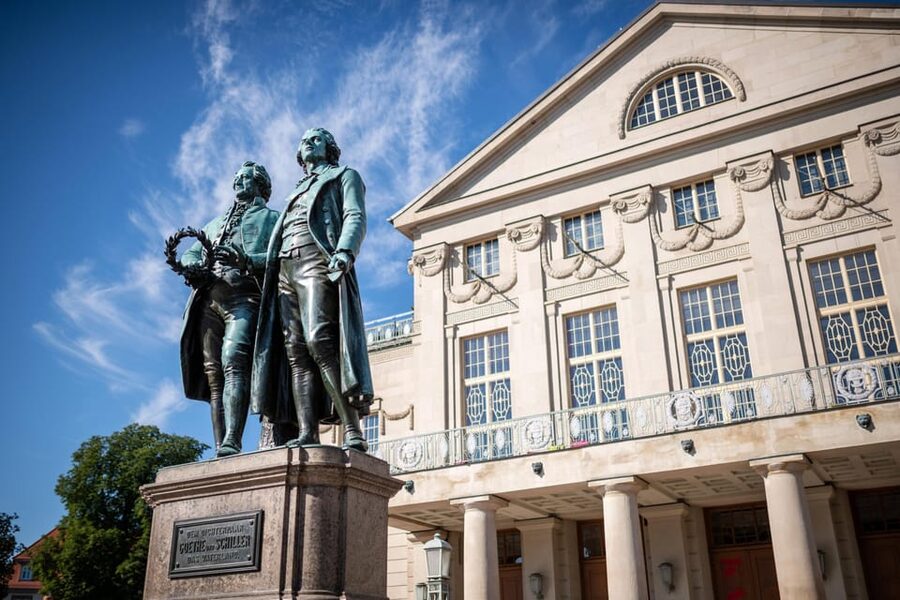
- A central route with a strong finish: Begin at the Neptune Fountain and end at Theaterplatz beside Weimar’s famous Goethe and Schiller monument.
- Three important chapters of German history: The walk connects Weimar Classicism, the Bauhaus, and the Weimar Republic.
- A practical one to two hours: You get a useful first look at the old town without giving up half a day.
- Facts mixed with stories: Guides aim to make the past lively, with amusing anecdotes alongside essential dates.
- German-speaking only: You should be comfortable following a guided tour in German.
- Good value at $11: The price is modest for a live walk through Weimar’s historic center.
Why this short walk works in Weimar
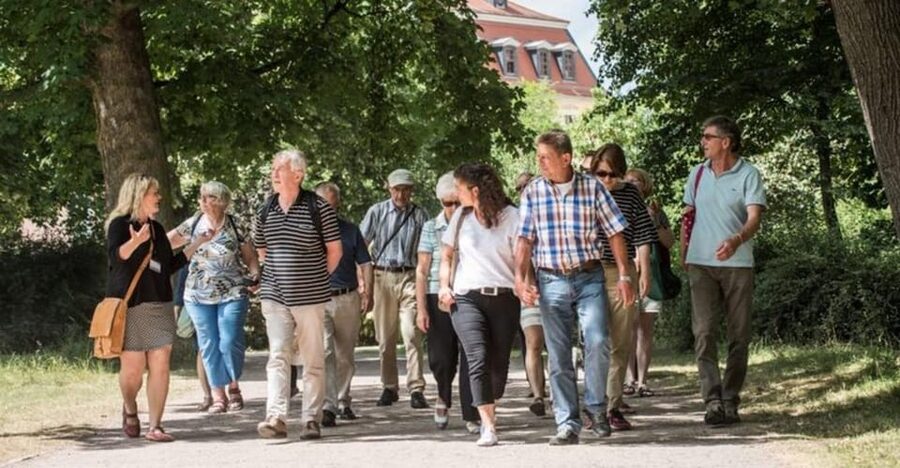
Weimar rewards context. You can wander past grand buildings and attractive squares on your own, but the city’s importance is easy to underestimate without someone explaining how its different eras connect.
This walk gives you that framework in a compact form. You are not seeing only a pretty old town. You are following the city’s role as a center of German literature, a birthplace of modern design, and the namesake of the Weimar Republic.
The route also makes practical sense. It moves through central places rather than sending you far across town, and it finishes at one of Weimar’s most recognizable public spaces. If you have only a short visit, a one to two hour walk can help you decide where to return for a longer look.
The pace should suit you if you prefer a guided introduction instead of a full-day history program. You will have enough time for photographs and short explanations, but not enough time for lengthy interior visits. This is primarily an outdoor orientation tour.
More Old Town Walking Tours in Germany
- Nuremberg: Old Town Guided Walking Tour
★ 4.6 · 2,416 reviews - Munich: Old Town & Viktualienmarkt City Walk in German
★ 4.7 · 2,304 reviews - Heidelberg: Walking Tour of the Old Town
★ 4.6 · 1,742 reviews
Starting at the Neptune Fountain
The walk begins at the Neptun Brunnen, or Neptune Fountain. This gives you a clear meeting point in the center and places you immediately among Weimar’s historic streets and civic buildings.
At the start, expect the guide to set the scene for the city and explain how the walk will connect its main themes. The tour is led in German, so your enjoyment will depend on how comfortably you can follow spoken German in an outdoor setting.
A fountain is also a useful place to begin a walking tour. You can arrive on foot, find the group, and get ready without the confusion of a large transport hub. Bring comfortable shoes, since the experience stays on foot and includes several central squares and streets.
The tour takes place in all weather. A light raincoat, sensible layers, and shoes with a firm sole are wise choices. There is no hotel pickup or drop-off, so you need to make your own way to the starting point.
Market Square and the city’s public face
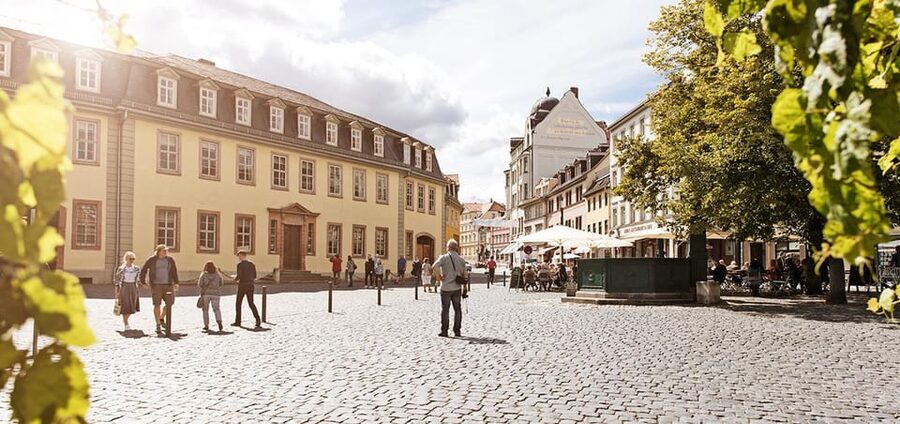
From the Neptune Fountain, the walk continues to Weimar’s Market Square. This is one of the best places to begin understanding how the old town functions, because it brings together public life, architecture, and the practical history of the city.
Your guide will point out the important features and explain what makes the square significant. The stop includes time for photographs, so you are not expected to hurry from one fact to the next.
Market squares often provide the best first lesson in a European town. They show how trade, civic power, and daily life once met in one open space. In Weimar, the square also helps you see the setting for the cultural figures and political changes discussed later in the tour.
Do not expect a museum visit here. The value comes from seeing the buildings in place and hearing how they relate to Weimar’s development. If you have already read about Goethe, Schiller, or the Bauhaus, the guide’s explanations can help connect those names to a real city rather than leaving them as isolated facts.
The walk’s public format may mean you share the experience with a varied group. That can make the atmosphere more social, but it also means the exact pace is not entirely yours. If you want to stop for long architectural study or extended photography, you may need to return later on your own.
Democracy Square and the Weimar Republic
The next major stop is Democracy Square. Its name points toward one of the tour’s most important political themes: the Weimar Republic.
The republic was Germany’s democratic government between the end of the First World War and the Nazi takeover in 1933. The tour uses Weimar to explain why the city became associated with that period and gives you facts about the political chapter that followed the city’s literary fame.
This is where the walk gains extra weight. Weimar is often presented mainly through Goethe, Schiller, elegant buildings, and classical culture. Democracy Square adds a reminder that the city also lent its name to a difficult and decisive period in German history.
Expect another guided stop with time for photographs. The guide may use the square to explain the political meaning of places you might otherwise pass without much thought. That is one of the strongest reasons to take the walk with a local guide: the setting becomes part of the story.
The political material may appeal most to you if you enjoy history beyond monuments and famous artists. If your interest is limited to architecture, this section could feel more serious than the lighter anecdotes elsewhere. Still, it keeps the tour from becoming a simple literary highlights walk.
Same streets, a different guide:
- Discover Berlin Half-Day Walking Tour
★ 5.0 · 9,624 reviews - Berlin City walk Government District and Places of Democracy
★ 4.7 · 8,467 reviews - Berlin: Third Reich & Cold War Guided Walking Tour
★ 4.9 · 8,378 reviews - Munich: Third Reich & WWII Walking Tour
★ 4.6 · 6,181 reviews
Goethe’s residence and the classical era
The route continues past the park toward Goethe’s residence. The information provided for the experience does not include entry into the house, so you should treat this as an exterior stop and a chance to understand Goethe’s place in Weimar.
Goethe is central to the city’s period of Weimar Classicism. The term refers to the close cultural association between Goethe, Schiller, and other writers and thinkers who helped make Weimar a major center of German literature and ideas.
The guide’s job here is to turn a famous address into a human story. Rather than simply pointing out where Goethe lived, the tour can show how his home fits into the wider route and why Weimar became linked to his work.
You may find this part especially useful if you are visiting Goethe’s residence separately. A brief introduction from the outside can give you questions to carry inside, such as how the house reflects his public status or how his life connected with Schiller and the town around him.
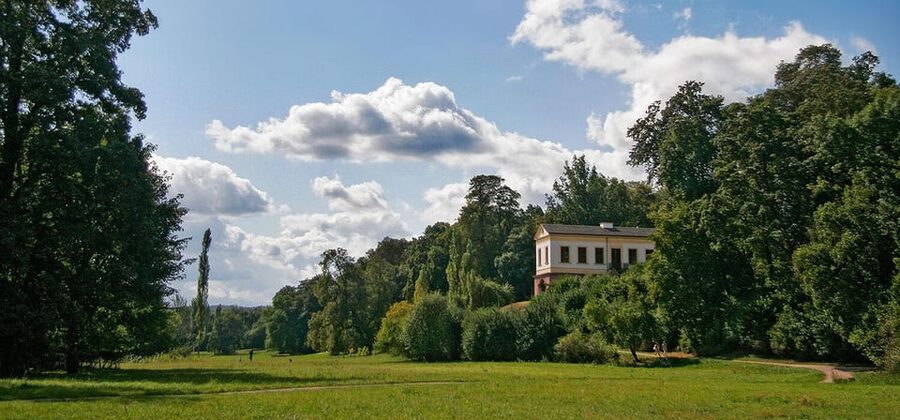
The nearby park also gives the walk a slight change of mood. After the tighter spaces of the market area, an open stretch can make the route feel less crowded and give you a natural pause. The exact amount of time here can vary, since the overall tour lasts from one to two hours.
Schillerstraße and the literary connection
The route then heads down Schillerstraße, another key stop in the old town. The street is tied to the literary identity of Weimar and helps connect Goethe’s residence with the final scene at Theaterplatz.
Schillerstraße is more than a passage between attractions. A guided walk lets you see it as part of the relationship between two major writers and the town that brought them together in public memory.
This section should suit you if you enjoy learning through streets rather than only through museums. You are walking through the setting as the guide explains it, which can make the literary story easier to picture.
The stop includes sightseeing and photographs. Keep your camera ready, but listen closely too. The strongest parts of a short city tour are often the small details and amusing stories that help you remember a place after the dates have faded.
The German-only format matters here. The tour provider identifies German as the language, and the recent feedback highlights the combination of extensive historical information, necessary facts, and entertaining stories. If your German is basic, you may miss some of the humor or fast explanations. For German speakers, that same format may feel more natural and direct than a translated audio presentation.
Theaterplatz and the Goethe and Schiller monument
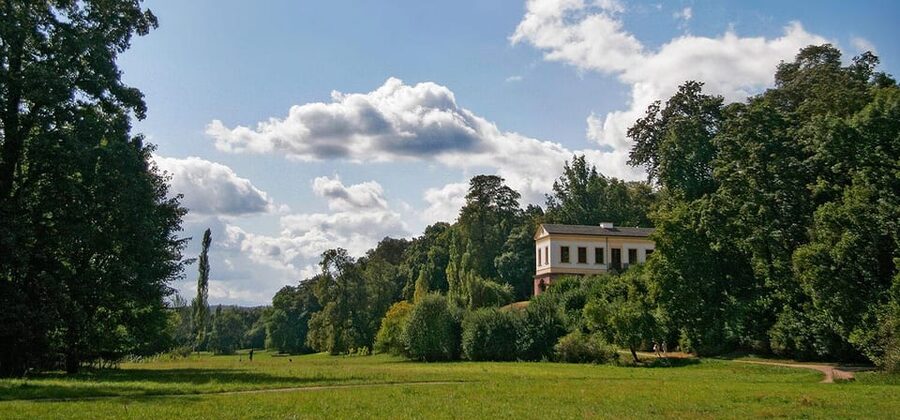
The walk ends at Theaterplatz, home to Weimar’s well-known monument of Goethe and Schiller. This is a strong final stop because it brings the tour’s literary thread into one visible image.
The two poets are shown together, a pairing that has become one of Weimar’s defining symbols. By ending here, the route gives you a clear visual conclusion after moving through the Market Square, Democracy Square, Goethe’s residence, and Schillerstraße.
You will want a few minutes for photographs at Theaterplatz. The square also makes a convenient place to continue exploring independently, though no onward activities are included in the tour itself.
A good guided walk should leave you with a map in your head. This one ends with that map in place: the old town’s public center, the political square, the literary addresses, and the grand monument are no longer disconnected points.
The finish also makes the tour easy to combine with the rest of a day in Weimar. You can use the walk as an early orientation, then revisit the places that caught your attention. Or you can schedule it after seeing individual sights, using the guide to connect what you have already visited.
What $11 gets you
At $11 per person, this is inexpensive for a live guided walk in a historic city. The price includes the guided walking tour and nothing more, but the route covers several of Weimar’s central themes in one session.
I see the best value in the time saved. Instead of researching every square and famous address before you arrive, you get a structured explanation from a guide. The walk can also help you avoid spending your limited time on sights that matter less to your interests.
You should not expect admission tickets, food, transportation, or hotel service for this price. Hotel pickup and drop-off are not included, and the tour remains outdoors. If you want to enter Goethe’s residence or other attractions, those would need to be arranged separately.
The flexible booking terms add practical value. You can reserve now and pay later, and cancellation is allowed up to 24 hours before the start for a full refund. Check the available start times before booking, since the length is listed as one to two hours rather than one fixed duration.
Guide style and the level of information
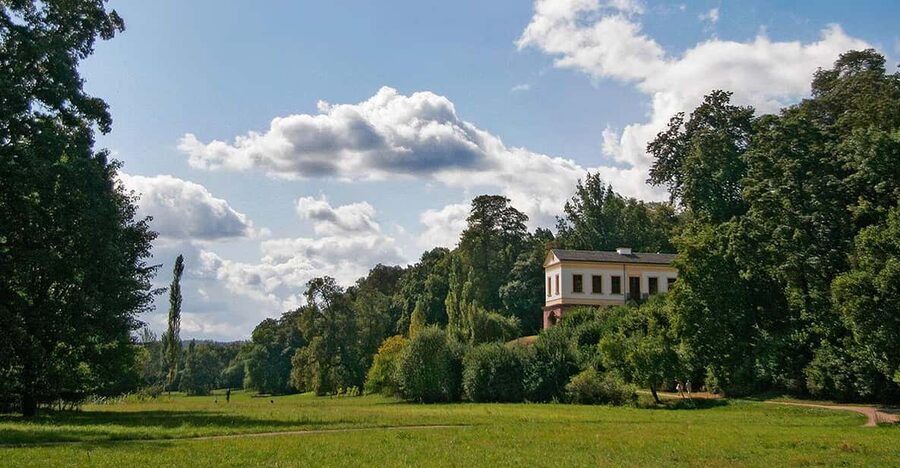
The tour is delivered by a live German-speaking guide. The supplied feedback specifically names Frau Hose and describes a two-hour walk that combined essential facts with entertaining stories. That gives you a useful sense of the preferred style: serious historical content, softened by anecdotes.
A second comment describes the experience as informative and engaging, while another highlights the extensive historical information. Taken together, the tour appears best suited to someone who wants more than a quick list of photo stops.
The exact guide may vary, so you should not assume Frau Hose will lead every departure. Still, the named example suggests the tour can offer a personal style rather than a recorded script.
If you like to ask questions, a live walk has an advantage over an audio guide. If you need a tour in English or another language, this is not the right choice based on the stated language information. The provider lists German only.
Who should book this walk
I would choose this tour if you are visiting Weimar for the first time, have one to two hours available, and want the city’s major themes explained in one compact route. It is also a good fit if you are interested in literature, political history, or the origins of modern design.
The Bauhaus connection is a useful part of the experience, even though the route is not presented as a dedicated Bauhaus tour. You get a broader view of Weimar as a place where cultural and political ideas developed across different periods.
You should think twice if you want a fully accessible route, a private guide, a long museum visit, or English commentary. The tour is not suitable for wheelchair users, people with mobility impairments, or people with visual impairments.
Comfortable shoes are essential. Since the walk continues in rain or shine, weather protection is not optional. The central route is manageable in duration, but the experience still depends on walking and standing outdoors.
Should you book the Weimar old town tour?
Book it if you want a low-cost, fact-filled introduction to Weimar with a clear route and a German-speaking guide. The blend of Weimar Classicism, the Bauhaus, and the Weimar Republic gives you a wider picture than a tour focused only on Goethe and Schiller.
Skip it if you need English, accessible arrangements, or extensive time inside attractions. For everyone else, $11 is a sensible price for a lively orientation that leaves you better prepared to explore Weimar on your own.
FAQ
Where does the Weimar walking tour begin?
The tour begins at the Neptune Fountain, known in German as the Neptun Brunnen.
Where does the tour finish?
The walk finishes at Theaterplatz, home to the well-known monument of Goethe and Schiller.
How long does the tour last?
The stated duration is one to two hours. Available starting times can vary, so check them when booking.
What language is the tour conducted in?
The tour is conducted in German with a live tour guide.
What places are included on the route?
The route includes the Market Square, Democracy Square, the area near Goethe’s residence, Schillerstraße, and Theaterplatz.
Does the tour include entry to Goethe’s residence?
The provided information does not include admission to Goethe’s residence. The route passes by the residence as part of the walking tour.
What is included in the price?
The price includes the guided walking tour.
Is hotel pickup included?
No. Hotel pickup and drop-off are not included.
What should I bring?
Bring comfortable shoes and clothing suited to the weather.
Does the tour run in bad weather?
Yes. The tour takes place rain or shine.
Is the tour suitable for wheelchair users?
No. The activity is not suitable for wheelchair users, people with mobility impairments, or people with visual impairments.
Can I cancel the booking?
You can cancel up to 24 hours in advance for a full refund. You can also reserve now and pay later.
New routes in Germany
- Munich: Walking Tour Old Town and Viktualienmarkt★ 4.7 · 839 reviews
- Stuttgart: Guided Ghost Walking Tour★ 4.5 · 867 reviews
- Stuttgart: Private Guided Circular City Walk★ 4.7 · 129 reviews
- Stuttgart: Old Town Highlights Guided Walking Tour★ 4.2 · 101 reviews
- Stuttgart: City Highlights – Guided Walking Tour★ 4.7 · 189 reviews
- Hamburg: Private Tour Red Light District Walking Tour★ 4.7 · 227 reviews
- Small Group Walking Tour: “Wild Kreuzberg”★ 4.8 · 199 reviews
- Sachsenhausen Memorial: Walking Tour from Berlin★ 4.7 · 132 reviews
Germany Walking Tours, compared.
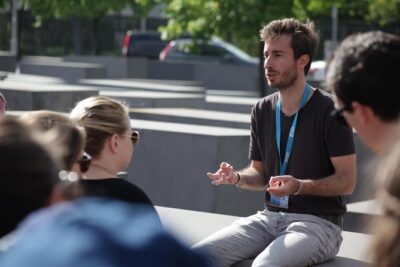

Berlin City walk Government District and Places of Democracy
Read our review →
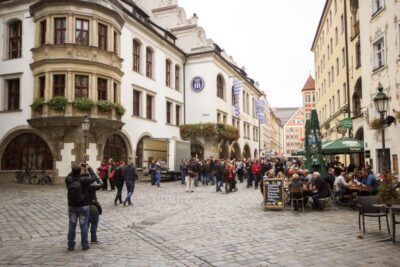

Berlin’s Best: 2 Hour Walking Tour Third Reich and the Cold War
Read our review →
Explore Berlin: See All The Iconic Sights & Some Hidden Gems
Read our review →
Third Reich Berlin: Hitler and WWII Walking Tour
Read our review →
Browse the lists this tour appears in