Review · DINNER EXPERIENCES
Bologna: Dinner, Wine & Tastings Walking Tour
Bologna’s best introduction may be one that lets you eat your way through its old center. This three-hour evening walk links Neptune’s Fountain, the Quadrilatero market, the Two Towers, and Santo Stefano with wine, cured meats, cheese, pasta, and dessert.
I like the balance here. You get a glass at one of Bologna’s oldest wine bars, then sit down for food rather than simply collecting samples on the move. I also like the guides’ personal touch: Giulia and Leonardo, the names most often associated with this experience, are praised for local stories, humor, and useful restaurant advice. The main drawback is the walking and the food volume. This is not a light aperitivo, and the tour is not designed for wheelchair users, people with mobility impairments, vegans, or children under six.
The Bologna food walk at a glance
- Neptune’s Fountain starts the story: Learn how Bologna’s grand central square reflects power, politics, and local legends.
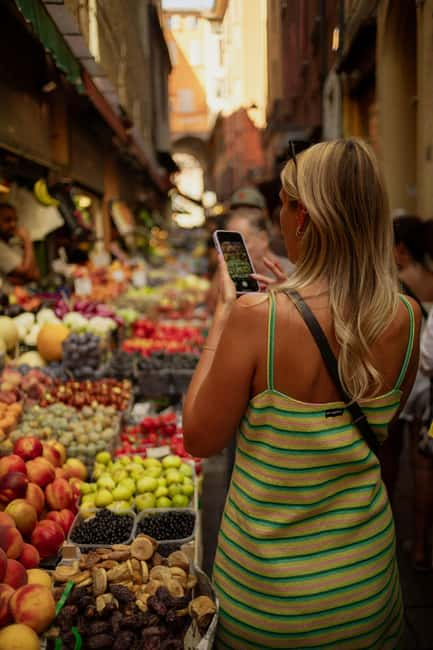
- The Quadrilatero brings food into focus: Walk through the city’s old market lanes before tasting regional cheese, charcuterie, and other specialties.
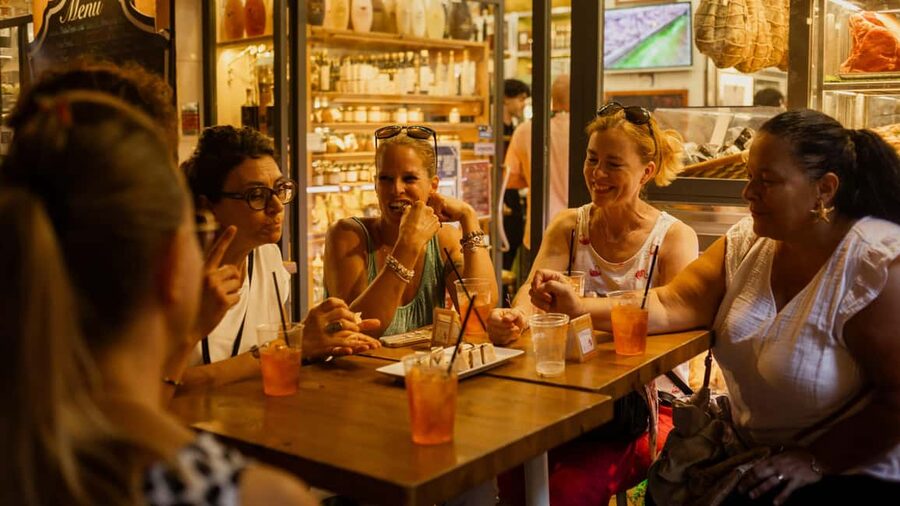
- Wine appears throughout the evening: Tastings include local and traditional Italian wines, with food pairings at several stops.
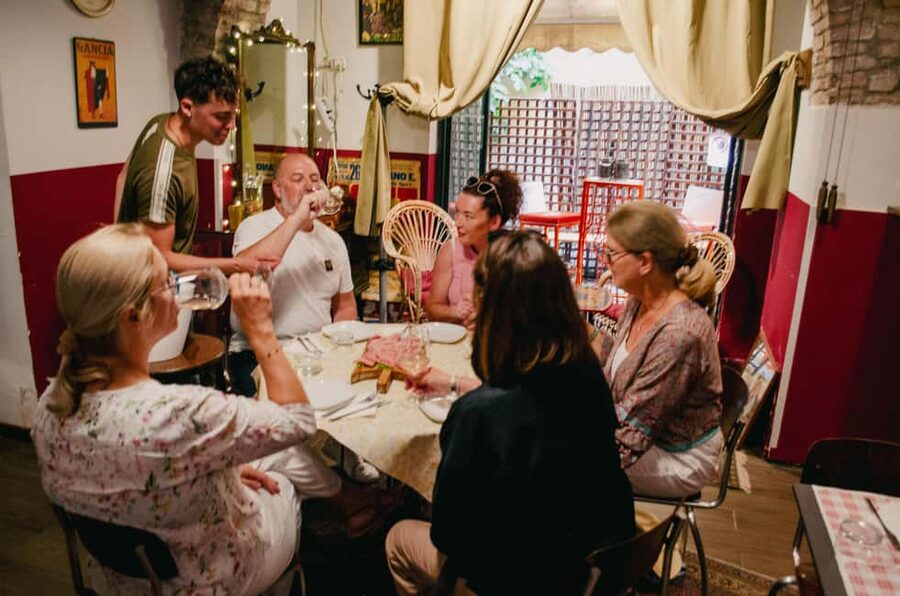
- Pasta is served as a proper seated course: Expect freshly made pasta such as tortellini or ravioli, not just a token forkful.
- Small-group guiding is a real advantage: Giulia, Leonardo, and other guides adapt the pace and conversation to the group.
- The finish is sweet: The walk ends near Piazza Santo Stefano with a handcrafted dessert from a local bakery.
Why this tour works for a first evening in Bologna
At $88 per person, this is priced above a simple market stroll but below what you might spend piecing together several tastings and a dinner on your own. You are paying for the food, wine, guide, and the useful geography of being led from one worthwhile stop to the next.
I see the biggest value in the combination. A food tour can leave you full but clueless about the city. A history walk can leave you informed but hungry. This one gives you a working map of central Bologna while showing how the city’s food traditions connect to daily life.
The tour lasts three hours and uses English throughout. It begins at Neptune’s Fountain and finishes at Piazza Santo Stefano, so you are not returned to your starting point. That is useful: you finish in a handsome part of the center with the rest of the evening ahead, though you should plan your route back before starting.
The pace is moderate rather than frantic. The schedule includes short guided visits and several eating stops, with walks between them. The result is a social evening, not a formal restaurant meal. You may share the experience with a small group, or find yourself with only a few people. On some departures, guides have been able to give a very personal experience, answer many questions, and adjust the conversation to interests such as photography.
More Food Walking Tours in Italy
- Naples: Street Food Walking Tour with Local Guide
★ 4.9 · 4,976 reviews - Eat Like a Local: Venice 3-Hour Small-Group Food Tasting Tour
★ 5.0 · 3,137 reviews - Rome: Guided Food Walking Tour with Wine in Trastevere
★ 4.9 · 3,105 reviews
Starting under Neptune’s Fountain
Meet your guide at Neptune’s Fountain in Piazza del Nettuno at least five minutes before departure. This is a sensible meeting point because it is central, easy to recognize, and surrounded by some of Bologna’s most important buildings.
The first guided section lasts about 15 minutes. Your guide uses the fountain to introduce Bologna’s public life, symbols, and political past. The tour also includes unusual details such as optical tricks, acoustic features, and signs of resistance that are easy to miss if you simply cross the square for a photograph.
I like this opening because it gives the food stops a setting. You are not just told that Bologna has an old market district. You begin in the civic heart of the city, then move into the lanes where food and trade shaped ordinary life.
The guide makes a difference here. Giulia is often praised for explaining history, culture, and local superstitions without turning the opening into a lecture. Leonardo and Leo are also noted for keeping the stories light, clear, and entertaining. The exact guide can vary, so book this for the format and not for a guaranteed individual.
Wine at an old Bologna wine bar
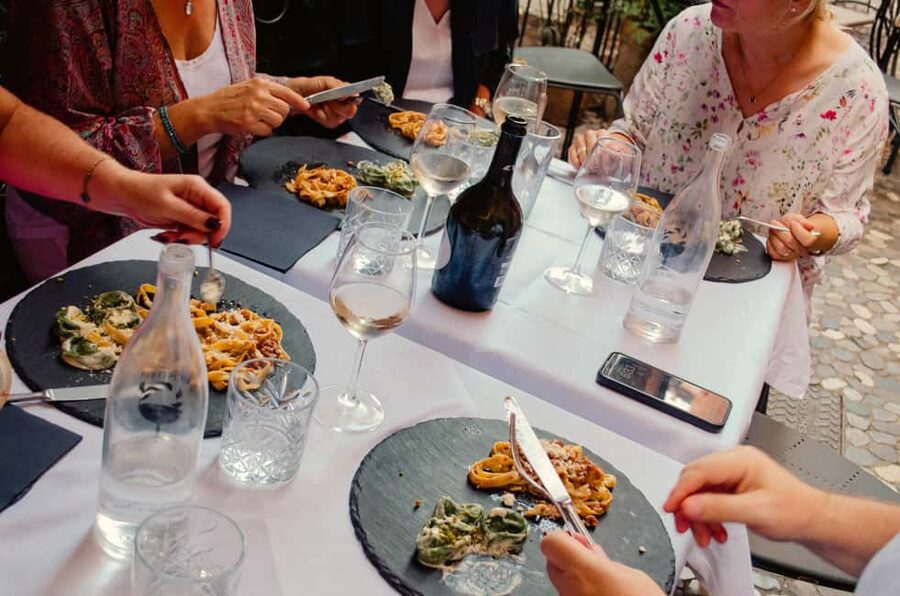
The next stop is a local restaurant or wine bar, where you spend about 30 minutes tasting wine. The experience is described as taking place at one of Bologna’s oldest wine bars, which gives the stop more character than a generic bar chosen simply for convenience.
This is where you start to understand that regional wine is part of the meal, not a separate event. The pairings vary, but the experience includes traditional Italian wines and, according to several accounts, generous pours. One tasting included Primitivo from Puglia, showing that the evening may not be limited to wines made inside Emilia-Romagna.
That detail is worth keeping in mind if you expect a tightly focused local wine lesson. This is a food-and-city tour with wine, rather than a specialist tasting class. You get context and enjoyable pairings, but the emphasis is on the complete Bologna experience.
The wine also sets the tone for the rest of the walk. You are encouraged to talk, ask questions, and get recommendations for later meals and bars. I would pace yourself here. More food follows, and the portions are described as substantial.
Walking the Quadrilatero market lanes
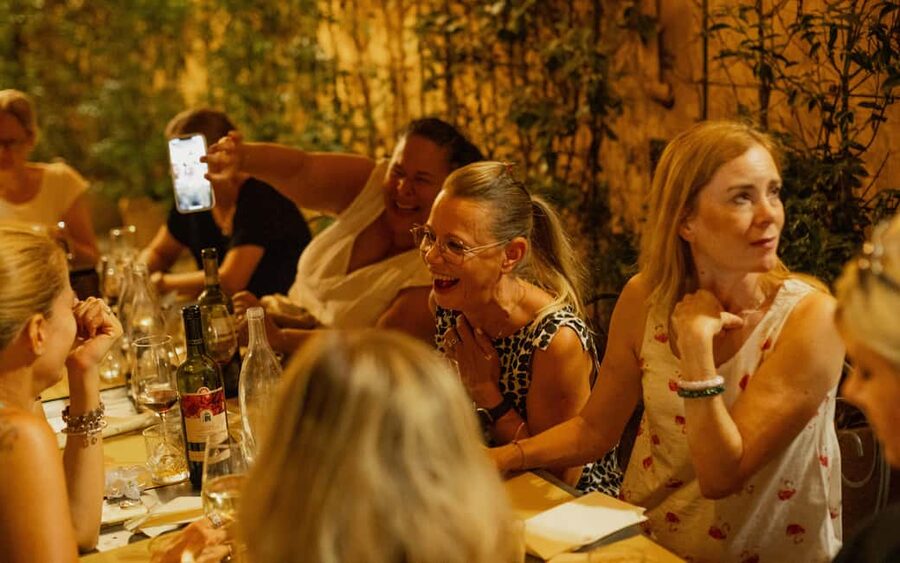
The Quadrilatero is Bologna’s ancient market district, a compact maze of lanes near the main square. You spend about 30 minutes walking through it with the guide before or around the first food tasting.
This section is important because it puts names and places to the food on your plate. Instead of hearing only a list of regional specialties, you see the kind of streets and shops associated with Bologna’s long market tradition. The guide points out medieval customs, noble rivalries, religious traces, and lesser-known symbols along the way.
The walk is not a full market-shopping session, so do not expect time to browse every counter or make a large haul. Its purpose is to connect the city’s old commercial center with the meal that follows.
For me, this is also where comfortable shoes matter most. Bologna’s center is well suited to walking, but the tour moves through several historic areas and includes repeated stops on foot. Bring water, check the forecast, and dress for the weather. In warm months, the wine and food can make hydration easy to forget.
More Wine and Tapas Walking Tours in Italy
- Bologna Food & Market Tour with 6 Tastings, Pasta, Wines & More
★ 5.0 · 1,328 reviews - Authentic Naples Food Tour with 8+ Tastings of Pizza, Wine & More
★ 5.0 · 824 reviews - Florence: Street Food Walking Tour with Wine
★ 4.9 · 719 reviews - Florence: Food Walking Tour with Local Steak and Tuscan Wine
★ 4.9 · 529 reviews
Charcuterie, cheese, and the first serious meal
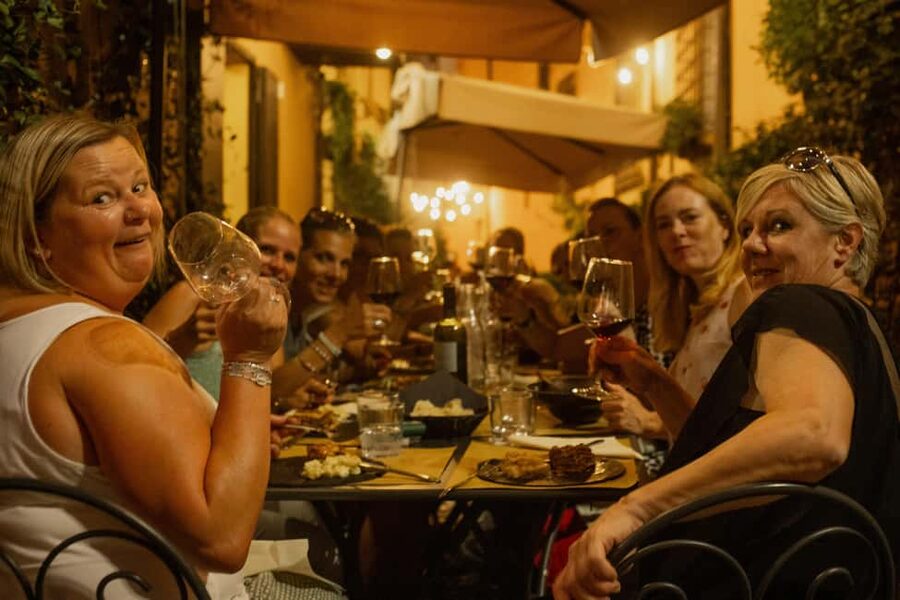
A second local restaurant provides about 30 minutes of food tasting. The food described in the experience includes a charcuterie board with regional cold cuts and cheeses, and several accounts also mention Parmesan-style cheese and sliced meats.
This is not a decorative plate with one thin slice of each item. The portions are generally described as generous, and the meal builds steadily. You may taste the salty, cured side of Emilia-Romagna before moving to the warm pasta course.
The guide explains what you are eating and why it matters. That simple information makes a difference. You can compare textures and flavors, ask about traditional preparation, and understand how these foods fit into a Bolognese table.
One small limitation is that the pairings may not be equally developed for every item. A cheese tasting was specifically noted as not being paired with wine, while other courses did include wine. If you want a structured wine match for every bite, this may feel basic. If you want a relaxed introduction with good quantities, it should work well.
Vegans should not book this tour. The food centers on cured meats, cheese, pasta, and wine, and there is no vegan format listed.
The Two Towers and the city’s medieval profile
From the food stop, the route continues toward the Two Towers for another 15-minute guided visit. These leaning medieval towers are among Bologna’s clearest symbols, and seeing them after the market streets helps you connect the city’s old rivalries with its built form.
The stop is brief. You should expect an exterior visit and storytelling rather than a climb or a long architectural tour. Your guide explains the towers and the surrounding center while keeping the group moving toward the next tasting.
This is a good point in the evening to look around rather than focus only on the next dish. Bologna can be easy to reduce to porticoes and red walls, but the stories about noble families, conflict, and civic pride give the center more shape.
The guides are particularly useful here because they keep the information approachable. Several experiences describe a mix of history, humor, and curious local facts rather than a heavy stream of dates. That suits a food walk, especially after a full plate and a glass of wine.
Fresh pasta with wine at the table
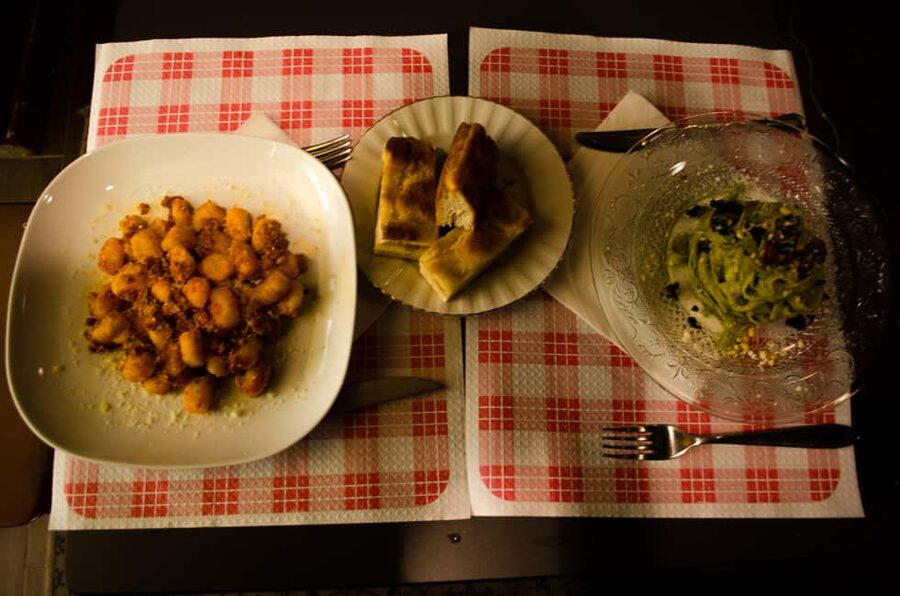
The next local restaurant stop is the tour’s main food event. You spend about 30 minutes tasting pasta with traditional wines, and this is presented as a seated course rather than a quick sample.
Expect classic Bolognese-style dishes such as tortellini, ravioli, or lasagna-style food, depending on the menu and the day. The exact dish is not fixed in the information provided, so you should not book expecting one guaranteed recipe. What is consistent is the focus on freshly made pasta and the chance to hear about local techniques.
This course gives the tour its strongest sense of place. Bologna is famous for pasta, but a good explanation of how the dough, filling, and cooking method fit together can change the way you read a menu for the rest of your trip. The guide connects ingredients and methods to habits that have lasted for generations.
I also appreciate that the portion is intended to feel like dinner. Several accounts describe enough food for a full meal, and some people found the portions generous. If you plan to eat a separate dinner afterward, you may be overcommitting. For most people, the tastings are the dinner.
Santo Stefano and the quieter final stretch
The walk continues to the Basilica di Santo Stefano for about 15 minutes of sightseeing. This part shifts the mood from market energy and medieval competition to a more reflective setting of religious buildings, art, and old devotional spaces.
The available details do not promise an extended interior tour or a specialist art lecture. Think of it as a guided look at an important complex and its atmosphere, with the guide explaining details many people pass without noticing.
That change of pace is welcome after several food stops. It also gives you a chance to enjoy Bologna as a city rather than as a chain of tasting rooms. You are still in the historic center, but the stories now concern devotion, sacred architecture, and the layers of the city that remain visible in ordinary streets.
The route also includes a medieval corridor with old legends and mysterious traces in the beams above. This sort of detail is one reason to choose a guide-led walk instead of following a basic map. You might walk past the same corner alone and never think to look up.
Dessert near Piazza Santo Stefano
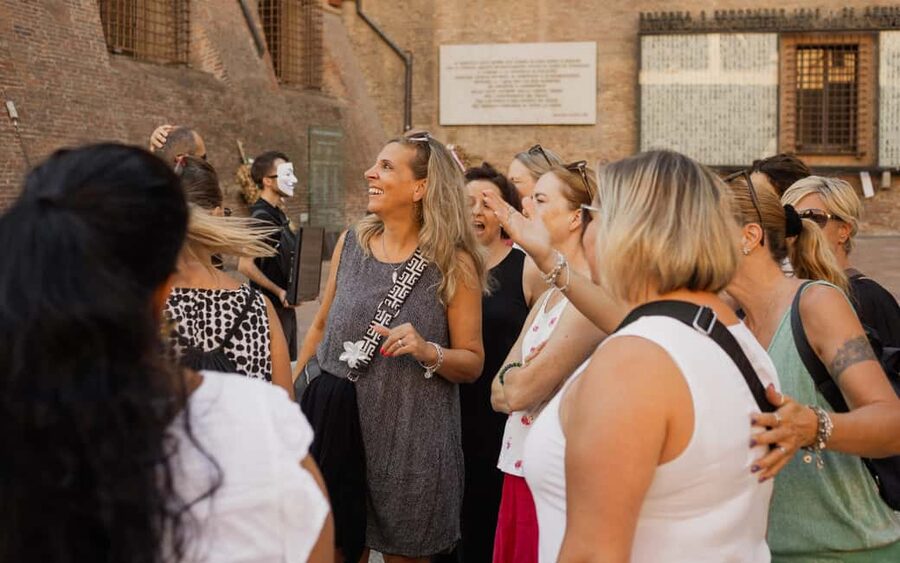
The final stop is a local bakery, where the experience ends with a handcrafted dessert. The itinerary allows about 15 minutes for this sweet finish, and some accounts describe ice cream as part of the final course.
Because the exact dessert can change, I would treat this as a seasonal or venue-based ending rather than expect one named pastry. The point is to close the meal on a local sweet note, not to add a fourth formal dinner course.
The finish at Piazza Santo Stefano is practical. You can stay in the square, continue exploring the surrounding lanes, or make your way to another part of town. Ask your guide for restaurant, bar, and evening suggestions. Leonardo and Giulia are repeatedly praised for offering useful ideas beyond the scheduled walk, which can be especially helpful if Bologna is your base for only a night or two.
Guide style, group size, and value
The guides are the main reason this experience feels more personal than a fixed tasting schedule. Giulia is described as warm, attentive, and good at explaining history without overloading you. Leonardo is praised for humor, local knowledge, English, and the habit of checking that everyone has enough food and wine.
The group size can vary. A small group makes it easier to ask questions and get recommendations. If only two people book a time slot, the walk may become almost private, with the guide adjusting the route of conversation to your interests. That is a real benefit, though people who want a lively crowd should understand that it is not guaranteed.
The price also looks better when you consider the meal. You receive several tastings, wine, a seated pasta course, dessert, historical guiding, and a walk through central Bologna. It is not the cheapest way to sample one food, but it is fair value for an evening that replaces both a guided city walk and a substantial dinner.
There are a few practical limits. Hotel pickup and drop-off are not included, and the meeting point is fixed at Neptune’s Fountain. The tour is not listed as suitable for wheelchair users or people with mobility impairments. One participant reported that a guide found ways to help a wheelchair user, but I would not rely on that exception. Contact the provider before booking if access is important.
Who should book it
I would book this for a first or second evening in Bologna, especially if you want a quick sense of the center before choosing restaurants on your own. It suits couples, solo visitors, friends, and small families with children aged six or older who are comfortable with a three-hour walk and a large amount of food.
It is also a good fit if you want history in plain language rather than a formal lecture. The mix of odd city details, local legends, food customs, and practical recommendations keeps the evening varied.
I would skip it if you are vegan, avoid wine, need a fully accessible route, or prefer a serious wine seminar with detailed producer information. I would also avoid booking it immediately after a large lunch. The charcuterie, cheese, pasta, wine, and dessert add up.
The cancellation terms are flexible: you can cancel up to 24 hours ahead for a full refund, and reserve now while paying later. Still, check the starting time and arrive early at Neptune’s Fountain.
My verdict: a tasty way to get oriented
Book this tour if you want Bologna explained through its streets and its table. The strongest parts are the mix of food and history, the generous portions, the old market district, and guides such as Giulia and Leonardo who add humor and practical advice.
At $88, I see it as a good-value evening rather than a bargain snack tour. You get enough food to treat it as dinner, several wine tastings, and a useful walk through the old center. Just wear comfortable shoes, leave room in your stomach, and remember that the route ends at Santo Stefano, not back at the fountain.
FAQ
How long does the Bologna dinner and wine tour last?
The tour lasts three hours, including walking, historical explanations, food tastings, wine, pasta, and dessert.
Where does the tour begin?
Meet your English-speaking guide at Neptune’s Fountain in Piazza del Nettuno. You should arrive at least five minutes before the scheduled start.
Where does the tour finish?
The tour ends at Piazza Santo Stefano, after the visit to the basilica and the final dessert stop.
What food and drink are included?
The experience includes local wine, regional cold cuts, cheeses, pasta, traditional wine pairings, and a handcrafted dessert. The exact dishes can vary.
Is this a full dinner?
The portions are intended to make the experience a substantial evening meal. The tour includes charcuterie, cheese, a seated pasta tasting, wine, and dessert.
Is the tour suitable for vegans or children under six?
No. The experience is not suitable for vegans or children under six.
Is the tour wheelchair accessible?
The activity information says it is not suitable for wheelchair users or people with mobility impairments. It also involves a moderate amount of walking.
More Walks That End at the Table in Italy
- Naples: Street Food Experience With 6 Stops
★ 4.7 · 392 reviews - Hiroshima: Food and Culture Guided Walking Tour with Dinner
★ 4.9 · 212 reviews - Tirana: Local food experience & walking tour
★ 5.0 · 154 reviews - Kyoto: Geisha Dinner & Gion Cultural Walk
★ 5.0 · 73 reviews
More Evening Meals on the Route in Italy
- Osaka: Deep Backstreets Walking Tour with Dinner Option
★ 4.9 · 902 reviews - Kyoto Gion Cultural Walk & Geisha Show with Dining Options
★ 5.0 · 518 reviews - Marrakech: Authentic Moroccan Food Walking Tour & Dinner
★ 4.8 · 261 reviews - Athens at Night Small-Group Walking Tour with Dinner
★ 5.0 · 230 reviews
New routes in Italy
- Private St. Francis Basilica of Assisi and City Walking Tour★ 5.0 · 114 reviews
- Assisi Private Walking Tour including St. Francis Basilica★ 5.0 · 124 reviews
- Milan: City Highlights Walking Tour with The Last Supper★ 4.9 · 195 reviews
- Florence: Heart of Florence Guided Walking Tour★ 4.0 · 81 reviews
- Milan: Private or Shared Essential Walking Tour★ 4.7 · 84 reviews
- Taormina: Shared or Private Food & Wine Walking Tour★ 4.6 · 167 reviews
- Syracuse: Ortigia Private Walking Tour★ 4.8 · 181 reviews
- Syracuse: Ortigia and Neapolis Guided Walking Tour★ 4.7 · 205 reviews
Dinner Experiences, compared.
Deep Backstreets Walking Tour with Dinner Option
Read our review →
Kyoto Gion Cultural Walk & Geisha Show with Dining Options
Read our review →
Athens at Night Small-Group Walking Tour with Dinner
Read our review →
Hiroshima: Food and Culture Guided Walking Tour with Dinner
Read our review →