
Review · ITALY
Syracuse: Ortigia and Neapolis Guided Walking Tour
Syracuse makes its long past easy to read. A Greek temple became a Christian cathedral, ancient theaters still face the Ionian Sea, and Ortigia’s narrow lanes lead from classical ruins to lively Italian streets. This private tour links those sights with a guide who can explain how they fit together.
I like the small private group, which gives you room to ask questions and lets the guide adjust the pace. I also like the range: you see the major monuments of Neapolis and the key sights of Ortigia in one outing. The main drawback is cost. At $317.20 for up to five people, it makes much better sense for a family or small group than for one or two people, especially since admission fees are extra.
Key points at a glance
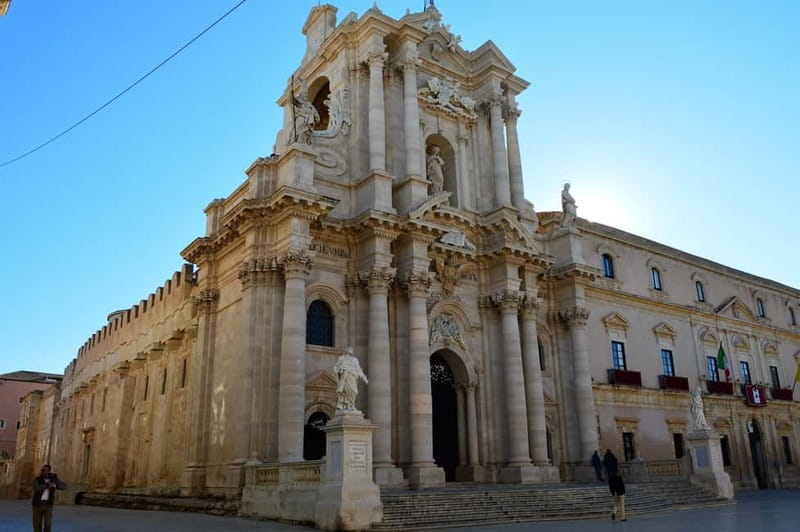
- Greek and Christian Syracuse in one walk: See the Temple of Athena incorporated into Syracuse Cathedral.
- Neapolis covers the big ancient sights: Visit the Greek Theater, Roman Amphitheater, Paradise Latomia, and Ear of Dionysius.
- Private guiding makes a difference: Guides such as Giuseppe, Anna, Marcelo, Laura, and Rosanna are praised for storytelling and patience.
- Three hours can cover a lot: Expect a steady walking tour with time for questions and photographs.
- Bring practical gear: Comfortable shoes, a hat, and water matter in the open archaeological park.
- Budget for entry tickets: Monument admission is not included in the tour price.
Why this Syracuse tour works
The best reason to book this tour is the combination of two very different parts of the city. Neapolis gives you wide archaeological grounds and monumental Greek and Roman remains. Ortigia gives you a compact old city where layers of Syracuse’s past are built into the streets and churches.
I find that combination more useful than visiting either area alone. The park shows the scale and power of ancient Syracuse. Ortigia shows how the city continued to change, adapt, and reuse older buildings. A guide can connect those pieces instead of leaving you to identify one impressive ruin after another.
This is a private group experience for up to five people. That detail matters. You do not have to wait for a large group, and you can interrupt with questions about architecture, local legends, religious customs, or the long sequence of Greek, Roman, Arab, and Spanish rule. Several guides are praised for keeping children involved, and one guide continued patiently after a family arrived late because of traffic.
The standard duration is three hours, though some private outings have run longer. Do not assume extra time is guaranteed, but the private format gives the guide some flexibility. The official meeting point is the ticket office at Neapolis Archaeological Park on Via Luigi Bernabò Brea. Your guide meets you there with a sign showing the local partner’s name.
More Guided Walks in Italy:
- Milan: Guided Walking Tour & Last Supper Visit with Ticket
★ 4.7 · 5,409 reviews - Naples: Street Food Walking Tour with Local Guide
★ 4.9 · 4,976 reviews - Florence: Highlights Walking Tour with Expert Guide
★ 4.6 · 4,662 reviews
Starting at Neapolis Archaeological Park
Beginning at Neapolis is practical because the archaeological park contains the tour’s largest collection of ancient monuments. You meet at the ticket office, then move into an area where the main sights are spread out. The park is not a quick indoor museum visit. You will walk between open-air ruins, theater seating, stone quarries, and dramatic cuttings in the rock.
The exact order can vary, but you should expect the guide to build the story around Syracuse’s role as a Greek power and later Roman city. This is where a private guide earns the fee. Without context, a theater, quarry, or amphitheater can look like a collection of weathered stones. With explanation, the spaces reveal how people worshiped, watched performances, gathered, and used the land.
You should wear shoes with good support. The advice to bring water and a hat is not filler. Much of the park is outdoors, and there may be limited shade. The tour is listed as wheelchair accessible, but you should still confirm current access details when booking if anyone in your group has specific mobility needs.
The Greek Theater and its Ionian Sea view
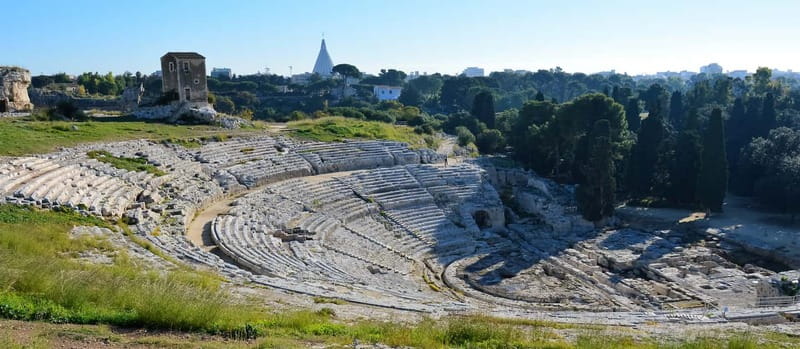
The Greek Theater is one of the tour’s major moments. Its size helps you understand the importance of Syracuse in the Greek world. The guide explains how the theater fits into ancient civic and religious life, rather than treating it as a photo stop alone.
The setting adds to the appeal. From the theater, you can look toward the Ionian Sea, a view that links the monument to Syracuse’s coastal power. I would plan to pause here for photographs, but also listen for the details about how the space was used. The stone seating and broad setting make the theater memorable even for visitors who have already seen ancient theaters elsewhere in Sicily.
The park also includes a Roman Amphitheater, giving you a useful contrast between Greek and Roman public buildings. The tour does not present Syracuse as frozen in one period. You see how different rulers and cultures left their mark on the same city.
Paradise Latomia and the Ear of Dionysius

The Paradise Latomia is an ancient stone quarry, and the Ear of Dionysius is its most famous feature. The guide explains the site’s purpose and the stories attached to it. This is one of the places where the spoken explanation matters most, since the drama comes from the shape of the rock and the human activity that created it.
You can expect the guide to discuss both archaeology and local legend. Guides such as Giuseppe are praised for adding stories without losing the historical thread. That balance is useful here. The Ear of Dionysius invites dramatic tales, but the surrounding quarry also tells you about the labor and materials that helped build Syracuse.
The park portion is likely to be the most physically demanding section. You are outside, walking between separate sights, and stopping often. If you have children, the private format helps because the guide can involve them with questions and stories. If your group includes older walkers, mention that before beginning. One private group with four older adults found the guide willing to accommodate a slower pace.
More Walking Tours in Italy:
- Venice: Doge’s Palace and St Mark’s Basilica Walking Tour
★ 4.4 · 6,291 reviews - Venice: San Marco to Rialto Walk & Spritz Like a Local
★ 4.2 · 3,651 reviews - Venice Walking Tour and Gondola Ride
★ 3.5 · 3,630 reviews - Uffizi & Accademia Timed Entry: Small Group Duomo Walking Tour
★ 4.5 · 3,630 reviews
The Temple of Athena inside Syracuse Cathedral
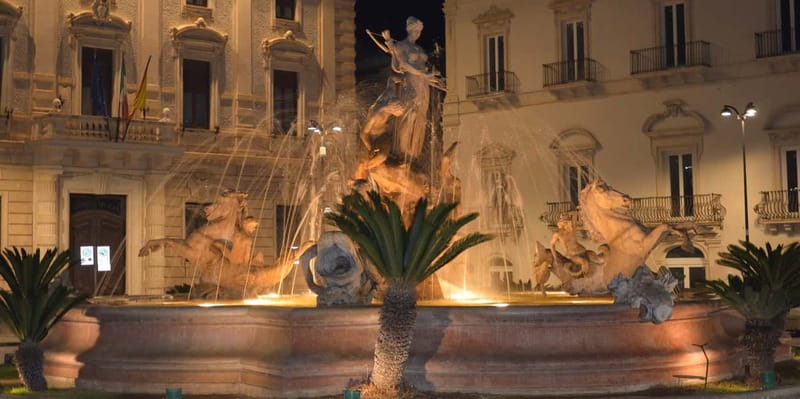
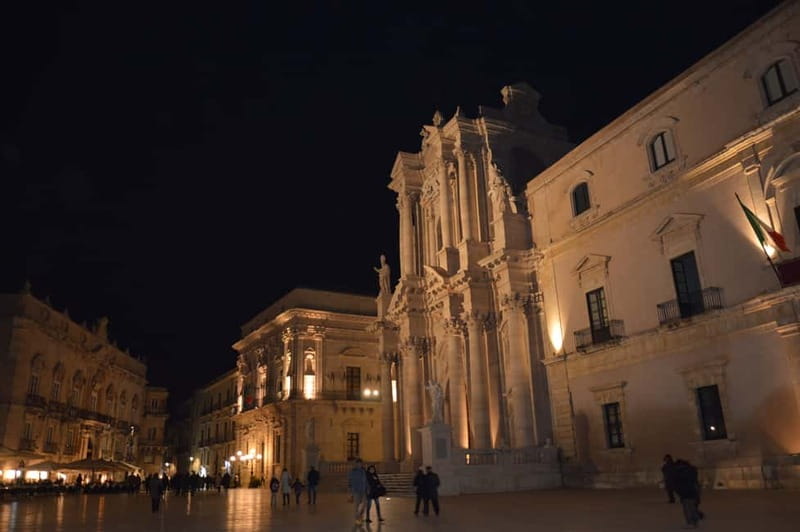
Ortigia changes the mood. The island is compact, and the old streets feel more intimate after the open spaces of Neapolis. The most striking sight is Syracuse Cathedral, where the ancient Temple of Athena survives within the later Christian building.
This is not simply a case of one building replacing another. The cathedral lets you see several periods at once. Your guide points out how pagan Greek architecture was incorporated into a Christian church and explains the building’s changing architectural styles. You get a direct lesson in how cities reuse important structures rather than starting over each time power or religion changes.
The Temple of Athena is especially valuable for understanding Syracuse as an ancient capital of the Mediterranean. You are not just looking at a column or a facade. You are seeing how an older sacred site remained part of the city’s identity through later eras.
The cathedral also gives you a reason to slow down. Allow time to examine the exterior and interior details, ask how the temple was altered, and compare what remains of the Greek structure with the later church. The tour description identifies the Temple of Athena as a photo stop and guided visit of about 30 minutes, though the exact timing can change.
Walking Ortigia’s old streets
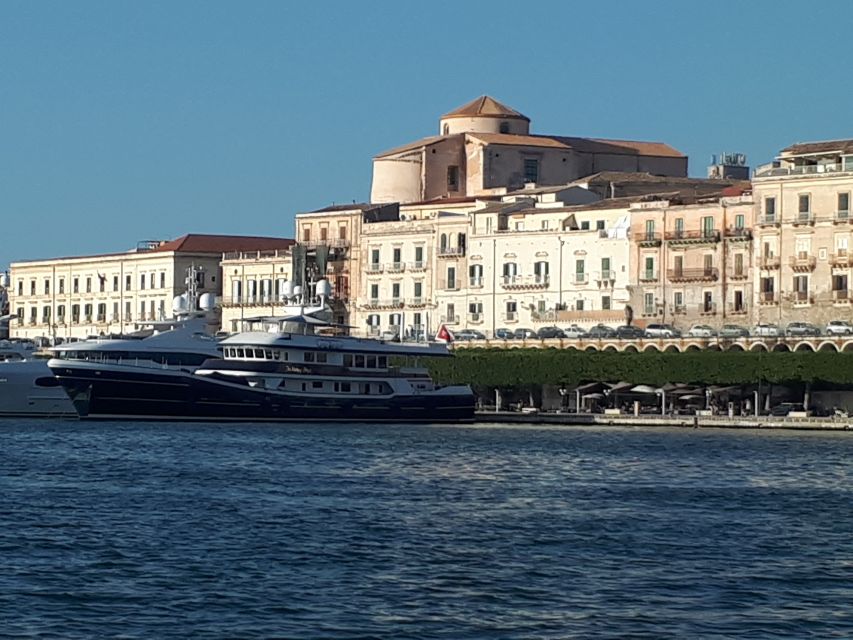
Ortigia is best experienced on foot, and this tour takes you through its maze of old streets rather than keeping you on a bus or moving only between major monuments. The guide helps you read the city’s layout and points out the mixture of Greek, Roman, Arab, Spanish, and later influences.
This part works well after Neapolis because it turns broad history into street-level details. You can ask about buildings, religious practices, local stories, and the continuing Greek identity of Syracuse. Rosanna, Anna, Giuseppe, Laura, and Marcelo are among the named guides praised for making the city’s past easy to follow and for answering questions in depth.
The streets can also slow the group down. You may stop for photographs, deal with uneven paving, or pause while the guide explains a building. That is a benefit if you want a thoughtful walk, but less ideal if you want a rapid checklist of sights. A sudden rainstorm once tested the tour, and the guide kept the visit going. Still, carry a light layer or check the forecast before setting out.
The guides and the private format
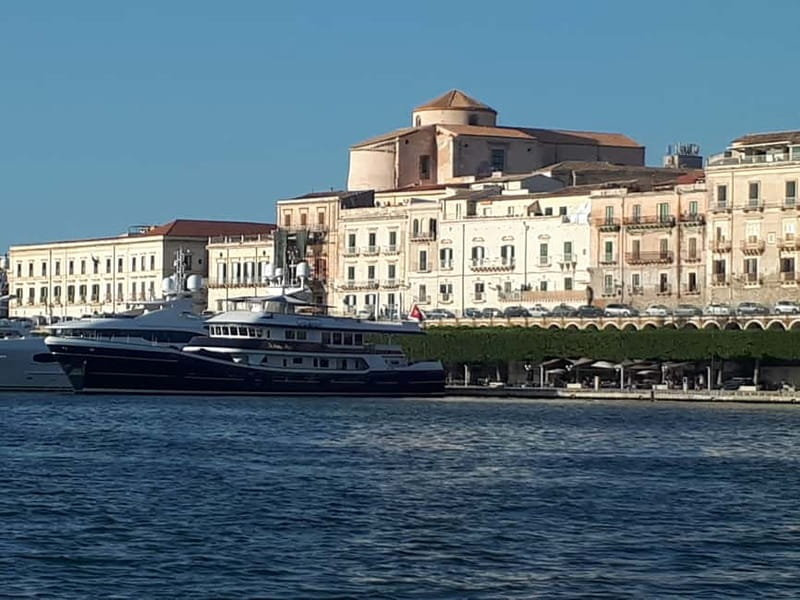
The strongest part of this experience is the guiding. Marcelo is praised for covering Syracuse from its Greek origins through Roman, Arab, and Spanish periods, with particular enthusiasm for archaeology. Giuseppe is described as energetic, full of historical detail, and good at using colorful stories to keep teenagers interested.
Anna appears often among the recommended guides. You can expect an organized approach, strong knowledge of local architecture and art, and a willingness to adapt to children or slower walkers. One family noted that she confirmed the meeting details in advance and remained patient when traffic caused a long delay. Laura is also described as friendly and ready to handle questions, while Rosanna is noted for explaining Syracuse’s continuing Greek identity.
Your exact guide is not guaranteed in the information provided, so treat these names as examples of the guiding style you may receive rather than a promise. The essential point is the private arrangement. You get a live guide in English, French, Italian, Russian, Spanish, or German, plus a headset to make the commentary easier to hear.
Is $317.20 a fair price?
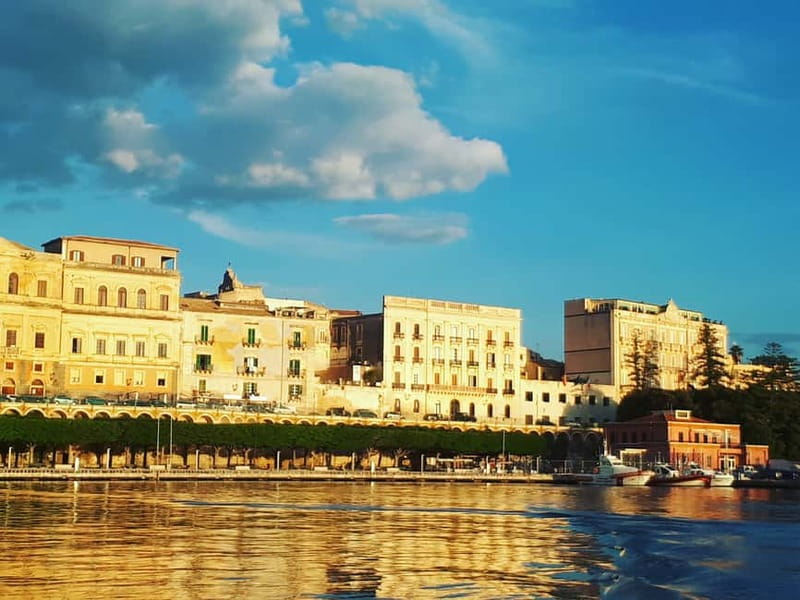
The listed price is $317.20 per group of up to five people. For five people, that works out to about $63.44 each before admission fees. For two people, the per-person cost rises sharply. I would consider it fair for a group that wants one guide across both Neapolis and Ortigia, but expensive if you are traveling alone.
Admission is not included. One group specifically noted a €13 archaeological park ticket per person, though prices can change, so check the current amount before booking. You also pay separately for food, drinks, and any transport you arrange. Pickup and drop-off are not included.
That last point needs attention because the information gives more than one end-of-tour description. The meeting point is clearly the Neapolis ticket office, while the itinerary also lists Ortigia and Neapolis as possible drop-off locations. Confirm the exact ending arrangement when you book. Do not count on a taxi being included.
The price makes the most sense when you value explanation and flexibility. If you only want to see the monuments and read signs at your own pace, the fee may feel high. If you want the city’s religious, political, and architectural changes explained as you walk, the private format offers real value.
Who should book this tour?
I would recommend it to a small family, a group of friends, or anyone visiting Syracuse for a short stay who wants the main ancient and historic sights handled in one morning or afternoon. It also suits people who enjoy asking questions rather than following a fixed script.
Families should find the format useful. The guide can bring children into the story, and the archaeological park offers large spaces and dramatic features that are easier to remember than a long museum lecture. Teenagers may respond well to the legends and unusual details around the Ear of Dionysius.
You should think twice if your group dislikes walking, hot outdoor sites, or structured historical explanation. The tour covers substantial ground, and three hours may feel full. It is also not the best value for one person unless having a private expert is a high priority.
Cancellation is free up to 24 hours before the tour, and you can reserve now and pay later. Languages include English, French, Italian, Russian, Spanish, and German. Comfortable shoes, water, and a hat are the practical essentials.
FAQ
How long is the Syracuse walking tour?
The scheduled duration is three hours. Some private outings have lasted longer, but you should plan around the stated three-hour schedule.
Where does the tour begin?
You meet at the Biglietteria Parco Archeologico Neapolis on Via Luigi Bernabò Brea, 96100 Siracusa. The guide meets you at the ticket office with a sign showing the local partner’s name.
Does the tour include admission tickets?
No. Entrance fees to the monuments are not included. One stated archaeological park admission price was €13 per person, but confirm the current price before your visit.
Is the tour private?
Yes. It is a private group experience for up to five people.
Which languages are available?
The live guide is available in English, French, Italian, Russian, Spanish, and German.
Is the tour suitable for children?
Yes. Children of all ages can join, and the guide will involve both parents and children during the visit.
What should I bring?
Wear comfortable shoes and bring a hat and a bottle of water. Pickup, drop-off, food, and drinks are not included.
Should you book it?
Book this tour if you want Syracuse explained as a connected story, from the Greek Theater and ancient quarry to the Temple of Athena and the Cathedral. The private format, strong guide feedback, and mix of Neapolis and Ortigia make it a practical choice for a small group.
Skip it if you are watching your budget, traveling alone, or prefer exploring without a guide. For everyone else, especially families and history-minded groups, the cost can be justified by the amount of ground covered and the chance to ask your own questions. Confirm entry fees and the final drop-off point, then bring good shoes and water.
New routes in Italy
- Private St. Francis Basilica of Assisi and City Walking Tour★ 5.0 · 114 reviews
- Assisi Private Walking Tour including St. Francis Basilica★ 5.0 · 124 reviews
- Milan: City Highlights Walking Tour with The Last Supper★ 4.9 · 195 reviews
- Florence: Heart of Florence Guided Walking Tour★ 4.0 · 81 reviews
- Milan: Private or Shared Essential Walking Tour★ 4.7 · 84 reviews
- Taormina: Shared or Private Food & Wine Walking Tour★ 4.6 · 167 reviews
- Syracuse: Ortigia Private Walking Tour★ 4.8 · 181 reviews
- Syracuse: Highlights of Ortigia Guided Walking Tour★ 4.2 · 136 reviews
Italy Walking Tours, compared.
Doge’s Palace and St Mark’s Basilica Walking Tour
Read our review →
Guided Walking Tour & Last Supper Visit with Ticket
Read our review →
San Marco to Rialto Walk & Spritz Like a Local
Read our review →
Uffizi & Accademia Timed Entry: Small Group Duomo Walking Tour
Read our review →
Browse the lists this tour appears in