
Review · GERMANY
Keitum: Guided Village Walking Tour
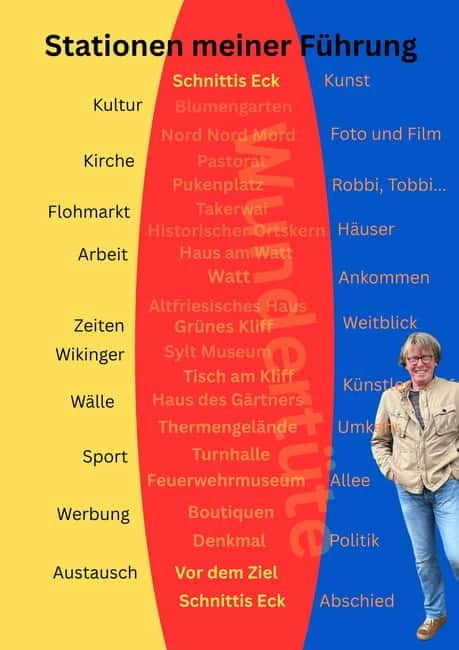
Keitum’s old lanes lead to a side of Sylt that beach time alone cannot show. You’ll pass thatched Frisian houses, walled gardens, glassblowers, and goldsmiths, then reach the Wadden Sea and the ancient burial mounds of Harhoog and Tipkenhoog. Guide Jörg Ridder adds personal stories and local contacts to the walk.
I like the small group of up to 10 and the easy pace over 2.5 hours. I also like the unusual span of the tour, from Stone Age graves to Keitum’s whaling past and present-day craft scene. One point to consider: this is conducted in German, and its conversational style may offer fewer dates and architectural facts than a classic village lecture.
Key points to know before booking
- Stone Age Keitum: Visit the ancient burial mounds of Harhoog and Tipkenhoog on the tidal side of the village.
- Jörg Ridder’s personal approach: Expect local stories, human connections, and active participation rather than a list of dates.
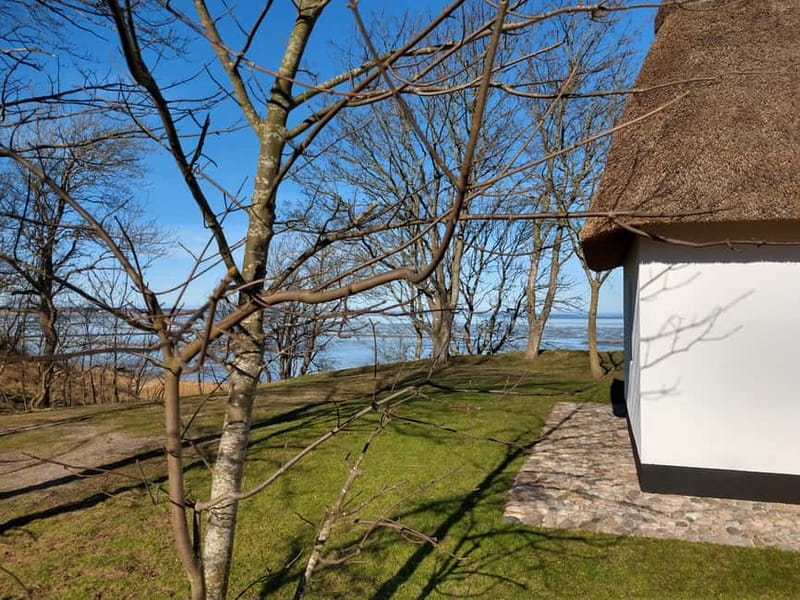
- Classic Frisian scenery: See thatched roofs, old homes, garden walls, and narrow lanes dating back to houses from around 1640.
- Sea and village in one walk: The route links Keitum’s winding center with broad Wadden Sea views and fresh coastal air.
- Useful small-group size: With no more than 10 people, you can hear the guide and take part in the conversation.
- Weather matters: The tour runs rain or shine, so bring comfortable shoes, rain gear, and clothing suited to the day.
Why Keitum feels different from a standard village tour

Keitum is known as the green heart of Sylt, and the name makes sense once you leave the bus station and enter its quieter lanes. The village is shaped by old Frisian homes, enclosed gardens, low walls, and paths that curve instead of running in neat modern lines.
This walk is not simply a march from one historic building to another. Jörg Ridder’s style is more personal and interactive. He brings the island’s past into conversations about people, work, art, and daily life. At times, you may hear a story from someone connected to the village rather than receive another string of dates.
That approach has clear value. You get a sense of Keitum as a living place, not a preserved outdoor museum. It also means the tour may feel less useful if your main goal is a formal architectural survey with exact construction dates for every captain’s house.
The group limit helps here. Ten people is small enough for questions and conversation, but large enough to give the walk a social feel. At $22 per person, the price is reasonable for two and a half hours with a guide, especially if you value context and local contact more than a quick sightseeing loop.
More Guided Walks in Germany:
- Berlin: Third Reich & Cold War Guided Walking Tour
★ 4.9 · 8,378 reviews - Berlin: Hidden Backyards Guided Walking Tour
★ 4.8 · 5,360 reviews - Bamberg: Guided Walking Tour
★ 4.6 · 3,202 reviews
Starting at Keitum Mitte
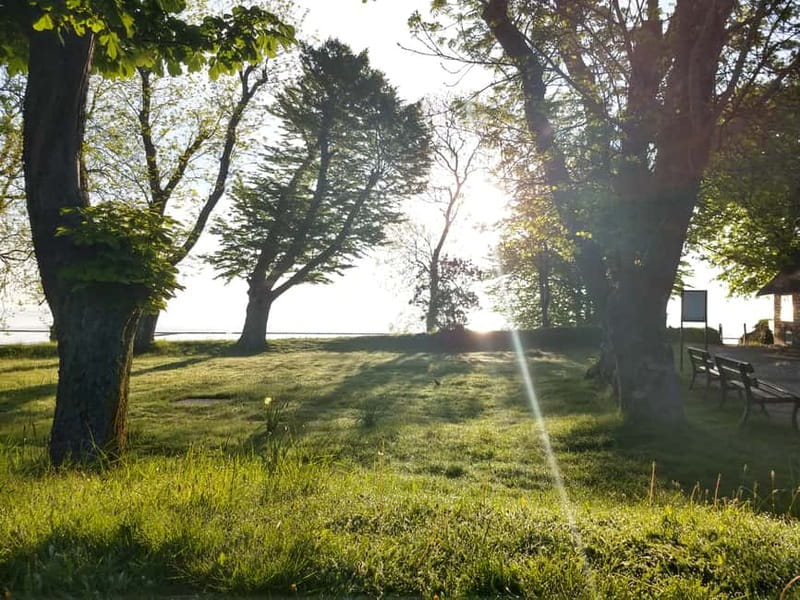
You meet at the bus station called Keitum Mitte. That gives the tour a clear starting point in the village center, and you will not need a hotel transfer because pickup and drop-off are not included.
From there, the walk moves onto rustic paths and narrow, twisting alleyways. Wear shoes you can walk in comfortably for 2.5 hours. The route is not presented as a strenuous hike, but cobbled or uneven village paths and changing coastal weather make practical footwear a smart choice.
The first part is a good time to get oriented. Instead of seeing Keitum only from a bus window, you begin among the homes and lanes that give the village its character. Look for the traditional thatched roofs and the simple, sturdy forms associated with North Sea island architecture.
The narrow streets are part of the appeal, but they also limit long-distance views in the village center. The reward comes later, when the route reaches the shoreline and the open Wadden Sea.
Thatched homes, garden walls, and old Frisian design
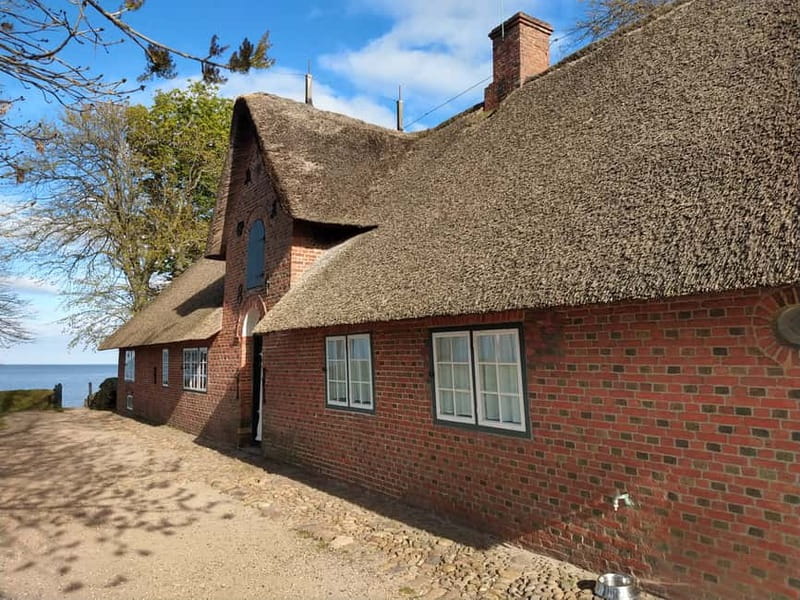
Keitum’s houses tell the story of an island shaped by wind, sea, and work. Thatched roofs are the most obvious feature, but the gardens and walls matter just as much. They create sheltered pockets around the homes and give the village its calm, green appearance.
Some houses date as far back as 1640. That does not mean every building on the walk is from that period, but it does give you a sense of the village’s long continuity. The best way to appreciate these homes is to notice the details as you go: the rooflines, the relationship between house and garden, and the way old walls frame the lanes.
Jörg connects this architecture with the people who lived here. Stories about Sylt’s whaling economy and the island’s cultural life in the 18th century help explain why Keitum became more than a small settlement. The village grew within a wider North Sea world, where seafaring, trade, and island identity were closely linked.
If you like history in human form, this section should work well. If you want an exhaustive account of Frisian building methods, ask questions directly and keep your expectations realistic. The emphasis is on making the place understandable and memorable, not on delivering a technical lecture.
Artisan workshops along the winding lanes
Keitum is not frozen in the past. As you walk through the village, you pass workshops connected with glassblowing and goldsmithing. These stops show how artistic work remains part of the local identity.
You should not expect a long workshop demonstration or a guaranteed chance to buy something. The important point is the connection between old village life and present-day craft. A house that looks historic from the outside may sit close to a working creative business, giving the walk a useful sense of continuity.
This is one reason the tour feels different from a standard local orientation walk. Jörg’s contacts with people on the island add a personal layer, and the group may have opportunities to hear about life in Keitum from people who know it directly. That can make the village easier to picture as a home rather than just a collection of attractive buildings.
There is one caution here. One account of the walk found the opening portion too much like a sales presentation and felt there was not enough information about the village and captain’s houses. If you dislike any commercial tone or want a tightly structured history talk, this format may not suit you perfectly.
More Walking Tours in Germany:
- Discover Berlin Half-Day Walking Tour
★ 5.0 · 9,624 reviews - Berlin City walk Government District and Places of Democracy
★ 4.7 · 8,467 reviews - Munich: Third Reich & WWII Walking Tour
★ 4.6 · 6,181 reviews - Berlin: Discover Berlin Walking Tour
★ 4.9 · 5,998 reviews
Stories of whaling and Keitum’s cultural life
Keitum’s past is tied to the sea, and the tour places the village within Sylt’s whaling economy. This adds useful context to the houses and lanes. The elegant old buildings were not simply decorative. They belonged to a community shaped by maritime work, changing fortunes, and ties beyond the island.
The walk also touches on Keitum’s cultural scene in the 18th century. That helps broaden the picture. You are not just hearing about one occupation or one period. You are learning how a small island village developed a strong sense of place through work, art, and social life.
Jörg’s presentation seems best suited to people who enjoy stories, questions, and unexpected links. He has been praised for making the tour humorous and engaging, and for involving the whole group rather than speaking over everyone. Small touches and personal examples help break up the historical material.
The trade-off is precision. A guide who avoids overwhelming you with dates may leave you wanting more hard facts. I would choose this walk for atmosphere, context, and a human view of Keitum, then use a museum or written guide if you want a full chronology.
The Wadden Sea and the fresh coastal air
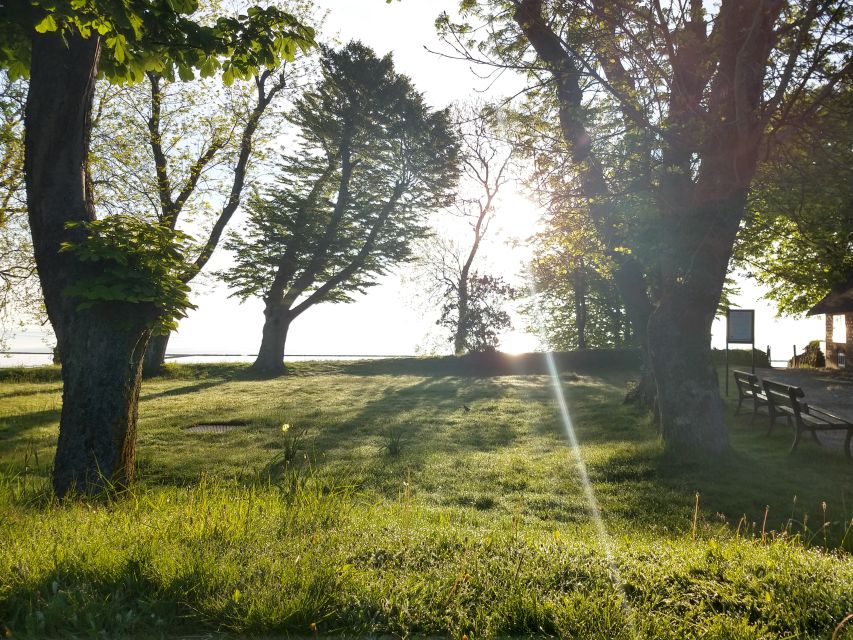
The route eventually opens onto the shoreline, where Keitum looks very different. The tight lanes and garden walls give way to wide views over the Wadden Sea. The open space, moving air, and tidal setting create a strong contrast with the protected village center.
This is a good place to pause and look outward. The walk is not only about buildings. It also shows why the island’s history developed around the sea. You can feel the exposure to weather and understand, in a simple physical way, the setting behind the stories of fishing, whaling, and island life.
Bring a rain jacket even if the forecast looks promising. The tour runs in all weather, and the coast can feel cooler or windier than the village lanes. Comfortable shoes and weather-appropriate clothing are listed as essentials for good reason.
The sea stop also gives the 2.5-hour outing a natural rhythm. You begin with close views of houses and lanes, move through craft and local culture, and finish with a wider sense of the island’s setting.
Harhoog and Tipkenhoog, Keitum’s Stone Age side
The most surprising part of the walk may be the visit to Harhoog and Tipkenhoog. These ancient burial mounds on the tidal side of Keitum reach back to the Stone Age, giving the village a past far older than its Frisian houses.
A burial mound is easy to pass without context. With a guide, you can understand why the site matters and how it fits into the long human story of the island. The visit shifts the focus from familiar village architecture to a much older relationship between people, land, and the sea.
Do not expect a large museum complex or a long archaeological presentation. The value is in seeing the mounds in their setting and learning about Keitum’s early roots while standing near the Wadden Sea.
This stop also gives the tour a satisfying range. In one walk, you move from Stone Age burial customs to 18th-century maritime life, then to glassblowing, goldsmithing, and modern island culture. That broad time span is one of the strongest reasons to choose this experience.
What makes Jörg Ridder’s guiding style distinctive

Jörg Ridder appears to guide through contact and conversation as much as through prepared facts. He has been praised for making the walk lively, humorous, and personal. His connection with local people can lead to stories about island life in the past and today.
You may also be asked to take part rather than simply follow along. That can make the 2.5 hours pass quickly, especially if you enjoy talking with a guide and the rest of the group.
The personal style has limits. It can vary from one departure to another, depending on the questions asked and the people encountered. It may also feel less satisfying if you expect a fixed script with detailed information on every house.
The tour is conducted in German. That is the most important practical consideration. If you understand German well, you can benefit from the humor and informal stories. If you do not, the experience is unlikely to deliver its full value.
Who will get the most from this $22 walk
I would recommend this tour to you if you want more than a quick look at Keitum’s attractive streets. It suits people who enjoy local voices, old homes, coastal views, and history that stretches across several periods.
It is also a good fit for visitors who prefer a small group. Ten people is a manageable number for a walking tour, and the format leaves room for questions and personal exchanges.
The price works well for the duration. At $22, you are paying about $9 per hour for a guided experience, before considering the group size and the range of sights. That is solid value if you would otherwise wander through Keitum without understanding the whaling past, artisan community, or Stone Age sites.
I would be more cautious if you need English guiding, want hotel pickup, or prefer a purely academic tour. Food and drinks are not included, and you should plan your own way to Keitum Mitte.
Book up to 24 hours ahead for a full refund if your plans change. You can also reserve now and pay later, which is useful when your Sylt schedule depends on weather or transport.
Should you book the Keitum village walk?
Book it if you want Keitum explained through people and stories, not just buildings. The combination of thatched homes, craft workshops, Wadden Sea views, and Harhoog and Tipkenhoog gives you a fuller picture of the village than a short independent stroll.
Jörg Ridder’s personal style is the main draw. It can produce an unusually warm and memorable visit, but it is not the best match for someone seeking a strict, fact-heavy lecture. Confirm that German suits you, dress for rain and wind, and arrive at Keitum Mitte ready to walk.
For the price, small group, and wide sweep of island history, I think this is a worthwhile choice for curious visitors who want to meet Keitum as a living village.
FAQ
How long is the Keitum walking tour?
The tour lasts 2.5 hours.
What is the price?
The listed price is $22 per person.
Where does the tour meet?
Meet at the bus station called Keitum Mitte.
Who guides the tour?
The guide is Jörg Ridder.
What language is the tour conducted in?
The live tour is conducted in German.
How large is the group?
The group is limited to 10 participants.
What places do you visit?
The walk includes Keitum’s historic lanes, thatched Frisian homes, walled gardens, artisan workshops, the Wadden Sea shoreline, and the Stone Age burial mounds of Harhoog and Tipkenhoog.
What should you bring?
Bring comfortable shoes, rain gear, and clothing suited to the weather. The tour operates rain or shine.
New routes in Germany
- Munich: Walking Tour Old Town and Viktualienmarkt★ 4.7 · 839 reviews
- Stuttgart: Guided Ghost Walking Tour★ 4.5 · 867 reviews
- Stuttgart: Private Guided Circular City Walk★ 4.7 · 129 reviews
- Stuttgart: Old Town Highlights Guided Walking Tour★ 4.2 · 101 reviews
- Stuttgart: City Highlights – Guided Walking Tour★ 4.7 · 189 reviews
- Hamburg: Private Tour Red Light District Walking Tour★ 4.7 · 227 reviews
- Small Group Walking Tour: “Wild Kreuzberg”★ 4.8 · 199 reviews
- Sachsenhausen Memorial: Walking Tour from Berlin★ 4.7 · 132 reviews
Germany Walking Tours, compared.

Berlin City walk Government District and Places of Democracy
Read our review →

Berlin’s Best: 2 Hour Walking Tour Third Reich and the Cold War
Read our review →
Explore Berlin: See All The Iconic Sights & Some Hidden Gems
Read our review →
Third Reich Berlin: Hitler and WWII Walking Tour
Read our review →
Browse the lists this tour appears in