
Review · SAN FRANCISCO
San Francisco: Chinatown Culinary Walking Tour
San Francisco’s Chinatown reveals itself best one bite and one alley at a time. This three-hour walking tour moves beyond Grant Avenue to food markets, tea shops, craft stores, a Buddhist temple, and the city’s oldest Chinese bakery. Along the way, you may watch fortune cookies being made by hand and sample far more food than the modest word tasting suggests.
I like the mix of history and eating, since the guide explains the neighborhood while you taste your way through it. I also like the local connections: guides such as Andre, Brian, Cynthia, Isabella, and Scott have taken groups into places many first-time visitors would pass by. The main drawback is the pace. You cover a lot of ground, and one guide was described as walking and speaking quickly, so this is not a slow, leisurely stroll.
Key points at a glance
- Start at the Chinatown Gate: Meet at Bush and Grant streets, right at the neighborhood’s most recognizable entrance.
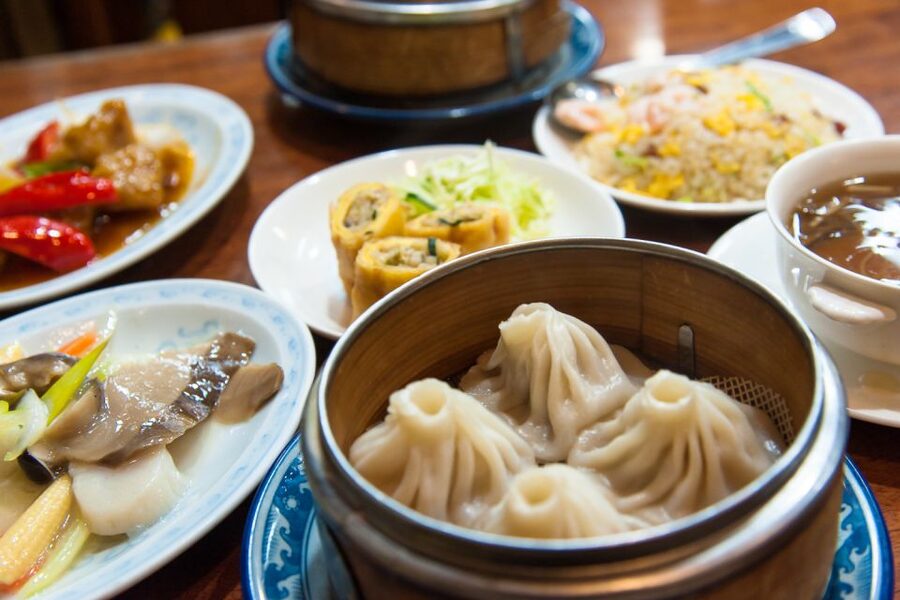
- Come very hungry: Tastings can include dim sum, pastries, moon cake, pork rolls, onion buns, fortune cookies, tea, and two sit-down meals.
- Look beyond Grant Avenue: The route uses side streets and alleys, with food markets, cookware, pottery, herbs, and unusual produce.
- Tea is a real highlight: You learn about Chinese teas and herbs from local sellers, rather than simply drinking a cup and moving on.
- Expect culture as well as food: The tour can include an old cathedral, a fourth-floor Buddhist temple, ritual objects, and Chinatown history.
- Budget $84 for a filling half-day: Food and drink tastings are included, and the generous portions can replace a full meal.
Why this Chinatown food tour is different
Many people see San Francisco Chinatown as a short walk along Grant Avenue, perhaps with a photograph at the gate and a quick stop for a fortune cookie. This tour gives you a better sense of how the neighborhood works. You move through shops, markets, restaurants, alleys, and religious spaces, with food tying the stops together.
The best part is the connection between ordinary shopping and cultural history. A display of dried herbs is not just a colorful storefront. A tea shop is not simply a place to buy souvenirs. Cookware, pottery, statues, and ritual objects offer clues about the daily life and beliefs carried into this part of San Francisco.
The tour is led in English and lasts about three hours. The overall rating is 4.8 from 265 ratings, and the strongest praise centers on the guides, the quantity of food, and the balance of history with tasting. That combination makes this a good first activity in Chinatown, especially if you want someone else to explain what you are seeing.
More Food Walking Tours in the USA
- Little Havana Food and Walking Tour in Miami
★ 5.0 · 8,882 reviews - New Orleans Food Walking Tour of the French Quarter with Small-Group Option
★ 5.0 · 6,118 reviews - Savannah First Squares Culinary & Cultural Walking Food Tour
★ 5.0 · 3,229 reviews
Meeting beneath the Chinatown Gate
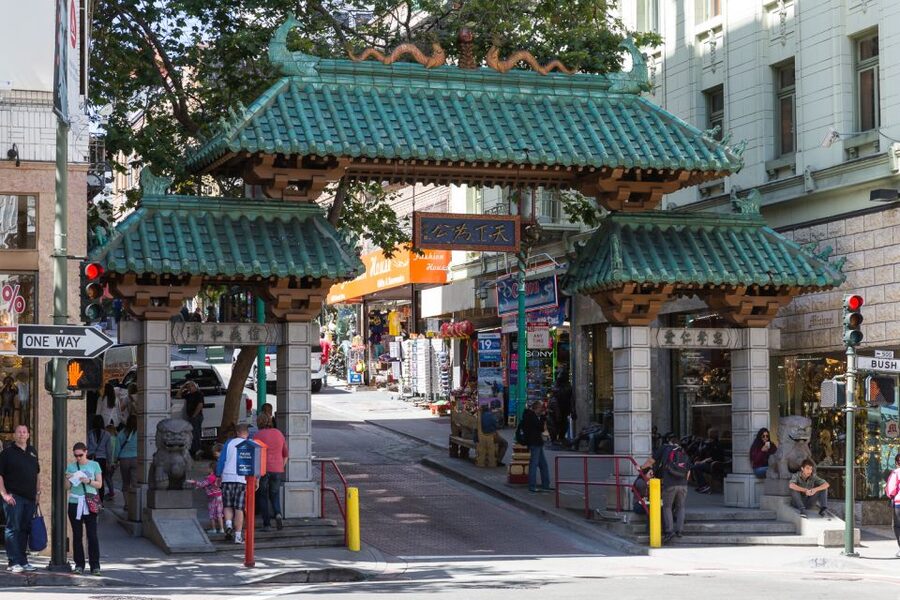
You meet in front of the Chinatown Gate at the corner of Bush and Grant streets. It is an easy starting point, but give yourself enough time to find it without rushing. The gate marks the edge of the neighborhood, and the tour quickly moves from the familiar postcard view into streets and alleys that are less obvious on a first visit.
At the beginning, your guide should explain the plan and set expectations about the food. This matters because the portions are generous. One group received onion buns, pork rolls, moon cake, fortune cookies, tea, and two sit-down meals. Other groups described having so much food that they could not finish everything.
The guides tend to be a major part of the experience. Andre is often praised for clear explanations of Chinatown, San Francisco, Little Italy, and the food. Brian is known for local connections and a lively style. Isabella has been especially attentive to guests and dietary needs, while Cynthia and Scott are frequently noted for their history explanations and friendly approach.
Guide assignments can vary, so do not book expecting one particular person. The useful point is that the experience depends heavily on the guide’s personality. Most groups have found their guide warm, funny, and well prepared, though the pace may be quick.
Food markets, side streets, and unusual produce
The walking route takes you into the working side of Chinatown. You may pass food markets filled with unfamiliar produce, local restaurants, herb shops, and stores selling cookware. This is where the tour earns its keep for first-time visitors. You do not need to guess what a strange-looking ingredient is or wonder why a shop matters.
Your guide explains what you are seeing and may introduce you to people who work in the neighborhood. That human contact gives the tour more substance than a simple tasting crawl. You are not only eating prepared dishes. You are also seeing the ingredients, tools, and traditions behind them.
The route is not presented as a fixed restaurant checklist. Stops can vary, and different groups have described slightly different food combinations. That flexibility can be a strength because the guide can respond to the group, but it also means you should not expect every listed food at every departure.
The neighborhood portion is especially helpful if you plan to return later. One group covered only about eight blocks but still saw markets, stores, religious spaces, and food stops. Another visitor called the tour a useful overview and planned to return to several places afterward. Think of the tour as a guided introduction, not a complete survey of Chinatown.
Tea, herbs, and the slower side of Chinatown
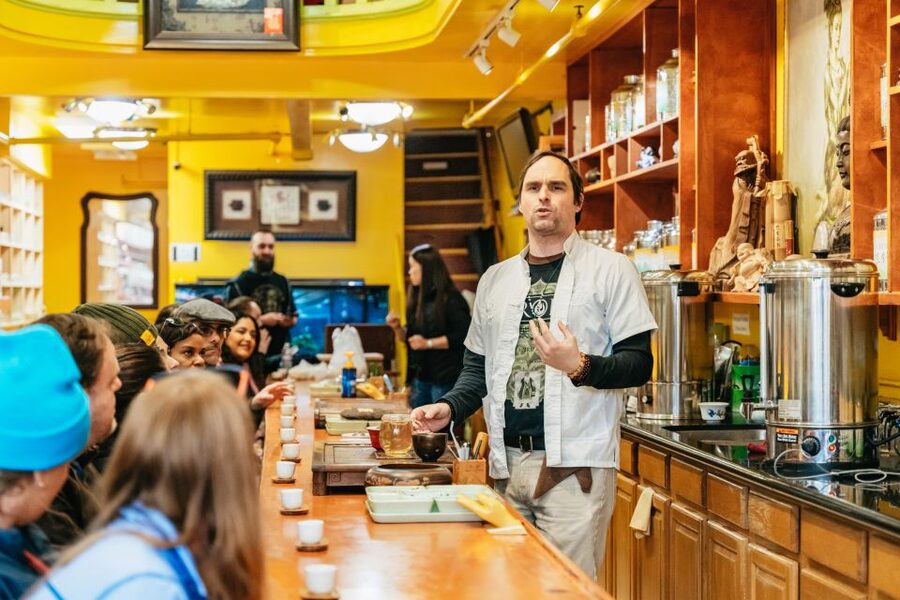
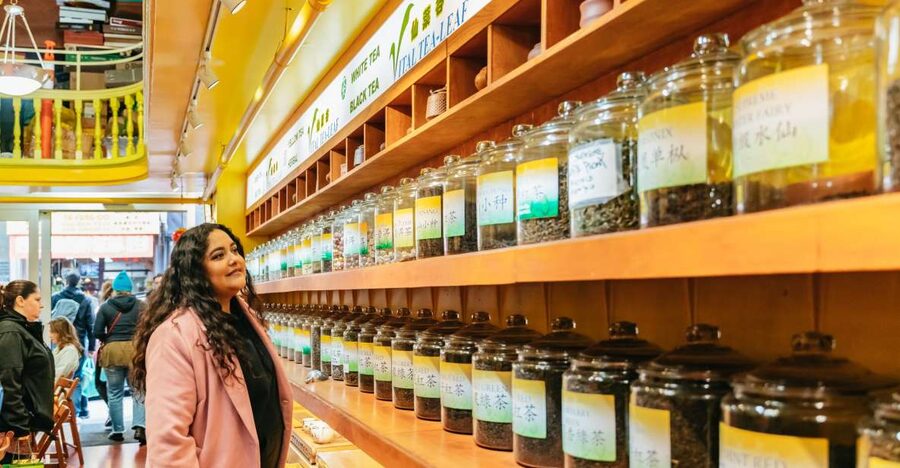
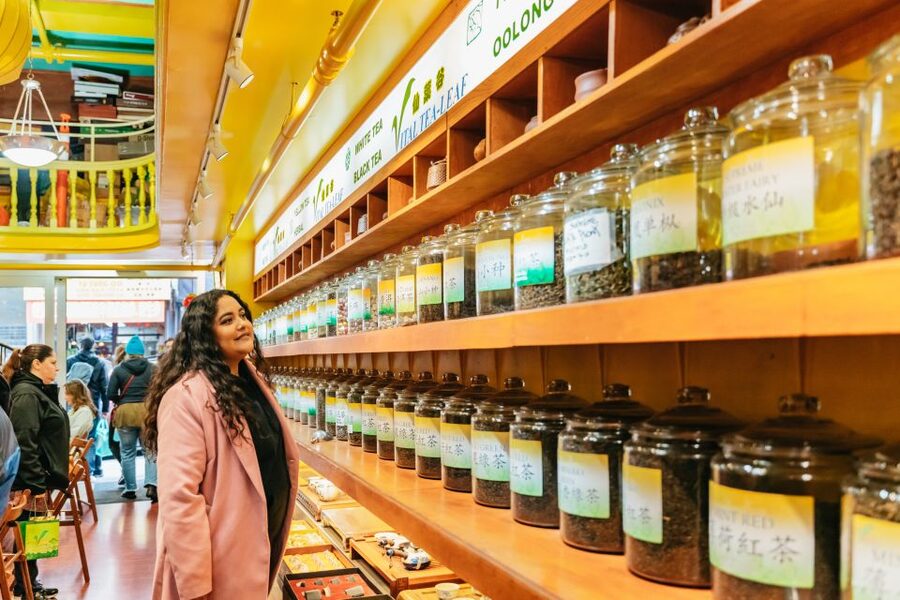
Tea tasting is one of the more distinctive parts of the tour. You learn about different Chinese teas and herbs from people who work with them, then taste aromatic teas as part of the experience. This stop adds a quieter rhythm after the street walking and food samples.
I like this part because it asks you to pay attention to something other than quantity. Dim sum and pastries are immediate pleasures. Tea gives you a chance to notice aroma, preparation, and the role of the shop itself.
The tea stop may be a favorite for anyone interested in food traditions, but it can feel less exciting if you only want a restaurant crawl. The tour works best when you enjoy both sides of Chinatown: the food you can eat right away and the goods that require explanation.
You may also see herbs, dried ingredients, and unfamiliar remedies. Your guide can help make sense of what is in front of you, though this is not a medical consultation or a dedicated shopping tour. Treat it as a cultural and food lesson.
Same streets, a different guide:
- History and Hauntings of Salem Guided Walking Tour
★ 5.0 · 14,564 reviews - New Orleans Premier Ghost, Voodoo and Vampire Walking Tour
★ 4.5 · 12,856 reviews - Chicago: Gangsters and Ghosts Walking Tour
★ 5.0 · 7,155 reviews - Boston: Freedom Trail History Small Group Walking Tour
★ 5.0 · 6,450 reviews
Dim sum and the city’s oldest Chinese bakery
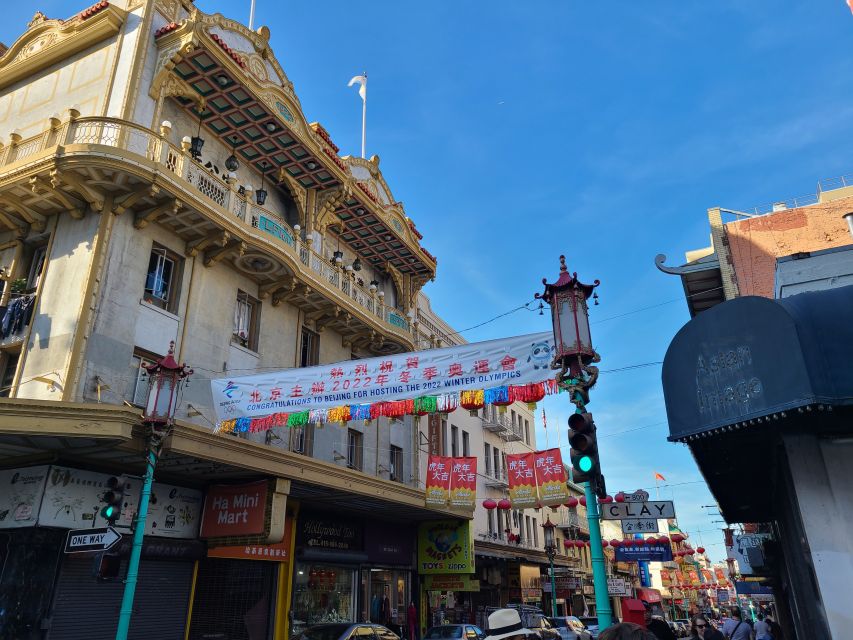
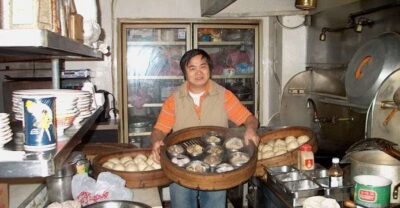
The largest tasting stop is likely to be dim sum at the oldest Chinese bakery of its kind in San Francisco. The exact dishes can differ, but past menus have included pork rolls, onion buns, moon cake, pastries, and other Chinese specialties.
This is not a tiny sample followed by a quick photograph. Portions are substantial, and there may be several stops where you sit down and eat. That is why the practical advice is simple: eat lightly beforehand. Arrive with an empty stomach, not after a full breakfast or lunch.
For many people, the food alone makes the $84 price easier to accept. You are not paying only for a guide and a walk. You are also covering all food and drink tastings, including items that could add up quickly if purchased separately.
There is one important limitation. If you have strict dietary restrictions, tell the provider in advance and remind your guide at the start. Guides have made efforts for vegetarians, people avoiding pork, gluten-free diners, and guests with allergies, but the exact alternatives depend on what is available at each stop. The experience has handled difficult groups well, but it is still wise to ask questions before booking.
Handmade fortune cookies and Chinatown shopping
Watching fortune cookies being made by hand gives the tour a playful stop with a real connection to local production. You can see the process rather than simply buying a packaged cookie in a souvenir shop. Sampling fresh fortune cookies is part of the tasting route.
The shopping stops add another layer. You may browse pottery, traditional cookware, crafts, antiquities, statuettes, and ritual objects. Some objects are described as thousands of years old, so listen carefully to the guide’s explanation and ask before touching anything.
You do not need to shop to enjoy this section. The value is in seeing how the stores serve different needs, from cooking at home to religious practice and decoration. If you do plan to buy something, the walking tour gives you a better starting point for comparing stores later.
Keep your hands free if possible. The tour includes food, narrow streets, and frequent stops, and carrying a large shopping bag could become awkward. Comfortable shoes matter more than stylish ones here.
A cathedral, a Buddhist temple, and the stories between meals
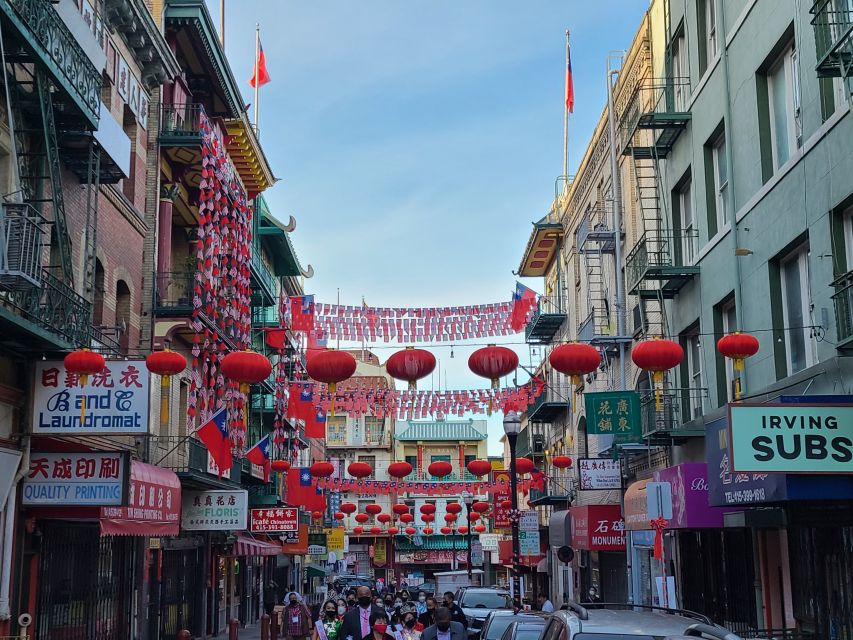
The tour is not only about Chinese food. It may include one of San Francisco’s oldest cathedrals and a Buddhist temple tucked above street level. One guide took a group to a fourth-floor Buddhist temple, a place many visitors would never locate without help.
That temple stop is a good example of the tour’s value. Chinatown is easy to photograph from the street, but the meaningful details are often above, behind, or inside ordinary-looking buildings. A guided visit helps you notice the religious life of the neighborhood without having to search for it yourself.
The cathedral adds another perspective on San Francisco’s layered communities. The tour connects food, migration, religion, commerce, and city history rather than treating Chinatown as a single theme.
Your guide may tell stories about how the neighborhood developed and point out details you would otherwise miss. The strongest guides use humor, personal energy, and local context to keep the walking sections moving. Brian has been described as entertaining and occasionally corny, which may suit you if you like a relaxed guide with plenty of personality.
How much walking and food to expect
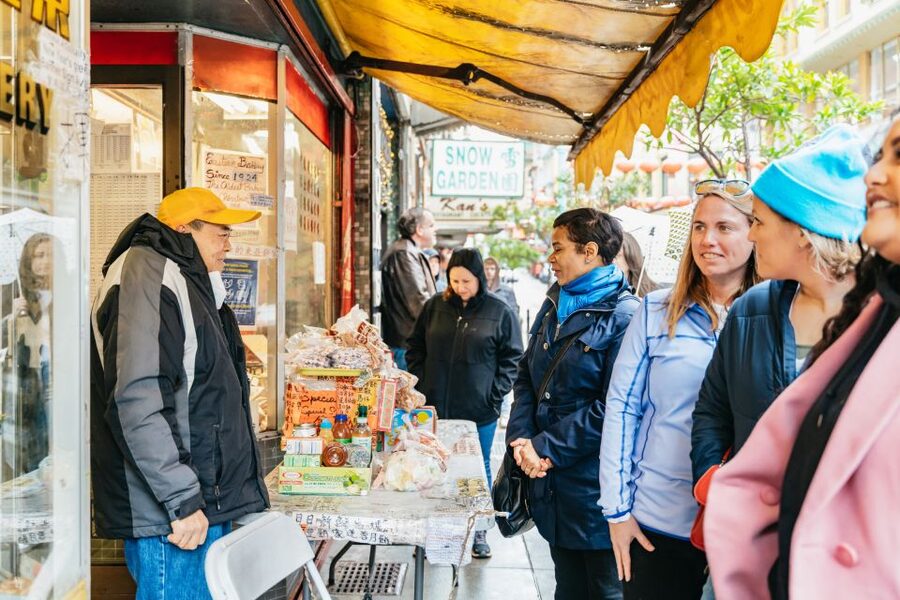
Three hours sounds manageable, but this is active sightseeing. You walk through streets and alleys, stand in shops, move between food stops, and may climb or enter places that are not set up like a standard museum. Wear comfortable shoes, as requested by the operator.
The pace is generally steady. One group covered a lot of ground and found the guide a little fast both on foot and in speech. If you like stopping for photographs every few minutes, you may need to let the group move ahead briefly or save your pictures for planned pauses.
The food load is more important than the distance. Several people said the portions were large enough to fill them completely. Plan this as a late breakfast, lunch, or early afternoon meal, depending on the start time. Do not schedule another major food activity immediately afterward.
Small groups can make the experience more personal. One tour had only three attendees, allowing the guide to spend more time on individual questions. Group size is not specified for every departure, so do not assume every tour will be that intimate.
Is $84 a good value?
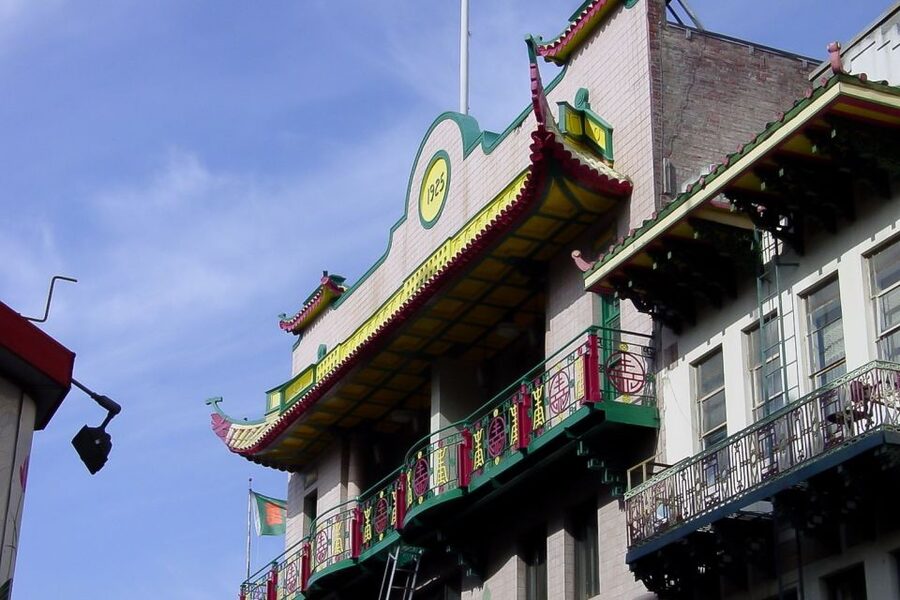
At $84 per person, this is not the cheapest way to walk through Chinatown. You could buy a pastry, a tea, and a meal for less. That comparison misses the central value, though. The fee includes three hours with a guide, all listed tastings, historical explanation, access to lesser-known stops, and help understanding foods and shops you might skip alone.
The food quantity is a major part of the value. The tour can include multiple pastries, dim sum, tea, fortune cookies, moon cake, and sit-down meals. If you arrive hungry, the included food may cover much of the day’s lunch.
The history and introductions matter too. A self-guided walk can show you the same streets, but it cannot easily explain the herbs in a shop, identify an object in a display, or lead you to a fourth-floor temple. You are paying for context and direction as much as for the food.
I would consider the price fair for visitors who want an organized introduction and do not want to research every stop. It is less appealing if you already know Chinatown well, prefer to choose every dish yourself, or want a slow meal at one restaurant.
Free cancellation up to 24 hours before the tour and the option to reserve now and pay later make planning easier. The tour is currently offered in English, so you should be comfortable following spoken explanations while walking.
Who should book this Chinatown tour?
I would recommend it to first-time visitors to San Francisco, food-focused couples, curious families with older children, and solo visitors who enjoy meeting people while eating. It also works well near the start of a city stay because you can use the guide’s suggestions for later meals and shopping.
It suits adventurous eaters, but you do not need to be an expert in Chinese cuisine. The guide explains what you are trying, and the variety lets you sample foods you may not order on your own.
People with dietary restrictions can still consider it, since guides have accommodated vegetarian, gluten-free, and no-pork requests. Contact the provider before booking and be clear about allergies. The tour includes many shared food stops, so strict needs require planning.
I would hesitate to recommend it to anyone who dislikes walking, has trouble keeping up with a steady pace, or wants a carefully controlled menu. It is also not the right pick if you have already explored Chinatown’s markets and temples and mainly want a quiet, sit-down meal.
Should you book the San Francisco Chinatown Culinary Walking Tour?
Book it if you want Chinatown explained as a living neighborhood, not just a row of restaurants. The combination of dim sum, tea, fortune cookies, markets, religious sites, and local stories gives you a fuller picture than a standard food crawl.
Arrive hungry, wear comfortable shoes, and leave room in your schedule afterward. The biggest practical surprise is the amount of food, while the biggest pleasure is finding places you might not notice alone.
Skip it if you prefer complete control over your menu or a slow pace. For most first-time visitors, though, the $84 fee buys a filling and useful introduction to one of San Francisco’s most distinctive districts.
FAQ
Where does the Chinatown Culinary Walking Tour meet?
Meet in front of the Chinatown Gate at the corner of Bush and Grant streets in San Francisco.
How long does the tour last?
The walking tour lasts three hours. Starting times vary, so check availability when you book.
What food and drinks are included?
All food and drink tastings are included. Tastings may include dim sum, pastries, moon cake, pork rolls, onion buns, fortune cookies, and Chinese tea.
Should I eat before the tour?
Eat lightly before you arrive. The tasting portions are described as ample, and several stops may include substantial food.
Is the tour suitable for dietary restrictions?
Guides have accommodated vegetarian, gluten-free, no-pork, and other food preferences. Contact the provider ahead of time and explain any allergies or strict dietary needs.
What should I bring?
Bring comfortable shoes for walking. The tour is conducted in English with a live guide.
New routes in the USA
- Baltimore Walking Foodie Tour in Fells Point★ 5.0 · 182 reviews
- The Madam’s Curse Walking Ghost Tour★ 4.5 · 103 reviews
- Austin Small Group Morning Walk★ 5.0 · 412 reviews
- Austin Haunted Pub Crawl Walking Tour★ 4.5 · 232 reviews
- Austin Downtown Private Walking Food Tour With Secret Food Tours★ 5.0 · 71 reviews
- Austin Murder Walk★ 5.0 · 310 reviews
- The Ghosts of Austin Walking Tour★ 4.5 · 72 reviews
- Martin Luther King Jr. History Walking Tour★ 5.0 · 687 reviews
San Francisco Walking Tours, compared.
Chinatown & North BeachLittle Italy: 7 Tastings & History
Read our review →
North Beach & Little Italy Walking Tour: Food, History & Flavor
Read our review →
San Francisco Authentic Food Tour with 5 Locals Favorites Dishes
Read our review →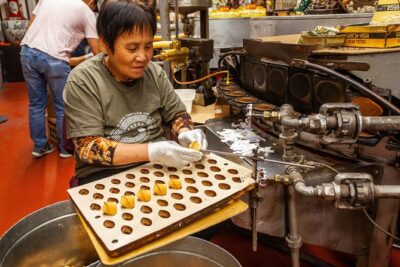
Browse the lists this tour appears in