
Review · SAN FRANCISCO
San Francisco Authentic Food Tour with 5 Locals Favorites Dishes
San Francisco’s Mission District is best understood one bite at a time. This tour connects Mission burritos, pan dulce, and Mexican specialties with the neighborhood’s Irish, German, Italian, Latino, and Chinese influences. I like the small group, capped at 12, and the way the walk adds murals, Victorian homes, earthquakes, and local characters to the food.
I also like that guides such as Zachary, Dara, Mark, Jamie, and Dave have drawn strong praise for their storytelling and local insight. The main consideration is the full burrito at the start: it can be a lot before several more tastings and a long walk, so arrive hungry and plan a light meal beforehand.
Key points to know before booking
- The Mission burrito comes early: This is a substantial San Francisco specialty, not a tiny sample.
- The group is limited to 12 people: That gives you a better chance to hear the guide and ask questions.
- The tour lasts about three and a half hours: Expect steady walking, with comfortable shoes essential.
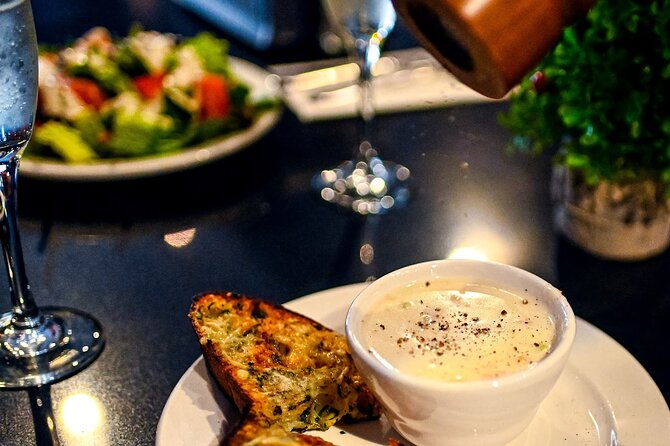
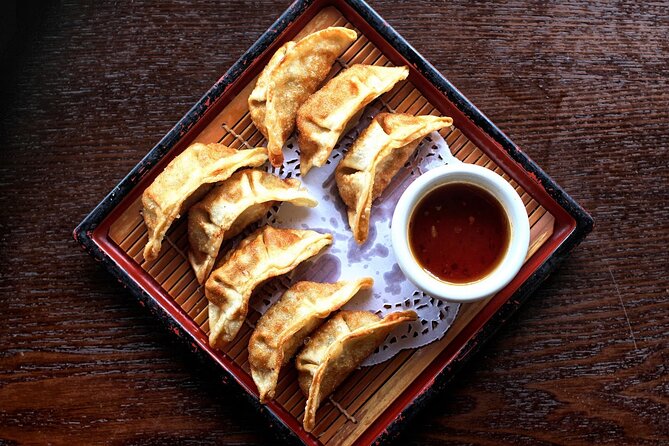
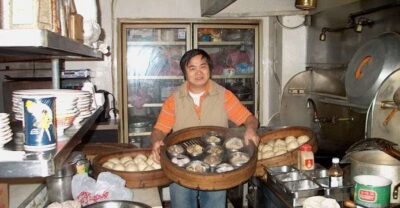
- The food reflects several cultures: Depending on the route, you may taste burritos, quesabirria, pan dulce, Italian food, dumplings, coffee, gelato, and a secret dish.
- The route can change: Restaurants, weather, and availability may shift the menu and stops.
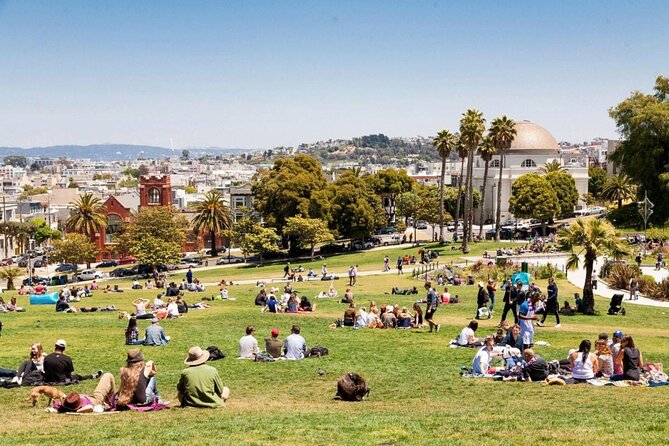
- The tour ends at Dolores Park: The finish near 20th and Church makes it easy to continue exploring the Mission afterward.
Why the Mission is the right place for a food walk
The Mission is not just a neighborhood with good Mexican food. It is a place where several waves of immigration and urban change sit close together. The tour uses that mix as its main subject.
You begin near the Mission Cultural Center, at 3900 20th Street. From there, the food gives you a reason to pay attention to the streets around you. Look up between bites. Murals, older homes, storefronts, and changing businesses help explain why the Mission feels different from the postcard version of San Francisco.
The food also gives the guide an easy way to tell the neighborhood’s story. A burrito opens the door to Mission-style cooking. A pastry or Italian sandwich points to earlier immigrant communities. A Chinese tasting, if included on your version, adds another layer to San Francisco’s long connection with Asian food and culture.
That mix is the tour’s strongest idea. You are not simply moving from restaurant to restaurant. You are using food to understand why this part of the city developed as it did.
More Food Walking Tours in the USA
- Little Havana Food and Walking Tour in Miami
★ 5.0 · 8,882 reviews - New Orleans Food Walking Tour of the French Quarter with Small-Group Option
★ 5.0 · 6,118 reviews - Savannah First Squares Culinary & Cultural Walking Food Tour
★ 5.0 · 3,229 reviews
Starting with the Mission burrito
The first major tasting is usually a Mission-style burrito, or possibly quesabirria depending on the route and the day. The burrito is known for its generous size, careful rolling, and filling of rice, beans, meat, salsa, and other additions.
This is a San Francisco classic, but it is also a practical warning. Starting with a full burrito can leave you very full before the tour has properly begun. Some people will enjoy having a substantial base for the walk. Others may find that it limits how much they can eat at later stops.
I would treat this as lunch rather than a sample. Do not have a large breakfast before the tour. If you have a small appetite, ask the guide how portions will be handled when you arrive.
The tour uses the burrito to explain local food traditions, including stories about beans and the way the Mission style developed. That context makes the dish more interesting than a quick stop at a famous taqueria. You get the food, but you also learn why this particular style matters in San Francisco.
The alternate quesabirria option changes the experience. It gives you a taste of the newer Mexican food scene and may appeal if you already know the standard Mission burrito well. Since the menu can change, you should not book expecting one exact filling or restaurant.
Pan dulce, pastries, and the sweeter side of the Mission
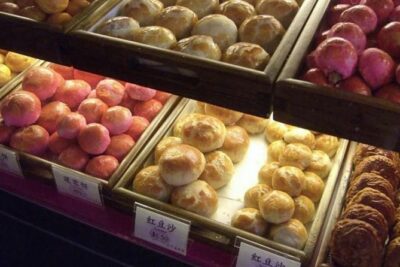
A bakeshop stop may bring pan dulce, a broad family of sweet Mexican breads and pastries. The appeal here is variety and texture rather than a single famous dish. These are the kinds of foods that work well with neighborhood history because they connect daily eating with community life.
The published food plan also mentions mariquitas, another possible sweet or snack stop. Exact offerings depend on availability, so consider the pastry course a flexible part of the route.
Some tours may include chocolate or coffee-based treats. One route has included a substantial chocolate drink at Dandelion, and that can be enjoyable but filling. If you are already carrying a burrito, a full drink can feel like another course rather than a small taste.
The guide’s pacing matters here. Strong guides such as Zachary, Dara, and Mark have been praised for ordering food at useful intervals and giving the group time to eat without rushing. That is important on a food walk. You want enough time to taste what is in front of you, but you also need space between courses.
Murals, Victorian homes, and the Mission’s street life
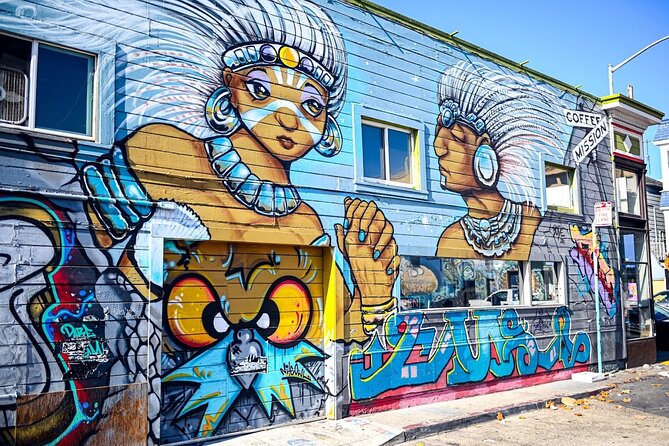
The walking sections keep the tour from becoming a series of indoor food stops. The Mission is known for its murals, and the route can include stories about the artists, local residents, and events represented on the walls.
You may also hear about earthquakes, notable residents, and the neighborhood’s changing architecture. Several guides have explained how to distinguish three types of Victorian homes, a useful detail if you plan to keep walking after the tour.
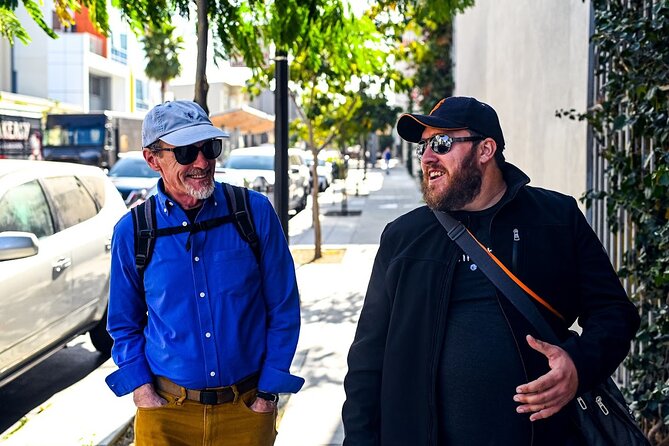
This is where the guide makes the biggest difference. Mark has been praised for his perspective as a fourth-generation San Franciscan. Dara has been described as a local with strong storytelling skills, and Zachary has drawn praise for making the history easy to follow. Names and assignments can change, but the tour clearly depends on the guide’s ability to connect food with place.
The route does involve a fair amount of walking. It is not described as a steep hill climb, and one account noted that there were not too many hills, but you should still wear comfortable shoes. San Francisco streets can be tiring when you are carrying a full stomach and stopping often.
Same streets, a different guide:
- History and Hauntings of Salem Guided Walking Tour
★ 5.0 · 14,564 reviews - New Orleans Premier Ghost, Voodoo and Vampire Walking Tour
★ 4.5 · 12,856 reviews - Chicago: Gangsters and Ghosts Walking Tour
★ 5.0 · 7,155 reviews - Boston: Freedom Trail History Small Group Walking Tour
★ 5.0 · 6,450 reviews
Italian, Chinese, coffee, and the wider San Francisco menu
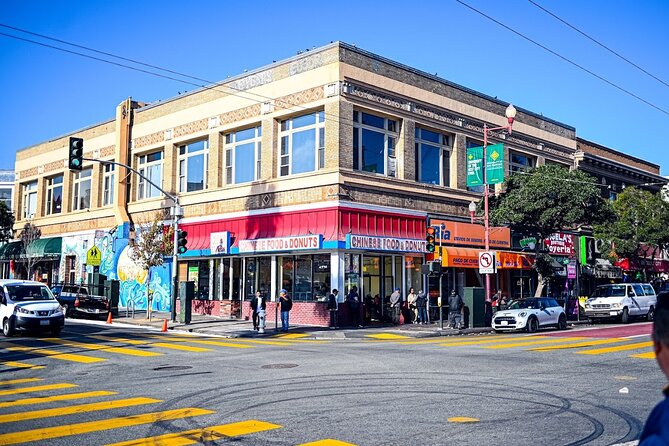
The food plan includes two different San Francisco routes or route variations. One focuses on the Mission District. Another combines North Beach and Chinatown, with coffee, Italian pizza, gelato or sorbet, stuffed dumplings, and a secret dish.
This matters because the title and inclusions do not always point to one perfectly fixed route. The meeting point and end point are in the Mission, but the food plan also names North Beach and Chinatown. Some recent tours have focused on the old and new Mission, while others have included Italian and Chinese food. Ask the operator which route applies to your date before booking if a specific neighborhood is important to you.
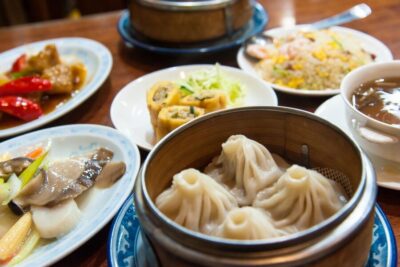
The North Beach and Chinatown version sounds especially appealing if you want more cuisine changes in one afternoon. Coffee and Italian pizza create a different rhythm from the Mission burrito. Dumplings add another texture and style, while gelato or sorbet gives the group a lighter finish.
Italian food has a clear place in San Francisco’s past, particularly in North Beach. The tour uses dishes such as pizza, Italian sandwiches, cannoli, and gelato to show how immigrant food became part of the city’s everyday identity. The Mission route, by contrast, gives more time to Mexican food, murals, and local architecture.
Neither route is automatically better. Choose the Mission version for murals, burritos, and neighborhood change. Choose the North Beach and Chinatown version if you want Italian and Chinese tastings in the same walk.
The secret dish and the value of surprise
A secret dish is included, but its identity is not given in advance. That can be fun if you like leaving room for discovery. It also means you should not use this tour to chase one specific restaurant or dish.
The surprise works best as part of the larger meal. You already know the broad food themes, so the secret course adds a bit of suspense without being the whole reason to book.
Keep dietary needs in mind. The operator asks you to make contact in advance about restrictions so the best possible arrangements can be made. Do not wait until the meeting point, especially if you avoid meat, dairy, gluten, or other common ingredients.
Because the menu depends on location availability, weather, and other conditions, the secret dish may change. That flexibility is useful for a small local food business, but it means you should view the tour as a food style rather than a guaranteed checklist.
How much food do you really get?
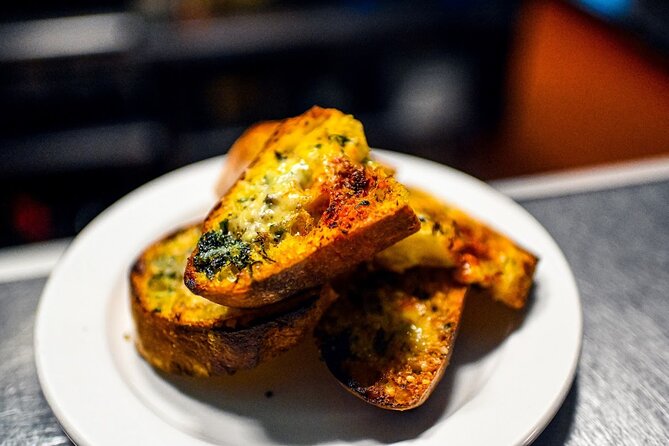
The answer is: usually a lot. The tour is designed to leave you well fed, and several guide accounts describe generous portions across the afternoon.
The burrito is the main concern. If you eat the whole thing at the start, then accept every later tasting, you may finish very full. That is not a flaw for someone looking for a proper meal, but it can be uncomfortable for anyone expecting six or seven small samples.
The route may include fewer substantial stops than some food tours in other cities. The tradeoff is that the guide spends more time on local stories and the walking route. You are paying for a meal, a neighborhood orientation, and a guide, not just a count of bites.
I would skip breakfast or eat lightly before meeting the group. Bring water, and avoid scheduling a major dinner immediately afterward. If you want to try every item, pace yourself from the first stop.
Small group size and guide quality
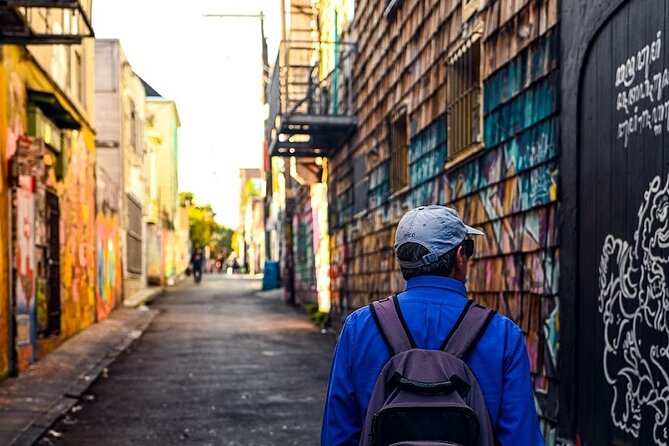
The maximum group size is 12. That is a useful limit for a walking food tour because large groups can crowd a counter, split up on sidewalks, and make conversation with the guide difficult.
A small group also helps when the tour reaches a busy shop. The description says you can skip lines and waits at the food stops, though the exact arrangements may vary. You should still expect normal city conditions, especially at popular places.
The guide is central to the experience. The strongest guide names in the available information are Zachary, Dara, Mark, Jamie, Dave, Cory, Christy, and Dominica. You cannot assume a particular guide will lead your departure unless the operator confirms it, but the repeated praise for their storytelling gives you a good sense of what to look for.
A good guide should explain what you are eating, place it in the neighborhood’s past, and keep the group moving without making you feel hurried. That combination appears to be the tour’s main strength.
Price, timing, and what the $87 covers
At $87 per person, this is not a cheap way to grab lunch. It can still be fair value if you want a guided neighborhood introduction and enough food to replace a meal.
The price includes the listed tastings, including the Mission burrito or quesabirria, pan dulce or mariquitas, coffee and Italian or Chinese items on the alternate route, plus a secret dish. It also covers roughly three and a half hours with a guide and a small walking group.
Value depends on how you travel. If you already know the Mission well and prefer to choose your own restaurants, you may find the cost high. If you have limited time and want food, stories, and orientation in one outing, the price is easier to justify.
The tour ends in early afternoon at Dolores Park, on the corner of 20th and Church Street. That timing is useful. You can sit in the park, continue through the Mission, or make your own plans nearby rather than losing a full day to a single activity.
Who should book this tour?
I would recommend it for first-time San Francisco visitors who want more than the usual cable cars and viewpoints. It also suits people who plan trips around food and want a local guide to explain what they are eating.
It works well for couples, families, solo visitors, and small groups. Most people can participate, but you need to be comfortable walking for several hours and eating several courses.
I would be more cautious if you have mobility limits, a very small appetite, or strict dietary requirements that were not discussed in advance. The operator asks for dietary information ahead of time, but the menu and stops are not fixed.
This is also a good choice for Bay Area residents. The route can reveal murals, architecture, and food traditions you might otherwise walk past. Even if you have eaten Mission burritos before, the neighborhood stories may give you a new reason to look at familiar streets.
Booking advice and cancellation terms
The tour is often reserved well ahead, with an average booking time of about 27 days. That suggests you should not leave it until the last moment if your San Francisco dates are fixed.
Confirmation is sent within 48 hours, subject to availability. Mobile tickets are offered, and the tour is conducted in English.
You can cancel for a full refund up to 24 hours before the start time. Cancellations or changes inside that window are not refunded or accepted. Poor weather or failure to meet the minimum group size can lead to a different date, another experience, or a full refund.
Should you book the San Francisco Authentic Food Tour?
Book it if you want a food-and-history walk, not just a string of restaurant samples. The small group, generous portions, local guide, murals, architecture, and cultural context make it a strong introduction to the Mission.
Before paying, confirm which route your date follows. The Mission and the North Beach and Chinatown versions offer different food and sightseeing. Also plan for a filling first course, steady walking, and a menu that can change.
For most visitors, the best approach is simple: eat lightly beforehand, wear good shoes, tell the operator about dietary needs early, and keep your afternoon free after the tour. If that sounds like your kind of San Francisco day, $87 is a reasonable price for a guided meal and neighborhood lesson in one.
FAQ
Where does the tour start?
The tour starts at 3900 20th Street, San Francisco, near the Mission Cultural Center.
Where does the tour end?
The tour ends at Dolores Park, on the corner of 20th Street and Church Street.
How long does the food tour last?
The experience lasts approximately three hours and 30 minutes and finishes in the early afternoon.
How large is the group?
The tour has a maximum of 12 travelers.
What food is included?
The food may include a Mission-style burrito or quesabirria, pan dulce or mariquitas, coffee, Italian pizza, gelato or sorbet, stuffed dumplings, and a secret dish. The exact menu can change.
Does the tour include North Beach and Chinatown?
The food plan includes a North Beach and Chinatown route with coffee, Italian food, gelato or sorbet, dumplings, and a secret dish. Other departures focus on the Mission District, so confirm the route for your date.
Is the tour suitable for people with dietary requirements?
You should contact the operator in advance with any dietary requirements so they can try to accommodate you as well as possible.
What happens if I need to cancel?
You can receive a full refund if you cancel at least 24 hours before the start time. Cancellations or changes made within 24 hours are not refunded or accepted.
New routes in the USA
- Baltimore Walking Foodie Tour in Fells Point★ 5.0 · 182 reviews
- The Madam’s Curse Walking Ghost Tour★ 4.5 · 103 reviews
- Austin Small Group Morning Walk★ 5.0 · 412 reviews
- Austin Haunted Pub Crawl Walking Tour★ 4.5 · 232 reviews
- Austin Downtown Private Walking Food Tour With Secret Food Tours★ 5.0 · 71 reviews
- Austin Murder Walk★ 5.0 · 310 reviews
- The Ghosts of Austin Walking Tour★ 4.5 · 72 reviews
- Martin Luther King Jr. History Walking Tour★ 5.0 · 687 reviews
San Francisco Walking Tours, compared.
Chinatown & North BeachLittle Italy: 7 Tastings & History
Read our review →
North Beach & Little Italy Walking Tour: Food, History & Flavor
Read our review →
Browse the lists this tour appears in