
Review · ITALY
Matera’s Sassi Walking Tour – History and Culture
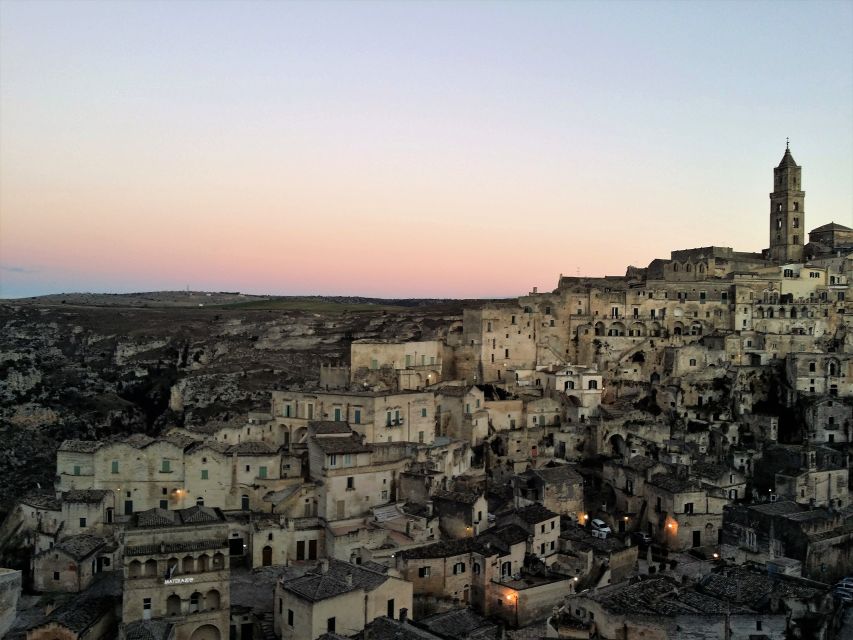
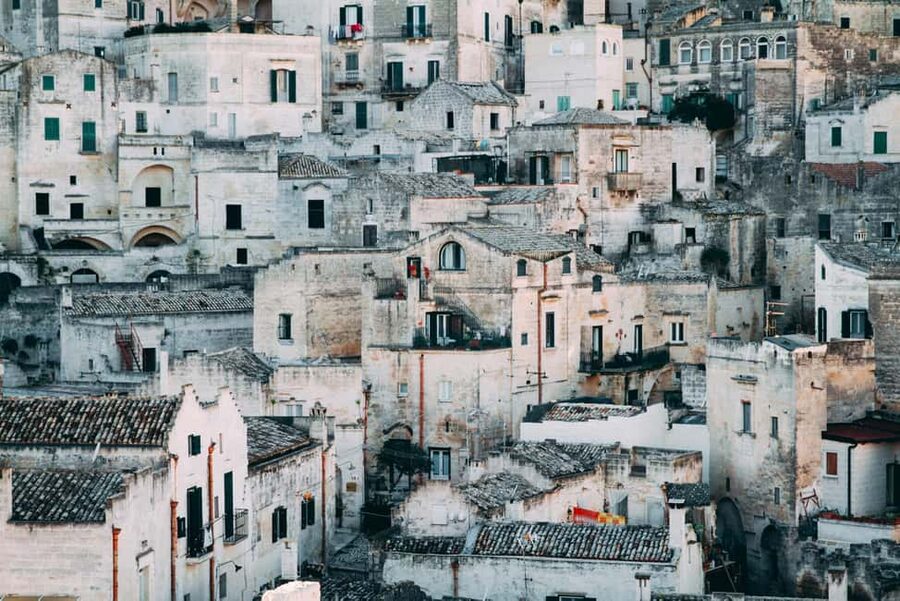
Matera’s Sassi make the most sense when you walk them with someone who knows how the caves, streets, churches, and homes fit together. This two-hour tour moves through both Sasso Caveoso and Sasso Barisano, linking striking views with the story of how Matera changed from an impoverished cave town into one of Italy’s most remarkable destinations.
I like the personal touch offered by local guides such as Antonio and Georgia, who have shared stories about growing up in Matera and seeing the Sassi change. I also like the small-group limit of 16, the useful radio guide, and the chance to visit Santa Lucia alle Malve, one of Matera’s rock-hewn churches.
The main thing to consider is the walking itself. Expect steps, uneven surfaces, and twisting lanes, and bring proper shoes. The church ticket costs an extra €2.50, and the route is not suitable for wheelchair users.
Key points to know before booking
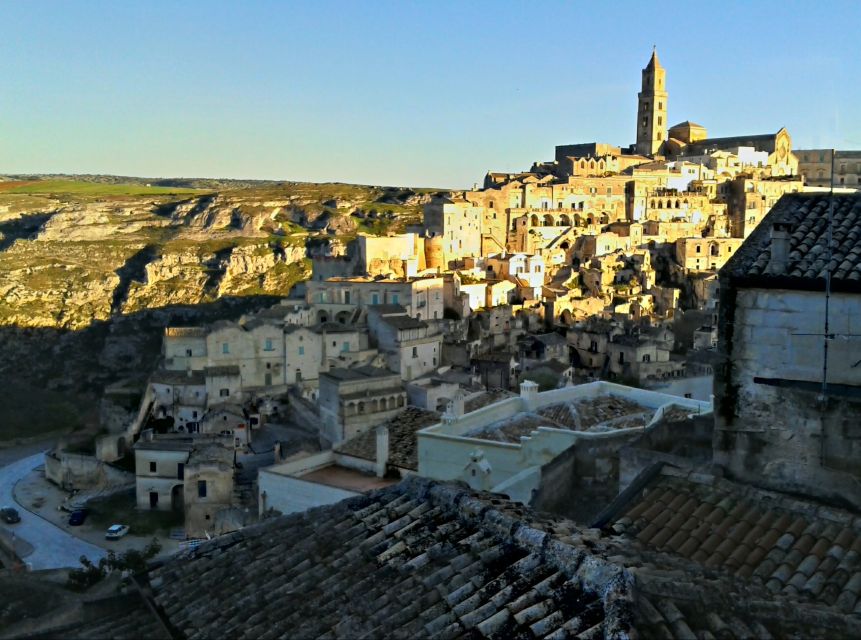
- Two Sassi districts in one walk: The route explores both Sasso Caveoso and Sasso Barisano, rather than focusing on one small corner.
- Local guides add the human story: Guides including Antonio, Georgia, and Maria Theresa explain how Matera’s residents lived and how the city changed.
- Rock church visit costs €2.50 extra: Santa Lucia alle Malve is not included in the $29 tour price, but the small fee gives you access to an important part of Matera’s story.
- Small group, maximum 16 people: This is intimate enough for questions without the cost of a private tour.
- Useful first-day activity: The route offers viewpoints, orientation, and a broad introduction to Matera’s architecture and past.
- Wear practical footwear: High heels are not allowed, and the uneven route makes sturdy shoes a sensible choice.
What the two-hour Sassi walk is really like
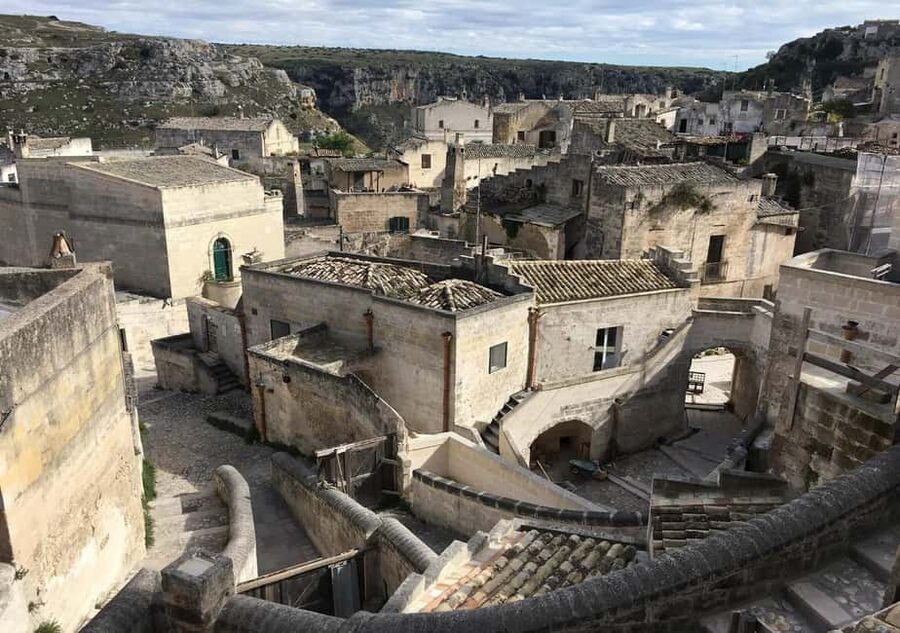
This is a walking tour with a clear purpose: to help you understand Matera rather than simply photograph it. The Sassi can look like a maze of stone lanes and cave fronts when you first arrive. A guide gives those pieces a sequence, explaining why the neighborhoods developed as they did and how their buildings changed over time.
The walk moves through the narrow alleys and open viewpoints of Sasso Caveoso and Sasso Barisano. You will not simply march from one landmark to the next. The route includes several stops where the guide explains Matera’s architecture, social structure, and changing economic fortunes.
That pause-and-explain rhythm matters here. Matera’s buildings are not all from one period, and the cave homes were not preserved as a frozen museum. The urban area has been altered and rebuilt over many centuries, so the most useful explanations are the ones that connect the stonework to the people who lived there.
The tour lasts two hours, long enough to cover the main Sassi story without taking up your entire day. I see it as a strong first activity in Matera, especially if you want to understand the layout before exploring on your own.
More History Walking Tours in Italy:
- Venice: City Center Historical Guided Walking Tour
★ 4.2 · 1,873 reviews - Palermo: Street Food and History Walking Tour
★ 4.9 · 1,486 reviews - Verona: History and Hidden Gems Guided Walking Tour
★ 5.0 · 1,379 reviews
Sasso Caveoso, Sasso Barisano, and the changing city
The two Sassi districts have their own feel, and seeing both gives you a broader picture of Matera. The walk twists through their lanes and viewpoints, with the guide pointing out how the built environment shifts from one area to another.
The route also addresses a difficult part of Matera’s past. The Sassi gradually declined and eventually became almost a ghost town. For years, the area was associated with hardship and poor living conditions rather than beauty or tourism.
That context keeps the visit from becoming a simple celebration of stone houses. The guide explains how social and economic conditions shaped the neighborhoods, and how the Sassi later began to recover. Today, the area is being restored and used again, but its earlier problems remain an important part of the story.
I especially value this balance. You get the dramatic views and unusual architecture, but you also learn why the Sassi needed saving. The city’s revival has meaning because you first understand how serious its decline had been.
The guides bring different personal strengths to this part of the walk. Antonio is repeatedly praised for explaining the layers of Matera’s past and for sharing memories of growing up there. Georgia is described as warm, clear, and engaging, with a good pace for photographs and questions. Maria Theresa has been noted for adding theatrical storytelling to the facts.
Your guide will depend on the date and group, so you should not book expecting one particular person unless the provider confirms it. Still, the repeated appearance of local guides in the tour program is a real advantage. A resident’s personal connection can add detail that a standard script often misses.
Viewpoints and the architecture of the Sassi
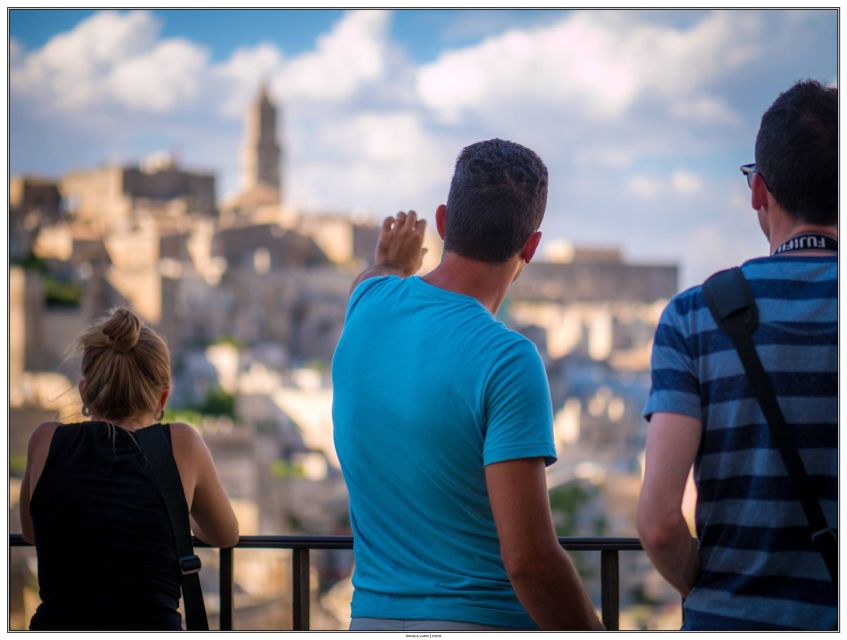
Matera rewards you with views at many points along the route. The tour uses these pauses to explain the geography of the city and the way the Sassi were shaped into the rock.
You will have opportunities to stop for photographs, but this is not a photography-only outing. The guide uses the viewpoints to explain what you are seeing, including the relationship between the cave dwellings, the streets above them, and the wider city.
The architecture is one of the best reasons to take this tour. Matera contains layers of construction, with older cave structures beside later additions and more decorative city buildings. The result can be confusing if you explore without context, since a plain rock-cut room may be far older than a more elaborate façade beside it.
The tour also includes views of the Baroque part of Matera from the outside. This gives you a useful contrast between the Sassi and the later city. You will not be visiting every major building in Matera, but you will see how the cave districts fit into the wider urban setting.
The route is described as pleasant, but do not mistake that for effortless. The lanes twist, and you will go up and down steps. A good pace is part of the experience, and guides have been praised for allowing time to stop, ask questions, and take pictures rather than rushing the group.
Santa Lucia alle Malve and the extra €2.50
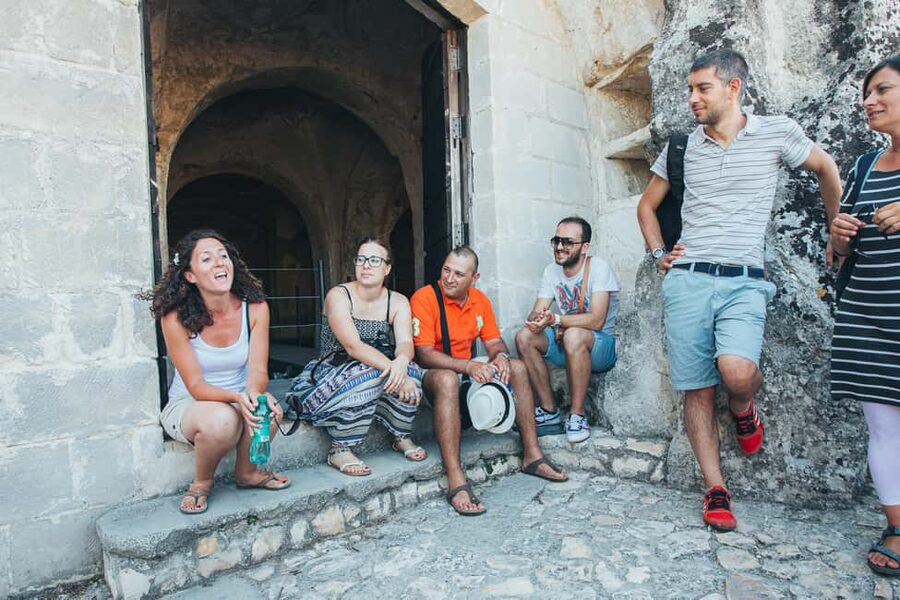
A key part of the tour is the chance to enter the rock-hewn church of Santa Lucia alle Malve. The entry ticket is not included in the $29 price and costs €2.50, so bring a little extra if you want to go inside.
This is a small additional cost, but it is worth knowing about before you arrive. One participant expected the church visit to be included, while still finding the fee worthwhile because the guide’s explanation added much to the visit.
The church gives you a chance to look closely at the way sacred spaces were cut into the rock. You can also examine its architectural structure rather than only seeing the Sassi from outside. The guide provides historical and artistic context, which makes the short visit more meaningful than entering without explanation.
The exact way the church stop is handled may depend on the group and the day. One account describes the guide asking who wanted to enter, with most of the group choosing to do so. If you want the full experience, plan to pay the small supplement and allow time for the stop.
More Cultural Walking Tours in Italy:
- Palermo No Mafia walking tour: discover the Anti-mafia culture in Sicily
★ 5.0 · 1,011 reviews - Savannah First Squares Culinary & Cultural Walking Food Tour
★ 5.0 · 3,229 reviews - Tokyo Tsukiji Fish Market Food and Culture Walking Tour
★ 5.0 · 3,184 reviews - New Orleans French Quarter, Voodoo and Culture Walking Tour
★ 4.5 · 2,961 reviews
Why a local guide makes a difference
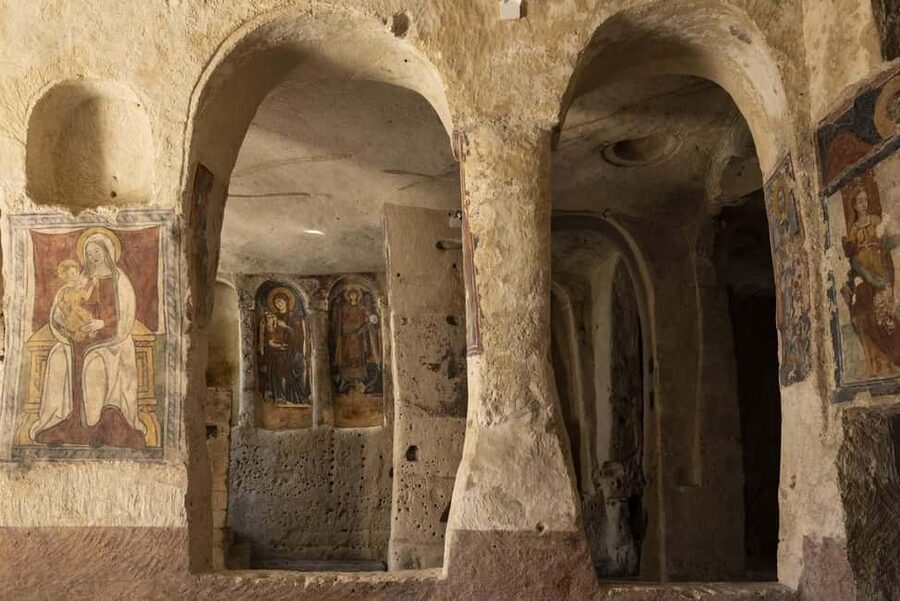
Matera’s past covers a long stretch of time, but the most useful part of the tour is not a list of dates. It is the explanation of how ordinary life, poverty, relocation, restoration, and renewed interest changed the Sassi.
The guides are local and certified, and several have been described as people who grew up in or near the city. Antonio, in particular, has spoken about seeing the Sassi change during his own lifetime. That sort of first-person connection helps you understand that the area’s revival is relatively recent, not an ancient feature of Matera.
I also like the way the tour appears to handle questions. The group size allows interaction without turning the walk into a private tour. Guides have been praised for answering detailed questions, keeping the mood light, and adjusting the pace when people need time for photographs.
The radio guide is another practical plus. A group of up to 16 can spread out on narrow lanes, and the audio equipment helps you hear the explanation without crowding around the guide. The included city map is useful after the tour, when you want to retrace a lane or return to a viewpoint.
The English-language guiding is a clear part of the offer. If you need another language, this is not the right tour, since the listed guide language is English.
Price, timing, and overall value
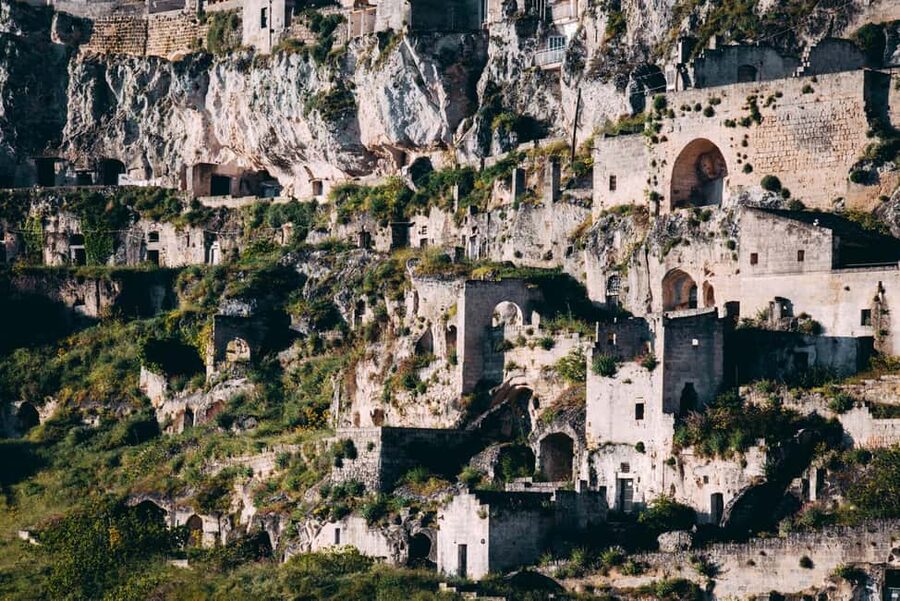
At $29 per person, this is good value for a two-hour guided introduction to both Sassi districts. You receive a certified guide, a radio guide, and a city map, while the group size remains smaller than a large coach-style outing.
The price makes particular sense if Matera is new to you. You could walk the Sassi alone, but the city’s layout and layered buildings are difficult to interpret at first. The tour gives you a framework, then leaves you free to return to the places that interest you most.
The €2.50 church ticket is the only listed admission cost, and it is not a surprise if you read the booking details carefully. I would treat it as part of the day’s modest sightseeing budget rather than a serious drawback.
The time of day can affect comfort. Some morning departures have been appreciated because the temperature was pleasant and the group avoided competing with other groups at certain stops. Availability changes by date, so check the start time before booking and consider choosing a cooler period if your schedule allows.
Free cancellation up to 24 hours before the tour and the option to reserve now and pay later make this easier to fit into a changing Italy itinerary. Those policies are useful, but the real value remains the guide’s ability to make sense of Matera in a short time.
Who should take this tour
I would recommend this walk to first-time visitors, history fans, photographers who want context, and anyone who prefers a local introduction before exploring alone. It also suits visitors with only a short stay, since two hours covers the main story without taking over the day.
It is a good choice for people who enjoy asking questions and listening to stories about how a place changed. The guides’ local connections are especially useful if you want more than a quick explanation of what the caves look like.
You should think twice if uneven paths and steps are difficult for you. The tour is not suitable for wheelchair users, high heels are not allowed, and the route requires practical footwear. Personal needs should be handled before reaching the meeting point at Seekers Viaggi, since that is the stated meeting location and the provider may change it with advance notice.
Families and older participants may find the two-hour length manageable, but the physical demands still matter. The information provided does not promise a step-free route or special assistance, so ask the provider before booking if you have mobility concerns.
Should you book Matera’s Sassi Walking Tour?
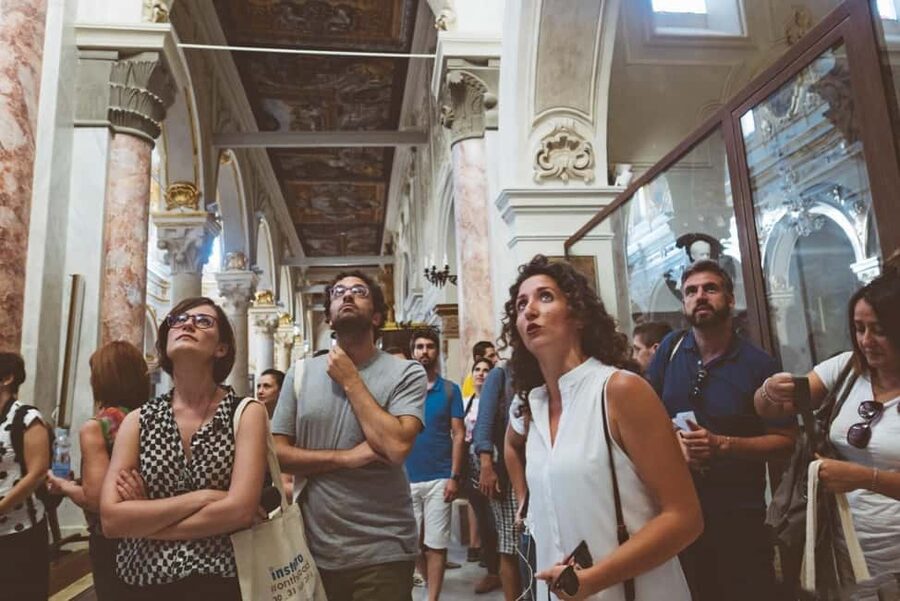
Book it if you want the Sassi to make sense quickly. The combination of local guides, two historic districts, panoramic stops, and a rock church gives you a strong introduction for $29.
I would make the church visit part of the plan and bring sturdy shoes, water, and a little cash for the €2.50 entry. If possible, use the tour near the start of your stay, then return later to the lanes and viewpoints that caught your attention.
Skip it only if you strongly prefer exploring without a guide or cannot manage steps and uneven ground. For most visitors who want history, local perspective, and useful orientation in a small group, this is a practical and well-priced way to begin in Matera.
FAQ
How long does the Matera Sassi walking tour last?
The tour lasts two hours.
What language is the tour conducted in?
The live tour guide speaks English.
What is included in the price?
The price includes the guide, a radio guide, and a map of Matera.
Is entry to Santa Lucia alle Malve included?
No. Entry to the rock church costs an additional €2.50.
Where does the tour meet?
The stated meeting point is the Seekers Viaggi travel agency. The meeting point can change, and you will be informed if that happens.
Is the tour suitable for wheelchair users?
No. The activity is not suitable for wheelchair users, and high-heeled shoes are not allowed. The route includes uneven surfaces and steps, so sturdy footwear is recommended.
New routes in Italy
- Private St. Francis Basilica of Assisi and City Walking Tour★ 5.0 · 114 reviews
- Assisi Private Walking Tour including St. Francis Basilica★ 5.0 · 124 reviews
- Milan: City Highlights Walking Tour with The Last Supper★ 4.9 · 195 reviews
- Florence: Heart of Florence Guided Walking Tour★ 4.0 · 81 reviews
- Milan: Private or Shared Essential Walking Tour★ 4.7 · 84 reviews
- Taormina: Shared or Private Food & Wine Walking Tour★ 4.6 · 167 reviews
- Syracuse: Ortigia Private Walking Tour★ 4.8 · 181 reviews
- Syracuse: Ortigia and Neapolis Guided Walking Tour★ 4.7 · 205 reviews
Italy Walking Tours, compared.
Doge’s Palace and St Mark’s Basilica Walking Tour
Read our review →
Guided Walking Tour & Last Supper Visit with Ticket
Read our review →
San Marco to Rialto Walk & Spritz Like a Local
Read our review →
Uffizi & Accademia Timed Entry: Small Group Duomo Walking Tour
Read our review →
Browse the lists this tour appears in