
Review · DRESDEN
Dresden: Complete Walking Tour with Frauenkirche Visit
Dresden’s Frauenkirche is the heart of this walking tour, but the real treat is how many major sights fit into two hours. You move from the rebuilt church to royal squares, grand theaters, riverside views, and the baroque Zwinger without wasting time on long transfers. I especially like the headsets, which let you hear the guide even when the group is moving through busy streets, and the small maximum of 10 people.
I also like the mix of big landmarks and useful context. You learn why Augustus the Strong’s court loved elaborate festivals, how the Zwinger’s statues once served court life, and what the buildings are used for today. The main drawback is that the tour is in German, and the Frauenkirche can occasionally be closed for special preparations, as happened on one December tour. If that church visit matters most to you, keep this possible change in mind.
Key points to know before you book
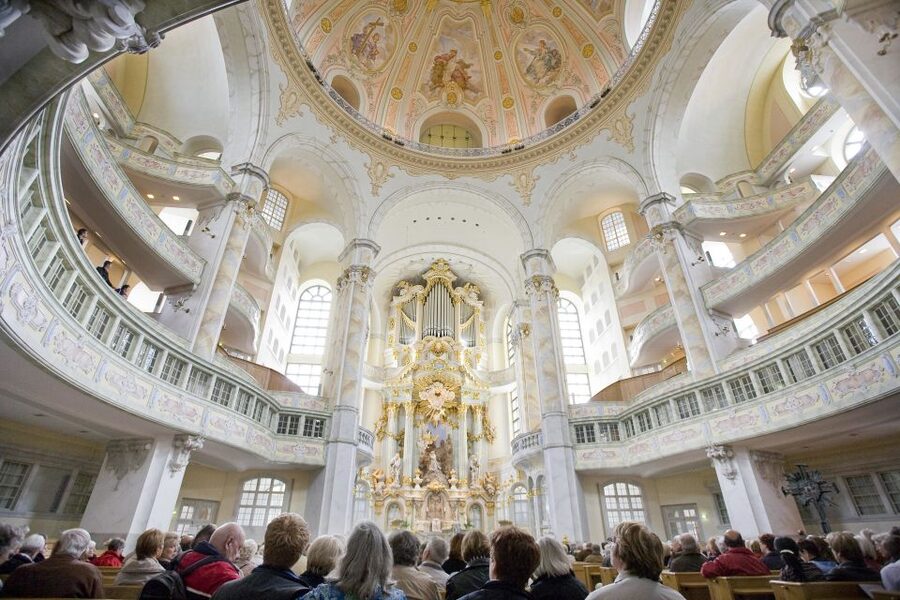
- Frauenkirche interior visit: See the altar, murals, historic crypt, unusual nave, and lower church when access is available.
- A compact Dresden overview: Cover Neumarkt, Stallhof, Fürstenzug, Schlossplatz, Hofkirche, Theaterplatz, Brühl’s Terrace, and Zwinger in two hours.
- Small German-speaking group: The tour is limited to 10 participants, with headsets supplied for clear listening.
- A guide with personality: Dagmar Renger has been praised for her humor, warmth, and ability to answer questions.
- Strong value at $16: The price includes the guide, audio headsets, and a postcard, but not museum entry.
- Easy central meeting point: Meet at 10:30 AM in front of the tourist information office in the lower level of QF Passage at Neumarkt 2.
Why this Dresden walking tour works well
Dresden is a city where a short walk can cover several centuries. In one direction, you have the ornate court buildings of Saxony. In another, the Frauenkirche rises above Neumarkt as a symbol of destruction, rebuilding, and modern Dresden. This tour connects those sights in a sensible order.
I like the route because it does not treat Dresden as a collection of pretty façades. Your guide explains how the buildings functioned, who paid for them, and how they fit into court life under Augustus the Strong. You also hear about current uses, which keeps the tour from becoming a frozen look at the past.
The tour lasts two hours, so expect a brisk overview rather than a slow architectural study. You will stop at many important places, but not every stop receives the same amount of time. That is a fair trade for a first look at the old town, especially if you have only a day or two in Dresden.
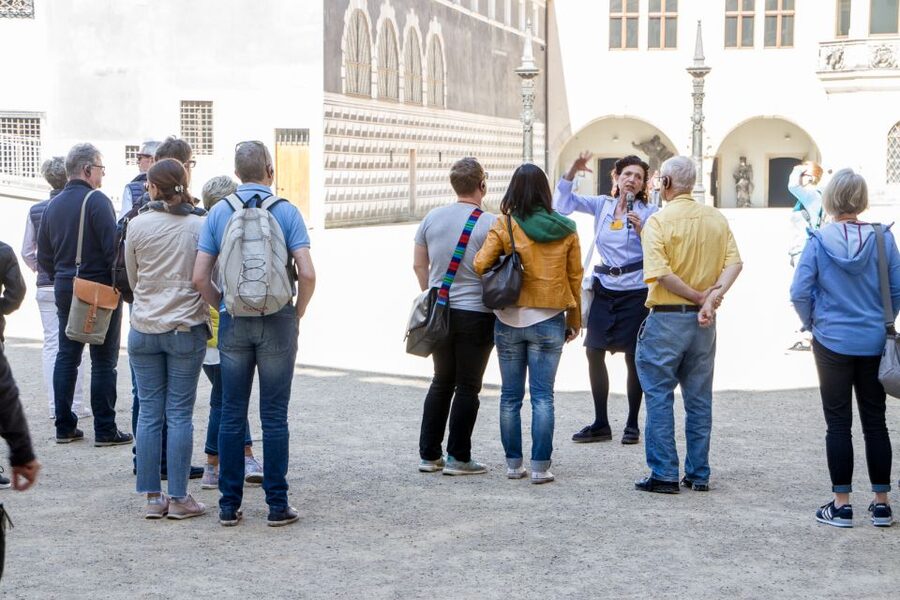
A rating of 4.8 from about 700 reviews points to a consistently strong experience. The praise is especially clear around the guides’ delivery. Dagmar Renger is singled out for being competent, funny, warm, and deeply connected to her home city. That personal energy matters on a walking tour. Dresden’s story includes war, royal display, religious change, and reconstruction. A dry presentation would make it feel like a list. A lively guide can give the route a human pulse.
More Walking Tours in Germany:
- Discover Berlin Half-Day Walking Tour
★ 5.0 · 9,624 reviews - Berlin City walk Government District and Places of Democracy
★ 4.7 · 8,467 reviews - Berlin: Third Reich & Cold War Guided Walking Tour
★ 4.9 · 8,378 reviews
Starting at Neumarkt and the Frauenkirche
Meet at 10:30 AM in front of the tourist information office on the sub-level floor of QF Passage at Neumarkt 2. Look for the guide holding a sign marked Glanzlichter Dresdens, and arrive five to ten minutes early. This is a practical tip, since the meeting point is inside a passage rather than simply beside a street sign.
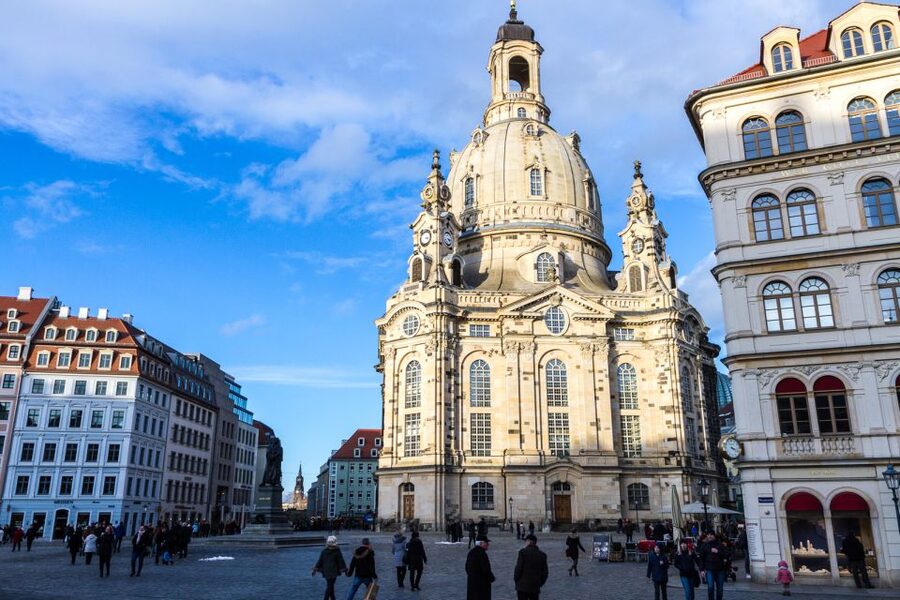
Neumarkt gives you an immediate introduction to Dresden’s rebuilt center. From here, the Frauenkirche dominates the view. Its curved stone form and large dome make it one of the city’s most memorable buildings, but your guide adds the details that a quick photograph cannot provide.
Inside the church, you learn about the altar, the painted murals, the crypt, and the unusual arrangement of the nave. The lower church adds another layer to the visit. This is not just a quick look through the doorway. When access is possible, the church visit gives you a chance to understand both the building’s religious purpose and its place in Dresden’s modern identity.
One practical caution matters here. A December tour could not enter the Frauenkirche because preparations connected with ZDF were taking place. The supplied tour information does not promise that every interior visit will always be possible, so check for any last-minute change if the church is your main reason for booking. The rest of the route still continues if access is blocked, but you should not assume the interior is guaranteed under every circumstance.
Stallhof, Fürstenzug, and the royal story
From Neumarkt, the route moves toward Stallhof and the Fürstenzug. These stops bring you close to the courtly side of Dresden, when Saxon rulers used architecture, ceremony, and public display to project power.
Stallhof, the former tournament courtyard, helps explain the connection between royal entertainment and the city’s buildings. It is easier to understand the court culture of Augustus the Strong once you see the spaces designed for pageants and formal events.
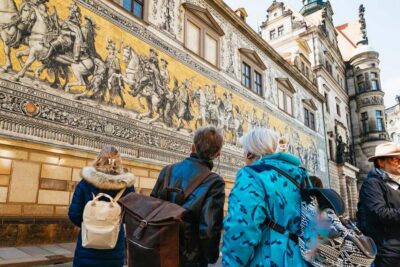
The Fürstenzug, a monumental depiction of Saxon rulers, adds a visual record of the dynasty. Your guide can help you read the procession instead of simply passing a long decorated wall. This is the kind of place where a local guide earns the $16 price. Without context, it may look like an impressive surface. With explanation, it becomes a lesson in rulers, symbols, and public memory.
The route also includes Schlossplatz and the Catholic Hofkirche. These buildings broaden the story beyond the Protestant Frauenkirche. You see how Dresden’s religious and royal institutions occupied the same central district, each with its own role in the city’s political life.
Because this is a walking tour, you will be viewing the exteriors of several major buildings rather than entering all of them. That keeps the pace moving, but it also means you should not book this experience expecting full interior tours of every palace and church.
Theaterplatz and the Semper Opera
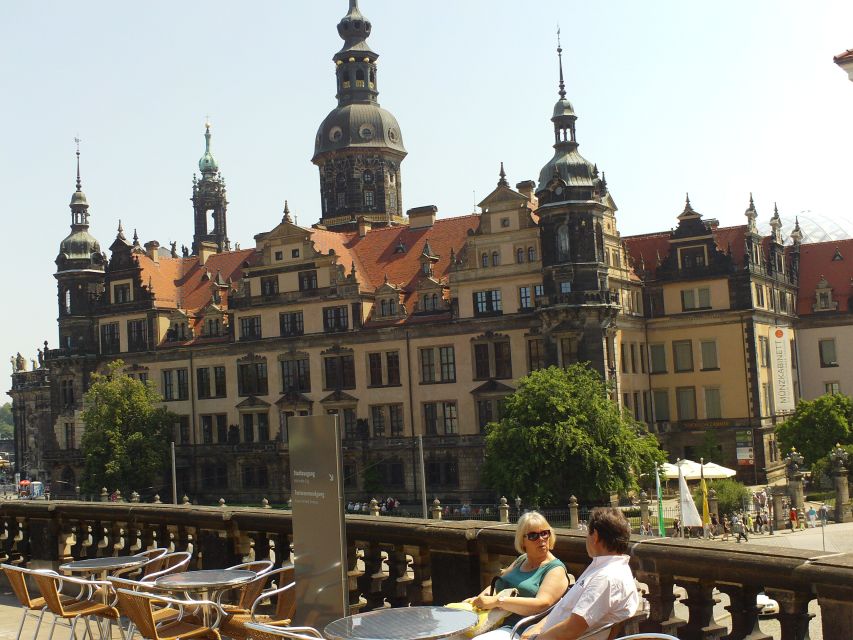
Theaterplatz brings the route into one of Dresden’s grandest open spaces. The Royal Palace and Semper Opera frame the square, giving you a clear sense of how the city presented art, monarchy, and public ceremony side by side.
The Semper Opera is one of the major sights on the route, but entry is not included. The same applies to the Royal Palace. You can admire the architecture from outside and hear the historical explanation, then decide later if you want to return for a separate museum or performance visit.
That arrangement is useful for many people. You get an orientation before spending extra time or money inside. It also prevents a two-hour walking tour from becoming overloaded with long indoor visits. On the other hand, if you want detailed collections or a full opera-house tour, you will need another ticket and more time.
I find this part of the route particularly helpful for first-time visitors because Theaterplatz ties several Dresden sights together. Instead of seeing the opera, palace, and nearby buildings as separate photo stops, you understand them as part of one royal center.
Same streets, a different guide:
- Munich: Third Reich & WWII Walking Tour
★ 4.6 · 6,181 reviews - Berlin: Discover Berlin Walking Tour
★ 4.9 · 5,998 reviews - Berlin’s Best: 2 Hour Walking Tour Third Reich and the Cold War
★ 5.0 · 5,486 reviews - Berlin: Hidden Backyards Guided Walking Tour
★ 4.8 · 5,360 reviews
Brühl’s Terrace and the Elbe views
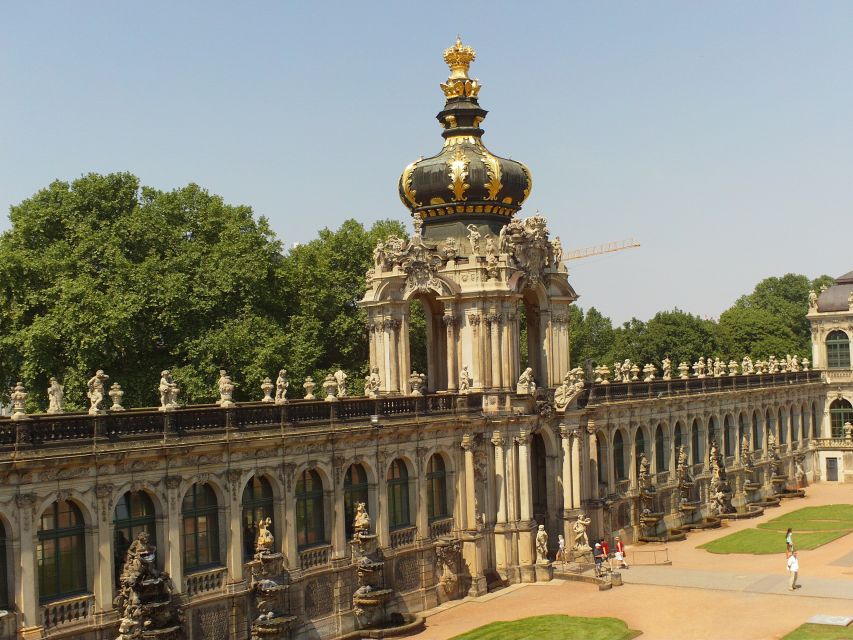
The walk continues across Brühl’s Terrace, a broad promenade with views toward the Elbe. This is one of the route’s quieter changes of pace. After the dense sequence of churches, palaces, and courtyards, you get open air and a wider view of the city.
The terrace is valuable not only for photographs. It helps you see Dresden’s position along the river and gives the old town a sense of scale. Your guide continues the story while you walk, so this is not simply unstructured free time.
Headsets are especially useful here. A riverfront promenade can make it harder to catch every sentence, particularly if the group spreads out. The supplied audio equipment lets you stay focused on the guide rather than constantly moving closer to hear.
The route is listed as wheelchair accessible, which is important for anyone planning around mobility needs. Still, a walking tour through a historic center can include changing surfaces and crowded areas, so it is sensible to confirm current access details when booking if you have specific requirements.
Saxon baroque at the Zwinger
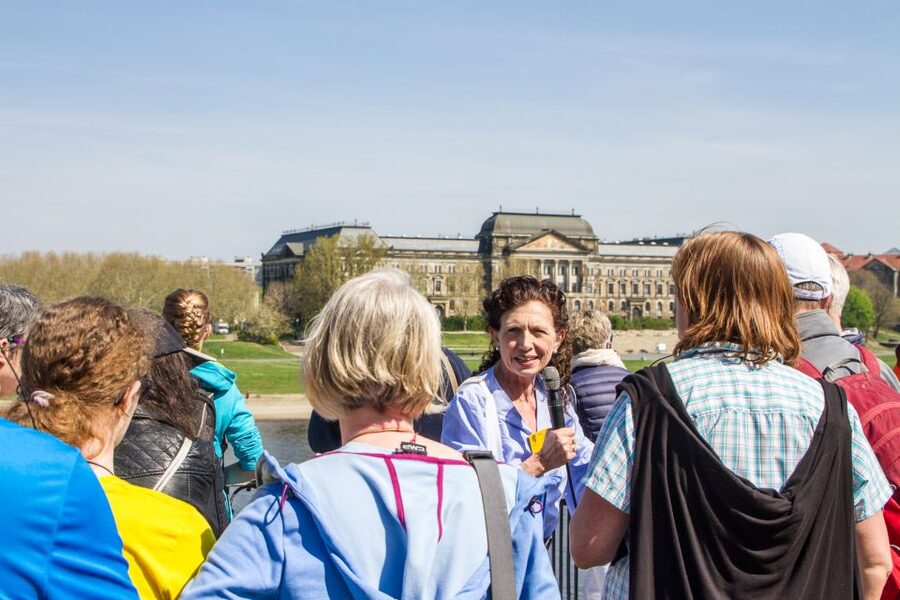
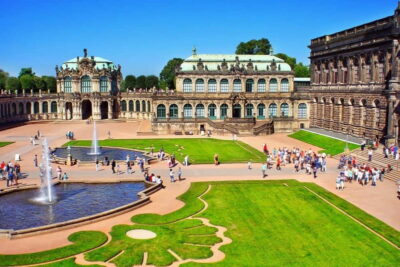
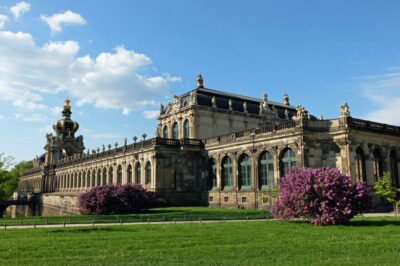
The final major section leads into the Zwinger District. Here, the focus shifts to Saxon baroque design, with sandstone sculpture, ornate decoration, and the court culture of Augustus the Strong.
Your guide explains what the sculptures represented and how the space was used for festivals and court celebrations. That context changes the way you look at the Zwinger. It was not designed only as a quiet garden or a backdrop for photographs. It was also a stage for spectacle, ceremony, and royal ambition.
The sandstone figures reward a close look. They are easy to photograph from a distance, but the tour encourages you to notice their stories and former purpose. The guide also covers the Zwinger’s present museum role, helping you separate what you can see during the walk from what requires a separate museum ticket.
Museum entry is not included in the tour price. That is worth noting if you want to see the collections inside the Zwinger, the Royal Palace museums, or the Semper Opera. The walking tour gives you a strong introduction, but it is not a substitute for those individual visits.
What the $16 price really gives you
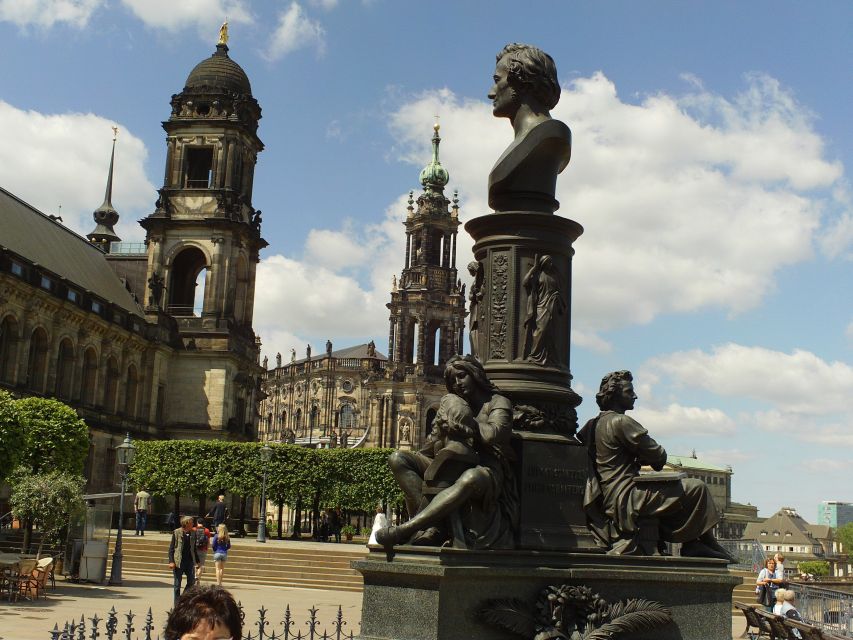
At $16 per person, this is a good-value orientation tour if you want a guide rather than a self-guided route. The price includes a personal guide, headsets, and a postcard souvenir. It does not include museum admission, opera entry, or other paid indoor attractions.
The value comes from the route and the explanations. Dresden’s main old-town sights sit close enough together to visit on foot, but the connections between them are not always obvious. A guide can explain why Neumarkt, the royal buildings, Theaterplatz, Brühl’s Terrace, and the Zwinger belong in the same story.
The small group limit also improves the value. With no more than 10 participants, you should have a better chance to hear answers and stay near the guide than on a large coach-style city tour. The headsets add another practical benefit, especially at outdoor stops.
You should think of this as a city introduction, not a full museum experience. If you plan to pay for several collections anyway, the tour can help you choose which ones deserve your time. If you only want interior visits, it may feel too focused on streets and exterior explanations.
Who will enjoy this tour most
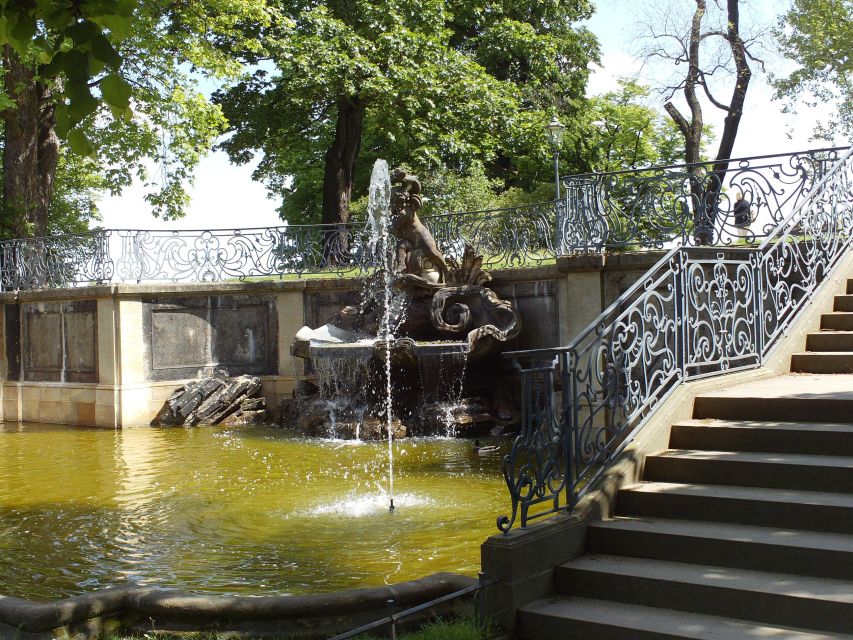
I would recommend this tour to a first-time Dresden visitor who wants the major sights explained in a short session. It suits people who like architecture, royal history, religious buildings, and city stories, but do not want to spend half a day inside museums.
It is also a good choice if you want a clear starting point for a longer Dresden stay. After the tour, you can return to the Frauenkirche, Royal Palace, Zwinger, or Semper Opera with a better idea of what you are seeing.
The tour is less suitable if you need English or another language. The live guide and audio support are listed as German only. It may also disappoint you if you expect guaranteed access to every interior or a slow, detailed study of one building.
The strongest guide feedback centers on Dagmar Renger. Her presentation is described as humorous, warm, and full of local feeling, with the ability to answer questions. Guide assignments can vary, so I would treat her name as a useful example of the tour’s personal style rather than a promise that she will lead every departure.
Timing, booking, and small practical details
The tour starts at 10:30 AM, and the duration is two hours. That leaves room afterward for lunch, a museum visit, or a return to any sight that caught your attention.
You can cancel up to 24 hours before the start for a full refund, and the reserve-now, pay-later option keeps your plans flexible. These policies are useful if your Dresden schedule depends on weather, train timing, or other day plans.
Remember the key meeting instructions: QF Passage, lower-level tourist information office, Neumarkt 2, with the guide holding the Glanzlichter Dresdens sign. Arriving five to ten minutes early should make the start less rushed.
Should you book the Dresden Complete Walking Tour?
Book it if you want a lively German-language introduction to Dresden’s old town, with the Frauenkirche, royal center, Elbe views, and Zwinger all covered in one compact route. The small group, headsets, and $16 price make it a sensible choice for a first look.
Skip it if you need an English tour, want extensive time inside museums, or are booking mainly for a guaranteed Frauenkirche visit. For most German-speaking visitors with two hours to spare, this is an efficient and personable way to get the city’s main story before exploring further on your own.
FAQ
Where does the Dresden walking tour meet?
Meet at Neumarkt 2, 01067 Dresden, in front of the tourist information office on the sub-level floor of QF Passage. The guide holds a sign marked Glanzlichter Dresdens.
What time does the tour start?
The stated meeting time is 10:30 AM. Arrive five to ten minutes before the tour begins.
How long does the tour last?
The walking tour lasts two hours.
Is the Frauenkirche visit included?
The route includes a visit inside the Frauenkirche when access is available. The tour covers the altar, murals, historic crypt, nave, and lower church. Temporary preparations or other events can prevent entry.
What language is the tour offered in?
The live tour guide and included audio support are listed as German only.
Are museum tickets included?
No. Entry to the museums in the Royal Palace and Zwinger, as well as the Semper Opera, is not included.
Is the tour wheelchair accessible?
Yes, the activity is listed as wheelchair accessible.
New routes in Germany
- Munich: Walking Tour Old Town and Viktualienmarkt★ 4.7 · 839 reviews
- Stuttgart: Guided Ghost Walking Tour★ 4.5 · 867 reviews
- Stuttgart: Private Guided Circular City Walk★ 4.7 · 129 reviews
- Stuttgart: Old Town Highlights Guided Walking Tour★ 4.2 · 101 reviews
- Stuttgart: City Highlights – Guided Walking Tour★ 4.7 · 189 reviews
- Hamburg: Private Tour Red Light District Walking Tour★ 4.7 · 227 reviews
- Small Group Walking Tour: “Wild Kreuzberg”★ 4.8 · 199 reviews
- Sachsenhausen Memorial: Walking Tour from Berlin★ 4.7 · 132 reviews
Dresden Walking Tours, compared.
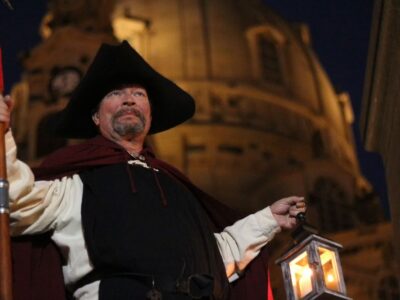
Walking Tour with a Night Watchman including a Meal
Read our review →
Guided Walking Tour and Chocolate Museum Ticket
Read our review →

Neustadt District Street Art Guided Walking Tour
Read our review →
Browse the lists this tour appears in