
Review · DUBLIN
Dublin Highlights: 2.45-Hour Walking Tour in Italian
Dublin’s story comes together nicely on this Italian-language city walk, which links Trinity College, Dublin Castle, the two great medieval cathedrals, Temple Bar, and the north side of the River Liffey. You get the broad outline of Ireland’s past without spending half the day inside a museum.
I like the route for two practical reasons: it gives you a useful first look at central Dublin, and the guide offers tips on Irish stew, live music, and pubs for the rest of your stay. Guides including Michela V. and Melania have been praised for lively storytelling and for keeping children engaged. The main drawback is that this is a walking overview, not an interior tour, and the published timing needs a little care: the experience is described as three hours, while its title says 2.45 hours.
Key points at a glance
- Italian storytelling from Trinity College to the Spire: The route covers Dublin’s best-known central sights in one continuous walk.
- A useful mix of history and local advice: You hear about St. Patrick, British rule, the 1921 treaty, Molly Malone, and where to eat or hear music afterward.
- Nine major stops: The walk includes Dublin Castle, St. Patrick’s Cathedral, Christ Church Cathedral, Temple Bar, the Ha’penny Bridge, the GPO, and more.
- No entrance fees included: You see the main buildings from outside, so plan separate visits if you want to go in.
- Best for an Italian-speaking introduction: It suits first-time Dublin visitors who want context before exploring alone.
- Not designed for wheelchairs or large luggage: Wear good walking shoes and bring only a small day bag.
A three-hour introduction to Dublin’s center
At $28 per person, this tour is priced as a compact orientation rather than a full attraction pass. You are paying for an Italian-speaking guide, a clear route through the center, and the chance to ask questions while the city is right in front of you.
That makes the price reasonable if you are new to Dublin or want to get your bearings early in your trip. You can then return to the places that caught your interest, perhaps with an entrance ticket for the cathedral or castle. If you already know central Dublin well, the value is less obvious because the tour does not include admission to the interiors.
The route is built for seeing a lot in a short time. You move from the south side of the Liffey to the north side, passing landmarks that span medieval religion, British administration, Irish nationalism, Georgian Dublin, and modern city life. It is a good way to understand how the pieces fit together.
The activity is described as lasting three hours, while the title gives 2.45 hours. I would allow the full three hours and avoid booking anything immediately afterward. The walking pace, group size, and time spent answering questions can affect the finish.
More City Highlights Walking Tours in Ireland
- Dublin Highlights and Hidden Gems Guided Walking Tour
★ 5.0 · 6,020 reviews - Dublin: Highlights and Hidden Gems Walking Tour
★ 4.9 · 2,140 reviews - 90 Minute Dublin Walking tour and Sightseeing tips
★ 5.0 · 916 reviews
Beginning at Trinity College and Molly Malone
The meeting point is the Henry Grattan statue on College Green, in front of Trinity College. Look for a guide wearing a badge with the local supplier’s name. This is a central starting point, but you should arrive with enough time to find the statue among the traffic and footfall around College Green.
Trinity College gives the tour an impressive opening. Even if you do not enter the campus or the Old Library, the setting quickly places you in Dublin’s intellectual and political story. From here, the guide introduces the city’s early Christian past, including the arrival of St. Patrick and his efforts to preach to pagan communities.
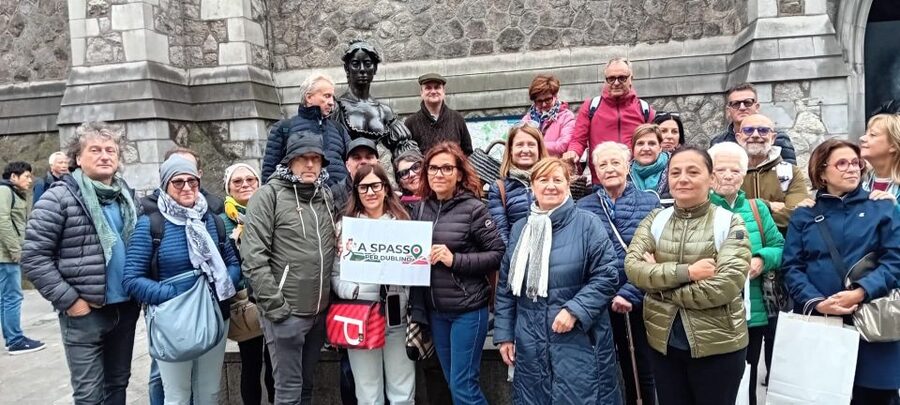
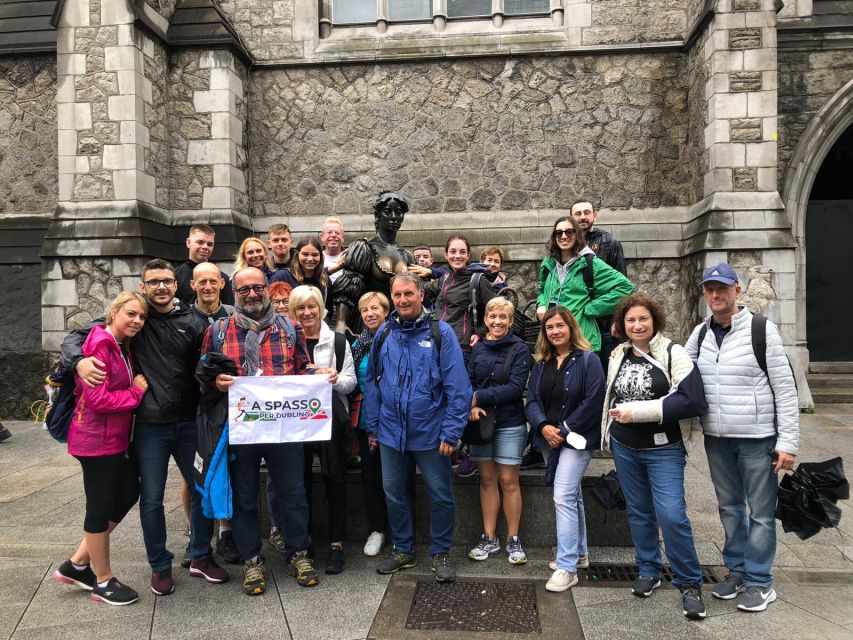
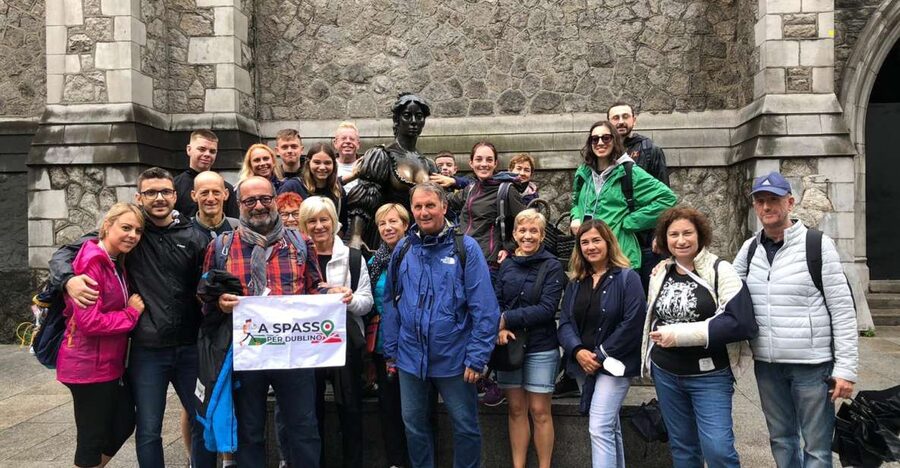
The first named stop is the Molly Malone statue. Her famous song has made her one of Dublin’s best-known characters, though the line between historical person and local legend is part of her appeal. This is a short stop, but it gives the guide an easy way to explain how Dublin turns stories, songs, and symbols into part of its public identity.
I like this opening because it does not begin with a dry list of dates. You start with a college, a city legend, and the religious roots of Ireland. Families may also find this section easier for children to follow than a long lecture on politics.
Dublin Castle and the story of British rule
From College Green, the walk continues to Dublin Castle. The castle is central to the political history of Ireland, especially the period when British authorities controlled the country from Dublin.
The guide explains the castle’s role up to the signing of the Anglo-Irish Treaty in 1921. That gives the building more meaning than its exterior alone. You are not just looking at an old government complex. You are connecting its walls with the long political struggle that shaped modern Ireland.
The tour focuses on the outside, so do not expect a full castle visit or access to every room. That limitation is worth keeping in mind if Dublin Castle is high on your list. You can return later for an interior visit, but the walking tour itself is designed to keep moving.
This stop is especially useful for anyone who wants a basic political timeline before visiting other Irish sites. A guide can explain why Dublin’s monuments carry both national pride and memories of foreign rule, a balance that is easy to miss when you explore alone.
Two cathedrals, two different moods
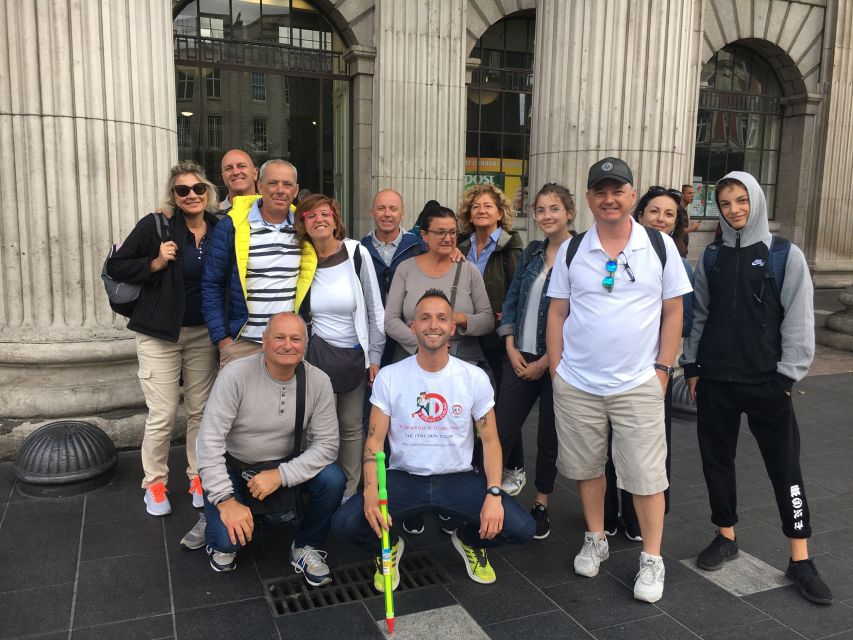
The route then reaches St. Patrick’s Cathedral and Christ Church Cathedral. Seeing both in one walk helps you compare Dublin’s major religious landmarks, even though the tour does not include entrance fees.
St. Patrick’s Cathedral has a strong link with the city’s patron saint and the Christian story introduced near the start of the walk. Its facade makes a grand impression, and the stop gives the guide another chance to connect Dublin’s present streets with its early religious past.
Christ Church Cathedral adds another layer. It is one of the city’s most important historic churches and sits close to Dublin Castle and the older center of town. From the street, you can appreciate its scale and position, but the exterior view cannot replace time inside. If you want detailed architecture, medieval remains, or a longer look at either cathedral, plan a separate visit and budget for admission.
I see these cathedral stops as orientation points rather than full sightseeing sessions. They are valuable because the guide explains why they matter, but you should not choose this tour as a substitute for a cathedral ticket.
More City Highlights Walking Tours in Dublin:
- Dublin: Sightseeing Walking Tour in German
★ 4.7 · 231 reviews - Dublin: Highlights and Hidden Corners Walking Tour
★ 4.8 · 79 reviews - Ho Chi Minh City Street Food Tour & Sightseeing By Motorbike
★ 5.0 · 9,413 reviews - Historic Charleston Guided Sightseeing Walking Tour
★ 5.0 · 6,216 reviews
Temple Bar without losing the rest of Dublin

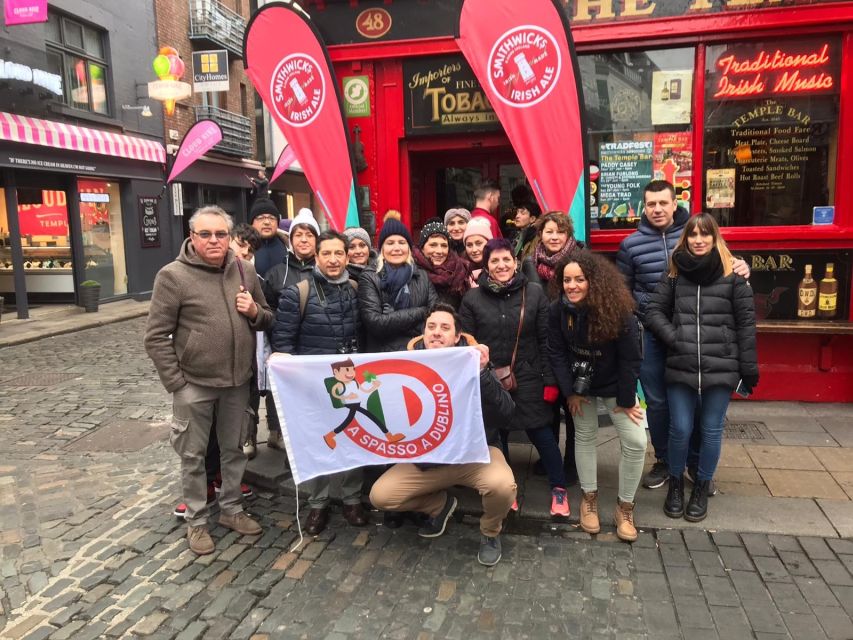
Temple Bar is the most famous entertainment quarter on the route. Its lanes, pubs, and nightlife make it an easy place to find, but the district can also become the part of Dublin that visitors remember without understanding the wider city.
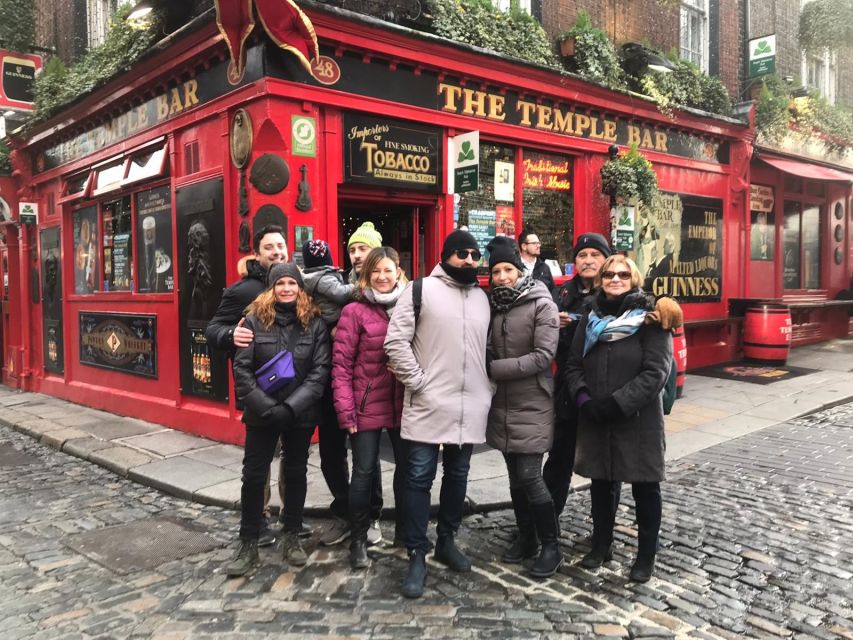
The guide places Temple Bar in the larger route, after the castle and cathedrals and before the river crossing. That order helps you see it as one chapter in Dublin’s story, not the whole book. You get a look at the district and practical advice about where to find live music and good pubs.
The tour can also point you toward Irish stew and other places to eat. These suggestions may be one of the most useful parts of the experience because you can act on them later, once the group has moved on.
Temple Bar is popular, so expect a lively public area rather than a quiet historical stop. The tour gives you a quick look and local direction. If you want to sit for a drink or hear music, do it after the walk, when you are free to choose your own pace.
Crossing the Liffey on the Ha’penny Bridge
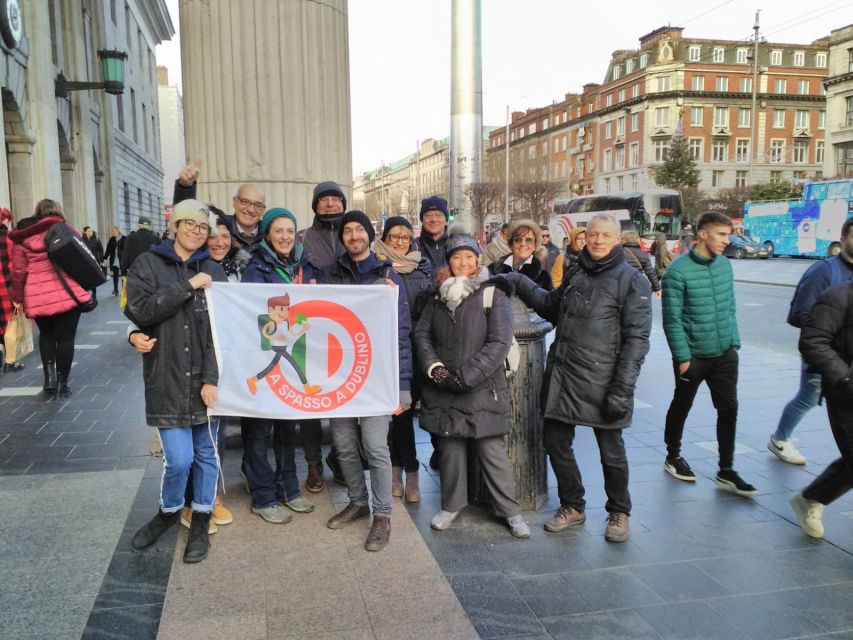
The Ha’penny Bridge is one of Dublin’s instantly recognizable sights. Its formal name is the Liffey Bridge, but the local nickname comes from the former toll charged to cross it.
Crossing here changes the feel of the route. You move from the south side’s major historic attractions to the north side, where the guide turns toward key sites connected with Ireland’s political and civic life.
The bridge itself is a brief stop, so do not expect a long pause or a river cruise. Its value is in the connection. You see the Liffey, cross a landmark that has become part of Dublin’s identity, and continue on foot without breaking the flow of the tour.
This is also a good point to take photographs, but keep an eye on the group. A three-hour walk has a planned rhythm, and lingering too long can make it harder to stay with the guide.
The GPO and Ireland’s political turning points
On O’Connell Street, the General Post Office brings the walk back to the political story. The GPO is one of the last Georgian buildings built in Dublin and is closely tied to the history of Irish independence.
The guide uses the stop to explain some of the major events that shaped Ireland. The building is especially meaningful because it links an everyday civic function with national history. It is still a post office, yet it also carries the memory of political conflict and the changing relationship between Ireland and Britain.
You will see the exterior during the tour. The GPO Museum is a separate attraction, so admission is not included. If modern Irish history interests you, this is one of the places where you may want to return for a longer visit.
The tour ends at the Spire of Dublin, also on O’Connell Street. The tall monument is easy to spot and gives you a clear final landmark. The supplied meeting information also says the activity ends back at the meeting point, so I would confirm the exact finishing location and timing before setting off, especially if you have onward plans.
What the guide adds in Italian
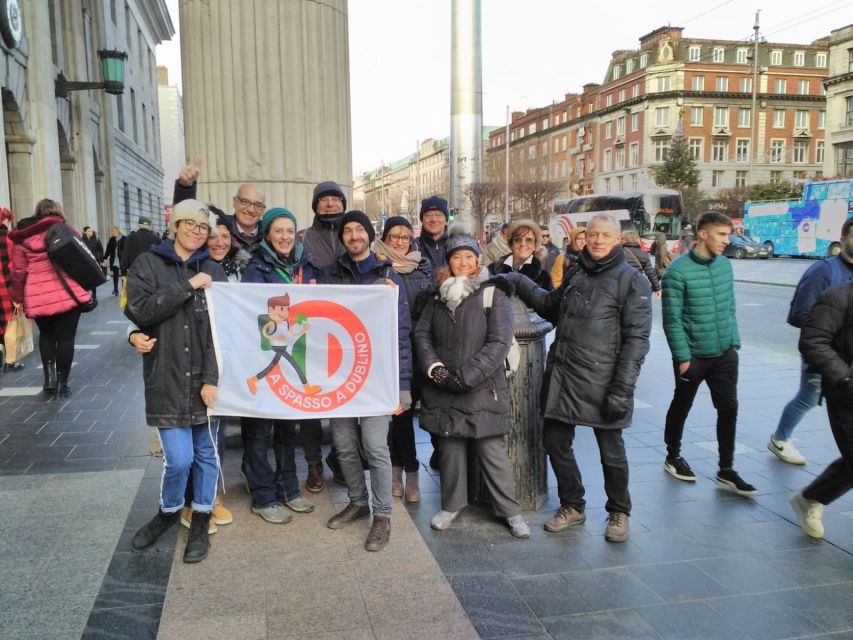
The language is the main reason to choose this experience. An Italian-speaking guide can explain Irish names, political terms, legends, and local customs in a way that feels more natural than trying to follow a fast English tour.
The guide’s role matters most at the transitions. Dublin’s attractions are close together, but their stories cover many centuries. A good explanation can connect St. Patrick with the cathedral, the castle with British government, the GPO with independence, and Temple Bar with present-day nightlife.
Michela V. is described as especially useful for planning the rest of a Dublin stay, with advice that helps you decide what to do after the walk. Melania has been praised for clear, engaging storytelling and for keeping an eight-year-old interested. Those details suggest this can work well for families, not only for adults focused on political history.
Guide quality can vary from one departure to another, so I would treat the named guides as examples rather than a guarantee of who will lead your tour. Still, the strongest feature of the experience is clearly the human explanation, not the simple act of walking from one landmark to the next.
Practical details that affect your day

Wear comfortable shoes. You will be on city streets for up to three hours, with frequent stops and a steady route through the center. Sunglasses, a sun hat, and an umbrella are sensible in Dublin, where the weather can change quickly.
Large bags and luggage are not allowed. This is important if you are arriving straight from a hotel or heading to a station. Bring a small day bag and make other storage arrangements before you arrive.
The tour is not suitable for wheelchair users, according to the activity information. If you have mobility concerns, check the route and street conditions before booking rather than assuming the central location makes it accessible.
The booking terms are flexible: you can cancel up to 24 hours before the start for a full refund, and you can reserve now and pay later. Those features help if your Dublin schedule is still changing, but they do not remove the need to check the starting time and exact endpoint.
The tour also includes discounts connected with several local businesses:
- 15 percent off at The Well Restaurant, Wallace Tavernam, and the Irish Whiskey Museum
- 10 percent off at Sfuso
- A special bundle at Caffè Cagliostro
These offers add some value, especially if one of the places fits your plans. I would treat them as useful extras, not the main reason to book.
At the end, you may also have a chance to arrange day trips from Dublin to places such as the Cliffs of Moher, Giant’s Causeway, Howth, Galway, Connemara, Cork, Blarney Castle, Belfast, and Newgrange. That can be handy if you want help with further excursions, but the walking tour itself remains focused on central Dublin.
Who will get the most from this walk?
I would choose this tour if you are visiting Dublin for the first time, prefer Italian, and want a clear introduction before exploring on your own. It is also a good fit if you have only a short stay and want to cover the main central landmarks without planning every turn yourself.
Families may appreciate the storytelling style, especially if the guide keeps younger children involved. The route offers legends, famous statues, castles, cathedrals, bridges, and political history, so it has more variety than a tour built around one subject.
I would think twice if you want long interior visits, detailed architecture, or a quiet small-group experience. The route is busy with sights, but it is still a city walking tour, and several of the most important stops are viewed from outside.
At $28, I see solid value in the route and Italian-language guidance. The price works best when you use the tour as a first-day map of Dublin, then return to the castle, cathedrals, GPO Museum, or Temple Bar for more time.
Should you book Dublin Highlights in Italian?
Book it if you want a friendly Italian introduction to Dublin’s central story, with practical advice for meals, music, pubs, and the rest of your itinerary. The combination of Trinity College, Molly Malone, Dublin Castle, both cathedrals, Temple Bar, the Ha’penny Bridge, the GPO, and the Spire gives you a lot in roughly three hours.
Skip it if you need wheelchair access, are carrying large luggage, or want admission and extended time inside the attractions. Before booking, check the exact duration and ending point, then arrive ready to walk. For the right visitor, this is a useful first step into Dublin, not a replacement for seeing its major interiors.
FAQ
Is the tour conducted in Italian?
Yes. The tour has a live Italian-speaking guide.
How long does the Dublin walking tour last?
The activity information describes the duration as three hours. The title refers to 2.45 hours, so allow up to three hours and confirm the start time when booking.
Where does the tour start?
Meet at the Henry Grattan statue in front of Trinity College on College Green. Look for a guide wearing a badge with the local supplier’s name.
Where does the tour finish?
The route is described as ending at the Spire of Dublin on O’Connell Street. The meeting information also says the activity ends back at the meeting point, so confirm the exact endpoint before the tour.
Are entrance fees included?
No. Entrance fees are not included, so visits inside Dublin Castle, St. Patrick’s Cathedral, Christ Church Cathedral, or the GPO Museum would require separate arrangements.
Is the tour suitable for wheelchair users?
No. The activity is listed as not suitable for wheelchair users.
Can I cancel the booking or pay later?
You can cancel up to 24 hours in advance for a full refund. You can also reserve the activity and pay later.
New routes in Dublin
- Dublin: North Quay Guided Ghost Walk★ 4.2 · 144 reviews
- Dublin: Mythology, Folklore and Legends Walking Tour★ 4.9 · 703 reviews
- Dublin: Traditional Pub Walking Tour★ 4.6 · 295 reviews
- Dublin: Traditional Pubs Walking Tour with Local Guide★ 4.9 · 112 reviews
- Dublin: Irish Music Walking Tour with Live Performance★ 4.8 · 137 reviews
- Dublin: Highlights and Hidden Corners Walking Tour★ 4.8 · 79 reviews
- Dublin: Macabre History Walking Tour★ 4.9 · 95 reviews
- Dublin: Delicious Walking Food Tour★ 4.9 · 137 reviews
Dublin Walking Tours, compared.
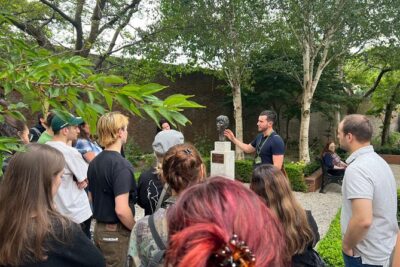
Dublin Highlights and Hidden Gems Guided Walking Tour
Read our review →
Dublin Historical Centre Food Tour with 8 Food Tastings & Drinks
Read our review →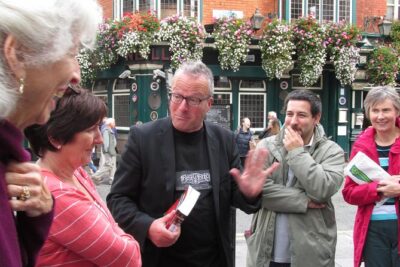

90 Minute Dublin Walking tour and Sightseeing tips
Read our review →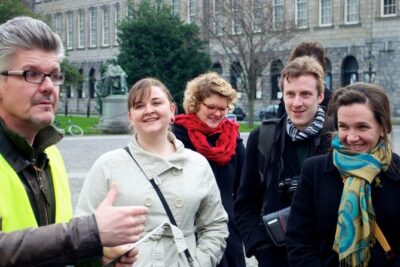
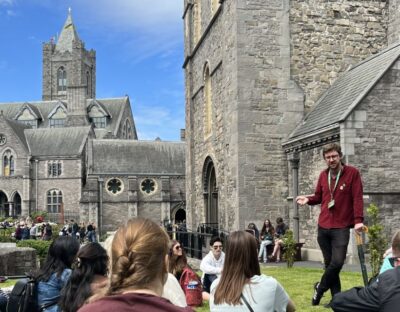

Browse the lists this tour appears in