

Review · DUBLIN
Dublin: North Quay Guided Ghost Walk
Dublin’s northside hides its best ghost stories in plain sight. This walk leads you past Saint Mary’s Abbey, the former Viking quarter of Oxmantown, haunted Hendrick Street, and Croppie’s Acre, where the ground covers a mass grave from the 1798 rebellion. I like the way the route links local history with ghost lore, rather than relying on actors or cheap jump scares.
I also like the guides’ friendly storytelling. Kate, Darragh, Matthew, Derek, and Katie are praised for humor, clear explanations, and useful Dublin tips. The main drawback is that the walk can feel more like a history tour with supernatural edges than a truly frightening night out, and one description lists 1.5 hours while another calls it two hours.
Key points at a glance

- Saint Mary’s Abbey: Find a small medieval ruin tucked beside everyday city life.
- Hendrick Street: Hear the grim tale of six ghosts linked to houses between numbers 7 and 8.
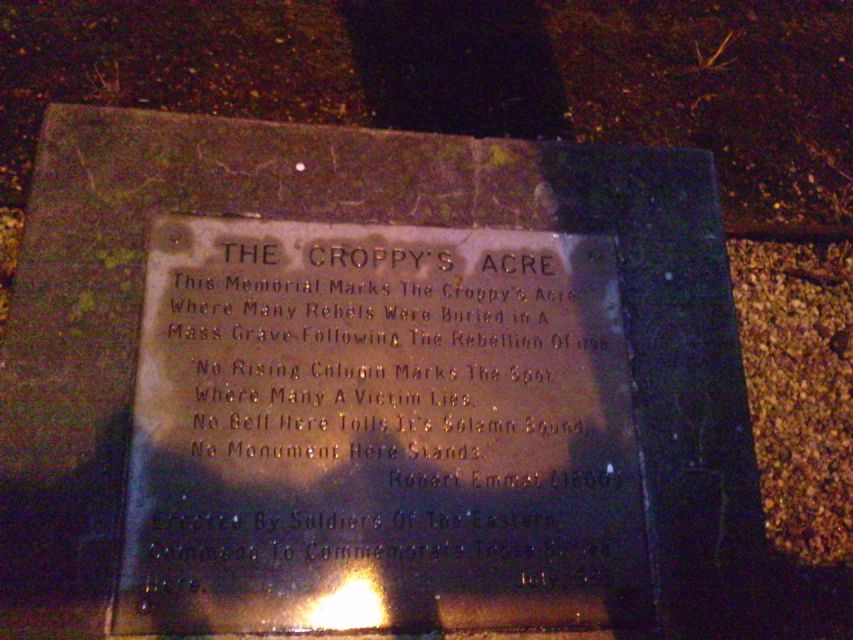
- Croppie’s Acre: Visit a former football pitch built over a mass grave from the 1798 rebellion.
- Oxmantown and the Vikings: See a less familiar side of Dublin’s early northside history.
- Saint Michan’s Church: Learn how its preserved mummies inspired Bram Stoker’s imagination.
- Practical evening walk: Meet outside The Church Bar on Mary Street, then finish at the same spot.
Why Dublin’s northside makes a good ghost walk
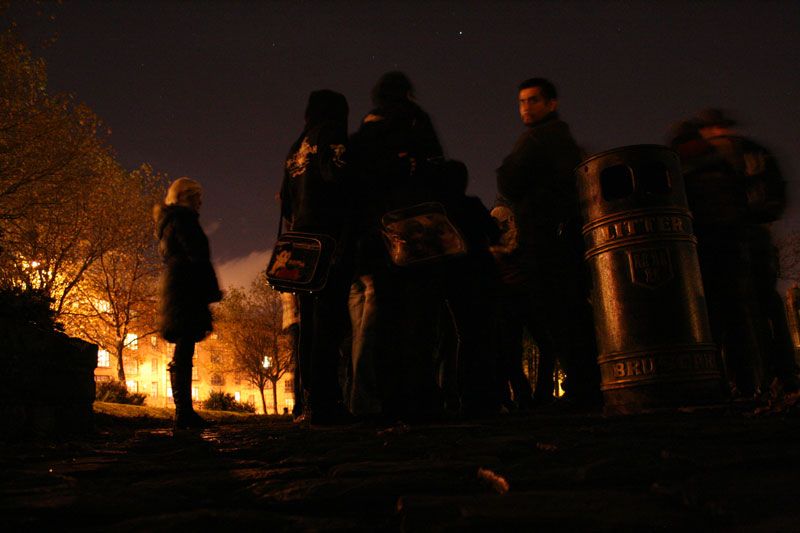
This is not a tour of grand castles and famous postcard views. It works because the route moves through ordinary streets where old events sit under modern Dublin. A ruin may be squeezed beside a busy lane. A house number may mark a story about several restless spirits. A patch of ground may look like a forgotten sports field while holding the remains of executed rebels.
I like that contrast. It gives the ghost stories some weight. You are not just hearing a spooky tale in an isolated setting. You are hearing it beside the streets and buildings that still shape daily life.
The tour also covers medieval Oxmantown, an area tied to Dublin’s Viking past. That gives the walk a wider frame. You learn how the city changed over centuries, then hear how violence, poverty, religion, rebellion, and death fed the stories that came afterward.
Do not expect a horror attraction. There are no listed actors, costumes, special effects, or staged scares. The experience depends on the guide’s voice, timing, and command of the stories. That suits me, since the strongest moments come from the setting and the tale itself.
More Ghost Walking Tours in Dublin:
- Dublin’s Haunted History Walking Tour
★ 4.3 · 345 reviews - New Orleans Premier Ghost, Voodoo and Vampire Walking Tour
★ 4.5 · 12,856 reviews - London: The Original Jack the Ripper Walking Tour
★ 4.7 · 7,833 reviews
Meeting outside The Church Bar on Mary Street
The walk starts outside The Church Bar and Restaurant on Mary Street and returns there at the end. This is a useful arrangement if you are planning dinner or a drink before or after the tour, though the activity itself is the guided walk rather than a meal or pub visit.
Because the tour begins in a central city setting, you can fit it into an evening after other sightseeing. Check the available departure time when booking. The published duration is 1.5 hours, while the longer description refers to a two-hour walk, so I would keep a little flexibility in your plans.
You will be on your feet for most of the route. One detailed account recommends comfortable sneakers and allowing for roughly two hours. That is sound advice, especially if your day already includes a lot of walking.
The group can vary in size. One small group allowed Kate to answer plenty of questions, while another larger group still found the guide easy to hear. If your group is large, standing near the guide will help you catch every detail, especially on busy streets.
Saint Mary’s Abbey and Dublin’s overlooked ruins
One of the first major historical stops is the site of Saint Mary’s Abbey. In medieval Ireland, it was one of the country’s most powerful monastic settlements. Today, only a small ruin remains, hidden down an alleyway and passed by many people who never notice it.
That change in scale is part of the appeal. You get a quick lesson in how Dublin’s medieval center has been covered, altered, and repurposed. The abbey is not presented as a grand, intact monument. Instead, it feels like a fragment that survived while the city grew around it.
For me, this is where the tour’s historical side earns its place. The ghost material becomes more effective when you understand that Dublin is full of layers. Monastic life, Viking settlement, rebellion, crime, and modern commerce all occupy the same compact area.
You should not expect a long indoor visit or a formal archaeological presentation. The stop is part of a moving street walk, so the guide’s explanation carries much of the experience. A good guide can make a small ruin feel important, and the names praised for this walk, including Kate, Darragh, and Derek, are repeatedly associated with clear storytelling and strong local detail.
Oxmantown, Viking traces, and the older northside
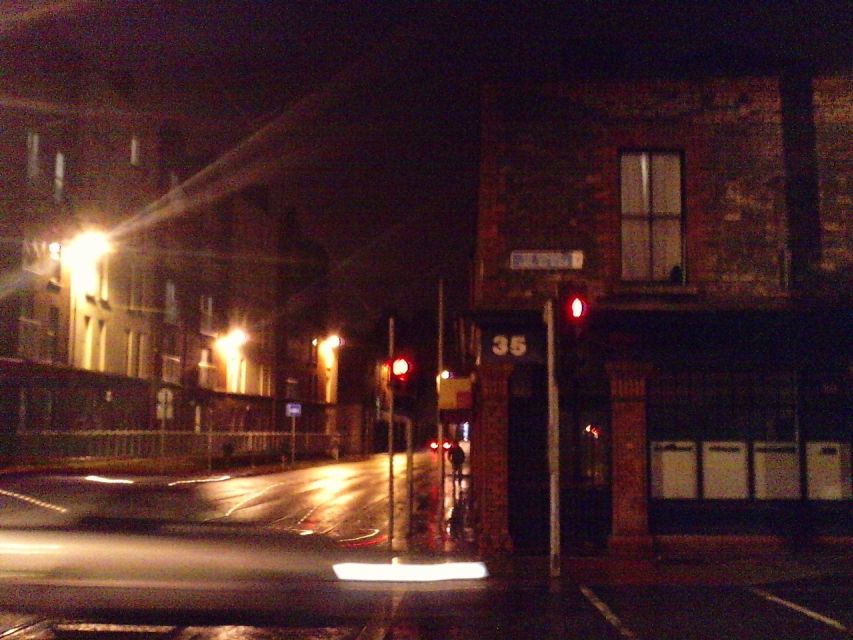
The route explores medieval Oxmantown, an area associated with former Viking enclaves. This is a useful correction to the way many first-time visitors picture Dublin. The city’s early story is not limited to the southside’s well-known sights or the standard pub circuit.
I like this part because it helps you read the streets. The guide points out how the northside developed and connects the area to the people who lived there long before today’s shops, roads, and restaurants. You get a sense of a city shaped by arrivals, conflict, trade, and changing power.
The route also brings up Scaldbrother, described as an infamous medieval thief. A figure like this gives the walk a more personal feel. Instead of hearing only dates and rulers, you hear about the criminals and characters who made the city’s past less orderly and more human.
This is one reason the walk suits people who want a Dublin orientation with a twist. You pick up small details that can change how you see the area afterward. Several guides also add general Dublin facts and suggestions for things to do after the tour, so you may leave with ideas beyond the ghost stories.
More Guided Walks in Dublin:
- Dublin Highlights and Hidden Gems Guided Walking Tour
★ 5.0 · 6,020 reviews - Historical 2-Hour Guided Walking Tour of Dublin
★ 4.7 · 865 reviews - Dublin: Traditional Pubs Walking Tour with Local Guide
★ 4.9 · 112 reviews - Magical London: Harry Potter Guided Walking Tour
★ 4.7 · 22,044 reviews
Hendrick Street and the six ghosts
Hendrick Street is the tour’s most concentrated ghost-story stop. The guide discusses two houses, between numbers 7 and 8, linked to no fewer than six different ghosts.
The exact appeal here depends on your taste. If you want a dramatic haunted building that you enter, this may feel modest. You are hearing about a location from the street rather than taking part in a paranormal investigation. But that limitation also keeps the story grounded in Dublin’s real neighborhoods.
I would pay close attention to how the guide tells this section. The walk has been praised for its humor and storytelling, and Hendrick Street is likely to work best when the guide builds tension without overplaying it. Matthew, Darragh, and other named guides are noted for being personable and funny, which helps keep the mood lively rather than gloomy.
This stop also shows the tour’s balance. The stories are eerie, but the walk does not aim to frighten every person in the group. Some people will find the material creepy. Others will treat it as a curious piece of local folklore. Both reactions fit the format.
Croppie’s Acre and the memory of 1798
Croppie’s Acre offers the most serious stop on the route. The site was later used as a football pitch, but underneath lies a mass grave containing hundreds of rebels executed after the 1798 rebellion.
That detail changes the mood. This is not simply a story about a ghost appearing in an old house. It connects the supernatural theme to political violence and the way difficult history can be forgotten or covered over. A recreational field above a burial site is a sharp reminder that Dublin’s past is not always marked with a grand monument.
I appreciate the fact that the tour does not treat this only as a scare point. The story gives you a reason to think about who gets remembered, who gets buried without ceremony, and how a city carries on after upheaval.
The stop may be less visually dramatic than an intact medieval building. You are unlikely to get a large museum-style display from the information provided. Its force comes from the guide’s account and the knowledge of what lies beneath the ordinary ground.
Saint Michan’s mummies and Bram Stoker’s Dublin
The walk also tells you about the mummies in Saint Michan’s Church. Saint Michan’s is described as one of Ireland’s most macabre tourist attractions, and the preserved remains are linked to Bram Stoker, the Dublin-born author of Dracula.
This part is especially useful if you are interested in how Dublin’s real places fed its literary imagination. The tour does not advertise entry into Saint Michan’s Church, so treat this as a story and location reference rather than a church visit. If you want to see the mummies themselves, you would need to make a separate plan.
The Bram Stoker connection gives the ghost walk a cultural angle. You are not only hearing about apparitions. You are also learning how a city’s churches, burial spaces, and unsettling stories can influence one of its most famous writers.
For me, this is a good example of the tour’s range. It moves from medieval monastic history to rebellion, crime, apparitions, and literature without losing its Dublin focus.
The Virgin Mary apparition and modern ghost lore
The route includes the site of a 21st-century apparition of the Virgin Mary. This brings the stories into the modern era and shows that supernatural belief is not limited to medieval ruins or old graveyards.
That contrast is worth noting. You may hear one story rooted in ancient settlement, another tied to a rebellion, and then a much newer account connected to religious vision. The changing dates make the walk feel less like a fixed collection of old legends.
Again, the power depends on presentation. The tour is guided in English, and the guide’s explanation gives you the context. Since no theatrical effects are promised, you should come ready to listen rather than expect something staged around the apparition site.
The guides and the tone of the storytelling
Guide quality matters more here than on a sightseeing route with major monuments. The city provides the setting, but the guide supplies the shape, pace, and humor.
Kate is praised for answering questions, knowing the area well, and adding useful suggestions for the rest of a Dublin visit. Darragh is described as personable, funny, and a strong storyteller. Matthew is associated with an informative style and a good sense of humor, while Derek is praised for knowing many small details. Katie is also singled out for a strong tour.
The names suggest a rotating guide team rather than one fixed host. That means the tone may vary slightly from one departure to another. The common thread is an emphasis on information, humor, and storytelling rather than theatrical scares.
One account specifically appreciated the lack of theatrics. Another felt the tour was more of a history lesson than a ghost tour. I see those comments as helpful rather than contradictory. If you want a frightening performance, you may find it too restrained. If you want unusual Dublin history delivered in an entertaining way, that restraint is a plus.
How scary is the North Quay Ghost Walk?
I would rate this as mildly spooky, not a full horror experience. The material includes ghosts, mummies, executions, mass graves, thieves, and apparitions, so there is plenty of dark subject matter. But the route is presented as a walking tour, with history doing as much work as fear.
The time of year and departure hour may affect the mood. One detailed account noted that a summer evening can remain bright until after 9 p.m., which weakens the night-time atmosphere. An evening in a darker season may feel more suitable for the subject, although weather becomes more important.
The walk can also include ordinary city interruptions. One account noted that skeptical or rowdy passersby occasionally shouted comments. That is not a flaw unique to this tour. It is part of taking a ghost story through active city streets, but it means you should not expect silence or a controlled theater setting.
Is $28 a fair price?
At $28 per person, I think the value is reasonable if you want both a city orientation and unusual local stories. The walk lasts about 1.5 hours according to the activity details, with other descriptions placing it closer to two hours. You are paying for a live English-speaking guide, a planned route through areas you might skip, and research that connects small sites to larger events.
The value is strongest for first-time visitors and people who have already covered the standard attractions. New visitors get an introduction to the northside, while repeat visitors get streets, names, and stories that are easy to miss on their own.
The value is weaker if you want admission to Saint Michan’s mummies, access inside haunted houses, or a staged scare show. Those are not included. This is a guided outdoor walk, and that distinction matters.
Free cancellation up to 24 hours before the start and the option to reserve now and pay later make it easier to fit into a changing Dublin schedule. I would still check the exact start time, duration, and meeting details before paying.
Who should book this walk?
I would recommend it to:
- First-time Dublin visitors who want an unusual orientation
- Repeat visitors tired of the usual city-center attractions
- History fans who enjoy stories about crime, rebellion, religion, and old neighborhoods
- Families with older children who can handle graveyards, executions, and ghost stories
- Couples or friends looking for a low-key evening activity
- People who prefer a guide’s storytelling to actors and special effects
I would be more cautious if you dislike walking at night, find stories about mass graves and mummies too grim, or want a genuinely frightening attraction. The route is also less suitable for anyone hoping to spend time inside the listed historic sites, since the activity is described as a walking tour and does not include separate admissions.
Final verdict: a thoughtful ghost walk with a Dublin history backbone
I would book this tour if I wanted to see a less familiar side of Dublin and hear stories that do not fit neatly into a standard sightseeing route. The best parts are the contrast between ordinary streets and grim history, the stop at Croppie’s Acre, the overlooked remains of Saint Mary’s Abbey, and the guides’ mix of humor and local detail.
I would not book it expecting nonstop scares. Think of it as a northside history walk with ghosts, mummies, rebels, thieves, and apparitions woven through it. Wear comfortable shoes, allow up to two hours, and choose a darker evening if atmosphere matters to you. For $28, it is a fair choice for curious visitors who want Dublin to feel stranger, older, and more layered than it first appears.
FAQ
Where does the Dublin North Quay Ghost Walk start?
The walk starts outside The Church Bar and Restaurant on Mary Street.
Where does the tour end?
The activity ends back at the same meeting point outside The Church Bar.
How long does the ghost walk last?
The activity details list a duration of 1.5 hours. The longer description and one account refer to a walk of about two hours, so allow some extra time.
What language is the tour conducted in?
The live tour guide speaks English.
What places are covered on the walk?
The route includes medieval Oxmantown, the site of Saint Mary’s Abbey, Hendrick Street, Croppie’s Acre, and locations connected with Saint Michan’s Church and the modern Virgin Mary apparition.
Does the tour include entry to Saint Michan’s Church or the haunted houses?
The activity includes a guided walking tour only. Entry to Saint Michan’s Church or the former haunted houses is not listed as included.
How much does the tour cost, and can I cancel?
The price is $28 per person. You can cancel up to 24 hours in advance for a full refund, and you can reserve now and pay later.
New routes in Dublin
- Dublin: Mythology, Folklore and Legends Walking Tour★ 4.9 · 703 reviews
- Dublin: Traditional Pub Walking Tour★ 4.6 · 295 reviews
- Dublin: Traditional Pubs Walking Tour with Local Guide★ 4.9 · 112 reviews
- Dublin: Highlights and Hidden Corners Walking Tour★ 4.8 · 79 reviews
- Dublin: Macabre History Walking Tour★ 4.9 · 95 reviews
- Dublin: Irish Music Walking Tour with Live Performance★ 4.8 · 137 reviews
- Dublin: Delicious Walking Food Tour★ 4.9 · 137 reviews
- Dublin: Sightseeing Walking Tour in German★ 4.7 · 231 reviews
Dublin Walking Tours, compared.
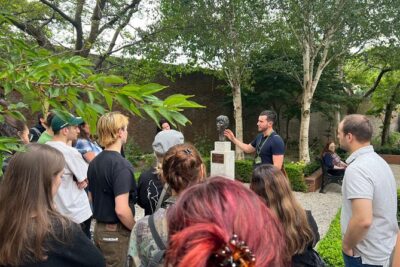
Dublin Highlights and Hidden Gems Guided Walking Tour
Read our review →
Dublin Historical Centre Food Tour with 8 Food Tastings & Drinks
Read our review →

90 Minute Dublin Walking tour and Sightseeing tips
Read our review →
Dublin Highlights: 2.45-Hour Walking Tour in Italian
Read our review →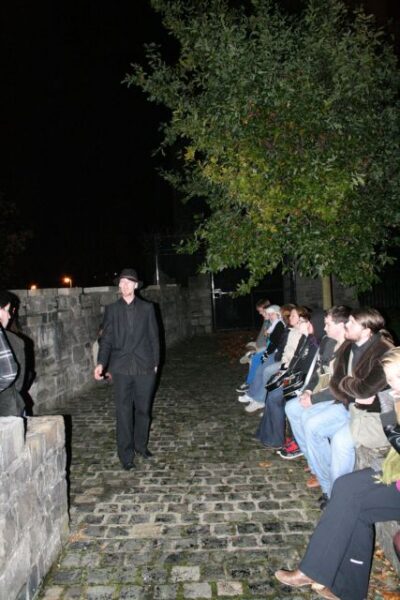
Browse the lists this tour appears in