
Review · UK
Derry: Bloody Sunday and Bogside Murals Walking Tour
Derry’s Bogside is not a place you understand by looking at a map. Its walls, monuments, and street corners carry the story of partition, discrimination, protest, and Bloody Sunday. This 1.5-hour walking tour puts those events in the streets where they happened, with a guide who can explain both the public record and the human cost.
I like the way the walk uses the Bogside murals as visual history lessons, rather than treating them as quick photo stops. I also like the personal approach offered by guides such as Gleann, Glenn, Angela, and Tony, several of whom have family connections to the conflict. The main drawback is simple: you are outdoors for the full tour, and the route is not suitable for people with mobility impairments.
Key points to know before booking
- Bloody Sunday site: Learn what happened in January 1972 and visit the monument that honours those killed.
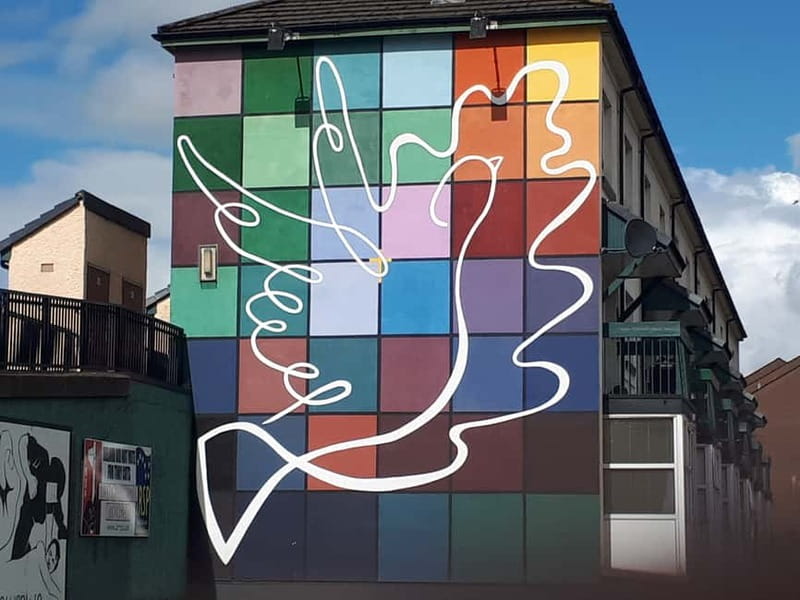
- Murals with a purpose: See the famous Bogside murals and hear how they connect to civil rights and local memory.
- A local voice: Guides including Gleann, Glenn, Angela, Tony, Wendy, Laura, and Michael have led this experience, with some drawing on personal or family connections.
- More than one tragic day: The walk covers partition, discrimination, the 1969 Battle of the Bogside, the Troubles, and the Good Friday Agreement.
- Short but serious: The tour lasts 90 minutes, giving you a focused introduction rather than a full-day study of Derry.
- Prepare for the weather: Wear practical clothes and shoes, since the tour runs outside in all conditions.
Why the Bogside is the right place to learn Derry’s story
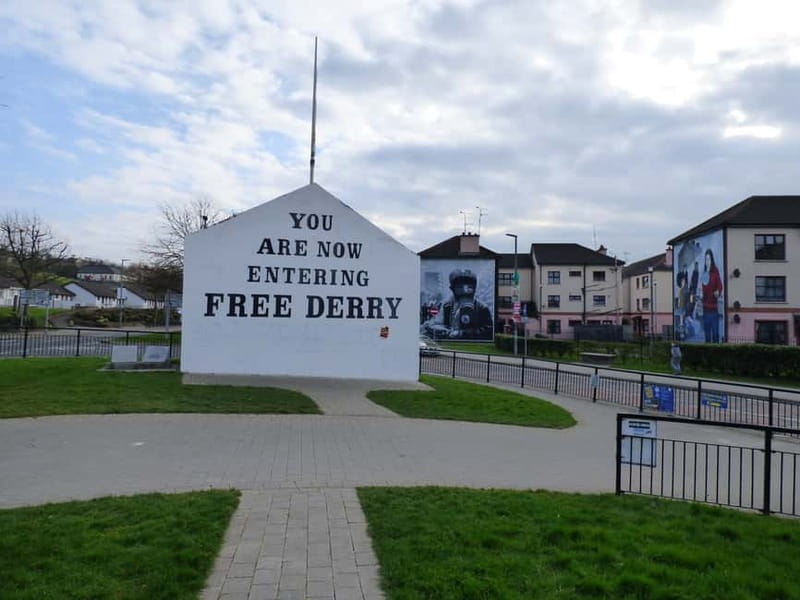
The Bogside is more than a district with famous painted walls. It was the heart of Derry’s Civil Rights movement and a major setting for the events that shaped modern Northern Ireland. Walking here gives you a sense of place that a museum display alone cannot provide.
The tour begins outside the Tower Museum at Magazine Gate, just inside Derry’s historic walls. That starting point is useful because it places you between the old walled city and the Bogside, allowing the guide to explain the divisions that shaped daily life in Derry.
You are not simply handed a list of dates. The story begins with the partition of Ireland and the creation of the six-county state. From there, the guide explains the discrimination faced by Irish Catholics and how those conditions helped fuel the Civil Rights movement.
This early section matters because Bloody Sunday did not happen in isolation. The walk gives you the setting first, then shows how anger, protest, confrontation, and military action built toward the events of 1972.
More Street Art Walking Tours in the UK:
- London: Street Art and Graffiti Guided Walking Tour
★ 4.9 · 1,354 reviews - Glasgow Street Art Daily Walking Tour: 2pm
★ 5.0 · 648 reviews - Glasgow: Street Art Guided Walking Tour
★ 4.8 · 385 reviews
From partition to the Civil Rights movement
The tour places Derry within the wider story of 20th-century Ireland. You hear how partition created political and social divisions, then learn about the unequal treatment that affected Irish Catholics in the six counties.
The guide connects those broad issues to the streets around you. That is one of the best reasons to take the tour early in your stay. If you visit the Bogside without context, the murals can seem like a series of dramatic images. With a guide, you see how they relate to housing, voting rights, policing, protest, and the demand for equal treatment.
I appreciate that the walk does not limit itself to Bloody Sunday. It covers the Civil Rights movement and the Battle of the Bogside in 1969, helping you understand why the area became such a central symbol of resistance.
The guide also adjusts the amount of explanation to the group. If you already know the basic outline of the Troubles, you can ask for more detail. If the subject is new to you, the tour gives you a clear route through difficult material without assuming too much background.
The Bogside murals as public history
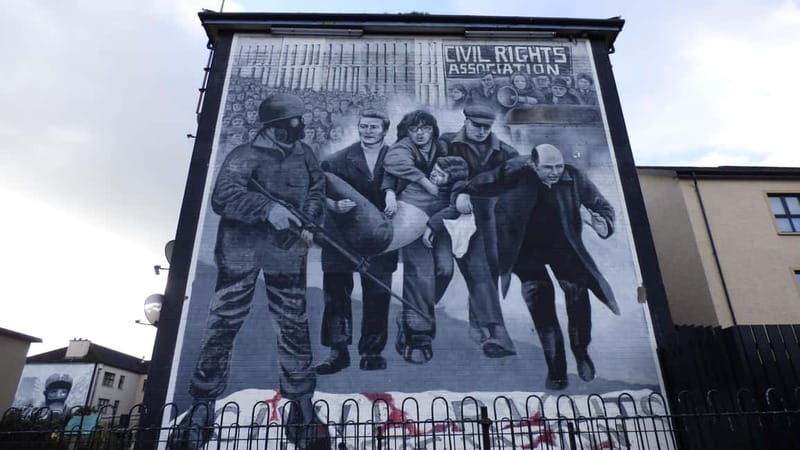
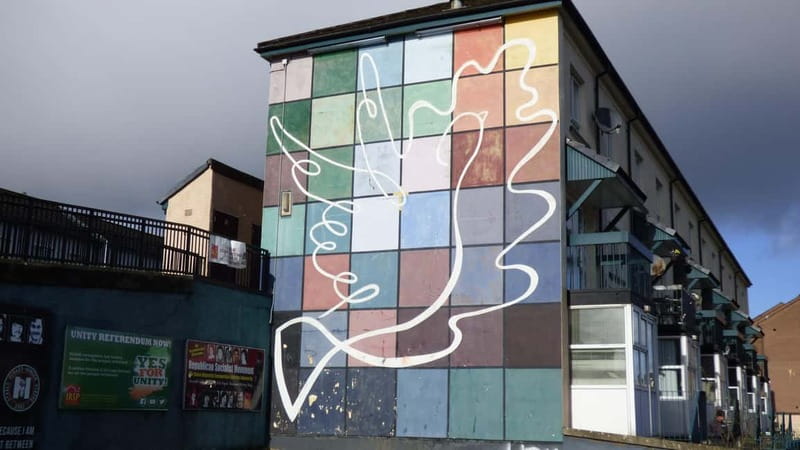
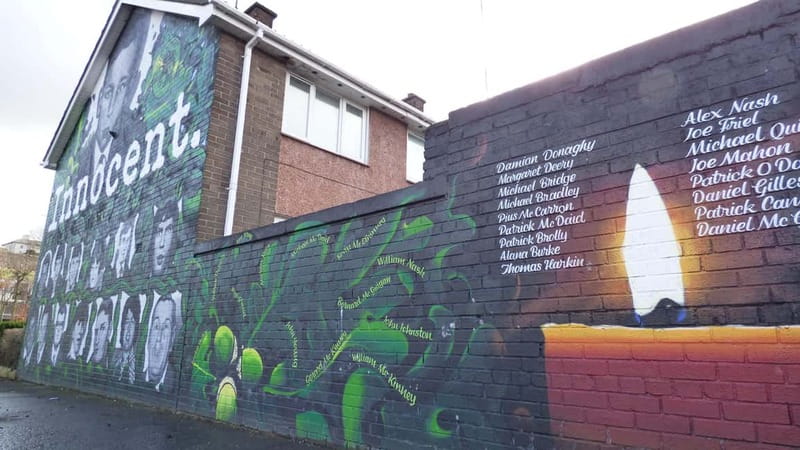
The murals are the most visible part of the walk, but their real value comes from the explanation around them. These large works bring political events, local experience, and remembrance into public view.
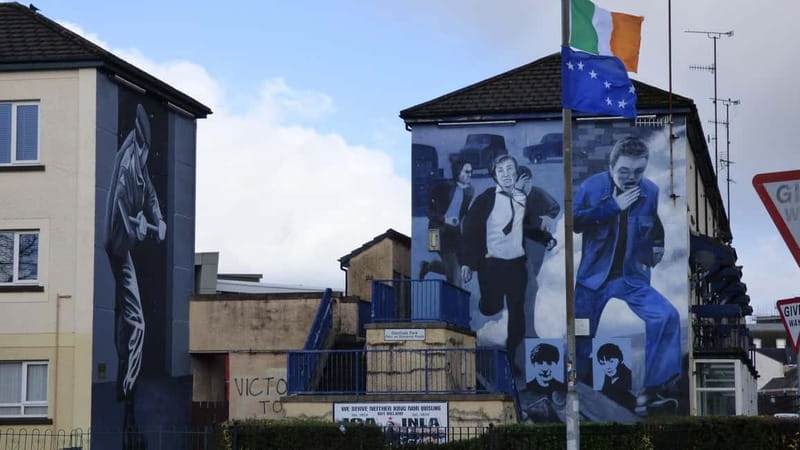
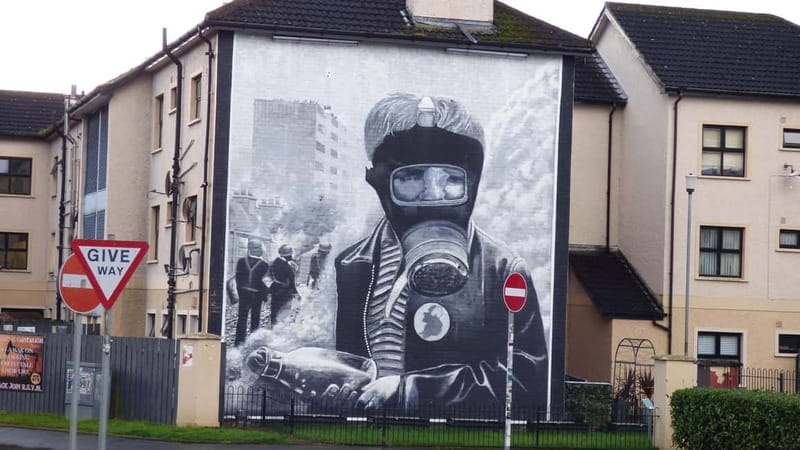
You will see the famous Bogside murals as you move through the area. They help tell the story of the community and its struggles in a way that is immediate and easy to remember. A guide can explain what the images refer to, why they were created, and how they fit into the wider story of Derry.
Allow time to look closely. This is not a walk where you should rush from one wall to the next for photographs. The murals are powerful, but the guide’s account gives them meaning. A face, slogan, or scene can carry a very different weight once you understand the event behind it.
Some people may find the material upsetting. The imagery and stories relate to violence, loss, and political conflict. The tone is serious, but guides are also described as warm, funny, and easy to listen to. That balance helps keep the walk human rather than turning it into a grim list of incidents.
Bloody Sunday and the human cost of the story
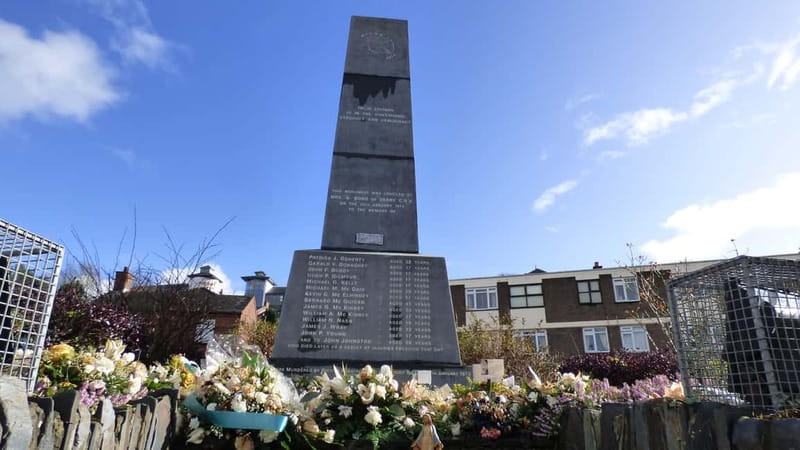
The emotional center of the tour is the account of Bloody Sunday, which took place in January 1972. You visit the site of the massacre and hear about the inquiries that followed.
This is where a personal guide can make a real difference. Guides such as Gleann and Glenn have been described as bringing family connections and lived experience to their explanations. That does not replace the historical record, but it can help you understand how events affected ordinary families in Derry.
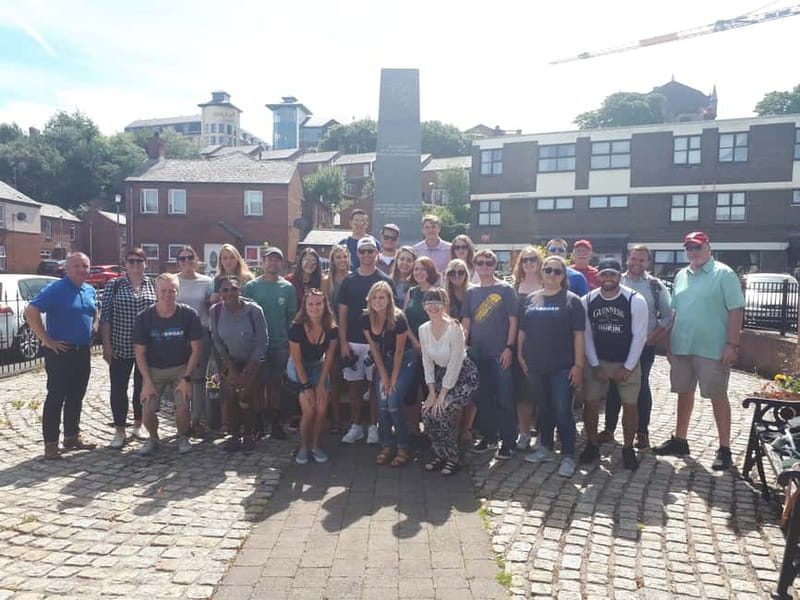
The tour concludes at the Bloody Sunday monument, a lasting tribute to the Civil Rights Association. Ending there gives the walk a clear focus. Rather than leaving you with only dates and political arguments, the final stop points back to the people who died and the community’s continuing act of remembrance.
Expect this section to be moving. The walk deals with real deaths and disputed accounts, followed by official inquiries and years of public debate. The guide’s job is not simply to make the subject comfortable. It is to explain what happened with care and to answer questions respectfully.
If you are visiting the Free Derry Museum, this tour works well afterward. One visitor found the museum and walking tour to be a natural combination. The museum can give you an indoor introduction, while the walk shows you the streets, murals, and places connected to the story.
More Walking Tours in the UK:
- Magical London: Harry Potter Guided Walking Tour
★ 4.7 · 22,044 reviews - Edinburgh: Harry Potter Magical Guided Walking Tour
★ 4.8 · 11,944 reviews - Edinburgh Castle: Guided Walking Tour with Entry Ticket
★ 4.7 · 11,699 reviews - Underground Vaults Walking Tour in Edinburgh Old Town
★ 4.5 · 8,506 reviews
What makes the guides important
The guide is the main reason to book this particular walk. The route itself is accessible as a public part of Derry, but a good explanation changes what you notice.
Gleann and Glenn receive especially frequent praise for their clear storytelling, humour, personal connections, and ability to answer questions. Angela is described as warm, detailed, and engaging. Tony, Wendy, Laura, and Michael have also led tours, with Michael noted as a local from the Bogside.
That range matters because the experience can feel personal without becoming casual about tragedy. Several guides draw on family experience or local knowledge, giving you a sense of how the Troubles affected people beyond the major headlines.
You should still remember that the guide may vary. The names above are examples of guides who have led the walk, not a promise that one particular person will be assigned to your booking. The common thread is an English-speaking guide focused on Derry’s modern history and the Bogside.
The strongest guides appear to balance three things well:
- Clear historical structure: You can follow the story from partition to the Good Friday Agreement.
- Personal connection: Family or local experience adds texture to the account.
- A relaxed pace: The walk is described as easy paced and well paced, with room for questions and conversation.
That combination suits people who want more than a standard sightseeing circuit. You get facts, but you also get a sense of how the story is remembered locally.
A practical look at the 90-minute route
The tour is short enough to fit into a busy Derry day. At 1.5 hours, it can work before or after a museum visit, a meal, or a walk around the city walls.
You meet outside the Tower Museum at Magazine Gate, just inside the walls. Arrive ready to begin on foot. The route takes you through the Bogside, with stops connected to the Civil Rights movement, the Battle of the Bogside, Bloody Sunday, and the murals.
The walk ends at the Bloody Sunday monument. Since the meeting point and final stop are different, plan your next activity from the end point rather than assuming you will return to Magazine Gate. The supplied details do not specify the exact route length, group size, or the number of mural stops, so you should not expect a fixed performance-style schedule.
The easy pace is helpful. You have time to listen, look at the walls, and ask questions. It also means the walk is not designed as a fast overview for someone who wants to tick off sights in a hurry.
Wear shoes suited to walking and bring waterproof clothing. Derry weather can change quickly, and the tour runs in all weather. There is no indoor alternative listed.
Is the $35 price good value?
At $35 per person, this is a reasonable price for a 90-minute guided walk, especially if you value local explanation rather than simply seeing the murals on your own.
You can walk through the Bogside without paying anything, but you will miss much of the connection between the images, the streets, and the political events. The fee pays for a guide who can organize a difficult subject into a clear story and respond to your questions in real time.
The value is strongest if you are new to Derry’s history or want a respectful introduction to Bloody Sunday. It is also useful if you have read about the Troubles but find the sequence of events confusing. The guide can place partition, discrimination, civil rights, the Battle of the Bogside, Bloody Sunday, and the later inquiries into one understandable account.
The value may be lower if you have already taken a detailed Derry history tour, visited several museums, and want a longer treatment of how the Troubles affect life today. One point raised in the feedback was a wish for more discussion of present-day effects, with the feeling that these issues can be more visible in Belfast. This walk is primarily about the Bogside, its murals, and the historical events that shaped it.
The booking terms also offer useful flexibility. You can cancel up to 24 hours before the tour for a full refund, and you can reserve now and pay later. Check the available start times when booking, since the exact schedule is not fixed here.
Who should take this Derry walking tour?
I would recommend it to first-time visitors who want to understand Derry rather than simply photograph it. The tour is also a good fit for anyone interested in modern Irish history, civil rights, political murals, or the history of the Troubles.
It suits adults and older children who can engage with serious material. The subject includes discrimination, military violence, death, and conflict, so it is not a light sightseeing walk.
You should also book it if you prefer a local voice. The personal accounts and family connections described by several guides can add an important human layer. You will hear about Derry from people who understand that this is not just a chapter in a textbook.
It is less suitable if you have limited mobility, since the activity is specifically listed as unsuitable for people with mobility impairments. It may also disappoint anyone looking for a broad tour of every part of Derry. The focus is the Bogside and its modern political history.
How to get more from the experience
I would take this tour near the start of your time in Derry. The murals and monuments will make more sense afterward, and you may notice details you would otherwise walk past.
Before starting, think about what you already know. If you are new to the subject, ask the guide to explain the basic timeline. If you have studied Bloody Sunday or the Troubles, ask about local memory, the inquiries, or how the murals have changed over time.
Bring a rain jacket even if the forecast looks kind. The tour is outside, and poor weather can distract from the storytelling. Comfortable footwear matters more than dressing up.
Do not plan a tight appointment immediately after the walk. The listed duration is 90 minutes, but questions and conversation can affect the finish. If you are connecting it with the Free Derry Museum, leave enough time to absorb both experiences instead of racing between them.
Should you book the Bogside Murals Walking Tour?
Yes, if you want a focused and human introduction to Derry’s most difficult modern history. The combination of the murals, the Bloody Sunday site, the monument, and a local English-speaking guide gives the tour real purpose.
Book it with realistic expectations. This is not a full survey of Northern Ireland, and the present-day political story receives less emphasis than the events from partition through the Good Friday Agreement. The route is outdoors and unsuitable for people with mobility impairments.
For most visitors who want to understand why the Bogside matters, $35 is fair value. I would place it high on a Derry itinerary, ideally before exploring the area on your own.
FAQ
Where does the Derry Bogside tour begin?
The tour begins outside the Tower Museum at Magazine Gate, just inside Derry’s city walls.
Where does the tour finish?
The walk concludes at the Bloody Sunday monument.
How long does the tour last?
The tour lasts 1.5 hours.
How much does the tour cost?
The listed price is $35 per person.
What language is the tour in?
The tour is conducted in English by a live guide.
Which subjects are covered?
The tour covers partition, the creation of the six-county state, discrimination against Irish Catholics, the Civil Rights movement, the Battle of the Bogside in 1969, Bloody Sunday in January 1972, and the later inquiries.
Will I see the Bogside murals?
Yes. Seeing the famous Bogside murals is one of the main parts of the walk.
Will I visit the Bloody Sunday site?
Yes. The tour visits the site of the Bloody Sunday massacre and finishes at the Bloody Sunday monument.
Is the tour suitable for people with mobility impairments?
No. The activity is listed as unsuitable for people with mobility impairments.
What should I bring?
Be prepared for all weather. Since this is an outdoor walking tour, practical clothing and suitable shoes are sensible choices.
Can I cancel the booking?
Yes. You can cancel up to 24 hours in advance for a full refund.
Can I reserve without paying immediately?
Yes. The reserve now and pay later option lets you hold a place without paying at the time of booking.
New routes in the UK
- Aberdeen City Centre Walking Tour (2pm)★ 5.0 · 217 reviews
- German London : The Ultimate Walking tour★ 4.8 · 400 reviews
- London: Medieval History Walking Tour from The Tower★ 4.9 · 318 reviews
- Oxford: Official University and City Walking Tour★ 4.7 · 618 reviews
- The Beatles London Walking Tour★ 4.2 · 147 reviews
- Stratford-Upon-Avon’s Town Walking Tour (10:30am & 2pm)★ 4.8 · 143 reviews
- The Sinister Side of Shakespeare’s Stratford Walking Tour★ 4.8 · 547 reviews
- Stratford-Upon-Avon: The Famous Walk Talk Show★ 4.9 · 342 reviews
UK Walking Tours, compared.

Magical London: Harry Potter Guided Walking Tour
Read our review →

Edinburgh Castle: Guided Walking Tour with Entry Ticket
Read our review →
Underground Vaults Walking Tour in Edinburgh Old Town
Read our review →
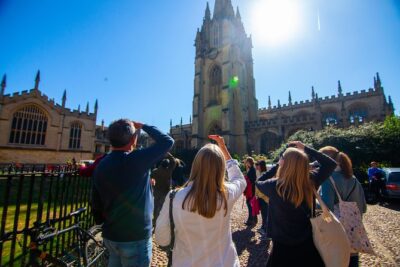
Oxford University Walking Tour With University Alumni Guide
Read our review →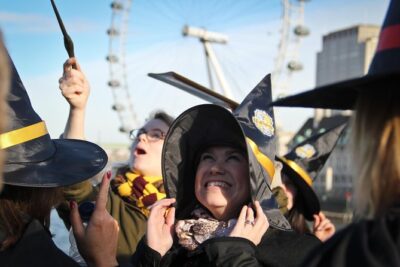
Tour for Muggles The Ultimate Harry Potter Walking Tour in London
Read our review →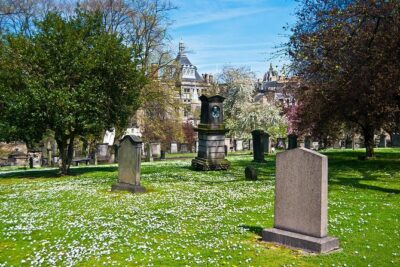
Edinburgh Darkside Walking Tour: Mysteries, Murder and Legends
Read our review →Browse the lists this tour appears in