

Review · TANZANIA
Stone Town Private Walking Tour
Stone Town is easiest to understand from the middle of its maze. This private walk takes you through narrow lanes, old limestone buildings, markets, religious sites, and carved wooden doors while a local guide explains what you are seeing. It is especially useful on your first day, when the city’s geography still feels like a puzzle.
I like the one-to-one attention, since the guide can slow down, answer questions, and adjust the route. I also like the practical local advice on eating, shopping, tuk-tuk rides, and places to visit later. The main drawback is the short two-hour limit. You get a strong introduction, but not a full study of every museum or historical site.
Key points at a glance
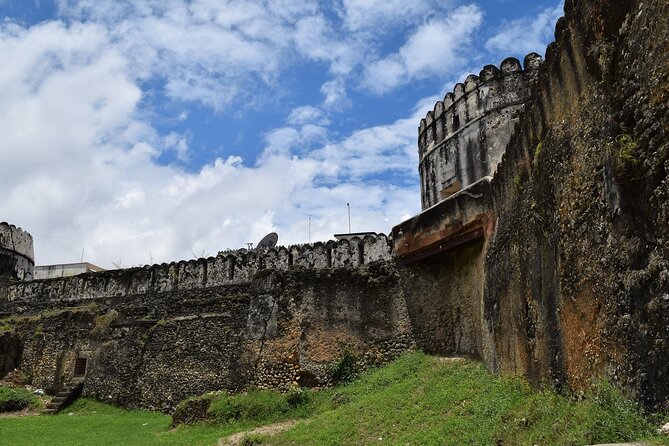
- A private introduction to Stone Town: Only your group takes part, with a guide focused on your pace and questions.
- A maze made easier: The walk helps you find your way among more than 2,000 limestone buildings and narrow streets.
- History in many layers: African, Arab, Indian, Persian, and European influences appear in the buildings, faiths, markets, and stories.
- Local help beyond the monuments: Guides can point out places to eat, drink, shop, and arrange onward transport.
- A useful first-day tour: Hotel pickup is available from Stone Town hotels if requested in advance.
- Good value at $26.23: The price is modest for a private guide, though food, drinks, tips, and transport from elsewhere on Zanzibar cost extra.
Why Stone Town makes sense with a private guide
Stone Town is not a place where the main sights line up neatly along one grand boulevard. Its streets twist past homes, shops, mosques, churches, market stalls, and courtyards. You can walk a short distance and suddenly find yourself unsure which turn leads back to the waterfront.
That is where this tour earns its keep. A guide gives you a basic map in your head, then adds the stories that make the buildings meaningful. You are not simply shown a door or an old wall. You learn how to read the city’s architecture, how Zanzibar’s trade shaped its population, and how its past still affects daily life.
The private format matters. If you want to linger at a carved door, ask about religion, or spend more time at the former slave market, you can say so. If you are more interested in markets and food than architecture, you can steer the conversation in that direction.
The tour receives a 4.9 rating from 372 reviews, with 98 percent recommending it. That high score reflects a clear strength: the guides are often the heart of the experience. Mohammed, Mohammed O. Mohamed, Imran, and Ally Jape are singled out by name in the supplied feedback, with praise for their patience, clear English, humor, and ability to answer questions.
More Private Walking Tours in the world:
- Beijing: Forbidden City Tour(Group/Private)-Tickets Included
★ 4.8 · 7,974 reviews - Private Walking Grand Tour of Copenhagen
★ 5.0 · 3,953 reviews - Private 3 hrs Venice Tour: St Mark’s, Walking tour & Boat tour
★ 4.0 · 3,372 reviews
Old Fort and the first lesson in Zanzibar’s past
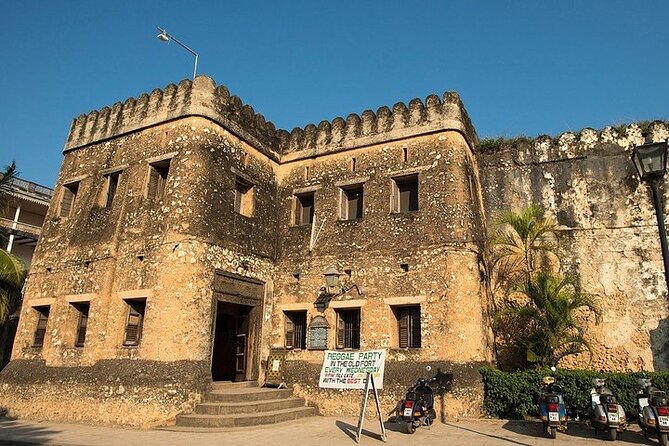
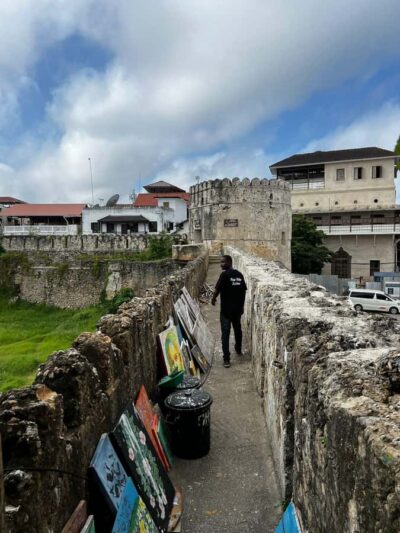
The walk may begin at the Old Fort, beside the Zanzibar tourist information center on Mizingani Road. This is a useful starting point because it places you close to the waterfront and gives your guide room to explain Zanzibar’s position in the Indian Ocean world.
From here, the story usually turns to the island’s changing rulers, trade links, and religious traditions. One guide began with the island’s history and religion before moving through the streets, which is a sensible approach. Without that background, Stone Town can look like a collection of attractive but unrelated buildings.
The Old Fort also gives you a practical sense of the city’s scale. You are close to major landmarks, yet the streets quickly narrow once you leave the open area. Pay attention to the turns. Even with a guide, it is worth noticing the route back to the meeting point.
The tour begins and ends at the meeting point. Pickup from a hotel in Stone Town is available, but you need to request it and send a message in advance. If you are staying elsewhere on the island, transfers are not included, and the tour starts in Stone Town.
Carved doors and the architecture of everyday life

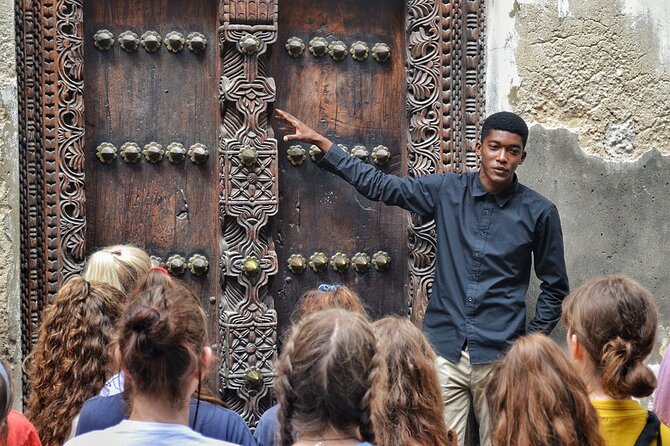
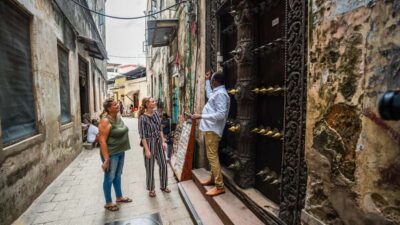
Stone Town’s doors are one of the most memorable parts of the walk. They are not just pretty details for photographs. Their carvings, size, and decoration offer clues about the city’s Indian, Arab, Persian, African, and European connections.
A guide can explain the meaning behind door patterns and show you how the architecture reflects the wealth and identity of the people who once lived behind them. The walk passes more than 2,000 limestone buildings across an area of about 50 hectares, so you see far more than a few postcard façades.
This is also where the private format works well for anyone interested in photography. You can pause without holding up a large group. Still, keep your expectations grounded. The tour offers an introduction rather than an architecture course, and the two-hour schedule means the guide has to keep moving.
The city is also a living neighborhood, not an open-air museum. You will see ordinary homes, working shops, pedestrians, and narrow lanes used by local residents. That makes the walk more interesting, but it also means you should be considerate when taking pictures.
The former slave market and the difficult parts of the story

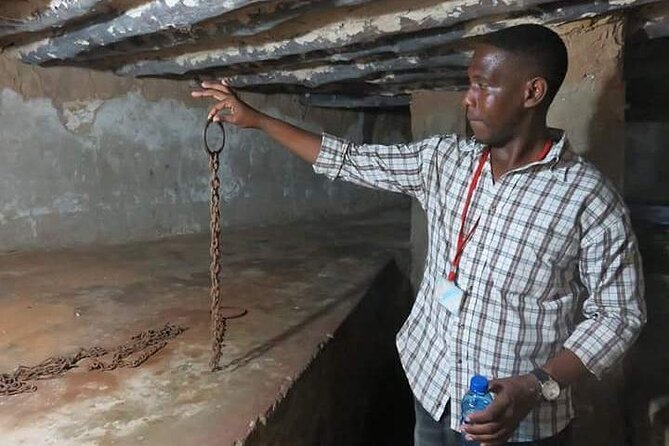
The Anglican Cathedral occupies the site of the former slave market, making it one of the most important and emotionally difficult stops. The tour includes the former slave market museum area, and the guide can place Zanzibar’s role in the slave trade within the island’s wider history.
This part deserves time and attention. The experience is not only about architecture or old trading routes. It asks you to confront the human cost behind Zanzibar’s wealth and connections. One piece of feedback found the museum too simplified and too focused on the British role in ending the trade. That is a useful warning: the presentation may not answer every historical question, and you may want to read more afterward.
The tour can give you a strong first understanding, but it is not a substitute for extended study. If this subject is central to your visit, make it clear to your guide at the start and ask for more explanation.
The Anglican Cathedral is one of several religious landmarks on the route. The Catholic Cathedral is also listed, giving you a chance to see how different faith communities became part of Stone Town’s identity. The tour presents religion as part of the city’s daily life, not as a separate topic.
More Walking Tours in the world:
- Magical London: Harry Potter Guided Walking Tour
★ 4.7 · 22,044 reviews - Reykjavik Food Walk – Local Foodie Adventure in Iceland
★ 5.0 · 18,952 reviews - History and Hauntings of Salem Guided Walking Tour
★ 5.0 · 14,564 reviews - New Orleans Premier Ghost, Voodoo and Vampire Walking Tour
★ 4.5 · 12,856 reviews
Darajani Market, fish, spices, and street life
Darajani Market brings you into the city’s practical side. Here, the focus shifts from grand history to food, trade, and daily business. You may see fish, spices, and other local products, with the market providing a sharper sense of how Stone Town functions beyond its famous buildings.
The fish market auction was especially memorable for one visitor, and it can be one of the more lively moments of the route. Conditions may be busy and crowded, so this is not a quiet museum visit. Watch your belongings, stay close to the guide, and expect a working market rather than a polished attraction.
The market is also a good place to ask questions about Zanzibar’s food. The guide may offer suggestions for lunch or dinner, and one guide helped direct a visitor to Lukmaan, a popular local restaurant. Food and drinks are not included, so treat any restaurant advice as a useful extra rather than part of the package.
Shopping can enter the walk, which is not always welcome. Some feedback felt the tour spent too much time steering toward shops instead of history. If you are not looking to buy souvenirs, say so clearly. A private tour should give you room to set that boundary.
Hamamni Baths, palaces, and the city’s public face
The Hamamni Baths and Palace Museum add another side of Stone Town. They help explain how people lived, governed, bathed, and displayed status in earlier periods. The House of Wonders, now identified as the national museum, is also listed among the key landmarks.
The information supplied for this experience does not promise lengthy indoor visits or detailed museum time at each location. Think of the route as a guided overview. Your guide will point out important places and explain their role, while the two-hour clock keeps the group moving.
That arrangement suits you if you want orientation before exploring independently. It is less suitable if you want to read every display, study palace interiors, or spend a long time at each museum. In that case, use the walking tour to decide which sites deserve a return visit.
Stone Town’s past is layered rather than tidy. An old fort, a cathedral, a palace, a bathhouse, and a market can sit within a short walk of one another. The guide’s job is to connect those places without turning the walk into a list of dates.
Freddie Mercury’s house and modern Stone Town

Freddie Mercury’s house is one of the unexpected stops listed on the route. It adds a modern cultural note to a tour that otherwise focuses heavily on older architecture and trade.
You should not expect this part to dominate the walk. It is a quick reminder that Stone Town is connected not only to sultans, merchants, and religious history, but also to more recent international culture. The stop can be fun, especially if you are interested in music, but the tour’s main value remains its wider explanation of Zanzibar.
The guide may also share opinions about present-day Stone Town and the challenge of maintaining its old buildings while keeping the city livable. That local perspective matters. The historic center is not frozen in time, and its preservation affects people who live and work there now.
What two hours feels like on the ground
Two hours is enough to cover the main central sights, learn the city’s basic story, and get a feel for the streets. It is also long enough to make the walk worthwhile without turning it into a tiring half-day commitment.
The pace seems flexible. Mohammed O. Mohamed was praised for keeping a comfortable pace, while other feedback appreciated guides who could go slower or faster in certain areas. That is one of the clearest advantages of booking privately.
You should still wear comfortable walking shoes and expect uneven or crowded streets, though the supplied details do not specify the exact walking distance or road surfaces. Most people can participate, and the experience is listed as suitable for most travelers. Food, drinks, personal purchases, and tips are not included.
The tour is mobile-ticketed, and confirmation is received at booking. Free cancellation is available up to 24 hours before the start time. Cancellations or changes inside that window are not refunded or accepted. Since the experience depends on good weather, poor conditions may lead to a new date or a full refund.
Who gets the best value for $26.23
At $26.23 per person, this is a strong price for a private two-hour introduction, especially for a solo visitor or a couple. A private guide can cost much more in many historic cities, so the ability to ask questions and shape the pace adds real value here.
The price becomes even better for a small group if group discounts apply. You are paying for guidance, not admission packages, meals, or transportation from another part of the island. That distinction matters when you compare the total cost of your day.
I would book this early in your Zanzibar stay. The walk can help you choose where to eat, identify streets you want to revisit, and avoid losing time in the maze. It is booked an average of 22 days ahead, so reserving in advance is sensible if your dates are fixed.
This tour suits:
- First-time visitors who want an introduction before exploring alone
- Solo visitors who prefer a private guide
- History and architecture enthusiasts who enjoy asking questions
- Small groups seeking a flexible pace
- Anyone staying in Stone Town who wants practical food and sightseeing advice
It may not suit you if you want a slow museum tour, a food tasting, or a long, highly academic account of Zanzibar’s past. It also may disappoint if you dislike shopping stops, so make your preferences clear at the beginning.
Should you book the Stone Town Private Walking Tour?
Book it if you want to get your bearings, understand the city’s mixed cultural influences, and see the major sights in a short time. The guides are the main reason to choose this experience, and the private format gives you a better chance of getting thoughtful answers than a large group walk.
I would especially recommend it for your first full day in Stone Town. Ask for a guide such as Mohammed, Imran, or Ally Jape if the operator can accommodate requests, and send a message ahead of time if you want hotel pickup.
Skip it if you already know Stone Town well or want to spend your time inside museums rather than walking between landmarks. For most first-time visitors, though, $26.23 buys a useful introduction to a city that is much easier to appreciate once someone helps you read its streets.
FAQ
How long is the Stone Town private walking tour?
The tour lasts approximately two hours.
Where does the tour start?
The meeting point is the Zanzibar tourist information center on Mizingani Road in Zanzibar, Tanzania.
Where does the tour end?
The activity ends back at the meeting point.
Is hotel pickup available?
Pickup is available from hotels in Stone Town, but you must request it and send the operator a message in advance.
Are transfers from other parts of Zanzibar included?
No. Transfers from other parts of the island are not included, and the tour starts in Stone Town.
Is this a private tour?
Yes. Only your group participates in the activity.
What landmarks are included?
The route lists the Old Fort, Anglican Cathedral and former slave market, House of Wonders, Palace Museum, Darajani Market, Hamamni Baths, Catholic Cathedral, and Freddie Mercury’s house.
Are food and drinks included?
No. Food and drinks are not included.
Are guide tips included?
No. Tips and gratuities for the guide are not included.
Can I cancel for a full refund?
Yes, if you cancel at least 24 hours before the experience starts. Cancellations or changes made less than 24 hours before the start time are not refunded or accepted. If poor weather cancels the tour, you will be offered another date or a full refund.
New routes in the world
- Baltimore Walking Foodie Tour in Fells Point★ 5.0 · 182 reviews
- Baku Oil Heritage & Old Town Walking Tour★ 5.0 · 232 reviews
- Baku Walking Tour (Old City)★ 5.0 · 127 reviews
- The Madam’s Curse Walking Ghost Tour★ 4.5 · 103 reviews
- Austin Small Group Morning Walk★ 5.0 · 412 reviews
- Austin Haunted Pub Crawl Walking Tour★ 4.5 · 232 reviews
- Austin Downtown Private Walking Food Tour With Secret Food Tours★ 5.0 · 71 reviews
- Austin Murder Walk★ 5.0 · 310 reviews
Tanzania Walking Tours, compared.
Zanzibar: Stone Town Historical Cultural Walking Guided Tour
Read our review →
Stonetown: Food Markets and Street Food Walking Tour
Read our review →
Arusha Guided Walking City Tour, Culture, Lifestyle & History
Read our review →
Stone Town’s Hidden History: Private Guided Walking Tour
Read our review →Browse the lists this tour appears in