
Review · YORK
Private Historical Walking Tour of York
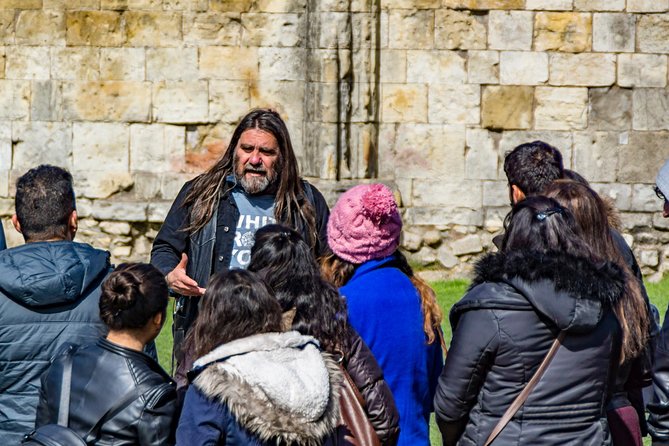
York’s past comes alive best on foot, and this private tour gives you a clear path through it. In two to three hours, you’ll move from the Minster and the Shambles to the abbey, historic streets, major buildings, and Clifford’s Tower, with a guide shaping the talk around your interests. The stories range from Roman and Viking York to Henry VIII, Guy Fawkes, and the city’s royal connections.
I like the private format, which lets your group ask questions and set the pace. I also like the local tips built into the experience, including advice about pubs, a cocktail bar, and Evensong at the Minster. The main caution is that guide styles differ: some guests praise the lively storytelling, while one family found the talk too much like a lecture and the pace too rushed.
Key points to know before booking
- Private group of up to 15: You do not share the walk with strangers when the tour runs as intended.
- A strong first-day choice: The route gives you a useful map of central York before you explore alone.
- Guides vary in style: Alan, Chris, Sean, Karen, and David are among the guides praised for history, humor, and local advice.
- Central pickup is offered: You can usually start opposite York Minster or arrange another walkable city-centre meeting point.
- Mostly outdoor sightseeing: The tour runs in all weather, so sensible shoes and suitable clothing matter.
- Ends by Clifford’s Tower: You finish near the Castle Museum, a handy spot for continuing your day.
Why this York walk works so well on a first day
York can feel like several cities stacked in one place. Roman foundations sit below medieval lanes. Viking influence survives in street names and city history. Tudor politics, religious change, and later civic life all appear within a short walk.
That makes a private introduction useful. You are not simply ticking off old buildings. A good guide helps you understand how the pieces fit together, so the Minster, abbey, castle, and narrow streets become part of one long story.
I would choose this tour early in a York visit. It helps you get your bearings without spending your first day staring at a map. You can also point out your interests at the start. If you care about kings and queens, religious history, architecture, local customs, or old York stories, the guide can give more attention to those subjects.
The strongest praise goes to the guides’ storytelling. Chris is credited with linking Romans, Vikings, Henry VIII, Guy Fawkes, and other periods into a flowing account. Alan is praised for local history and for arranging a last-minute tour at an unusual time. Sean gets credit for his storytelling and broad command of York’s past, while Karen is praised for her enthusiasm for the city. David is noted for asking about personal interests and shaping the walk around them.
That range is useful, but it also tells you something important. This is a guide-led experience, not a fixed audio route. The quality depends on who leads your group and how well the conversation develops.
More History Walking Tours in the UK
- A History of Terror – Belfast City Centre Walking Tour
★ 5.0 · 2,883 reviews - Edinburgh: Old Town History and Tales Walking Tour
★ 4.8 · 2,361 reviews - Old Town Walking Tour History and Tales in Edinburgh
★ 5.0 · 2,168 reviews
Starting opposite York Minster
The usual meeting place is opposite the West Entrance of York Minster, near Bennett’s tea rooms, at 36 Precentor’s Court. This is a practical start because the Minster gives you an immediate point of reference, and the west side is easy to identify in the city centre.
If you are staying in a central hotel, pickup can usually be arranged. The wording is flexible: you can meet at another convenient spot within walking distance of the centre. That helps if your hotel is close by, though this is still a walking tour rather than a vehicle transfer.
The opening minutes set the tone. You meet your guide, explain what you want from the walk, and begin with York’s story rather than a list of isolated dates. If this is your first visit, say so. If you have already seen the main sights, ask for more detail on the periods or buildings that interest you.
The usual route finishes at Clifford’s Tower, so the walk has a useful shape. You start near the Minster and end by the castle area, rather than looping back to the starting point. Plan your afternoon around that final location.
York Minster, from foundation to modern life
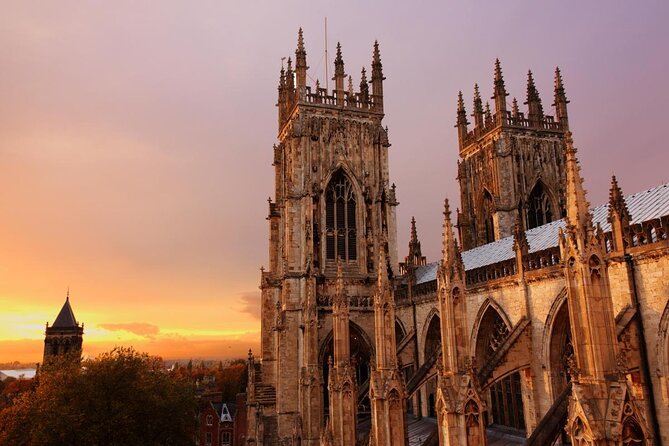
The Minster receives a full explanation from its founding through to the present day. Even if you plan to visit the interior separately, this context adds value. The guide can explain why the building matters to York and how its role changed over time.
The stop is especially useful for architecture lovers and first-time visitors who want more than a quick photograph. A guide can help you look at the building as part of the city’s religious and civic story, rather than as an impressive church with no clear connection to the streets around it.
You should also ask about Evensong if the timing of your visit allows it. One guide specifically offered this as a local tip. The tour does not include admission or a musical service, but the advice can help you plan a memorable follow-up visit.
The limitation is time. The experience is a walking overview, not an extended Minster visit. You should not expect the tour to replace a detailed interior tour or a long look at every architectural feature. Its job is to give you context and point you toward what deserves a closer look later.
Kings, Henry VIII, and one important building
One stop focuses on the history of a major building and its links with Henry VIII and other kings. The supplied details do not name this stop, so you should think of it as part of the wider royal and political story of York rather than a promise of a specific interior visit.
This section will suit you if royal history interests you. Henry VIII’s reign affected religious buildings, local power, and daily life across England, and York provides a strong setting for those stories. The guide can connect national events with what happened in this city.
The private setting matters here. You can pause to ask how a royal decision affected York, or request more background if Tudor history is your main reason for booking. In a large group, that kind of detour can be hard to manage. With your own party, it is much easier to keep the talk focused.
Do keep expectations sensible. The information confirms historical commentary, not entry to every building mentioned. Treat this as a guided view of York’s past from the streets, with possible follow-up visits on your own.
More Private Walking Tours in the UK
- Private Group: Historical Pub Walking Tour of London
★ 5.0 · 660 reviews - Guided Edinburgh Private Walking Tour
★ 5.0 · 269 reviews - Private East End Food Tour: 7 Tastings with Bagels & Fish & Chips
★ 5.0 · 263 reviews - Private London Food Tour: Classic British Eats at London Bridge
★ 5.0 · 262 reviews
York Abbey and the city’s religious past
The abbey stop follows the building from its founding to the present day. York’s religious history is not just about worship. Abbeys owned land, shaped local power, supported communities, and were caught up in the changes that swept through England.
That wider context gives this stop weight. You are not only looking at remains or old stone. You are considering how the abbey functioned, what happened to it over time, and how its story fits with the Minster and the city’s later development.
I like this part of the route because it adds a different note to the royal material. York’s story is not only battles and monarchs. Religious institutions helped shape the city just as strongly, and the abbey’s changing role shows how much the past can shift.
As with the Minster, this is primarily an outdoor explanation within a walking tour. If you want a long visit inside an attraction, check the day’s plans and allow extra time after the walk.
The Shambles and York’s old street life
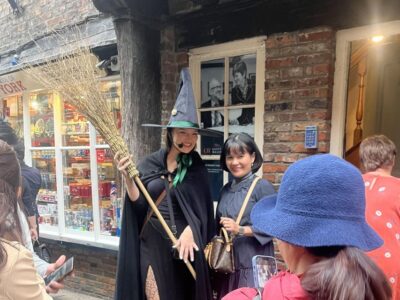
The route includes a walk down a historic street with detailed explanation from the guide, and the reviews specifically praise a visit to the Shambles. This is one of the most enjoyable parts for many first-time visitors because the street is easy to admire but harder to understand without context.
A guide can turn the Shambles from a pretty lane into a place connected with old trade, street life, and the meaning of words and sayings. One guest particularly valued learning the historical origins of expressions as well as seeing the street itself.
The narrow setting can be busy, and that affects the pace. Your guide may need to stop at the side, keep the group close, and move carefully through the lane. This is not the place for a fast march or a long lecture in the middle of the foot traffic.
The private format is helpful here. Your group can stay together without waiting for a large crowd, and you can ask about details that catch your eye. If photography matters to you, say so, but remember that stopping often may shorten the time available at later points.
A historic building with many later uses
Another stop looks at the history of a building, its founding, and the different ways it was used over the years. The supplied details do not identify the building by name, so the guide’s treatment is likely to depend on the route and the interests you give at the start.
This kind of stop is valuable because old buildings rarely have only one chapter. A place may begin with one purpose and later serve the city in a completely different way. That change can tell you as much about York as the original construction.
Ask questions if this is the area you enjoy most. A private guide can spend more time on social history, local institutions, or the meaning of a building’s later use instead of moving quickly to the next landmark.
The possible drawback is clarity. Since the published description does not name the building, you should not book this walk expecting a fixed list of interiors or a precise museum itinerary. You are booking a guided city walk whose exact emphasis can be adjusted.
York Castle and Clifford’s Tower
The tour ends with a detailed look at York Castle, including Clifford’s Tower and the events connected with it. This gives the walk a strong final chapter, since the castle area brings together power, conflict, punishment, and the long political story of York.
Clifford’s Tower is the centrepiece of this stop. The guide explains what happened here and how the tower fits into the wider castle complex. You finish close to the tower and the Castle Museum, which makes it easy to continue sightseeing after the guide leaves.
This ending also gives you a useful choice. You can visit the museum, explore the area, or simply stop for a break after several hours on foot. Food and drinks are not included, so plan your own refreshment stop around the finish.
The route does not promise admission to Clifford’s Tower or the Castle Museum. The value here is the guided explanation and the location at the end of the walk. If you want to go inside, allow extra time and check the separate admission arrangements.
How the private format affects the experience
The price is $195.60 per group of up to 15 people, not per person. That can be good value for a family or a group of friends. A full group of 10, for example, pays less per person than a couple would, while a small party pays for privacy and flexibility.
You are paying for a professional guide, central pickup when available, and a private walk. Food, drinks, attraction admissions, and transport beyond the walking pickup arrangement are not included.
The best value comes when you use the private setup actively. Tell the guide what you already know. Ask for more Roman material, more Tudor politics, more local stories, or more help planning the rest of your day. The strongest guide feedback points to humor, clear storytelling, local tips, and the ability to adapt the route.
There is one clear warning. Private does not automatically mean relaxed conversation. One family of three felt their guide delivered too much of a prepared lecture, moved too quickly, and did not leave enough room for questions. That is a fair concern for anyone booking a private tour because they want an informal exchange.
Set the expectation early. Ask the guide to leave room for questions and tell them if two hours is enough for your group. The published duration is about two to three hours, and one group stayed just short of three hours while seeing the major historical stops.
Pace, weather, and practical comfort
You need a moderate level of physical fitness. The tour lasts up to three hours and takes place on foot, so wear shoes that can handle York’s streets and stand up to a steady walk.
The experience operates in all weather. Bring suitable layers and rain protection when the forecast looks poor. The route is not a good choice if you want a fully indoor activity or find extended walking difficult.
Children must be accompanied by an adult. The private setup can work well for families because you control the group, but younger children may find a history-heavy walk demanding. Use the private format to request pauses and keep the pace realistic.
The tour is offered in English and uses a mobile ticket. Confirmation is sent within 48 hours of booking, subject to availability. You can cancel for a full refund up to 24 hours before the start time, but changes or cancellations inside that window are not accepted.
Who should book this York walking tour?
I would recommend it to first-time visitors who want a clear introduction before exploring alone. It is also a good fit for families, friends, and history-focused groups who want the guide’s attention rather than a large shared party.
You will get the most from it if you enjoy stories, ask questions, and want to connect places with events. The tour suits people interested in York’s many eras, from Roman and Viking beginnings to royal politics, religious change, and the city’s later life.
I would hesitate if you want a slow photographic walk, a fully conversational guide, or entry into several attractions. The route covers a lot, and some guides may keep a firm pace. You should also be comfortable outdoors in uncertain weather.
Should you book it?
Book this tour if you want a private, story-led introduction to York and value a guide who can adjust the emphasis to your group. The strongest reasons are the broad historical scope, the central route, the end near Clifford’s Tower, and the chance to get useful local advice about places such as Evensong and nearby drinks spots.
Before starting, tell your guide what you want and ask for time to stop and talk. That simple step may help you avoid the main complaint about a rushed, lecture-like experience. For a group that wants York to make sense quickly, this is a sound first-day choice.
FAQ
How much does the private York walking tour cost?
The tour costs $195.60 per group of up to 15 people.
How long does the tour last?
The tour lasts approximately two to three hours.
Where does the tour start?
The usual meeting point is in front of York Minster, opposite the West Entrance near Bennett’s tea rooms, at 36 Precentor’s Court. You can also arrange another convenient meeting point within walking distance of York city centre.
Where does the tour finish?
The walk ends at Clifford’s Tower on Tower Street, close to the Castle Museum.
Is hotel pickup available?
Yes. Pickup is available from central hotels and other properties within walking distance of the city centre.
Is the tour private?
Yes. Only your group participates, with a maximum group size of 15 people.
What happens if the weather is poor?
The tour operates in all weather conditions, so you should dress appropriately and wear sensible footwear.
New routes in the UK
- Aberdeen City Centre Walking Tour (2pm)★ 5.0 · 217 reviews
- German London : The Ultimate Walking tour★ 4.8 · 400 reviews
- London: Medieval History Walking Tour from The Tower★ 4.9 · 318 reviews
- Oxford: Official University and City Walking Tour★ 4.7 · 618 reviews
- The Beatles London Walking Tour★ 4.2 · 147 reviews
- Stratford-Upon-Avon’s Town Walking Tour (10:30am & 2pm)★ 4.8 · 143 reviews
- The Sinister Side of Shakespeare’s Stratford Walking Tour★ 4.8 · 547 reviews
- Stratford-Upon-Avon: The Famous Walk Talk Show★ 4.9 · 342 reviews
York Walking Tours, compared.
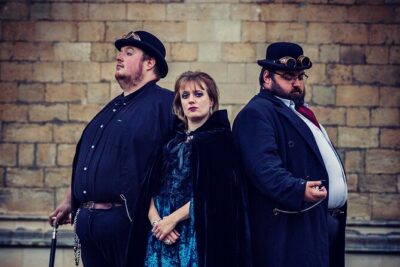
Shadows of York: Ghost Walk and Horrible History.
Read our review →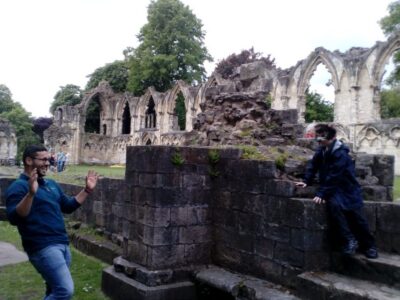
Browse the lists this tour appears in