
Review · INDIA
Agra: Street Food Walking Tour, Spice Market, & Tuk-tuk Ride
Agra’s best local experience may happen well away from the Taj Mahal. This Old Agra street food tour takes you through spice stalls, narrow market lanes, religious sites, and food counters most visitors would struggle to find alone. The tuk-tuk ride adds a lively, slightly nerve-rattling look at daily traffic.
I like the mix of food and local history, especially the chance to visit Jama Masjid and Mankameshwar Temple in one short outing. I also like the personal care from guides such as Farman and Amir, who are often praised for helping solo visitors handle traffic, crowds, shopping, and navigation. The main drawback is that this is a snack tour rather than a full restaurant dinner, and part of the time may be spent at a handicraft shop.
Key points at a glance
- Old Agra beyond the Taj Mahal: Walk through Kinari Bazaar, Rawatpara, and Seth Gali, where everyday shopping replaces the usual monument circuit.
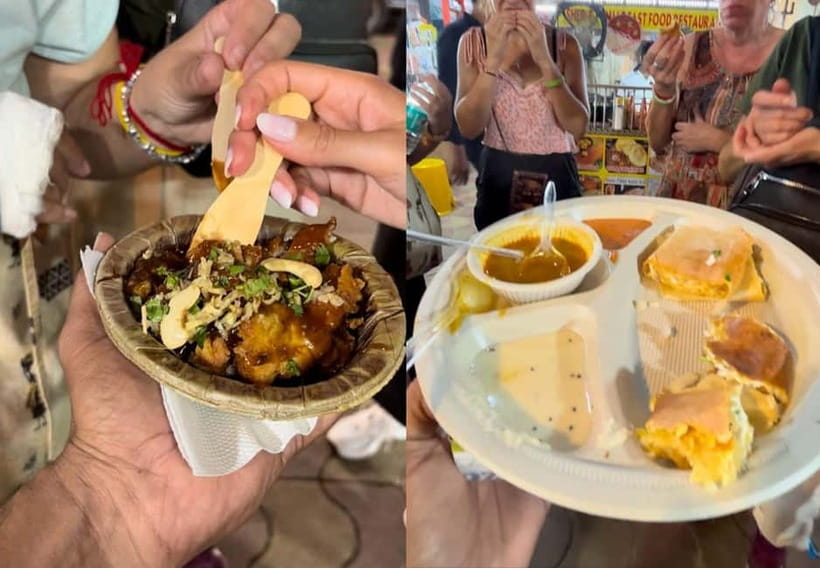
- Six or more local tastes: Depending on the selected option and the day, you might try samosa, dosa, chole bhature, aloo tikki, pani tikki, sweets, and masala tea.
- Two major religious sites: Visit Jama Masjid and the ancient Mankameshwar Temple, with guidance on local customs and architecture.
- Tuk-tuk transport included: Pickup and return are offered from hotels, railway stations, or another agreed location in Agra.
- Good for first-time Agra visits: The guide helps you manage the maze of lanes, traffic, food stalls, and market etiquette.
- A low-cost add-on: At $14 per person, it offers a lot for a two to three-hour experience, though food inclusion depends on the option you book.
Why Old Agra is worth your afternoon
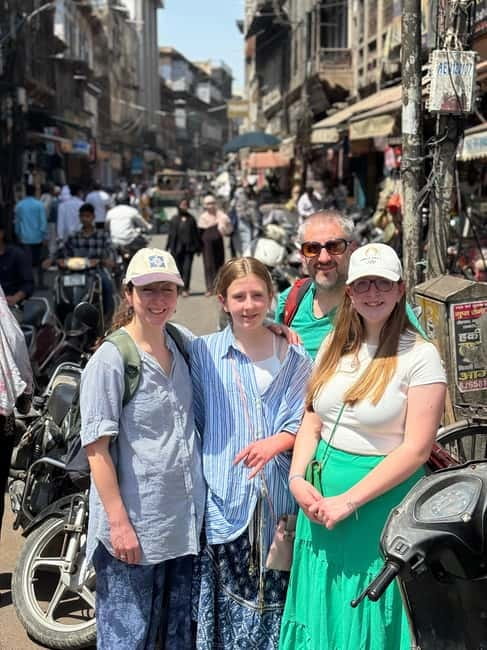
The Taj Mahal tells only one part of Agra’s story. Around the old city, daily life is less polished and far more immediate. Shopkeepers arrange jewelry and embroidered textiles, spice sellers display sacks of colorful powders, and food vendors work beside lanes filled with pedestrians, bicycles, scooters, and tuk-tuks.
That contrast is the main reason to book this tour. You get a look at Agra as a working city, not only as the setting for one famous monument. The narrow streets can feel confusing, even for confident walkers, so having a local guide makes a real difference.
The tour usually lasts two to three hours. About 90 minutes may be spent walking, with the rest divided between tuk-tuk transfers, site visits, food stops, and market browsing. That is useful to know before booking. This is not a long food crawl with a seat at every stop. It is a compact introduction to Old Agra with food woven into the walk.
More Food Walking Tours in India
- The Great Indian Food Tour: Old Delhi Food and Heritage Walk
★ 5.0 · 1,698 reviews - Old Delhi Food, Heritage&Cultural Walk with Rickshaw ride to Masterji Kee Haveli
★ 5.0 · 742 reviews - Delhi Food Walk: Rickshaw Ride, Street Eats & Market Tour
★ 5.0 · 401 reviews
Starting with a tuk-tuk ride into the old city
Pickup is available at your hotel, railway station, or another agreed location in Agra. The transfer to the main area takes about 15 minutes, then the walking portion begins.
The tuk-tuk is more than a practical vehicle here. It puts you close to the sights, sounds, and traffic of the city. Several people have described the ride as exciting, especially in Agra’s hectic streets. Drivers used to carrying visitors are expected to take care, but anyone who dislikes crowded traffic should know that this is part of the experience.
Hotel pickup and return are valuable inclusions. You do not need to work out a ride to a market entrance or find your way back after dark. For solo visitors, that extra structure can make the tour feel easier from the first meeting point to the final drop-off.
Jama Masjid and Mughal-era Agra
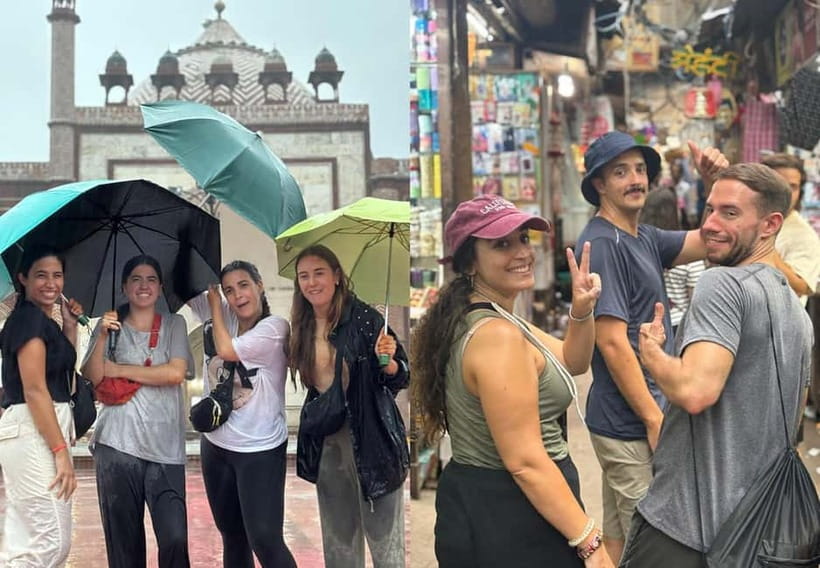
The first major stop is Jama Masjid, one of India’s largest mosques. The building gives you a chance to look beyond food and shopping at Agra’s Mughal architectural heritage.
Your guide explains the mosque’s design, history, and place in the city. The visit is listed as lasting about 30 minutes, including walking, sightseeing, photographs, and explanation. It is enough time to understand the site without turning the tour into a long monument lecture.
Dress matters here. Your knees and shoulders should be covered, since the tour also visits a Hindu temple. Comfortable, modest clothing saves you from having to adjust your plans at the entrance.
Jama Masjid can be compared with Delhi’s better-known mosque, but the setting in Old Agra gives the visit a different feel. You are not simply checking off a monument. You are moving through a neighborhood where worship, shopping, and daily work share the same tight streets.
Mankameshwar Temple and local faith
A short walk brings you to Shri Mankameshwar Mandir, a temple dedicated to Lord Shiva. The temple is described as ancient, and one visitor connected it with a tradition of roughly 5,000 years. Treat that figure as part of the temple’s local story rather than as a detail independently verified by the tour information.
This stop adds an important balance to the mosque visit. You see how different religious traditions remain part of the same old-city fabric, often only a few minutes apart. The guide helps explain customs and what you are seeing, which is especially useful if you have not visited an Indian temple before.
Expect a real place of worship, not a quiet museum. Follow instructions, dress modestly, and be ready for a busy setting. You may want to ask your guide before taking photographs.
More Market Walking Tours in India
- Private Heritage Walking Tour in Jaisalmer Fort and Old Bazaar
★ 5.0 · 306 reviews - Old Delhi Food-Spice Market-Temples Tour Soon Featured on NETFLIX
★ 5.0 · 304 reviews - Jaipur Bazaar & Food Walking Tour
★ 5.0 · 281 reviews - Bangalore: Palace, Temples, Fort & Markets Walking Tour
★ 4.9 · 97 reviews
Rawatpara’s spice market
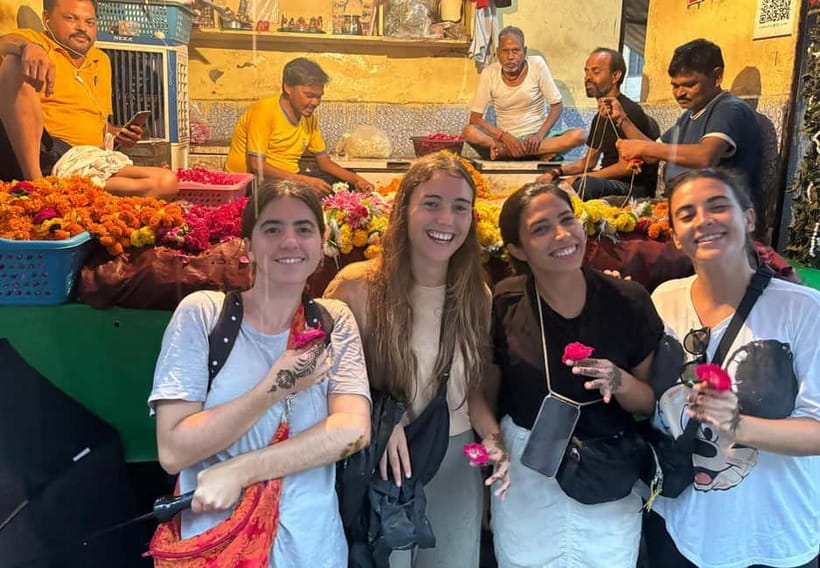
Rawatpara is Agra’s well-known spice market and one of the tour’s strongest sensory stops. Sacks and displays of spices bring strong color and scent to the lanes. This is a market visit first, not a staged demonstration created for tourists.
The guide can explain how the market fits into local trade and daily cooking. You also have time to browse and shop for spices, tea, or other small food items. If you want to buy something, ask about prices and quantities before committing. A little planning helps when a market lane is crowded and several stalls look similar.
This part suits curious shoppers more than people looking for a tidy retail experience. The lanes can be close, noisy, and hard to navigate. That is exactly why the guide is useful. Several people have said they would not have found these areas or understood how to move through them alone.
Seth Gali and the food stops
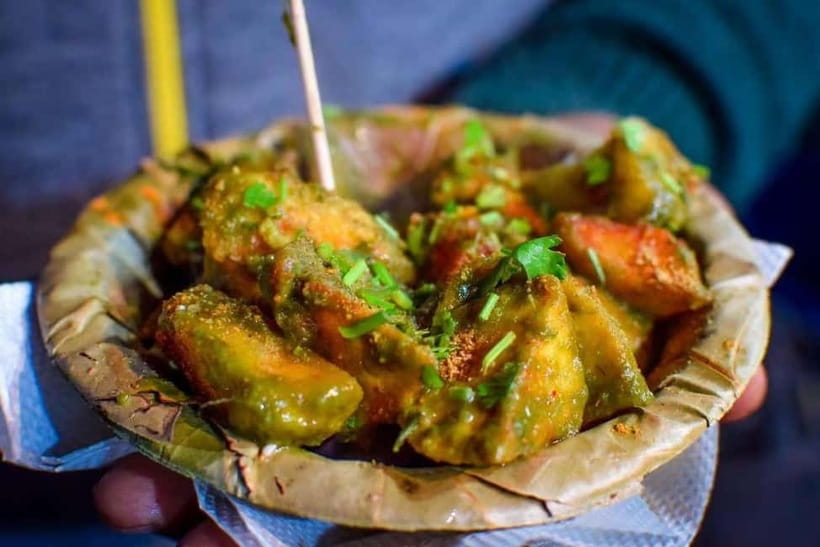
Seth Gali is where the tour shifts from sightseeing to tasting. The food included depends on the option selected, but the advertised choices include samosa, dosa, chole bhature, aloo tikki, pani tikki, sweets, and masala tea served in a clay cup.
You might also encounter bhalla with curry, barfi, chom chom, sheermal, gajar ka halwa, or other local sweets. Gajar ka halwa is especially associated with winter in the information provided, so seasonal availability matters. Food choices may also change with the day, vendor, and selected package.
The portions can add up to a meaningful meal. Some people found the food plentiful enough for dinner, while another careful assessment is that the tour is better described as several substantial snacks than a complete food-focused meal. I would plan a light meal beforehand if you have a large appetite, but you probably will not leave hungry.
This is authentic street food, not a polished restaurant tasting. The stalls may look basic, and the surroundings can feel intense if you are new to India. If you are cautious about food, tell your guide what you prefer. One visitor chose vegetarian dishes throughout and enjoyed the selection.
Masala tea in a clay cup is a pleasant finishing touch. It gives you a slower moment after the traffic, walking, and quick tastings. You should bring your own water because drinks are not included.
Kinari Bazaar’s jewelry and textiles
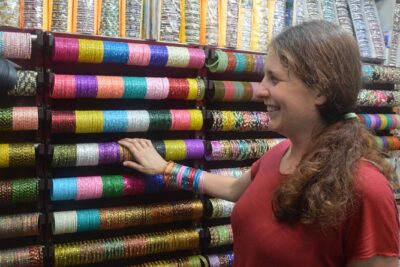
Kinari Bazaar brings together jewelry, textiles, embroidery, decorations, and handicrafts. It is one of the more visually engaging parts of the walk, especially if you like fabric, traditional ornaments, or small gifts.
This is a working market, so browsing can be more interesting than simply visiting a souvenir shop. You can look at the materials and ask how items are made. Guides have also taken people to local workshops involving marble, rugs, embroidery, and other crafts.
Here is the point where you should keep your buying decisions clear. A craft stop may be included, and it can be interesting to see the work. But one part of the experience may involve a sales presentation, sometimes with pressure to purchase. You are not required to buy anything. Say early that you are browsing only, and do not feel obliged to justify a no.
Some visitors specifically enjoyed buying tea, spices, sweets, sunglasses, or gifts with help from the guide. That assistance can be useful, particularly when you are unsure about quality or price. Still, the tour is strongest when you see the shop as an optional side stop, not the main event.
Guides, safety, and the walking pace
The most consistently praised part of this experience is the guide service. Farman, also spelled Farmaan in some accounts, and Amir are the names most often associated with these tours. Both are described as friendly, clear in English, and good at explaining food, history, markets, and local customs. Spanish-language guiding is also available.
The guide is particularly useful in traffic. People have appreciated being led through crowded lanes, protected from vehicles, and helped when beggars or aggressive sellers approached. That does not remove every challenge of Old Agra, but it gives you someone who knows where to walk and how to keep the group together.
You should still expect a real city walk. Wear comfortable shoes and clothing, and allow time for traffic delays. The walking portion is about 90 minutes, with some standing at food counters and religious sites. The tour is not suitable for pregnant women or people with pre-existing medical conditions, according to the activity information.
Timing the tour around the Taj Mahal
Suggested winter start times are between 2 p.m. and 4 p.m. In summer, the suggested window is 4 p.m. to 6 p.m. The later summer timing avoids the harshest part of the day and lets you see the markets as the afternoon moves toward evening.
Think carefully about how this fits with the Taj Mahal. One person shifted the start to 6 p.m. to keep a sunset Taj visit earlier in the day. The guide was able to accommodate that change, but you should confirm timing rather than assume every adjustment is possible.
For many visitors, this works well as a first evening in Agra or as a second activity after the Taj Mahal. It gives you an introduction to the city before you attempt the old markets on your own.
Is $14 a fair price?
At $14 per person, the tour is inexpensive for a private local guide, tuk-tuk transfers, hotel pickup and return, and a two to three-hour route. The value is strongest if you want orientation, local context, and a safe way to reach Old Agra without arranging several separate rides.
Check the food option carefully. Street food and sweets are included only if you select the relevant package. Drinks are not included, and monument entrance tickets are also excluded. The listed stops are mainly viewed from the outside or visited as religious and market sites, so the price does not cover admission to major ticketed monuments.
The tour may be less appealing if you want a food-only experience with long tastings and no shopping. It can also feel less good value if you strongly dislike craft demonstrations. For most first-time visitors, though, the low cost makes it a sensible companion to a Taj Mahal visit.
Who should book this Old Agra tour?
I would choose this tour if you want to see markets that are difficult to navigate alone, try several local foods, and learn how Agra’s religious and commercial life fits together. It is especially useful for solo visitors, first-time visitors, families with older children, and anyone who wants more than the Taj Mahal.
You should think twice if you need a quiet, predictable outing, have serious mobility or health concerns, or want a formal restaurant meal. The traffic, crowded lanes, uneven walking conditions, and simple food stalls are part of the appeal, but they are not for everyone.
The experience earns its strong reputation through its guides, route, and local access. Farman and Amir are the names to request if available, but guide assignment can vary. Book it for the old streets, the temple and mosque, the tuk-tuk ride, and the chance to taste Agra in ordinary places. Just keep the craft-shop stop and snack-sized meal in mind.
FAQ
How long does the Agra street food tour last?
The activity lasts about two to three hours. The walking portion is roughly 90 minutes, with the remaining time used for tuk-tuk transfers, sightseeing, food stops, and market visits.
What food can I try?
Possible tastings include samosa, dosa, chole bhature, aloo tikki, pani tikki, sweets, and masala tea in a clay pot. Depending on the season and food option, you might also try bhalla, barfi, sheermal, chom chom, or gajar ka halwa.
Is food included in the price?
Street food snacks and sweets are included if you select the food option. Check the specific option when booking, since food is not included in every package.
Are hotel pickup and drop-off included?
Yes. Pickup and return are offered from hotels, railway stations, or another agreed location in Agra.
Which languages are available?
Live guiding is available in English and Spanish.
Do I need to buy entrance tickets?
Monument entrance tickets are not included. The listed route includes visits to Jama Masjid and Mankameshwar Temple, as well as market and food stops.
What should I wear?
Wear comfortable shoes and clothes that cover your knees and shoulders. Modest dress is required because the route includes a mosque and a Hindu temple.
More Tuk-Tuk Hops in India
- Câmara de Lobos/Sky Walk (Cabo Girão) : Private Tuk Tuk Tour
★ 4.9 · 72 reviews
More Street Food Walking Tours in India
- Heritage Walk & Street Food Tasting in Jaipur
★ 5.0 · 158 reviews - Mumbai Street Food Tour with Evening Bazaar Walk
★ 4.9 · 79 reviews - Ho Chi Minh City Street Food Tour & Sightseeing By Motorbike
★ 5.0 · 9,413 reviews - Naples: Street Food Walking Tour with Local Guide
★ 4.9 · 4,976 reviews
New routes in India
- Agra Walking Tour★ 5.0 · 109 reviews
- Amritsar Heritage Walking Tour★ 5.0 · 112 reviews
- The Great Indian Food Tour: Old Delhi Food and Heritage Walk★ 5.0 · 106 reviews
- Spiritual Walking tour with Puja Ceremony -The Pushkar Route★ 5.0 · 101 reviews
- Spiritual Walk Tour Trivandrum (Guided Walking Experience)★ 4.6 · 87 reviews
- Panaji: Heritage Walk through Goa’s Latin Quarter★ 4.8 · 291 reviews
- Old Goa: Walking Tour of Heritage Churches★ 4.9 · 81 reviews
- Old Delhi: Spices, Heritage and Bazaars Walking Tour★ 5.0 · 173 reviews
India Walking Tours, compared.


The Great Indian Food Tour: Old Delhi Food and Heritage Walk
Read our review →
Old Delhi Food, Heritage&Cultural Walk with Rickshaw ride to Masterji Kee Haveli
Read our review →

Delhi Food Walk: Rickshaw Ride, Street Eats & Market Tour
Read our review →
Private Guided Walking Tour in Bandra Queen of Suburbs
Read our review →Browse the lists this tour appears in