
Review · INDIA
Old Goa: Walking Tour of Heritage Churches
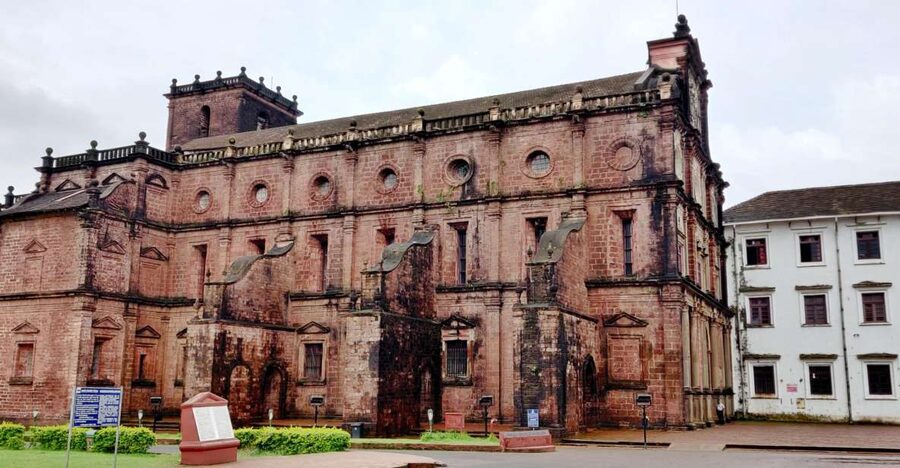
Old Goa’s churches tell a far bigger story than their grand façades suggest. On this 2.5-hour walking tour, you move from the Viceroys Arch through former Portuguese Goa, hearing how this once-important capital became known as the Rome of the East.
I like the small group of no more than 10 and the local storytelling. Guides such as Yashasvi, Vimala De Souza, Pawan, Santoshi, and Sejal are praised for making history easy to follow, adding personal anecdotes, and answering questions. I also like the included cold drink, often coconut water or fresh lime soda, which is welcome in Goa’s heat.
The main drawback is the weather. Much of the experience takes place outdoors, and heavy rain can interrupt the route. You also need to cover your shoulders and knees inside the churches, and photography may be limited.
Why this Old Goa walk is worth your time
- A former capital in one compact route: Walk among major churches and ruins from Goa’s Portuguese period without arranging separate visits.
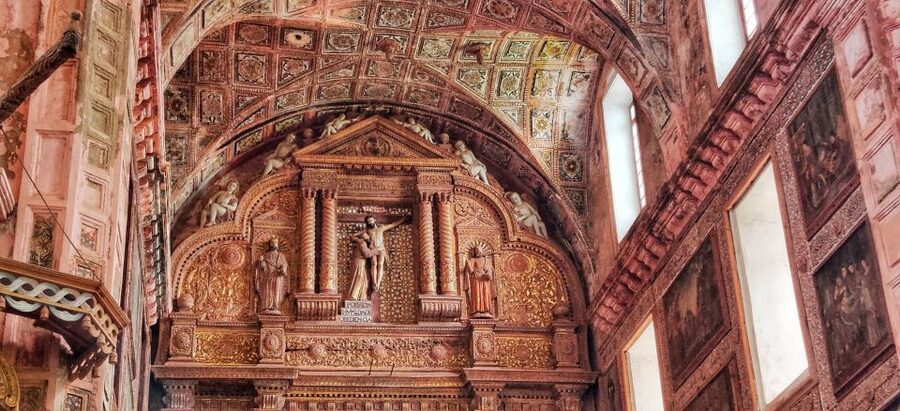
- St Francis of Assisi’s painted interior: Look for decorative frescoes showing scenes from the life of the church’s patron saint.
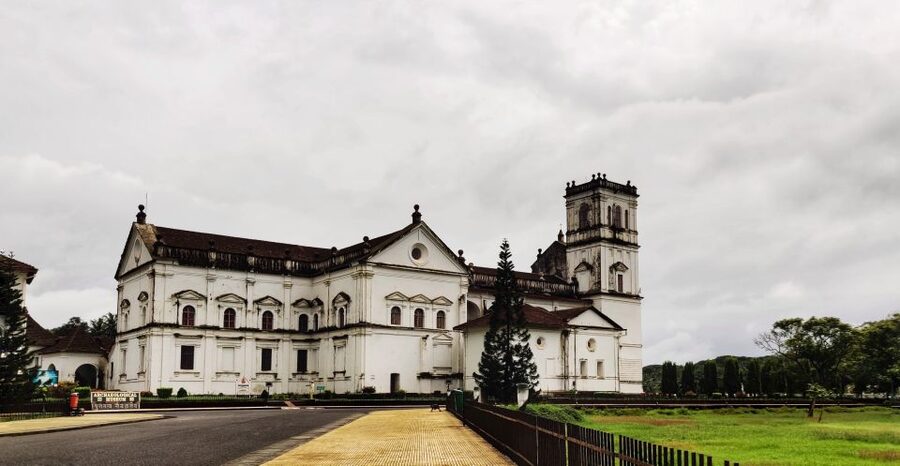
- Se Cathedral’s enormous scale: See one of Old Goa’s most imposing churches, described as the largest church in Asia.
- A guide-led view of Portuguese rule: The tour connects architecture with the arrival and influence of the Portuguese in India.
- The Basilica of Bom Jesus: Enter the church associated with the remains of St. Francis Xavier.
- A practical refreshment stop: The included non-alcoholic drink adds a useful pause during the walk.
Starting at the Viceroys Arch in Old Goa

The meeting point is the Viceroys Arch in Velha Goa, near the main heritage area. You should arrive 10 minutes early and plan to reach the site by taxi, since hotel pickup and drop-off are not included.
Beginning here gives the walk a useful sense of place. Old Goa was once the capital of Portuguese India, not simply a collection of old religious buildings. Your guide sets the scene before leading you toward the churches and explaining how the city developed under Portuguese rule.
This opening is especially helpful if you know little about Goa beyond its beaches. The tour places the churches within the story of colonial power, trade, faith, and the changing role of Old Goa. Guides are also encouraged to add local anecdotes, which can make the past feel less like a string of dates.
The small-group format matters at this point. With up to 10 people, you can usually hear the guide more easily than on a large coach tour, and it is simpler to ask about details that catch your eye. Several guides have been praised for a relaxed style, clear English, and a willingness to discuss side topics rather than rush from one stop to the next.
More History Walking Tours in India
- Fontainhas Heritage Walk by Make It Happen
★ 5.0 · 2,834 reviews - The Great Indian Food Tour: Old Delhi Food and Heritage Walk
★ 5.0 · 1,698 reviews - Old Goa Heritage Walk by Make It Happen
★ 5.0 · 797 reviews
St Catherine’s Church and the arrival of Portugal
The route continues to the Church of St. Catherine, where the guide explains the arrival of the Portuguese in India and the early importance of Old Goa. This is one of the most useful stops for understanding why so many large churches were built here.
The tour presents Old Goa as a place once important enough to be compared with Rome in the East. That comparison can sound grand, but the scale of the surviving monuments helps you understand why the name took hold. The church façades, broad grounds, and nearby remains point to a city that once had far greater political and religious weight than its quiet appearance suggests today.
I would pay close attention to the guide’s explanation here rather than treating the church as a quick photo stop. The architecture is only half the story. The other half is the Portuguese presence and the way it shaped public life, religion, and building styles in Goa.
Because this is a walking tour, the experience is not just a sequence of indoor visits. You pass between monuments, see open spaces around the old churches, and encounter ruins that give the area a more complicated feel than a polished museum district. Wear shoes that you can walk in comfortably, especially if you plan to continue exploring after the formal tour.
Walking past the ruins of Old Goa
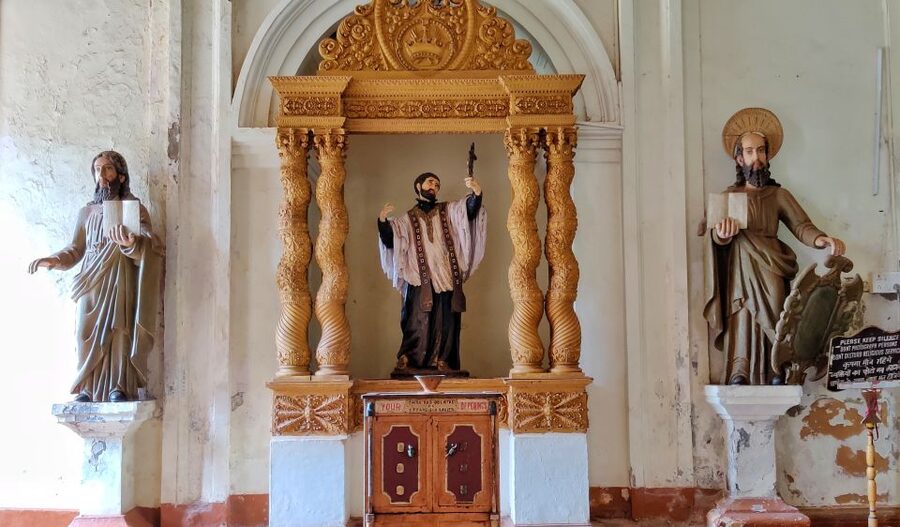
The spaces between the churches are important. Ruins and open ground show that Old Goa is not preserved as one complete historic city. Instead, its surviving churches sit among traces of a much larger past.
Your guide helps connect those fragments. This is where local knowledge can add real value, particularly when the remains are not labeled in detail. Pawan has been praised for explaining each landmark carefully, while Vimala De Souza is noted for making an afternoon walk engaging through storytelling. Other guides, including Priyankaa, Trancy, and Amreen, have also been praised for their enthusiasm and ability to answer questions.
One useful side trip is St. Augustine’s ruins, which one guide pointed out as a short uphill walk beyond the main route. It is not described as a formal stop on this tour, so do not assume it is included. Still, you can ask your guide about it if you have time after the walk and want to see more of Old Goa.
The route is best suited to people who like to pause and listen. If you want only quick photographs of the churches, a self-guided visit may be faster. If you want to understand why the buildings are here and how they relate to Goa’s past, the guide earns the modest extra cost.
Se Cathedral and the scale of Old Goa

Se Cathedral is one of the route’s major visual moments. It is presented as the largest church in Asia, and its size gives you a clear sense of the ambition behind Portuguese-era church building in Old Goa.
Take time to look beyond the main façade. The proportions, interior space, and religious decoration matter because they show how these churches were designed to impress as well as serve worshippers. Your guide explains the setting and points out details you could easily miss while walking through on your own.
The church is also a good place to compare scale with the smaller or more intimate buildings nearby. Old Goa’s appeal comes from that contrast: large formal churches, painted interiors, weathered ruins, and quiet paths all sit within the same heritage area.
Dress respectfully before you arrive. Knees and shoulders should be covered, and church staff may restrict photography. If you are unsure, ask your guide before taking out your camera. That small courtesy avoids awkwardness and helps preserve the calm of the religious spaces.
Same streets, a different guide:
- Group Guided Walking Tour in Fort and Colaba
★ 5.0 · 1,073 reviews - Private Guided Walking Tour in Fort & Colaba
★ 5.0 · 895 reviews - Old Delhi Food, Heritage&Cultural Walk with Rickshaw ride to Masterji Kee Haveli
★ 5.0 · 742 reviews - Breakfast Walk in Old Delhi
★ 5.0 · 449 reviews
Church of St. Francis of Assisi and its frescoes
The Church of St. Francis of Assisi is one of the tour’s strongest stops for anyone interested in art and interior decoration. Its frescoes depict episodes from the life of St. Francis, giving the guide a chance to explain the images rather than leaving you to guess at them.
This is where the tour’s storytelling approach pays off. The paintings are easier to appreciate when you understand what they represent and why they were placed inside the church. Guides have been praised for matching their explanations to the images, which is exactly what you want in a historic church.
The building also offers a useful change of pace after the vast scale of Se Cathedral. Instead of looking only at size, you can focus on surface details, religious scenes, and the way decoration shapes the interior.
Photography rules may vary by church or museum area. Do not assume that a camera or phone is welcome everywhere. Ask first, and be prepared to put it away so you can give the frescoes your full attention.
The Basilica of Bom Jesus and St. Francis Xavier
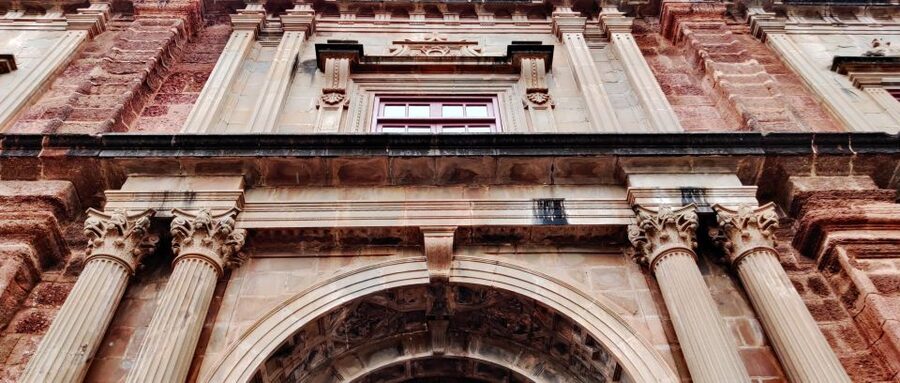
The walk includes entry to the Basilica of Bom Jesus, known for housing the remains of St. Francis Xavier. For many people, this is the most personally significant stop, regardless of religious background.
The basilica connects Old Goa’s architecture with the wider Catholic story of Portuguese India. Your guide can explain the significance of the site and help you understand why it draws visitors from many places.
The experience may be especially timely if a religious exposition or special event is taking place. One participant received help finding the route to view the relics during a St. Francis Xavier exposition after the walking tour. That does not mean an exposition will be happening during your visit, but it shows why it is worth asking your guide about current events at the basilica.
Expect a more sacred atmosphere here. Follow the dress rules, keep your voice low, and ask before taking pictures. The visit works best when treated as a functioning religious place, not only as an architectural attraction.
The local guide makes the difference
This tour’s strongest feature is the guide rather than a special vehicle, elaborate equipment, or unusual activity. You are paying for context, access to a local point of view, and a story that links the stops together.
Guide quality can vary from person to person, but the supplied guide names include Yashasvi, Vimala De Souza, Pawan, Santoshi, Sejal, Priyankaa, Trancy, Amreen, Vilma, Mugda, Sanaida, and Guarish. The recurring praise centers on clear English, warmth, careful answers, and a real interest in Goan history.
Yashasvi is described as a relaxed storyteller who shares personal anecdotes. Vimala is repeatedly praised for her passion and ability to make history engaging. Pawan is noted for detailed explanations and local recommendations. Santoshi is described as friendly, professional, and considerate of the whole group.
Those differences are useful to keep in mind. You are not booking a scripted audio tour with a fixed personality. You are joining a small group led by a local guide, and the conversation may change depending on the questions people ask.
How the price compares with the experience
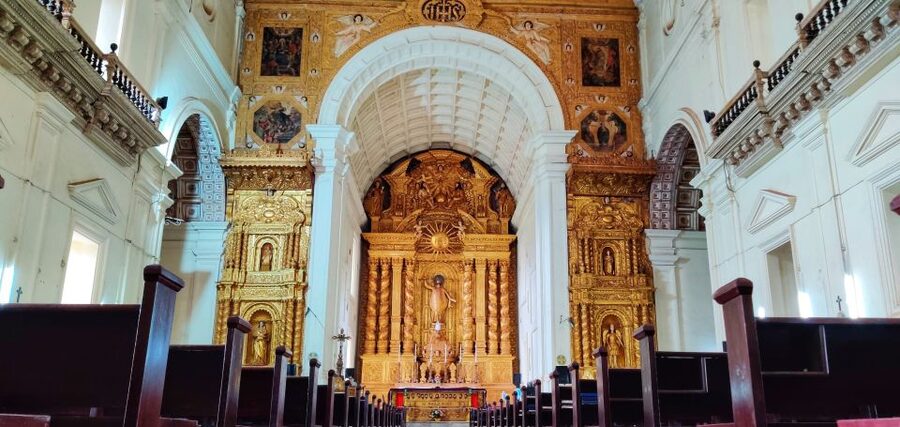
At $12 per person, this is good value if you want more than a quick look at Old Goa’s churches. The price includes an English-speaking guide, the walking tour, and a non-alcoholic refreshing drink. You are not paying for hotel transport, meals, insurance, or souvenirs.
The drink is a small detail, but it matters in Goa’s heat. Several experiences included coconut water or a cold fresh lime soda, giving you a short pause without adding another expense during the walk.
The real value lies in the concentration of major sights. You visit St Catherine’s Church, Se Cathedral, St Francis of Assisi, and the Basilica of Bom Jesus in one organized route. A self-guided visit costs less in guiding fees, but you would need to supply the historical context yourself and work out how the sites fit together.
The price is less attractive if you dislike guided walks or have only a short attention span for church interiors. It is also worth checking the starting time before booking, since the activity runs 2.5 hours and takes place partly outdoors.
Weather, clothing, and practical comfort
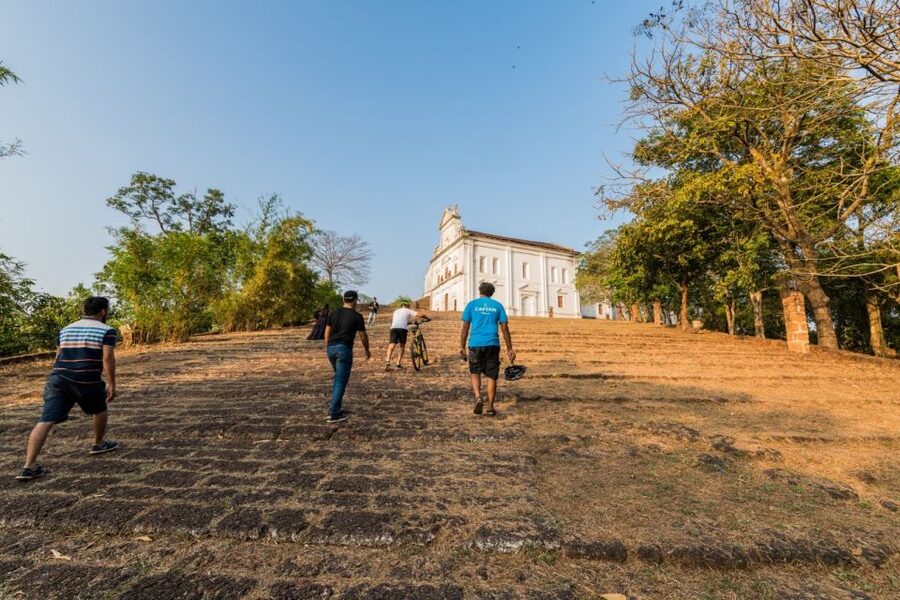
Goa’s heat can make a heritage walk tiring, so bring comfortable shoes and light, comfortable clothing. The organizers specifically request suitable walking footwear and clothing, and you should also plan to cover your shoulders and knees for church visits.
Rain is the bigger concern. One walk was interrupted by torrential rain, and the group could not complete the full route as planned. Even with shelter or umbrellas, heavy rain can make outdoor walking impractical.
I would avoid scheduling a tight taxi connection immediately after the tour. The advertised duration is 2.5 hours, and the route includes several sites where questions and church access can affect the pace. If you want to visit St. Augustine’s ruins afterward, or attend a special event at the basilica, allow extra time.
Infants and toddlers are not recommended for this activity. The walking, church etiquette, and historical explanations are better suited to older children and adults who can manage a steady heritage walk.
Who should book this Old Goa experience?
I would choose this tour if you want a clear introduction to Goa’s Portuguese past and prefer stories to isolated monuments. It suits first-time visitors, architecture fans, people interested in religious art, and anyone who wants local anecdotes that may not appear in a guidebook.
It is also a good fit if you are traveling alone or as a couple and would like the structure of a small group. A maximum of 10 participants leaves more room for questions than a large sightseeing excursion.
You may want to skip it if you need complete shelter from the weather, dislike walking, or want unrestricted photography inside every church. The route is also less useful if you have already studied Old Goa in detail and prefer to explore independently.
Free cancellation up to 24 hours before the start and the option to reserve now and pay later make it easier to fit into a changing Goa itinerary. Still, the most important planning choice is the time of day and the weather forecast.
Should you book it?
Book this walking tour if you want Old Goa to make sense, not just look impressive. For $12, the guide-led route gives you four major church visits, a useful account of Portuguese rule, local stories, and a cold drink at a sensible price.
Choose it early in your stay if possible. The guide may point out St. Augustine’s ruins, explain current events at the Basilica of Bom Jesus, or suggest other places worth seeing. Just dress for church visits, wear good shoes, leave room for rain, and do not expect a rushed checklist of photographs.
FAQ
Where does the Old Goa walking tour begin?
The meeting point is the Viceroys Arch in Old Goa, also called Velha Goa, Goa 403110, India.
How early should I arrive?
You should arrive at the Viceroys Arch 10 minutes before the tour begins.
How long does the tour last?
The stated duration is 2.5 hours.
What language is the tour conducted in?
The tour is conducted in English with a live English-speaking guide.
How many people are in the group?
The tour is a small-group experience limited to 10 participants.
Which churches are visited?
The route includes the Church of St. Catherine, Se Cathedral, the Church of St. Francis of Assisi, and the Basilica of Bom Jesus.
What is included in the price?
The price includes the English-speaking guide and one healthy, refreshing non-alcoholic drink.
Is hotel pickup included?
No. Hotel pickup and drop-off are not included. You need to reach the Viceroys Arch yourself, and the meeting point is accessible by taxi.
What should I wear?
Wear comfortable clothes and shoes. You must cover your shoulders and knees when visiting the churches.
Can I take photographs inside the churches?
Photography may be restricted inside churches and museums. Ask your guide before taking photographs if you are unsure.
New routes in India
- Agra Walking Tour★ 5.0 · 109 reviews
- Amritsar Heritage Walking Tour★ 5.0 · 112 reviews
- The Great Indian Food Tour: Old Delhi Food and Heritage Walk★ 5.0 · 106 reviews
- Spiritual Walking tour with Puja Ceremony -The Pushkar Route★ 5.0 · 101 reviews
- Spiritual Walk Tour Trivandrum (Guided Walking Experience)★ 4.6 · 87 reviews
- Panaji: Heritage Walk through Goa’s Latin Quarter★ 4.8 · 291 reviews
- Old Delhi: Spices, Heritage and Bazaars Walking Tour★ 5.0 · 173 reviews
- 3-Hour Old Delhi Heritage Walking tour with Rickshaw ride★ 4.6 · 158 reviews
India Walking Tours, compared.


The Great Indian Food Tour: Old Delhi Food and Heritage Walk
Read our review →

Old Delhi Food, Heritage&Cultural Walk with Rickshaw ride to Masterji Kee Haveli
Read our review →

Delhi Food Walk: Rickshaw Ride, Street Eats & Market Tour
Read our review →
Private Guided Walking Tour in Bandra Queen of Suburbs
Read our review →Browse the lists this tour appears in