
Review · INDIA
Spiritual Walk Tour Trivandrum (Guided Walking Experience)
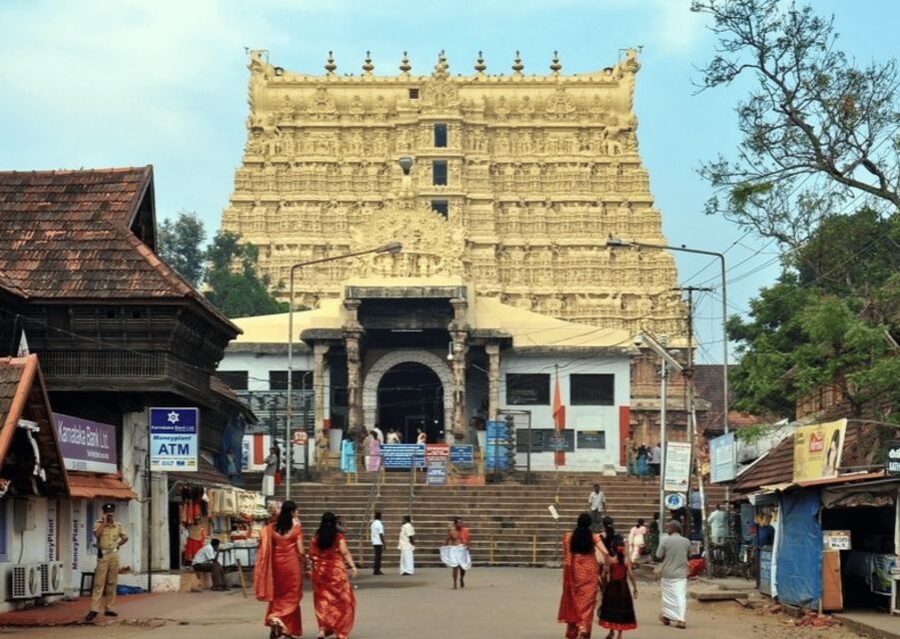
Trivandrum’s spiritual center is not just about the famous Sree Padmanabhaswamy Temple. This walk takes you through small working shrines, palace grounds, sacred ponds, and old Fort streets, where daily worship matters as much as grand architecture. I like the way the tour connects religion with local history, and I like that guides such as Siddharth, Gokul, and Arunkumar make it easier to enter places you might otherwise pass by. The main consideration is that the experience is firmly temple-focused, so you need modest clothes, bare feet at some sites, and a genuine interest in Hindu customs.
At $14 for two hours, this is a strong-value introduction to Trivandrum’s spiritual life. The 5 pm departure is especially appealing, since you may see evening worship, temple activity, sunset light, and illuminated streets. Just keep your expectations clear: the walk is not a relaxed palace tour or a broad city sightseeing circuit. It is a concentrated, sometimes inward-looking look at the city’s sacred heart.
What makes this walk worth your time
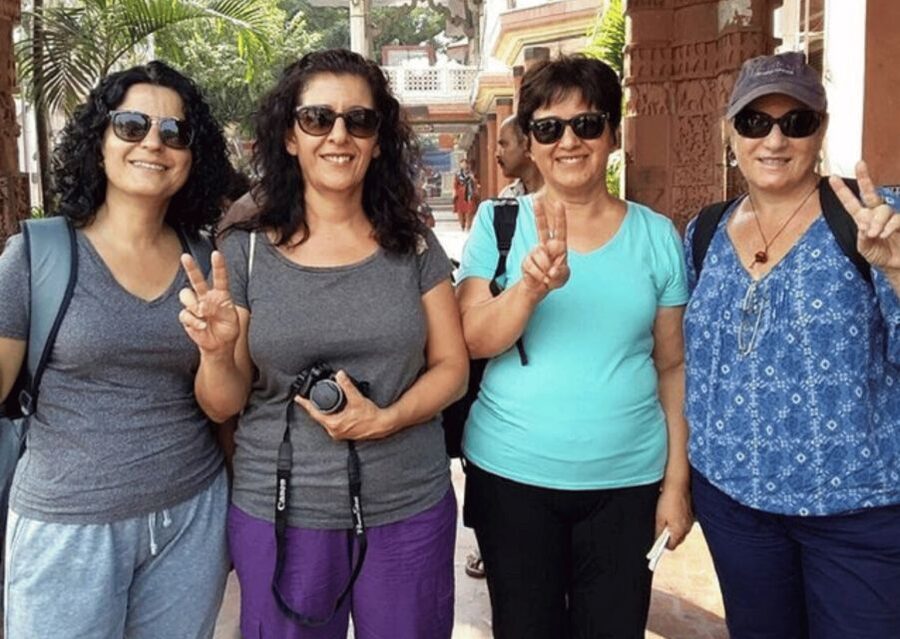
- Several temples, not just one famous landmark: The route can include seven or eight shrines, including lesser-known places around the Fort area.
- A useful guide for temple customs: Your guide explains when to remove shoes, where photography is not suitable, and how to behave respectfully.
- East Fort and West Fort in one compact walk: You see the old royal quarter on foot rather than from behind a vehicle window.
- A mix of spirituality and history: Palace museums, Methan Mani, temple legends, and Hindu practice all fit into the same short route.
- The evening timing works well: The 5 pm option can coincide with puja, sunset, and decorative lights.
- Practical local advice is included: Guides share food suggestions, ways to save money, and ideas for seeing more of Trivandrum.
Why the Fort area is the right place to start
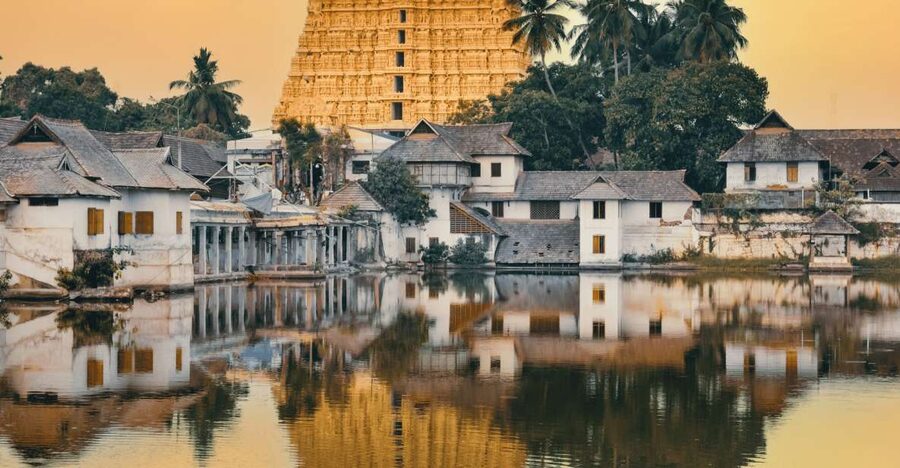
The tour begins at East Fort, the historic gateway to central Trivandrum’s temple quarter. This is the right setting for a spiritual walk because the streets around the old royal center still link palaces, shrines, markets, and everyday city life.
You are not simply ticking off buildings. You are seeing how worship fits into the rhythm of the neighborhood. A guide can explain details that are easy to miss alone, including why a small shrine matters, how different deities are understood, and what is happening during a ceremony.
The route is described as an infotainment experience, meaning the guide aims to keep the talk lively rather than deliver a long academic lecture. That matters on a two-hour walk. You get stories and explanations, but also time to look, ask questions, take pictures where permitted, and absorb the atmosphere.
The pace seems suited to curious visitors rather than serious hikers. One guide, Siddharth, was specifically praised for being patient with people taking notes and photographs, while other guides stayed with the group until everyone had a safe ride home. Those details make a difference if you are alone, unfamiliar with India, or unsure how to approach a temple.
More Guided Walks in India:
- Group Guided Walking Tour in Fort and Colaba
★ 5.0 · 1,073 reviews - Private Guided Walking Tour in Fort & Colaba
★ 5.0 · 895 reviews - Private Guided Walking Tour in Bandra Queen of Suburbs
★ 5.0 · 383 reviews
Ananthankadu Sree Nagaraja Temple: a quieter beginning
One listed stop is Ananthankadu Sree Nagaraja Temple Trust, with about 30 minutes set aside for a guided visit. The name points to worship connected with Nagaraja, the serpent deity, and the site offers a different mood from the large, famous temple nearby.
This is one of the places you might miss without local help. The experience is less about a grand exterior and more about understanding how a working shrine functions. You may see rituals, hear about the deity, and learn why smaller temples remain important to local worshippers.
The supplied route descriptions and past experiences indicate that the exact collection of shrines can vary. Some outings have included seven or eight temples, while others focused on a smaller group of particularly meaningful sites. That flexibility is a benefit if you want a local experience, but it also means you should not expect a rigid checklist at every departure.
Kuthira Maliga Palace and the old royal connection
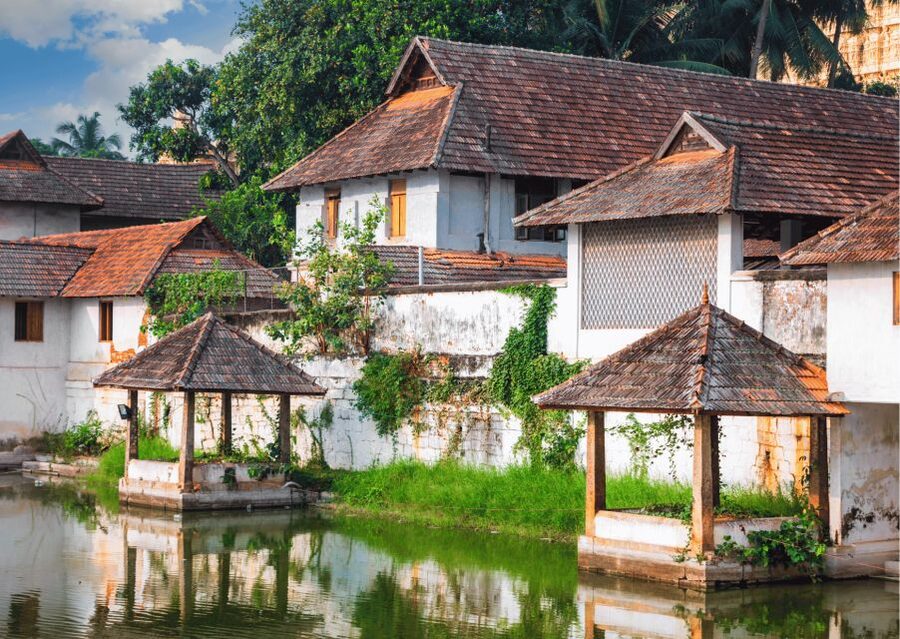
Kuthira Maliga Palace Museum, also called the Maharaja Swathi Thirunal palace, brings royal history into the walk. It was a former royal residence, and the stop helps explain the connection between Travancore’s rulers, music, art, administration, and temple worship.
You may receive a guided visit, walk around the area, or pass by parts of the palace depending on the route and timing. The palace adds welcome variety after several religious sites. It also helps you see that Trivandrum’s spiritual identity was tied closely to its former royal household.
The wider highlights also mention Sundara Vilasom Palace, West Fort, Padmatheertha Pond, and Pazhavangadi Ganapathi Temple. Not every named place is necessarily a full stop during the two-hour outing. Treat these as parts of the historic Fort setting, with the actual emphasis shaped by temple access, ceremonies, and the guide’s route that day.
Methan Mani and the details you could miss
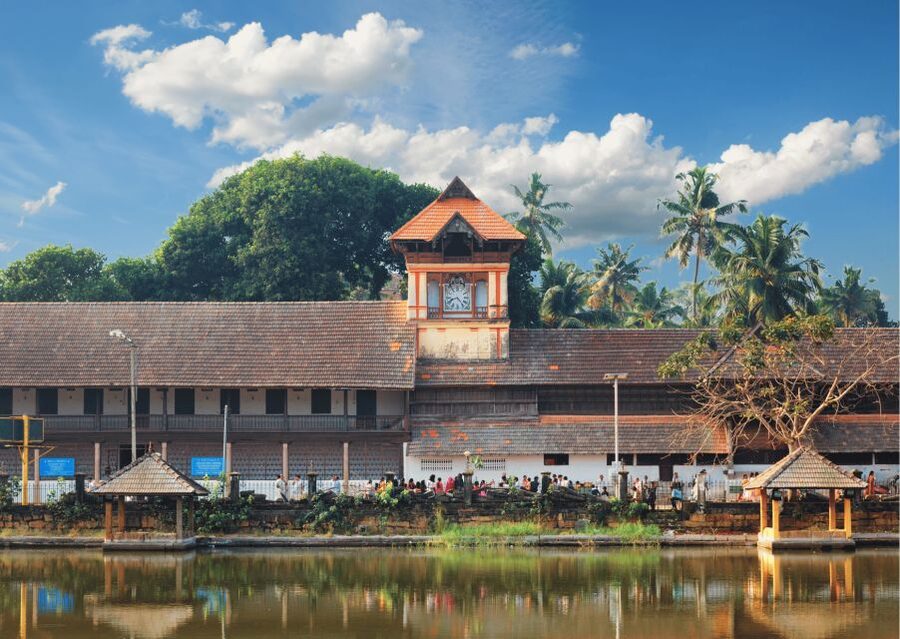
Methan Mani is another scheduled stop, with up to 30 minutes of guided explanation. It is the sort of urban detail that makes a walking tour useful. You can look at a landmark on your own, but a guide gives it context and links it to the surrounding streets.
This part of the walk also shows why the tour is more than a simple procession between major temples. The guide points out features that may not be obvious from a guidebook and explains how the old center fits together.
The best guides appear to adjust their explanations to the people in front of them. Siddharth was praised for answering questions beyond the main subject, while Gokul was praised for explaining temple customs and history in a calm, careful way. That kind of conversation is valuable if you are new to Hindu traditions or want to ask basic questions without feeling awkward.
More Walking Tours in India:
- Fontainhas Heritage Walk by Make It Happen
★ 5.0 · 2,834 reviews - The Great Indian Food Tour: Old Delhi Food and Heritage Walk
★ 5.0 · 1,698 reviews - Old Goa Heritage Walk by Make It Happen
★ 5.0 · 797 reviews - Old Delhi Food, Heritage&Cultural Walk with Rickshaw ride to Masterji Kee Haveli
★ 5.0 · 742 reviews
Sree Padmanabhaswamy Temple and the limits of the visit
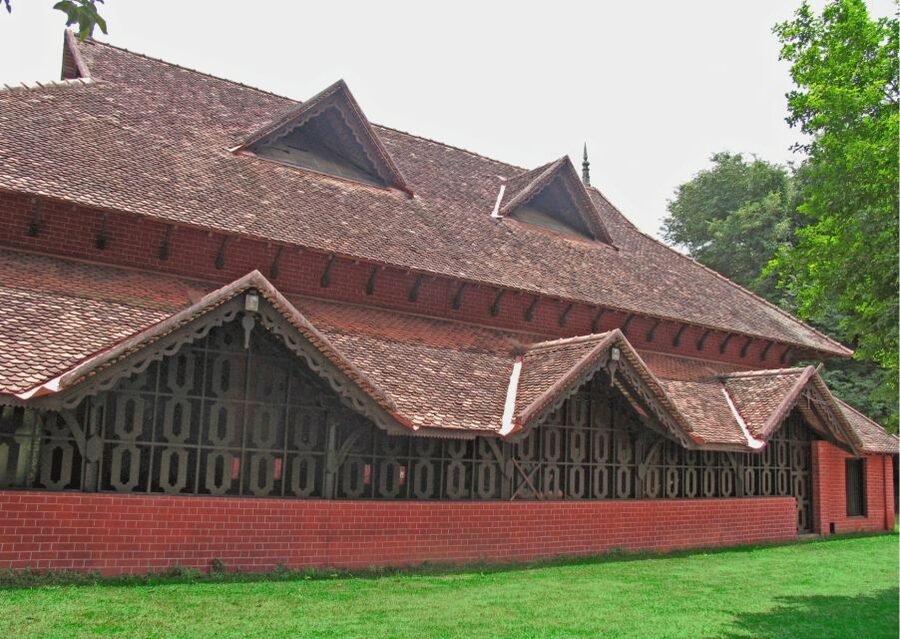
The Sree Padmanabhaswamy Temple is the most famous name connected with this walk. It is widely described as one of the world’s wealthiest temples, and its religious importance reaches far beyond its fame among sightseers.
The tour gives you a way to understand the temple and its surroundings, but you should pay close attention to current access rules. Temple entry can depend on religious requirements, clothing, timing, and which areas are open. The experience data emphasizes guidance and access to sacred places, while individual outings have varied. Do not assume that every part of the main temple is open to every participant.
That is where the guide is especially useful. You can learn when photography is inappropriate, when shoes must come off, and how to avoid turning an active place of worship into a photo stop. One visitor described receiving gentle warnings from Gokul about taking pictures, while others valued having a guide beside them in temples they would not have entered alone.
The main temple may be the headline, but it is not necessarily the emotional center of the walk for everyone. Smaller shrines can feel quieter and more personal. One long-term visitor initially expected the large tourist temple to be the highlight, then found greater satisfaction in the old, peaceful temples that were harder to locate independently. That is a useful clue: come for the wider spiritual setting, not only for one famous building.
Pazhavangadi, Padmatheertha Pond, and West Fort
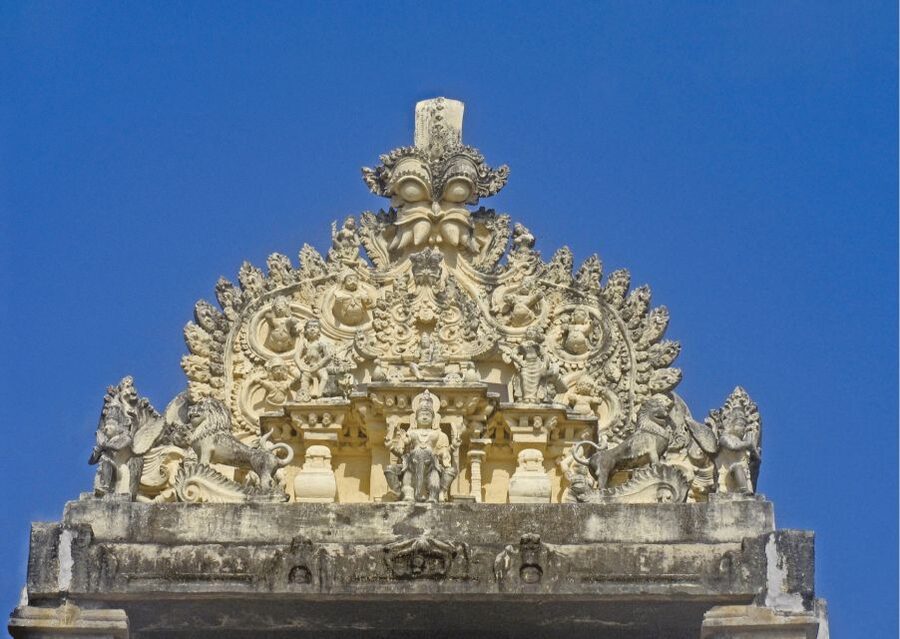
The walk ends around West Fort in Pazhavangadi. Depending on the precise route, you may also encounter Pazhavangadi Ganapathi Temple and Padmatheertha Pond, both part of the area’s sacred geography.
Pazhavangadi Ganapathi Temple is connected with Lord Ganesha and is one of the better-known religious sites near the Fort. Padmatheertha Pond offers a change of pace, with water, open space, and a reminder that temple life is shaped by more than the shrine building itself.
West Fort is a practical ending point. You are still in a central part of Trivandrum, with onward options by auto-rickshaw or taxi. The guide does not simply disappear at the end: one account describes a guide making sure people had found safe transport home. That is reassuring if you are finishing after dark or are not yet comfortable navigating the city.
What the 5 pm timing adds
The evening departure is worth considering. Several people specifically favored the 5 pm slot because temples were active, puja was taking place, and the city’s lights added atmosphere. The timing can also help you avoid the hardest daytime heat, though the walk still takes place outdoors and requires comfortable clothing.
Evening worship is not a performance arranged for visitors. You are seeing religious life at its normal pace, which means the route can feel more alive but also less predictable. A ceremony may take longer, an area may be crowded, or photography may be restricted.
If you prefer quiet explanations and a slower look at architecture, an earlier start might suit you better if available. If you want to see lamps, ceremonies, and people coming to pray, the 5 pm outing has a clear advantage.
Temple etiquette and what to wear
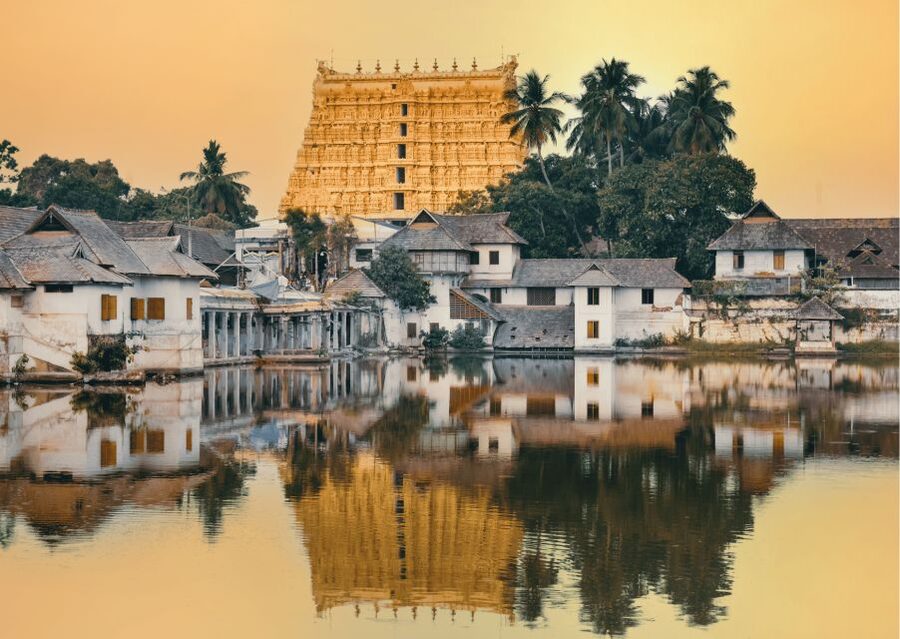
Dress is not a minor detail here. Shorts, short skirts, and sleeveless shirts are not allowed, so wear clothing that covers your shoulders and knees. Bring comfortable clothes and be ready to remove your shoes.
You should also expect to walk barefoot at some temples. Leave hats behind when required, and follow the guide’s instructions about photography. A phone or camera can be useful, but respect matters more than getting a picture.
The tour is suitable for people who approach religious places with curiosity and care. It is less suitable if you want to rush from landmark to landmark, keep your shoes on throughout, or photograph every ceremony. The guide helps, but you still need to listen and adapt.
The guides make the experience work
The guide is the most important part of this tour. Names appearing across the available experience include Siddharth, Gokul, Arunkumar, Hari, and Prijith. You may not receive a particular guide, but the repeated qualities are clear: friendly conversation, patience, strong English or Hindi, and care with temple etiquette.
Siddharth is associated with clear explanations, a calm pace, and practical help with clothing and customs. Gokul is noted for temple knowledge, a gentle manner, and attention to safety. Arunkumar is described as particularly helpful at explaining places that are easy to overlook.
The value of the guide goes beyond facts. Entering a Hindu temple as an outsider can feel complicated. You may not know where to stand, what you may touch, or when a ritual is taking place. A respectful local guide reduces that uncertainty without making the visit feel staged.
The tour also promises local advice on food and saving money. That can be useful after the walk, especially if you want to try street food or plan more time in Trivandrum. One experience included a street-food stop, but food is not included in the listed price, so treat that as a possible extra rather than a guaranteed part of every outing.
Is $14 good value for two hours?
Yes, for most people, $14 is a fair price. You are paying for a live English or Hindi guide, local interpretation, access to lanes and shrines you may not find alone, and practical help with customs. A self-guided walk costs less in money, but it cannot easily replace a person who knows which temple is open, what a ritual means, or when a photo would be intrusive.
The value is strongest for solo visitors, first-time visitors to India, and anyone who wants more than exterior views. It is also a useful first activity in Trivandrum because the guide can give you food suggestions and ideas for exploring afterward.
The limitation is duration. Two hours goes quickly, especially if the route includes many temples, questions, ceremonies, and palace information. You may leave wanting more time at a particular site. That is not a flaw in the price, but it means you should see this as an introduction rather than a full study of Trivandrum’s religious culture.
Hotel pickup, drop-off, water, drinks, and food are not included. Plan your meeting point and bring your own water. Free cancellation is available up to 24 hours before the start, and you can reserve now and pay later, which helps if your schedule is still changing.
Who should book this walk?
I would choose this experience if you want to understand how religion shapes Trivandrum’s streets, not simply photograph its biggest monument. It suits solo visitors, couples, families with older children, and culturally curious people who appreciate a guide willing to answer questions.
It is also a good choice if you are nervous about temple etiquette. The guide can help you manage clothing, shoes, photography, and entry customs with less guesswork.
I would look elsewhere if your priority is a long palace visit, a food tour, or a broad survey of all city landmarks. The route is compact and spiritually focused. The walking itself is manageable, but the experience asks for attention, modest dress, and respect for active worship.
Should you book the Spiritual Walk Tour?
Book it if you want a human explanation of Trivandrum’s sacred center, especially at 5 pm when ceremonies and lights may add atmosphere. The strongest reason to go is not a single monument. It is the combination of small temples, royal connections, local stories, and the confidence that comes from having someone guide you through unfamiliar customs.
At $14, the risk is low and the potential value is high. Just arrive in suitable clothing, bring water, keep an open mind, and allow the route to surprise you. If the large temple is closed or only partly accessible, the smaller shrines and the guide’s explanations may still become the part you remember.
FAQ
How long does the Spiritual Walk Tour Trivandrum last?
The stated duration is two hours.
How much does the tour cost?
The price is $14 per person.
Where does the walk begin?
The starting location is East Fort in Trivandrum.
Where does the tour finish?
The walk finishes at West Fort, Pazhavangadi, Thiruvananthapuram.
Which languages does the guide speak?
Live guides speak English or Hindi.
Which temples and places are included?
The route includes places such as Ananthankadu Sree Nagaraja Temple Trust, Sree Padmanabhaswamy Temple, Kuthira Maliga Palace Museum, and Methan Mani. The wider Fort route may also include Pazhavangadi Ganapathi Temple, Padmatheertha Pond, Sundara Vilasom Palace, and West Fort.
What should I wear?
Wear comfortable, modest clothing. Short skirts, shorts, and sleeveless shirts are not allowed.
Do I need to remove my shoes?
You should be prepared to remove your shoes and walk barefoot at some temples.
Is food included?
No. Food, drinks, and water are not included. Street food may be suggested or encountered, but it is an additional expense.
Can I cancel the booking?
You can cancel up to 24 hours in advance for a full refund. The reserve-now, pay-later option lets you hold a place without paying immediately.
New routes in India
- Agra Walking Tour★ 5.0 · 109 reviews
- Amritsar Heritage Walking Tour★ 5.0 · 112 reviews
- The Great Indian Food Tour: Old Delhi Food and Heritage Walk★ 5.0 · 106 reviews
- Spiritual Walking tour with Puja Ceremony -The Pushkar Route★ 5.0 · 101 reviews
- Panaji: Heritage Walk through Goa’s Latin Quarter★ 4.8 · 291 reviews
- Old Delhi: Spices, Heritage and Bazaars Walking Tour★ 5.0 · 173 reviews
- Old Goa: Walking Tour of Heritage Churches★ 4.9 · 81 reviews
- 3-Hour Old Delhi Heritage Walking tour with Rickshaw ride★ 4.6 · 158 reviews
India Walking Tours, compared.


The Great Indian Food Tour: Old Delhi Food and Heritage Walk
Read our review →

Old Delhi Food, Heritage&Cultural Walk with Rickshaw ride to Masterji Kee Haveli
Read our review →

Delhi Food Walk: Rickshaw Ride, Street Eats & Market Tour
Read our review →
Private Guided Walking Tour in Bandra Queen of Suburbs
Read our review →Browse the lists this tour appears in