

Review · INDIA
Fontainhas Heritage Walk by Make It Happen
Fontainhas is the part of Panaji where Goa’s Portuguese past still feels close enough to touch. On foot, you pass yellow, blue, and green homes, wrought-iron balconies, tiled roofs, old bakeries, and narrow lanes that make the capital feel far removed from its beach resorts. The walk also adds Goan sweets and refreshments and a live music performance, so it is more than a photo stop.
I like the small-group format, which makes it easier to hear the guide and ask questions. I also like the gentle mix of architecture, local food, music, and social history. The main caution is the heat: some guests found the pace too slow or had to stand in the sun while listening, so an evening departure, such as 6 pm, is the smarter choice when available.
Key points to know before booking
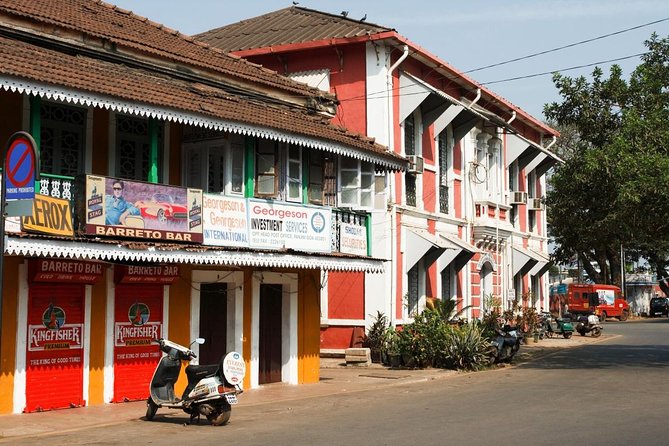
- Fontainhas is the main attraction: Explore Panaji’s old Latin quarter, known for colorful Portuguese-era homes and narrow residential lanes.
- The walk lasts about two and a half hours: It fits neatly into a morning or evening in Panaji, but the route covers a fairly compact area.
- Food and music add local character: Expect traditional Goan sweets, bakery treats, a non-alcoholic local drink, and live singing by a Goan musician.
- Guides bring different strengths: Hinaz, Alita, Joan, Shreeya, Trancy, Rachana, Mugdha, and others have led the walk, with storytelling praised most often.
- It is a walking-only experience: Private transportation is not included, and the activity ends where it begins.
- The price is modest: At $12.27 per person, the cost includes taxes, heritage-building entry, tastings, refreshments, and music.
Why Fontainhas deserves a place in your Panaji plans
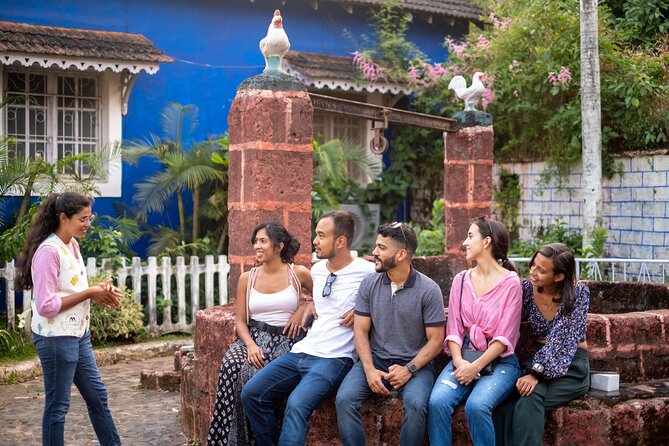
Goa is often sold through beaches, nightlife, and resort life. Fontainhas gives you a different Goa. This old quarter sits at the foot of the Altinho hills, where springs helped give the district its Portuguese name, meaning little fountain.
The area is not a museum set. People still live among the painted houses, balconies, tiled roofs, and old lanes. That matters because the walk is not only about admiring pretty buildings. A good guide helps you understand how Portuguese rule shaped Panaji, how architecture reflected local life, and how the quarter has managed to survive modern development.
I find this kind of walk useful early in a Goa visit. It gives you a sense of place before you spend the rest of your time at the coast. It also helps you notice details you might otherwise pass without a second thought, such as iron balcony railings, painted facades, traditional rooflines, and the way old homes sit beside more recent buildings.
The route is compact. That is useful if you have only a few hours in Panaji, but it also means you should not expect to cross a large part of the city. One critical opinion found the walk too limited geographically, with a portion of the final walk returning toward the starting point. I would book this for close observation and storytelling, not for covering a wide area.
More History Walking Tours in India
- The Great Indian Food Tour: Old Delhi Food and Heritage Walk
★ 5.0 · 1,698 reviews - Old Goa Heritage Walk by Make It Happen
★ 5.0 · 797 reviews - Old Delhi Food, Heritage&Cultural Walk with Rickshaw ride to Masterji Kee Haveli
★ 5.0 · 742 reviews
Starting near the Panjim Post Office
The meeting point is listed at the Panjim Post Office in B Patto Colony, Panaji. The activity returns to the same meeting point, and private transportation is not included.
Take the starting instructions seriously. One person arrived at the main post office and was mistakenly directed across a bridge toward another post office, then had to walk back and nearly arrived late. That sounds like a simple meeting-point problem, but it is practical advice: confirm the exact location before setting out and allow a little extra time.
The walk is listed as about two hours and thirty minutes, although the main route description also refers to a two-hour experience. Plan for the longer figure. You will be more comfortable if you do not schedule another tight appointment immediately afterward.
The group is intended to be small, with one description giving a maximum of 15 and the additional details giving a maximum of 20. Either way, this is not designed as a large coach-style outing. A smaller group helps with hearing the guide in narrow lanes and makes questions easier.
Walking through the colorful Latin quarter
The central stop is Fontainhas itself. The neighborhood is described as the oldest and largest Latin quarter in Asia, and its character comes from the mix of color, scale, and surviving detail.
The houses are the first thing you notice. Yellow, green, and blue walls brighten the lanes without making the quarter feel polished or artificial. Wrought-iron balconies project from facades, while tiled roofs and older proportions recall the Portuguese period. The best part is simply slowing down enough to look upward and sideways. Fontainhas rewards attention to small features rather than a quick march between famous sights.
Your guide may point out the relationship between architecture and daily life, explain how Panaji developed, and describe what it meant to live under Portuguese rule. Several guides have been especially well received for this storytelling role. Hinaz is praised for making the past easy to follow and adding unexpected details. Alita is noted for a warm, clear way of explaining local traditions. Joan is described as friendly and a strong narrator, while Shreeya has led evening walks that combine the buildings with stories about the area.
Guide assignments can change, so you should not book on the assumption that one specific person will lead your departure. Still, the range of named guides gives you a useful sense of the tour’s style: personal storytelling rather than a simple list of dates and building names.
Stories about Portuguese Goa and present-day Panaji
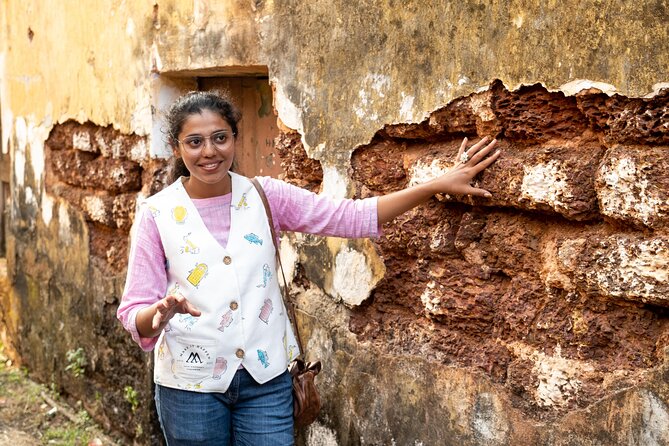
The most valuable part of the experience is the context. You hear about architecture, religion, ethnic traditions, Portuguese rule, and Panaji’s place in Goa’s past. One especially useful aspect is the link between the old quarter and its current challenges. You are not only shown picturesque homes and told that they are old. You get a sense of how the neighborhood functions now.
That distinction matters. A pretty street can be photographed in minutes. Understanding why it looks that way, who built it, how it changed, and what pressures it faces today gives the walk more weight.
The storytelling style depends on the guide and the group. Some people found the explanations engaging and well-rounded. Others felt that the talk became long and unfocused, especially when one participant took the discussion far from the main subject. Another person found the walk too slow and left early after spending too much time standing in the sun.
I would treat those comments as useful planning advice rather than a reason to dismiss the tour. This format is best for you if you enjoy listening, asking questions, and pausing at buildings. If you prefer a brisk route with many stops and little commentary, the relaxed pace may test your patience.
Same streets, a different guide:
- Group Guided Walking Tour in Fort and Colaba
★ 5.0 · 1,073 reviews - Private Guided Walking Tour in Fort & Colaba
★ 5.0 · 895 reviews - Breakfast Walk in Old Delhi
★ 5.0 · 449 reviews - Delhi Food Walk: Rickshaw Ride, Street Eats & Market Tour
★ 5.0 · 401 reviews
Traditional Goan sweets and the bakery stop
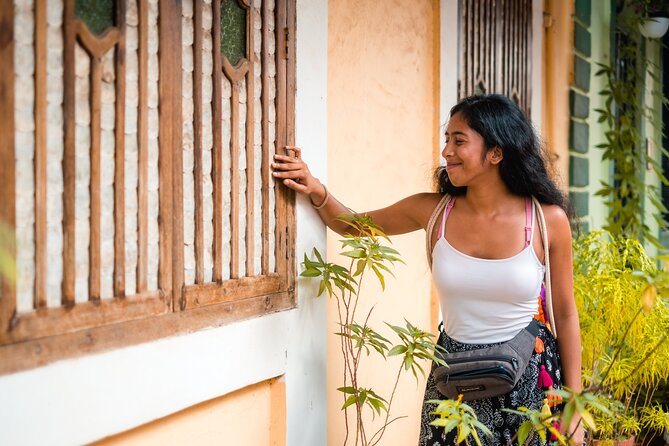
Food gives the walk a welcome change of rhythm. You receive a tasting of traditional Goan sweets and may stop at a bakery or cafe for local treats. Several guests singled out the bakery pastries, biscuits, or sweets as a favorite part of the outing.
This is not a full meal, so arrive having eaten if you need substantial food. The value is in sampling something connected to the place and getting an idea of what to look for later in Panaji. A cafe stop also gives you a chance to sit, cool down, and discuss what you have seen.
The experience includes a soda or another healthy local non-alcoholic beverage. Other accounts mention tea at the Tea Trunk, a stop at a 31st January coffee place, and refreshments served with Portuguese-style music. Exact food and drink details may vary with the departure, but the basic idea is consistent: the walk includes local tastes rather than leaving you to find them on your own.
I like this feature because it turns the outing into a small cultural sampler. You are not simply looking at buildings from the outside. You get a taste of Goan food traditions and a practical recommendation for what to order elsewhere.
Live music at the end of the walk
The musical performance is one of the tour’s most distinctive extras. A renowned Goan musician performs for the group, and named performers have included Maxie Miranda, Francisco, Cyril, and Chico.
The setting and performer may vary, but the purpose is clear: to connect Fontainhas with Goa’s living music tradition. One account describes the final stop at the home of the musician Chico, who performed several songs for the group. Other departures have ended with singing by Francisco or Cyril. Maxie Miranda’s songs were also singled out as a highlight.
This gives the ending a more personal feel than a standard heritage walk. Instead of finishing with a final building and a rushed goodbye, you get music, a drink, and a chance to let the neighborhood settle in.
Do not book this solely for a guaranteed particular musician unless the provider confirms the lineup for your date. The supplied details support live music by a local performer, but not a fixed artist for every departure.
Timing, weather, and walking comfort
Weather is an important part of the decision. The activity requires good weather, and a poor-weather cancellation results in a different date or a full refund. Even when the walk operates, Goa’s heat can affect your enjoyment.
An early start may still feel hot, especially in late March. Some people found the heat uncomfortable, particularly when the group stopped in sunny areas for extended explanations. If a 6 pm departure is offered, I would favor it. The cooler evening air makes a slow architectural walk easier, and one evening outing was especially appreciated for that reason.
Wear comfortable walking shoes and carry water, even though refreshments are included. The route is not described as strenuous, and one family found it manageable for older members. The challenge is less about steep walking than about heat, standing, and the amount of time spent listening.
The pace is generally leisurely. That suits you if you want time for photographs and questions. It may not suit you if you want to move quickly from one landmark to the next.
What the $12.27 price includes
At $12.27 per person, this is an inexpensive way to add structure to a Panaji visit. The fee includes all taxes, entry to non-residential heritage buildings, traditional Goan sweets, a local non-alcoholic refreshment, and the live music performance.
That bundle makes the price stronger than a basic neighborhood walk. You are paying not only for a guide but also for access, tastings, drinks, and an arranged performance. You still need to get yourself to the meeting point, and no private transportation is included.
The strongest value comes if you are new to Panaji. A self-guided walk through Fontainhas costs less, but you would need to research the quarter, identify the buildings, find the bakery treats, and arrange your own cultural context. For a modest fee, this experience handles those pieces in one compact outing.
If you already know Fontainhas well, the value depends on your interest in the storytelling and music. The neighborhood itself is free to walk around, so repeat visitors may prefer exploring independently unless they want a guide’s interpretation.
Who should book the Fontainhas Heritage Walk
I would recommend this experience if you want:
- A first orientation to Panaji and Fontainhas
- Portuguese-era architecture explained in plain language
- A relaxed route rather than a demanding hike
- Local sweets and bakery treats built into the outing
- Live Goan music in a small-group setting
- A short cultural activity away from Goa’s beach scene
It is also a good choice for families and older adults who can walk comfortably but do not want a strenuous excursion. The route is short enough to fit around other plans, and the pace can be easygoing.
I would think twice if you dislike long explanations, standing in warm weather, or returning through a compact area rather than seeing a wide stretch of Panaji. If you want a fast-paced sightseeing route, this may feel too slow. You should also clarify the meeting point and departure time before leaving for the post office.
Free cancellation is available up to 24 hours before the start time. Changes or cancellations inside that window are not refunded, and weather-related cancellations offer a new date or full refund.
Should you book it?
Yes, if you want a low-cost introduction to Panaji that combines buildings, stories, sweets, drinks, and music. The strongest reasons to book are the small-group setting, the colorful Fontainhas streets, and the chance to hear local performers such as Maxie Miranda, Francisco, Cyril, or Chico.
Book an evening departure if possible, especially during hot months. Go with the expectation of a thoughtful, leisurely walk through a fairly small area, not a rapid tour of the whole city. If that sounds right, the $12.27 price is easy to justify.
FAQ
Where does the Fontainhas Heritage Walk start?
The walk starts at the Panjim Post Office in B Patto Colony, Panaji, Goa 403001, India.
Where does the activity end?
The walk ends back at the meeting point.
How long does the walk last?
The experience lasts approximately two hours and thirty minutes. Some descriptions refer to a two-hour walk, so you should allow the longer amount of time.
How much does the tour cost?
The listed price is $12.27 per person.
Is transportation included?
No. Private transportation is not included. You need to make your own way to the meeting point.
What food and drinks are included?
The experience includes traditional Goan sweets and a soda or another healthy local non-alcoholic beverage. Bakery or cafe treats may also be part of the stops.
Is live music included?
Yes. The experience includes a performance by a renowned Goan musician. The performer may vary by departure.
How large is the group?
The tour is designed as a small-group activity. The stated maximum varies between 15 and 20 people.
Can I cancel for a full refund?
Yes, if you cancel at least 24 hours before the experience start time. Cancellations made less than 24 hours before the start are not refunded. If poor weather causes the provider to cancel, you can choose another date or receive a full refund.
New routes in India
- Agra Walking Tour★ 5.0 · 109 reviews
- Amritsar Heritage Walking Tour★ 5.0 · 112 reviews
- The Great Indian Food Tour: Old Delhi Food and Heritage Walk★ 5.0 · 106 reviews
- Spiritual Walking tour with Puja Ceremony -The Pushkar Route★ 5.0 · 101 reviews
- Spiritual Walk Tour Trivandrum (Guided Walking Experience)★ 4.6 · 87 reviews
- Panaji: Heritage Walk through Goa’s Latin Quarter★ 4.8 · 291 reviews
- Old Goa: Walking Tour of Heritage Churches★ 4.9 · 81 reviews
- Old Delhi: Spices, Heritage and Bazaars Walking Tour★ 5.0 · 173 reviews
India Walking Tours, compared.

The Great Indian Food Tour: Old Delhi Food and Heritage Walk
Read our review →

Old Delhi Food, Heritage&Cultural Walk with Rickshaw ride to Masterji Kee Haveli
Read our review →

Delhi Food Walk: Rickshaw Ride, Street Eats & Market Tour
Read our review →
Private Guided Walking Tour in Bandra Queen of Suburbs
Read our review →
Private Heritage Walking Tour in Jaisalmer Fort and Old Bazaar
Read our review →Browse the lists this tour appears in