
Review · CULTURAL
Aruba Downtown Historic and Cultural Walking Tour
Oranjestad’s best stories are tucked between its shops, government buildings, churches, and old family homes. This walking tour brings them together in one morning, from the 18th-century Fort Zoutman to a Protestant church, the Parliament building, and local streets that most beach visitors never see.
I like the two local food tastings, which turn a history walk into a small introduction to everyday Aruba. I also like the personal style of guides such as Evy, Marisa, Wendell, Milton, and Yvonne, who explain the island through family stories, politics, religion, and changing neighborhoods. The main drawback is the heat, and the tour can feel rushed at the museums because there are about 30 stops packed into roughly two and a half hours.
Key points to know before you book
- Two and a half hours through central Oranjestad: The route covers about 30 stops, but it stays within the downtown area rather than touring the whole island.
- Fort Zoutman and the Archaeological Museum: Entrance is included when both sites are open, though the short visits leave limited time to read every exhibit.
- Two Aruban food samples: You may taste pan bati at Coco Plum Restaurant and another local favorite around Havenstraat, where you learn what Arubans eat at breakfast and parties.
- Morning is the smart choice: The walk begins at 9:00 am, before the strongest heat. Bring water, eat breakfast first, and wear proper walking shoes.
- Pickup may be available: Selected accommodations offer pickup, and the tour ends back at the meeting point at Cosecha Aruban Craft Design & Heritage.
- A personal guide makes the difference: The strongest tours are shaped by the guide’s storytelling, with local figures such as Evy, Marisa, Milton, Wendell, and Yvonne leading recent departures.
Why this walk gives Oranjestad more meaning
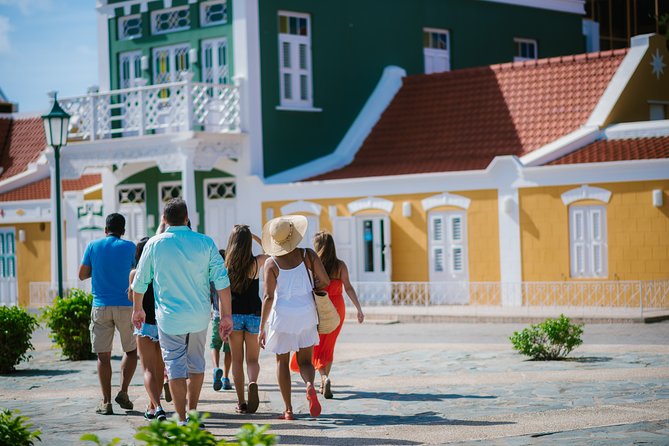
Oranjestad can be easy to reduce to colorful buildings, cruise-ship shops, and a streetcar rolling through the center. This tour asks you to slow down and connect those sights. You hear how Aruba’s government works, how different religious groups arrived, what people eat at home, and how old houses fit into the town today.
The route is not a long march across the capital. It is a concentrated walk through the downtown core, with frequent pauses. That makes it manageable for most people, but it also means you should not expect a broad tour of Aruba or a full museum program.
I see this as a good first morning on the island. It gives you names, streets, and landmarks you can return to later. Your guide can also point out places for lunch, drinks, shopping, and further exploring, which is useful when you have several days in Aruba and want more than a resort view.
More History Walking Tours in the world:
- History and Hauntings of Salem Guided Walking Tour
★ 5.0 · 14,564 reviews - Lisbon: History, Stories and Lifestyle Walking Tour
★ 4.8 · 10,902 reviews - Boston: Freedom Trail History Small Group Walking Tour
★ 5.0 · 6,450 reviews
Starting at Cosecha and Fort Zoutman
The meeting point is Cosecha Aruban Craft Design & Heritage at Zoutmanstraat 1. The tour begins at 9:00 am, with optional pickup from selected accommodations. Some people have found the meeting point easy to reach, while one departure was delayed and began 15 to 20 minutes late, so I would arrive a little early and confirm the location carefully.
Fort Zoutman is the natural opening act. Built in the 1700s, it is one of the clearest reminders that Oranjestad grew from a working port and administrative center, not just a shopping district. When the Historical Museum is open, you go inside to see displays about Aruba’s past.
The old clock tower, added in the 1800s, is another highlight. If it is open for climbing, the view gives you a useful sense of how compact downtown Oranjestad is. The scheduled stop is only about 10 minutes, so you will get an introduction rather than a long museum visit.
That short timing matters. If you enjoy reading every panel and studying each object, you may wish the group could stay longer. If you prefer a guided overview followed by independent sightseeing, the brief stop works well.
Wilhelmina Park and the island’s public symbols
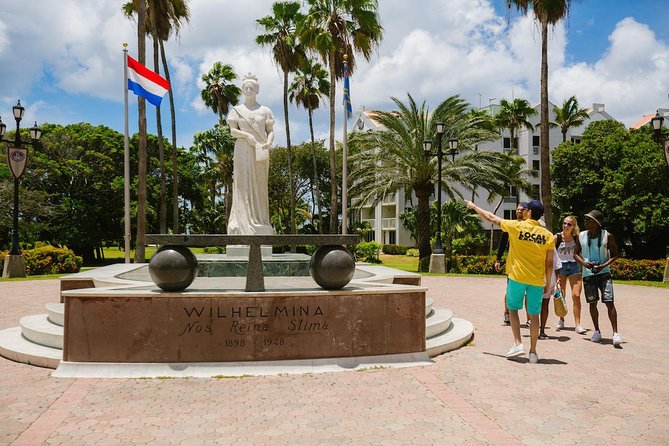
From the fort, the walk continues to Wilhelmina Park. Your guide explains two notable statues and points out the iguanas that gather in the park. It is a small stop, about 10 minutes, but it gives you a break from enclosed spaces and a chance to see how Oranjestad uses public areas.
The value here comes less from the park itself than from the interpretation. A statue can be easy to pass without a second glance. With a guide, it becomes a prompt to discuss Aruba’s people, political past, and relationship with the Netherlands.
Bring your camera, but keep expectations sensible. This is not a grand garden tour. It is a compact downtown park with local character, public art, and plenty of iguana watching.
Aruba’s first inhabitants at the Archaeological Museum
The National Archaeological Museum is one of the more worthwhile stops for anyone who wants to understand Aruba before the modern resort era. When open, you see pottery, skulls, tools, and other objects connected with the island’s first inhabitants.
The exterior also makes a good photo backdrop. Inside, the guide helps place the objects in context, which is helpful because small artifacts can seem disconnected without an explanation.
Again, the planned visit is only about 10 minutes. That is enough for a quick orientation, but not enough for a careful museum visit. I would treat this as a preview and return on your own if the museum interests you. The entrance fee is included when the museum is open, so the tour adds useful access without asking you to pay again.
More Cultural Walking Tours in the world:
- Savannah First Squares Culinary & Cultural Walking Food Tour
★ 5.0 · 3,229 reviews - Tokyo Tsukiji Fish Market Food and Culture Walking Tour
★ 5.0 · 3,184 reviews - New Orleans French Quarter, Voodoo and Culture Walking Tour
★ 4.5 · 2,961 reviews - Amsterdam: Cultural Highlights Walking Tour
★ 4.9 · 2,629 reviews
Tasting pan bati at Coco Plum Restaurant
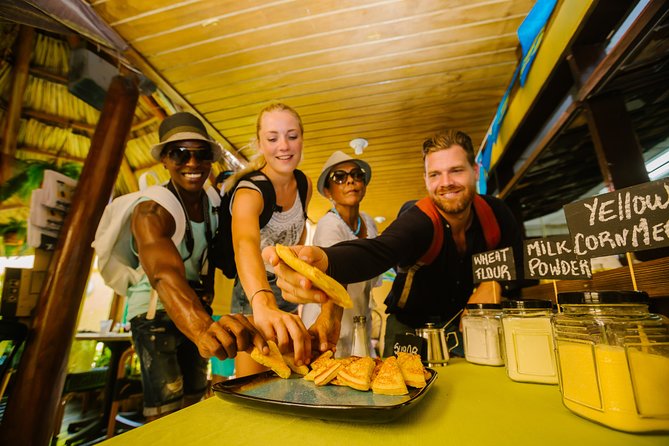
The first food stop is Coco Plum Restaurant, where you learn about and taste pan bati. This local snack is still widely eaten in Aruba, and the tasting gives the walk a welcome everyday angle.
Food is one of the best ways to make a place feel real. Forts and statues tell you about institutions. Pan bati tells you something about kitchens, habits, and ordinary meals. The portion is a tasting rather than a full meal, so eat breakfast before you arrive.
That advice is worth taking seriously. Aruba is hot, and the tour keeps moving outdoors. Starting hungry can make a warm walk feel much harder. The tour includes two tastings, but you should not use them as a substitute for breakfast.
Family homes, Main Street, and the streetcar
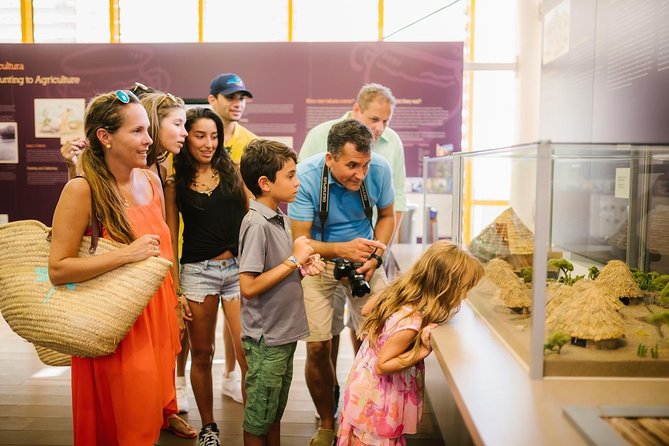
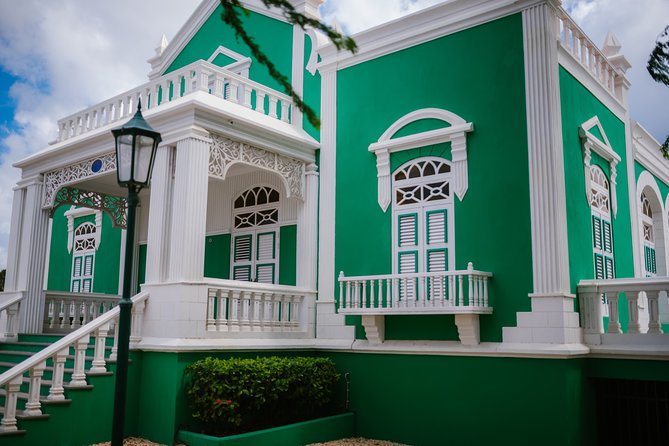
The route includes a short stop connected with one of Aruba’s iconic family mansions, built in the early 1900s. Your guide explains the romantic story behind its construction. This is the kind of detail you would likely miss while walking past the building alone.
You then move through Main Street, where the guide points out stores that have been present since 1928 and explains the streetcar or tram that passes through the area. This section connects old Oranjestad with the commercial center you see today.
One practical point: the route includes shopping streets, but it is not designed as a shopping excursion. You may have time to note stores for a later visit, but the group will keep to its schedule. One departure reportedly skipped part of the main shopping area, so if this section matters to you, ask your guide early how the route will run that day.
The tour also begins in front of one of Aruba’s early government buildings, a structure that has served several purposes and now houses local arts and crafts by accredited local artists. That stop helps explain how older buildings continue to serve the community instead of becoming empty scenery.
Parliament and the Protestant Church
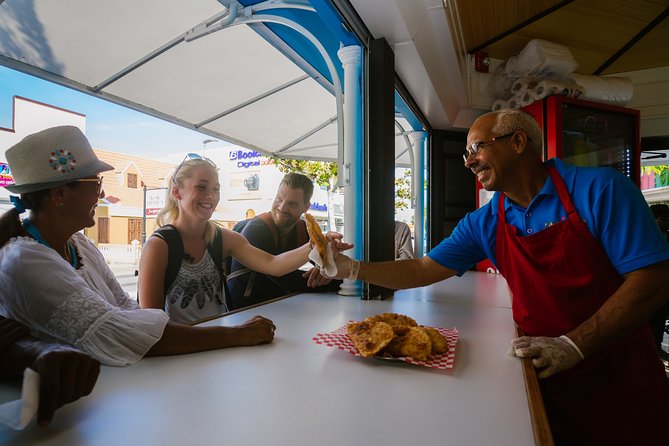
At Aruba Parliament, the guide explains the island’s political system and points out where local politicians debate laws and current affairs. This is a useful counterpoint to the usual vacation talk about beaches and resorts. Aruba has its own political structure, and this stop gives you a plain-language introduction.
Guides may bring strong opinions into political subjects. One departure became more political than some people preferred. I would expect lively discussion, but if you prefer a strictly neutral tour, keep that possibility in mind.
The Protestant Church is another brief stop, with about two minutes listed for the visit. You learn how Protestantism arrived in Aruba and why it is not the island’s largest religion. The church dates from the 1800s and adds an important religious layer to the walk.
Because the stop is short, do not expect a long look at the interior or time to study every detail. The strength is the explanation of how faith communities formed part of Aruba’s social story.
Havenstraat, breakfast customs, and a second tasting

Havenstraat brings the tour back to food. Here you hear what Arubans eat for breakfast and at parties, then get another local taste. This second sample is important because it makes the food portion of the tour feel intentional rather than incidental.
The exact experience can depend on the guide and the day. Most descriptions call for two tastings, while one dissatisfied participant received only one. If the food samples are a major reason for booking, confirm the plan with your guide at the start.
I like this part because it moves beyond restaurant recommendations. You are not simply told where to eat. You hear about the occasions and habits connected with the food, which gives the tasting more context.
Wilhelminastraat and ordinary residential Aruba
The walk leaves the main commercial streets for Wilhelminastraat, a residential road where you see how local people live. Your guide points out several notable houses, giving you a look at architecture that does not appear on the usual tourist checklist.
This is one of the tour’s more revealing sections. Downtown landmarks are easy to find in a guidebook. A residential street shows how the capital changes from business district to home neighborhood within a short walk.
The route stays within a small part of Oranjestad, which some people will see as a limitation. If you want to cover a large area, this is not the right activity. If you want to understand one part of town carefully, the compact route makes sense.
What the guides add to the walk
The guide can make or break this experience. Evy is described as warm, funny, thorough, and passionate about Aruba’s past. Marisa is praised for detailed explanations and a considerate manner. Wendell brings personal stories and high energy, while Milton has led interactive walks covering history and local government.
Yvonne has also led a friendly walk with useful information and welcomed water and snack stops. Hazel Milton has connected family stories with buildings, plants, religious groups, and Aruba’s changing relationship with the Netherlands.
These differences are normal for a multilingual, multi-guide operation. You are booking the route and the format, not one guaranteed personality. Still, the repeated strength of the best departures is clear: the guide turns buildings into stories rather than simply naming them.
Heat, pace, group size, and practical comfort
The group can reach 20 people. That is small enough for a more personal walk, though a larger group may make questions and museum viewing less easy. The route lasts about two and a half hours, but one departure ran an hour longer, so avoid scheduling a tight connection afterward.
The walk operates in all weather. Wear comfortable walking shoes, light clothing, and protection from the sun. The most important advice is to do this in the morning, eat breakfast first, and carry water. Several departures found the heat to be the chief challenge, even when the walk itself was gentle.
Most people can participate, and service animals are allowed. The route is near public transportation, and selected accommodations may offer pickup. Cruise passengers need to pay close attention to booking rules: Carnival, Holland America, Princess, and P&O passengers must book through the ship’s website or onboard. Other cruise passengers must provide ship and port timing details when booking.
The tour ends back at Cosecha. Free cancellation is available up to 24 hours before the start time. Changes or cancellations inside that window are not accepted for a refund.
Is $45 a fair price?
At $45 per person, this is not the cheapest way to look around Oranjestad, since you can walk the center on your own. The price makes more sense if you value a local guide, the two tastings, and included entry to Fort Zoutman and the Archaeological Museum when open.
You are also paying for the route design. The tour links places that might otherwise feel scattered: a fort, park, museum, church, Parliament, food stops, shops, and residential streets. For a first visit, that can save time and help you decide where to return.
The value drops if you want long museum visits, extensive shopping time, or a tour across the island. It also drops if your guide arrives late, shortens the route, or omits one of the tastings. Ask at the beginning what the day’s route includes so your expectations match the actual walk.
Who should book this Oranjestad walk?
I would choose it for a first morning in Aruba, especially if you want local context before spending the rest of your trip at the beach. It suits people who enjoy architecture, politics, religion, food, and small stories about how a town works.
It is also a good match for cruise passengers with enough time after disembarkation, provided the ship’s booking rules are followed. Families and older walkers may appreciate the gentle pace, but the heat and steady time on your feet still require preparation.
I would skip it if you have only a narrow port window, dislike group walks, or want a major museum experience. You may also prefer an island-wide bus tour if your priority is seeing many different parts of Aruba rather than getting to know central Oranjestad.
Should you book it?
Book this tour if you want Oranjestad explained by a local voice, with food, government, religion, archaeology, and everyday neighborhoods included. The strongest guides make the morning feel personal, and the two tastings add real flavor to what could otherwise be a standard sightseeing loop.
Go early, eat first, wear good shoes, and leave room in your schedule in case the walk runs long. At $45, it is a fair buy for an introduction to Aruba’s capital, but only if you value stories and local context more than extensive museum time or island-wide sightseeing.
FAQ
How long does the Aruba Downtown Historic and Cultural Walking Tour last?
The tour is scheduled to last approximately two hours and 30 minutes. One departure lasted about an hour longer, so avoid booking another activity immediately afterward.
Where does the tour start and end?
It starts at Cosecha Aruban Craft Design & Heritage, Zoutmanstraat 1, in Oranjestad. The activity ends back at the meeting point.
What time does the walking tour begin?
The listed start time is 9:00 am. Starting in the morning helps you avoid the strongest heat.
Are museum entrance fees included?
Entrance to Fort Zoutman Historical Museum and the National Archaeological Museum Aruba is included when those museums are open. The visits may be brief, with about 10 minutes planned at each stop.
Are food tastings included?
Yes. The tour includes two local tastings. One is pan bati at Coco Plum Restaurant, and another takes place around Havenstraat, where the guide discusses local breakfast and party foods.
What should I bring or wear?
Wear comfortable walking shoes and clothing suited to warm weather. Eat breakfast before the tour because the heat and walking may cause discomfort if you start hungry.
New routes in the world
- Baltimore Walking Foodie Tour in Fells Point★ 5.0 · 182 reviews
- Baku Oil Heritage & Old Town Walking Tour★ 5.0 · 232 reviews
- Baku Walking Tour (Old City)★ 5.0 · 127 reviews
- The Madam’s Curse Walking Ghost Tour★ 4.5 · 103 reviews
- Austin Small Group Morning Walk★ 5.0 · 412 reviews
- Austin Haunted Pub Crawl Walking Tour★ 4.5 · 232 reviews
- Austin Downtown Private Walking Food Tour With Secret Food Tours★ 5.0 · 71 reviews
- Austin Murder Walk★ 5.0 · 310 reviews
Cultural Walking Tours, compared.
Savannah First Squares Culinary & Cultural Walking Food Tour
Read our review →
Tokyo Tsukiji Fish Market Food and Culture Walking Tour
Read our review →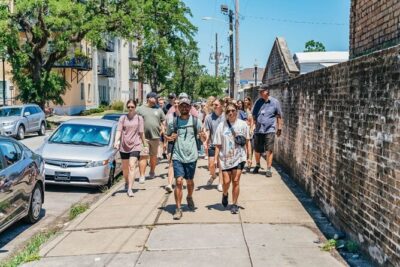
New Orleans French Quarter, Voodoo and Culture Walking Tour
Read our review →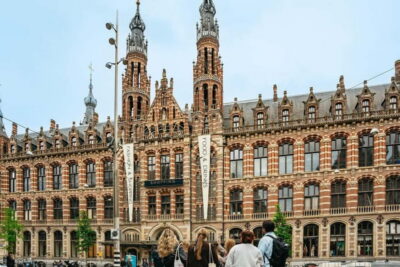
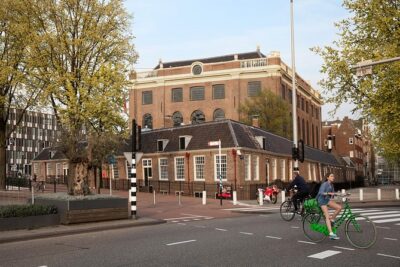
Anne Frank Walking Tour Amsterdam Including Jewish Cultural Quarter
Read our review →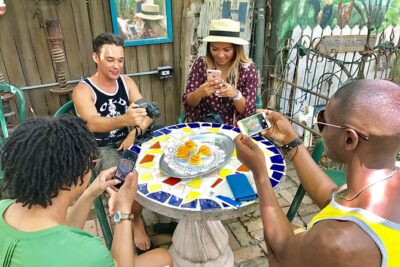
Southernmost Food & Cultural Walking Tour by Key West Food Tours
Read our review →
Ultimate Melbourne Walking Tour: History, Laneways & Culture
Read our review →
Browse the lists this tour appears in