
Review · COOKING CLASSES
Tokyo: Tsukiji Market Walking Tour & Sushi Cooking Class
Tsukiji is at its best when you have someone to explain what you are seeing. On this three-hour outing, you spend about 70 minutes among the stalls of the Tsukiji Outer Market, then learn to prepare several Japanese dishes at ABC Cooking Studio. The market supplies the context, and the cooking class gives you something useful to take home.
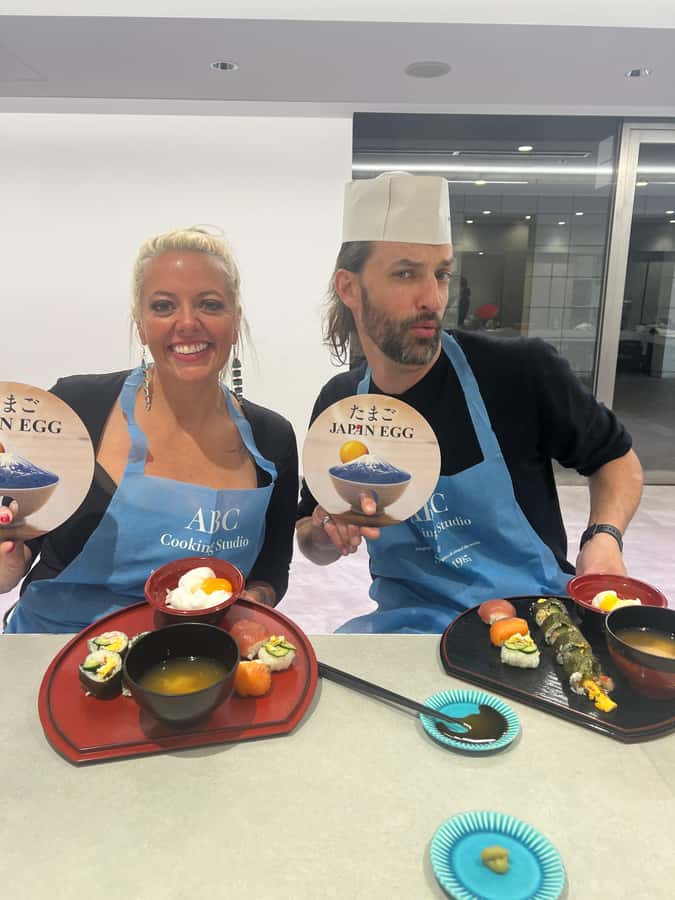
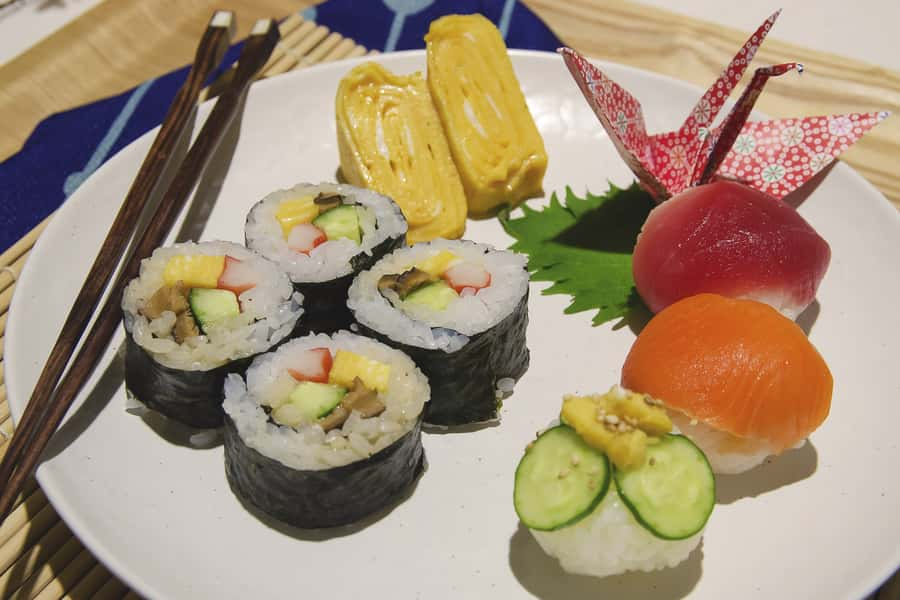
I like the small maximum of six people, which makes it easier to ask questions and work directly with the instructor. I also like the full meal at the end: temari sushi, maki sushi, tamagoyaki, and miso soup are not just demonstrations, but food you prepare and eat. The main limitation is time. Several guides, including Aki, Akiko, Takeshita, and Lucy, have been praised for making the market easy to understand, but many people wish they had longer there.
Key points at a glance
- Start at Tsukiji Hongwanji Temple: Meet your English-speaking guide at the main gate, just one minute from Tsukiji Station.
- See the Outer Market, not the wholesale auction: Expect food shops, seafood stalls, kitchen goods, and ready-to-eat treats, but no tuna auction or wholesale market visit.
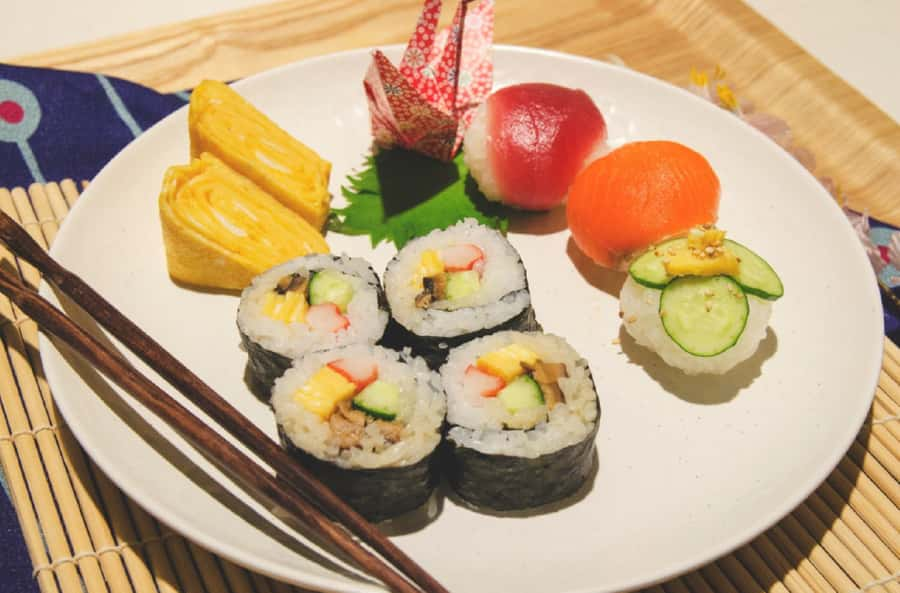
- Make four Japanese dishes: The class covers temari sushi, maki sushi, tamagoyaki, and miso soup.
- Learn in a tiny group: The maximum is six people, and the minimum is two.
- Eat what you prepare: Your cooking becomes lunch, with drinking water provided at the studio.
- Allow for a quick pace: The whole experience lasts three hours, so market browsing and tasting time is limited.
Meeting at Tsukiji Hongwanji Temple
The tour begins at the main gate of Tsukiji Hongwanji Temple, at 3-15-1 Tsukiji, Chuo, Tokyo. Your guide holds a sign with your name, which helps in the busy area and avoids a vague meeting point.
The location is easy to reach. Tsukiji Station on the Hibiya Metro Line is about a one-minute walk from Exit 1, or two minutes from Exit 2. Tsukijishijo Station on the Oedo Line is about seven minutes away from Exit A1, heading toward St. Luke’s Hospital.
I would arrive a little early. You will need comfortable shoes, and the walk takes place around working food stalls, narrow passages, and busy shopfronts. Large bags, luggage, strollers, and pets are not allowed, so leave your main suitcase at your hotel.
The temple is more than a practical landmark. It gives you a clear place to meet before moving into the market, and it helps you spot the guide before the tour begins. English is the tour language, and the small format means you should have room to ask about ingredients, Japanese food customs, or anything that catches your eye.
More Market Walking Tours in Japan
- Tokyo Tsukiji Fish Market Food and Culture Walking Tour
★ 5.0 · 3,184 reviews - Tokyo: Tsukiji Fish Market Food and Walking tour
★ 5.0 · 1,724 reviews - Tokyo: Tsukiji Fish Market Guided Walking Tour
★ 4.9 · 1,397 reviews
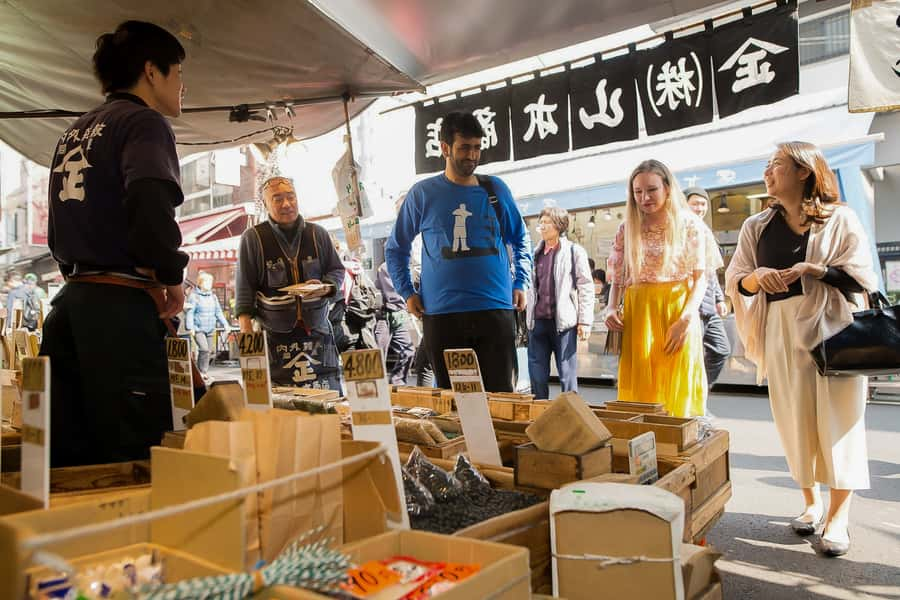
Walking through the Outer Market for about 70 minutes
Tsukiji’s wholesale inner market moved to Toyosu in 2018, but Tsukiji Outer Market remains open as a busy shopping and eating district. This tour is specifically about the Outer Market. You do not visit the tuna auction or the wholesale fish market, so set your expectations correctly before booking.
The Outer Market is a mix of seafood sellers, food counters, small shops, and businesses connected to Japanese cooking. Your guide helps you read the scene instead of simply leading you down a street. The useful part is the explanation: what different stalls sell, how seafood fits into Japanese meals, and which unfamiliar products deserve a closer look.
Past guides have included Aki, Akiko, Takeshita, Lucy, Naomi, and Nobu. The names change by departure, but the pattern is clear: the guide is the person who turns a confusing market visit into a lesson in Japanese food. Akiko has been praised for helping people navigate the stalls and try different foods. Lucy was singled out for explaining the products in detail. Takeshita was appreciated for being friendly and informative.
You might find seafood and prepared food along with vegetables, seasonings, snacks, and cooking tools. The supplied information does not promise a set tasting menu, so do not book this as an all-you-can-eat food crawl. Still, coming hungry makes sense if you want to sample something at the market, and you should budget extra money for anything you buy.
The strongest criticism is also the most practical one: 70 minutes goes quickly. Tsukiji can keep you occupied for much longer, especially if you stop to look at each stall or want to eat. The guide gives you structure, but the schedule does not leave much time for independent browsing.
Some people may also find the Outer Market more commercial than expected. If you are hoping for the working wholesale market shown in older photographs, this is not that experience. The current tour gives you a public market visit, with food culture and shopping rather than access to the auction floor.
From market ingredients to the ABC Cooking Studio
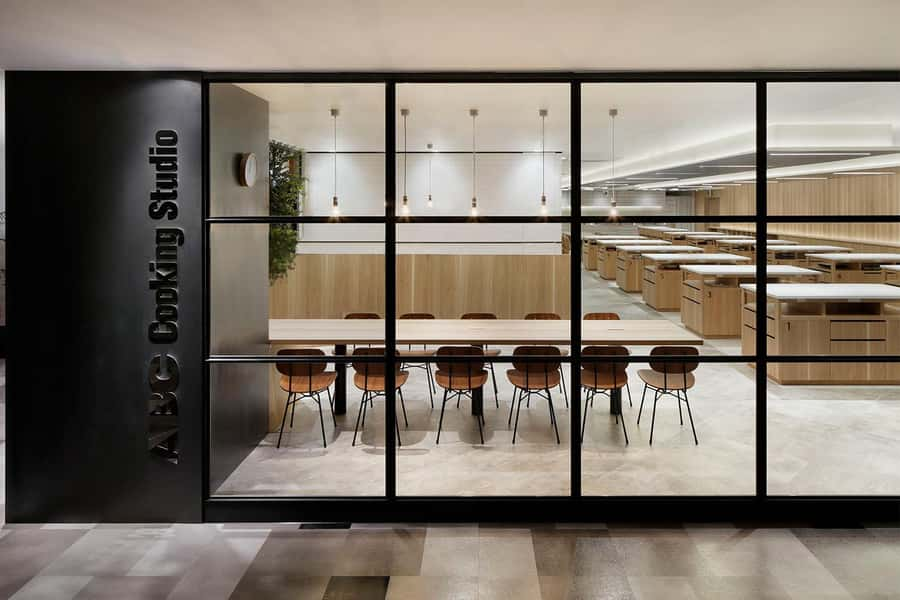
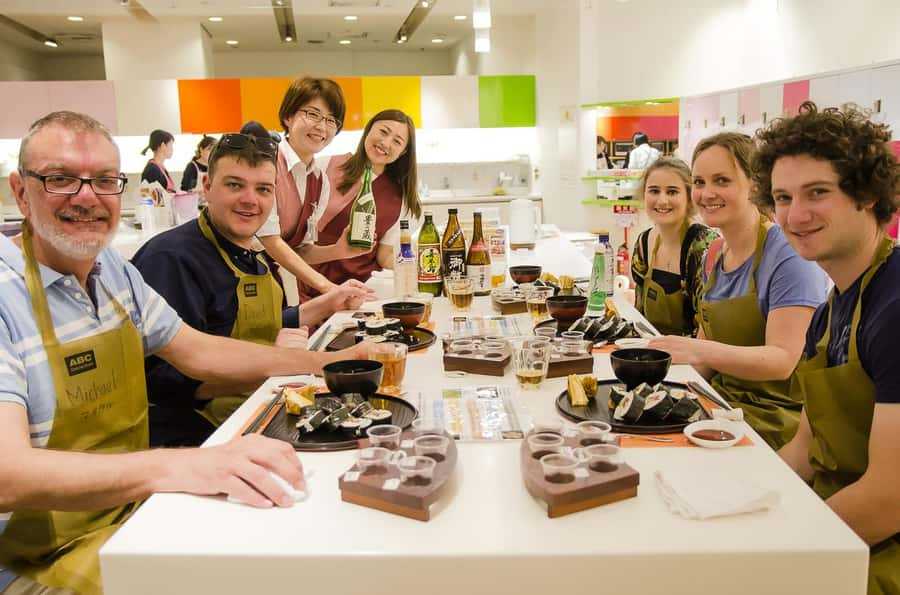
After the market walk, you continue to one of Asia’s largest cooking schools, ABC Cooking Studio. The change of setting is part of the appeal. You have just seen ingredients and food shops in their market setting, and now you use Japanese cooking methods in a proper class.
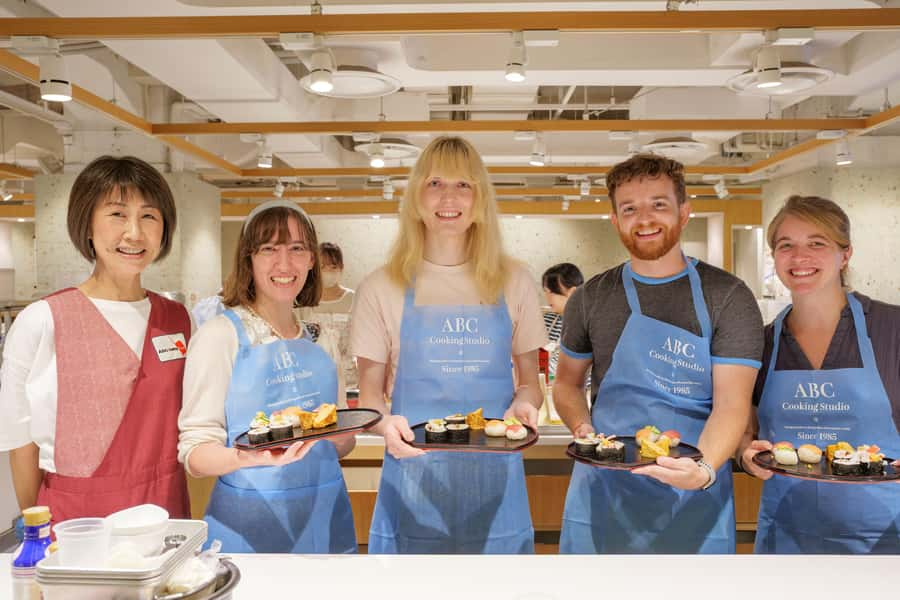
The cooking lesson is taught by a professional instructor. Past classes have been led by instructors such as Megumi, Miwa, Kiko, Yukari, Hiroko, Hitomi, Keiko, and Hatsuko. The instructor demonstrates the techniques, then guides you through the preparation.
The small group size matters here. With no more than six people, you are not lost in a large demonstration. You can watch how the instructor handles the rice, egg, soup, and sushi, then ask for help when your shape or technique needs correcting.
The pace can feel brisk. One person described the class as fun but somewhat rushed and less hands-on than expected. That is worth noting, especially if you have taken long cooking workshops before. This is a compact introduction rather than a full culinary course, and the three-hour schedule includes the market walk.
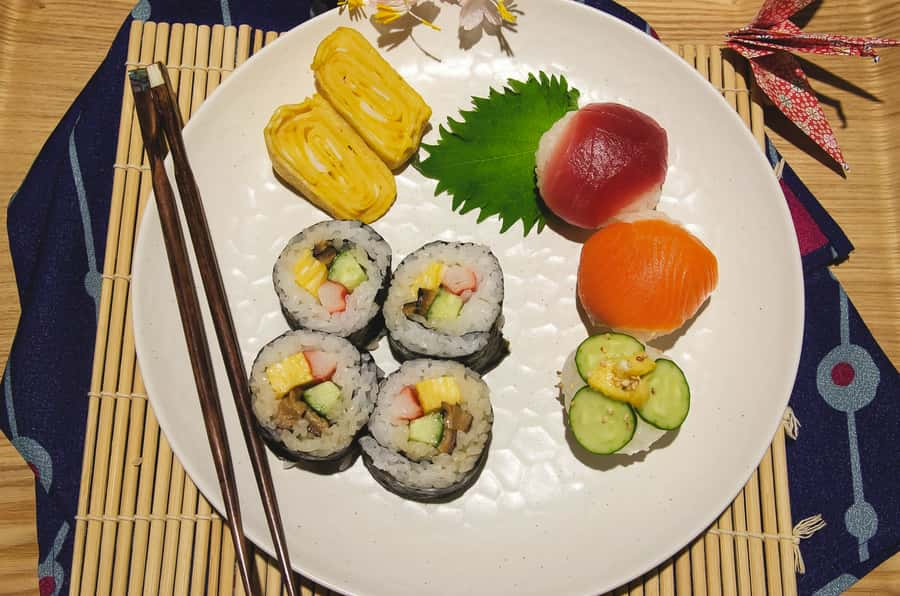
Making temari sushi, maki sushi, tamagoyaki, and miso soup
The menu gives you a good sample of everyday Japanese cooking.
Temari sushi is ball-shaped sushi. Its neat, rounded form makes it approachable for beginners and different from the familiar long roll. It also gives you a chance to think about presentation, which is an important part of Japanese meal preparation.
Maki sushi is rolled sushi. You learn the basic process of arranging the ingredients and rolling the sushi into a firm shape. The lesson is not only about taste. It is about getting the rice and fillings into a form you can slice and serve.
Tamagoyaki is Japanese rolled omelet. This is often the dish that requires the most patience because the egg is built in layers and rolled as it cooks. The class gives you a chance to practice a technique that many home cooks find tricky at first. One person enjoyed the lesson enough to plan to buy a tamago pan for home use.
Miso soup rounds out the meal. It is a simple dish, but it shows how a Japanese lunch can combine soup, rice, seafood or other fillings, and egg into a balanced spread.
The ingredients may change with the season and with what is available. The finished dishes may therefore differ from the photos used to promote the experience. That is normal for a food class, but you should not expect an identical menu on every date.
You receive a digital recipe after the class, which adds real value. You can try the dishes again at home instead of leaving with only a few photographs. You also receive a digital certificate, though the recipe is likely to be the more useful souvenir.
More Market Walking Tours in Tokyo
- Tsukiji Fish Market Small-Group Food Walking Tour
★ 5.0 · 621 reviews - Tokyo: Guided Walking Tour of Tsukiji Market with Breakfast
★ 4.4 · 134 reviews
Eating your own lunch at the end
The final step is simple and satisfying: you sit down and eat what you made. This gives the class a clear purpose. You are not preparing decorative samples that disappear into the kitchen. Your work becomes lunch.
The meal includes the dishes prepared during the class, and drinking water is provided at the cooking studio. Because the food is your own creation, small imperfections become part of the fun. A slightly uneven roll still tastes good, and a lopsided tamagoyaki becomes a reminder of what you learned.
The lunch also helps connect the market and the class. At Tsukiji, you see the ingredients as products in a busy food district. At the studio, you handle them as part of a meal. That link makes the experience more useful than a cooking class with no market context.
Do not expect a restaurant-style tasting course or a large meal beyond what you prepare. If you are very hungry, you might want to eat something before or after the activity, especially since market tasting is not guaranteed and the class moves at a set pace.
Is $96 a fair price?
At $96 per person, this is not the cheapest way to walk around Tsukiji or learn to roll sushi. You could visit the Outer Market independently and pay only for what you eat. You could also find shorter cooking demonstrations at a lower price.
The value comes from combining four services in one booking: an English-speaking guide, a small market tour, a professional cooking class, and lunch. The apron, drinking water, digital recipe, and digital certificate are included as well.
For me, the price makes the most sense if you want help understanding Tsukiji and prefer a planned class rather than arranging two separate activities. The small group also improves the value. A large food tour can leave you standing at the back, while six people gives the guide and instructor more time to interact with you.
The price makes less sense if your main goal is unhurried market shopping. In that case, visit Tsukiji independently and give yourself several hours. It is also less appealing if you already cook sushi and tamagoyaki confidently. The class is aimed at learning basic methods, not advanced technique.
Who will enjoy this experience most?

This is a good match for first-time visitors who want Japanese food explained in plain English. You get a guided introduction to one of Tokyo’s best-known food districts, then learn dishes you can attempt again at home.
Families can also enjoy it. The minimum age is nine, and one family with children aged 11, 13, and 15 had a good experience. The height minimum is 4 feet 3 inches, or 130 centimeters, so check that requirement carefully for younger children.
The experience suits couples, friends, and solo participants who enjoy working with their hands. The group requires at least two people to operate, with a maximum of six, so a solo booking depends on another participant joining.
It is not suitable for wheelchair users, children under nine, people below the height requirement, or people who cannot manage a walking tour and cooking session. It is also not recommended for people with back or heart problems, pregnant people, or anyone with other serious medical conditions.
Wear comfortable clothes and shoes. The activity requires good weather because of the market walk. If poor weather or another unavoidable problem cancels the activity, a full refund is available. You can also cancel up to 24 hours before the start for a full refund, or reserve now and pay later to keep your plans flexible.
Should you book the Tsukiji and sushi class?
Book it if you want a compact food experience with both context and practice. The best features are the six-person limit, the friendly English-speaking guides, and the chance to sit down to a lunch you prepared yourself.
Skip it if you want a long, independent visit to Tsukiji or access to the inner wholesale market. The Outer Market is public and more commercial, and 70 minutes is not enough for every shop, snack, and side street.
For most first-time Tokyo visitors who enjoy food, this is a well-balanced half-day activity. Arrive ready to walk, leave your luggage behind, and accept that the market portion will feel short. In return, you get a clear introduction to Tsukiji and four practical dishes to try again after you return home.
FAQ
Where does the tour meet?
Meet your guide in front of the main gate of Tsukiji Hongwanji Temple at 3-15-1, Tsukiji, Chuo, Tokyo. The guide will hold a sign with your name.
How do I reach the meeting point by metro?
Tsukiji Station on the Hibiya Metro Line is about a one-minute walk from Exit 1, or two minutes from Exit 2. Tsukijishijo Station on the Oedo Line is about seven minutes from Exit A1.
Does the tour visit the tuna auction?
No. The tuna auction is not included.
Does the tour visit the inner wholesale fish market?
No. The experience visits the Tsukiji Outer Market. There is no tour of the inner wholesale fish market.
How long do I spend at the Outer Market?
You may spend around 70 minutes at the Outer Market before continuing to the cooking school.
What dishes do I make?
The class includes temari sushi, maki sushi, tamagoyaki, and miso soup. Ingredients can change based on the season and availability.
Is lunch included?
Yes. You eat the dishes you prepare during the cooking class. Drinking water at the cooking studio is also included.
How many people can join the tour?
The minimum is two participants, and the maximum is six.
Is the experience suitable for children?
The minimum age is nine, and the minimum height is 4 feet 3 inches, or 130 centimeters. It is not suitable for children below either requirement.
More Hands-On Stops in Tokyo
- Brussels Chocolate Walking Tour and Workshop
★ 4.5 · 885 reviews - Brussels: Chocolate Workshop and Guided Walking Tour
★ 4.6 · 263 reviews
More Cooking Stops in Tokyo
- Cape Town: Bo-Kapp Walking Tour and Malay Cooking Class
★ 4.7 · 105 reviews - Budapest: Hungarian Cooking Class and Market Walk
★ 5.0 · 91 reviews - Naxos: Food Walking Tour & Cooking Class with Meal & Drinks
★ 4.9 · 86 reviews
New routes in Tokyo
- Tokyo: Shinjuku Nightlife & Secret Backstreets Walking Tour★ 4.8 · 229 reviews
- Tokyo: Shinjuku Bar Hopping & Night Walking Tour★ 4.6 · 137 reviews
- Tokyo: Dark Side of Tokyo Shinjuku Red Light Walking Tour★ 4.7 · 862 reviews
- Tokyo: Shibuya Highlights Walking Tour★ 4.8 · 601 reviews
- Tokyo: Shibuya Crossing & Hidden Streets Walking Tour★ 4.8 · 128 reviews
- Tokyo: Shibuya Highlights Walking Tour & Secret View Spot★ 4.9 · 196 reviews
- Tokyo: Private Custom Walking Tour with Local Guide★ 4.9 · 350 reviews
- Tokyo: Meiji Shrine Walking Tour — Shinto & Imperial System★ 4.9 · 266 reviews
Cooking Classes, compared.
Cape Town: Bo-Kapp Walking Tour and Malay Cooking Class
Read our review →

Naxos: Food Walking Tour & Cooking Class with Meal & Drinks
Read our review →Browse the lists this tour appears in