
Review · ROME
Rome: City Highlights Walking Tour
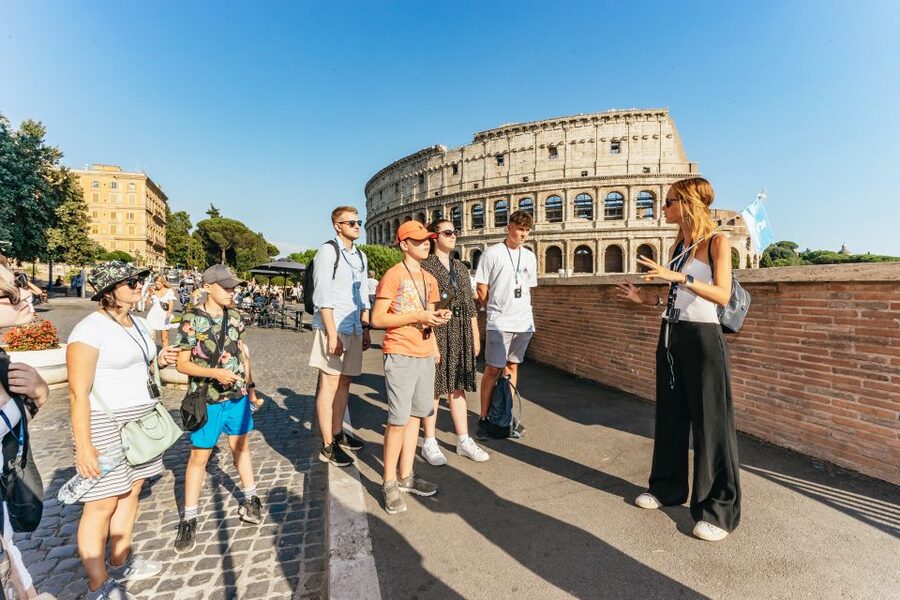
Rome’s great trick is how quickly one street can carry you from ancient Rome to Baroque Rome, then into a neighborhood shaped by centuries of Jewish life. This 2.5-hour walking tour follows that story from Trajan’s Market to the Trevi Fountain, with plenty of famous stops in between.
I like the small-group feel reported by several guests, and I like that guides such as Brian, Fabio, and Monica explain the city rather than simply point at monuments. The route also includes the Jewish Ghetto, a welcome change from a greatest-hits stroll. The catch is simple: you walk a lot, and every monument is viewed from outside.
Key points at a glance

- Trajan’s Market begins the story: Start beside one of ancient Rome’s most impressive surviving commercial complexes.
- The route covers Rome’s essential center: See Piazza Venezia, Campo de’ Fiori, Piazza Navona, the Pantheon, Hadrian’s Temple, and Trevi Fountain.
- The Jewish Ghetto adds depth: This 16th-century district brings a different side of Rome into the tour.
- Guides make the difference: Brian received especially strong praise for his storytelling, humor, answers, and easy manner. Fabio and Monica were also singled out for warm, clear guiding.
- No interior admissions are included: You see and discuss the monuments from the street, so this works best as an introduction, not a replacement for museum visits.
- Plan for sun and pavement: Bring water, sunscreen, weather-appropriate clothing, and comfortable clothes and shoes.
Rome in one long, useful walk
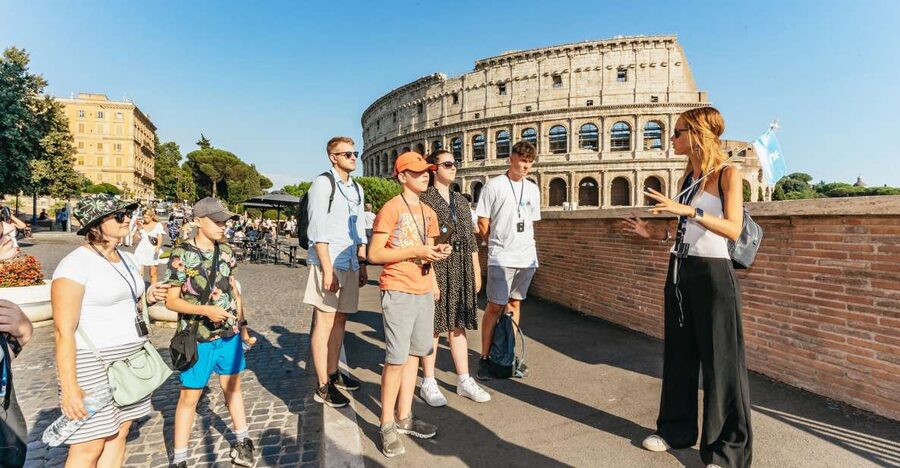
This tour is designed to help you make sense of central Rome before you spend days exploring it on your own. The route links ancient ruins, political monuments, Jewish history, market life, Baroque fountains, and two of the city’s most famous buildings.
At $41 per person, the value depends on what you want. You are not paying for entry tickets, transportation, or a meal. You are paying for a live English-speaking guide who connects the sights and keeps the city from becoming a blur of marble, columns, and crowded squares.
That matters in Rome. A monument can look impressive while its story slips past you. A good guide gives you the basic dates, explains why the building is there, and points out details you would likely miss while trying to cross a busy street. The strongest feedback here focused on that human element, especially Brian’s ability to answer questions, keep a good pace, and make complicated history easy to follow.
The tour lasts 2.5 hours, so it is long enough to cover a great deal without taking up an entire day. You will still need time later if you want to enter the Pantheon or visit other sites from the inside.
More City Highlights Walking Tours in Italy
- Rome: Guided City Center Evening Sightseeing Walking Tour
★ 4.4 · 953 reviews - Rome: Small-Group City Highlights Moonlight Walking Tour
★ 4.9 · 949 reviews - Rome: Guided Small Group Walking Tour of City Highlights
★ 5.0 · 682 reviews
Starting at Trajan’s Market
The meeting point is at Colonna Traiana 84, beside Trajan’s Market. Look for a guide holding a sign or flag with the City Walkers logo. One useful practical point: the meeting spot may not be immediately obvious, so allow time to find it rather than arriving at the last minute.
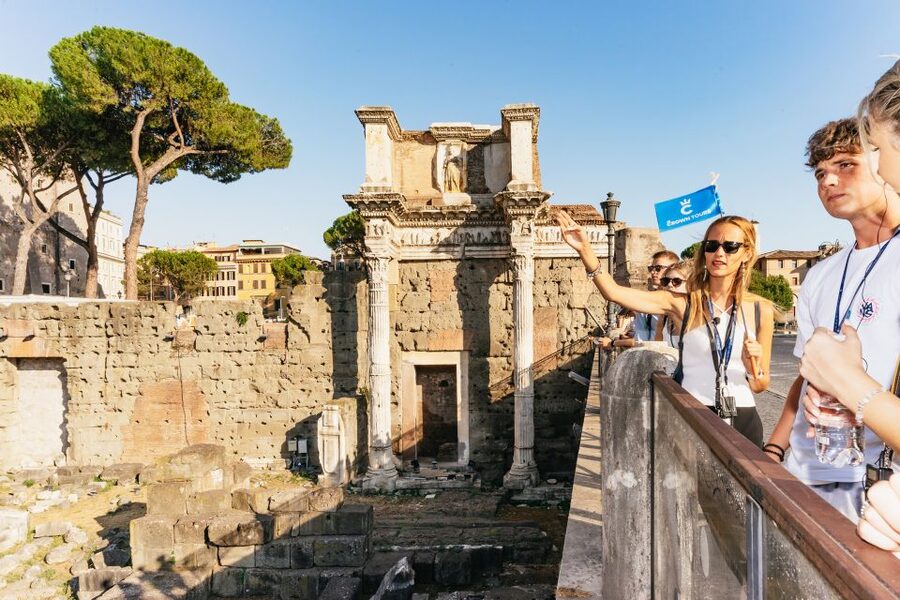
Trajan’s Market is a strong place to begin. Built in the second century AD, it gives you an early look at Roman construction and urban planning. This was not just a single shop. It was a large complex built into the slope of the Quirinal Hill, with several levels and a curved brick facade.
The stop also sets up one of the tour’s recurring themes: Rome is built in layers. Ancient structures, medieval streets, Renaissance projects, Baroque decoration, and modern traffic all occupy the same small area. A guide can help you read those layers instead of seeing only isolated ruins.
The walking begins here, so wear shoes that can handle uneven streets. The route is not suitable for people with mobility impairments, and the pace includes a good deal of walking.
Piazza Venezia and the Victor Emmanuel monument
From Trajan’s Market, the route moves toward Piazza Venezia, one of Rome’s major traffic and meeting points. The square is dominated by the Monument to Victor Emmanuel II, the huge white structure dedicated to the first king of unified Italy.
The monument can divide opinion. Some people admire its scale and bright white stone, while others find it oversized beside the older buildings. Either way, it is useful for understanding modern Italian history and the way national symbols were placed in the old center of Rome.
This is also a handy orientation stop. From here, you are close to ancient forums, the Capitoline Hill, the Jewish Ghetto, and several major shopping and dining streets. Your guide will explain the buildings and political history from outside, but remember that the tour does not include entry into the monument or nearby attractions.
One practical note comes from the meeting-point advice: the Victor Emmanuel monument is much easier to spot than the exact address at Trajan’s Market. If you are struggling to find the group, keep an eye out for the City Walkers sign or flag rather than relying only on a general map pin.
The Jewish Ghetto’s quieter story
The walk then turns toward Rome’s Jewish Ghetto, an area dating from the 16th century. This portion gives the tour more weight than a route focused only on fountains and famous facades.
The district’s history is difficult and important. The term ghetto refers to the restricted area where Rome’s Jewish community was forced to live for centuries. The neighborhood’s streets and buildings carry a different mood from the grand squares nearby, and the guide’s explanation helps place the area within Rome’s wider religious and political past.
This stop may appeal most if you want more than a checklist of famous sights. One guest felt that the Jewish section received a little more explanation than necessary, so the balance can depend on your interests and your guide. If your main goal is ancient architecture and Baroque art, you may prefer the later stops. If you want a broader picture of Rome, this is one of the route’s most worthwhile additions.
The Jewish Ghetto also offers a welcome change of scale. Rome can feel dominated by giant monuments. Here, you get closer to neighborhood life and the human stories that shaped the city.
More City Highlights Walking Tours in Rome
- Rome: City Highlights Walking Tour
★ 4.6 · 368 reviews - Rome Highlights & Hidden Gems Guided Walking Tour
★ 4.8 · 280 reviews - Highlights of Jewish Ghetto And Trastevere Walking Tour
★ 4.8 · 233 reviews - Rome: Piazza del Popolo and City Sights Free Walking Tour
★ 4.8 · 83 reviews
Campo de’ Fiori and everyday Rome
Next comes Campo de’ Fiori, a square known for its street market. Depending on the time and day of your tour, you might see stalls selling food, flowers, souvenirs, and other goods. The square is more than a market stop, though. It is one of those Roman places where daily life, tourism, politics, and history share the same pavement.
A guide can help you notice how the square differs from Piazza Navona. Campo de’ Fiori feels more commercial and lived-in, while Piazza Navona is shaped by grand Baroque design. The contrast makes the walk more interesting.
This is a good place to keep your expectations realistic. The tour may pass through the market rather than give you a long period to shop. If you want to browse every stall or buy food, plan to return later. The guide’s job here is to place the square in context and keep the route moving.
Piazza Navona’s Baroque theater
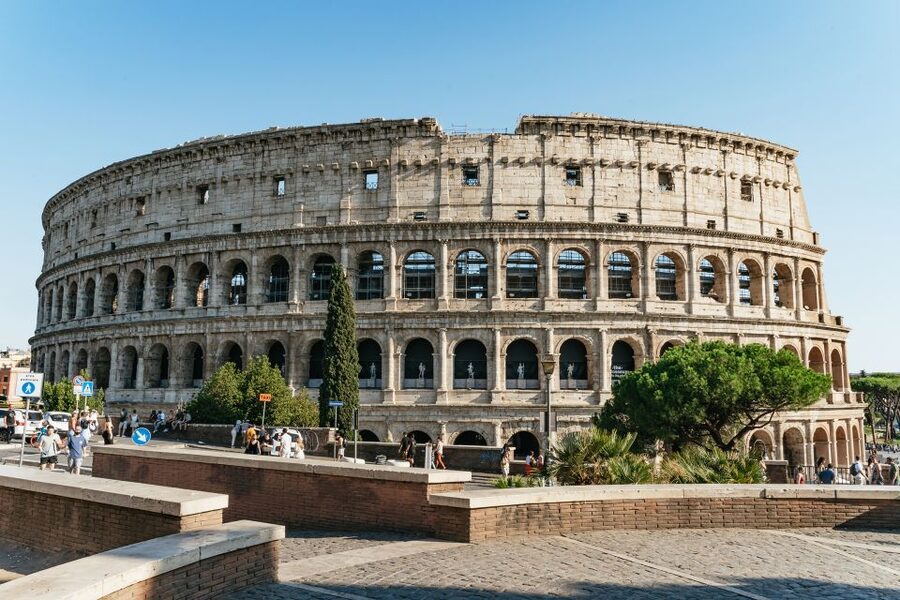
Piazza Navona is one of Rome’s most rewarding outdoor stops. Its long, oval shape follows the footprint of an ancient Roman stadium, while the buildings and fountains around it create one of the city’s grandest Baroque spaces.
The centerpiece is Bernini’s Fountain of the Four Rivers. Its sculpted figures and dramatic design give your guide plenty to explain, including the way the fountain represents major rivers from different parts of the world. One guest specifically singled out the story of the Four Rivers fountain as the best part of the tour.
This stop shows why a live guide can be useful even if you already know the name Bernini. The fountain is easy to photograph, but its symbols and rivalries are less obvious. The guide can point out the figures, the obelisk, and the relationship between the fountain and the surrounding church.
Piazza Navona is also a natural pause in the route, although the tour information does not promise a formal break. Bring water from the start. Rome’s sun can be tiring, especially during warmer months, and there is no reason to wait until you are thirsty.
The Pantheon from the outside
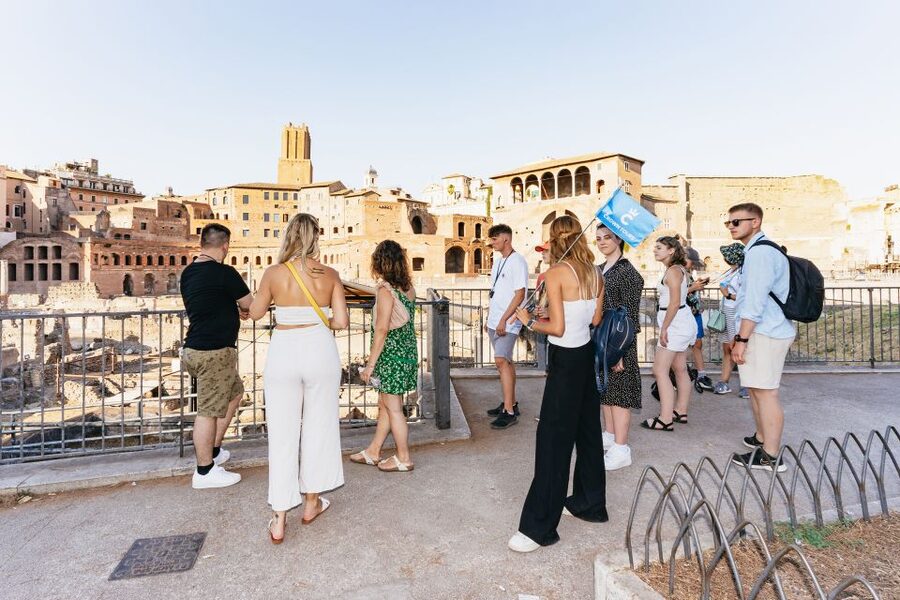
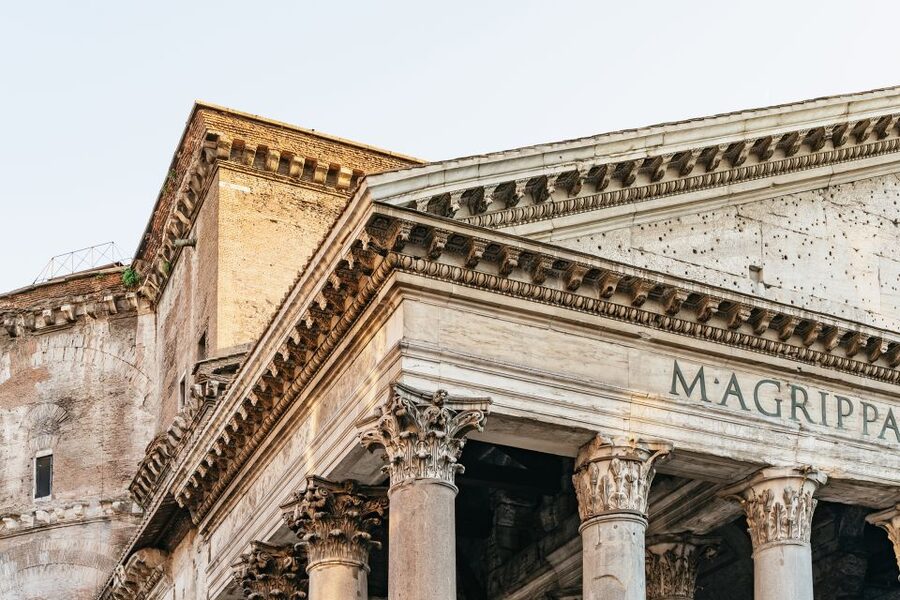
The Pantheon is one of the best-preserved ancient Roman buildings, and it is one of the tour’s major highlights. From the square, you can study the grand portico, its massive columns, and the inscription across the front.
The building’s survival is part of its story. It was reused over the centuries, which helped protect it while many other ancient structures were dismantled or altered. Your guide will explain its Roman origins and later life, but this tour does not include entry.
That limitation matters. The Pantheon’s interior is famous for its vast dome and central opening, so you may want to return on your own if time and admission arrangements allow. Think of this stop as a strong introduction and orientation, not the full Pantheon experience.
I like the outside explanation because it keeps the tour moving and avoids turning a broad city walk into a line of admission checks. Still, if the Pantheon is high on your list, set aside separate time for it.
Hadrian’s Temple and the smaller details
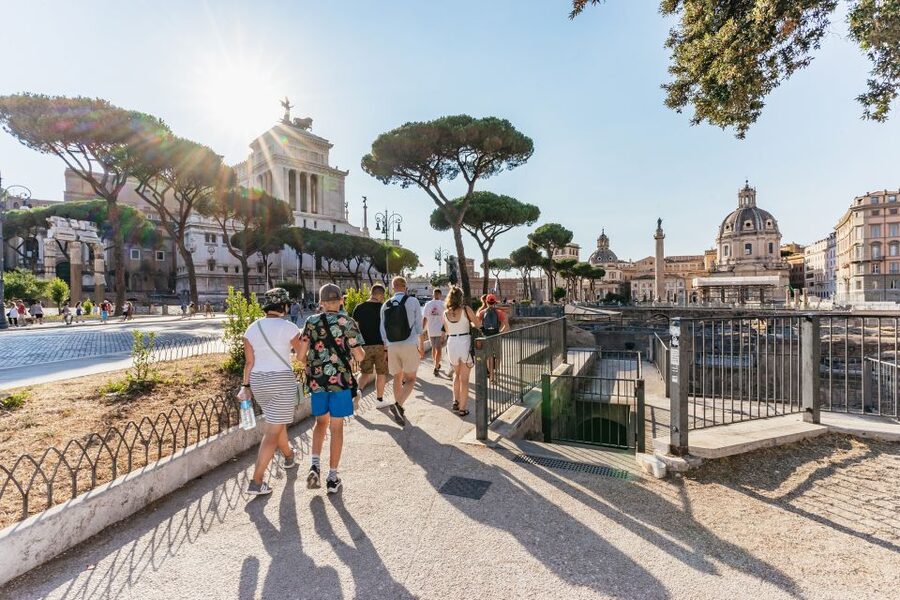
The route continues to Hadrian’s Temple, described as the last of the great temples built in the city. Today, you see the surviving columns integrated into a later building, a typical Roman reminder that old stone was often reused rather than preserved as a separate monument.
This is the kind of stop that can pass unnoticed when you walk alone. The columns are not as famous as the Pantheon or Trevi Fountain, but they help explain how Rome changed over time. Ancient ruins were not always treated as museum pieces. They became walls, foundations, churches, and offices.
Several guests valued the tour’s attention to Roman construction, brickwork, and architecture. That suggests this route should suit you if you enjoy understanding how buildings were made, not just collecting photographs of them.
Ending at the Trevi Fountain
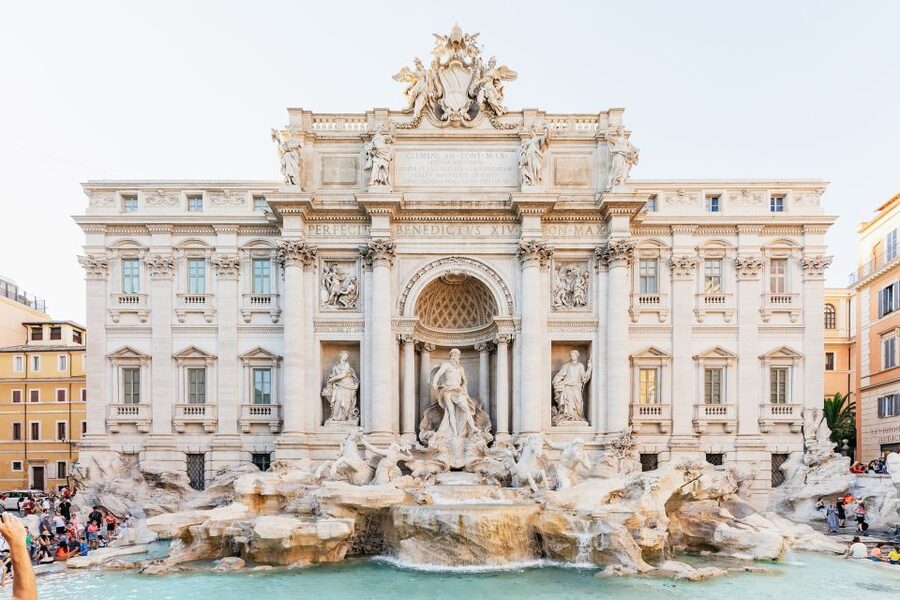
The tour finishes at the Trevi Fountain, the grand Baroque fountain that has become one of Rome’s best-known symbols. Its theatrical design, falling water, statues, and tight urban setting make it a fitting final stop.
Ending here is practical. You finish near one of the city’s major sights, with a better sense of how it connects to the rest of central Rome. You can stay for photographs, return at a quieter time, or use the nearby streets to continue exploring.
Trevi is usually crowded, and this tour cannot control the number of people around the fountain. The guide can explain its design and history, but you should expect a public square rather than a peaceful private viewing. That is part of the deal with Rome’s most famous places.
The finish also gives the route a satisfying arc. You begin with ancient engineering at Trajan’s Market and end with Baroque spectacle at Trevi. In between, you pass through political Rome, Jewish Rome, market Rome, and the Rome of grand fountains and churches.
The guides and the pace
The guide is the main reason to choose this experience over an audio guide. Brian received especially warm praise for his storytelling, humor, patience, and ability to answer questions. Multiple guests described him as easy to talk to and good at making Rome understandable, including for families with children aged seven to fifteen.
Fabio was also described as friendly, reassuring, and attentive, while Monica was praised for clear English and making sure the group enjoyed the time. Guides can vary, but the consistent picture is of a personal tour rather than a scripted march from one photo stop to the next.
The pace appears moderate enough to cover a lot without feeling rushed. One important detail is that the route can continue even if part of the group is late. A guide once waited about 20 minutes for another couple before starting, then provided a private experience for the smaller group. Do not count on that every time, but it shows why arriving early is wise and considerate.
Headphones are available if needed. That can help in noisy squares or if the group is larger, though the precise group size is not guaranteed.
Who should book it?
I would choose this tour for a first or second day in Rome, especially if you want a clear map of the historic center before exploring alone. It suits adults, older children, and anyone who enjoys stories about architecture, politics, religion, and city life.
It is less suitable if you want interior visits, a relaxed cafe stop, or a tour built around one subject. You will see many major sights, but you will not go inside the Pantheon or any other building on this route.
Bring water, sunscreen, and weather-appropriate clothing. The tour runs rain or shine, and the combination of sun, stone streets, and steady walking can wear you down. Alcohol and drugs are not allowed, and drones are prohibited.
Cancellation is free up to 24 hours before the tour, and you can reserve now and pay later. Those terms are useful if your Rome schedule is still shifting, but the main booking decision is whether a guided overview is worth $41. For most first-time visitors, it is a fair price if the guide is engaging and the group remains manageable.
Should you book this Rome walking tour?
Book it if you want Rome explained as a connected city rather than a pile of separate monuments. The route covers the essential sights, adds the Jewish Ghetto and Hadrian’s Temple, and ends at Trevi Fountain. The strongest reason to go is the guide, with Brian especially well suited to people who like questions, stories, and architectural detail.
Skip it if you need guaranteed small-group numbers, interior access, or a low-walking itinerary. Otherwise, this is a sensible way to get your bearings, learn the city’s basic layers, and decide where to spend your own time afterward.
FAQ
How long does the Rome City Highlights Walking Tour last?
The tour lasts 2.5 hours.
What is the price?
The listed price is $41 per person.
Where does the tour meet?
Meet at Colonna Traiana 84, at Trajan’s Market. Your guide will hold a sign or flag with the City Walkers logo.
Where does the tour finish?
The tour finishes at the Trevi Fountain.
Which sights are included on the route?
The route includes Trajan’s Market, Piazza Venezia, the Monument to Victor Emmanuel II, the Jewish Ghetto, Campo de’ Fiori, Piazza Navona, the Pantheon, Hadrian’s Temple, and Trevi Fountain.
Does the tour enter the Pantheon or other buildings?
No. The monuments are explained from the outside, and entry into the buildings is not included.
What language is the tour in?
The live tour guide speaks English.
Are headphones provided?
Headphones are provided if needed.
Is hotel pickup included?
No. Hotel pickup and drop-off are not included.
Can I cancel the booking?
Yes. You can cancel up to 24 hours in advance for a full refund.
Is the tour suitable for someone with mobility impairments?
No. The tour is not considered suitable for people with mobility impairments. It includes considerable walking.
New routes in Rome
- Rome: Colosseum and Ancient Rome Guided Walking Tour★ 4.5 · 95 reviews
- Rome Walking Tour: Pantheon, Trevi, Navona & Hidden Gems★ 4.8 · 501 reviews
- Rome: Guided Walking Tour and Pantheon Priority Entry Ticket★ 4.3 · 317 reviews
- Rome: Trastevere Food Walking Tour with Beer and Wine★ 4.9 · 71 reviews
- Rome: Trevi Fountain, Spanish Steps & Pantheon Walking Tour★ 4.6 · 336 reviews
- Rome: Underground Trastevere Guided Walking Tour★ 4.8 · 87 reviews
- Rome: Trastevere and Roman Ghetto Guided Walking Tour★ 4.7 · 79 reviews
- Rome Trastevere Walking Food Tour★ 4.8 · 97 reviews
Rome Walking Tours, compared.
Guided Food Walking Tour with Wine in Trastevere
Read our review →
Trastevere & Campo de Fiori Street Food Walking Tour
Read our review →
Paranormal Night Walking Tour & Secret Backstreets
Read our review →
Colosseum Arena, Roman Forum & Palatine Hill Tour
Read our review →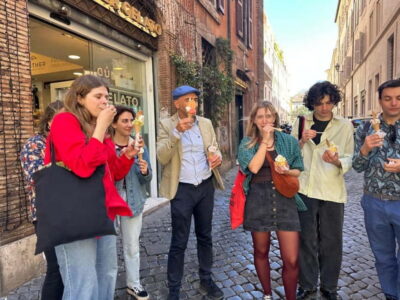
Trastevere Street Food Walking Tour with Local Expert
Read our review →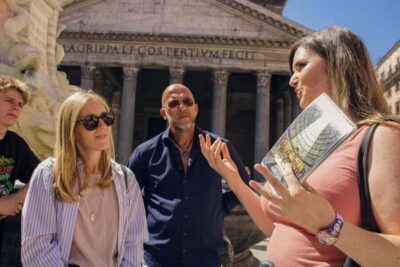
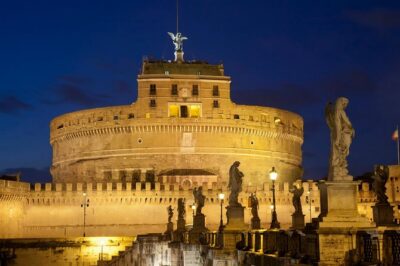
Rome by Night Walking Tour – Legends & Criminal Stories
Read our review →
Rome Food Tour in the Historic Centre with 8+ Food Tastings
Read our review →Browse the lists this tour appears in