
Review · ROME
Rome: Underground Trastevere Guided Walking Tour
Rome gets especially fascinating when you look below street level. This two-hour walk through Trastevere takes you from the Tiber to medieval churches, then down into ancient underground rooms with frescoes, crypts, and earlier layers of the city.
I like the close look at San Crisogono and Santa Cecilia, two churches many independent visitors might pass without understanding. I also like the small groups, capped at 10 people, and guides such as Chiara, Francesca, and Daniele, whose art history and Roman history backgrounds bring plenty of detail.
The main catch is timing. Weekday morning tours cannot enter San Crisogono’s underground area, and the Cavallini Room is open only in the morning. You still get a full tour, but the exact sights depend on the day and start time.
Key points to know before booking
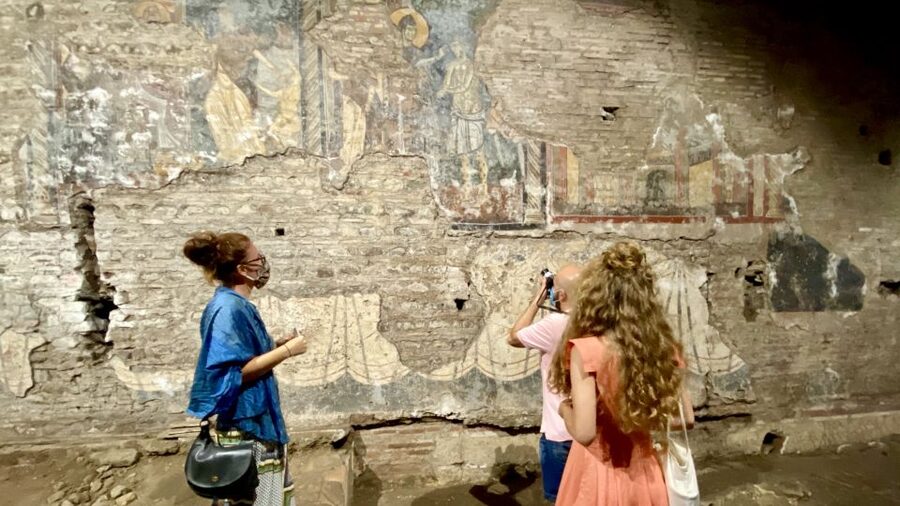
- The underground rooms show Rome in layers: San Crisogono reaches back to 4th-century Rome, while Santa Cecilia has 3rd-century mosaic flooring below the present church.
- Morning and afternoon tours are different: The Cavallini Room and its Last Judgement can be visited only in the morning, while San Crisogono’s underground section is available Monday to Friday only from 4:00 to 7:00 PM.
- Groups stay small: Shared tours have a maximum of 10 people, and private tours are also available.
- The guides are central to the experience: Chiara, Francesca, Phillipo, Paul, Marco, and Daniele have been praised for clear explanations, art knowledge, warmth, and flexibility.
- Church dress rules matter: Your knees and shoulders must be covered, so shorts and sleeveless shirts are not allowed.
- The walk ends at Santa Maria in Trastevere: You finish before golden mosaics in one of Rome’s oldest churches, right in the middle of Trastevere.
Why this Trastevere walk is different
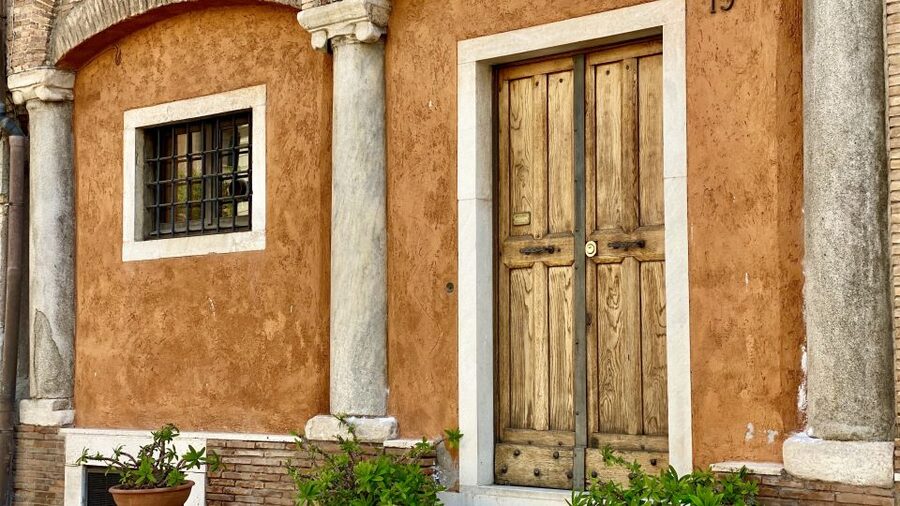
Trastevere is easy to enjoy at street level. You can stroll its lanes, admire worn brick walls, and settle into a restaurant. But the neighborhood becomes far more interesting when you learn how much of Rome is buried beneath those lanes.
This tour links that visible medieval neighborhood with earlier Christian and Roman layers. You begin near the Tiber River at Piazza Belli, then walk to churches that contain remains below their modern floors. The result is not simply a church tour. It is a short lesson in how Rome kept building on top of itself.
I especially like the scale. Two hours is long enough to give the churches proper attention, but short enough to fit into a busy day. The route is also compact, with walks between the major stops rather than a long transfer across the city.
At $75 per person, this is not a bargain-priced stroll. The value depends on your interest in church art, early Christianity, and places you would be unlikely to understand on your own. You are paying for a professional guide, entrance fees to the underground sections, headsets, and access to rooms that are not always obvious from the street.
More Guided Walks in Rome:
- Rome: Guided Food Walking Tour with Wine in Trastevere
★ 4.9 · 3,105 reviews - Rome: Small-Group Guided Day or Night Walking Tour
★ 4.8 · 1,009 reviews - Rome: Guided City Center Evening Sightseeing Walking Tour
★ 4.4 · 953 reviews
Meeting at Piazza Belli beside the Tiber
The meeting point is by the statue at Piazza Belli. Look for the yellow TOURIKS label. This is a useful place to begin because the Tiber helps you get oriented before the walk turns into Trastevere’s tighter streets.
Your guide leads the group on foot, and the route includes several church interiors and underground sections. Comfortable shoes are important. There is no hotel pickup or drop-off, so you need to make your own way to the meeting point and arrange your return after the tour.
The supplied headsets are sterilized and are included in the price. That matters in churches, where a guide speaking to a group can otherwise be hard to hear. The small group limit should also help, although a private tour gives you more control over questions and pace.
Several guides have led this experience, including Chiara, Francesca, Phillipo, Paul, Marco, and Daniele. Their strengths vary slightly, but the consistent pattern is clear: expect a tour built around explanation rather than a quick list of dates. Chiara has been praised for making early Christian churches easier to understand, while Francesca has handled questions about Roman history and church timelines with confidence. Paul has also adjusted the pace for a visitor with a pulled muscle, though you should not assume every group can change the route or schedule.
San Crisogono and Rome beneath the modern church
The Basilica of San Crisogono is the first major stop. You spend about 30 minutes here with your guide, looking at the church and, when the schedule allows, going below it.
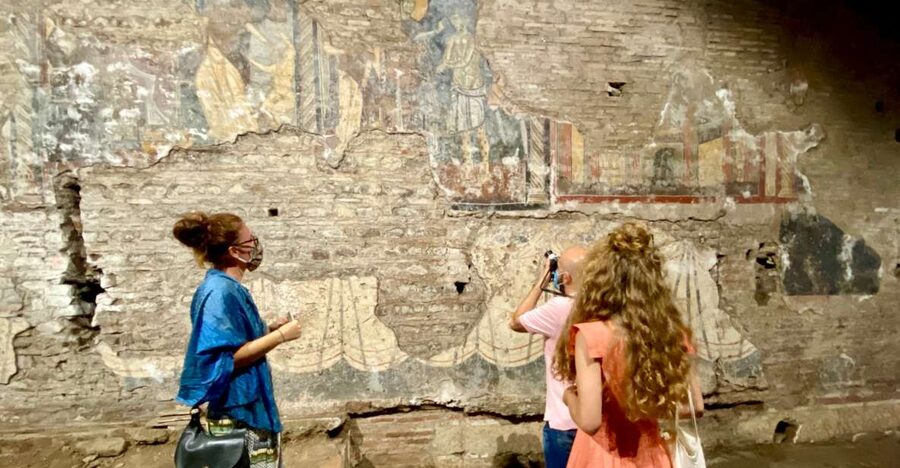
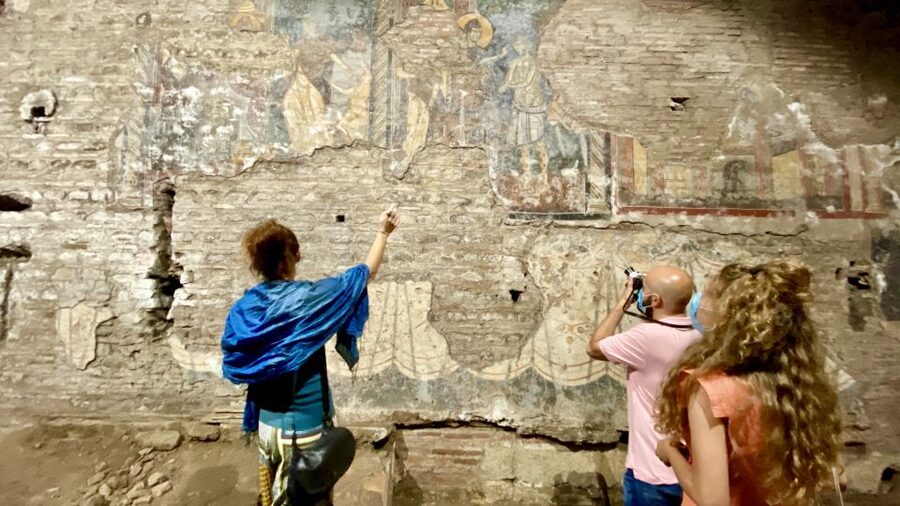
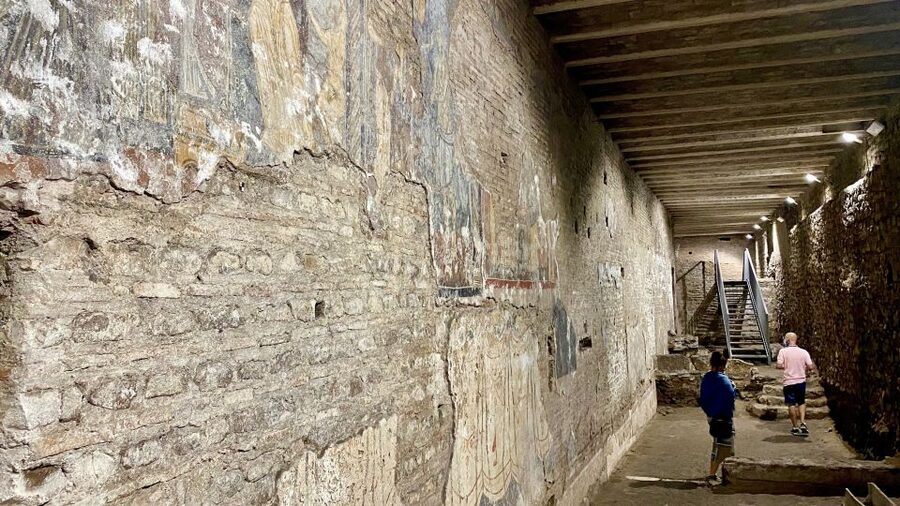
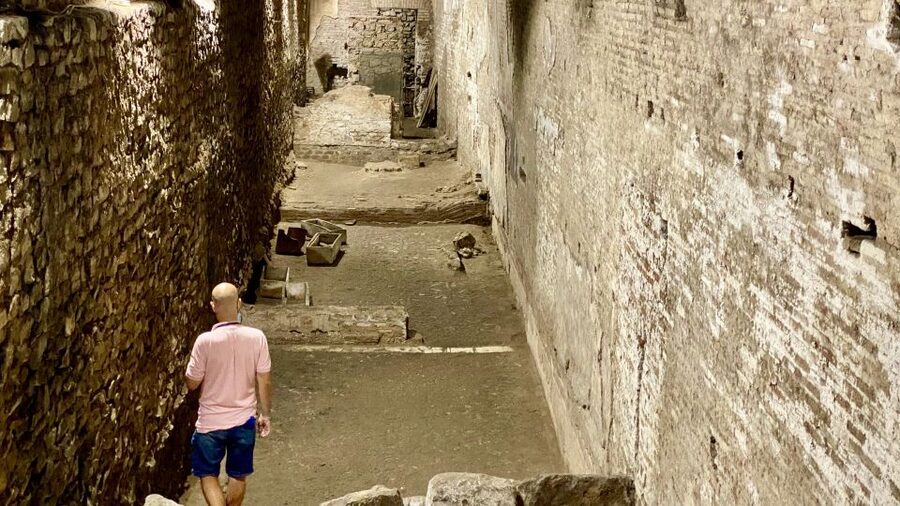
The underground area reaches into 4th-century Rome. Here, the appeal comes from the physical evidence of several periods occupying the same ground. You may see ancient frescoes, crypts, and passageways that make the age of the city feel concrete rather than abstract.
This is one of the strongest parts of the tour for anyone who enjoys archaeology but does not want a large museum visit. The rooms are quieter and more atmospheric than Rome’s famous headline sights. They also require the guide’s help, since a bare wall or worn fresco can mean little without an explanation of what you are seeing.
Pay close attention to the schedule. The underground area is open Monday through Friday from 4:00 to 7:00 PM, and all day Saturday and Sunday. On weekday morning tours, you cannot visit this section. The tour remains two hours, and the guide points out other monuments instead, but you should not book a morning slot expecting the full underground experience.
This is also the point where claustrophobia becomes a real consideration. The underground sections may feel uncomfortable if you dislike enclosed spaces. The tour is not suitable for wheelchair users, and the church setting requires modest clothing.
Santa Cecilia and the layers below the floor
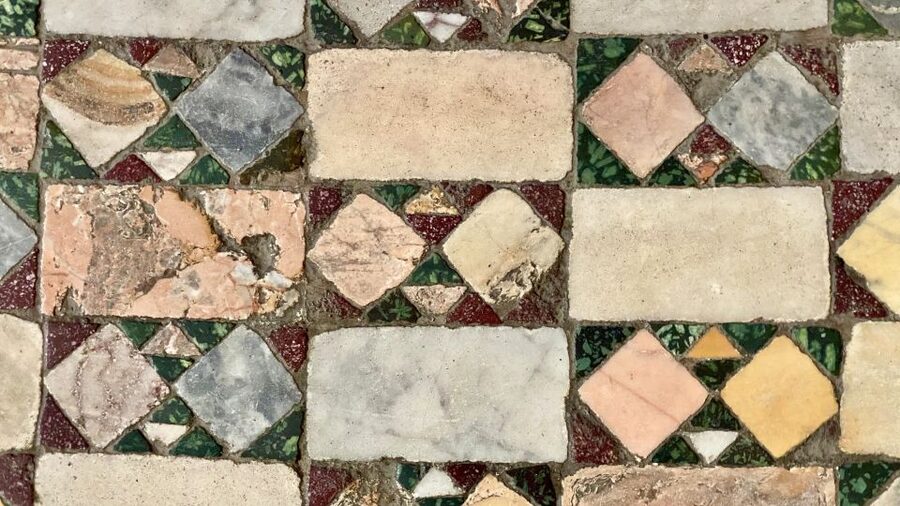
The Church of Santa Cecilia is the next major stop, with about 35 minutes for a guided visit. The underground section contains 3rd-century mosaic flooring, giving you another chance to see how much older Rome can be than the church above it.
The guide also tells the story of Santa Cecilia, including the account of her violent death. This part will appeal to you if you like the connection between religious art, legend, and the way saints have shaped church identity. It is not presented as a detached archaeology stop. The church’s spaces and artwork are tied to the story of the woman honored there.
The underground mosaics are particularly valuable because they show an earlier phase of the site. Instead of viewing the church as one finished building, you begin to see a sequence of construction and worship. That is the central idea running through the entire walk: present-day Rome is only the top layer.
The atmosphere can also be part of the challenge. Underground rooms are enclosed, and access may involve uneven historic surfaces or narrow passageways. The available information does not promise a step-free route, and wheelchair users are specifically advised not to book.
More Walking Tours in Rome:
- Rome: Trastevere & Campo de Fiori Street Food Walking Tour
★ 4.9 · 2,768 reviews - Rome: Paranormal Night Walking Tour & Secret Backstreets
★ 4.9 · 1,921 reviews - Rome: Trastevere Street Food Walking Tour with Local Expert
★ 4.8 · 1,784 reviews - Rome by Night Walking Tour – Legends & Criminal Stories
★ 4.5 · 1,003 reviews
The Cavallini Room and a morning-only masterpiece
Morning tours may include the Cavallini Room, where you can see the Last Judgement masterpiece. This is one of the tour’s most important timing details, since the room is accessible only in the morning.
If you care most about medieval art, choose the morning and confirm the current schedule when booking. The Cavallini Room is not part of afternoon tours, so an afternoon departure gives you more reliable access to San Crisogono’s underground section on weekdays but removes this art stop.
The supplied information does not give a separate visit length for the room, so the guide folds it into the two-hour walk. That makes the timing feel full rather than leisurely. You will be moving through several sites, listening closely, and keeping an eye on the group.
The reward is a more focused look at Roman painting than you usually get while wandering between churches. Guides with art history training, such as the guides who have led this tour, can explain why a work matters instead of simply pointing it out.
Trastevere streets and Santa Maria’s golden mosaics
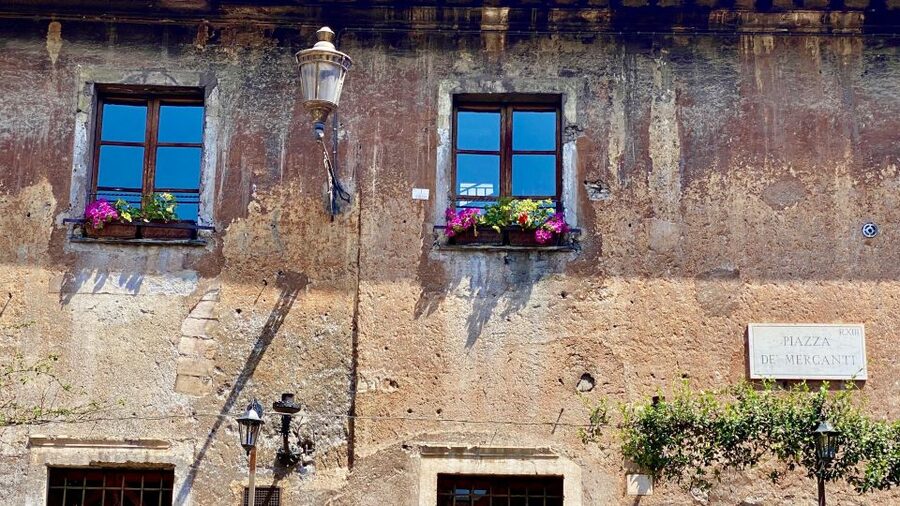
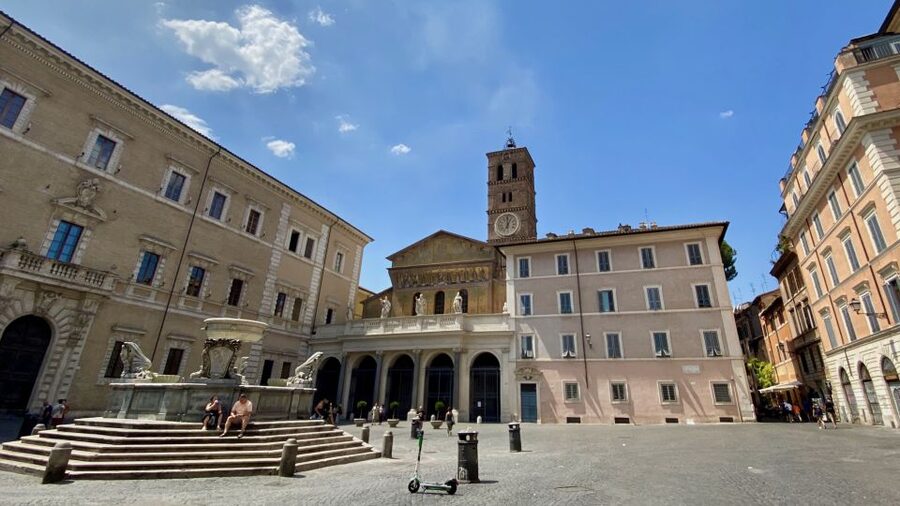
Between the churches, you get roughly 30 minutes of walking and sightseeing through Trastevere. This portion gives the tour breathing room. You are not underground the entire time, and the neighborhood itself becomes part of the experience.
The streets are a useful contrast to the crypts. Above ground, you see the picturesque character that makes Trastevere popular. Below ground, you see the remains of earlier Rome. The guide connects the two rather than treating the neighborhood as a series of unrelated photo stops.
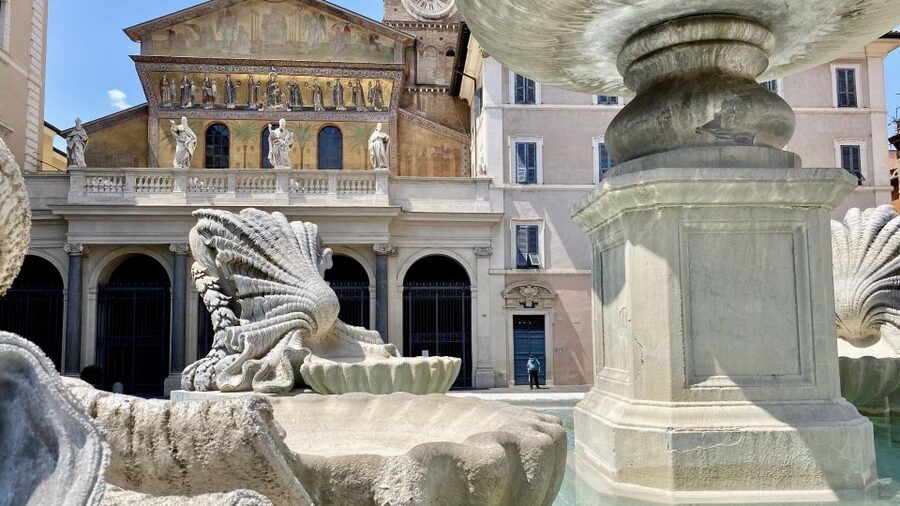
The tour ends with about 20 minutes at Santa Maria in Trastevere, in front of the church’s golden mosaics. This is a fitting finish because the mosaics give you a strong visual impression after the darker underground rooms.
Santa Maria is also a practical endpoint. You finish in the heart of Trastevere, where you can continue walking, find a meal, or use the guide’s suggestions for dinner. One previous guide even recommended a restaurant that became part of the evening plan, but restaurant advice is an extra benefit rather than a promised part of the tour.
The guides are the main reason to choose this tour
The churches are important, but the guide determines how much you take away. These are not sites where every detail explains itself. A fresco may be damaged, a crypt may be dimly lit, and a mosaic may look like a floor pattern unless someone gives you the larger story.
Guides such as Chiara have been noted for clear explanations of the early Christian churches. Francesca has handled questions about the Roman Empire and church chronology. Phillipo has combined medieval history, religion, architecture, and small anecdotes, while Marco has brought a friendly, personal feel to the walk.
Language choices include English, Italian, Spanish, French, German, and Portuguese. If English is not your first language, remember that accents can vary. One English-speaking participant found an accent a little difficult to follow, so ask questions when you miss a point rather than letting details slip by.
The private option makes sense for couples, families, or anyone who wants to ask frequent questions. The shared option offers a lower-pressure way to meet other people while keeping the group at no more than 10. A very small group can sometimes feel almost private, but that depends on the number of bookings for your date.
Price, pace, and what you receive for $75
The $75 price is easiest to justify if you value access and interpretation. It includes the professional guide, underground entrance fees, headsets, the Cavallini frescoes on morning tours, and on-site assistance.
You are not paying for transportation, hotel service, or a full-day sightseeing program. The route lasts two hours, and the pace includes several stops plus walking through Trastevere. If you want a slow church visit with lots of time for quiet viewing, this may feel brisk.
For a first visit to Rome, I would compare this with simply wandering Trastevere on your own. Independent walking costs less, but you may miss the underground rooms or misunderstand what you are seeing. The tour’s value is strongest for people who want context and access, not just attractive streets.
Free cancellation is available up to 24 hours before the start time, and you can reserve now and pay later. The tour runs in rain, provided the underground areas remain accessible. It can be canceled for reasons tied to the liturgical calendar, with an alternative date or full refund offered.
Who should book this two-hour experience
I would recommend this tour to you if you enjoy:
- Early Christian Rome and church architecture
- Art explained in plain language
- Archaeological layers below modern streets
- Small groups and guided walking
- Places that are easy to overlook without local help
It is a good match for a repeat visitor who has already seen the Colosseum and Vatican and wants a quieter side of Rome. It also suits a first-time visitor who wants a focused introduction to Trastevere beyond restaurants and evening streets.
I would be cautious if you dislike enclosed spaces, need step-free access, or want a completely predictable itinerary. The underground visits depend on opening hours, the Cavallini Room is morning-only, and church access can be affected by the liturgical calendar.
Plan your clothing before you leave. Knees and shoulders must be covered inside the churches, so shorts and sleeveless shirts are not allowed. Comfortable shoes will make the cobbled walking and standing easier.
Should you book the Trastevere underground tour?
Book it if you want to understand Trastevere rather than simply stroll through it. The combination of 4th-century rooms, 3rd-century mosaic flooring, medieval church art, and golden mosaics at Santa Maria gives you a clear sense of Rome’s layers in just two hours.
Choose a morning tour if the Cavallini Room and Last Judgement are your priority. Choose an afternoon or weekend option if San Crisogono’s underground area matters most, and check the exact opening conditions before paying.
At $75, this is a specialized tour, not a cheap neighborhood walk. For anyone interested in art, archaeology, and the beginnings of Christianity in Rome, the guide-led access makes the price reasonable. For a casual first look at Trastevere, you may prefer to walk independently and spend the money elsewhere.
FAQ
How long does the Trastevere underground tour last?
The tour lasts two hours, including the guided visits, walking between sites, and time in Trastevere.
Where does the tour meet?
Meet by the statue at Piazza Belli, near the Tiber River. Look for the yellow TOURIKS label.
Where does the tour finish?
The tour ends at the Basilica of Our Lady in Trastevere, also known as Santa Maria in Trastevere.
Is the underground area of San Crisogono open on every tour?
No. From Monday through Friday, the underground area is open from 4:00 to 7:00 PM. It is open all day Saturday and Sunday. Weekday morning tours do not visit the underground section, but the tour remains two hours and includes other monuments instead.
Can I see the Cavallini Room on an afternoon tour?
No. The Cavallini Room is accessible only during morning tours.
What languages are available?
Live guides are available in English, Italian, Spanish, French, German, and Portuguese.
Are private tours available?
Yes. You can choose a private tour or a shared small-group tour. Shared groups have a maximum of 10 participants.
What should I wear and bring?
Wear comfortable shoes and modest clothing that covers your knees and shoulders. Shorts and sleeveless shirts are not allowed inside the churches.
New routes in Rome
- Rome: Colosseum and Ancient Rome Guided Walking Tour★ 4.5 · 95 reviews
- Rome Walking Tour: Pantheon, Trevi, Navona & Hidden Gems★ 4.8 · 501 reviews
- Rome: Guided Walking Tour and Pantheon Priority Entry Ticket★ 4.3 · 317 reviews
- Rome: Trastevere Food Walking Tour with Beer and Wine★ 4.9 · 71 reviews
- Rome: Trevi Fountain, Spanish Steps & Pantheon Walking Tour★ 4.6 · 336 reviews
- Rome Trastevere Walking Food Tour★ 4.8 · 97 reviews
- Rome: Relics from the Passion of the Christ Walking Tour★ 4.9 · 84 reviews
- Rome: Trastevere and Roman Ghetto Guided Walking Tour★ 4.7 · 79 reviews
Rome Walking Tours, compared.
Guided Food Walking Tour with Wine in Trastevere
Read our review →
Trastevere & Campo de Fiori Street Food Walking Tour
Read our review →
Paranormal Night Walking Tour & Secret Backstreets
Read our review →
Colosseum Arena, Roman Forum & Palatine Hill Tour
Read our review →
Trastevere Street Food Walking Tour with Local Expert
Read our review →
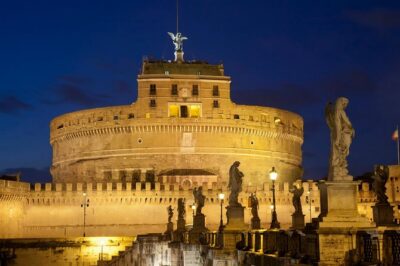
Rome by Night Walking Tour – Legends & Criminal Stories
Read our review →
Rome Food Tour in the Historic Centre with 8+ Food Tastings
Read our review →Browse the lists this tour appears in