
Review · CULTURAL
Old Cairo Guided Walk Tour: History, Culture & Street Bites
Old Cairo is best understood on foot, one gate, mosque, courtyard, and market lane at a time. This tour leads you from Bab al-Futuh along El Moez Street, linking grand Mamluk monuments with homes, shops, and the daily life of Islamic Cairo.
I like the way the tour combines serious history with ordinary pleasures: Bayt al-Suhaymi gives you a look inside a traditional Cairo home, while the final meal brings Egyptian pie or koshary and sweets to the table. I also like that entrance fees and bottled water are included in the $31 price.
The main consideration is the walking itself. Streets can be rough, stairs are part of the route, and the four-hour schedule leaves little room for a long rest. Traffic can also delay hotel pickups, so build in extra time if you have a flight afterward.
Key points to know before you book
- The route connects Cairo’s finest Islamic monuments: Bab al-Futuh, Al-Hakim Mosque, Bayt al-Suhaymi, Sultan Barquq, the Qalawun Complex, Al-Hussein Mosque, and Khan el Khalili.
- The guides are the tour’s biggest strength: Nahed, Randa, Ruby, Ehab, Dina, Ahmed, and others are praised for clear explanations, humor, patience, and help in the market.
- Food is part of the experience: Expect a local street meal such as koshary or Egyptian pie, plus a sweet or snack such as zalabya or halabessa.
- The walking is real: You cover narrow lanes, uneven ground, and stairs, so comfortable shoes matter.
- The price is strong value: At $31, the tour includes attractions, guide, water, food, and tax. Hotel transport is included only with the relevant pickup option.
- Dress for religious sites: Cover your shoulders, arms, legs, and knees, and bring a scarf for mosque visits.
Why this Old Cairo walk works so well
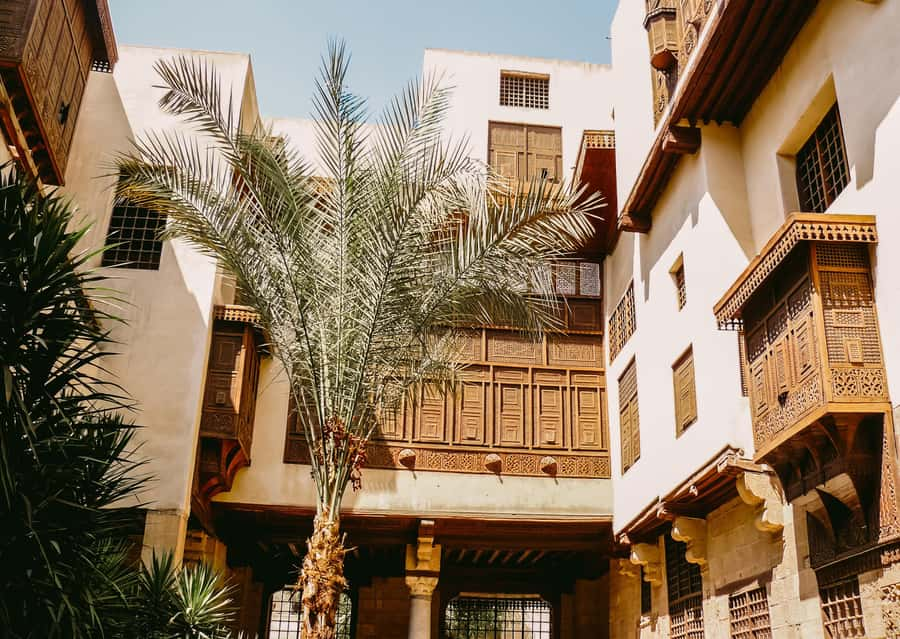
A good walking tour should do more than point at old buildings. It should explain how the buildings fit together, why a street mattered, and what daily life looked like around them. This experience has a useful shape: it begins at a city gate, moves through religious and residential architecture, then finishes among shops and food stalls.
You start in the northern part of historic Cairo and gradually work south toward Al-Hussein Mosque and Khan el Khalili. That makes the route feel like a connected walk rather than a series of unrelated stops.
The guide matters a great deal here. Names vary by departure, but highly praised guides include Nahed, Randa Aramani, Ruby, Ehab, Dina, Ahmed, Samaa, Bassant, and Haisam. The strongest guides use humor, explain religious and architectural details in plain language, and help you handle the sales pressure around the bazaar.
This is also a useful first-day activity. It gives you a mental map of the old city, introduces local food without requiring you to choose a restaurant on your own, and helps you recognize the difference between Fatimid, Mamluk, and Ottoman architecture.
More Food Walking Tours in the world:
- Reykjavik Food Walk – Local Foodie Adventure in Iceland
★ 5.0 · 18,952 reviews - Ho Chi Minh City Street Food Tour & Sightseeing By Motorbike
★ 5.0 · 9,413 reviews - Little Havana Food and Walking Tour in Miami
★ 5.0 · 8,882 reviews
Bab al-Futuh: starting at Cairo’s old northern gate
Meet your guide in front of Bab al-Futuh, one of the major gates in Cairo’s old walls. It is a fitting place to begin because the gate gives you an immediate sense of the city as a fortified medieval center, not simply a collection of monuments.
The stop lasts about 15 minutes. Your guide sets the historical scene, explains the gate’s role, and helps the group get oriented before the walk begins.
This is also the point where punctuality matters most. If you choose the meeting-point option, arrive on time. If you book hotel pickup, the provider contacts you the day before by WhatsApp, email, or phone to confirm the pickup details. Pickup and drop-off are available within Cairo or Giza city limits when that option is selected.
Al-Hakim Mosque and the calm of its courtyard
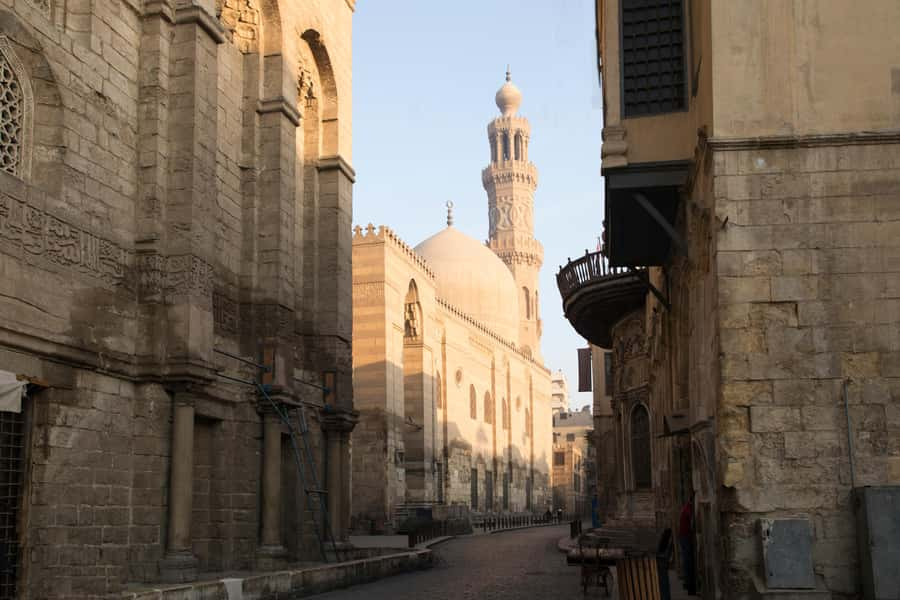
From Bab al-Futuh, you walk to Al-Hakim Mosque, one of Cairo’s oldest and largest Fatimid mosques. Its huge minarets and thick stone walls give it a strong, simple presence, while the courtyard offers a quieter break from the streets outside.
Plan on about 25 minutes here. Your guide explains the mosque’s place in Cairo’s religious and architectural story, along with details you could easily miss if you visited alone.
The contrast is part of the appeal. Outside, the city presses in with traffic, vendors, and narrow streets. Inside, the scale opens up and the pace slows. You should dress respectfully, and women should carry a scarf for religious sites.
Bayt al-Suhaymi: a look inside a Cairo home

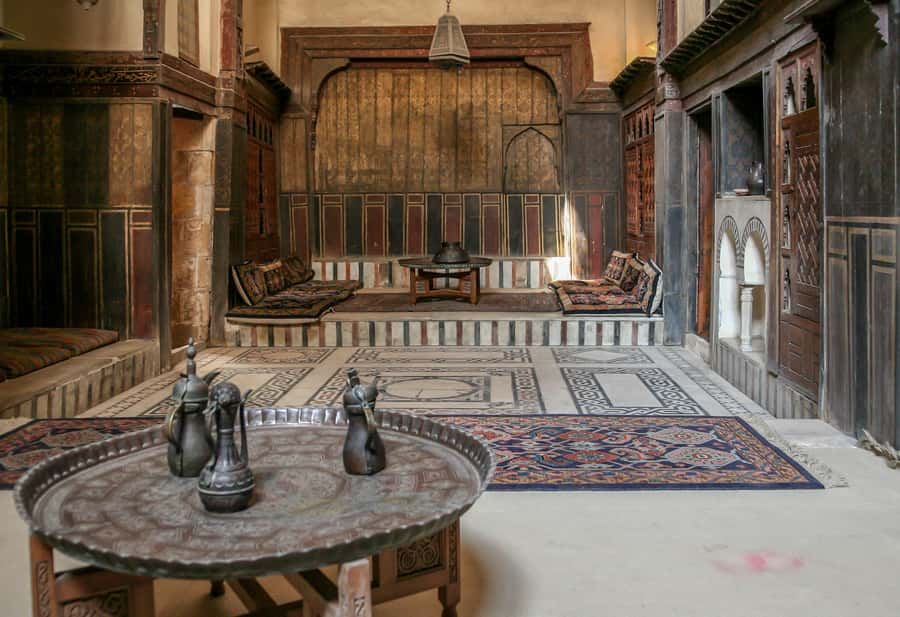
Bayt al-Suhaymi is one of the most rewarding stops because it shifts attention from grand public buildings to domestic life. This 17th-century Ottoman residence includes rooms and a courtyard that show how a wealthy Cairo household was arranged.
The visit takes about 25 minutes. Instead of only hearing about rulers and religious leaders, you get a sense of how people lived, received visitors, and used private and shared spaces.
I find this kind of stop especially valuable because it fills in the gaps left by mosque visits. The house helps you picture the human side of old Cairo. It also gives you a chance to pause indoors, though the overall tour still has a fairly quick rhythm.
More History Walking Tours in the world:
- History and Hauntings of Salem Guided Walking Tour
★ 5.0 · 14,564 reviews - Lisbon: History, Stories and Lifestyle Walking Tour
★ 4.8 · 10,902 reviews - Boston: Freedom Trail History Small Group Walking Tour
★ 5.0 · 6,450 reviews - Historic Charleston Guided Sightseeing Walking Tour
★ 5.0 · 6,216 reviews
El Moez Street: architecture beside everyday Cairo
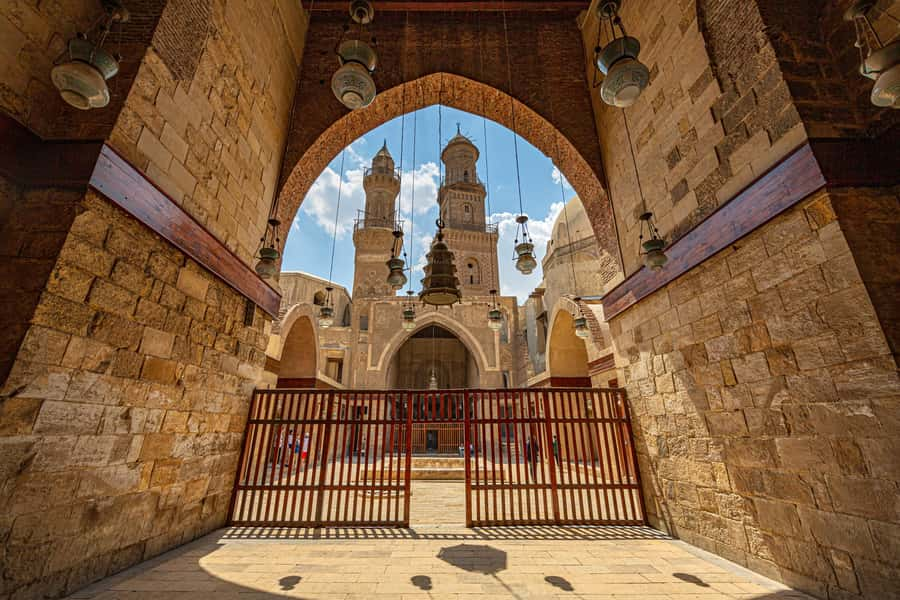
El Moez Street is the central walking stretch of the experience. It is lined with centuries-old Islamic buildings, local vendors, cafes, and working streets. The appeal is not just the architecture. It is the way old stonework and modern Cairo occupy the same narrow corridor.
The scheduled walk here is about 15 minutes, but the street connects several later stops, so you continue experiencing it as you move through the route. Keep your eyes up for carved entrances, stone details, domes, and decorative patterns.
This is a place where a guide earns the fee. Without context, you may see a grand facade and move on. With a guide, you can learn why a building was commissioned, how it was used, and how the district changed over time.
You will also encounter shopkeepers and people selling souvenirs. A guide can help you understand local bargaining and steer you away from unnecessary pressure. Randa and Nahed are particularly praised for helping people feel comfortable in the market area.
Khan el Khalili: shopping with a practical guide
Khan el Khalili comes near the end, when you have already learned how the old district fits together. That timing works well. You can look at spices, jewelry, textiles, souvenirs, and other goods with more context than you would have at the start of the day.
The listed sightseeing and shopping stop is about 15 minutes, though the market atmosphere can make the time feel short. If you hope to shop, ask your guide how much time the group has before wandering into a stall.
Bring cash for optional purchases. Bargaining is part of the bazaar experience, but do not feel obliged to buy. A firm, polite refusal is enough, and your guide can offer advice on how to handle sales pitches.
The market is not a quiet museum. Lanes are crowded, movement can be awkward, and large bags would get in the way. Strollers and luggage are not allowed on the activity, which is sensible for this setting.
Mamluk Cairo at Barquq and Qalawun
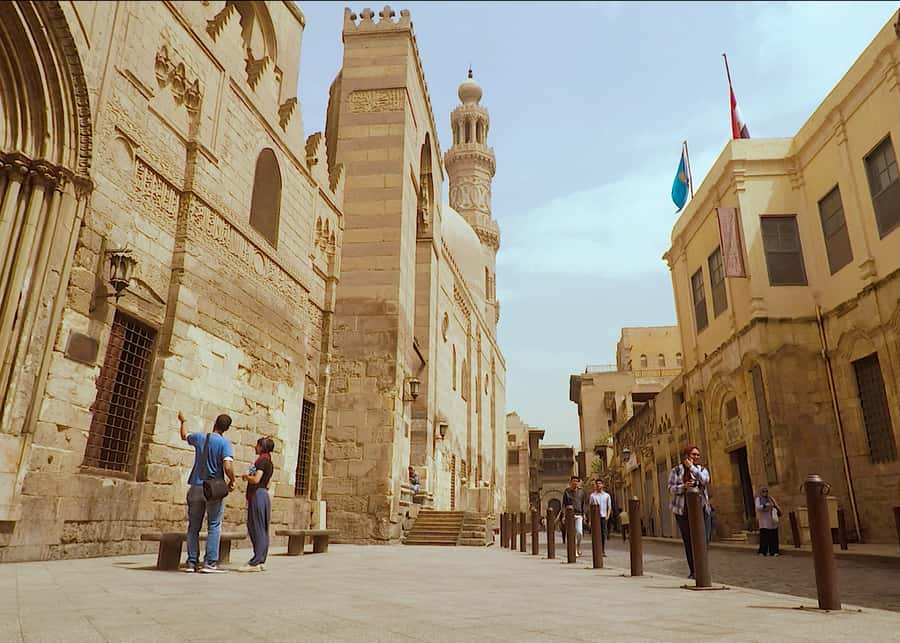
The route includes the Mosque and Khanqah of Al-Nasir Faraj Ibn Barquq, followed by the Qalawun Complex. The tour description also highlights Sultan Barquq Mosque, so expect the guide to focus on this group of Mamluk monuments and their architectural details.
At Sultan Barquq, look for elaborate design work and the building’s several functions. It served as a mosque, madrasa, and Sufi lodge, so it was not only a place for prayer. It was also tied to teaching and religious community life.
The stop at the Barquq area lasts about 20 minutes. Then you spend roughly 25 minutes at the Qalawun Complex, which includes a mosque, madrasa, and mausoleum.
These visits are valuable because they show the ambition of medieval Cairo’s rulers. The buildings were religious institutions, schools, memorials, and public statements all at once. Your guide can make sense of the repeated architectural features instead of leaving you to guess what each space was for.
There are stairs and uneven surfaces along the walking route. One person described the terrain as demanding, with rough streets and many steps. If you have knee, balance, or mobility concerns, consider this carefully. The activity is not suitable for wheelchair users.
Al-Hussein Mosque and a final quiet pause
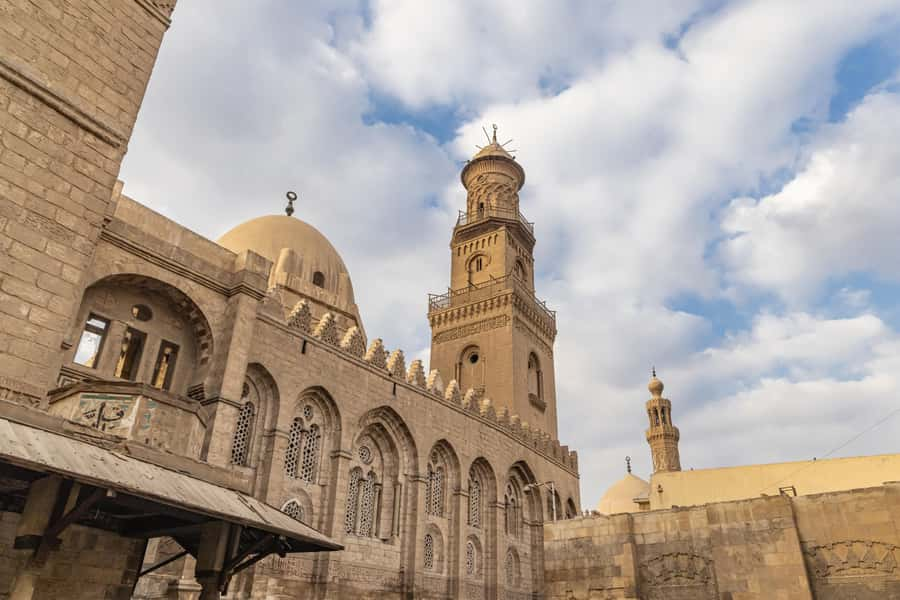
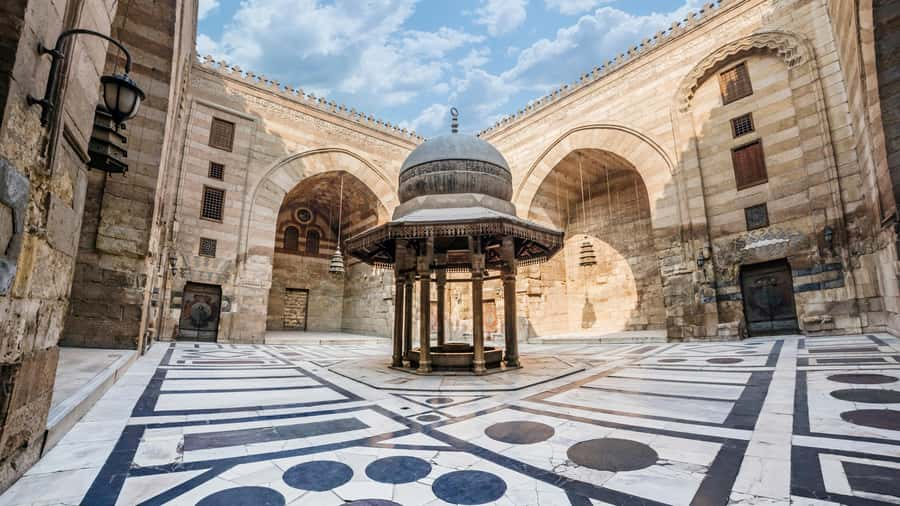
The tour ends its religious sightseeing at Al-Hussein Mosque, located near the center of Islamic Cairo. The visit lasts about 20 minutes and gives you a calmer final stop before the food and market portion wraps up.
The mosque has strong spiritual importance, and visitors should behave respectfully. Follow your guide’s instructions about where to walk, what to cover, and when photography may not be suitable.
This stop also helps balance the tour. The day is not only about decorative stone, old walls, and shopping. You get a chance to reflect on Cairo as a living religious city.
Egyptian food at the end of the walk
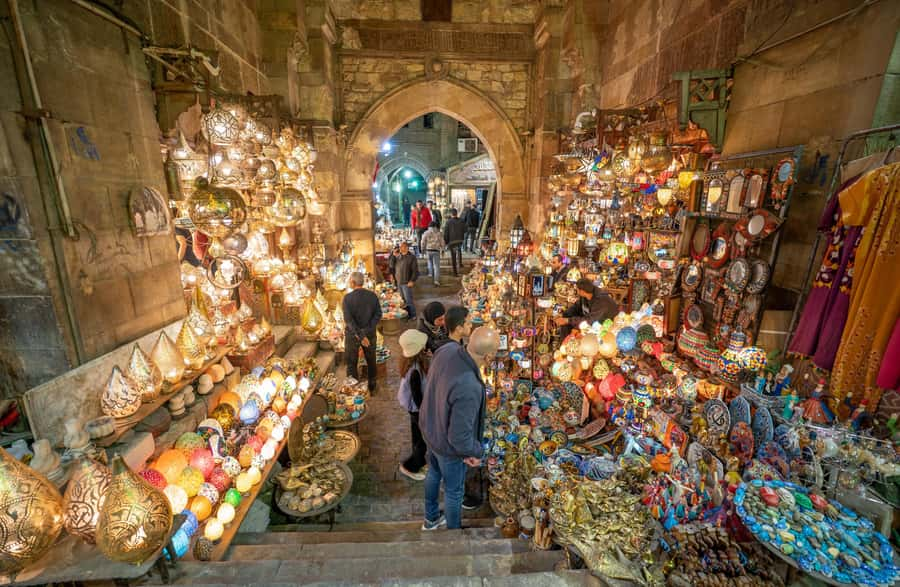
Food is one of the tour’s most practical pleasures. Depending on the arrangement, you may be offered authentic koshary or Egyptian pie, along with zalabya, halabessa, a drink, or a similar local snack.
Egyptian pie is a frequent favorite on this experience. It is a useful introduction to local street food because it is filling, familiar in shape, and easy to share. Koshary gives you a different taste, combining staples in a hearty bowl.
The food is included, along with bottled water, entrance fees, the guide, and service tax. That matters because a $31 tour can look cheap until you add admissions, food, and small extras. Here, the core costs are covered.
Do not expect a long restaurant meal. The schedule runs three to four hours, and one person felt a longer break would have helped. Think of the meal as a tasty finish and cultural introduction, not a leisurely lunch with extended table time.
Guide quality, language, and group comfort
The guide is the biggest variable, but the range of named guides attached to this activity is encouraging. Nahed is praised for warmth, humor, and looking after the group. Randa Aramani is noted for detailed explanations and patience, including helping someone whose flight delay changed the timing. Ruby, Ehab, Dina, Ahmed, and Haisam also receive strong praise for clear explanations and friendly care.
Haisam is specifically noted for good Spanish. The activity is offered in English, French, Spanish, Arabic, and German, depending on the selected guide and departure.
A good guide is especially useful in two places: the mosques and the bazaar. At the monuments, you need help separating architectural detail from religious meaning. In the market, you may appreciate someone who can keep the experience enjoyable while reducing unwanted sales pressure.
Hotel pickup can make the day easier, but traffic is a real factor in Cairo. One delayed pickup ran more than 30 minutes late because the driver did not know the roads well, while another driver managed difficult traffic and helped keep the schedule on track. If you must reach the airport or catch a train, do not schedule the tour too close to departure.
Is $31 good value?
Yes, for most people. The price includes a professional Egyptologist guide, entrance fees, bottled water, street snacks, a local meal, and tax. That is a good bundle for a three to four-hour walking experience.
The value is highest if you are visiting Old Cairo for the first time. You get transportation only if you select the pickup option, so check the booking choice before assuming your hotel transfer is included.
You are also paying for efficiency. Finding Bayt al-Suhaymi, the Mamluk complexes, and the right path through El Moez Street on your own is possible, but the guide reduces the time spent figuring out entrances and meanings.
What to wear and carry
Wear comfortable walking shoes. Sunscreen, a hat, and water are sensible, even though bottled water is included.
Choose loose clothes that cover your shoulders, arms, legs, and knees. Carry a scarf for mosque visits. Dress is not a minor detail here, since unsuitable clothing can make religious-site visits uncomfortable or limit where you can go.
Keep your belongings light. Large bags and luggage are not allowed, and a small day bag is far easier in crowded lanes and around stairs. Bring cash for shopping and personal expenses.
The activity offers free cancellation up to 24 hours before departure and allows you to reserve now and pay later. Those terms help if your Cairo schedule is still shifting.
Who should book this walk?
Book it if you want a strong introduction to Islamic Cairo, prefer learning as you walk, and like combining monuments with local food. It is especially useful for solo visitors, first-time Cairo visitors, and anyone who wants a guide in the bazaar.
It suits people who can comfortably walk for several hours on uneven streets. It is less suitable for wheelchair users, anyone carrying luggage, or people who need frequent long breaks.
I would also recommend it near the beginning of a Cairo stay. After this walk, you can return to Khan el Khalili with a better sense of direction, recognize the major architectural periods, and make more confident choices about food and shopping.
Should you book the Old Cairo Guided Walk?
I would book this tour if your priority is history, local streets, and a useful meal rather than a slow museum visit. The route covers a lot in four hours, and the strongest guides, including Nahed and Randa, add humor and human detail to places that can otherwise blur together.
Go in ready for stairs, rough pavement, market pressure, and a fairly brisk pace. If you can handle that, $31 is a sound deal for the access, explanations, admissions, and food.
FAQ
Where does the Old Cairo walking tour start?
The meeting point is in front of Bab al-Futuh. Hotel pickup and drop-off are available within Cairo or Giza city limits when that option is selected.
How long does the tour last?
The tour lasts about three to four hours. Starting times depend on availability.
What food is included?
The experience includes local snacks such as zalabya or halabessa, or similar treats, plus street food such as authentic koshary or Egyptian pie.
Which languages are available?
The tour is offered in English, French, Spanish, Arabic, and German, depending on the selected guide.
What should I wear for the mosque visits?
Wear loose clothing that covers your shoulders, arms, legs, and knees. Women should carry a scarf for religious sites.
Is the tour suitable for wheelchair users?
No. The route includes walking on rough streets and climbing stairs, and the activity is not suitable for wheelchair users.
More Cultural Walking Tours in the world
- Savannah First Squares Culinary & Cultural Walking Food Tour
★ 5.0 · 3,229 reviews - Tokyo Tsukiji Fish Market Food and Culture Walking Tour
★ 5.0 · 3,184 reviews - New Orleans French Quarter, Voodoo and Culture Walking Tour
★ 4.5 · 2,961 reviews - Amsterdam: Cultural Highlights Walking Tour
★ 4.9 · 2,629 reviews
New routes in the world
- Baltimore Walking Foodie Tour in Fells Point★ 5.0 · 182 reviews
- Baku Oil Heritage & Old Town Walking Tour★ 5.0 · 232 reviews
- Baku Walking Tour (Old City)★ 5.0 · 127 reviews
- The Madam’s Curse Walking Ghost Tour★ 4.5 · 103 reviews
- Austin Small Group Morning Walk★ 5.0 · 412 reviews
- Austin Haunted Pub Crawl Walking Tour★ 4.5 · 232 reviews
- Austin Downtown Private Walking Food Tour With Secret Food Tours★ 5.0 · 71 reviews
- Austin Murder Walk★ 5.0 · 310 reviews
Cultural Walking Tours, compared.
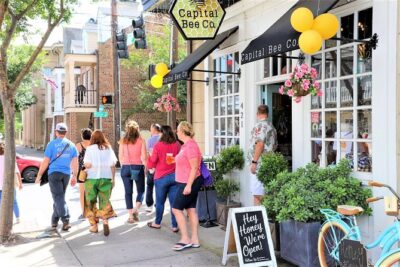
Savannah First Squares Culinary & Cultural Walking Food Tour
Read our review →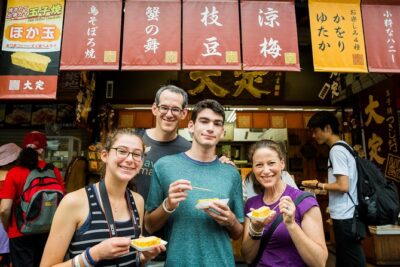
Tokyo Tsukiji Fish Market Food and Culture Walking Tour
Read our review →
New Orleans French Quarter, Voodoo and Culture Walking Tour
Read our review →

Anne Frank Walking Tour Amsterdam Including Jewish Cultural Quarter
Read our review →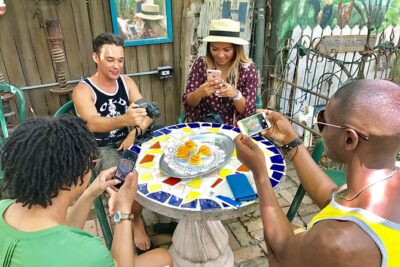
Southernmost Food & Cultural Walking Tour by Key West Food Tours
Read our review →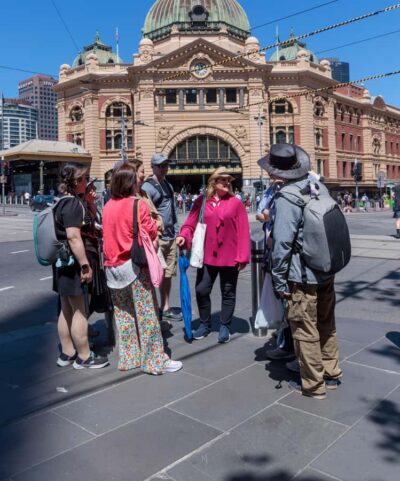
Ultimate Melbourne Walking Tour: History, Laneways & Culture
Read our review →
Browse the lists this tour appears in