

Review · MUNICH
Munich: Birthplace of the Third Reich Guided Walking Tour
Munich’s Nazi past is not tucked away in a museum. It is written into the city center, in old beer halls, surviving government buildings, memorials, and streets where Hitler’s movement fought for power. This tour connects those places into a clear story, from early party meetings to Kristallnacht and the road to war.
I like the focus on actual locations and the way the tour links Nazi buildings with memorials to victims and opponents. I also like the range of guides, including Jake, Sam, Nic, Steve, and Aileen, who are repeatedly praised for making a heavy subject clear and approachable. The main drawback is simple: this is a 2.5-hour walking tour, so cold, rain, or summer heat can affect your comfort.
Key points to know before booking
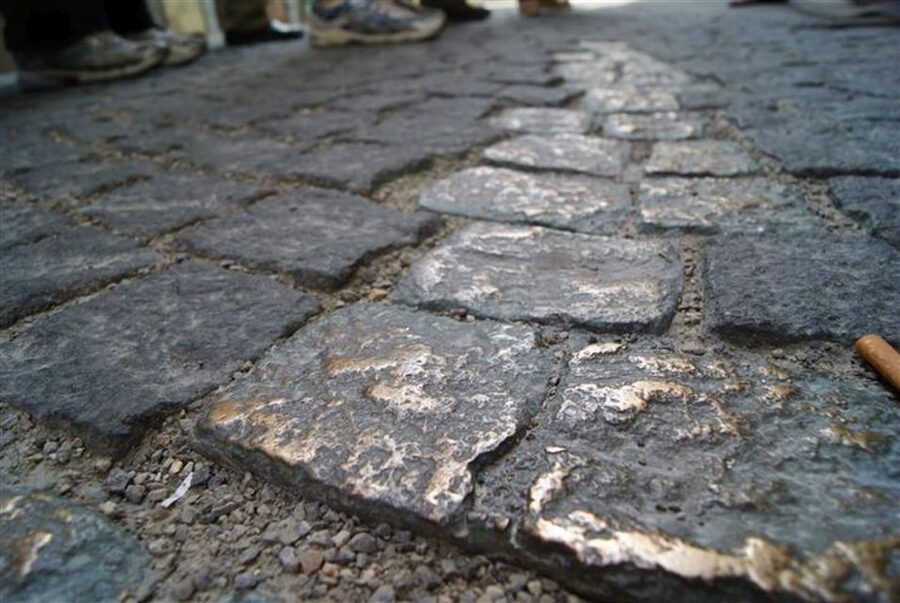
- See Munich’s old beer halls: Learn where Hitler gave early speeches and where small party meetings helped shape the Nazi movement.
- Trace the route to power: The tour explains the failed putsch, the Brownshirts, anti-Semitism, and the political conditions that helped the Nazis grow.
- Visit the former Nazi headquarters: See surviving Nazi-era buildings alongside structures damaged during the Second World War.
- Face the memory of Kristallnacht: Stop at the building connected with planning the Night of Broken Glass, a major step toward the Holocaust.
- Hear the story in English: The tour lasts 2.5 hours and is led by a live English-speaking guide.
- Plan for changing weather: Wear comfortable shoes and bring protection from rain or cold, since the experience takes place outdoors.
Why Munich is the right place to study the Third Reich
Munich was not just another German city in the Nazi story. It was the setting where Hitler entered politics, where the Nazi Party built its early support, and where its leaders learned to use speeches, street violence, nationalism, and anti-Semitism to win attention.
That local setting gives the tour its value. Instead of hearing a long list of dates in a classroom, you can connect political events to real buildings and public spaces. The city becomes a map of cause and effect. A beer hall was a meeting place. A government building became a symbol of power. A memorial now asks you to remember people who were once pushed out of public life.
The tour also helps explain how a fringe movement became a national force. The story does not begin with the Second World War. It begins earlier, with Germany’s defeat in the First World War, political unrest, economic hardship, resentment, and the appeal of simple answers to difficult problems.
Your guide’s job is not only to identify buildings. The better guides explain how propaganda and violence worked together. They show how public speeches, party organization, intimidation, and prejudice slowly moved from the edge of politics toward the center.
More Guided Walks in Munich:
- Munich: Old Town Guided Walking Tour
★ 4.6 · 479 reviews - Munich: Guided Food Walking Tour with Beer Tasting
★ 4.7 · 183 reviews - Munich Old Town – Guided Walking Tour in English
★ 4.7 · 153 reviews
Starting at the Radius Tours office
You meet at the Radius Tours office. The tour includes transportation to Munich’s historic center, which is useful if your meeting point is outside the main sightseeing area. Hotel pickup is not included, so you need to reach the office yourself.
The exact starting arrangement depends on the option you book, so check the current departure time and meeting instructions before setting out. The listed finish is in the 80331 area, with return to the Radius Tours office also noted. That makes the tour practical to combine with other central Munich plans, though you should leave room afterward if you want to continue at a relaxed pace.
The walking itself is central to the experience. You are not looking through a bus window as the guide points out distant buildings. You stop, look, and hear why each place matters. That also means comfortable shoes are a sensible choice.
Beer halls and the early Nazi Party
One of the most interesting parts of the walk is the visit to old beer halls connected with the Nazi Party’s first gatherings. These were not minor background locations. Large halls gave political speakers a ready audience, a stage, and an atmosphere where emotion could spread quickly through a crowd.
Here, you learn about Hitler’s early speeches and the first party meeting associated with his rise. The setting helps explain how public speaking became central to Nazi politics. The beer hall was not simply a place to eat and drink. It could serve as a political theater, where slogans, anger, and group loyalty were built into a shared experience.
I find this part especially useful for anyone who knows the broad outline of the Nazi period but wants to understand how the movement gained a following. You hear about the speakers, the audience, and the methods used to turn frustration into political support.
The drawback is that the buildings may not look dramatic to modern eyes. Their importance comes from what happened there, not necessarily from a grand interior or a large museum display. You need to listen closely and let the guide supply the missing context.
The failed putsch and the fight for control
The tour then follows the early struggle for power, including Hitler’s failed putsch. This was a key moment because it showed both the ambition of the movement and the limits of its first attempt to seize control.
Your guide explains how Hitler and his followers tried to force their way into national politics, and what the failure meant for the movement afterward. The story also includes the Brownshirts, the Nazi paramilitary organization whose street presence helped create fear and disorder.
Walking through the same central streets where these political fights played out makes the story easier to grasp. You can picture how public space became a battleground. Marches, confrontations, speeches, and intimidation were not separate from politics. They were part of the campaign.
This section is also where a good guide can prevent a common misunderstanding. The Nazis did not gain power through one single event. Their rise involved years of organizing, legal politics, propaganda, violence, economic pressure, and public fear. The tour gives you a framework for seeing those forces together.
More Walking Tours in Munich:
- Munich: Third Reich & WWII Walking Tour
★ 4.6 · 6,181 reviews - Third Reich Walking Tour Munich
★ 4.5 · 4,291 reviews - Munich: Old Town & Viktualienmarkt City Walk in German
★ 4.7 · 2,304 reviews - Munich: Night Watchman Walking Tour
★ 4.7 · 2,092 reviews
The building linked with Kristallnacht planning
A particularly grim stop is the building associated with Joseph Goebbels and the planning of the Night of Broken Glass, known as Kristallnacht. In November 1938, coordinated violence targeted Jewish people, homes, businesses, and synagogues across Germany and Austria.
Seeing the building connected with this planning brings the subject close to the present. It also marks a change in the story. Earlier parts of the tour deal with political organization and the pursuit of power. Here, you confront state-backed persecution moving toward open, organized destruction.
The guide explains anti-Semitism not as a side issue but as a central part of Nazi ideology. That distinction matters. The persecution of Jewish people was not an accidental result of wartime confusion. It was built into the movement’s beliefs and policies.
This is a serious stop, and the subject can be upsetting. The best approach is to allow the story its weight. Several guides are praised for using gentle humor between sections without making light of the crimes themselves. That balance can help a group stay engaged during difficult material, but this is not a light sightseeing walk.
Nazi headquarters and Munich’s wartime scars
The walk includes the official Nazi headquarters and other buildings that survived the war. Much of central Munich suffered heavy Allied bombing, yet several Nazi-era structures remained. The contrast is striking: buildings tied to the regime can still be seen, while many ordinary homes and streets were destroyed.
Your guide uses these locations to explain the Nazi bureaucracy and the city’s role in the regime. This is where the tour moves beyond Hitler’s speeches and party rallies. You see the physical setting of administration, authority, and control.
The surviving buildings may feel imposing, plain, or even oddly detached from the crimes connected with them. That is part of the lesson. Architecture does not always reveal the moral meaning of a place. A solid government building can look ordinary while having served a brutal system.
The wartime damage adds another layer. You hear about Munich as a Nazi center, but also as a city marked by bombing and the wider destruction of war. The tour does not reduce the past to one simple viewpoint. It places the city’s political role and wartime suffering beside each other.
Memorials to victims and opponents
The final part of the experience includes monuments honoring victims of Nazism and people who resisted or opposed the regime. These memorials shift the focus away from Nazi leaders and toward those who suffered, fought back, or were erased from public life.
I like this choice of ending. A tour about Hitler can accidentally give too much attention to Hitler. Ending with memorials helps correct that balance. It reminds you that the central human story is about the people persecuted, imprisoned, murdered, displaced, or forced to risk everything against the regime.
The guide also discusses Germany’s effort to confront its past. That can include how places are marked, how victims are remembered, and why public memory still matters. One especially strong way to finish is to connect the history of Kristallnacht and Nazi persecution with the need for vigilance today.
These memorials may be quiet and easy to miss if you walk through Munich alone. With a guide, you are more likely to understand why they were placed where they are and what they ask from you as a visitor.
The guides make or break the experience
The strongest praise for this tour goes to the guides. Jake is repeatedly described as energetic, clear, and able to use humor carefully during a difficult subject. Sam is praised for extensive knowledge and a friendly manner. Nic is often singled out for being organized, approachable, and able to answer questions while keeping the group moving.
Steve brings a large store of detail and has used photographs to show how Munich’s streets and buildings looked in the past. Aileen is praised for clear explanations and for keeping the group together with sensible pauses. Iain is noted for handling heavy information in a friendly way and for welcoming questions from people who already know a fair amount about the period.
The range of guide styles means your exact experience may differ. Some guides lean toward storytelling. Others offer more dates, documents, and political explanation. Across the available feedback, the consistent strengths are clear speech, strong subject knowledge, patience with questions, and a respectful tone.
English is the only listed tour language. Several guides are praised for fluent, easy-to-follow English, which matters when the subject involves names, political groups, and complicated developments.
How long 2.5 hours feels on foot
Two and a half hours is enough time to build a serious narrative without turning the tour into an all-day commitment. You get more than a quick introduction, but you are not expected to spend an entire afternoon on one subject.
The length also creates a practical tradeoff. The tour can cover several locations and still allow time for explanation, but you will be outdoors for much of it. One summer participant wished for a drink stop during a warm day, while others completed the walk in rain or freezing temperatures. Weather directly affects comfort here.
In winter, wear a warm coat and shoes with good grip. In summer, carry water. On wet days, a rain jacket is more useful than an umbrella in a moving group. Your guide may pause, but this is not a cafe-based history talk.
Is $29 good value?
At $29 per person, the tour offers good value if you want context rather than a simple list of sights. You are paying for 2.5 hours of guiding, transportation to the historic center, and a connected account of Munich’s role in the Nazi period.
The value is strongest for first-time visitors who would otherwise walk past these buildings without knowing what happened there. It also suits history students, readers of Second World War history, and anyone who wants to understand how political extremism developed in a real city.
The price is less compelling if you prefer to explore alone, dislike group walking tours, or want extensive indoor exhibits. The experience does not replace a museum visit or a concentration camp memorial. Its strength is the connection between streets, buildings, speeches, violence, government, and public memory.
Free cancellation up to 24 hours before the tour and the reserve-now, pay-later option make it easier to fit into a changing itinerary. Those policies are useful, especially when weather or transport plans are uncertain.
Who should book this Munich history walk?
I would recommend it to adults and older teenagers who want a serious look at the rise of the Nazi Party. It is particularly useful early in a Munich visit because it gives later sightseeing more meaning. After the tour, buildings that seemed ordinary may carry a much clearer story.
It is also a good choice if you have limited time. In one morning or afternoon, you can cover several important sites with a guide who explains how they connect.
I would think twice if you want a cheerful introduction to Munich, a food-focused walk, or a tour with plenty of indoor shelter. The subject is painful, and the outdoor format requires some stamina. Bring questions, but also bring patience. The story deserves both.
Should you book the Birthplace of the Third Reich tour?
Book it if you want to understand how Munich helped create the conditions for Nazi power, not just see famous buildings. The beer halls, Nazi headquarters, Kristallnacht location, war scars, and memorials form a useful chain of evidence.
The tour is worth the $29 when you value a strong guide and a clear narrative. Look for a departure that suits your energy and check the weather before leaving. If you can handle the walking and the subject matter, this is a thoughtful, well-priced way to read Munich’s most troubling chapter in the places where it happened.
FAQ
How long does the Munich Third Reich walking tour last?
The tour lasts 2.5 hours.
What language is the tour conducted in?
The live tour guide speaks English.
Where do I meet the guide?
You meet at the Radius Tours office. The exact starting location depends on the option selected.
Is hotel pickup included?
No. Hotel pickup is not included.
Does the tour include transportation?
Transportation to Munich’s historic center is included. The listed finish includes the 80331 area and the Radius Tours office.
What places does the tour visit?
The tour visits old beer halls linked with Hitler’s early speeches and party meetings, the official Nazi headquarters, the building associated with planning Kristallnacht, war-damaged buildings, and memorials to victims and opponents of Nazism.
Can I cancel for a full refund?
Yes. You can cancel up to 24 hours in advance for a full refund.
New routes in Munich
- Munich: Walking Tour Old Town and Viktualienmarkt★ 4.7 · 839 reviews
- Munich: Raven Black Witches and Executioners Walking Tour★ 4.7 · 294 reviews
- Munich Old Town – Guided Walking Tour in English★ 4.7 · 153 reviews
- Munich: Old Town Guided Walking Tour★ 4.6 · 479 reviews
- Munich : Private Walking Tour with A Guide (Private tour)★ 4.5 · 85 reviews
- Munich: Guided Food Walking Tour with Beer Tasting★ 4.7 · 183 reviews
- Munich: Old Town Walking Tour★ 4.7 · 589 reviews
- Discover Munich 2-Hour Small Group Walking Tour★ 4.6 · 491 reviews
Munich Walking Tours, compared.
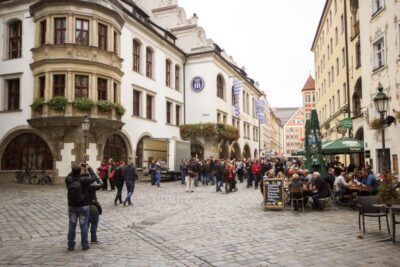
Old Town & Viktualienmarkt City Walk in German
Read our review →
Munich Ghosts and Spirits Evening Walking Tour
Read our review →
Discover Munich 2-Hour Small Group Walking Tour
Read our review →
Raven Black Witches and Executioners Walking Tour
Read our review →
Browse the lists this tour appears in