
Review · PORTUGAL
Aveiro: Stories, Canals, and Tiles Guided Walking Tour
Aveiro makes far more sense once you know what you are looking at. This two-hour walk connects churches, canals, tiles, boats, and salt into one clear story, rather than treating the city as a quick photo stop.
I like the careful look at azulejos, from early modern religious panels to Art Nouveau and Art Deco façades. I also like the human scale: Tony Walker, usually called Antonio, is a retired teacher who adjusts his explanations, answers questions, and often adds local detail that gives the streets a stronger sense of place.
The main consideration is pace and access. The route covers much of central Aveiro on foot and includes churches, canals, the Beira Mar quarter, and the saltpans area. It is not suitable for children under 10, wheelchair users, people with mobility impairments, or anyone with a low level of fitness.
Key points to know before you book
- Two churches are included inside: Entry to the Church of Mercy and Carmelite Convent Church adds real value to the $23 price.
- Antonio is the central appeal: His background as a retired teacher helps explain why the tour feels more like a thoughtful city lesson than a basic sightseeing circuit.
- Tiles receive proper attention: You will look at azulejos, Art Nouveau, Art Deco, ironwork, symbols, and façades that are easy to miss alone.
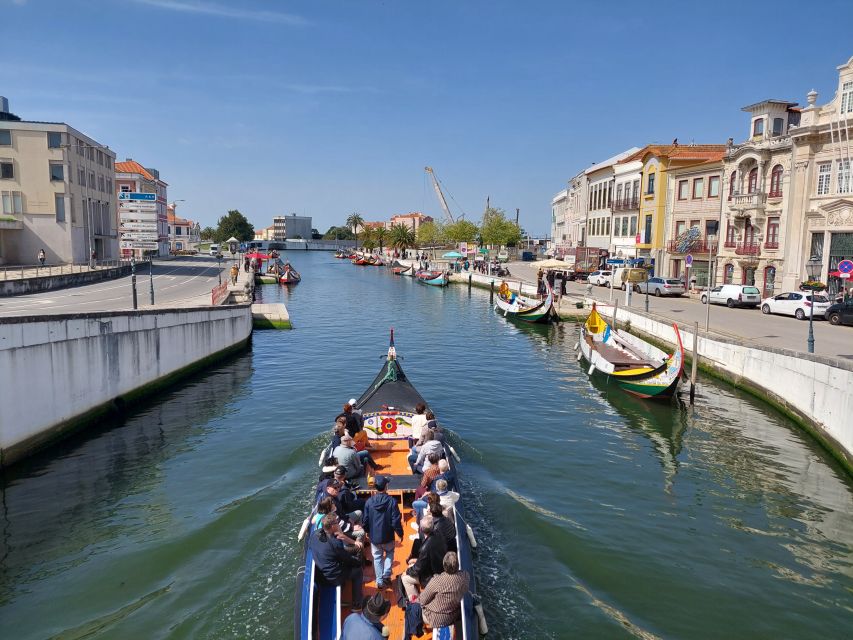
- The canals have a working past: You learn to identify moliceiros, mercanteis, and other traditional boats from the Ria de Aveiro.
- It runs in all weather: Bring comfortable shoes, sunscreen, and clothing suited to the forecast.
- Book it early in your stay: The route gives you useful context for returning to museums, canals, churches, restaurants, and boat trips on your own.
Why this Aveiro walk is more than a canal stroll
Aveiro is often introduced through its colorful boats and pretty waterways. That is pleasant, but it can leave you with a shallow picture of the city. This walk adds the missing pieces: the role of the lagoon, the salt industry, ceramic factories, religious institutions, urban decline, and the architectural changes that shaped modern Aveiro.
The tour starts at Praça da República, right in the center, with the Town Hall and the Misericórdia Church. From there, Antonio leads you through streets where the details matter as much as the major sights. You are not simply moving from one landmark to another. You are learning why the pavement is patterned a certain way, why a façade uses particular tiles, and how Aveiro’s canals relate to work on the lagoon.
At $23 per person, the cost is fair for a two-hour guided walk that includes two church entries. The value depends less on the distance covered than on Antonio’s explanations. If you only want a quick canal walk and photographs, you can spend less by exploring alone. If you want the city’s pieces joined together, the fee is modest.
The tour has a 4.9 rating from 134 reviews, with repeated praise for Antonio’s warmth, humor, local knowledge, and willingness to answer questions. Several people found the two hours passed quickly, and some said they would have happily continued longer. That is useful praise, but it also tells you to expect a talkative guide rather than a silent stroll.
More Guided Walks in Portugal:
- Best of Lisbon Small-Group Guided Walking Tour
★ 5.0 · 4,869 reviews - Experience Porto’s Charm: 3-Hour Guided Walking Tour
★ 5.0 · 2,432 reviews - Madeira: Enjoy a Guided Levada Walk in the Rabaçal Valley
★ 4.7 · 2,197 reviews
Praça da República and Aveiro’s first clues
The opening stop gives you a strong orientation. Praça da República places the Town Hall and Misericórdia Church within an easy walk of one another, and the meeting point is near the statue in the middle of the square. Look for the guide wearing a yellow and blue card.
The Church of Mercy is one of the included entries. Inside, Antonio can point out the decorative tilework and religious details that might blur together if you visit without explanation. The point is not only to see another church. It is to begin reading Aveiro through its surfaces.
The route then follows Rua de Coimbra, where the pavement becomes part of the lesson. The black and white calçada à portuguesa is familiar across Portugal, but a guide can help you pay attention to its pattern, material, and place in the city rather than treating it as background.
This early section is a good fit for anyone who enjoys architecture and small visual clues. It is less suited to someone who wants a fast list of attractions. Antonio’s style, according to the supplied comments, includes time for questions and occasional detours in explanation, so the walk may feel relaxed rather than tightly timed.
Carmelite detail in Praça Marques de Pombal
At Praça Marques de Pombal, you enter the Carmelite Convent Church. It is described as a small but impressive Baroque church, which is exactly the kind of place that benefits from a guide.
Small churches can be easy to overlook. Their scale is modest, and you may be tempted to take one quick look before moving on. Here, the stop gives you time to notice the decoration and the setting of a former convent. Antonio’s background in history and architecture is especially useful at this point, since the building is presented as part of Aveiro’s religious and artistic story.
The paid underground car park at Praça Marques de Pombal is about 200 metres from the meeting point. That makes the square a practical reference if you are arriving by car, though parking is paid.
Tiles, convent history, and Santa Joana
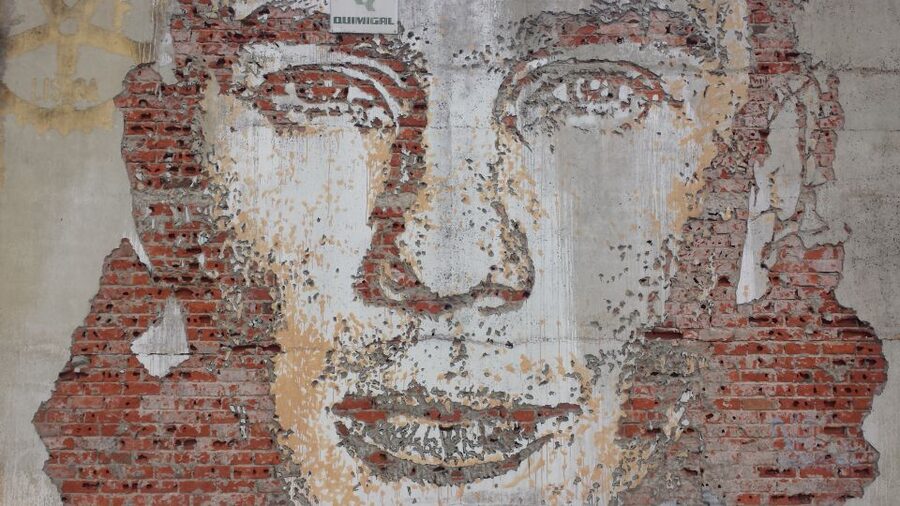
The route continues past the tile panels of Casa de Santa Zita and Sapataria Leão. These are not just colorful walls for photographs. They show how tiles appear in everyday urban architecture, including commercial façades and residential buildings, not only in churches.
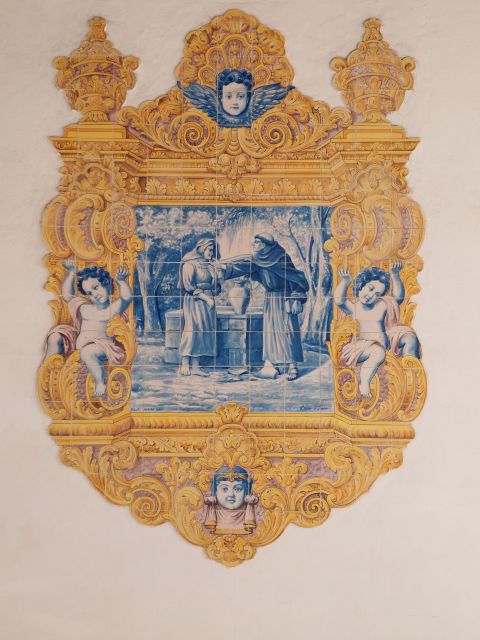
Antonio draws attention to Aveiro’s azulejos from the early modern period through the present day. That time span matters. You can see how tile decoration changes in style and purpose, from religious imagery to decorative façades and modern design.
You then pass beside the Dominican Convent of Jesus, linked to Princess Santa Joana, Aveiro’s patron saint. The tour uses her story to add a personal and political layer to the city’s past. This is one of the moments when the walk moves beyond architecture. A building becomes connected to a person, a religious community, and the identity of Aveiro.
After the convent comes the cathedral. Even if the stop is brief, its position in the route helps you understand how the religious center fits into the older city. The sequence of convent, cathedral, and church is well chosen because it gives the first half of the walk a clear rhythm.
More Walking Tours in Portugal:
- Lisbon: History, Stories and Lifestyle Walking Tour
★ 4.8 · 10,902 reviews - Lisbon: Food and Wine Small Group Walking Tour
★ 4.9 · 4,082 reviews - Porto Walking Tour, Lello Bookshop, River Cruise and Cable Car
★ 5.0 · 3,354 reviews - Funchal: Old Town Walking Tour
★ 4.7 · 3,233 reviews
Fonte Nova Canal and the working lagoon
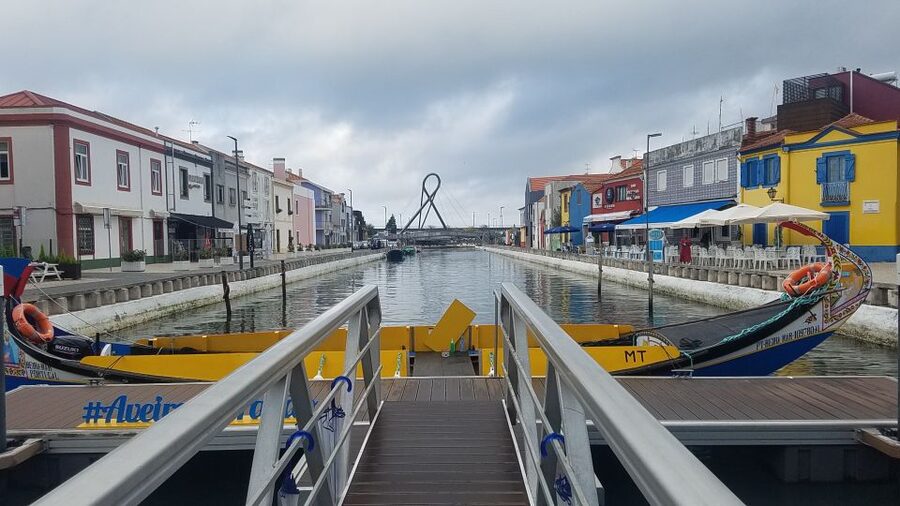
At Canal da Fonte Nova, the focus shifts from churches to industry and water. A former ceramics factory still occupies one of the buildings along the canal, a reminder that Aveiro’s waterways were not built only for sightseeing.
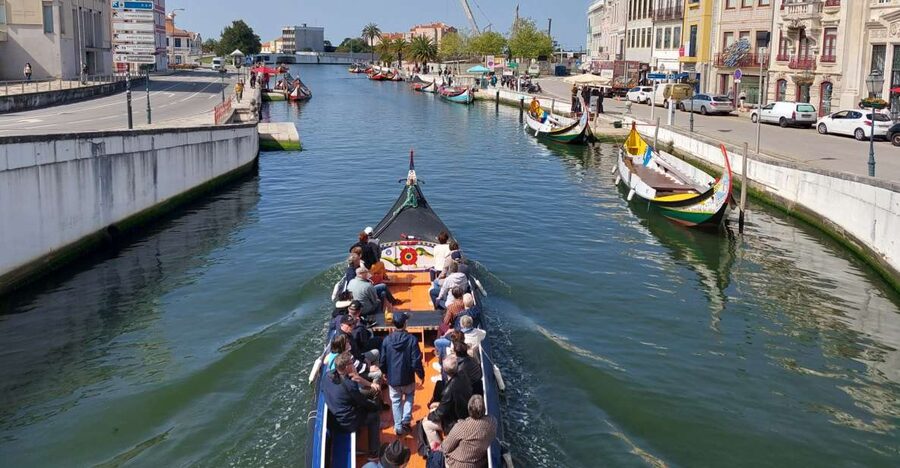
This is where the tour explains the canals’ origins and practical use. You also learn about the traditional boats of the Ria de Aveiro. The moliceiro is the best-known type, often recognized by its painted decoration, but the tour also introduces mercanteis and other boats connected with work on the lagoon.
That distinction is valuable. Many people see a boat and remember its bright colors, but not its function. Antonio helps you recognize the different craft and understand that the lagoon was part of the city’s economy, not simply a scenic backdrop.
The canal section also helps explain why Aveiro feels so different from other Portuguese cities. Its identity is tied to the water, salt, transport, fishing, and agriculture around the lagoon. The stories give the canals practical meaning.
Beira Mar, Art Nouveau, and ironwork
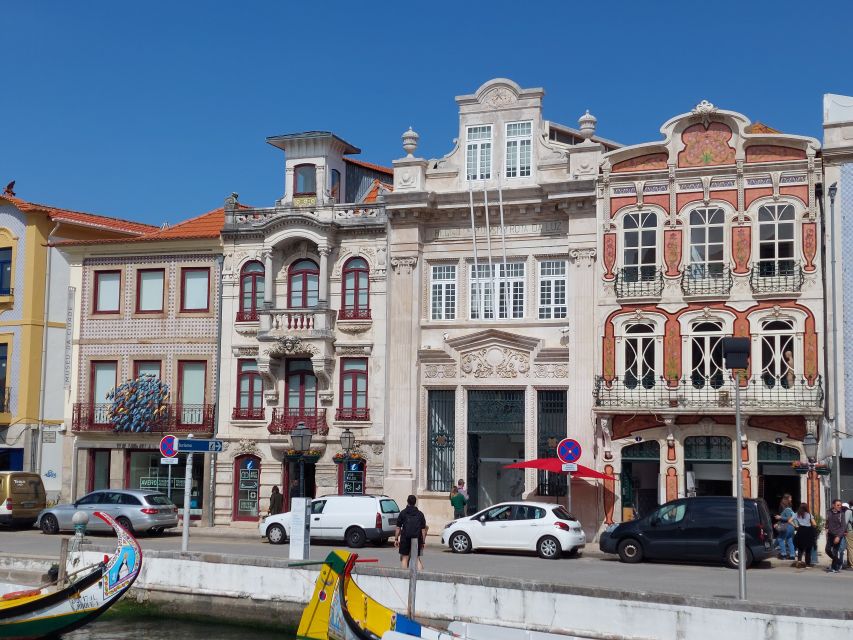
The walk continues through the Beira Mar neighborhood, where tiles remain a constant visual theme. This is one of the strongest sections for people who enjoy urban details. You look for Art Nouveau and Art Deco features, along with iron architecture from the turn of the 19th to the 20th century.
The two façades of the Museum of Art Nouveau receive special attention. Seeing both matters because they show how a style can work across different surfaces and building fronts. You may find yourself noticing curved lines, decorative metalwork, plant-inspired shapes, and carefully framed tiles that would otherwise pass unnoticed.
The tour does not treat Art Nouveau as a single isolated sight. Instead, it places the style within Aveiro’s period of renewal. That approach gives the buildings more meaning. They reflect changing tastes, new construction methods, and the city’s growing confidence at the turn of the century.
The walk’s repeated attention to façades is one of its best features. If you are moving quickly through Aveiro, your eyes tend to go to the canals. A guide redirects your attention upward and sideways, toward doorways, panels, iron balconies, and small symbols.
From medieval power to a difficult period
On the way toward the saltpans, Antonio explains Aveiro’s fortunes from the 11th through the 15th centuries. This was a period of power and importance for the city, tied to its position beside the lagoon and its access to trade and salt.
The story then turns to Aveiro’s difficult 17th and 18th centuries, described as a crossing of the desert. That phrase captures a long period of decline before the city’s revival in the 19th century. The contrast is important because Aveiro’s attractive center can make its past seem uniformly prosperous.
The walk gives you a longer view of the city. Aveiro was not simply born as a tourist destination with canals and colorful boats. It passed through periods of strength, hardship, industrial change, and renewal. That historical arc is one reason I would take the tour early in a visit.
The route toward the saltpans may feel less concentrated than the church and canal sections. It is still part of the larger story, but you should be ready for a sustained walk rather than a series of indoor attractions. Comfortable shoes are essential, and the tour goes ahead in rain or sun.
Local food, ovos moles, and São Gonçalinho
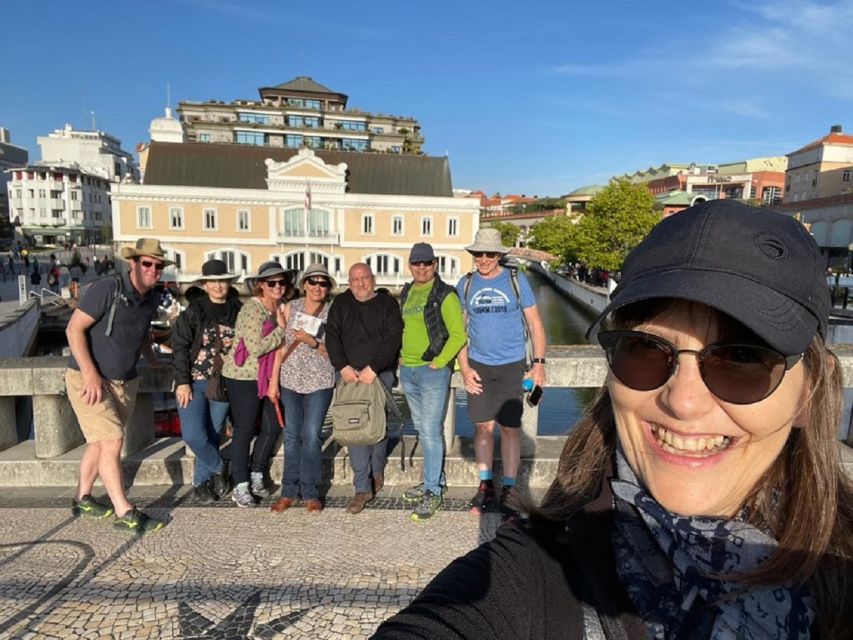
On the return, the conversation turns to food. You hear about eel stew and Aveiro’s famous ovos moles, a traditional sweet associated with the city. The tour does not include food or drinks, so treat these references as useful suggestions for what to try later.
The final stop is the Church of São Gonçalinho. Antonio explains the January festival connected with the church, including the unusual custom of throwing a hard, heavy traditional sweet over the heads of the faithful.
It is a memorable ending because it connects food, faith, and public celebration. The festival is not presented as a polished performance for outsiders. It is a local ritual with humor, physical energy, and a strong sense of tradition. Even if you visit outside January, the story gives the church a lively place in your memory.
One useful advantage of this ending is that you finish with practical ideas for the rest of the day. You can look for ovos moles, consider eel stew, or return to a canal area with a better understanding of what you saw.
Antonio’s guiding style
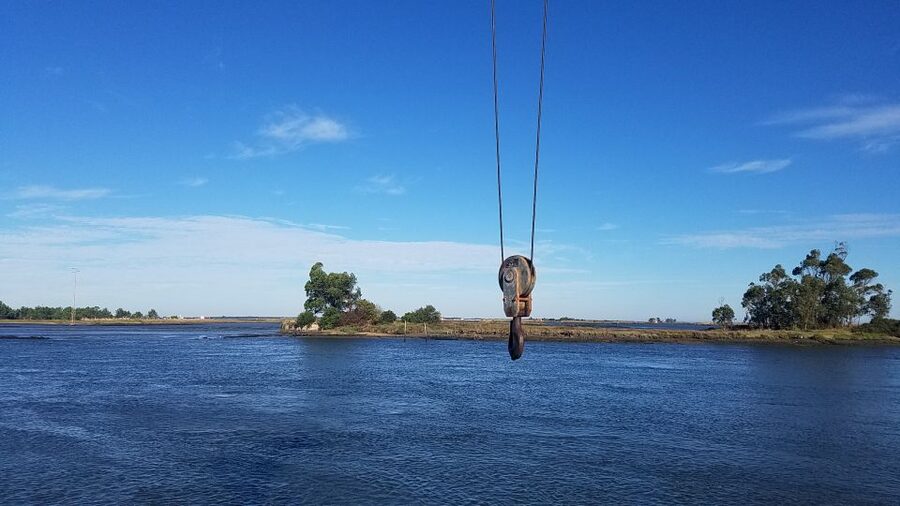
The strongest praise centers on Antonio. He is described as a retired teacher, a historian and architecture guide, and someone who has lived in Aveiro for more than 20 years. Those details help explain the style of the walk.
You can expect a guide who likes stories and questions. He has been described as funny, patient, kind, and willing to adjust the route or explanation to the interests of the group. Small groups are especially helpful here because architecture and symbolism often lead to questions.
He also seems comfortable with a flexible pace. Some walks have run longer when the group took its time, and one person compared him to a good-natured uncle showing you his home city. That warmth is a genuine advantage if you want personal contact rather than a formal speech.
The possible downside is that the experience may not suit you if you prefer a strict, fast-moving itinerary. Antonio’s strength is explanation, not speed. His style works best for people who want to stop, look, ask, and connect details.
Practical details that affect your choice
The walk lasts two hours and is offered in English, Portuguese, Spanish, and French. Meet near the statue in the center of Praça da República and look for the yellow and blue card.
Bring a passport or identity card, comfortable shoes, sunscreen, and clothing suited to the weather. Luggage and large bags are not allowed, and you should not bring a bike. Alcohol and drugs are prohibited, and unaccompanied minors are not accepted.
The experience is not suitable for children under 10, wheelchair users, people with mobility impairments, or people with a low level of fitness. That limitation matters because this is an active walking route, not a seated city talk.
You can cancel up to 24 hours before the start for a full refund, and you can reserve now while paying later. Those terms make it easier to place the walk near the beginning of your Aveiro plans.
Should you book the Aveiro Stories, Canals, and Tiles tour?
Book it if you want Aveiro explained rather than simply photographed. The strongest reasons are Antonio’s personal approach, the church entries, the attention to tiles and architecture, and the clear connection between the city and the Ria de Aveiro.
It is especially useful as a first activity in town. After two hours, you will have a better eye for azulejos, a clearer idea of what the canals once did, and several food and neighborhood suggestions to follow up on.
Skip it if you want a short boat ride, a self-guided stroll, or a tour built mainly around postcard views. A boat trip can be booked separately, and this walk is the better choice for history, architecture, and local stories.
For $23, I consider it a strong introduction to Aveiro, provided you are comfortable walking and enjoy a guide who takes time to explain the details.
FAQ
How long does the Aveiro walking tour last?
The tour lasts two hours.
What languages are available?
The live guide can conduct the tour in English, Portuguese, Spanish, or French.
Where is the meeting point?
Meet near the statue in the center of Praça da República. The guide will wear a yellow and blue card.
Are church entrance fees included?
Yes. Entry to the Church of Mercy and the Carmelite Convent Church is included. Other places are viewed from outside or have free entry.
Is food included?
No. Food and drinks are not included. The tour discusses local specialties such as eel stew and ovos moles.
What should I bring?
Bring a passport or identity card, comfortable shoes, sunscreen, and weather-appropriate clothing.
Is the tour suitable for wheelchair users or children under 10?
No. The tour is not suitable for wheelchair users, people with mobility impairments, people with a low level of fitness, or children under 10.
New routes in Portugal
- Small Group Walking Tour of Belém★ 4.9 · 80 reviews
- Porto: Sunset Walking Tour with Port Wine and Views★ 4.6 · 95 reviews
- PORTO: Historical Walking Tour★ 4.8 · 92 reviews
- Porto: Highlights & hidden gems Walk – max 10★ 5.0 · 441 reviews
- Porto: City Center Walking Tour★ 4.6 · 227 reviews
- Porto: Harry Potter and City of Porto Guided Walking Tour★ 4.9 · 501 reviews
- Porto: Historical Center Walking Tour★ 4.8 · 898 reviews
- Porto: 3-Hour Walking City Tour & Lello Bookstore Visit★ 4.7 · 99 reviews
Portugal Walking Tours, compared.
Best of Lisbon Small-Group Guided Walking Tour
Read our review →
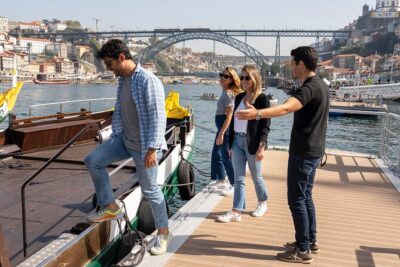
Porto Walking Tour, Lello Bookshop, River Cruise and Cable Car
Read our review →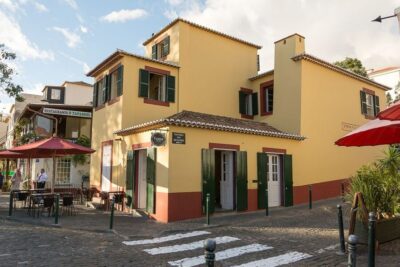
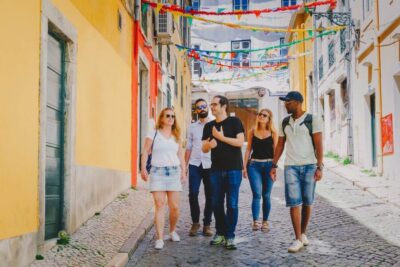
Best of Lisbon Walking Tour: Rossio, Chiado & Alfama
Read our review →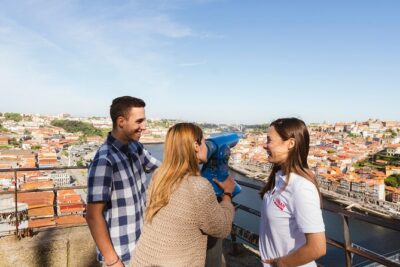
Experience Porto’s Charm: 3-Hour Guided Walking Tour
Read our review →
Madeira: Enjoy a Guided Levada Walk in the Rabaçal Valley
Read our review →Browse the lists this tour appears in