
Review · MADEIRA
Funchal: Old Town Walking Tour
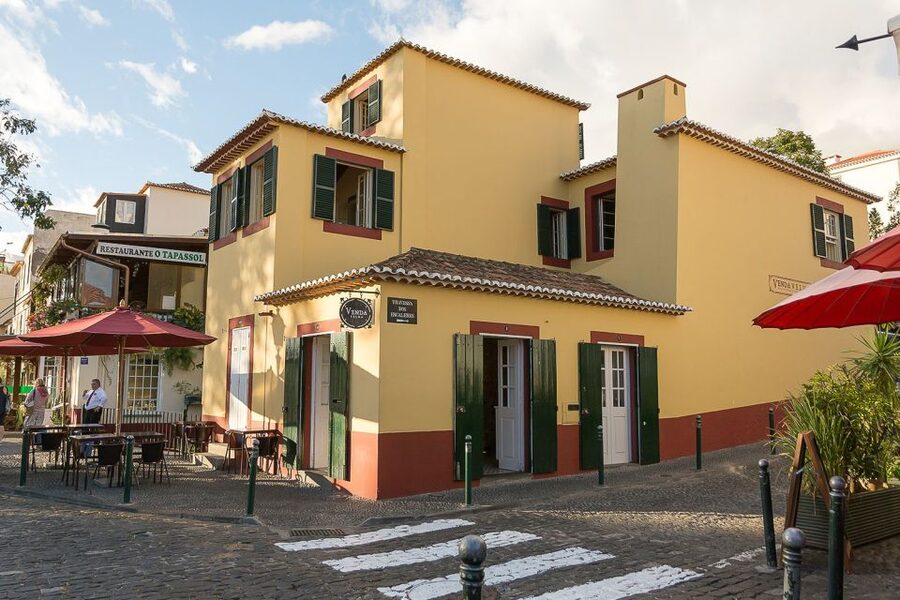
Funchal’s story comes together nicely on this two-hour walk through the old center. You move from the Jesuits’ College to the Farmers’ Market, medieval streets, old fortifications, churches, sugar history, and Madeira wine. The tour is especially good at showing how trade, flooding, religion, and student life shaped the city.
I like the small groups, which make it easier to ask questions and pause for photos. I also like the mission behind the tour: your $19 helps fund educational and social programmes for University of Madeira students. The main drawback is the route itself, with cobbled streets and slight inclines that may be tiring or awkward for anyone with limited mobility.
Key points at a glance
- The Farmers’ Market gives the tour a local, everyday stop, not just a parade of monuments.
- A 19th-century sweet factory and traditional wine lodge connect Funchal’s past with its food and drink culture.
- The route includes less obvious sites, including old fortifications, painted doors, and the city’s flood-control story.
- The Jesuits’ College is both the starting point and the final historical setting, making the walk feel neatly tied together.
- Guides such as Annabelle, Elias, Elea, Hannah, and Elena have been praised for clear storytelling and an easy pace.
- The tour supports University of Madeira student programmes, giving the low price a useful social purpose.
Why this Funchal walk is worth your first morning
At $19 per person, this is a modestly priced introduction to Funchal. I see it as a good first activity because it gives you a working map of the center, plus enough history to make later visits more meaningful.
You are not simply ticking off the Cathedral and the market. The guide explains how Madeira’s sugar industry brought wealth, why the riverbeds mattered, how flooding shaped the city, and why the island became tied to wider Atlantic trade. That context helps you understand why Funchal looks and functions as it does today.
The two-hour length is another strength. It is long enough to cover a broad section of the center, but short enough to fit into a cruise stop, a first day, or a morning before lunch. The pace is generally easy, and several guides have allowed time for photos and brief independent looks at the market or other stops.
The tour is led by guides from the Madeiran Heritage programme. Some are students or young people spending time in Madeira, and the guide roster changes. Names praised in the supplied feedback include Annabelle, Elias, Elea, Hannah, Elena, Evelina, Hugo, Sarah, and Ellena. The important point is not to expect one fixed guide. You can expect a guide working from a prepared historical programme, often with strong language skills and a friendly, personal approach.
More Old Town Walking Tours in Madeira:
- Underground Vaults Walking Tour in Edinburgh Old Town
★ 4.5 · 8,506 reviews - Prague: 3-Hour Walking Tour of Old Town & Prague Castle
★ 4.7 · 5,696 reviews - Dubrovnik: Old Town Walking Tour
★ 4.8 · 5,174 reviews
Finding the Jesuits’ College meeting point
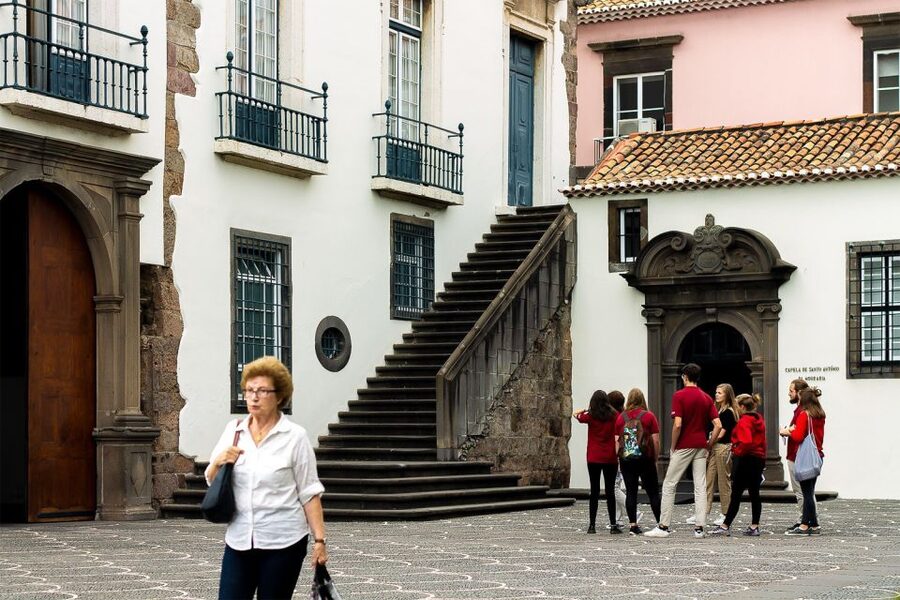
The starting point is easy to misunderstand. You meet at the University of Madeira Rectory inside the Jesuits’ College of Funchal, not at the church entrance and not outside the church itself.
Look for the glass doors and University of Madeira signs on Rua dos Ferreiros, next to D’Oliveiras Madeira Wine. The Gaudeamus Shop is inside the building. Arrive about 10 minutes early, since the tour begins with group organization and guide allocation.
The former Jesuits’ College gives the walk a strong opening. Founded by King Sebastian of Portugal in the 16th century, it is more than a check-in point. You begin in a place tied to education, religion, and royal power, then return here at the end after seeing how those themes played out across Funchal.
One practical note: the beginning can feel slightly confusing if you are expecting a guide outside the church. Go to the University entrance on the street beside the church, and you should be in the right place.
City Hall and the first look behind the facade
The first stop is a lesser-seen area inside Funchal City Hall. It is described as a photo stop rather than a long museum visit, so you should not expect a full tour of the building.
Still, it is a useful start. City Hall anchors the civic side of Funchal, while the Jesuits’ College represents the city’s religious and educational past. The guide uses these early stops to explain how Madeira and Funchal developed, rather than treating each building as an isolated photo opportunity.
Archive images and visual material may be used along the way. This matters because Funchal has changed through rebuilding, trade, flood control, and new public works. Seeing an older image can make the present-day street plan easier to understand.
Rua Dr. Fernão de Ornelas and the market district
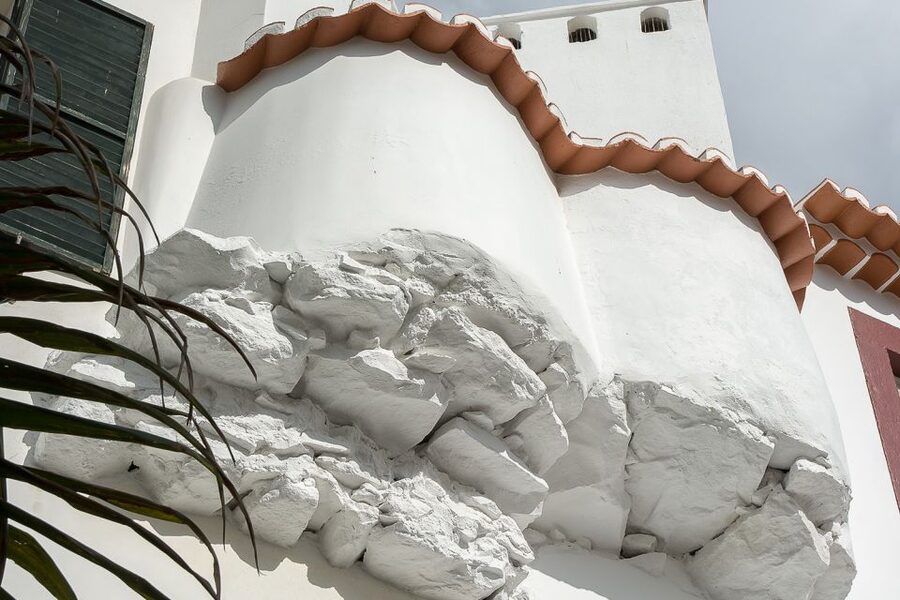
The walk continues along Rua Dr. Fernão de Ornelas, one of the city’s busiest streets. Here the guide discusses the early days of Madeira’s embroidery industry.
That subject adds welcome variety. Funchal is often reduced to wine, flowers, and mountain views, but embroidery was also an important part of its commercial identity. The street gives you a sense of how work, shopping, and transport fit together in the central district.
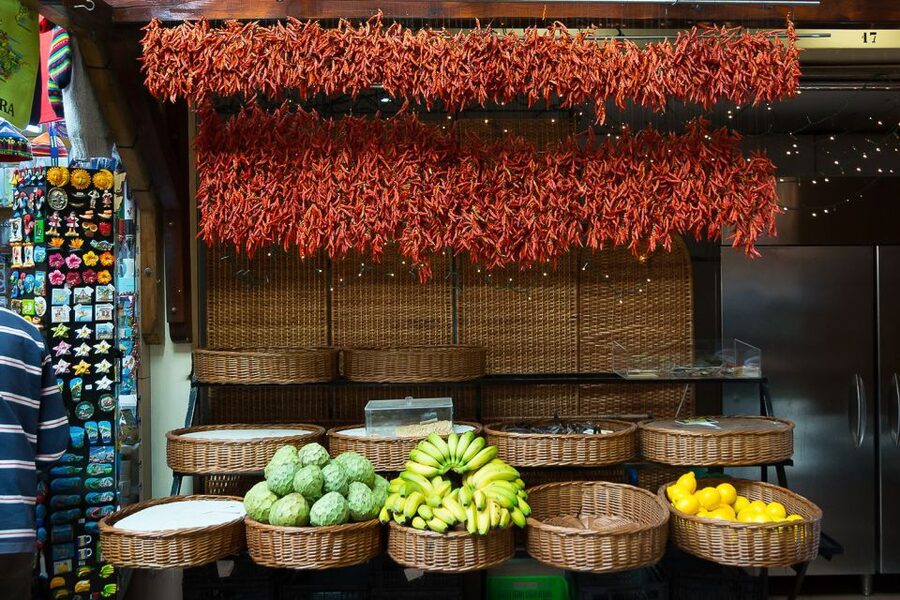
The main event is the Farmers’ Market, known locally as Mercado dos Lavradores. You receive a guided visit rather than simply being pointed toward the entrance. The guide helps you understand what you are seeing and may point out produce, local foods, and details you might miss while wandering alone.
You should have some time to look around independently, but this is not a food tour. Food and drinks are not included, and tastings are not the main purpose of the market visit. If you want to buy fruit or local products, bring a small amount of spending money and be ready to return later if the group moves on.
Several people have found the market useful as a place to revisit after the tour. I agree with that approach. The first visit is for orientation and explanation. A later stop lets you browse at your own speed.
More Walking Tours in Madeira:
- Madeira: Enjoy a Guided Levada Walk in the Rabaçal Valley
★ 4.7 · 2,197 reviews - Funchal: East Madeira Island Guided Tour & Laurissilva Walk
★ 4.8 · 1,194 reviews - Madeira East Island Tour and Levada Walk
★ 4.6 · 800 reviews - Madeira: Food and Wine Walking Tour in Funchal
★ 4.8 · 469 reviews
Santa Maria Street, painted doors, and the old city edge
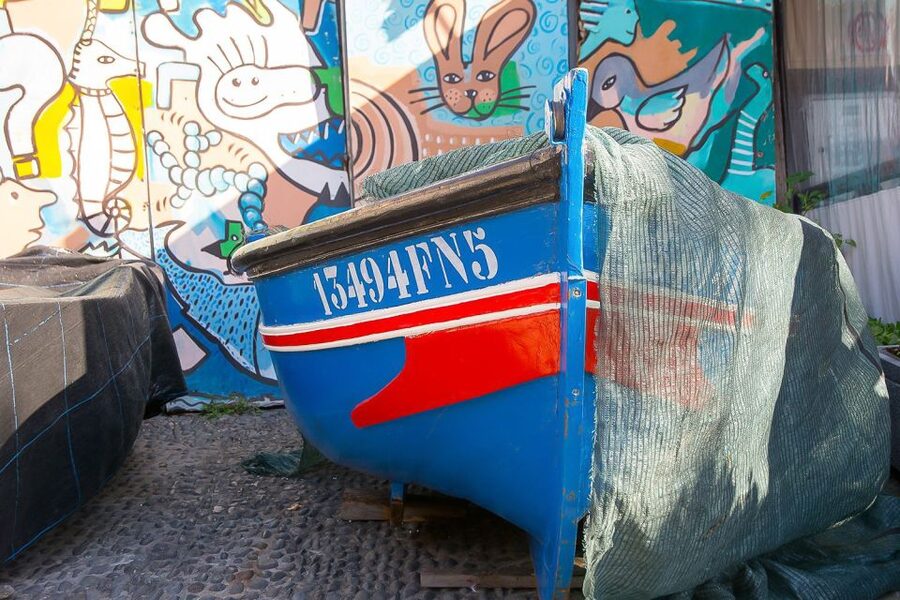
From the market, the route passes through Rua de Santa Maria, one of the most recognizable streets in the old town. The area is associated with painted doors and the city’s street-art project, making it one of the more photogenic sections of the walk.
The guide does not treat Santa Maria Street as a backdrop only. You hear about the older street pattern and the way the area connects to Funchal’s port-side development. This is where the walk begins to feel less like a standard central-city circuit and more like a look at the layers underneath the tourist district.
The route then reaches the Admiral’s Garden and the remains of an old fortress. The fortification is near riverbeds that were once walled in to help protect the city from flooding.
This is an especially useful piece of context. Funchal’s rivers and steep surroundings have always affected construction and daily life. A ruin beside a riverbed may not look dramatic at first, but the guide’s explanation gives it purpose. You begin to see the city as a place shaped by water management as much as by trade.
Expect old paving and some uneven ground here. Comfortable shoes are essential. Large luggage and big bags are not allowed, which is worth noting if you are coming directly from a ship or train with belongings.
Colombo Square and Madeira’s sugar story
At Colombo Square, the tour turns to sugarcane. Madeira’s early prosperity was closely tied to sugar production, and this stop links the island’s economy to the wider Atlantic world.
The guide also explains Madeira’s connection to Christopher Columbus, who lived on the island. That detail gives the sugar story a personal and geographic link to the age of exploration. You are not just hearing that sugar was important. You learn how the crop helped connect Madeira to powerful commercial and political networks.
This is one of the strongest parts of the tour for anyone who wants more than surface-level sightseeing. Funchal’s grand buildings and wine shops make more sense once you understand where the island’s early wealth came from.
The route also passes the Madeira Legislative Assembly. You may visit or pause there depending on the group’s timing and access. This stop brings the story into the present, connecting Madeira’s older institutions with its current political life.
The Cathedral and the center of religious power
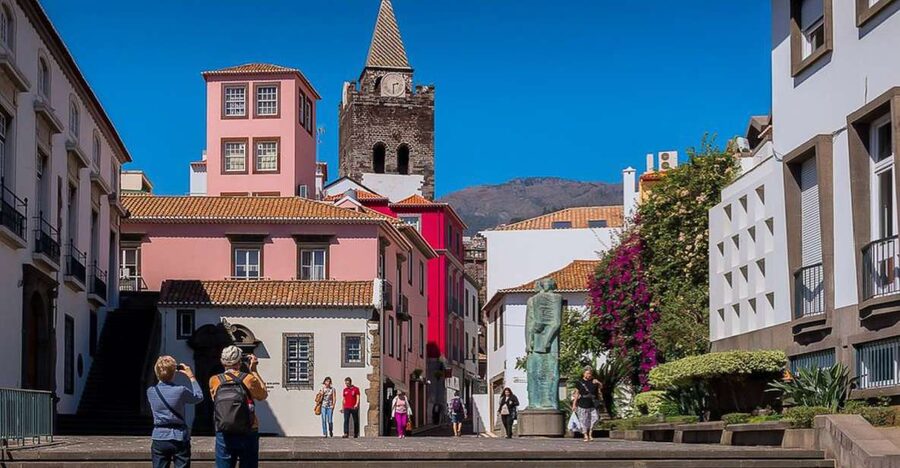
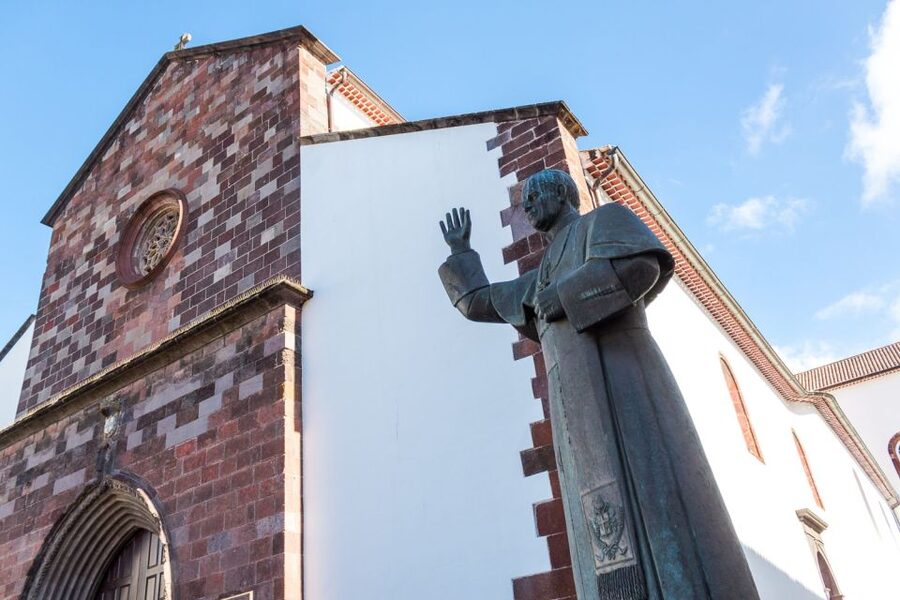
The Cathedral of Funchal is one of the major landmarks on the route, and the tour includes a visit. The guide explains that in the 16th century it served as the seat of the largest diocese in the world.
That fact gives the building unusual weight. Madeira was not a remote footnote in the early Atlantic period. Its location and economic role helped make Funchal a center of influence far beyond the island.
Allow time to look up and around rather than rushing through for a photograph. The point of this stop is not only the building itself, but the scale of the religious authority once based here.
The route includes other churches and plazas as well, depending on access and timing. Since the tour covers several important sites in only two hours, the guide’s explanation is the main benefit. If you want a slow architectural study of every interior, you will need to return on your own.
Municipal Garden, Madeira wine, and the final return
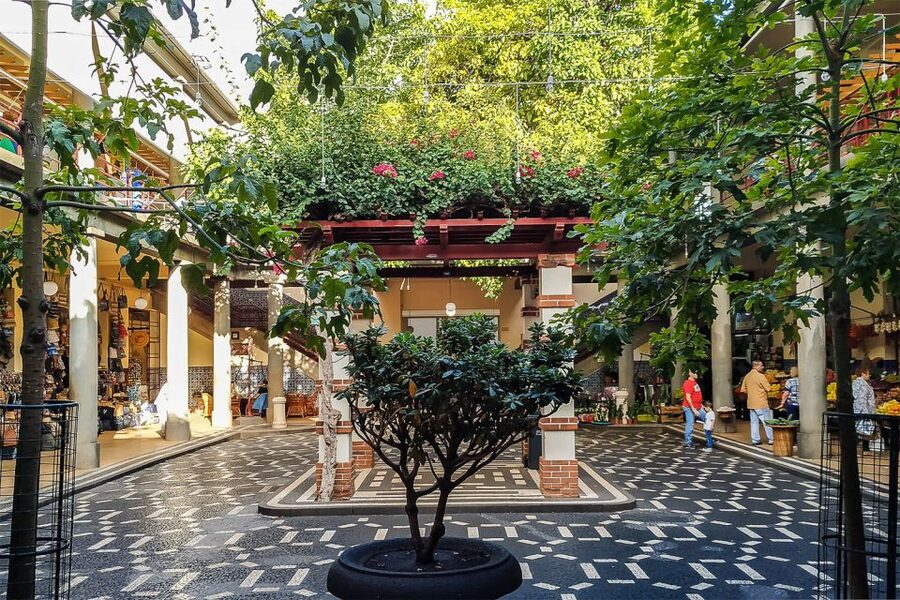
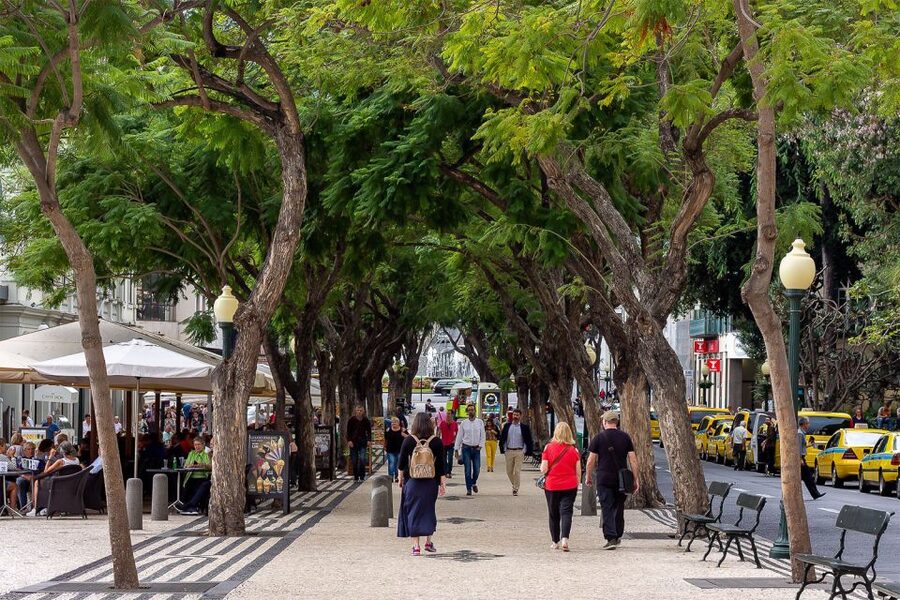
The Municipal Garden provides a short stop and a change of pace. The route passes through the garden before reaching a traditional Wine Lodge.
Madeira wine is one of the island’s defining products, so this is a sensible place to end the walking portion. The included information describes a visit to a traditional wine lodge, and the experience may include a small Madeira wine tasting. Several accounts specifically mention this as a pleasant surprise at the end.
Do not book this expecting a full winery tour or a long tasting session. It is a brief introduction that rounds out the history of sugar, trade, and local production. If you want a serious wine education, you will need a separate visit.
The route also passes the Madeira Photography Museum, Atelier Vicente’s. It is not presented as a full museum visit, but the building adds another cultural note to the walk. After that, you return to the Jesuits’ Church and the former college.
The usual drop-off points are the Municipal Garden and the Jesuits’ College. That gives you a practical choice. You can remain near the garden and continue exploring central Funchal, or finish where you began and use the college as your next point of orientation.
What the $19 price really gets you
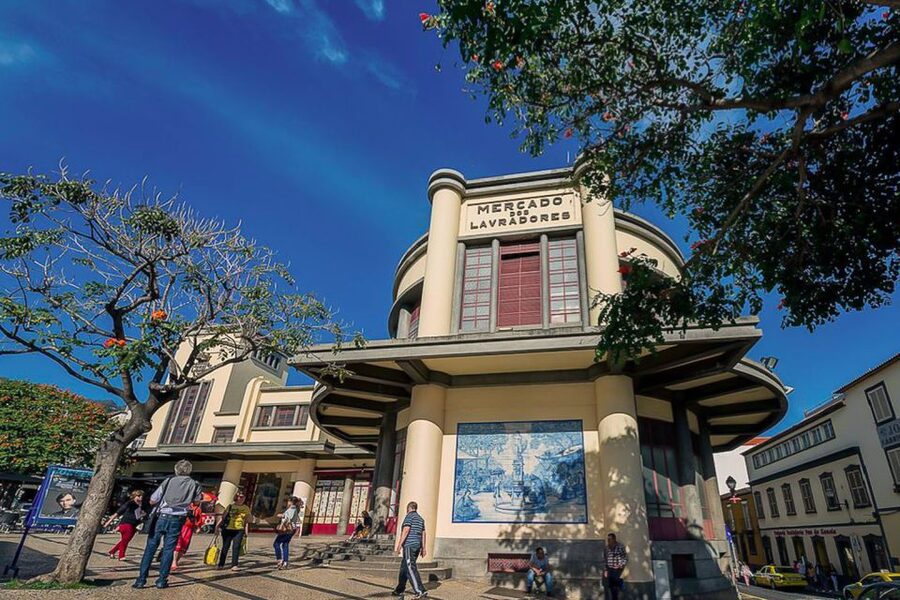
The value here is not based on the number of formal admissions. It comes from the guide, the compact route, the access to selected interiors, and the way separate sights are joined into one story.
For $19, you receive a two-hour guided walk, entry to the Jesuits’ College, the Farmers’ Market visit, the 19th-century sweet factory, a traditional wine lodge visit, and historical commentary. Food, drinks, hotel transport, and personal purchases are extra.
The sweet factory is worth special mention. Founded in the 19th century, it gives you a look at a traditional side of Funchal’s food culture that can easily be missed if you stick to major monuments. It is not presented as a full cooking class or tasting programme, so keep expectations in proportion.
I also value the fact that the income supports educational outreach and social assistance for University of Madeira students. That does not replace good guiding, but it makes the low price feel more purposeful. You are paying for an activity and helping fund a local programme.
Pace, accessibility, and who should book
The walk suits first-time visitors, cruise passengers, solo visitors, and anyone who wants a clear introduction before exploring alone. It also works well for families with children aged 10 and older, though younger children can attend with supervision.
The route is described as wheelchair accessible, but the practical details deserve care. Cobbled streets and slight inclines may make the experience unsuitable for some people with limited mobility. Ask for precise route advice before booking if this is a concern.
Bring comfortable shoes, sun protection, or rain gear according to the forecast. The tour runs in most weather conditions. Small groups are intended to make the experience more personal, and group size can sometimes be very small, even one or two people.
The available languages are English, German, and French. If you have a firm language preference, state it in advance so the organizers can plan guide availability.
Should you book the Funchal Old Town Walking Tour?
I would book it early in a Madeira stay, especially if this is your first visit. The route gives you useful bearings, covers the market and old town, explains the sugar and wine connection, and offers practical suggestions for places to revisit.
Book it if you like history told on the street, prefer small groups, and want a social purpose attached to your spending. It is also a smart choice for a short port call because it covers central Funchal without taking the whole day.
Skip it if you want a food-focused tour, a long wine tasting, or a route with no cobbles and inclines. For most people who want an affordable introduction to Funchal, though, the mix of city landmarks, working market, old lanes, churches, and student-supported guiding makes this a strong value.
FAQ
How long is the Funchal Old Town Walking Tour?
The tour lasts two hours.
How much does the tour cost?
The listed price is $19 per person.
Where does the tour begin?
It begins at the Jesuits’ College of Funchal, inside the University of Madeira Rectory on Rua dos Ferreiros.
How do I find the meeting point?
Look for the glass doors and University of Madeira signage beside the Jesuits’ Church, next to D’Oliveiras Madeira Wine. The meeting point is at the University entrance, not at the church entrance.
Which languages are available?
The tour is offered in English, German, and French. If you strongly prefer one language, indicate that in advance.
Is food or drink included?
Food and beverages are not included. The tour includes a visit to a traditional wine lodge, and a small Madeira wine tasting may be part of the experience.
Is the route suitable for wheelchair users?
The activity is described as wheelchair accessible, but cobbled streets and slight inclines may make it unsuitable for some people with limited mobility.
What should I bring?
Bring comfortable shoes and weather protection suited to the forecast. Large bags and luggage are not allowed.
New routes in Madeira
- Madeira: Paradise Valley Levada Walk★ 4.7 · 74 reviews
- Madeira: Santana Jeep Safari and Referta Levada Walk★ 4.8 · 239 reviews
- From Funchal: Madeira Peaks Mountain Walk★ 4.8 · 380 reviews
- Taste Funchal: food, wine and cultural tour★ 4.8 · 680 reviews
- Serra de Água Valley Levada Walk★ 4.6 · 154 reviews
- Levada Walk and Caldeirao Verde Waterfalls: Madeira★ 4.6 · 205 reviews
- Madeira: Food and Wine Walking Tour in Funchal★ 4.8 · 469 reviews
- Câmara de Lobos/Sky Walk (Cabo Girão) : Private Tuk Tuk Tour★ 4.9 · 72 reviews
Madeira Walking Tours, compared.
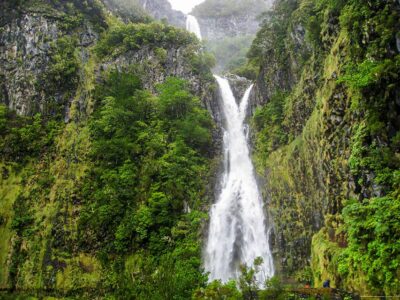
Madeira: Enjoy a Guided Levada Walk in the Rabaçal Valley
Read our review →
Funchal: East Madeira Island Guided Tour & Laurissilva Walk
Read our review →
Madeira: Food and Wine Walking Tour in Funchal
Read our review →
Madeira: Santana Jeep Safari and Referta Levada Walk
Read our review →
Levada Walk and Caldeirao Verde Waterfalls: Madeira
Read our review →Browse the lists this tour appears in