
Review · ITALY
Marsala: Guided Salt Pans Walk Tour with Windmill Visit
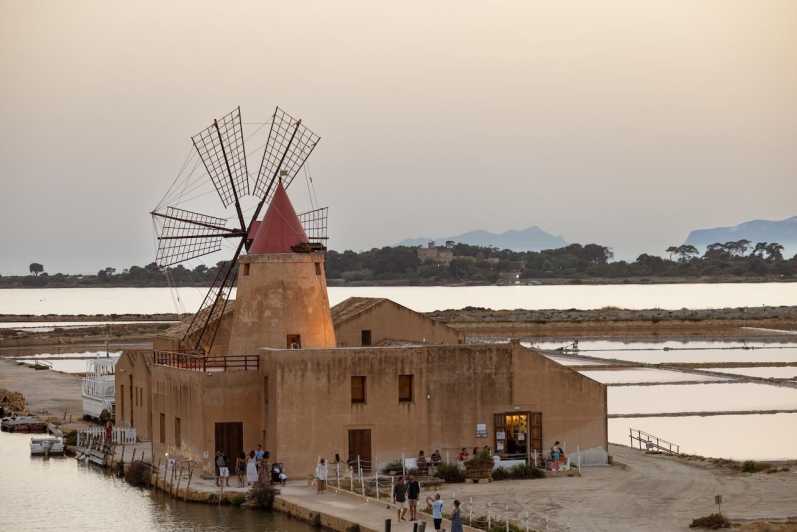
Marsala’s salt pans turn a basic ingredient into a surprisingly engaging hour of travel. You begin inside a 16th-century windmill, watch a short film on salt production, then walk beside shallow pools that can glow with changing, iridescent colors. It is an unusual stop, and it gives you a clear look at how sea salt is made rather than simply putting a packet of it on your table.
I like the simple mix of indoor and outdoor time, especially in Sicily’s strong sun. I also like the price: at $18 per person, you get an English guided walk, the film, and access to a historic mill. The main drawback is the pace and terrain. This is a short walking tour with little shade, and it is not suitable for wheelchair users or people with mobility impairments.
Key points at a glance
- The tour begins in a 16th-century windmill, where a film explains seawater, evaporation, salt formation, and harvesting.
- The salt pools can look like a mosaic, with colors changing according to the water, salt, and light.
- You walk through the Stagnone Nature Reserve while learning how a working salt pan is managed.
- The English-speaking guide makes the science approachable, with time for questions in smaller groups when numbers are low.
- The setting works well around sunset, though you should check the available start time before booking.
- The site has free parking, toilets, a restaurant, and a salt shop, making it easy to add to a day around Marsala.
Why Marsala’s salt pans are worth your time
The salt pans north of Marsala offer a different side of western Sicily. You are not visiting a grand church or an ancient ruin. Instead, you are seeing a working system shaped by seawater, sun, wind, shallow basins, and patient timing.
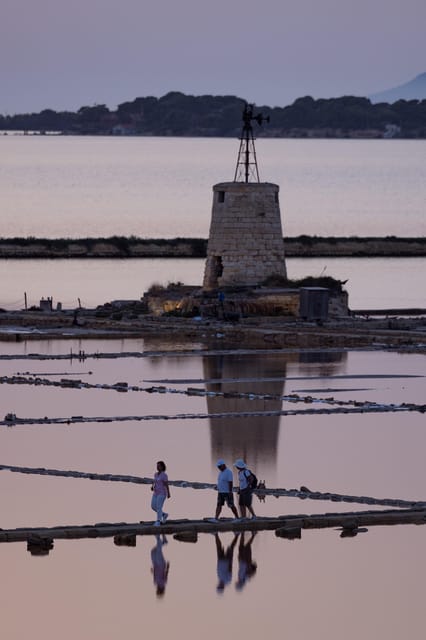
The Stagnone Nature Reserve gives the setting its appeal. Water sits in a series of salt pools, each at a different stage of evaporation or salt collection. In good light, the basins take on pale pink, white, blue, and reflective tones. The exact colors depend on conditions, so you should think of the views as changeable rather than guaranteed.
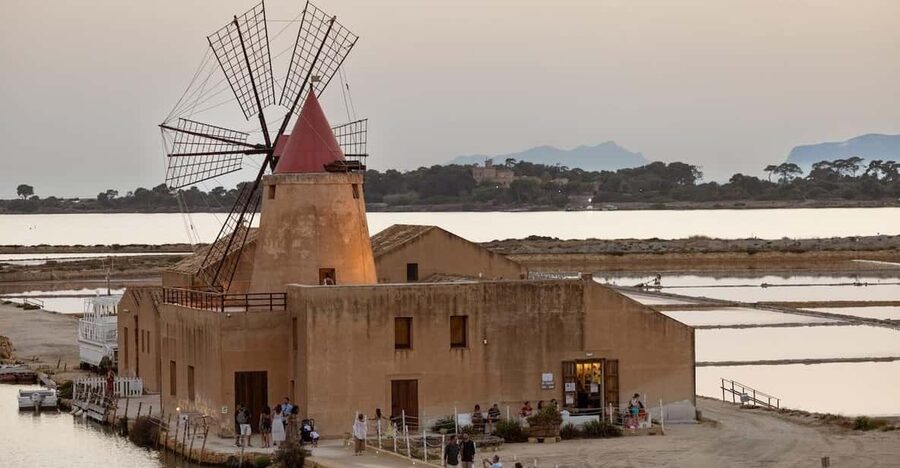
The windmills are the visual signature of the area. They once helped move seawater between the basins, and the mill at SEI, Saline Ettore e Infersa, provides the starting point for the visit. The building is not just a backdrop for photographs. It helps explain the older methods used to control water and keep the salt pans productive.
I find this kind of visit useful because it connects nature and work. You learn why the pools are shaped as they are, how seawater moves through the system, and why salt collection cannot be rushed. The tour also gives you a better reason to look at the pans than simply taking a few pictures and leaving.
More Guided Walks in Italy:
- Milan: Guided Walking Tour & Last Supper Visit with Ticket
★ 4.7 · 5,409 reviews - Naples: Street Food Walking Tour with Local Guide
★ 4.9 · 4,976 reviews - Florence: Highlights Walking Tour with Expert Guide
★ 4.6 · 4,662 reviews
Inside the windmill: film first, then the story
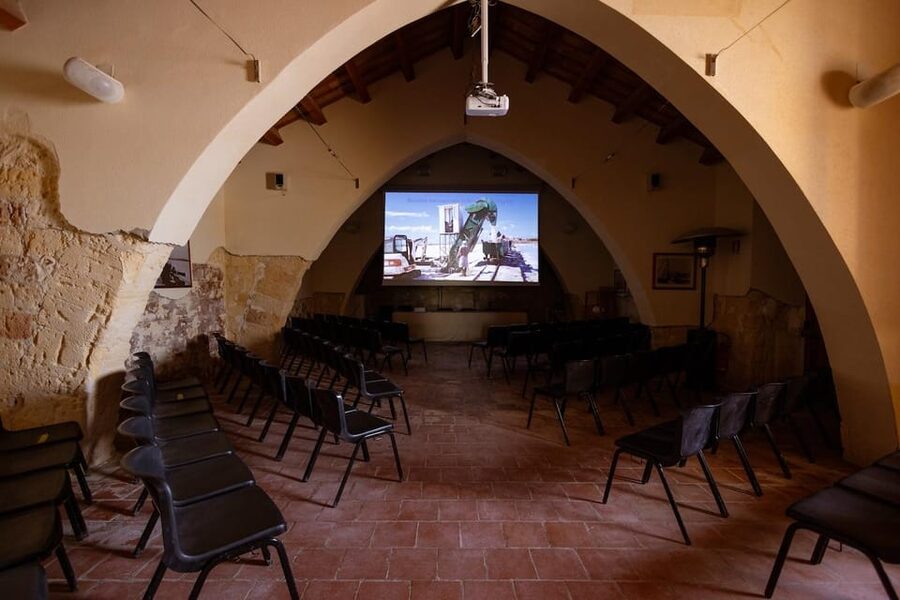
Go directly into the large windmill inside the saltworks park. You do not need to search for a separate town-center office. The park at SEI is free, and the tour begins inside the mill after you tell staff that you have a reservation.
The first part is an English-language film about sea salt production and harvesting. This is a useful opening because the salt pans can be hard to understand when you first see them. Rows of shallow water may look decorative, but the film gives you the basic sequence before you head outside.
You learn about the movement of seawater, the stages of evaporation, and the point at which salt can be collected. The film also prepares you for the practical side of the visit: salt production depends on time, weather, water levels, and careful management.
The indoor introduction is short enough to keep the hour moving. It also gives you a break from the sun, which matters during the hotter months. One visitor found the film especially helpful when the guide’s English was harder to follow, so pay attention to this section even if you already know a little about salt making.
Walking the pools and reading the colors
After the film, your guide takes you through the salt pans. The walk is the heart of the experience, and it is where the process becomes easier to picture.
The pools are not all doing the same job. Their changing depth and salt levels help create different stages in production. Your guide explains the life cycle of a salt pan, how the basins are managed, and how workers judge the pace of collection.
You will see windmills across the saltworks and the broad views of the reserve. The pools can reflect the sky and take on unusual colors, giving you good opportunities for photographs. Bring a camera, but do not spend the entire walk looking through it. The guide’s explanation is what turns the scene into a working place rather than a pretty collection of ponds.
The walking surface and the exposure to the elements deserve attention. Wear comfortable shoes, carry water, and use sunscreen and a hat. There is no suggestion that this is a difficult hike, but it is still an outdoor walk in an open saltworks. The activity is specifically not suitable for wheelchair users or people with mobility impairments.
The pace is relaxed enough for questions. Small groups can make a real difference here. A group of four, for example, allows you to ask about the salt pans, the windmills, and harvesting without waiting through a long line of questions. Larger groups may feel less personal, but the tour still lasts only an hour, so the short format keeps it manageable.
How salt collection works
The most valuable part of the tour is the explanation of timing. Salt making is not simply a matter of leaving seawater in the sun and scraping the bottom. The water passes through connected basins, gradually becoming more concentrated as evaporation removes fresh water.
Your guide explains how the saltworks are managed and why collection follows its own pace. This gives you a practical sense of the work involved. The process depends on conditions and on knowing when the salt has reached the right stage.
The tour also covers older techniques that remain part of the story of the saline. That connection between traditional methods and present-day production gives the visit some substance. You are not only looking at a preserved industrial site. You are learning how an important local product is made and why the system still needs attention.
At the end, you can spend more time inside the mill. The building contains photographs and extra information about the past, and you may be able to go up to the rooftop. The rooftop is a pleasant finish because it gives you another angle over the salt pans and windmills. Check the exact access with staff on the day, since the guided portion is the fixed one-hour activity.
More Walking Tours in Italy:
- Venice: Doge’s Palace and St Mark’s Basilica Walking Tour
★ 4.4 · 6,291 reviews - Venice: San Marco to Rialto Walk & Spritz Like a Local
★ 4.2 · 3,651 reviews - Venice Walking Tour and Gondola Ride
★ 3.5 · 3,630 reviews - Uffizi & Accademia Timed Entry: Small Group Duomo Walking Tour
★ 4.5 · 3,630 reviews
What you get for $18
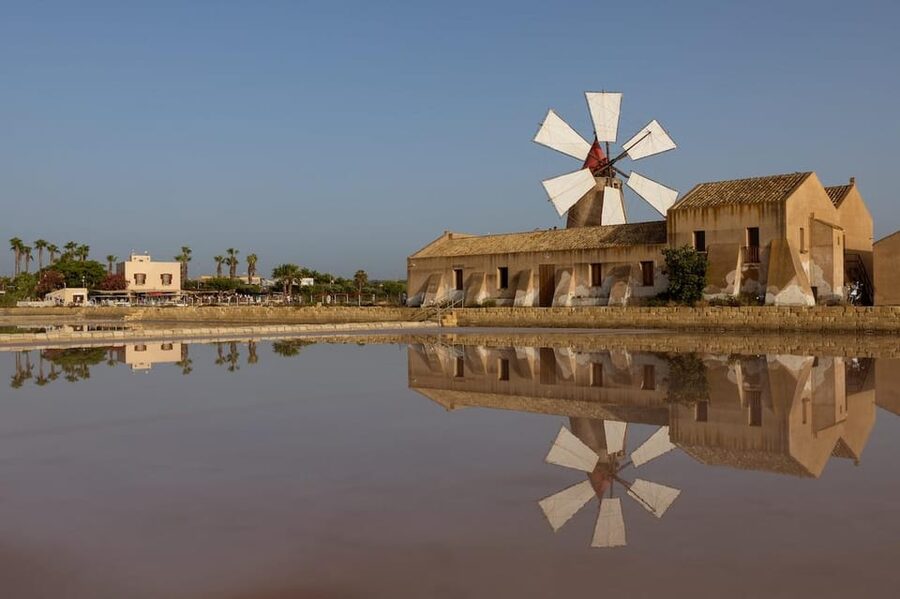
The $18 price is fair, particularly if you value a guide rather than a self-guided walk. Your fee includes the English guided tour, the film, and an explanation of how the salt pans function. It does not include food, drinks, or purchases from the shop.
This is not a full-day outing. It is a focused hour, which can be an advantage in a busy Sicily itinerary. You can fit it between visiting Marsala and other stops in western Sicily without giving up half a day.
The site itself adds practical value. There is free parking, toilets, and a restaurant serving sandwiches and main meals with a view of the pans. That makes the saltworks useful after leaving accommodation or while waiting for a later check-in. One person used the midday start as a way to fill the gap before a 2 p.m. check-in in Marsala.
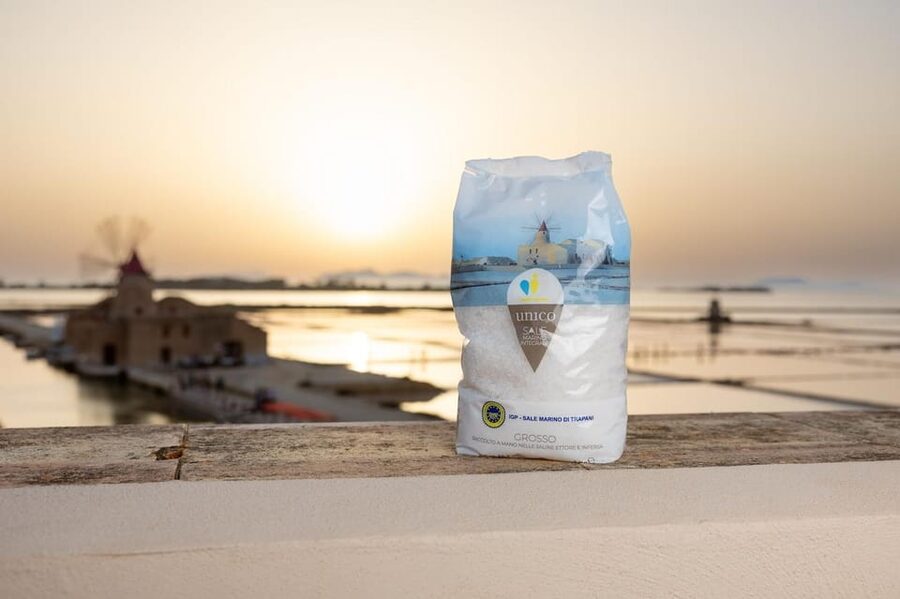
You can also visit the salt shop at the end. The shop sells Whole Trapani Sea Salt PGI, presented here as Italy’s only product with that designation. If you enjoy bringing home food rather than another souvenir, this is the most relevant place to buy something.
Choosing your timing, including sunset
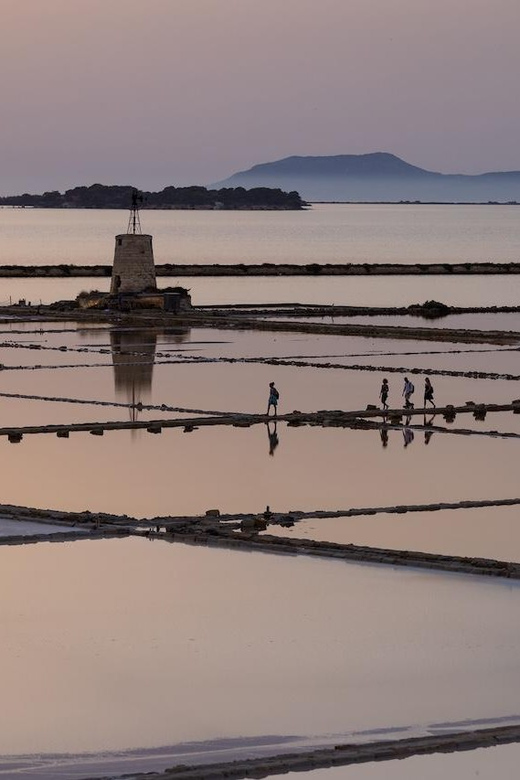
The tour lasts one hour, but the best start time depends on what you want from the visit. Midday gives you strong light on the pools, though it also brings more heat. A later start can soften the light and make the windmills and water more photogenic.
Sunset can be a particularly good choice for the scenery. A sunset visit gives the pools warmer reflections and lets you remain near the mill for the changing view. Still, do not assume every departure includes the same timing or language arrangement. Availability changes, so check the schedule before you commit to a sunset plan.
The light also affects the salt pans themselves. Their iridescent colors may be most noticeable when the sun is low, but the exact effect depends on the day. If photography is important to you, ask about the available English tour time and allow enough time to arrive before the start.
Getting there and finding the start
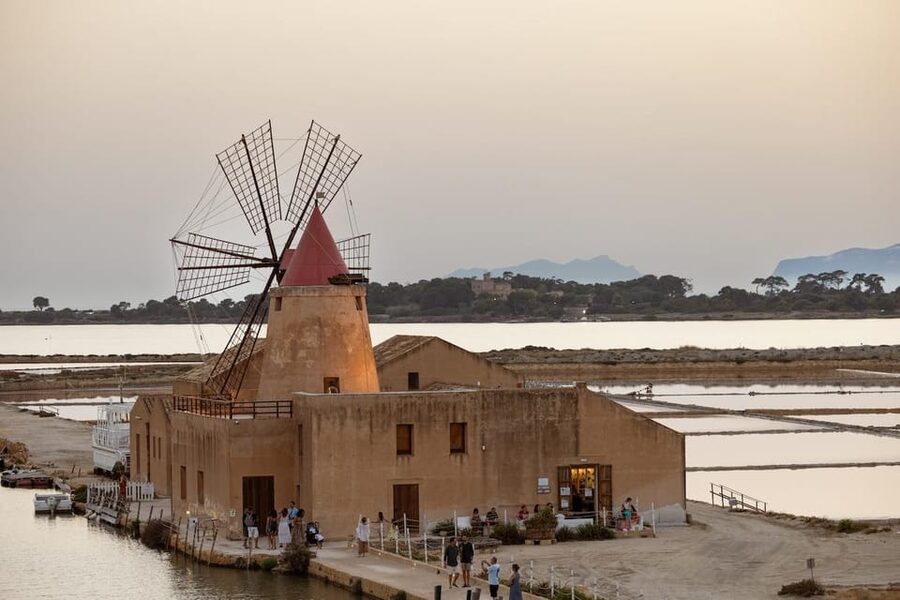
The meeting point is inside the SEI, Saline Ettore e Infersa saltworks. There is a free park, and you should go straight to the large windmill rather than waiting at an outside meeting point.
The location is about 9 kilometers north of Marsala. That distance matters if you are relying on a taxi. A taxi round trip can cost far more than the tour itself, with one visitor paying about 50 euros for the return journey. If you are not driving, confirm your transport plan before booking.
Once you arrive, tell the staff inside the windmill that you have a reservation. The guide will explain where the visit begins. This sounds simple, but following the address carefully is important because the saltworks are outside central Marsala.
The free parking and on-site facilities make a car visit straightforward. You can combine the tour with a meal, a drink, or time around the reserve rather than treating it as a rushed stop.
Who will enjoy this tour most
I would choose this tour if you like local production, working heritage, and scenery with a story behind it. It suits couples, families with older children, and anyone who wants a short activity between larger sightseeing stops.
It can also work well for people who usually skip museums. The film and mill provide indoor context, while the walk keeps the visit active. Children can see the pools and windmills while learning why salt appears in different stages, though the outdoor exposure means you should bring water and sun protection for the whole group.
This is less suitable if you want a long nature walk, a fully accessible route, or a broad historical tour of Marsala. The activity is concentrated on the salt pans and the production process. It is also not a good choice for anyone bringing a pet, since pets are forbidden inside the salt pans.
The guide’s English is generally clear and engaging, but spoken clarity can vary. The film helps provide a steady explanation, and you can ask questions during the walk. If you need every detail delivered slowly, stand near the guide and use the film as a second source of information.
A simple plan for the visit
Arrive with comfortable shoes, water, sunscreen, a hat, and your camera. Go into the windmill, identify yourself as a booking holder, and settle in for the film before heading outdoors.
During the walk, listen for the explanation of water movement, evaporation, management, and harvesting. Look for how the pools differ, and keep an eye on the windmills across the reserve.
After the guided portion, allow time for the mill’s photographs and extra information. If the rooftop is open, it can be a fine final view. Then stop at the salt shop or restaurant if you have time.
Smoking is not allowed, and pets cannot enter the salt pans. The tour is conducted in English, so it is worth checking that this suits everyone in your group.
Should you book the Marsala salt pans tour?
Book it if you want a low-cost, well-organized hour that combines Sicily’s scenery with a real working tradition. At $18, the film, guide, windmill, salt pools, and reserve views make good value, especially if you are already driving through the Marsala area.
I would be more cautious if you have limited mobility, dislike sun exposure, or expect a long, elaborate excursion. The walk is short, the terrain is outdoors, and the focus is specific.
For most visitors with a car and an interest in unusual local places, I would add it to the itinerary. Choose a later time if sunset photography matters, but check the English departure first. The salt pans are beautiful on their own, yet the guide is what explains why the water, windmills, and white salt piles belong to one carefully managed system.
FAQ
How long does the salt pans tour last?
The guided experience lasts one hour. It includes the film inside the windmill and the guided walk through the salt pans.
What language is the tour in?
The tour has a live English-speaking guide, and the introductory film is also in English.
Where does the tour begin?
It begins inside the large windmill at SEI, Saline Ettore e Infersa. Go into the free park, enter the windmill, and tell staff that you have a reservation.
Is parking available?
Yes. The saltworks has free parking inside the park.
Are pets allowed?
No. Pets are forbidden inside the salt pans.
Is the tour suitable for wheelchair users?
No. The activity is not suitable for wheelchair users or people with mobility impairments. Wear comfortable walking shoes and bring water and sun protection.
New routes in Italy
- Private St. Francis Basilica of Assisi and City Walking Tour★ 5.0 · 114 reviews
- Assisi Private Walking Tour including St. Francis Basilica★ 5.0 · 124 reviews
- Milan: City Highlights Walking Tour with The Last Supper★ 4.9 · 195 reviews
- Florence: Heart of Florence Guided Walking Tour★ 4.0 · 81 reviews
- Milan: Private or Shared Essential Walking Tour★ 4.7 · 84 reviews
- Taormina: Shared or Private Food & Wine Walking Tour★ 4.6 · 167 reviews
- Syracuse: Ortigia Private Walking Tour★ 4.8 · 181 reviews
- Syracuse: Ortigia and Neapolis Guided Walking Tour★ 4.7 · 205 reviews
Italy Walking Tours, compared.
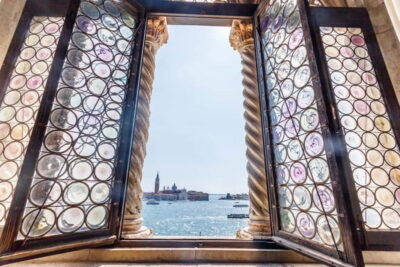
Doge’s Palace and St Mark’s Basilica Walking Tour
Read our review →
Guided Walking Tour & Last Supper Visit with Ticket
Read our review →


San Marco to Rialto Walk & Spritz Like a Local
Read our review →
Uffizi & Accademia Timed Entry: Small Group Duomo Walking Tour
Read our review →

Browse the lists this tour appears in