
Review · ITALY
Herculaneum: 3D Walking Tour with Skip-the-Line Ticket
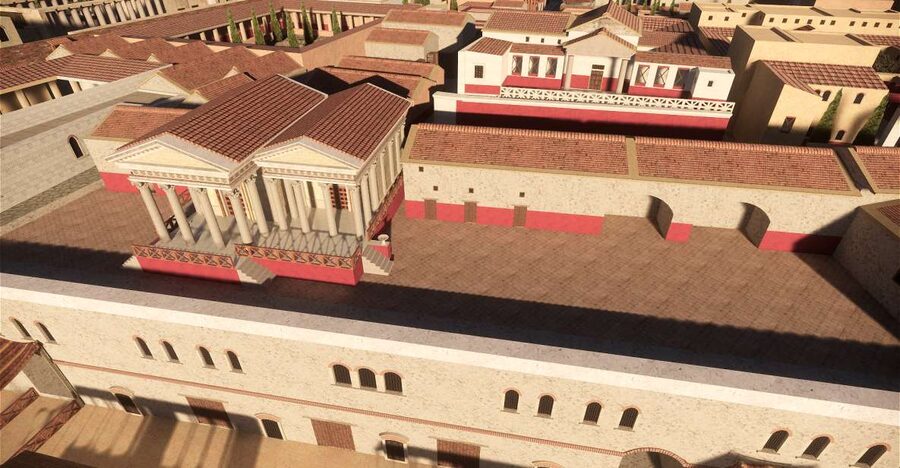
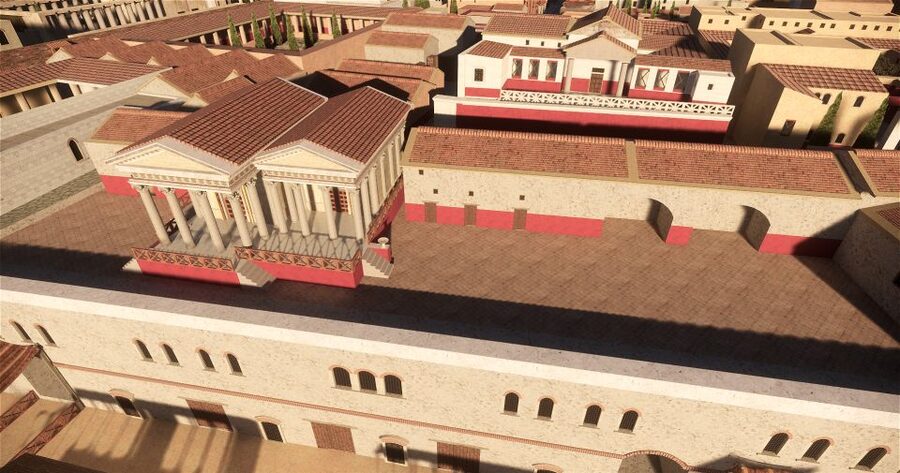
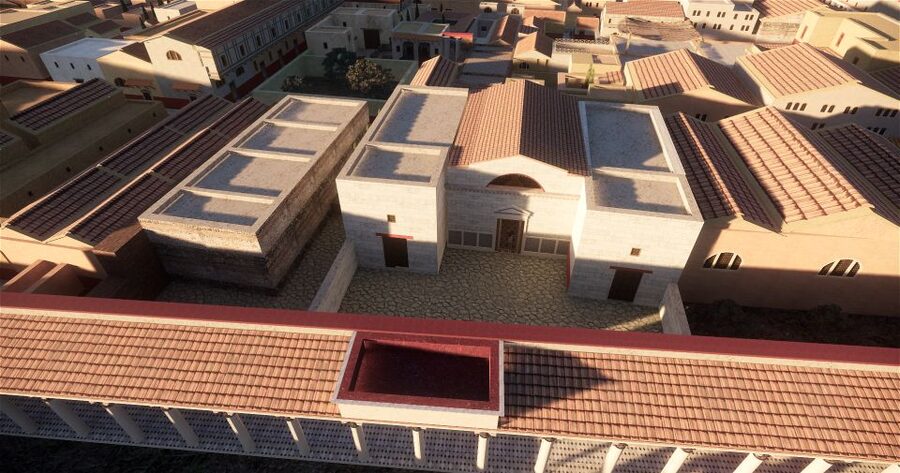
Herculaneum becomes much easier to picture when its broken walls are overlaid with 3D reconstructions. Instead of looking at a ruin and guessing where the roof, columns, or upper floors once stood, you turn your head and see a digital version lined up with the remains in front of you. The tour follows an archaeologist-designed route through the ancient city and explains how the eruption of 79 affected it.
I like two things here: the light, transparent AR glasses let you keep looking at the real site, and the assistant stays with you to help when the technology needs a moment. Guides including Chiara, Luigi, Roberta, Alessia, and Lucia have been praised for patience, language skills, and keeping children involved. The main drawback is that the glasses are an aid, not a replacement for careful looking at the actual ruins, and you may need time to adjust to them.
- See ancient Herculaneum rebuilt over the ruins: Temples, houses, and public spaces appear in 3D where they once stood.
- Meet beside the ticket office: Look for the AR Tour sign near the vending machines in the snack area.
- Use six audio languages: Recorded commentary is available in English, French, German, Spanish, Italian, and Portuguese.
- Keep exploring afterward: Return the glasses at the end, then stay in the archaeological park on your own.
- Bring sensible clothing: Comfortable shoes, sun protection, and weather-ready clothes matter on this outdoor walking tour.
- Plan around the age rule: Children under eight may enter with a normal ticket, but cannot use the 3D equipment.
Seeing Herculaneum Before the Eruption
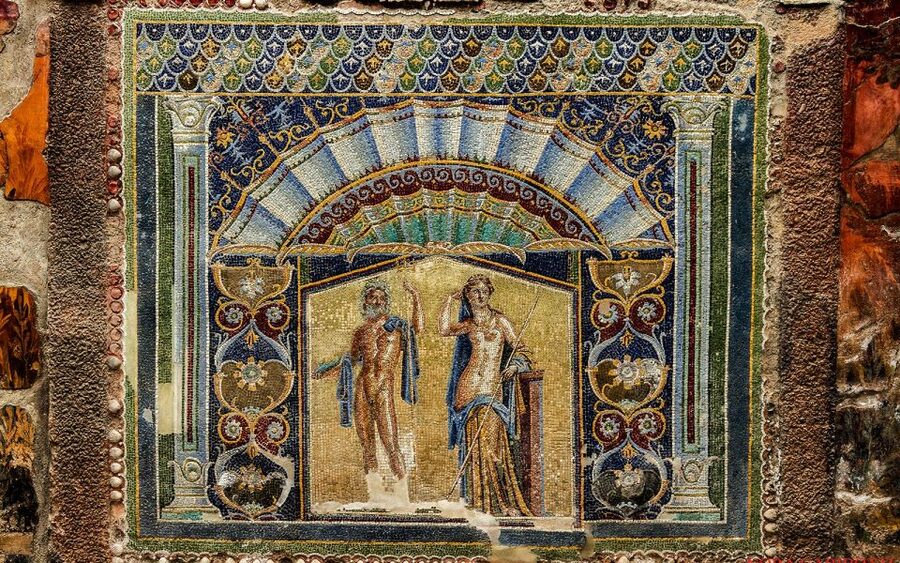
Herculaneum is not just a collection of walls. It was a Roman town with homes, temples, streets, and squares, but the eruption left you with fragments rather than a complete city. The AR system helps bridge that gap by placing digital structures over the surviving remains.
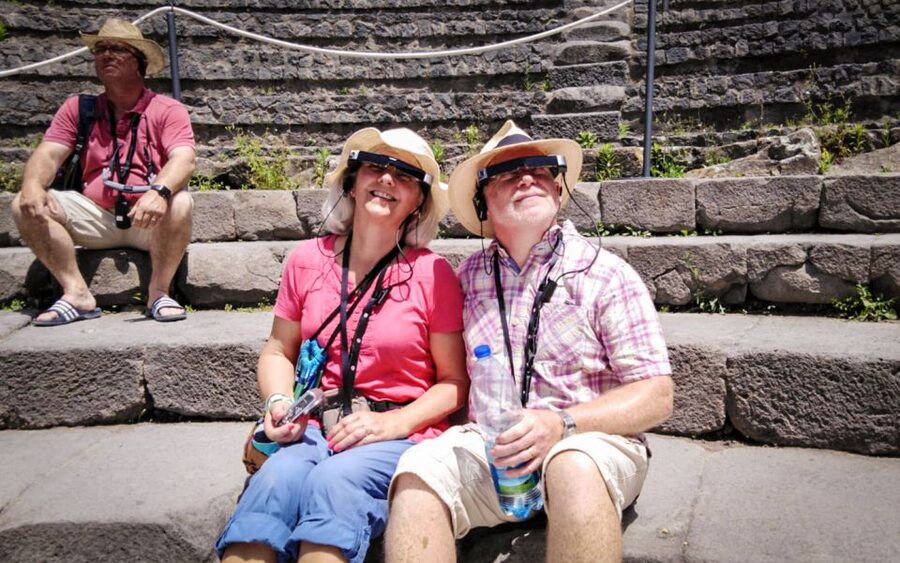
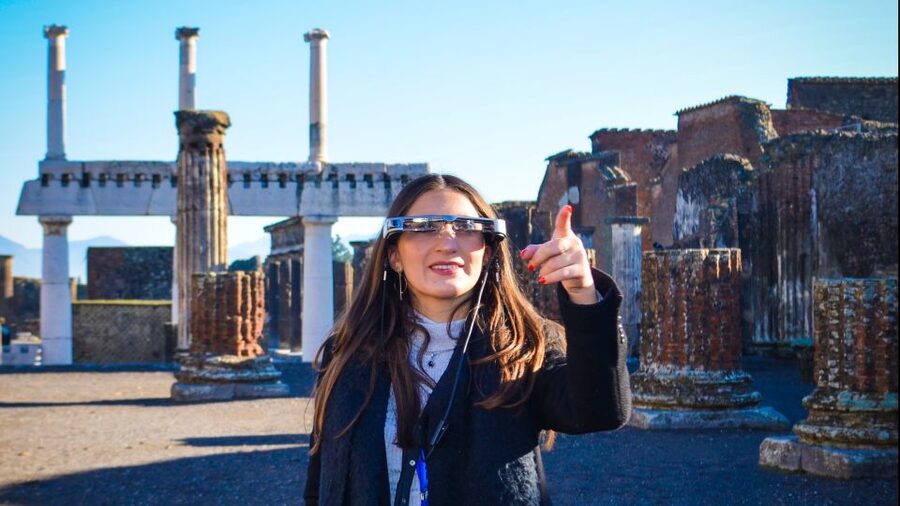
You wear glasses with transparent lenses, so the real archaeological site remains visible. The software adds holographic images to the view, allowing you to compare what is in front of you with what the building may have looked like before the eruption of 79.
That comparison is the heart of the experience. A standing wall becomes part of a larger house. A few remaining architectural details make more sense when you see the structure that once surrounded them. You are not simply watching a film or listening to an audio guide. You are walking through the site while the reconstructions appear in position.
The effect works best when you pause and look around slowly. One particularly useful feature is the 360-degree view. You can turn your head and examine the digital scene from different angles, though the first few minutes may feel slightly awkward while you learn how the glasses respond.
Meeting the Assistant Near the Ticket Office
The meeting point is beside the main entrance, in the snack area next to the ticket office. Look near the vending machines for an assistant holding a sign marked AR Tour. This is worth noting because the archaeological site entrance and the meeting area can feel busy, especially if you are arriving by train or coordinating a family group.
The assistant provides the glasses and gives you a short introduction to their use. You do not need to figure out the equipment alone. The assistant stays with the group, answers questions, and helps if the display takes time to settle.
This human support is one of the tour’s strongest practical features. The technology may attract attention, but the guide supplies the local context and keeps the walking route moving. Guides named in the tour feedback include Chiara, Luigi, Roberta, Alessia, Lucia, and Daniela. Their roles are not limited to handing out equipment. They explain the site, help with questions, and adjust their approach for families and mixed-language groups.
If you arrive late, be careful. The group waits for a maximum of five minutes before starting, so allow time to find the entrance and the snack area. Transportation is not included, and the tour ends back at the meeting point after the guided portion.
More Skip-the-Line Stops in Italy:
- Milan: Guided Walking Tour with Last Supper Skip-the-Line
★ 4.7 · 1,143 reviews - Skip-the-Line Florence Highlights and David Walking Tour
★ 5.0 · 1,127 reviews - Siena: Walking Tour and Skip-the-Line Duomo Tickets
★ 4.8 · 1,116 reviews
How the Two-Hour Route Works
The exact order of buildings can vary with the guide and site conditions, but the basic rhythm is clear. First comes the equipment briefing. Then you walk through the archaeological park, stopping at important temples, houses, squares, and other structures while the glasses add their reconstructions.
The guide explains what daily life was like in Herculaneum before the eruption. The audio system supports the commentary in six languages, while the tour assistant speaks English or Italian. If your group includes people who do not share a first language, the guide may need to pause or repeat key points. That can slow the pace slightly, but it makes the experience more workable for mixed groups.
You should think of this as a guided orientation rather than a complete archaeological study. Two hours gives you a structured look at the main areas, but it does not mean you will examine every corner of the park. The good news is that you can remain inside after returning the glasses and continue at your own pace.
That extra time matters. The AR route gives you a framework, then your independent visit lets you revisit places that caught your attention. If you want a slower look at details, plan to use the post-tour time rather than expecting the guided walk to cover everything.
What the 3D Glasses Add
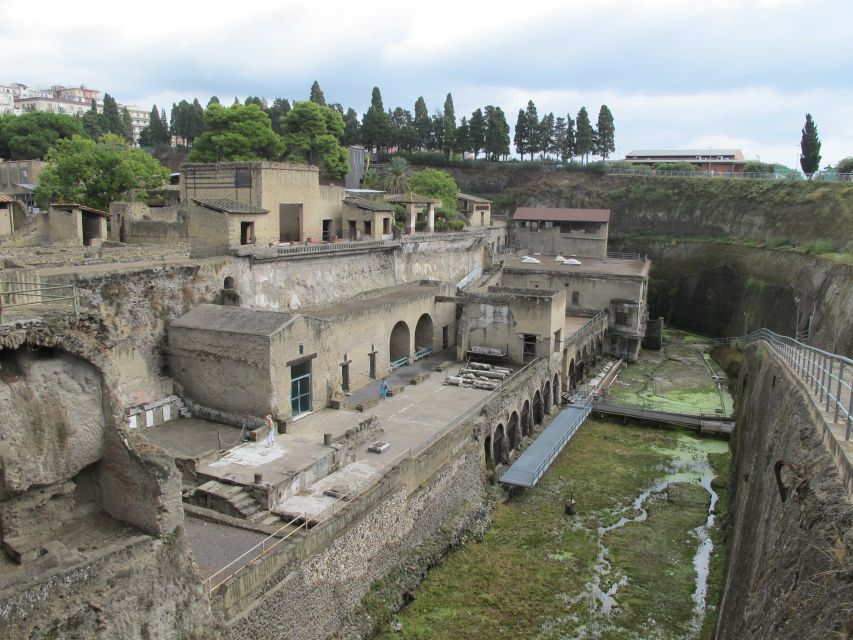
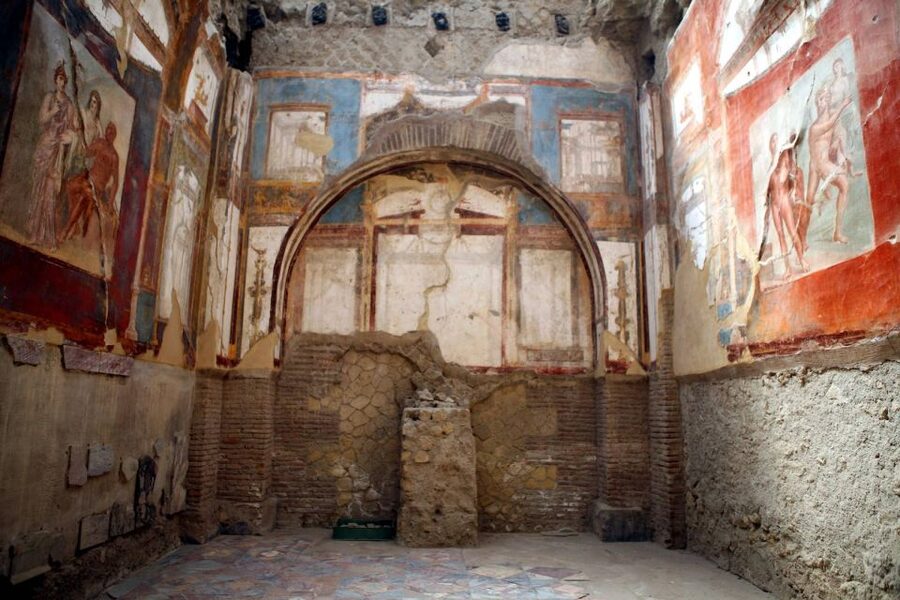
The glasses are most useful when the remains are difficult to interpret. A partial wall can be hard to understand on its own. When the digital reconstruction lines up with it, you get a better sense of the original building’s shape and purpose.
The transparent lens is also important. You can see the actual masonry beneath the digital image, which helps you compare the surviving evidence with the reconstruction. This is different from watching a fully computer-generated version of Herculaneum because the ruined structure remains part of your view.
The system is not perfect. It takes a little time to understand how to look through the glasses and how much to move your head. The digital images may also be more interesting for some stops than others. One person may find the AR essential, while another may prefer the audio guide and the real ruins.
I would treat the technology as a helpful layer, not the entire reason to visit. Herculaneum has value without it, and the glasses work best when they lead you back to the actual walls, floors, and building remains.
People who already wear eyeglasses can use the AR glasses as well. Sunglasses may be useful on a bright day, but you should be prepared to switch between sun protection and the AR equipment if both cannot be worn comfortably together.
Why the Guide Still Matters
The digital reconstruction cannot answer your follow-up questions or notice when a child has lost interest. The assistant can. This is why the strongest part of the experience is the combination of technology and human explanation.
Alessia was praised for answering a nine-year-old’s questions with patience. Roberta was noted for involving children throughout the walk and for speaking several languages. Chiara helped small groups get more from the visit by sharing local context and giving them time to ask questions.
Luigi was also praised for being friendly and informative, while Lucia continued helping the group despite very hot conditions. These details point to something useful when choosing this tour: the quality of the experience depends partly on the person leading your group, but the format is designed to support active questions and conversation.
The tour is conducted in English or Italian, and the recorded audio is available in English, French, German, Spanish, Italian, and Portuguese. If you need the audio in one of the six languages, confirm how your group will use it during the introduction. The live guide and the recorded commentary serve different purposes, so you may want to listen first and then ask the assistant about anything that needs clarification.
More Entry Tickets on the Route in Italy:
- Milan: Guided Walking Tour & Last Supper Visit with Ticket
★ 4.7 · 5,409 reviews - Florence: Duomo Complex with Tickets & City Walk Guided Tour
★ 4.7 · 2,057 reviews - David & Accademia Guided Tour with Time Entry Ticket
★ 4.5 · 1,705 reviews - Pompeii: Guided Walking Tour with Entrance Ticket
★ 4.3 · 1,423 reviews
Heat, Walking, and What to Bring
This is an outdoor walking tour over archaeological ground. Comfortable shoes are a must. The information specifically recommends weather-appropriate clothing, comfortable clothes, a sun hat, and sunglasses.
Hot weather can affect the pace and your ability to concentrate. A guide may keep you moving, but you are still spending about two hours outside while wearing equipment on your face. Take the clothing advice seriously, particularly during sunny periods.
The tour operates in all weather conditions, so check the forecast before you leave and dress accordingly. The site may feel very different under strong sun, heat, or rain, and there is no promise that poor weather will cancel the activity.
Children under eight cannot use the 3D technology, even though they can enter the archaeological park with a normal ticket. For families, this creates an important choice. Older children who enjoy visual technology may find the tour exciting, while younger children may need a separate plan for the visit.
Bring identification for children, and remember that visitors using an EU citizen rate for ages 18 to 24 or a youth rate must show a valid identity document or passport at the ticket office. Without the required proof, you may need to pay the full fare.
Is the $45.55 Price Good Value?
At $45.55 per person, the tour costs more than entering an archaeological site with no technology or guided service. You are paying for the skip-the-line ticket, the two-hour route, the AR glasses, the assistant, and recorded commentary in six languages.
The value is strongest if you want help understanding ruins rather than simply walking through them. Skip-the-line entry can also matter when the ticket office is busy, though the tour still requires you to arrive at the correct meeting point on time.
The price is less compelling if you already have a strong grasp of Roman architecture and prefer exploring alone. The AR images are not essential to seeing Herculaneum, and the audio option may be enough for visitors who want a quieter, self-directed visit.
For families, the calculation depends on age. Children under eight cannot use the 3D equipment, so you should not assume every member of the group receives the same experience. For mixed-language groups, the combination of a live English or Italian guide and multilingual audio can make the added cost easier to justify.
The booking terms are flexible. You can cancel up to 24 hours before the activity for a full refund, and the reserve-now, pay-later option allows you to hold a place without paying immediately. Check the available starting times because the activity lasts two hours and the schedule is not fixed in the information provided.
Herculaneum Compared With a Self-Guided Visit
A self-guided visit gives you control over the pace. You can stop for as long as you like, skip areas that interest you less, and study the ruins without keeping up with a group.
This AR tour gives you a stronger starting point. The reconstructions show why a broken wall matters, and the assistant can explain the site as you go. For a first visit, that structure can prevent Herculaneum from becoming a confusing collection of remains.
The best plan may be to combine both approaches. Take the guided walk first, then use the permission to remain in the park after the tour. Revisit the buildings that made the strongest impression and spend extra time looking at the real archaeological details without the glasses.
The tour also works well for people who have already visited Herculaneum. The ruins will be familiar, but the 3D layer offers a different way to read them. Several repeat or experienced visitors found the glasses added something new, while still treating the site itself as the main attraction.
Who Should Book This Experience?
I would recommend it to first-time visitors who want visual help, families with children aged eight and over, and anyone who enjoys interactive history. It is also a practical choice for groups with different language needs because of the six audio options.
It may suit you less if you dislike wearing equipment, want complete freedom from a group schedule, or plan to spend a full day examining every building in detail. The tour has a fixed two-hour format, and late arrivals may miss the start.
For people with eyeglasses, the equipment is designed to be worn over them. You should still bring comfortable clothing and expect to adjust the glasses during the briefing.
Final Verdict: Book It for Context, Not Just Gadgets
Book this tour if you want Herculaneum to make visual sense from the start. The strongest reasons are the transparent AR overlays, the skip-the-line ticket, the patient assistants, and the chance to continue exploring after the guided walk.
Skip it if you prefer a completely independent visit or feel that digital reconstructions would distract you from the original ruins. At $45.55, it is a fair choice for guided context and convenience, but not a must-buy for every type of visitor.
For most first-time visitors, I would use the tour as an introduction, then stay inside the park and look again at the real Herculaneum with the digital images fresh in mind.
FAQ
Where do I meet the tour assistant?
Meet in the snack area next to the ticket office at Herculaneum’s main entrance. Look near the vending machines for an assistant holding a sign marked AR Tour.
How long does the tour last?
The guided activity lasts two hours. Starting times vary, so check availability when booking.
What languages are available?
The tour assistant speaks English or Italian. Recorded audio is available in English, French, German, Spanish, Italian, and Portuguese.
Can children use the 3D glasses?
Children under eight cannot use the 3D technology. They may enter the archaeological park with a normal ticket.
Can I stay at Herculaneum after the tour?
Yes. After you return the augmented reality glasses, you can remain in the archaeological park and explore independently.
What happens if I arrive late?
The group waits for a maximum of five minutes. After that, the tour begins so the other participants are not delayed.
New routes in Italy
- Private St. Francis Basilica of Assisi and City Walking Tour★ 5.0 · 114 reviews
- Assisi Private Walking Tour including St. Francis Basilica★ 5.0 · 124 reviews
- Milan: City Highlights Walking Tour with The Last Supper★ 4.9 · 195 reviews
- Florence: Heart of Florence Guided Walking Tour★ 4.0 · 81 reviews
- Milan: Private or Shared Essential Walking Tour★ 4.7 · 84 reviews
- Taormina: Shared or Private Food & Wine Walking Tour★ 4.6 · 167 reviews
- Syracuse: Ortigia Private Walking Tour★ 4.8 · 181 reviews
- Syracuse: Ortigia and Neapolis Guided Walking Tour★ 4.7 · 205 reviews
Italy Walking Tours, compared.
Doge’s Palace and St Mark’s Basilica Walking Tour
Read our review →
Guided Walking Tour & Last Supper Visit with Ticket
Read our review →

San Marco to Rialto Walk & Spritz Like a Local
Read our review →
Uffizi & Accademia Timed Entry: Small Group Duomo Walking Tour
Read our review →

Browse the lists this tour appears in