
Review · USA
Gettysburg: 1863 Historic Downtown Walking Tour
Gettysburg’s battle is usually told from the fields outside town. This two-hour downtown walk tells the other half of the story: what happened to families, shopkeepers, children, and residents who watched thousands of soldiers turn their streets into an urban battlefield. You’ll connect the events of July 1863 with the buildings and corners still around you.
I especially like the focus on civilian experiences, which gives familiar military history a human scale. I also like the small-group feel reported by several participants, including one group of only four, since it makes questions and conversation easier. The main caution is that the tour stays outdoors, and some historic buildings are privately owned, so you should not expect to go inside every old structure.
Key points to know before you book
- Meet Lincoln in the square: The tour begins at 11 Lincoln Square, beside the statue of President Lincoln and the benches.
- Hear the town’s side of the battle: The guide explains how residents lived through soldiers, wounded men, destruction, and disruption in the streets.
- Expect strong storytelling: Ken, Jeff, Rich, Bruce, and other local guides have received praise for clear explanations and, at times, theatrical character portrayals.
- A manageable two-hour walk: You stop often, and the route is described as a leisurely walk through central downtown.
- Good value at $25: The price buys a focused local history lesson rather than a broad battlefield overview.
- Plan for the weather: Bring comfortable shoes and clothing suited to the forecast. The tour is in English and is wheelchair accessible.
Why downtown Gettysburg changes the story
If you have already studied the Battle of Gettysburg, you may know the names of generals, regiments, hills, and famous charges. What is easier to miss is the fact that Gettysburg was a functioning town before the armies arrived. People lived in these buildings, ran businesses, raised children, and carried on ordinary routines.
This tour shifts your attention from military strategy to daily life under extreme pressure. The guide uses accounts from local residents and points out existing structures, helping you picture what the center of town looked like in 1863. That change of scale matters. Instead of treating the battle as something that happened somewhere outside town, you see how war entered homes, streets, workplaces, and family life.
I like this approach because it adds context without requiring you to be a Civil War specialist. The guide explains the larger events, but the emphasis stays on how local people experienced them. You hear about reluctant witnesses who did not choose the battle but had to live through it.
More History Walking Tours in the USA
- History and Hauntings of Salem Guided Walking Tour
★ 5.0 · 14,564 reviews - Boston: Freedom Trail History Small Group Walking Tour
★ 5.0 · 6,450 reviews - Historic Charleston Guided Sightseeing Walking Tour
★ 5.0 · 6,216 reviews
Starting at Lincoln Square
Your meeting point is 11 Lincoln Square, at the statue of President Lincoln and the benches. Arrive 15 minutes before departure so you can find the guide without rushing. Lincoln Square is an easy visual landmark in the center of Gettysburg, and the benches give you a practical place to wait.
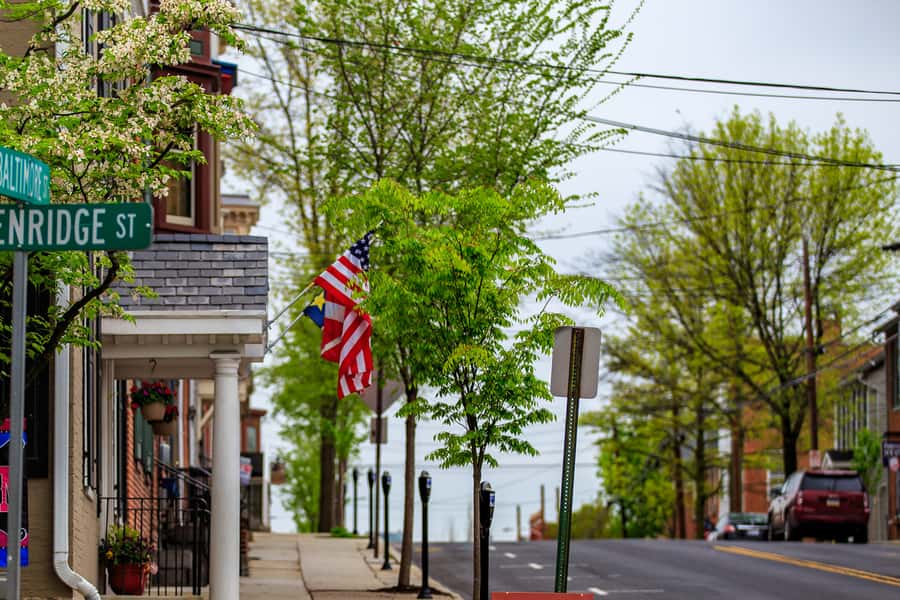
From the start, pay attention to the setting. You are not being driven past the town in a vehicle. You begin on foot, at street level, where the relationship between buildings and roads becomes part of the lesson. The route covers the center portion of downtown, described as the heartbeat of Gettysburg in 1863.
The company is Horse Tours of Gettysburg, and the guides vary. Ken is frequently praised for his command of local and Civil War subject matter, his ability to answer questions, and his engaging delivery. Jeff is known for presenting parts of the tour in character, including portrayals connected with Civil War veteran James Maclay and a wartime artilleryman. Rich, Bruce, and other guides have also received strong marks for friendliness and clear storytelling.
You cannot book the personality of a particular guide with certainty based on the information provided. Still, the guide is central to the experience, so it is useful to know that the tour has been led by several people with distinct styles. Some guides lean toward detailed explanation. Others add a theatrical touch.
Walking through an urban battlefield
The central idea of the tour is simple but powerful: the war did not stop at the edge of town. As armies moved into Gettysburg, civilian streets became part of the conflict. Residents had to deal with the sudden presence of soldiers, confusion, fear, injuries, and the practical problems created by fighting nearby.
Your guide explains how the battle unfolded in July 1863 while showing you the town’s existing structures. This is not just a timeline delivered beside a building. The point is to connect place, event, and personal memory. A house or commercial structure becomes a reference point for understanding what residents saw and endured.
The route is described as leisurely, with plenty of stops. That makes the experience easier on your legs than a fast-paced city walk, and it gives you time to listen. One participant specifically appreciated that it was not a super long walk and included many stops. You should still wear comfortable shoes, since two hours on pavement can be tiring even at a relaxed pace.
The walk is also a good way to understand why the town’s residents were reluctant witnesses. They were not neutral observers standing safely outside the action. They were caught in events that changed the town around them, often with little warning and little control over what happened next.
The local residents at the center
The strongest feature here is the human material. Instead of concentrating only on commanders and battlefield movements, the guide brings in the people who lived in Gettysburg. Their accounts help explain what war meant after the soldiers left or moved on.
You may hear about families and townspeople dealing with the effects of combat in places that had been part of ordinary civic life. The supplied information does not promise a fixed list of named residents or a set number of stops, so the exact stories can vary by guide. The main thread remains consistent: local people experienced the battle directly, and their memories reveal details that a battlefield overview often leaves out.
This makes the walk especially useful after you have seen the battlefield, but it can also work as an introduction. If you begin your Gettysburg visit here, you get a sense of the town before tackling the larger military story. If you take it later, the civilian accounts can help tie together what you learned elsewhere.
One participant described the tour as a final piece after several downtown walks and a battlefield visit. That is a sensible way to use it, but do not assume you need extensive preparation. The guide explains enough to make the stories understandable, and the format leaves room for questions.
Same streets, a different guide:
- New Orleans Premier Ghost, Voodoo and Vampire Walking Tour
★ 4.5 · 12,856 reviews - Little Havana Food and Walking Tour in Miami
★ 5.0 · 8,882 reviews - Chicago: Gangsters and Ghosts Walking Tour
★ 5.0 · 7,155 reviews - New Orleans Food Walking Tour of the French Quarter with Small-Group Option
★ 5.0 · 6,118 reviews
Storytelling styles from Ken to Jeff
The reviews supplied for this experience are unusually consistent about the guides. Ken is repeatedly praised for detailed answers, a strong grasp of the town and the battle, and a personal interest in the people affected by the war. He also appears to adjust his explanations to the group, spending time on questions and conversation instead of forcing every group through a rigid speech.
Jeff offers a different flavor. Several participants enjoyed his use of character portrayal, including his work as James Maclay or as a Civil War artilleryman. That theatrical element can make the past easier to picture, especially for families or anyone who learns best through narrative rather than dates and troop movements.
Rich is described as an excellent guide, while Bruce is praised for friendliness and clear explanations. The key point is not that one guide guarantees a particular performance. It is that the experience depends heavily on who leads your departure, and the available guides appear to bring both subject knowledge and personality.
If you prefer a strictly academic lecture, a character portrayal may feel a little performative. If you want the past to feel immediate, it can be a real advantage. Either way, the guide’s willingness to answer questions is one of the tour’s practical strengths.
What you will not see
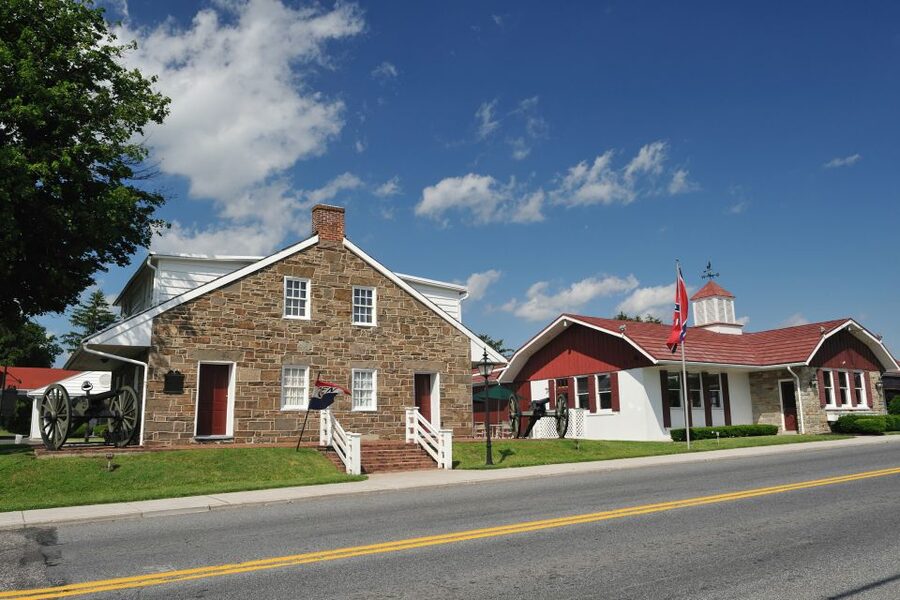
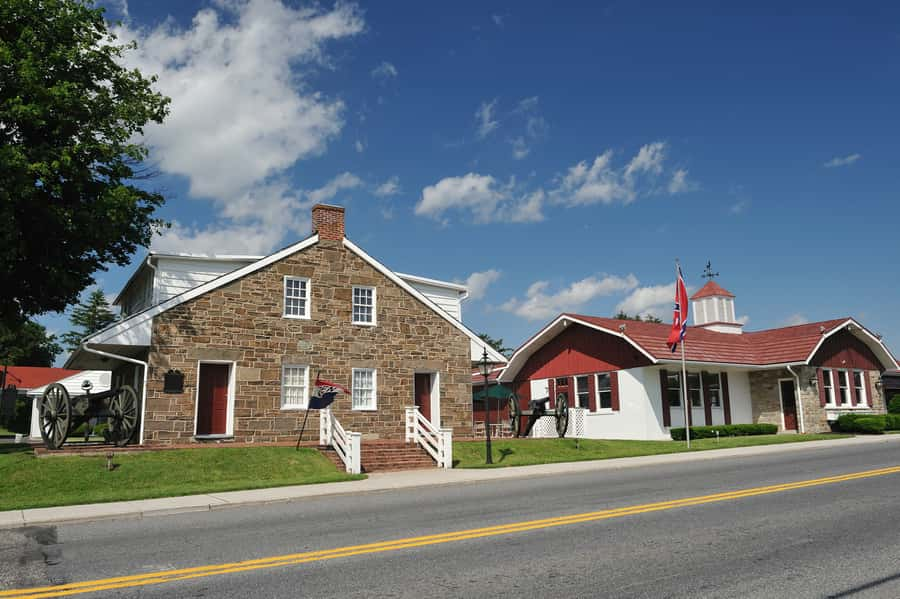
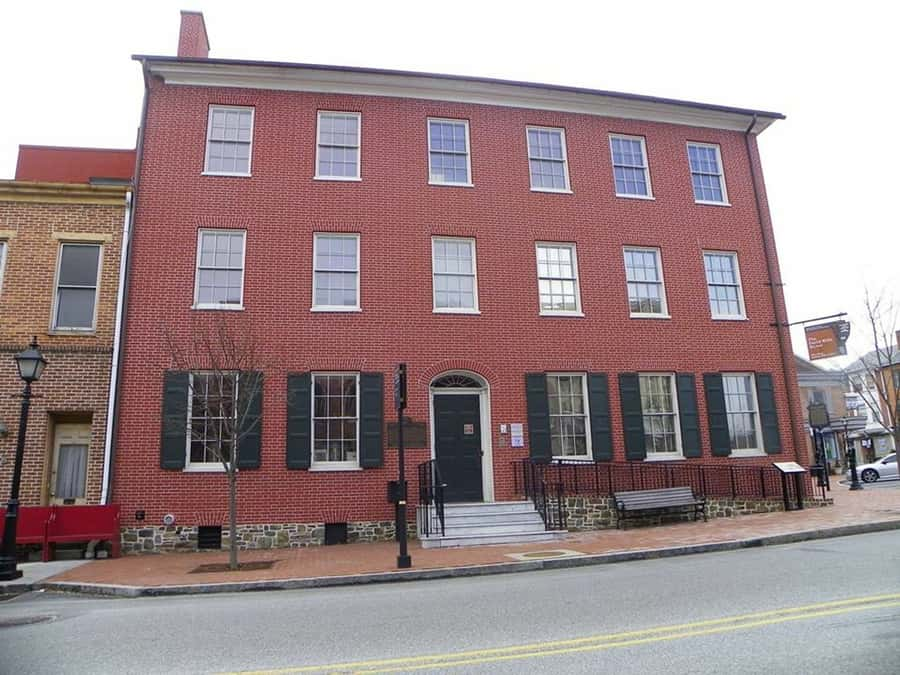
This is an outdoor walking tour, not a collection of interior house visits. One participant noted that some parts could not include inside access because several of the oldest buildings are privately owned. That limitation is normal for a living town, but it is worth knowing before you arrive.
You will examine existing structures from the outside and learn how the town looked in 1863. The absence of interior access does not cancel the value of the walk, but it does shape your expectations. If you want restored rooms, museum displays, or extensive indoor interpretation, you will need to add another Gettysburg attraction.
The focus is also downtown, not a full battlefield tour. You will hear about the Battle of Gettysburg and how events affected the town, but this experience is not designed to replace a visit to the fields. Think of it as a companion that explains the civilian setting.
That narrower focus is actually helpful. Gettysburg can become a blur of generals, dates, monuments, and locations. A two-hour town walk gives you one clear subject and enough time to understand it.
Price, timing, and practical value
At $25 per person, this is a reasonably priced guided experience for two hours. I see the value in the combination of a local guide, a focused theme, and a walk through the actual town rather than a generic overview. You are paying for interpretation and connections, not transportation or admission to a major museum.
The price works best for you if you want context. A casual stroll through downtown will show you shops, streets, and old buildings, but it will not explain how those places fit into the civilian experience of 1863. The guide supplies that missing layer.
The two-hour length is another advantage. It is long enough to build a story, yet short enough to fit alongside a battlefield visit or other Gettysburg plans. Summer heat can affect an outdoor walk, and one guide contacted a participant in advance about possibly changing the time because of hot weather. That suggests it is worth checking the forecast and staying flexible if you are visiting during a hot spell.
Free cancellation is available up to 24 hours before departure, and you can reserve now and pay later. These policies are useful if your schedule is still taking shape, but the core planning points are simpler: meet at the correct square, arrive early, and dress for the weather.
The tour is offered in English and is listed as wheelchair accessible. Since the supplied information does not describe the exact pavement, slopes, or restroom arrangements, you may want to confirm route details directly if you have specific mobility needs.
Who will get the most from this walk
I would recommend this tour to first-time visitors who want more than a battlefield checklist. It is also a good fit for history fans who already know the main military story and want to understand what the battle meant to civilians.
Teachers, families with older children, and curious adults should find the personal accounts useful. The guide-led format makes it easier to ask questions, and the repeated emphasis on residents, families, and town life gives the subject a human focus without abandoning the larger historical setting.
You should think twice if you dislike walking, outdoor tours, or historical storytelling that includes theatrical presentation. The route is described as leisurely and manageable, but it still lasts two hours. Also, if your only goal is a detailed military study of troop movements and battlefield tactics, this is not the most direct choice.
For many people, the best plan is to combine it with a battlefield visit. The downtown walk explains the town’s experience. A separate battlefield tour can then show how the wider military action unfolded. The two perspectives complement each other without repeating the same lesson.
Should you book the 1863 Historic Downtown Walking Tour?
Book it if you want to understand Gettysburg as a lived-in town, not only as a military site. The civilian focus, existing downtown structures, and personal stories make this a useful addition to a broader visit. At $25, it offers solid value for a focused two-hour lesson with a local guide.
I would choose it early in a Gettysburg stay if you are new to the area, or after a battlefield visit if you already know the basic chronology. Just bring comfortable shoes, dress for the forecast, and expect an outdoor walk rather than interior access. If Ken or Jeff is leading, you may get especially detailed or theatrical storytelling, but the tour’s real strength is the subject itself: the people who had to live through the battle in their own streets.
FAQ
How long is the Gettysburg downtown walking tour?
The tour lasts two hours and covers the center portion of downtown Gettysburg at a leisurely pace.
Where does the tour meet?
Meet at 11 Lincoln Square in Gettysburg, Pennsylvania, by the statue of President Lincoln and the benches. You should arrive 15 minutes before departure.
What does the tour focus on?
It focuses on Gettysburg’s civilians and how local residents lived through the Battle of Gettysburg. You will also learn how the July 1863 events unfolded and see existing structures connected with the town’s wartime setting.
Who leads the tour?
Guides have included Ken, Jeff, Rich, and Bruce. Ken is known for detailed historical explanations, while Jeff sometimes uses character portrayals connected with Civil War figures. The guide for your departure may vary.
Is the tour wheelchair accessible?
Yes. The activity is listed as wheelchair accessible.
What should I bring, and can I cancel?
Bring comfortable shoes and weather-appropriate clothing. You can cancel up to 24 hours in advance for a full refund, and the reserve-now, pay-later option lets you keep your plans flexible.
New routes in the USA
- Baltimore Walking Foodie Tour in Fells Point★ 5.0 · 182 reviews
- The Madam’s Curse Walking Ghost Tour★ 4.5 · 103 reviews
- Austin Small Group Morning Walk★ 5.0 · 412 reviews
- Austin Haunted Pub Crawl Walking Tour★ 4.5 · 232 reviews
- Austin Downtown Private Walking Food Tour With Secret Food Tours★ 5.0 · 71 reviews
- Austin Murder Walk★ 5.0 · 310 reviews
- The Ghosts of Austin Walking Tour★ 4.5 · 72 reviews
- Martin Luther King Jr. History Walking Tour★ 5.0 · 687 reviews
USA Walking Tours, compared.

History and Hauntings of Salem Guided Walking Tour
Read our review →
New Orleans Premier Ghost, Voodoo and Vampire Walking Tour
Read our review →

Freedom Trail History Small Group Walking Tour
Read our review →
Historic Charleston Guided Sightseeing Walking Tour
Read our review →
New Orleans Food Walking Tour of the French Quarter with Small-Group Option
Read our review →
St. Louis Cemetery No. 1 Official Walking Tour
Read our review →Browse the lists this tour appears in