
Review · CHINA
Beijing: Hutong Culinary Walking Tour with 15+ Tastings
Beijing is easiest to understand one bite at a time, and this tour takes you through quiet hutong lanes to small local food stops that you might pass without noticing. You can try 15 or more snacks, from sesame cakes and soup dumplings to hot pot, fried dough, Beijing yogurt, and Xinjiang lamb skewers.
I like the way the guide can adjust the route for your tastes, and I like the strong local angle: food comes with stories about Beijing life, hutong neighborhoods, culinary customs, and eating manners. The main drawback is that the stops change from day to day, so you cannot count on every named dish, and the generous tasting list may be too much if you arrive after a big meal.
Key points to know before you book
- More than 15 tastings: Expect a wide sweep of sweet, savory, spicy, fried, steamed, and grilled foods rather than one large restaurant meal.
- Quiet hutong walking: The food is paired with a stroll through traditional Beijing lanes, not just a series of restaurant visits.
- A flexible private tour: Your guide can favor familiar classics, vegetarian-friendly choices, or more adventurous foods when available.
- Local guides with different strengths: Jimmy, Lucy, Anson, Andy, Mike, Miko, Allen, and Jay have led highly praised tours, with food knowledge and China life stories at the center.
- Come very hungry: Three hours and 15-plus samples add up quickly, especially when hot pot, dumplings, noodles, pastries, and skewers are all included.
- Easy subway meeting point: The tour begins at Dongsi Subway Station Exit B, with hotel pickup and drop-off available for an extra transfer option.
A food tour that uses the hutongs as its dining room
The best part of this experience is the combination of walking and eating. You meet at Dongsi Subway Station Exit B, then leave the main roads for hutong alleys where the pace is slower and the food feels tied to ordinary neighborhood life.
Your guide explains how these lanes fit into Beijing and points out details as you walk. The tour is not a formal architecture visit, but the hutongs give the meal context. You are not simply handed a plate and told its name. You learn how a snack fits into daily life, how different parts of China have influenced Beijing cooking, and how locals approach the table.
The route is private, so the conversation can be more useful than on a large group outing. Ask about ingredients, regional food, restaurant customs, or dishes you have already seen around Beijing. Guides such as Anson, Andy, Lucy, and Jimmy have been praised for explaining both the food and ordinary life in China, while Miko, Mike, Allen, and Jay are also noted for friendly, clear commentary.
The walking portion is important. It gives your appetite time to recover between stops, though the tour still covers a lot of food in three to four hours. Wear comfortable shoes and leave room in your schedule. This is not a quick snack crawl.
More Food Walking Tours in the world:
- Reykjavik Food Walk – Local Foodie Adventure in Iceland
★ 5.0 · 18,952 reviews - Ho Chi Minh City Street Food Tour & Sightseeing By Motorbike
★ 5.0 · 9,413 reviews - Little Havana Food and Walking Tour in Miami
★ 5.0 · 8,882 reviews
What the first tastings may look like
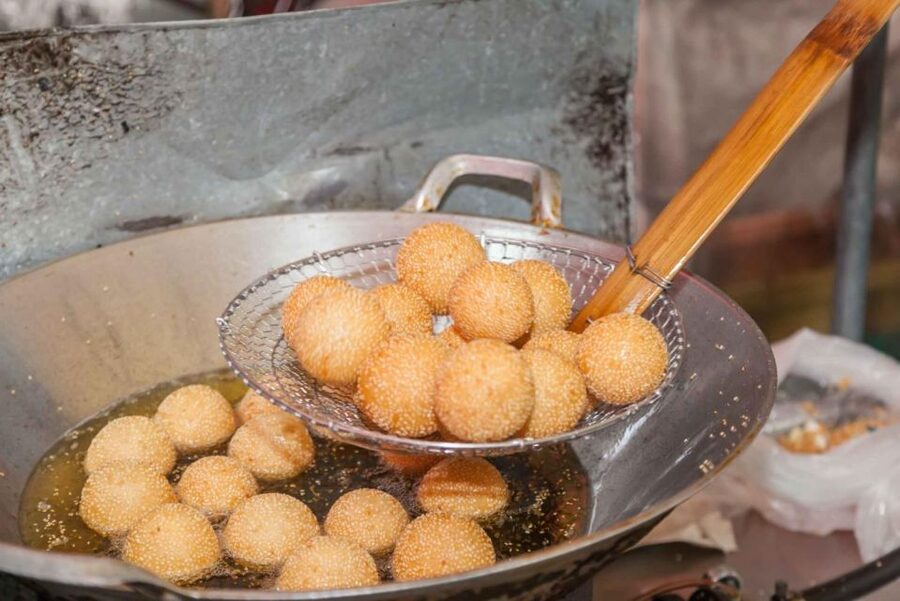
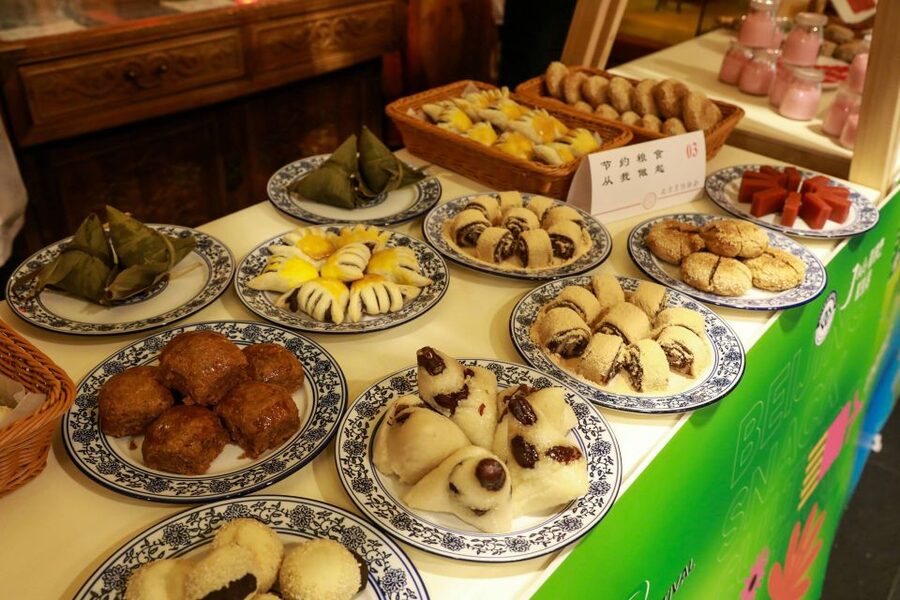
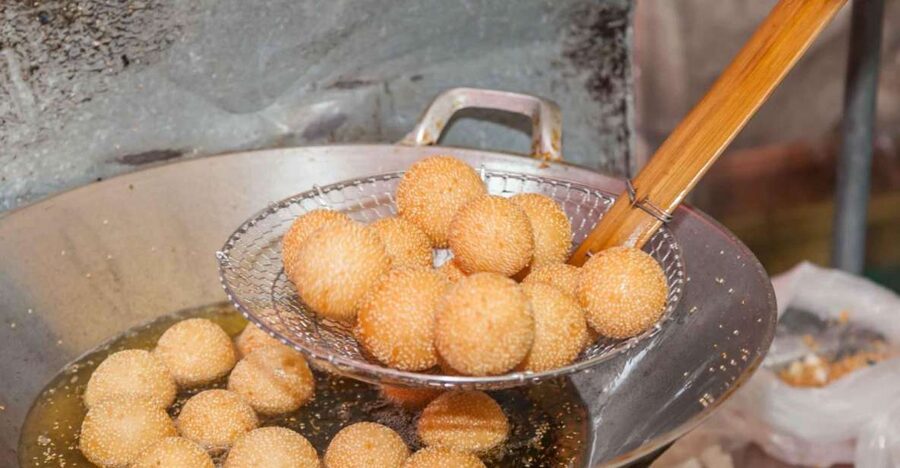
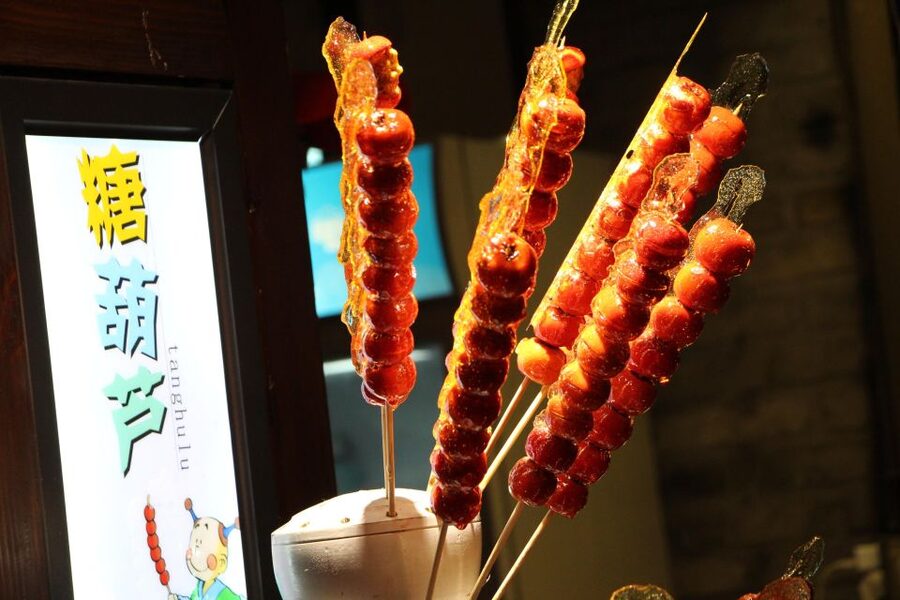
The exact route changes each day, but the opening stops may include familiar Beijing-style snacks and simple local bakery items. Sesame cakes can be sweet, often with honey, and ma hua is a fried dough twist with a crisp, airy texture.
These are good early tastes because they are approachable. If you are new to Chinese food, your guide can explain the texture and sweetness without making you guess what you are eating. If you already know the basics, these small items help show how everyday snacks differ from the dishes served in formal restaurants.
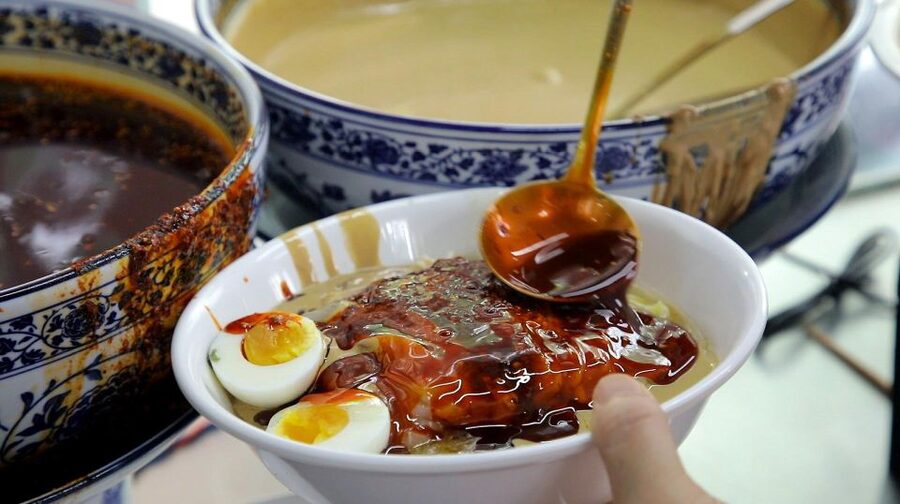
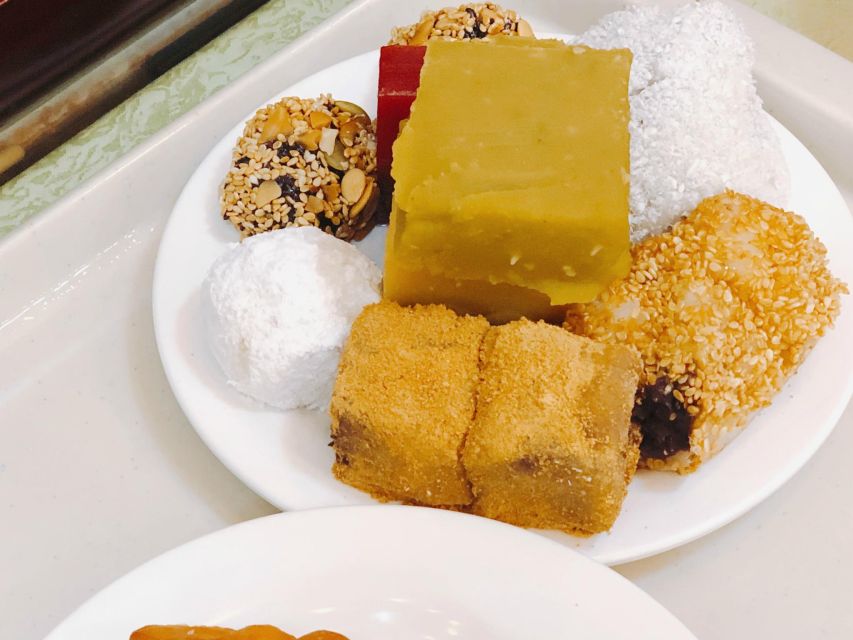
You might also try Beijing jar yogurt. It is a useful contrast to the fried and savory foods, particularly if the day includes spicy soup later. The food list also includes steamed rice cakes with sweet stuffing and other Beijing snacks, so the sweet course is not limited to one dessert.
One limitation is that the product description lists possibilities rather than a fixed menu. A particular cake, dumpling, or noodle shop may not be open or may not fit the day’s route. Think of the tour as a guided tasting of Beijing food, not a guaranteed checklist.
Jianbing, dumplings, and the appeal of fresh street food
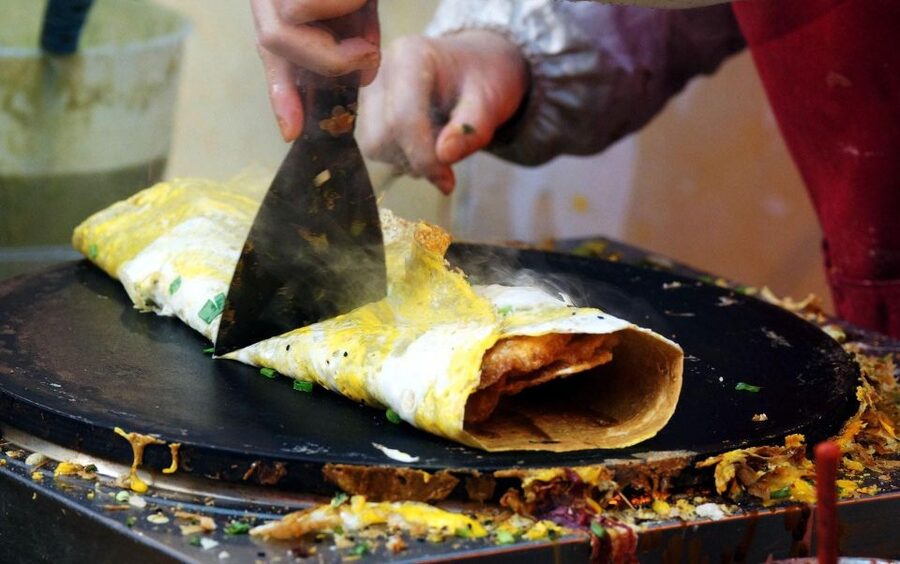
Jianbing is one of the more useful foods to try with a local guide. This fried pancake is often made to order, and watching it come together helps you understand why it is such a common breakfast and snack. Your guide can explain the components and the way people eat it, rather than leaving you to sort out the folded pancake on your own.
Soup dumplings bring a different lesson. They require care because of the hot broth inside, and a guide can show you how to approach them without losing the best part. The tour may also visit a highly regarded dumpling restaurant, but daily stops vary, so this should be treated as a possibility rather than a promise.
One of the tour’s strengths is the contrast between foods. You may move from a crisp pancake to a delicate dumpling, then to a fried ring or a soft sweet rice cake. That variety makes the $76 price easier to assess. You are paying for many small tastings, local interpretation, and route planning, not just for one bowl of noodles.
If you have already eaten your way through Beijing, the guide can adjust the stops. Several guides have changed dishes to avoid repeats or to focus on foods the visitor wanted to try. Tell your guide early what you have eaten and what you hope to find.
Cross Bridge noodles and hot pot bring regional China to Beijing
Cross Bridge rice noodles come from Yunnan Province, far southwest of Beijing. Their inclusion shows that this is not a narrow tour of foods invented only within the capital. Beijing is a national city, and local eating includes dishes and traditions brought from other parts of China.
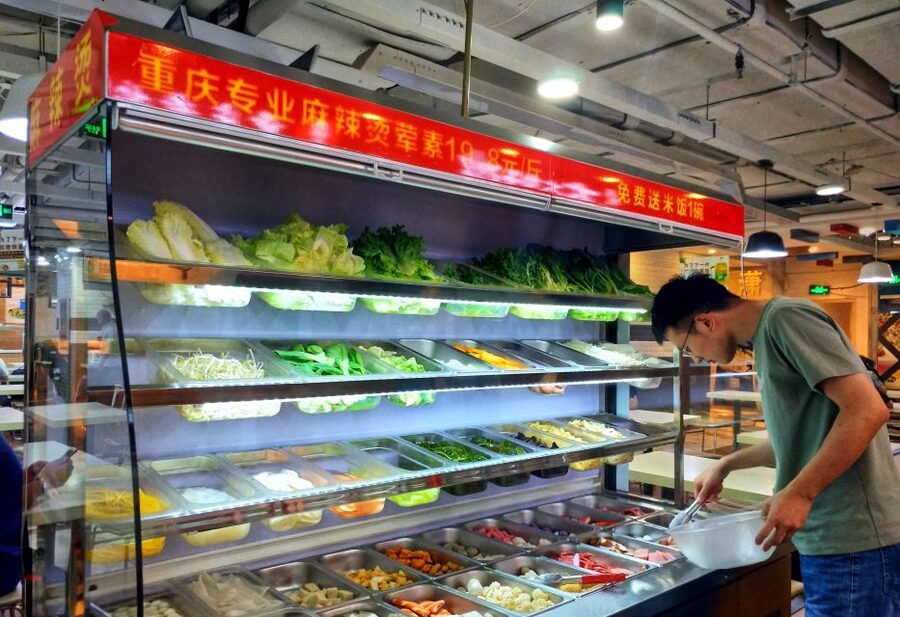
Malatang gives you another style of meal. It is related to hot pot and uses a spicy soup base with a choice of vegetables, meats, seafood, and noodles. A guide is especially useful here because the ingredients may not be obvious to an English-speaking visitor. You can learn what you are selecting and how the soup is meant to be eaten.
This stop can be one of the more memorable parts of the walk because it is interactive and flexible. You might find vegetables, tofu, egg, noodles, or other ingredients that are unfamiliar to you. If spice is a concern, say so before ordering. The guides are described as adjusting choices and helping visitors feel comfortable, but the tour is still designed to introduce you to foods beyond the standard tourist menu.
Malatang can also be filling. Combined with dumplings, noodles, pancakes, and meat, it explains why the practical advice is to arrive hungry. Pace yourself at the first few stops instead of treating every sample as a full meal.
More Walking Tours in the world:
- Magical London: Harry Potter Guided Walking Tour
★ 4.7 · 22,044 reviews - History and Hauntings of Salem Guided Walking Tour
★ 5.0 · 14,564 reviews - New Orleans Premier Ghost, Voodoo and Vampire Walking Tour
★ 4.5 · 12,856 reviews - Amsterdam Anne Frank: Small-Group Walking Tour & Local Guide
★ 4.8 · 12,789 reviews
Lamb skewers, nang bread, and a strong finish
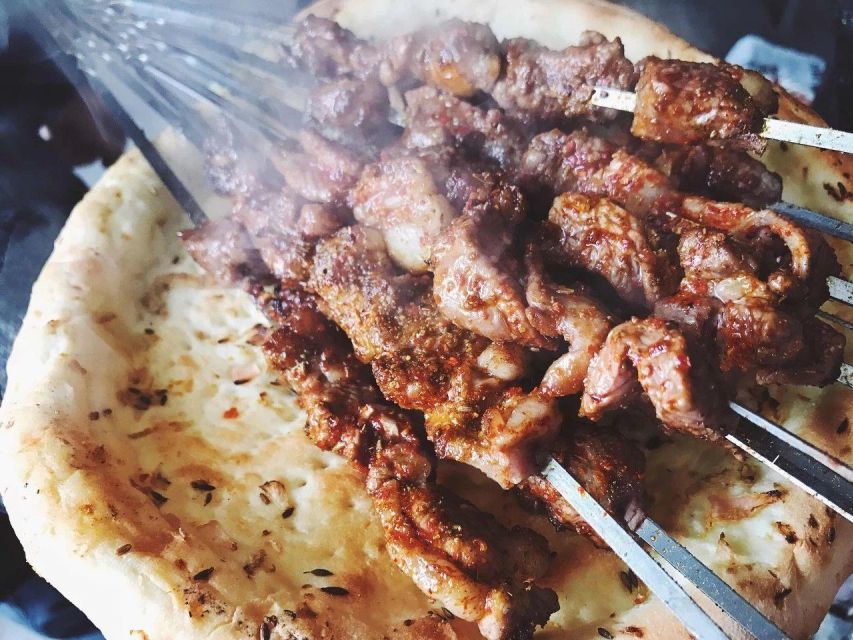
Xinjiang lamb skewers are paired with nang bread and vegetable or lamb kebabs. The grilled food offers a smoky, savory change after softer dumplings and soup. It is also a chance to see how foods associated with other regions have become part of the city’s casual dining scene.
Baijiu may be included as one of the tastings. This clear Chinese liquor commonly ranges from 35 to 60 percent alcohol by volume, so take a small portion seriously. You can ask your guide about it, but you do not need to pretend to enjoy a drink that is too strong for you.
Drinks also include bottled water and local soft drinks. Some tours have included beer, but treat that as an occasional extra rather than a guaranteed part of the package. The included drinks are useful because the menu may move from sweet pastries to spicy soup and salty grilled meat.
By this point, you may be very full. The tour is designed to give you breadth, and that means portion control matters. You do not need to finish every item if you are already satisfied. Ask your guide how much food remains before accepting another full serving.
How adventurous is the food?
You can keep the tour fairly approachable. Sesame cakes, dumplings, pancakes, noodles, yogurt, pastries, lamb skewers, and hot pot offer plenty of choice for a first introduction to Beijing food.
You can also ask for bolder options. Depending on the day and your guide, surprises may include a donkey burger, fried liver, intestine soup, a thousand-year egg, or bamboo worm. The bamboo worm is listed as an extra at your own cost, so budget for that separately if you choose it.
The key is to be clear. Say what you want to try, what you have already eaten, and what you would rather skip. One family used the tour with a vegetarian child, and the guide made sure suitable dishes were available. Other visitors with dietary needs also had food adjusted. Still, the information does not promise a fully vegetarian, vegan, gluten-free, or allergy-safe menu, so you should discuss serious restrictions before booking.
For hesitant eaters, this flexibility is valuable. You can sample something unusual in a supported setting, with a guide explaining it and helping you decide. For bold eaters, you have a better chance of getting beyond the standard tourist choices.
The guides make the difference
Because the route changes, the guide is a major part of what you are buying. Jimmy has been especially well regarded for family groups and for making vegetarian adjustments. Lucy has paired food with language, hutong stories, and patient answers to many questions.
Anson is a strong choice for visitors who want more food history and regional context. He has also tailored routes around dietary needs and specific interests. Andy is noted for local food stops and stories about Beijing, while Mike and Miko have guided visitors through a broad mix of dishes and eating customs.
Allen and Jay are described as friendly, clear English-speaking guides who explain the food and make the stops easy to follow. Individual guide assignments are not guaranteed, so choose the tour for the format rather than for one particular person. If a named guide is important to you, ask the operator before booking.
The private format gives you room to ask questions without holding up a busload of people. It also makes the tour a sensible choice for couples, families, and small groups with mixed comfort levels around food.
Is $76 good value?
At $76 per person, this is not the cheapest way to grab street food in Beijing. You could spend far less by choosing one restaurant and ordering a few dishes yourself.
The value comes from the range. You receive 15-plus tastings, bottled water and local soft drinks, about three hours of guided walking and eating, and the help of an English-speaking local who can explain unfamiliar dishes. You also avoid the guesswork of finding several suitable places, ordering without much English, and deciding what to do with foods you do not recognize.
For a first night in Beijing, the price makes more sense. You get an introduction to the city’s food vocabulary, and you can use what you learn on later meals. The tour can also point you toward snacks and neighborhoods you might otherwise miss.
The optional hotel pickup and drop-off adds convenience but should be considered separately from the walking experience. Without that option, you meet at Dongsi Subway Station Exit B. A taxi driver can be shown the Chinese instruction for Dongsi Subway Station Exit B, or you can use the subway directly.
Free cancellation is available up to 24 hours before the activity, and you can reserve now and pay later. Check the available start times when booking, since the stated duration is three to four hours.
Who should book this hutong food walk?
I would recommend it to first-time visitors who want a fast, friendly introduction to Chinese food without spending hours decoding menus. It is also a good fit for curious eaters who want to try unusual dishes but prefer a guide nearby.
Families can benefit from the private format, especially when children or vegetarians need different choices. Couples and small groups will appreciate being able to shape the meal around their own interests.
This is less suitable if you want a fixed itinerary, a quiet sit-down dinner, or a single specialty such as Peking duck. It is also a poor match if you dislike walking, spicy foods, strong liquor, or the possibility of organ meats. The guide can adjust many choices, but the tour’s appeal lies in variety and surprise.
Should you book it?
Book this tour if you want many small tastes with local explanation, not just a restaurant reservation. The combination of hutong lanes, neighborhood food stops, regional dishes, and flexible guiding gives you a useful first look at Beijing’s everyday eating culture.
Book it early in your stay if possible. You can ask questions about dishes you see afterward and return to foods you liked. Arrive hungry, tell the guide about restrictions and dislikes, and keep an open mind about the changing menu.
Skip it if you need a guaranteed list of specific dishes or have strict dietary limits that have not been confirmed in advance. For most curious visitors, though, $76 buys a full evening of food and orientation, with enough variety to make Beijing’s dining scene feel less mysterious.
FAQ
Where does the Beijing hutong food tour begin?
The meeting point is Dongsi Subway Station Exit B. You can arrive by subway or taxi, and the guide will hold a sign with your name.
How long does the tour last?
The activity lasts about three to four hours, with roughly three hours spent walking and eating around the hutong neighborhood.
How many foods are included?
The tour includes 15 or more food tastings. The exact dishes and stop locations vary each day.
What foods might I try?
Possible tastings include sesame cakes, ma hua fried dough twists, soup dumplings, Beijing jar yogurt, cross bridge rice noodles, jianbing, fried rings, steamed rice cakes, malatang, Xinjiang lamb skewers, nang bread, and local snacks. Baijiu, bottled water, and local soft drinks may also be included.
Can the guide adjust the food for my preferences?
Yes. The guide can adjust stops for classic dishes, more adventurous foods, and stated preferences. Vegetarian choices and other dietary adjustments have been accommodated, but you should discuss serious allergies or strict restrictions before booking.
Is hotel pickup available?
Yes. Hotel pickup and drop-off are available if you choose the private transfer option. Otherwise, you meet the guide at Dongsi Subway Station Exit B.
Can I cancel or pay later?
You can cancel up to 24 hours in advance for a full refund. A reserve-now, pay-later option is also available.
New routes in the world
- Belfast Political Tour-Conflicting Stories Walking Tour★ 4.5 · 459 reviews
- Best of Belfast Walking Tour★ 5.0 · 399 reviews
- The Real Story of Belfast walking tour with a local guide★ 5.0 · 144 reviews
- Belfast Troubles Murals Street Art and Peace Wall Walking Tour★ 5.0 · 163 reviews
- Forbidden City Private Walking Tour with Optional Sights★ 5.0 · 400 reviews
- Belfast Centre Food Tour of 12+ Local Irish Dishes & Drinks★ 5.0 · 266 reviews
- Beijing Private Hutong Food Walking Tour★ 5.0 · 299 reviews
- Beijing City Walk: Explore Hutongs Life and Old Beijing★ 5.0 · 146 reviews
China Walking Tours, compared.

Forbidden City Tour(Group/Private)-Tickets Included
Read our review →
Beijing Hutong Walking Food and Beer Tour at Hidden Restaurants
Read our review →
Forbidden City and Tian’anmen Square Waking Tour
Read our review →
Private Beijing Walking Tour of the Forbidden City with 7 Options
Read our review →
Forbidden City Private Walking Tour with Optional Sights
Read our review →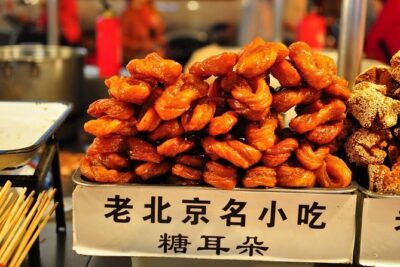
Shanghai Highlights Walking Tour With A Real Local
Read our review →
Beijing City Walk: Explore Hutongs Life and Old Beijing
Read our review →Browse the lists this tour appears in