
Review · VANCOUVER
A Wok Around Chinatown: Culinary and Cultural Walking Tour Led by a Chef
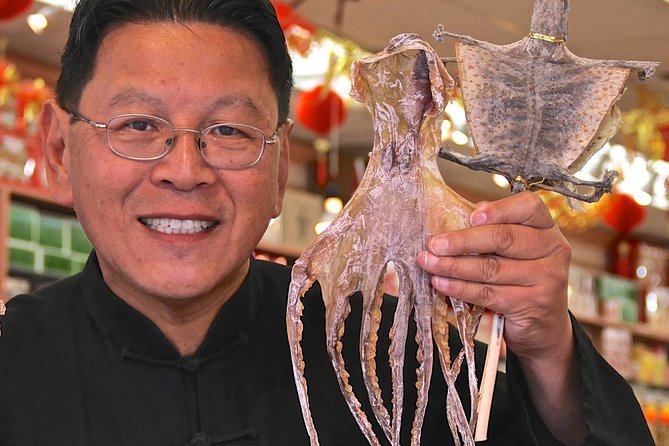
Vancouver’s Chinatown becomes much more interesting when you connect its food to the people who built the neighborhood. This four-hour walk with chef-guide Bob Sung combines dim sum, Chinese barbecue, tea, shops, garden symbolism, and the Chinese Canadian story in one steady route.
I like the small group size, capped at 14, and the fact that the food is not treated as a string of unrelated snacks. I also like the included sit-down dim sum meal, which gives the tour a proper center. The main caution is that Chinatown itself has vacant storefronts and visible street disorder, and some parts of the walk may feel slow if you want a fast-moving food crawl.
Key points to know before booking
- Chef-led Chinatown history: Bob Sung links food, Chinese culture, and the Chinese Canadian experience.
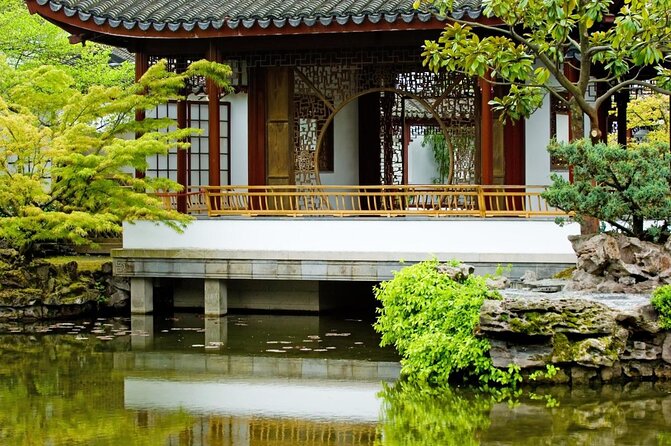
- Dr. Sun Yat-Sen Classical Chinese Garden: The tour begins here, with time to consider its traditional design and symbolism.
- Food from several stops: Expect sweet and savory samples, Chinese barbecue, pork buns, tea, and a dim sum lunch.
- Small-group format: The maximum is 14 people, though some departures may have fewer.
- A full four hours: This is a cultural walking tour with pauses for explanation, not a quick tasting circuit.
- Bring dietary details: Food allergies and special considerations should be given when booking.
A food tour that also explains Chinatown
Many food walks give you a bite, a name, and a quick move to the next shop. This one takes a different route. Bob Sung uses food as a way to explain Chinese customs, migration, family life, and the development of Vancouver’s Chinatown.
That approach gives the tour more weight than a simple snack crawl. You may taste a barbecue item or dumpling, then hear why a dish matters, how it is eaten, or what it says about Chinese culture in Canada. The food is the hook, but the larger subject is the community.
The tone can feel personal. Bob has strong ties to the area and speaks with the ease of someone who has spent a long time thinking about Chinatown’s past and present. Some departures are led with help from Thomas, a retired chef who explains dim sum, food symbolism, and table manners. Kenson has also been mentioned as part of the guiding team.
The result depends partly on your preferred style. If you enjoy stories, questions, and conversation, the extra explanation adds real value. If you want food placed in front of you at exact intervals, you may find the pauses less efficient.
More Food Walking Tours in Canada
- Montreal Mile End Authentic Food Tour with 7 Delicacies Tastings
★ 5.0 · 2,598 reviews - Gastown Historic Walking Food Tour
★ 5.0 · 1,863 reviews - Old Quebec City Food Tour with 10+ Autentic Local Tastings
★ 5.0 · 1,288 reviews
Starting at the classical Chinese garden
The meeting point is Dr. Sun Yat-Sen Classical Chinese Garden, at 578 Carrall Street. The tour begins at 11 a.m., and admission to the garden is included.
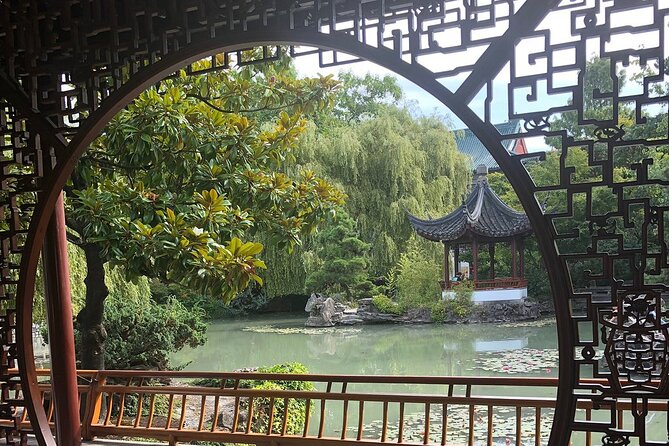
This is a smart starting point. The garden offers a quiet contrast to the surrounding streets, and it gives your guide a visual way to explain traditional Chinese ideas. The rock formations, water, pavilions, and arrangement of space are not simply decoration. They provide a framework for discussing balance, nature, and cultural values.
The garden is also one of the best parts of the experience for visitors who have already walked through Chinatown on their own. You may have seen the neighborhood’s storefronts and restaurants, but the garden slows the pace and sets a more thoughtful tone.
Season matters here. In late autumn and winter, the garden can look spare, even stark, with fewer leaves and less color. That is not necessarily a flaw, but it changes the mood. If you want leafy views, warmer months are a better choice. If you appreciate stone, water, and quiet spaces, the garden can work in any season.
The tour’s garden discussion may take longer than a standard sightseeing stop. That is useful if symbolism interests you. It may test your patience if you would rather begin eating right away.
Walking through Vancouver’s Chinese Canadian story
After the garden, the route turns into a walking tour of Chinatown. The historical material covers Chinese immigration to Canada, the work Chinese immigrants did in building the railways, institutional racism, and the ways Chinese Canadians maintained their culture.
This is important context. Chinatown is not only a collection of restaurants and shops. It reflects decades of exclusion, adaptation, family businesses, and community life. Food makes those subjects easier to approach because meals, tea, markets, and cooking are part of daily experience rather than distant museum topics.
The tour also looks at the neighborhood as it exists now. Some buildings are empty, and you may see people living on the street. That reality can affect your impression of the area. A guided walk helps explain why the district remains culturally important even as parts of it face decline.
You should not book this expecting a polished theme-park version of Chinatown. The neighborhood has rough edges. Those conditions are part of what you will see, and the guide addresses them rather than pretending they are not there.
Bob’s style is conversational and personal. He may connect local history to current events, family experience, and the businesses you visit. That can make the past easier to understand, though it also means the tour is not tightly scripted in the way a museum audio guide would be.
Sampling barbecue, buns, sweets, and other foods
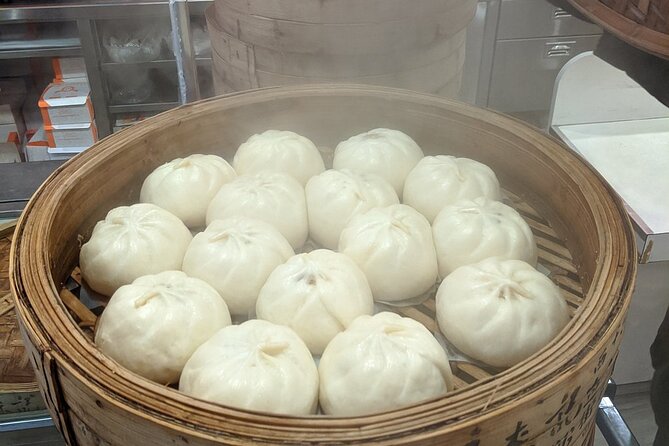
The culinary stops include Chinese barbecue, pork buns, sweet and savory items, tea, and other samples from Chinatown shops and food businesses. The exact lineup may vary, so you should not expect a fixed menu with every item guaranteed on every departure.
The portions are substantial. Several people describe leaving full, not merely satisfied after a few tiny tastes. That matters when you compare this experience with food walks that charge separately for lunch. Here, the tastings and dim sum meal are included in the price.
Some food is handed around outside a shop, sometimes on a platter with toothpicks. This is practical for a walking group, but it is less relaxed than sitting down at each stop. You may also wait while food is arranged or prepared. One departure involved a longer pause for Chinese barbecue, and that exposed a weakness in the timing.
I would plan your expectations carefully. This is not a restaurant-hopping tour where every course arrives the moment you sit down. It is a neighborhood walk, and food is collected along the way. You may stand outside a business for a few minutes, listen to more explanation, and then share a sample with the group.
That format has a benefit: you can try items you might not order on your own. One participant was encouraged to try jellyfish, something they had never expected to eat. You do not have to force yourself to taste anything, but the guide may gently push you beyond familiar dumplings and noodles.
Tell the operator about allergies or dietary concerns when booking. The tour specifically asks for this information, and one group with several restrictions received special attention. Still, the food is shared across multiple stops, so clear communication is essential.
Same streets, a different guide:
- Quebec City Walking Tour
★ 5.0 · 4,716 reviews - Old Quebec City: Grand Walking Tour with Private Option
★ 4.8 · 2,609 reviews - The Original Old Montréal Walking Tour by Guidatour
★ 4.5 · 2,217 reviews - Old Montreal Small-Group Walking Tour | Max 10 | by MTL Detours
★ 5.0 · 2,088 reviews
Shops, tea, and the quieter side of Chinatown
The walk includes cookware and herbal medicine shops, along with a tea stop. These businesses show parts of Chinese food culture that a restaurant meal cannot explain.
A cookware shop can reveal how much Chinese cooking depends on particular tools, from woks to steamers and cleavers. An herbal medicine store offers a look at traditional approaches to health and daily well-being. You may not want to buy anything, and the tour does not require you to do so, but these stops add texture to the neighborhood.
Tea is one of the more memorable cultural elements. The service includes an explanation of tea and its place in Chinese culture. On some departures, it functions as a calm closing moment after the meal and walking.
A practical warning: the tea shop may feel commercial, and one participant considered it overpriced. You are free to listen without purchasing. If you dislike sales-oriented stops, keep that in mind when deciding if this tour matches your style.
The best way to view these visits is as working parts of Chinatown rather than staged attractions. They may be less visually exciting than the garden, but they help you understand how food is prepared, stored, served, and valued.
The dim sum lunch is the tour’s anchor
The included dim sum lunch gives the four-hour walk a proper meal rather than a series of nibbles. You sit down, share dishes, and learn about dim sum etiquette and symbolism.
This is where the guide’s culinary background matters most. Thomas, a retired chef, has explained the meaning of dishes and the customs around ordering and eating them. Even if you already know dim sum, you may pick up useful details about how the meal fits into Chinese social life.
The food is filling. Portions have been described as unusually generous, with dumplings much larger than comparable servings elsewhere. Exact dishes can change, but you should expect a substantial lunch rather than a token plate.
The pace is the main concern. A four-hour tour includes many parts, and some people have found the dim sum meal rushed. If you like lingering over tea and conversation, you may wish the lunch lasted longer. If you prefer to keep moving, the schedule may feel fine.
Because the group can include people with different appetites and food backgrounds, the shared meal works best when you are open to trying several items. It is also a social point in the tour. Groups of strangers often begin talking more easily once everyone is sitting around the same table.
How the four hours feel on foot
The tour lasts about four hours and ends back at the garden meeting point. Public transportation is nearby, and most people can participate, but you should be ready to walk and stand for much of the experience.
The route is not a race. Explanations, ordering food, garden interpretation, and meal service all take time. That slower rhythm helps if you want to ask questions or take in the details. It can feel drawn out if you have limited time in Vancouver or plan to add several other attractions that afternoon.
The group maximum of 14 is helpful. A smaller party makes it easier to hear the guide and ask about food. It also keeps the shared tasting manageable. Larger tour groups can turn a dim sum lunch into a noisy exercise in passing plates around, so the cap has practical value.
Wear comfortable shoes and leave room in your schedule. The 11 a.m. start means the tour uses most of the middle of your day. Do not book a tight afternoon appointment unless you are comfortable allowing extra time.
Rain does not automatically ruin the experience, since much of the tour takes place indoors or under cover, but you are still moving around Chinatown. A light rain jacket and shoes suitable for wet sidewalks are sensible choices.
Is the $122.28 price fair?
At $122.28 per person, this is not the cheapest way to eat in Chinatown. You could buy dim sum and several snacks independently for less money.
The value comes from the combination. Your price includes the walking guide, food samples, tea, garden admission, cultural interpretation, and dim sum lunch. You are also paying for access to places and stories you might not find easily on your own.
For a visitor who wants only lunch, the price is hard to justify. For someone who wants a guided introduction to Chinese Canadian history and the food traditions of Chinatown, the calculation is better. Four hours of guiding, multiple tastings, and a full meal make the cost reasonable if you would otherwise book separate sightseeing and food activities.
The strongest value is for a first visit to Vancouver Chinatown. The tour can give you enough background to return later with more confidence. You may mark down a bakery, restaurant, tea shop, or cookware store to revisit at your own pace.
The price also protects you from ordering blindly. A guide can explain unfamiliar foods and help you understand what you are tasting. That does not guarantee every bite will suit you, but it makes experimentation less risky.
Who will enjoy this Chinatown walk?
I would recommend it most strongly to people who want food with context. Couples, families, and small groups can all fit comfortably, and the material works for a wide age range.
It is especially suitable if you:
- Want a guided introduction to Chinese Canadian history.
- Enjoy trying unfamiliar foods.
- Prefer a small group to a large bus tour.
- Want lunch included rather than arranging it separately.
- Like hearing personal stories and cultural explanations.
- Have not spent much time in Vancouver’s Chinatown.
Families should tell the operator about allergies in advance. The tour can be educational for children, but younger children may find the long explanations and periods of waiting less engaging.
You should think twice if you want a tightly timed food crawl, dislike shared dishes, or have only a short window in Vancouver. The tour gives you plenty of information, but not every minute is spent eating.
The neighborhood’s current problems also deserve consideration. If visible homelessness, empty storefronts, and urban disorder will make you uncomfortable, you may prefer a garden visit and restaurant meal on their own. If you want to understand the area as it is now, the tour does not hide those conditions.
Booking details that matter
The experience is offered in English and uses a mobile ticket. It requires at least two people per booking. If that minimum is not met, the tour may be canceled.
The maximum group size is 14, and confirmation is sent within 48 hours, subject to availability. Since the tour is commonly booked well in advance, arranging it around 39 days ahead is sensible if the date matters to you.
Alcohol is not included, though it can be purchased separately. Food samples, tea, dim sum, and garden admission are included.
You can cancel for a full refund if you do so at least 24 hours before the start time. Changes or cancellations inside that window are not accepted for a refund.
Should you book A Wok Around Chinatown?
Book it if you want Vancouver Chinatown explained through its food, not just photographed from the sidewalk. Bob Sung brings a personal, conversational approach, and the tour’s best moments come when history, a dish, and a real neighborhood business meet in the same stop.
The included meal and generous tastings make the cost easier to defend, while the garden gives the day a welcome pause. Just allow the full four hours, expect some waiting, and understand that Chinatown is a living district with serious problems as well as cultural importance.
For a first visit, I would book it early and schedule it on a day when you can let the pace unfold. For a quick lunch or a highly polished food crawl, choose something shorter. For food, history, tea, and a fuller sense of the Chinese Canadian story, this is a strong choice.
FAQ
Where does the tour start and end?
The tour starts at Dr. Sun Yat-Sen Classical Chinese Garden, 578 Carrall Street, Vancouver. It ends back at the same meeting point.
What time does the tour begin?
The scheduled start time is 11 a.m.
How long does the tour last?
The tour lasts approximately four hours.
Is lunch included?
Yes. The price includes food samples, tea, and a dim sum lunch.
Is admission to the classical Chinese garden included?
Yes. Admission to Dr. Sun Yat-Sen Classical Chinese Garden is included.
How many people can join the tour?
The maximum group size is 14 people. At least two people are required per booking.
Can I cancel for a full refund?
Yes. You can cancel at least 24 hours before the local start time for a full refund. Cancellations or changes made less than 24 hours before the start are not accepted for a refund.
More Cultural Walking Tours in Canada
- Savannah First Squares Culinary & Cultural Walking Food Tour
★ 5.0 · 3,229 reviews - Tokyo Tsukiji Fish Market Food and Culture Walking Tour
★ 5.0 · 3,184 reviews - New Orleans French Quarter, Voodoo and Culture Walking Tour
★ 4.5 · 2,961 reviews - Amsterdam: Cultural Highlights Walking Tour
★ 4.9 · 2,629 reviews
New routes in Canada
- Toronto: Private Walking Tour with a Local★ 4.7 · 150 reviews
- Toronto: Dark History Nighttime Walking Tour★ 4.7 · 273 reviews
- Toronto: City Walking Tour★ 4.9 · 185 reviews
- Toronto: 2-Hour Downtown Walking Tour★ 4.4 · 101 reviews
- Toronto: Distillery District Historic Walking Tour★ 4.8 · 267 reviews
- Quebec City: Christmas Magic Walking Tour in Old Quebec★ 4.7 · 146 reviews
- Quebec City: Old Quebec Classic Walking Tour with Funicular★ 4.9 · 695 reviews
- Ottawa: Private Walking Tour with a Local★ 4.5 · 80 reviews
Vancouver Walking Tours, compared.
Gratuity-Based Vancouver City Highlights 3 Hour Walking Tour
Read our review →Browse the lists this tour appears in