
Review · ROMANIA
Cluj-Napoca: 2.5-Hour Guided Walking Tour
Cluj-Napoca’s story is written in several languages. On this 2.5-hour walk, you move from the birthplace of Hungarian king Matthias Corvinus to a Gothic Catholic church, a Romanian Orthodox cathedral, and a Viennese-style theater. It is a brisk way to understand why Cluj feels both Central European and distinctly Romanian.
I like the tour’s clear historical route, which connects Dacian and Roman beginnings with medieval guilds, religious change, the world wars, Communism, and modern Cluj. I also like the guides’ flexibility: Daniela, David, Andrei, and others are praised for answering questions, adjusting the pace, and sometimes staying a little longer. The main consideration is that the experience focuses heavily on history and religion, with limited interior visits and a walking format that may not suit anyone with mobility problems.
Key points at a glance
- Matthias Corvinus’s birthplace: See the modest house where Hungary’s famous 15th-century king was born.
- St. Michael’s Church: Admire one of Cluj’s major Gothic landmarks in Union Square.
- Three cultural chapters: Follow German, Hungarian, and Romanian influences through architecture and local stories.
- The Intellectuals’ Street: Pass Babes-Bolyai University and hear about education, guilds, and medieval witch trials.
- Avram Iancu Square: Compare the 1930s Orthodox Cathedral with the 1906 National Theatre.
- Strong guide record: The tour holds a 4.8 rating from 104 reviews, with particular praise for clear explanations and engaging storytelling.
Why this Cluj walking tour works so well
At $34 per person, this is not the cheapest way to look around Cluj-Napoca. It is, however, a reasonable price for two and a half hours with a live guide, especially if you are new to the city and want more than a list of monuments.
Cluj can look straightforward at first. Union Square, the church, the statue, and the surrounding streets are easy enough to see on your own. The value comes from learning how the city’s Hungarian past, German influence, Romanian identity, religious divisions, and political changes fit together.
The guide gives you a framework. Instead of seeing an old church as simply an old church, you learn why it matters, who used it, and how it fits into Cluj’s changing identity. That context is especially useful in a city where architectural styles and national stories overlap.
The tour also makes a good first activity. Emily described it as an excellent way to begin a Cluj holiday, and I agree with the logic. After this walk, you can return to the places that caught your attention, choose a museum, or ask the guide for ideas about the rest of your stay.
More Guided Walks in the world:
- Magical London: Harry Potter Guided Walking Tour
★ 4.7 · 22,044 reviews - History and Hauntings of Salem Guided Walking Tour
★ 5.0 · 14,564 reviews - Amsterdam Anne Frank: Small-Group Walking Tour & Local Guide
★ 4.8 · 12,789 reviews
Starting with Matthias Corvinus in the old center
The route begins with Matthias Corvinus, one of the best-known kings in Hungarian history. His birthplace is not a grand royal palace. It is a much more modest building, which makes the stop memorable for a different reason.
Your guide explains Corvinus’s life and his importance to the region. The discussion also touches on wine, an everyday subject that helps connect political history with local culture. That sort of detail gives the tour some warmth. You are not only moving from date to date, but hearing about the habits and stories that shaped life in the area.
This is a useful introduction to Cluj’s Hungarian chapter. The city has a complicated past, and the tour does not reduce it to a single national story. Matthias Corvinus links Cluj to medieval Hungary, while the rest of the walk shows how later Romanian and German influences became part of the city as well.
Do not expect a long interior visit here. The stop is mainly about the building, the person connected to it, and the historical setting around it.
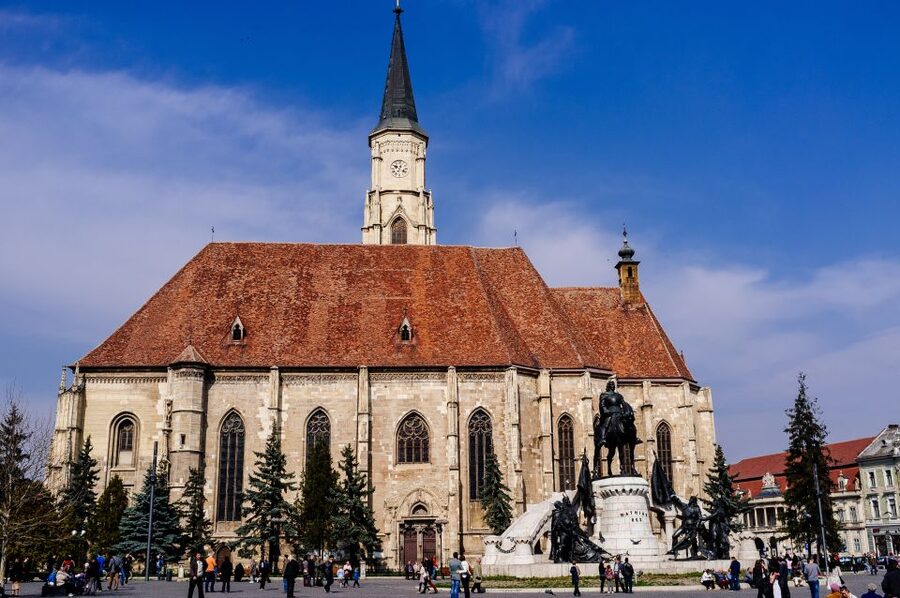
Union Square and the Gothic profile of St. Michael’s Church
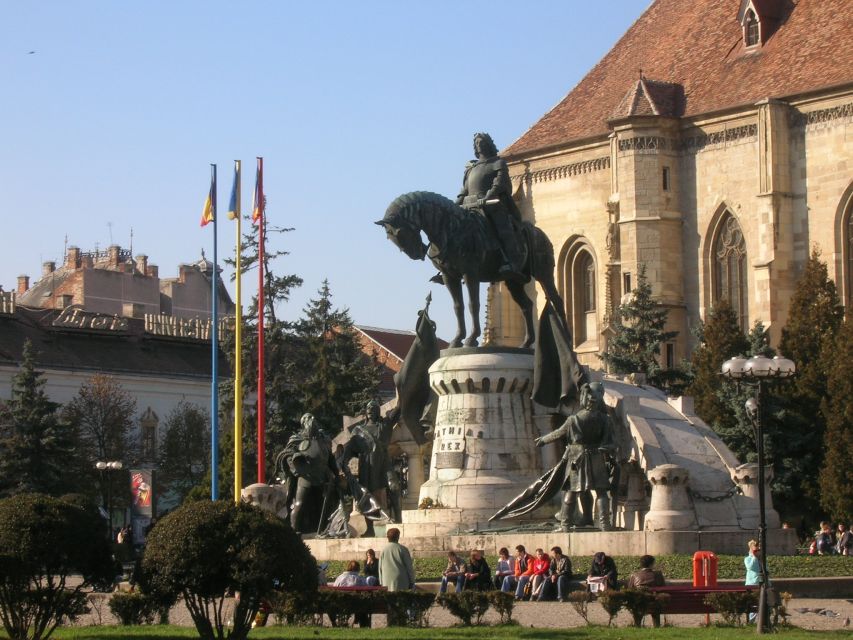
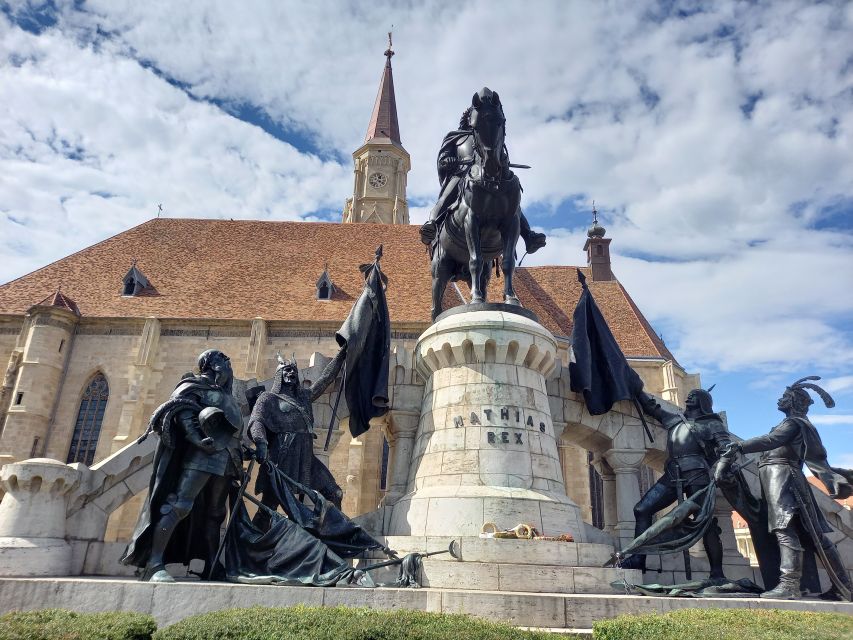
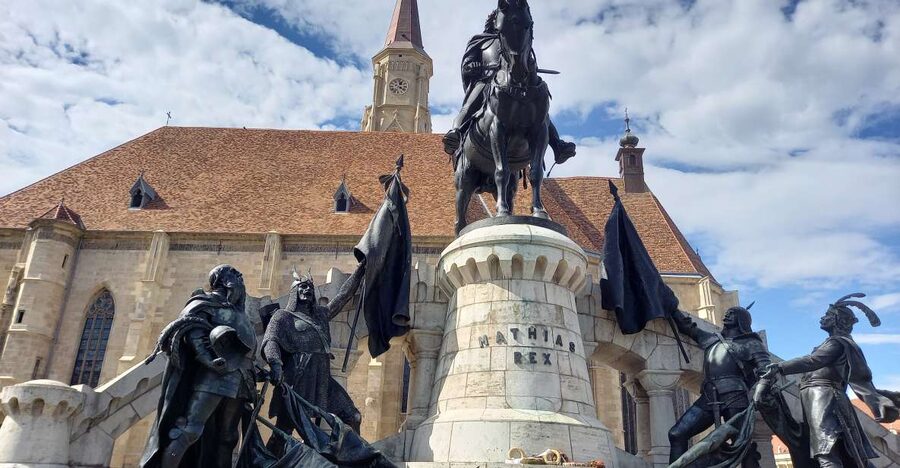
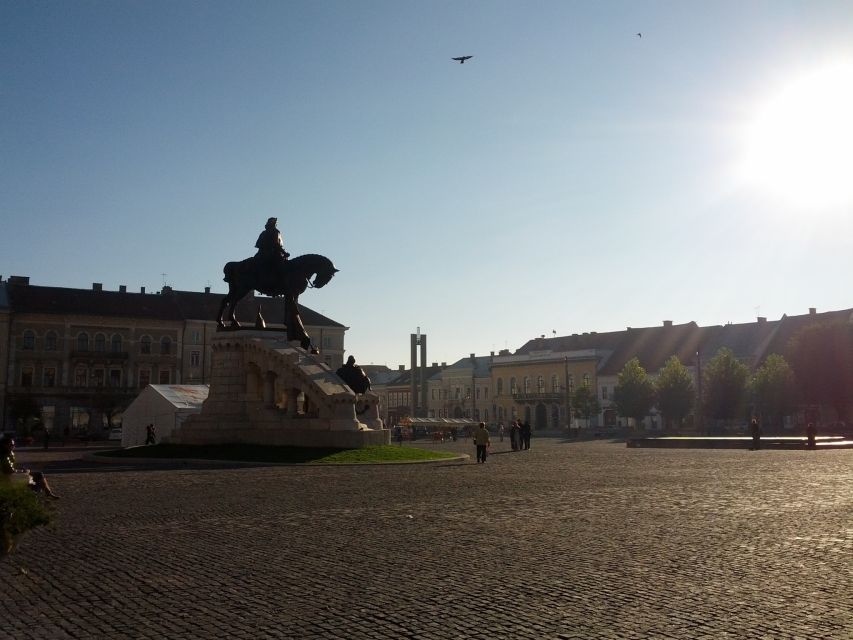
The route continues to Union Square, the main historic square and one of the tour’s most important stops. Here, the large equestrian statue of Matthias Corvinus faces St. Michael’s Church, creating a powerful pairing of monument and architecture.
St. Michael’s is a 14th-century Gothic church. Its tall form and detailed style give the square much of its character, and the guide helps you read the building rather than simply photograph it. You learn why the church matters and how it fits into Cluj’s religious and political past.
This is one of the places where a guide adds real value. Gothic architecture can be easy to admire without understanding. A good explanation gives you something to look for in the structure and helps you see why it remains central to the city.
The tour does not promise extensive access to church interiors. If entering historic buildings is a priority for you, check the day’s arrangements and allow time to return independently. One four-star assessment specifically wished for more interiors, so this is the clearest limitation to keep in mind.
The Intellectuals’ Street and Babes-Bolyai University
From Union Square, you walk toward the area known as the Street of the Intellectuals. Its name points to the number of educational institutions along the route, including Babes-Bolyai University.
This part of the walk shifts from royal and religious history to the life of ideas. Cluj is an important university city, and the university presence helps explain its youthful energy and international character. The tour gives you a look at how education became part of the city’s identity.
The stories here are not limited to famous buildings. Your guide discusses medieval guilds and the fate of women accused of witchcraft in Cluj. These subjects add a human edge to the tour. Guilds reveal how work and trade were organized, while the witch-trial stories show the fears and power structures of medieval society.
This is also where guide quality matters most. The strongest descriptions of the tour praise guides for making complicated subjects easy to follow, adding humor, and welcoming questions. Daniela is repeatedly praised for her clear explanations and engaging manner. Andrei is described as professional and open to questions, while David is remembered for showing streets that would be easy to miss alone.
More Walking Tours in the world:
- Reykjavik Food Walk – Local Foodie Adventure in Iceland
★ 5.0 · 18,952 reviews - New Orleans Premier Ghost, Voodoo and Vampire Walking Tour
★ 4.5 · 12,856 reviews - Edinburgh: Harry Potter Magical Guided Walking Tour
★ 4.8 · 11,944 reviews - Edinburgh Castle: Guided Walking Tour with Entry Ticket
★ 4.7 · 11,699 reviews
Medieval defenses and the changing shape of the city
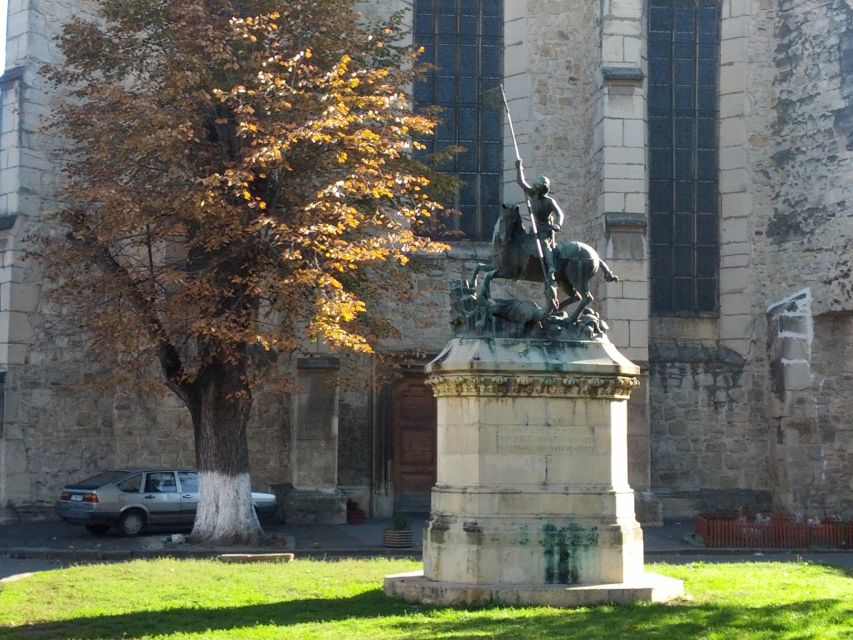
The walk passes the remains of Cluj’s defensive walls. These fragments are less imposing than a fully preserved fortress, but they help you picture the older city as a protected settlement rather than the broad urban center you see today.
This stop works best when paired with the earlier discussion of guilds and medieval life. Walls were not just military structures. They marked the limits of the city, controlled movement, and reflected the organization of urban society.
The tour’s route then brings you toward a newer section of the old city. That change in scenery is useful. You are not looking at isolated monuments, but watching Cluj change as you walk through it.
The route is described as a lengthy city walk, yet one participant found it manageable and appreciated sitting down several times during the two and a half hours. Even so, you should wear comfortable shoes and be ready to remain on foot for much of the experience. The activity information says it is not recommended for people with limited mobility, despite also identifying it as wheelchair accessible. If mobility is a concern, contact the provider before booking and ask exactly what route and assistance apply to your date.
Avram Iancu Square and two very different landmarks
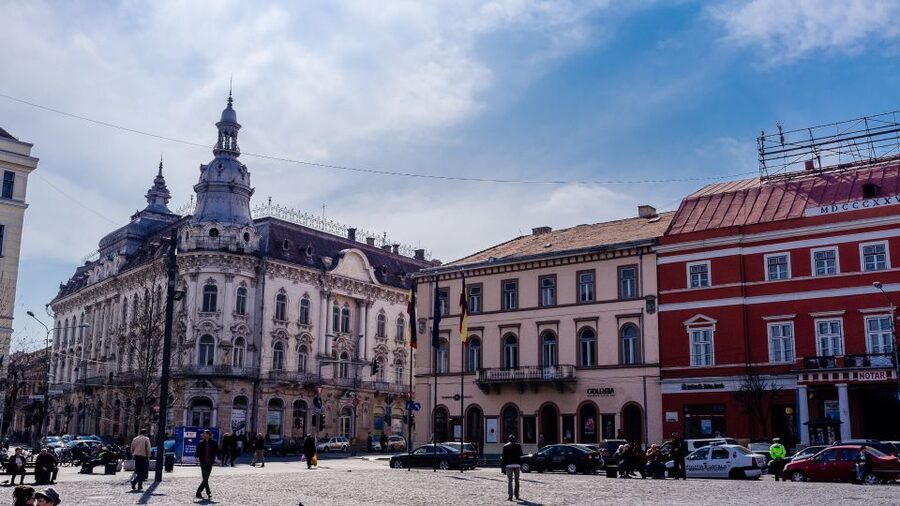
The final major area is Avram Iancu Square, named for the Romanian national figure Avram Iancu. This part of the route gives you a useful contrast with Union Square.
The Orthodox Cathedral dates from the 1930s. Its presence reflects a later period in Cluj’s development and gives the square a distinctly Romanian character. After seeing the Catholic Gothic church in Union Square, you can compare two religious buildings from different traditions and eras.
The National Theatre adds another layer. Built in 1906 by Viennese architects, it brings Central European design and performance culture into the story. Its presence helps explain why Cluj can feel connected to Vienna, Budapest, and Bucharest all at once.
This final section is especially helpful if you want to understand the city as a cultural meeting point. You see how architecture can reveal shifts in population, politics, religion, and taste without needing a museum label at every corner.
The guides make the difference
The experience is sold with English- and German-speaking guides, and the guide can shape the day more than the exact route. Daniela receives especially strong praise for historical clarity, humor, and passion for Cluj. She has also adjusted her explanations to different levels of background knowledge and, in one case, continued beyond the scheduled time to finish the tour.
David is praised for taking a couple to streets they would not have found alone and for explaining the buildings and churches along the way. Andrei is described as professional, attentive, and willing to handle questions. Other guides have been praised for discussing not only history, but also politics, religion, art, and architecture.
That range suggests a serious history walk rather than a theatrical sightseeing performance. You should expect dates, context, and explanation. If you prefer a tour centered on food, nightlife, shopping, or present-day local life, this may feel too academic.
One useful tip is to ask questions as you go. The guides appear willing to adapt, and the tour becomes more rewarding when you connect the history to something you want to understand. Ask about the different churches, the university, wine, city politics, or what to see next.
How much history fits into two and a half hours
The route covers a lot of ground in a limited time. One guide began with the Dacians and Romans, then moved through the Middle Ages, World War I, World War II, Communism, and the present day before tying the story to the main sights.
That broad timeline is one of the tour’s best features for first-time visitors. You get a basic map of Cluj’s past without committing to a full-day history program. The tradeoff is depth. No single stop can receive a long, scholarly treatment when the tour also includes several squares, buildings, and streets.
You may also find the history and religion emphasis stronger than the cultural side of modern Cluj. One participant specifically wanted more culture. If you want cafés, music, food traditions, or current student life, ask your guide for suggestions after the formal route.
The tone seems to vary slightly by guide. Some are praised for humor and warmth, while one assessment wished for more enthusiasm and recommendations for the rest of the stay. That is a minor concern, but it is worth remembering that a walking tour depends on the individual guide assigned to you.
Who should book this experience
I would choose this tour if you are visiting Cluj for the first time, enjoy history, and want a solid introduction before exploring alone. It suits people who like architecture but want help understanding what they are seeing.
It is also a good fit for couples, small groups, and organized groups. The guide can adjust the pace and explanation level, and the route includes enough variety to keep the walk from becoming a single long lecture.
You should bring comfortable shoes, a sun hat, and a face covering if required for your travel circumstances. Pets are not allowed. The starting point can vary depending on the option you book, so check your confirmation carefully.
The free cancellation policy allows you to cancel up to 24 hours ahead for a full refund. You can also reserve now and pay later, which is useful if your Cluj plans are still shifting.
Is the $34 price fair?
At $34, the tour earns its price through duration and context rather than special access. You receive 2.5 hours with a live English- or German-speaking guide, a route through the main historic center, and explanations that connect several periods of Cluj’s past.
The value is strongest if you would otherwise spend the first day wandering without understanding the city. It is less compelling if you only want quick photographs or plan to visit the same landmarks independently with a guidebook.
The high 4.8 rating from 104 reviews supports the idea that the service is dependable, especially in guide quality. The repeated praise centers on clear history, interesting stories, flexibility, and good pacing. The main weakness is the limited number of interior visits and the strong focus on historical and religious subjects.
Should you book the Cluj-Napoca walking tour?
Book it if you want a serious, well-paced introduction to Cluj-Napoca, especially if Matthias Corvinus, Gothic architecture, religious history, and the city’s Hungarian, German, and Romanian connections interest you.
Skip it if you need a fully accessible route, want extensive indoor sightseeing, or prefer a tour focused mainly on food and modern culture. For most first-time visitors who can comfortably walk for two and a half hours, this is a sensible first look at Cluj, with enough detail to make the rest of your stay more rewarding.
FAQ
How long does the Cluj-Napoca walking tour last?
The guided walk lasts 2.5 hours.
How much does the tour cost?
The listed price is $34 per person.
Which languages are available?
The tour is offered in English and German.
What sights are included?
The route includes Matthias Corvinus’s birthplace, Union Square, St. Michael’s Church, the equestrian statue of Corvinus, the Street of the Intellectuals, Babes-Bolyai University, remains of the defensive walls, Avram Iancu Square, the Orthodox Cathedral, and the National Theatre.
Is the tour wheelchair accessible?
The activity is listed as wheelchair accessible, but it is also stated to be not recommended for people with mobility impairments. Contact the provider before booking to confirm whether the route suits your needs.
What should I bring?
Bring comfortable shoes, a sun hat, and a face mask or other protective covering.
Can I cancel the booking?
Yes. You can cancel up to 24 hours in advance for a full refund. You can also reserve now and pay later.
New routes in the world
- Baltimore Walking Foodie Tour in Fells Point★ 5.0 · 182 reviews
- Baku Oil Heritage & Old Town Walking Tour★ 5.0 · 232 reviews
- Baku Walking Tour (Old City)★ 5.0 · 127 reviews
- The Madam’s Curse Walking Ghost Tour★ 4.5 · 103 reviews
- Austin Small Group Morning Walk★ 5.0 · 412 reviews
- Austin Downtown Private Walking Food Tour With Secret Food Tours★ 5.0 · 71 reviews
- Austin Murder Walk★ 5.0 · 310 reviews
- Austin Haunted Pub Crawl Walking Tour★ 4.5 · 232 reviews
Romania Walking Tours, compared.
Bucharest: City Highlights Guided Walking Tour
Read our review →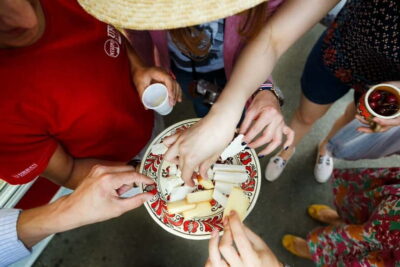
Bucharest: Hidden Markets Walking Tour with Tastings
Read our review →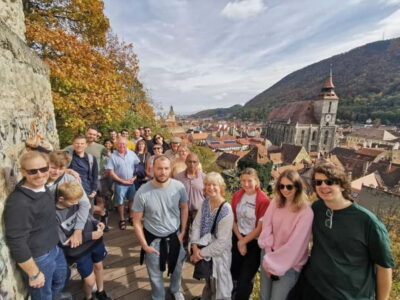
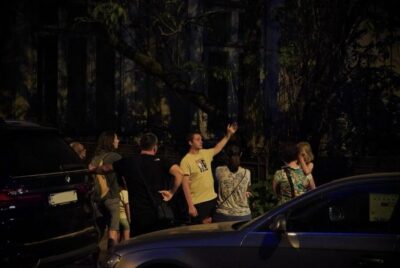
Bucharest: Ghost Stories & Romanian Mythology Walking Tour
Read our review →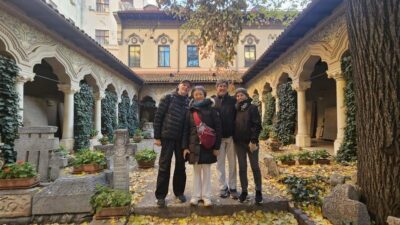
Bucharest: Guided Walking Tour with Romanian Snack
Read our review →
City Tour Sighisoara Legends & Landmarks A Walk Through Time
Read our review →
Browse the lists this tour appears in