
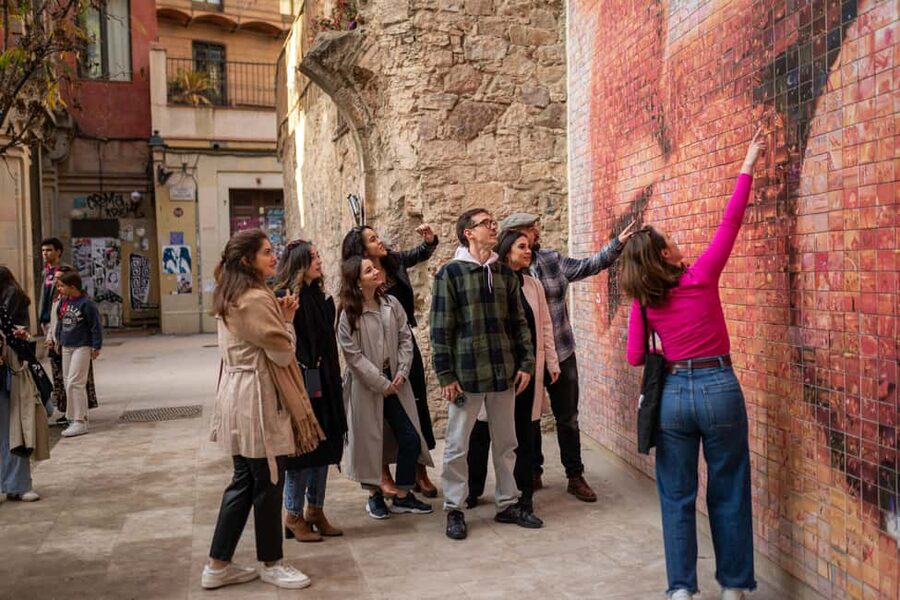
Review · BARCELONA
Barcelona: Hidden Gems Walking Tour Including 10+ Sights
Barcelona’s oldest center is a place where a Roman wall can hide behind a modern doorway and a narrow lane can lead to a square marked by war, religion, or medieval power. This walking tour brings those layers together, from the Roman colony of Barcino to the strange skull legend on Pont del Bisbe. I like the strong historical range and the way the route mixes famous buildings with easy-to-miss corners. I also like the storytelling, especially when guides such as Sonia, Petra, Juan, Mariah, and Lindsay add local food tips and personal humor.
The main drawback is pace. Two hours covers more than ten stops, so you will hear a focused explanation at each place rather than spend long periods inside buildings. Cathedral and basilica entry is not included, and the tour is conducted in English, so you should be comfortable walking and listening for most of the morning or afternoon.
Key points at a glance
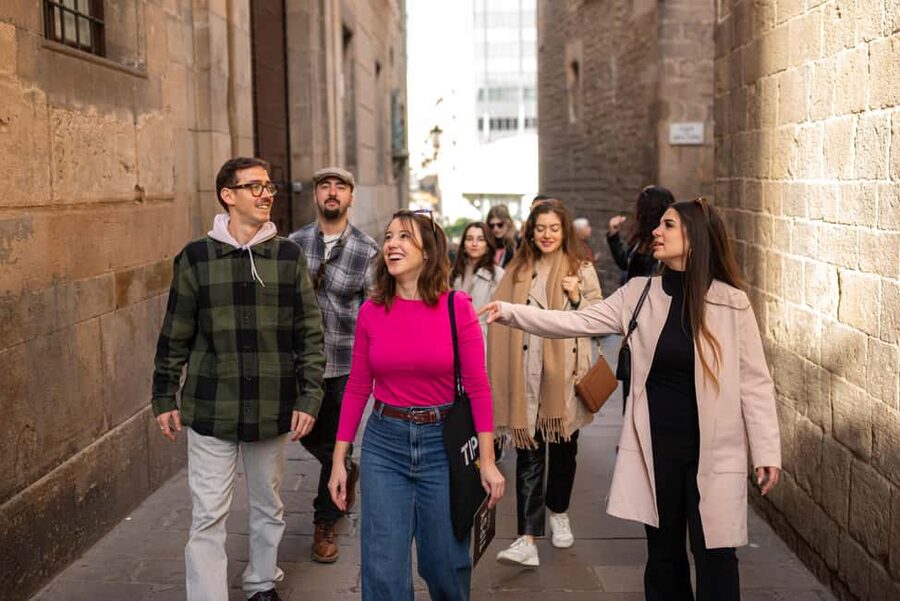
- Roman beginnings: Start near Roman aqueduct remains and learn how Barcino shaped the city center.
- More than famous façades: The route includes Barcelona Cathedral, Plaça del Rei, and Santa Maria del Mar, plus quieter corners such as Plaça de Sant Felip Neri.
- Stories with a darker edge: Hear about the Spanish Inquisition, the Civil War, and the eerie skull connected to Pont del Bisbe.
- A useful first-day tour: Guides regularly add suggestions for bakeries, restaurants, drinks, and other places to explore later.
- Good value at $22: The price covers a two-hour guided walk through one of Barcelona’s most historically dense areas.
- Flexible booking: You can cancel up to 24 hours before departure and reserve without paying immediately.
Why this two-hour route works
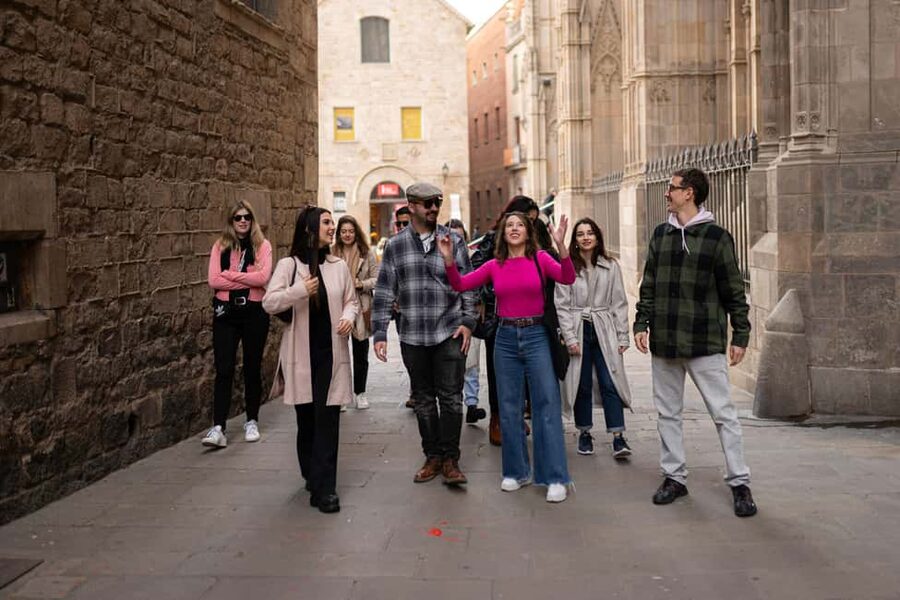
At $22 per person, this is a low-cost way to get your bearings in central Barcelona. You are not paying for admission to major monuments, but you are getting a guided route through streets that can be confusing when explored alone. The value comes from the connections between the stops.
A good guide turns a church into part of a larger story. Roman remains explain the city’s beginnings. Medieval squares show where political and religious power gathered. Later stops bring in the Inquisition and Civil War, giving you a more serious picture than a simple architecture walk.
The route also gives you a practical orientation. Guides have offered food and drink suggestions, including a bakery recommendation that one visitor described as an exceptional croissant. That sort of advice can matter more than another list of facts, especially if you take the tour near the start of your stay.
The tour has a strong record, with a 4.9 rating from 121 reviews. The praise centers on clear storytelling, friendly guides, good pacing, and the feeling that the two hours pass quickly. Several people who already knew Barcelona said they still found corners and details they had missed.
More Hidden Gems Walking Tours in Barcelona:
- Dublin Highlights and Hidden Gems Guided Walking Tour
★ 5.0 · 6,020 reviews - Explore Berlin: See All The Iconic Sights & Some Hidden Gems
★ 5.0 · 4,429 reviews - Kyoto Geisha Walking Tour: Gion District & Hidden Gems
★ 4.7 · 3,273 reviews
Starting near Roman Barcelona
The meeting information points to Plaça del Vuit de Març, inside the park near Balmesiana Biblioteca Balmes and the remains of a Roman aqueduct. Look for the white van and the yellow Carpe Diem Tours flag, and arrive ten minutes early.
The itinerary also identifies the Barcino sculpture, Escultura Barcino, as a starting point, with two possible starting locations provided. Check the exact meeting instructions for your departure, since arriving at the wrong end of the Gothic Quarter could cost you valuable time.
This is a smart place to begin because the tour starts with the city’s oldest layer. Barcino was the Roman colony that occupied the area of today’s Gothic Quarter. You will not simply be told that Barcelona is old. You will see physical traces that help explain why this part of the city has such a tight, irregular street pattern.
The opening also sets up the rest of the walk. Barcelona’s center was not built in one clean period. Roman foundations, medieval religious buildings, political squares, and later cultural references sit close together. The guide’s job is to make those changes easy to follow.
Els Quatre Gats and Barcelona’s artistic side
Els Quatre Gats is one of the first named stops. The venue is tied to Barcelona’s artistic and cultural life, and it gives the guide a chance to shift from ancient stones to the city’s creative character.
You can expect about ten minutes of guided attention here, according to the planned schedule. That is enough for an introduction and a few useful stories, but not a full visit inside. If this café interests you, note it for a separate stop later.
The route does not treat Barcelona as a museum frozen in the past. Stops such as Els Quatre Gats show how the city’s cultural identity developed alongside its old streets. This mix helps keep the walk from becoming a list of dates and construction styles.
The Kiss of Freedom and modern public memory
The Kiss of Freedom is another short guided stop. It adds a more modern note to a route otherwise filled with Roman and medieval references.
This is where the tour’s treatment of Barcelona’s political past becomes useful. The city’s public art and memorials can carry ideas about freedom, conflict, and civic identity that are easy to miss if you are only looking for ornate buildings.
The guide also discusses the influence of the Spanish Civil War during the tour. Do not expect a full military or political history in ten minutes. Instead, you will get a compact explanation of how major events affected Barcelona and the people who lived here.
More Walking Tours in Barcelona:
- Barcelona Tapas and Wine Experience Small-Group Walking Tour
★ 5.0 · 5,804 reviews - Barcelona: Tapas Walking Tour with Food, Wine, and History
★ 4.8 · 4,261 reviews - Barcelona: Food Walking Tour with Tapas and Wine
★ 4.9 · 2,180 reviews - Barcelona Tapas Walking Tour: Food, Wine & History
★ 4.5 · 1,928 reviews
Barcelona Cathedral, with time to look up
Barcelona Cathedral is one of the route’s major visual stops. Its scale and detail make it a natural place to pause, take photographs, and hear about the religious and civic importance of the Gothic Quarter.
The planned visit is guided rather than a full admission visit. Entry into cathedrals and basilicas is not included, so you should not assume that the tour ticket lets you go inside. If seeing the interior matters to you, plan a separate visit and check opening conditions independently.
That limitation is worth knowing before you book. The tour gives you context, helps you notice details, and positions you near major sights. It does not replace an individual cathedral visit.
Still, I find the short format useful here. A guide can explain what you are looking at before you decide which buildings deserve more of your own time. You are less likely to wander through the Gothic Quarter without knowing what matters.
Casa de l’Ardiaca and the Roman wall
Casa de l’Ardiaca is one of the route’s quieter historic stops. The building is connected to the city’s old civic and religious center, and its location near the Roman wall helps tie the medieval city back to Barcino.
This is the kind of place that rewards a walking tour. You might pass nearby without realizing how much of the city’s early structure remains around you. The guide points out the relationship between the building, the wall, and the surrounding lanes.
The schedule allows about ten minutes here. That is enough to understand the setting and hear a story, but you will not have time for a long architectural inspection. Bring a camera, but keep it ready rather than expecting long photo breaks at every stop.
Carrer del Bisbe and the famous skull legend
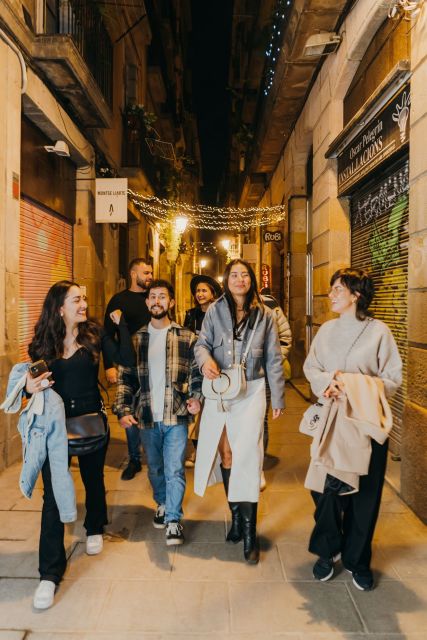
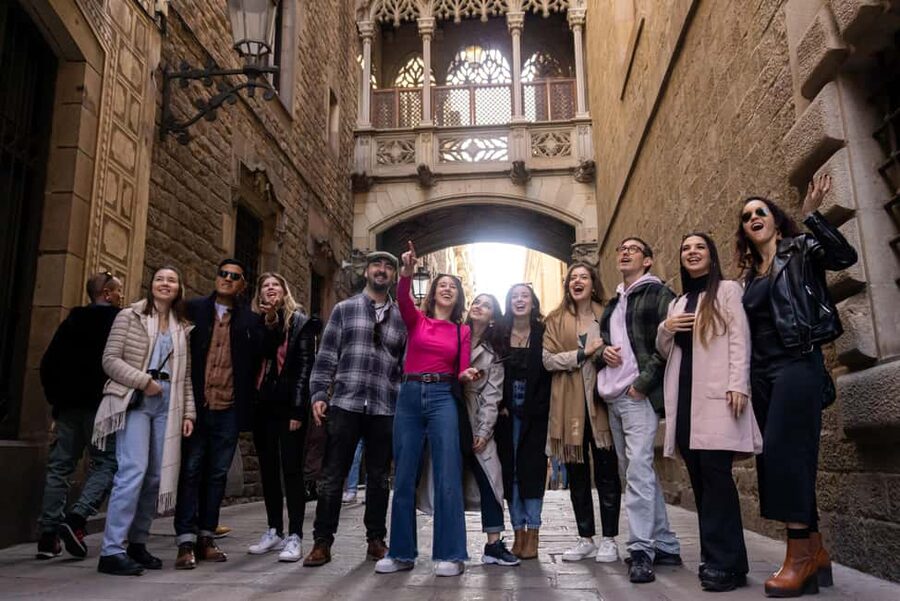
Carrer del Bisbe is one of the most recognizable lanes in the Gothic Quarter. Its stone bridge creates a dramatic view, and the guide uses it to tell the legend of the secret skull on Pont del Bisbe and what supposedly happens if you look at it.
This is one of the tour’s best lighter moments. Barcelona’s old center can feel solemn, with its churches, memorials, and narrow stone streets. A strange local legend gives the walk a bit of humor and makes the location easier to remember.
The story is presented as a legend, not as a historical fact. That distinction matters. You get the fun of the tale without confusing folklore with the archaeological and political material covered elsewhere.
The bridge is also a busy photo spot. Your guide may need to keep the group moving so it does not block the lane. If you want a quiet photograph, make a note to return later.
Plaça de Sant Felip Neri and the city’s darker memories
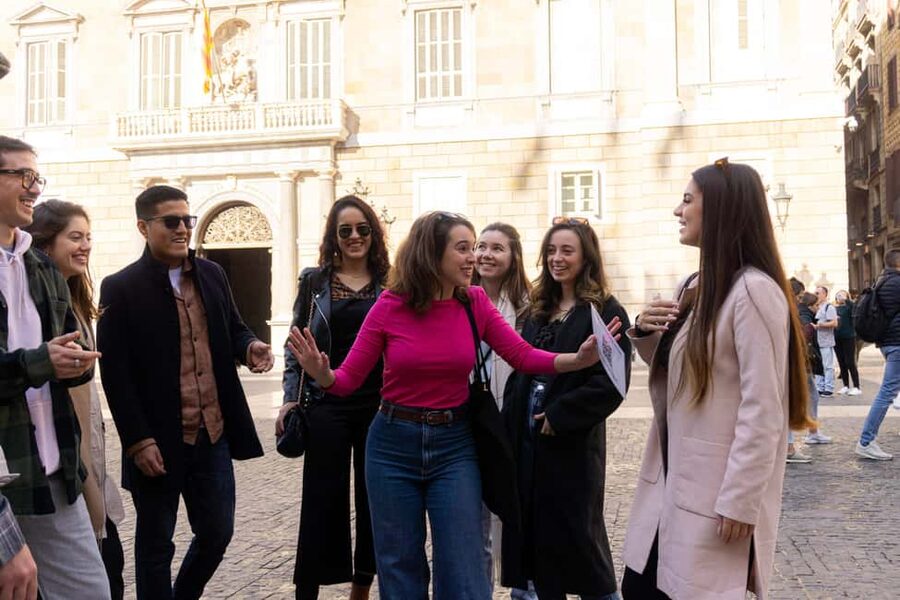
Plaça de Sant Felip Neri is a small square with a serious atmosphere. It is one of the places where Barcelona’s darker past becomes more immediate, particularly when the conversation turns to the Spanish Civil War.
This stop gives the tour emotional balance. The route includes legends and playful cultural stories, but it does not avoid violence, persecution, and political conflict. The guide’s short explanation helps you connect the square to the wider history of Barcelona.
You should expect a reflective pause rather than a lively performance here. The square is compact, and the value lies in understanding what happened and why the place feels different from the more theatrical lanes nearby.
MUHBA El Call and Barcelona’s Jewish quarter
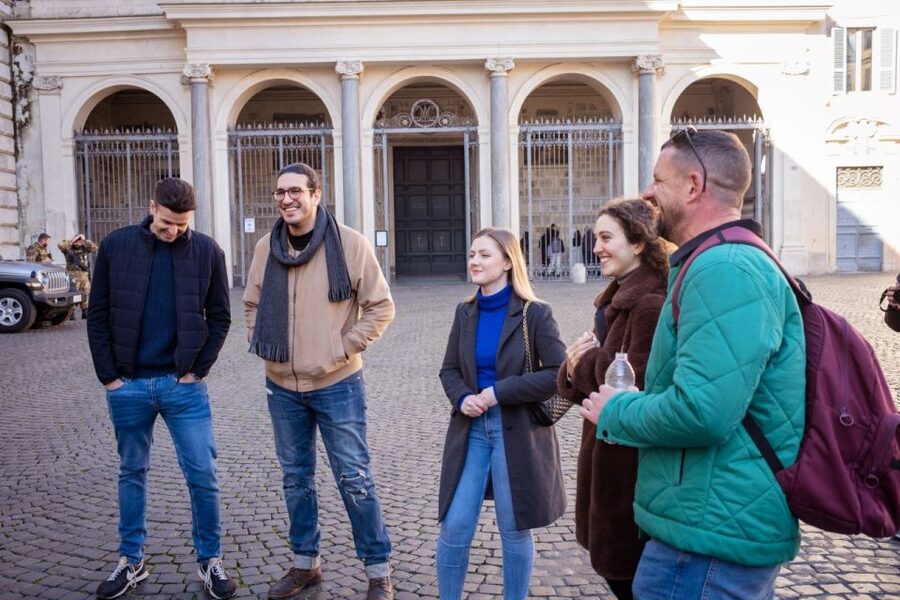
MUHBA El Call brings the walk to the former Jewish quarter of Barcelona. The stop adds another community and another layer to the story of the old city.
The name MUHBA refers to Barcelona’s historical museum network. On this tour, the stop is a guided outside visit rather than included museum admission. That means you receive orientation and context, but you should not expect time inside an exhibition as part of the $22 ticket.
This is one of the route’s stronger choices because it broadens the story beyond kings, churches, and Roman officials. Barcelona’s past also includes minority communities, changing religious power, and periods of tension. The guide helps you see the Gothic Quarter as a place where different groups lived and worked, not simply as a collection of pretty streets.
Plaça de Sant Jaume, where public life gathers
Plaça de Sant Jaume is the political heart of the old center and a useful place to understand Barcelona’s civic identity. It is one of the larger, more open spaces on the route after the tight lanes around the cathedral and Carrer del Bisbe.
The guide explains the square’s role and points out the institutions around it. You will hear how Barcelona’s local government and Catalan political life connect to this central space.
The stop also gives you a chance to reset visually. After several narrow lanes, the open square makes the city’s scale easier to read. It is a good place to ask questions about Catalan traditions, local politics, or other sights you plan to visit.
Several guides have been praised for making the history approachable and answering questions without turning the walk into a lecture. That matters here, since Plaça de Sant Jaume can look simple at first glance. Its importance is less about one object and more about how the space functions.
Plaça del Rei and medieval Barcelona
Plaça del Rei is among the most important stops for understanding medieval Barcelona. The square has a strong royal connection and an enclosed feeling that suits the guide’s discussion of the city during its Golden Age.
This is a place where the tour can explain how Barcelona grew in influence and how power operated in the medieval city. The exact details will depend on your guide, but the focus is on the people, institutions, and events that shaped Barcelona beyond its Roman beginning.
The square also works well for visitors interested in architecture. You can look closely at the surrounding stone buildings while listening, rather than trying to follow a guide through a crowded interior.
As with the other major sites, the walk gives you an outside introduction. If you want to visit museums or royal interiors nearby, treat this tour as preparation rather than a substitute.
Plaça de l’Àngel and the changing city center
Plaça de l’Àngel marks another shift in the walk. It is a useful stop for seeing how the medieval center connects with modern Barcelona’s streets and movement.
The guide may use the square to explain names, routes, and local stories that are difficult to absorb from a map. By this stage, you will have moved through religious, political, and residential parts of the old center.
This is also a practical point for anyone deciding how much time to spend in the Gothic Quarter. After hearing the explanations, you can choose to return to a favorite lane or continue toward the waterfront and Born district on your own.
The planned ten-minute stop keeps the tour moving. You will not spend the whole afternoon in one square, which is helpful if your Barcelona schedule is tight.
Santa Maria del Mar and the finish
The tour finishes at Basílica de Santa Maria del Mar, with the final route stop at Plaça de Santa Maria. This gives the walk a satisfying architectural endpoint and places you near another major Barcelona sight.
The basilica is not included as an entry visit. You can admire the exterior and receive an introduction from the guide, then decide if you want to return for a separate interior visit.
Ending here also makes practical sense. You are close to the historic Born area, so you can continue exploring after the tour. The guide may also provide food or restaurant suggestions, as several guides have done during the walk.
The finish is not just a final photo stop. Santa Maria del Mar helps bring together the tour’s main themes: religion, medieval trade, civic pride, and the dense urban life of old Barcelona.
Pace, guide quality, and group feel
The walk is scheduled for two hours, with the named stops generally receiving about ten minutes of guided attention. Walking between them fills in the rest of the time, so wear comfortable shoes and clothing suited to the weather.
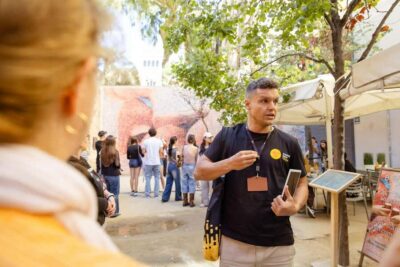
The guides have received unusually consistent praise for warmth, humor, clear English, and a relaxed pace. Sonia was described as upbeat even in the rain and able to explain history and culture from a local archaeological perspective. Petra has been praised for making people feel welcome, while Juan has been noted for combining city, architecture, and food advice with a friendly manner.
Other guides have different strengths. Mariah is known for lively stories, Lindsay for clear English and details that even a long-term Barcelona resident had missed, and Tammy for adjusting the pace when some people needed more time. Craig and Darren have also been praised for answering questions and keeping the walk comfortable.
That does not mean every guide will deliver the same style. The common thread is an informal approach rather than a dry lecture. A private group is available if you want a more personal format, but the standard option may suit solo visitors, couples, and families who want a social walk.
Who should book this walk?
I would book it early in a Barcelona visit if you want historical context before exploring on your own. It is especially useful for first-time visitors who plan to spend time in the Gothic Quarter, Born, and around the cathedral.
It also suits repeat visitors. One person who had lived in Barcelona for two years still learned new details, and another visitor who had already taken a Gothic Quarter walk found new places on this route.
You should choose another type of tour if you want long indoor visits, a focus on Gaudí, or a slow photography walk. This experience is about connections, stories, and orientation. You spend most of the time outside and on your feet.
Bring comfortable shoes and a camera. Arrive ten minutes early at the meeting point, confirm the exact starting location, and remember that cathedral and basilica admission costs extra.
Should you book it?
Yes, if you want a low-priced, story-led introduction to Barcelona’s oldest center. For $22, you get two hours covering Roman remains, medieval squares, major churches, political spaces, the Civil War, the Inquisition, and local legends. That is a lot of ground for the money.
Book it with realistic expectations. You will not tour every interior or linger at each sight, but you will leave with a clearer sense of how Barcelona grew and where to return. The strongest reason to choose this walk is the guide’s role in making small details matter, from a hidden architectural clue to the odd skull legend on Pont del Bisbe.
FAQ
How long does the Barcelona Hidden Gems Walking Tour last?
The tour lasts two hours.
What language is the tour conducted in?
The live guided tour is conducted in English.
What is included in the price?
The $22 price includes a guided walking tour, a local tour guide, city highlights, and lesser-known sights.
Are cathedral and basilica entrance tickets included?
No. Entry into cathedrals and basilicas is not included.
Where do I meet the guide?
The meeting information directs you to Plaça del Vuit de Març, inside the park near Balmesiana Biblioteca Balmes and the Roman aqueduct remains. Look for the white van and yellow Carpe Diem Tours flag, and arrive ten minutes early. The activity also lists the Barcino sculpture as a possible starting location, so check your booking details for the exact meeting point.
Is the tour suitable for a private group?
Yes. A private group option is available.
Can I cancel for a full refund?
Yes. You can cancel up to 24 hours in advance for a full refund.
Can I reserve now and pay later?
Yes. The booking option allows you to reserve your place and pay later.
New routes in Barcelona
- Barcelona: “The Shadow of the Wind” Literary Walking Tour★ 4.5 · 176 reviews
- Picasso Museum and Walking Tour Plus Wine Tasting Upgrade★ 4.3 · 111 reviews
- From Barcelona: Montserrat Walking and Horseback Riding Tour★ 4.8 · 81 reviews
- Barcelona: Walking tour with Montjuic Castle & Cable Car★ 4.7 · 832 reviews
- Barcelona: Gothic Quarter Walking Tour w/ Montjuïc Cable Car★ 4.4 · 90 reviews
- Barcelona: Ramblas, Old Town & Gaudí Houses Walking Tour★ 4.9 · 239 reviews
- Barcelona Walk Like a Local: El Born & Gothic 15+ Sights★ 4.9 · 88 reviews
- Barcelona: Jewish Quarter 2-Hour Walking Tour★ 4.8 · 333 reviews
Barcelona Walking Tours, compared.
Barcelona Tapas and Wine Experience Small-Group Walking Tour
Read our review →
Tapas Walking Tour with Food, Wine, and History
Read our review →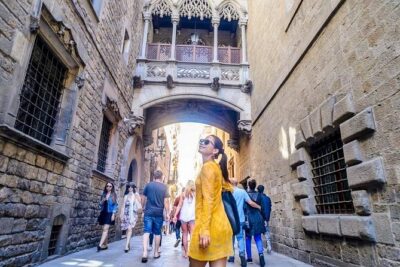
Barcelona Helicopter, Sailboat & Old Town Private Walking Tour
Read our review →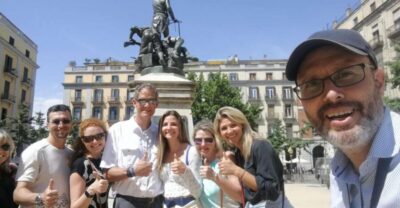

Helicopter Flight, Boat Ride, and Walking Tour
Read our review →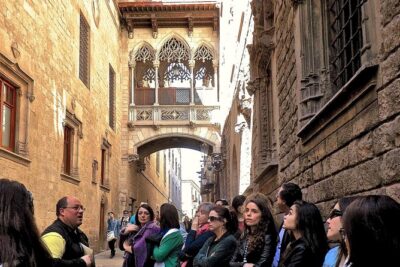
Barcelona Old Town & Gothic Quarter Small Group Tour
Read our review →
Barcelona Food Tour: Tapas, Paella, Sangria & 8+ Local Tastings
Read our review →Browse the lists this tour appears in