
Review · BARCELONA
Barcelona: Old Town and Gothic Quarter Walking Tour
Barcelona’s past is easiest to grasp on foot, where Roman walls, medieval lanes, grand churches, and modern cafés sit almost on top of one another. This tour connects those layers in one walk, from the old Roman Forum at Plaça de Sant Jaume to the food stalls of La Boqueria and the handsome streets of El Born.
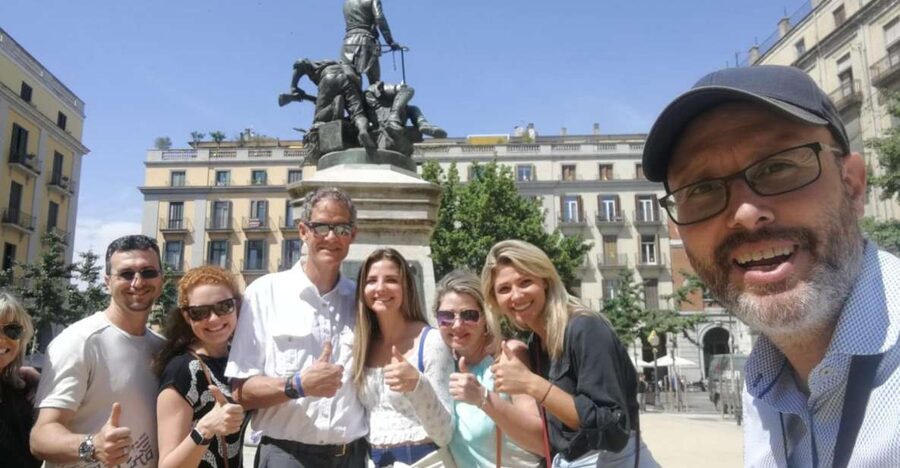
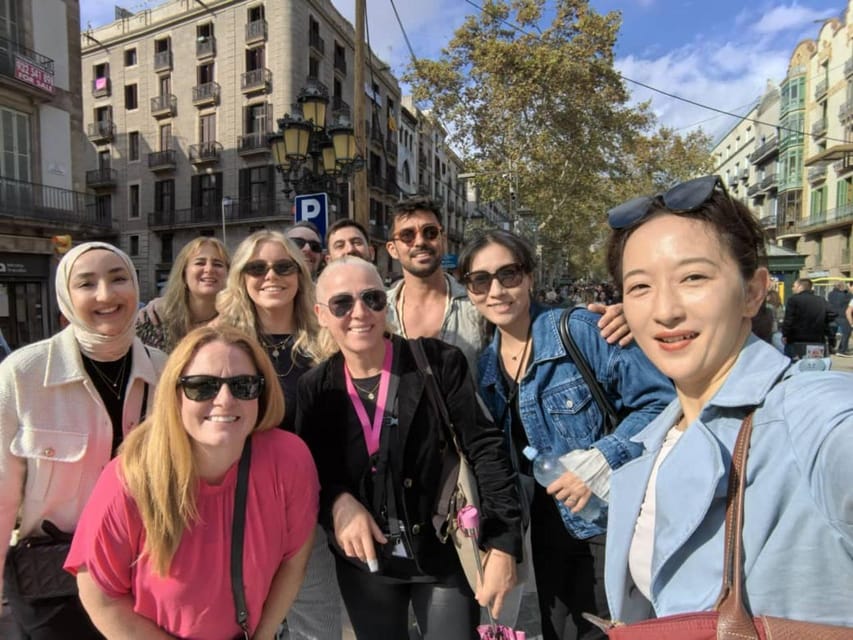
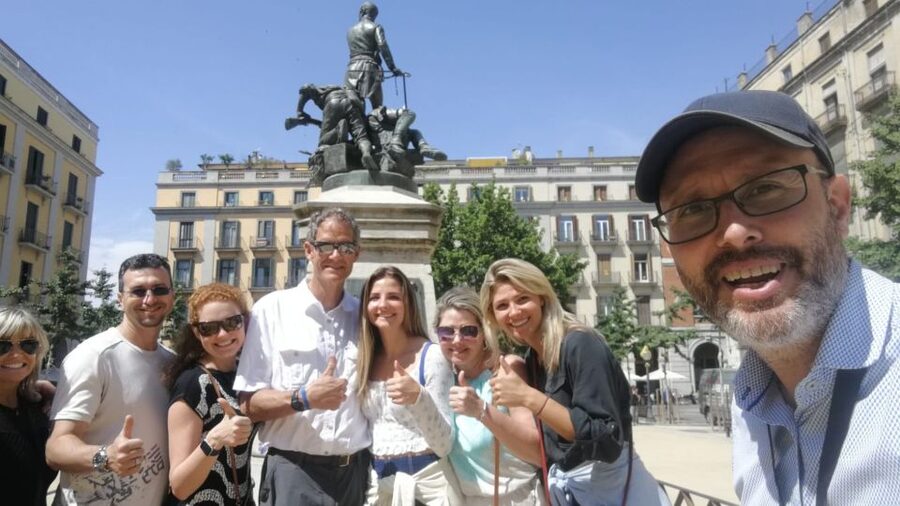
I like the small group of no more than 15 and the way the walk mixes major sights with easy-to-miss details, such as Roman baths, carved dragons, and unusual architectural symbols. I also like the practical help from guides including Alba, Joris, Nilo, and Isabel, who are praised for clear storytelling and restaurant suggestions.
The main drawback is the amount of ground covered. You will be on your feet for 2.5 hours, and possibly up to four hours depending on the departure selected, with no attraction admissions included. La Rambla and La Boqueria can also feel crowded, especially at busy times.
Key points to know before you book
- Roman Barcelona begins at Plaça de Sant Jaume: Learn how the square grew from the Roman Forum into Catalonia’s political center.
- The walk links the Gothic Quarter and El Born: You see two historic districts with different moods, architecture, and street life.
- La Boqueria is a stop, not a meal plan: You can browse more than 300 food stalls, but personal purchases cost extra.
- Guides make the difference: Alba, Joris, Nilo, Isabel, Ane, and others are praised for humor, local advice, and lively explanations.
- A 15-person limit keeps things manageable: This is small enough for questions without the cost of a fully private tour.
- Wear proper walking shoes: Large bags and luggage are not allowed, and the route uses old streets and busy public areas.
Why this Barcelona walking tour works as a first look
Barcelona can feel confusing at first. Roman remains appear beside medieval churches, while narrow lanes suddenly open onto lively squares filled with cafés. A good walking tour gives those sights a timeline, so you understand not only what you are seeing, but why it matters.
This route is especially useful early in a Barcelona visit. It introduces the Old Town, Gothic Quarter, La Rambla, and El Born in one sweep. Afterward, you will have a better sense of where to return for a slower look, a meal, or a museum visit.
The guide is central to the experience. The strongest guides on this tour, including Alba, Joris, Nilo, Steven, Isabel, and Ane, are praised for combining dates and architecture with stories, humor, puzzles, local traditions, and food advice. That matters in the Gothic Quarter, where a guide can point out details you would likely walk past.
The tour is offered in English or Spanish. It is a shared walk with a maximum of 15 participants, though a private group option is available. A small group does not guarantee a quiet route, since the Old Town is public and often busy, but it makes it easier to hear the guide and ask questions.
More Old Town Walking Tours in Spain
- Barcelona Helicopter, Sailboat & Old Town Private Walking Tour
★ 5.0 · 1,395 reviews - Barcelona Old Town & Gothic Quarter Small Group Tour
★ 5.0 · 1,308 reviews - Barcelona 1.5h Private Old Town, Gothic & Ramblas Walking Tour
★ 5.0 · 318 reviews
Plaça de Sant Jaume and the Roman beginning
The tour starts at Plaça de Sant Jaume, with a meeting option listed at the Movistar Centre. Check your selected departure carefully because the exact meeting point may vary.
Plaça de Sant Jaume is a strong starting point because it shows how Barcelona has changed while keeping its central role. The square occupies the area of the Roman Forum and has remained the political heart of Catalonia for more than 2,000 years.
Here, the guide sets up the larger story. Roman Barcelona was not simply an isolated settlement under modern streets. Its layout, walls, public spaces, and civic life helped shape the city that followed. That context makes the later medieval buildings easier to read.
This opening stop is mostly about orientation and explanation rather than entering a major attraction. If you prefer a tour that starts with an interior visit, this may feel slow at first. If you like understanding the city before tackling its details, it is a sensible beginning.
Roman walls and the Pati Llimona baths
One of the more interesting parts of the route is the walk beside a well-preserved section of Roman wall. In a city filled with famous modernist buildings, these old stones can be easy to overlook. Your guide helps you see them as part of the city’s original defensive and civic structure.
The Roman baths at Pati Llimona add a more human touch. Instead of focusing only on emperors, battles, and grand monuments, the guide explains what daily life may have involved in ancient Barcelona. Baths were social spaces as well as places for washing, and the remains help connect ordinary routines with the larger Roman story.
The exact amount of time spent at each location can vary. Some stops are guided in detail, while others are viewed from the street as the group walks through. That is normal for a walking overview, but it means you should not expect a long visit inside every historic site.
The Gothic Quarter, where every turn needs a pause
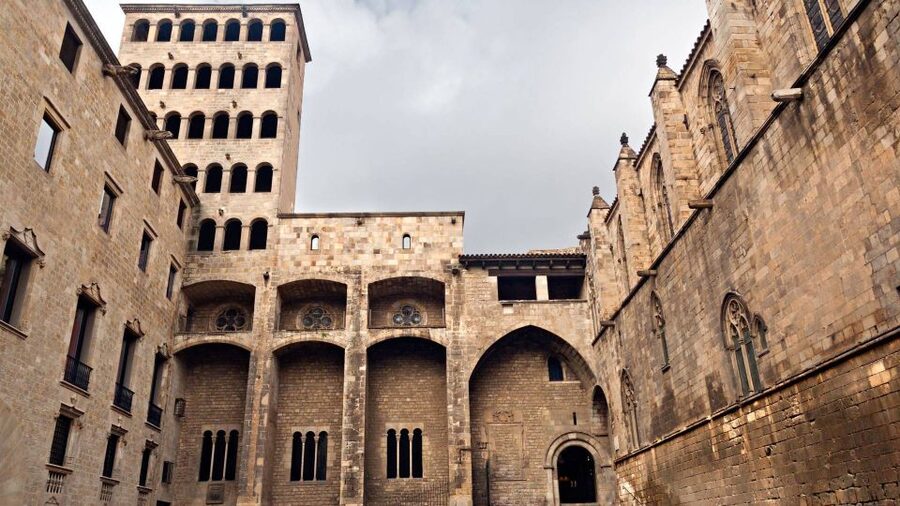
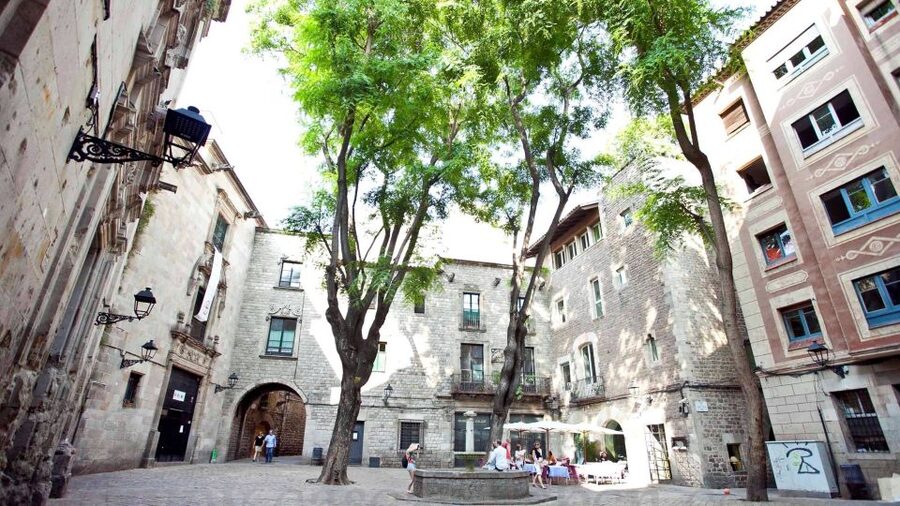
The Gothic Quarter is the heart of the tour. Its lanes are narrow, irregular, and full of buildings from different periods. That mix is part of the appeal, but it can also make the area feel like a maze without a guide.
You will see medieval squares, old façades, religious buildings, and fragments of the Roman city. The guide connects these pieces instead of treating them as separate photo stops. Several guides are praised for bringing streets and walls to life with stories about Catalan traditions, architecture, politics, and daily life.
Plaça del Rei is one of the most important stops. It is associated with the Palace of the Viceroy and the Palau Reial, and it is tied to the famous welcome given to Christopher Columbus by the Catholic Monarchs after his journey to the Americas.
This is a place where a short explanation adds real value. The square is impressive on its own, but its meaning becomes clearer when you understand how royal power, trade, religion, and exploration intersected in Barcelona’s past.
The Gothic Quarter is also where the tour’s less formal details matter. Look up at carvings, search for unusual animals and mythical figures, and pay attention to small architectural clues. One guide has been praised for pointing out dragons and a double-tailed mermaid, the kind of detail that gives the walk a playful edge.
More Old Town Walking Tours in Barcelona:
- Barcelona: Ramblas, Old Town & Gaudí Houses Walking Tour
★ 4.9 · 239 reviews - Barcelona: Old Town Private Walking Tour of Past and Present
★ 5.0 · 160 reviews - Underground Vaults Walking Tour in Edinburgh Old Town
★ 4.5 · 8,506 reviews - Prague: 3-Hour Walking Tour of Old Town & Prague Castle
★ 4.7 · 5,696 reviews
Barcelona Cathedral and Catalan Gothic design
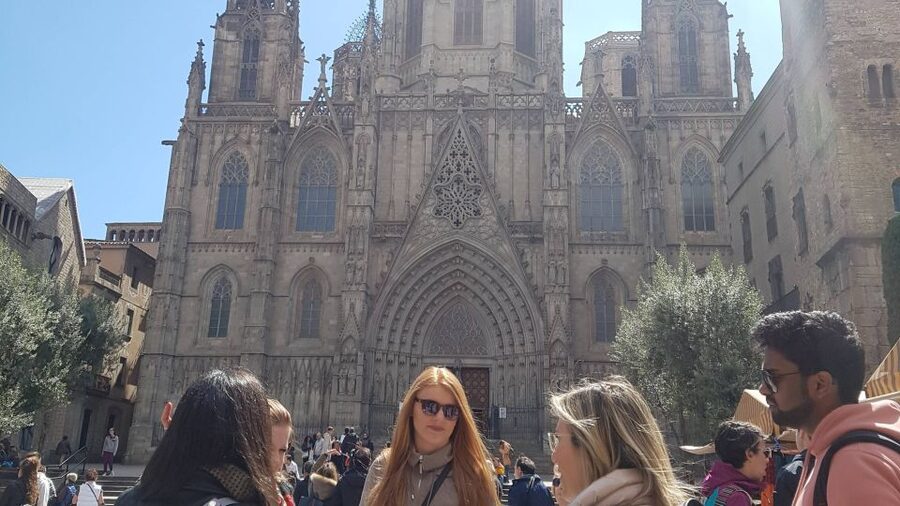
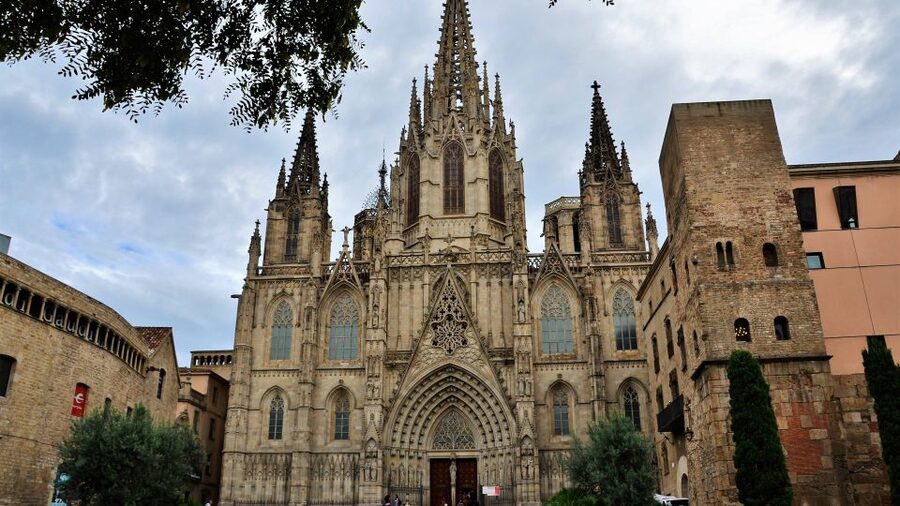
The route passes Barcelona Cathedral, one of the area’s most recognizable buildings. Even from outside, its scale and decorative stonework make it a useful stop for discussing Catalan Gothic architecture.
You should note the wording of the route: the cathedral is listed as a sightseeing pass-by rather than a guaranteed interior visit. If you want to see the inside, confirm whether separate admission or additional time will be needed. This tour is designed to explain the city as you walk, not to replace a dedicated cathedral visit.
The guide may also help you compare Barcelona Cathedral with Santa Maria del Mar. Both are major examples of Catalan Gothic design, but they belong to different parts of the city and have different settings.
Santa Maria del Mar and the move toward El Born
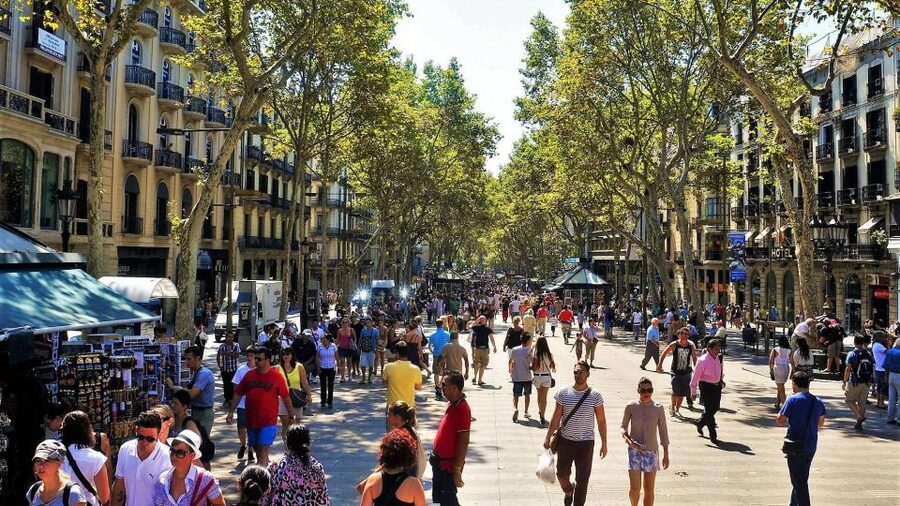
Santa Maria del Mar marks the transition into El Born. The church is linked with Barcelona’s maritime and commercial past, and its construction is remembered for being completed in a remarkably short time by medieval standards.
The building is usually viewed from the outside on this route. That still allows the guide to discuss its structure, scale, and place in the neighborhood. If you are interested in Gothic churches, you may want to return later for a longer visit.
El Born feels different from the Gothic Quarter. The streets are still old, but the area has a more contemporary social life, with cafés, boutique shops, and places to eat. The tour gives you a useful chance to see how Barcelona’s historic districts remain part of everyday city life rather than functioning only as open-air museums.
The finish at Passeig del Born is practical. You are well placed to continue exploring El Born, stop for food, or return to a sight that caught your attention. Guides often offer recommendations for the rest of your stay, and this is a good moment to ask about restaurants or nearby places worth your time.
La Rambla and La Boqueria
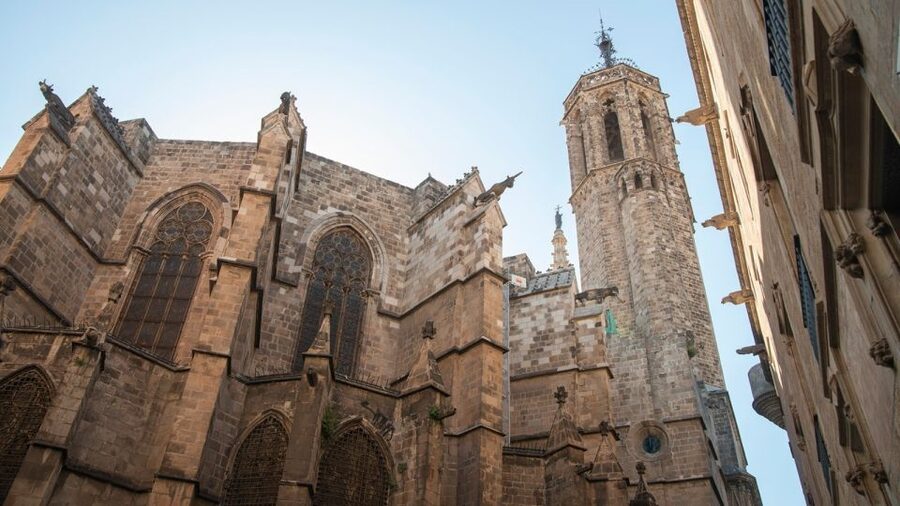
La Rambla brings a different pace. This famous boulevard is lined with flower stalls, outdoor cafés, entertainers, shops, and plenty of foot traffic. The guide points out the character of the street while helping you understand its role in Barcelona’s public life.
La Rambla is not a quiet historic lane. It can be crowded, and you should keep an eye on your belongings. The tour information specifically warns against bringing luggage or large bags, which is sensible here and throughout the Old Town.
The stop at La Boqueria is one of the most appealing parts for food-minded visitors. More than 300 stalls offer local products and other foods, creating a colorful introduction to Catalan shopping and cooking.
Treat this as a guided market visit rather than a built-in tasting tour. Personal expenses are not included, so any juice, snack, produce, or prepared food you buy is extra. The market can also be busy, making it harder to stay beside the guide or browse at leisure.
I would use the tour to learn how the market fits into local food culture, then return later if you want to shop slowly. That approach gives you both the guide’s context and enough time to choose what you actually want to eat.
The Palace of Catalan Music and the final stretch
The route passes the Palace of Catalan Music before finishing in El Born. The palace is one of Barcelona’s celebrated cultural buildings, and even a brief exterior look adds another architectural layer to the walk.
Because this is listed as a pass-by stop, do not book the tour expecting a concert hall visit or an extended interior tour. Its value here is as part of the city’s broader story, showing how Barcelona’s cultural identity continued beyond the medieval period.
The final section helps tie the walk together. You have moved from Roman foundations through medieval power, religious architecture, commerce, food, and modern street life. That range is what makes the tour more useful than a simple checklist of Gothic Quarter photo stops.
How the guides shape the experience
The guide names associated with particularly strong feedback include Alba, Joris, Nilo, Isabel, Ane, Steven, Laura, Isabella, Mariah, Montse, Omid, and Stephanie. The repeated strengths are clear: strong command of Barcelona’s past, lively delivery, humor, patience with questions, and useful suggestions for food and later sightseeing.
Different guides will have different personalities. Alba is often described as energetic and passionate, while Omid is praised for giving enough detail without overwhelming the group. Steven is noted for humor and interactive puzzles, and Isabel for helping visitors imagine how the city looked and felt in earlier periods.
That variety is worth keeping in mind. A walking tour depends heavily on the individual guide and the chemistry of the group. The tour structure is solid, but the tone may range from academic to playful depending on who leads your departure.
Several guides also pay attention to practical group needs, such as keeping everyone together and making sure people can hear. That is important in narrow streets and crowded public areas. Still, you should arrive ready to walk, listen, and stay close to the group.
Price, pace, and practical value
At $21 per person, this is good value if you want a guided introduction to central Barcelona. You are paying for several hours of expert commentary and route planning, not admission to monuments or food at the market.
The price compares well with the amount of ground covered. You see the Gothic Quarter, La Rambla, La Boqueria, El Born, Roman remains, important churches, royal squares, and the Palace of Catalan Music in one experience.
The tradeoff is pace. A 2.5-hour walk gives you an overview, not a detailed visit to every site. The activity information also allows for durations up to four hours depending on availability, so confirm the exact timing before booking.
Wear comfortable shoes. Old Town streets can be uneven, and the tour involves standing and walking for a sustained period. Children under two can join free, but the route is still a long walk for very young children.
Free cancellation is available up to 24 hours before the activity for a full refund, and you can reserve now and pay later. Those terms help if your Barcelona schedule is still changing.
Who should book this walk?
I would choose this tour for a first visit to Barcelona, especially if you want a clear introduction before exploring on your own. It suits people who enjoy history, architecture, food markets, and local stories more than a rushed list of photo stops.
It is also a good choice for solo visitors, couples, and families with older children who can manage several hours on foot. The small group makes it easier to ask questions, while the private option gives you more control if your party wants a tailored pace.
I would think twice if you dislike walking, want extensive interior visits, or need a tour built around food tastings. La Boqueria is included, but your purchases are not, and most landmarks are experienced from the street.
Should you book the Barcelona Old Town and Gothic Quarter tour?
Book it if you want to understand how Barcelona’s Roman, medieval, Gothic, and modern layers fit together for $21. The route covers a lot, and the strongest guides add the local stories and practical advice that turn a walk into a useful first orientation.
Skip it if you would rather spend several hours inside individual monuments or explore at your own pace. For most first-time visitors, though, the combination of Roman walls, Plaça del Rei, Barcelona Cathedral, Santa Maria del Mar, La Rambla, La Boqueria, and El Born makes this a sensible and fairly priced introduction.
FAQ
How long does the Barcelona Old Town and Gothic Quarter tour last?
The tour is described as lasting 2.5 hours, with available durations listed from 2.5 to 4 hours depending on the selected option and starting time.
How much does the tour cost?
The listed price is $21 per person.
What languages are available?
The tour is offered in English and Spanish with a live guide.
Where does the tour start?
One listed starting option is the Movistar Centre. The exact meeting point may vary depending on the option you book.
Where does the tour finish?
The stated finish point is Passeig del Born, 08003 Barcelona, Spain.
What places are included?
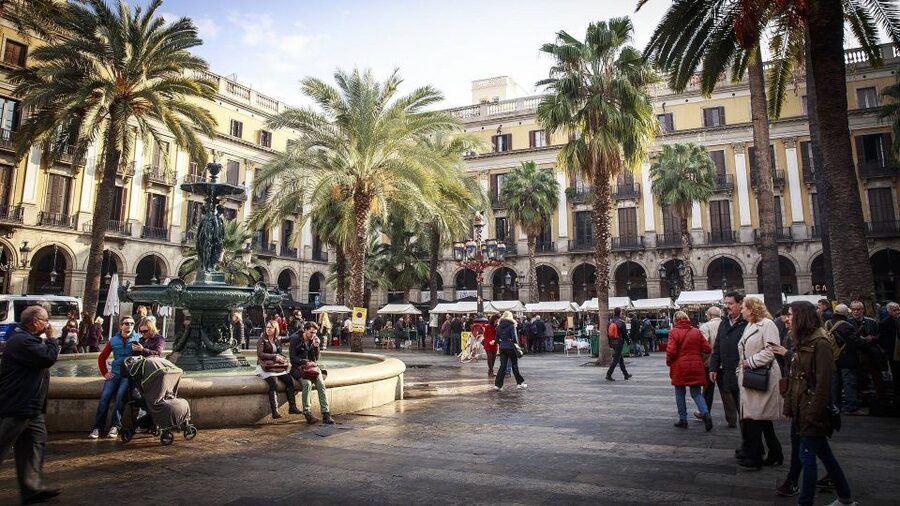
The route includes the Gothic Quarter, La Rambla, La Boqueria, Plaça Reial, Barcelona Cathedral, El Born, Santa Maria del Mar, and the Palace of Catalan Music, along with Roman sites and medieval landmarks.
Is La Boqueria food included in the price?
No. Personal expenses are not included, so anything you buy at La Boqueria costs extra.
How large is the group?
The shared tour has a maximum of 15 participants. A private group option is also available.
What should I bring?
Bring comfortable shoes for several hours of walking. Luggage and large bags are not allowed.
Can I cancel the booking?
You can cancel up to 24 hours in advance for a full refund. The reserve-now, pay-later option is also available.
New routes in Barcelona
- Barcelona: “The Shadow of the Wind” Literary Walking Tour★ 4.5 · 176 reviews
- Picasso Museum and Walking Tour Plus Wine Tasting Upgrade★ 4.3 · 111 reviews
- From Barcelona: Montserrat Walking and Horseback Riding Tour★ 4.8 · 81 reviews
- Barcelona: Walking tour with Montjuic Castle & Cable Car★ 4.7 · 832 reviews
- Barcelona Walk Like a Local: El Born & Gothic 15+ Sights★ 4.9 · 88 reviews
- Barcelona: Gothic Quarter Walking Tour w/ Montjuïc Cable Car★ 4.4 · 90 reviews
- Barcelona: Ramblas, Old Town & Gaudí Houses Walking Tour★ 4.9 · 239 reviews
- Barcelona: Hidden Gems Walking Tour Including 10+ Sights★ 4.9 · 121 reviews
Barcelona Walking Tours, compared.
Barcelona Tapas and Wine Experience Small-Group Walking Tour
Read our review →
Tapas Walking Tour with Food, Wine, and History
Read our review →
Barcelona Helicopter, Sailboat & Old Town Private Walking Tour
Read our review →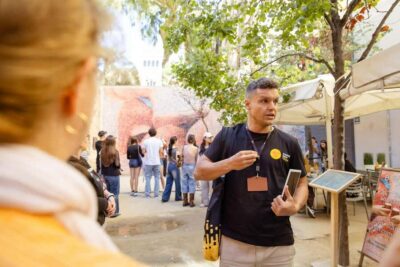

Helicopter Flight, Boat Ride, and Walking Tour
Read our review →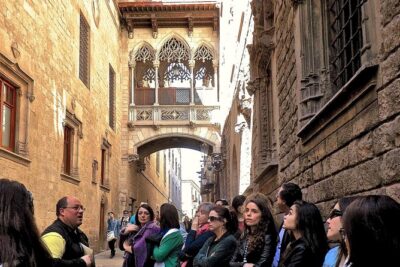
Barcelona Old Town & Gothic Quarter Small Group Tour
Read our review →
Barcelona Food Tour: Tapas, Paella, Sangria & 8+ Local Tastings
Read our review →
Sagrada Familia, Park Guell & Tapas Private Tour
Read our review →Browse the lists this tour appears in