
Review · LONDON
Secret Old London Walking Tour
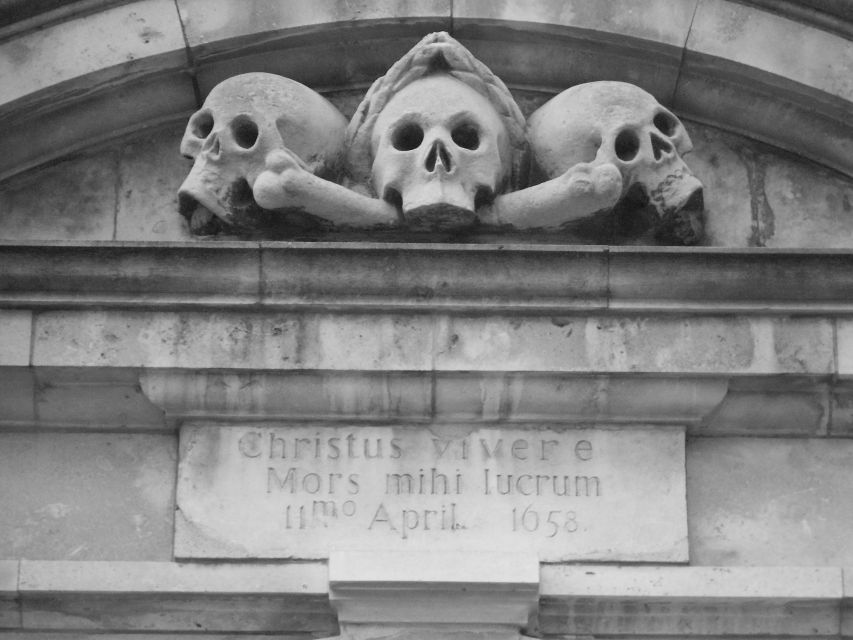
London’s polished financial district hides a darker past. On this 1.5-hour walk from Barbican to Smithfield, you move through old churchyards, plague ground, execution sites, bomb damage, and the remains of Roman London. It is history with dirt under its fingernails, not just grand buildings and royal portraits.
I like the unusual route, which takes you to places you could pass without noticing, and the guides’ lively storytelling. Rosie has been praised for linking history with politics, architecture, and language, while Jess, Jeremy, Pepe, and Jesse have all brought humor and strong local detail. The main drawback is pace: there is a lot to absorb, and one cold-weather outing spent too long looking at pictures instead of walking.
Key points to know
- Charterhouse Square began as plague ground: Its calm lawns conceal a grim connection with the Black Death.
- Smithfield mixes spectacle and punishment: Medieval jousts took place here, along with public executions.
- St Bartholomew the Great adds movie-set atmosphere: This medieval church appeared in Four Weddings & A Funeral and Sherlock Holmes.
- A ruined church records the Blitz: You will pass through the shell of a church destroyed during wartime bombing.
- Roman London survives underfoot: The tour locates the perimeter of the city’s long-lost amphitheatre.
- The tone is lively rather than solemn: Expect stories, jokes, and gruesome details alongside architecture and urban history.
Why this corner of London is worth your time
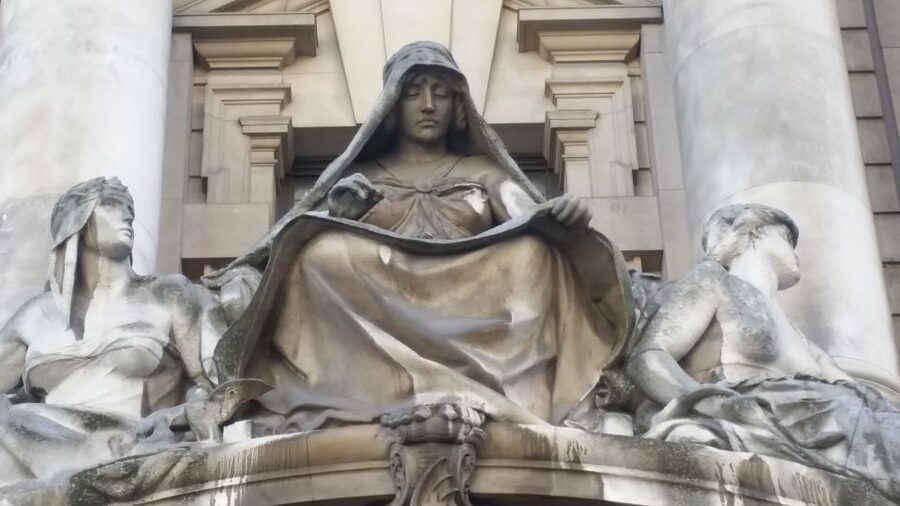
Many first-time London visitors head for Westminster, the Tower, or the South Bank. Those places deserve their crowds, but the City of London offers a different kind of sightseeing. Here, modern office blocks rise around fragments of older London. A quiet square can mark a mass burial site. A churchyard can reveal centuries of religious change. A street can follow an old route while the buildings around it have been replaced.
That contrast gives this tour its purpose. You are not simply ticking off famous sights. You are learning to read the city’s odd gaps, old walls, church towers, and surviving street patterns. The tour suits you if you enjoy finding the story beneath an ordinary-looking place.
The subject matter is not gentle. The route deals with plague, executions, violence, and war damage. The tone is not presented as a solemn memorial walk, however. Guides use humor and vivid storytelling to make the past easier to picture. If you prefer a formal architectural tour or a gentle stroll with little disturbing material, this may not be your best choice.
More Hidden Gems Walking Tours in London:
- Secrets of London Walking Tour
★ 4.7 · 562 reviews - London: Secrets of the London Underground Walking Tour
★ 4.6 · 211 reviews - Dublin Highlights and Hidden Gems Guided Walking Tour
★ 5.0 · 6,020 reviews
Starting at Barbican and entering old London
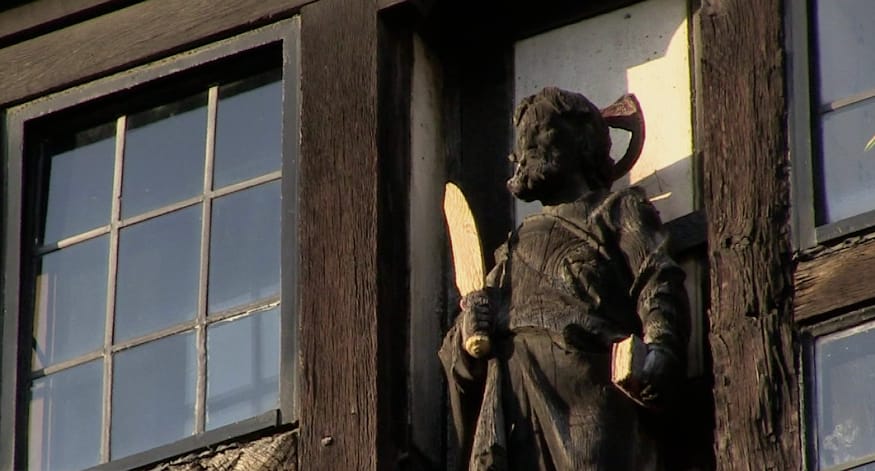
The meeting point is outside Barbican Underground Station. That is useful for visitors staying elsewhere in London, since you begin at a major transport stop rather than in a hard-to-find alley.
From Barbican, the walk heads toward Charterhouse Square. The opening section helps you shift from modern London to the older city. The Barbican area is now associated with concrete architecture, cultural venues, and offices, but the route quickly turns toward older spaces and stories.
Wear comfortable shoes. The walk lasts only 90 minutes, but you will be on your feet throughout, with regular stops for explanation. There are no refreshments included, and large bags and luggage are not permitted. Plan a drink or snack before or after the tour rather than expecting a café break along the way.
Charterhouse Square and the memory of the Black Death
Charterhouse Square is one of the route’s most effective surprises. Today, it offers a calm open space. Six hundred years ago, it was used as a dumping ground during the Black Death, one of London’s worst plague outbreaks.
That change in atmosphere is exactly what makes the stop work. You are looking at a pleasant square while imagining a city under extreme pressure, with disease spreading and normal life breaking down. The point is not simply to repeat a date or a death toll. It is to show how London’s public spaces have carried very different roles over time.
The square also sets the tone for the rest of the walk. You will repeatedly encounter places that look peaceful or ordinary but have witnessed fear, punishment, faith, or destruction. I especially like this part because it gives the tour a strong sense of place without needing a grand monument.
Smithfield, jousts, and the execution ground
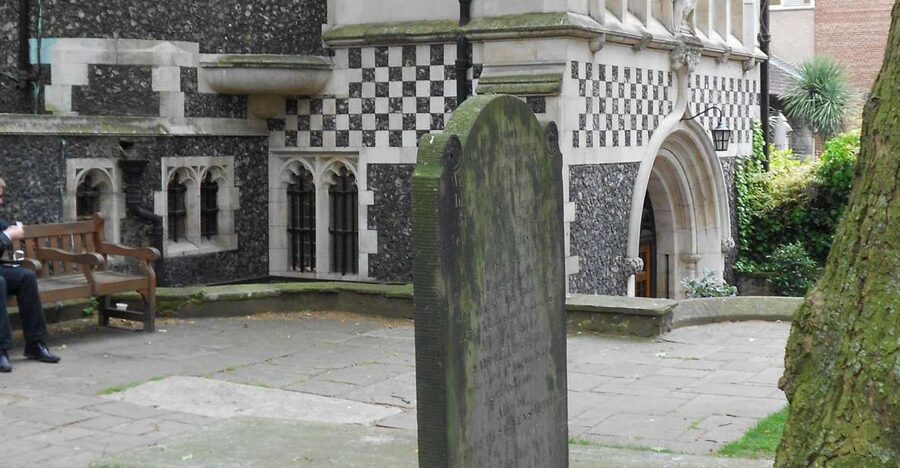
Smithfield brings the most direct connection to public spectacle and violence. The area hosted medieval jousts, but it was also one of London’s principal execution sites. The tour explains how entertainment, punishment, commerce, and public life once occupied the same part of the city.
William Wallace, the Scottish leader associated with Braveheart, is connected with Smithfield’s execution history. The tour information specifically highlights him, although one booking account noted that this detail was not mentioned on one particular outing. That is worth knowing if his story is your main reason for booking. The wider Smithfield history remains central, but individual guides may emphasize different episodes.
The stop is likely to appeal to anyone who enjoys the harsher side of London’s past. You will hear about the condemned drawing their last breath and about crowds gathering to watch. The material can be grim, yet the guide’s delivery matters. The strongest guides on this walk use clear explanation and a bit of wit, keeping the subject engaging without turning it into cheap horror.
More Walking Tours in London:
- Magical London: Harry Potter Guided Walking Tour
★ 4.7 · 22,044 reviews - London: The Original Jack the Ripper Walking Tour
★ 4.7 · 7,833 reviews - Tour for Muggles The Ultimate Harry Potter Walking Tour in London
★ 5.0 · 4,684 reviews - London Jack The Ripper Guided Walking Tour
★ 5.0 · 3,131 reviews
St Bartholomew the Great, a medieval survivor
Between Charterhouse Square and Smithfield is St Bartholomew the Great, one of London’s most important medieval churches. Its age, setting, and surviving character make it a natural centerpiece of the route.
The church has also appeared in films, including Four Weddings & A Funeral and Sherlock Holmes. That screen connection may help you recognize the building, but its real appeal is the sense of continuity. In a city repeatedly rebuilt by fire, war, redevelopment, and changing fashion, a medieval church gives you a direct link to an older London.
The church is also where the tour moves beyond blood and punishment. You will hear about religious institutions, monasteries, architecture, and the way London changed around its churches. Several guide accounts specifically praised explanations of monasteries and small gardens that are easy to miss if you explore alone.
The bombed-out church shell and wartime London
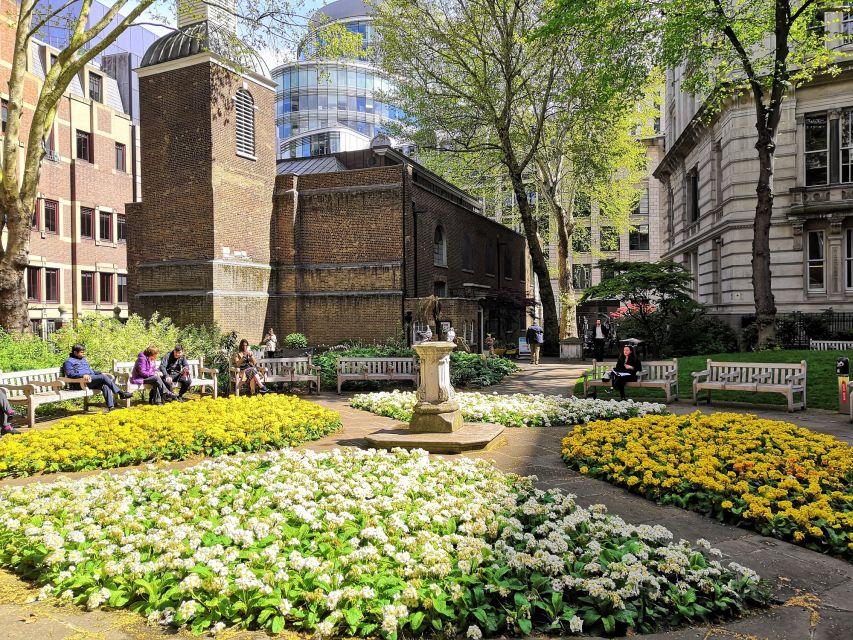
Another stop takes you through the shell of a church destroyed in the Blitz. This is a sharp change from medieval plague and Tudor-era punishment. The focus shifts to the 20th century, but the effect is similar: a surviving fragment carries the weight of a vanished place.
A church shell can be more affecting than a fully restored building because the damage remains visible. You can see how war left gaps in the city, not just stories in a museum. The walk uses this site to show that London’s scars are not confined to the distant past.
This part is especially useful if you have already seen the famous Blitz sites and want something smaller and less formal. You are not visiting a large exhibition with extensive displays. Instead, the guide gives the location its context, linking the ruined structure to the wider story of London’s survival and rebuilding.
The memorial to heroic self-sacrifice
The route also passes through a park containing what is described as one of London’s most touching memorials, dedicated to heroic self-sacrifice. The exact story is best heard from the guide on the day, since the power of this stop comes from the setting and the human detail behind it.
This is a welcome pause in a tour that often deals with mass suffering and public cruelty. Plague and executions can make people seem like anonymous figures in a large historical drama. A personal memorial brings the focus back to one act of courage and one human life.
The park setting helps, too. The walk does not rush from one stone building to another. It includes small green spaces and quiet corners that many people would never connect with London’s central business district. That balance of open space, architecture, and storytelling is one reason the tour works well for local residents as well as first-time visitors.
Finding the Roman amphitheatre
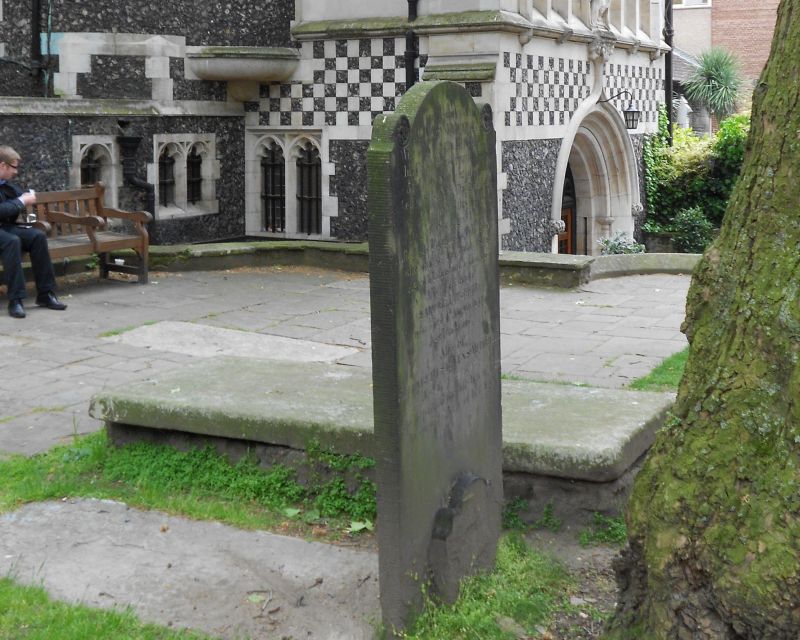
The final major theme is Roman London. The tour takes you to the location and perimeter of the city’s long-lost Roman amphitheatre. You should not expect a complete arena rising from the ground. The value is in learning where it was and understanding how Roman London occupied the same broad area as the modern city.
This stop rewards imagination. You are standing in a place where crowds once gathered for public events, yet the ancient building is no longer an obvious part of the streetscape. The guide helps you connect the visible city with what lies beneath it or survives only in fragments.
For me, this is an important part of the itinerary because it widens the timeline. The walk is not only about medieval cruelty or Tudor punishment. It moves from Roman London through plague, religion, executions, and wartime destruction, showing how many versions of the city exist in the same few streets.
The guides make the difference
The tour is delivered in English, and the guide is the main source of value. The strongest feedback centers on clear explanations, humor, passion, and the ability to make old London feel immediate.
Several guides are named in the available booking information. Rosie is praised for covering politics, architecture, language history, monasteries, and gardens. Jess is described as funny, enthusiastic, and able to make the area feel several centuries old. Jeremy is noted for a relaxed delivery and strong local knowledge, while Pepe is praised for his command of London history. Jesse is also singled out for good stories and entertaining anecdotes.
That range suggests a consistent tour concept, but not an identical experience every time. One guide may spend longer on pictures or a particular execution story. Another may focus more on architecture, hidden gardens, or the development of London’s streets. This is normal for a guide-led walk, and it can be a strength if you enjoy a human interpretation rather than a fixed audio script.
The walk has also worked well for people who live in London and want to see their city differently. You do not need to be a newcomer to benefit. Familiar streets become more interesting when you learn why they are there and what happened nearby.
Pace, comfort, and practical limits
The duration is 1.5 hours, making this easy to fit into a morning or afternoon. It is long enough to cover several periods of London history without taking over your day. At the same time, the amount of information is high. One person found it difficult to remember everything, which is a fair warning for anyone who prefers a slower, more spacious tour.
The pace has generally been described as good, with enough time to listen and take in each stop. On a cold day, though, extended pauses can become uncomfortable. If the guide is showing pictures or explaining a complicated point, you may be standing still for a while. Dress for the weather, and wear shoes that can handle a city walk.
The activity is listed as wheelchair accessible. Dogs are not allowed, except guide dogs, and video recording is not permitted. The tour is suitable for people over 12, partly because of the violent and unsettling subject matter.
The free cancellation period extends to 24 hours before the start, and you can reserve now and pay later. Those terms are useful if your London schedule is still changing, but check the current booking details before you commit.
Is $26 good value?
At $26 per person, this is a reasonably priced guided walk for central London. You are paying for 90 minutes with a live English-speaking guide, not for entry to multiple attractions. That distinction matters because the value comes from interpretation and access to overlooked places rather than from included tickets.
I would consider it good value if you enjoy history and want a focused introduction to the City of London’s less obvious corners. The guide links several subjects that would otherwise feel scattered: plague, religious houses, public executions, Roman entertainment, the Blitz, memorial culture, and the shape of modern streets.
It is less suitable if you want a major indoor attraction, a long church visit, or refreshments along the way. You should also avoid booking it solely for the William Wallace reference, since that detail was not included on one outing. Book it for the wider route and the guide’s storytelling.
Who should book this London walk?
I would recommend it to:
- First-time visitors who want more than London’s headline sights
- Repeat visitors who have already seen Westminster, the Tower, and the usual museums
- London residents looking for a fresh local outing
- Fans of medieval, Roman, Tudor, and wartime history
- People who enjoy grisly stories presented with humor
- Small groups wanting an entertaining team activity
I would think twice if you dislike discussions of executions, plague, or war. The walk is also not ideal for anyone wanting a completely relaxed stroll, since the information comes quickly and the route covers several historical periods in a short time.
Should you book Secret Old London Walking Tour?
Book it if you want to see the City of London as a place layered with old wounds and surviving fragments. For $26, the combination of Smithfield, Charterhouse Square, St Bartholomew the Great, a Blitz-damaged church, a memorial park, and the Roman amphitheatre site gives you a lot of context in 90 minutes.
Go in with comfortable shoes, suitable clothing, and room in your attention for many stories. If you want a gentle overview of London’s famous landmarks, choose another walk. If you want medieval churchyards, public executions, Roman traces, and overlooked corners delivered by a lively guide, this is a strong pick.
FAQ
Where does the Secret Old London Walking Tour start?
The tour starts outside Barbican Underground Station in London.
How long does the tour last?
The walking tour lasts 1.5 hours.
What language is the tour offered in?
The tour is conducted in English with a live guide.
Is the tour suitable for children?
It is suitable for people over 12. The route includes discussions of plague, executions, violence, and wartime destruction.
Are dogs allowed on the tour?
Dogs are not permitted, except for guide dogs.
What should I bring?
Bring comfortable shoes. Refreshments are not included, and luggage or large bags are not allowed.
New routes in London
- German London : The Ultimate Walking tour★ 4.8 · 400 reviews
- London: Medieval History Walking Tour from The Tower★ 4.9 · 318 reviews
- The Beatles London Walking Tour★ 4.2 · 147 reviews
- London: Sherlock Holmes-Themed Walking Tour★ 4.7 · 756 reviews
- Secrets of London Walking Tour★ 4.7 · 562 reviews
- London: Notting Hill Walking Tour★ 4.5 · 254 reviews
- London: Old City Walking Tour★ 4.8 · 135 reviews
- London: Westminster Walking Tour & The Tower of London Entry★ 4.6 · 131 reviews
London Walking Tours, compared.

Magical London: Harry Potter Guided Walking Tour
Read our review →
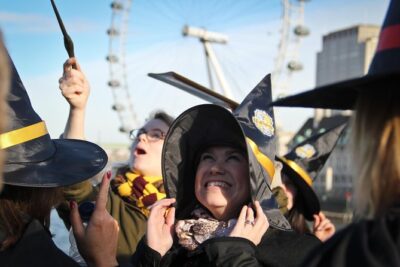
Tour for Muggles The Ultimate Harry Potter Walking Tour in London
Read our review →

Harry Potter Movies Walking Tour (Kids Go Free)
Read our review →
London Bridge & Borough Market Food Tour with 7 Authentic Dishes
Read our review →
Changing of the Guard Guided Walking Tour in London
Read our review →
The Great British Rock and Roll Music Walking Tour
Read our review →Browse the lists this tour appears in