
Review · LONDON
London: Secrets of the London Underground Walking Tour
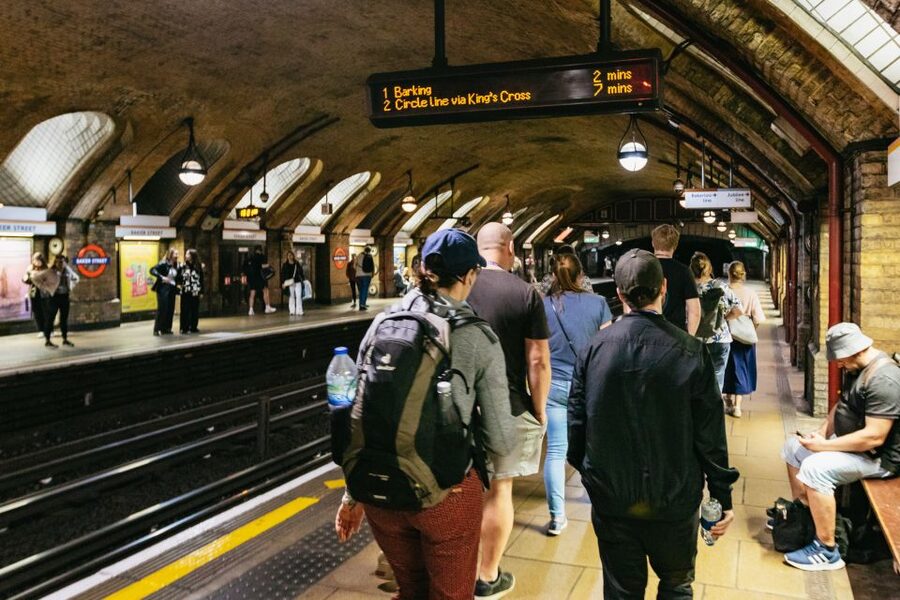
The London Underground is not just a way to cross town. It is a city beneath the city, with old tunnels, sealed platforms, wartime shelters, lost stations, and a history that reaches back to 1863. This tour begins at Baker Street, one of the first stops on the world’s first underground railway, then follows the Tube’s story through several stations and a visit to the London Transport Museum.
I like the way the tour connects ordinary station details with big events, from steam trains and electrification to the Blitz. I also like the supplied audio headsets, which help you hear the guide over trains and crowds. The main drawback is clear: this is an above-ground and public-station tour, not a guaranteed chance to enter a sealed station. You’ll also need a transport ticket and be ready for plenty of steps.
Key points to know before you book
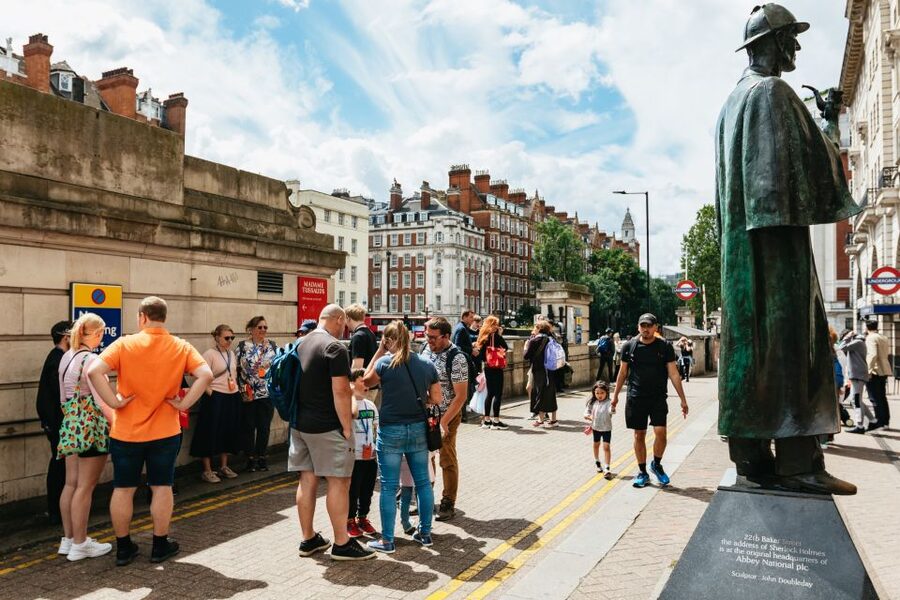
- Start at Baker Street: Meet by the Sherlock Holmes statue outside Baker Street Station, one of the Underground’s original stations.
- Hear the Tube’s full story: Learn how the first tunnels were built, how steam gave way to electricity, and why more than 40 stations were abandoned.
- Expect stories, not secret access: You may see a disused station or traces of one, but entry into closed stations is not promised.
- Use public transport during the tour: Bring a Zones 1 to 2 travel card or Oyster card. It is not included in the $40 price.
- Look for the unusual details: Stories include Blitz shelters, an aircraft factory, British Museum storage, ghosts, and a station above 1,000 bodies.
- Plan for stairs: The tour is not suitable for wheelchair users or people with reduced mobility.
Baker Street and the birth of the Underground
Your meeting point is easy to identify: the Sherlock Holmes statue outside Baker Street Station. It is a fitting place to begin, since Baker Street is tied to both London fiction and London transport history.
The station was one of the original stops on the Metropolitan Railway, which opened in 1863. That makes this more than a convenient starting point. You are standing at one of the places where modern underground travel began.
The early Underground was very different from the Tube you use today. The first trains were steam-powered, and building tunnels beneath a crowded city required new methods, new machinery, and plenty of nerve. Your guide explains how the earliest routes were made and how the system changed as electric trains replaced steam.
This opening section gives you the useful framework for the rest of the walk. Instead of seeing old tiles, signs, and stairways as random leftovers, you begin to understand them as pieces of a long-running transport experiment.
Guides named in the tour’s recent schedule include John, Aaron, Angela, Peter, Andrea, and Nick. The strongest part of the guiding is the delivery. John is repeatedly described as funny, patient, and clear, while Aaron is praised for bringing the Underground’s story to life and handling changes to the route when lines were closed. Angela is noted for keeping groups together and explaining details in an easy-to-follow way.
The exact guide matters on a walking tour. A dry history lecture would make two and a half hours feel long. Here, the guide’s personality helps turn technical subjects into stories you can remember.
More Hidden Gems Walking Tours in London:
- Secrets of London Walking Tour
★ 4.7 · 562 reviews - Secret Old London Walking Tour
★ 4.8 · 154 reviews - Dublin Highlights and Hidden Gems Guided Walking Tour
★ 5.0 · 6,020 reviews
Reading the Tube through its stations
The tour is not built around a single grand attraction. Its value comes from moving through stations and learning to notice things you might otherwise pass by.
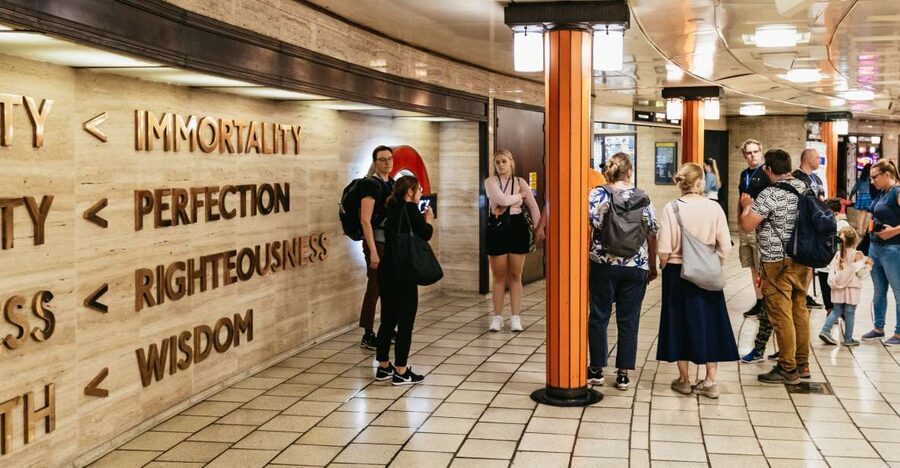
Your guide points out architectural features, old signs, station layouts, and details that remain in plain sight. One useful benefit is that the history is explained where it happened. You are not simply hearing about station design in a room. You are looking at the spaces as the guide explains how the network developed.
That approach suits London well. The Underground has been altered many times, so different eras can appear in one journey. A station may contain evidence of early railway design, later upgrades, wartime use, and modern transport demands. You may have used some of these stations for years without noticing what is above, below, or behind the parts used today.
The route also includes about 10 minutes of public transport. This is not just a transfer between walking sections. It gives you a short taste of how the Tube functions as a working system while the guide continues the story.
Expect a steady pace rather than a relaxed stroll. The tour involves a moderate amount of walking, station corridors, and stairs. The practical lesson is simple: wear comfortable shoes, keep your bag small, and do not plan a tight appointment immediately afterward.
Steam, electricity, and the engineering story
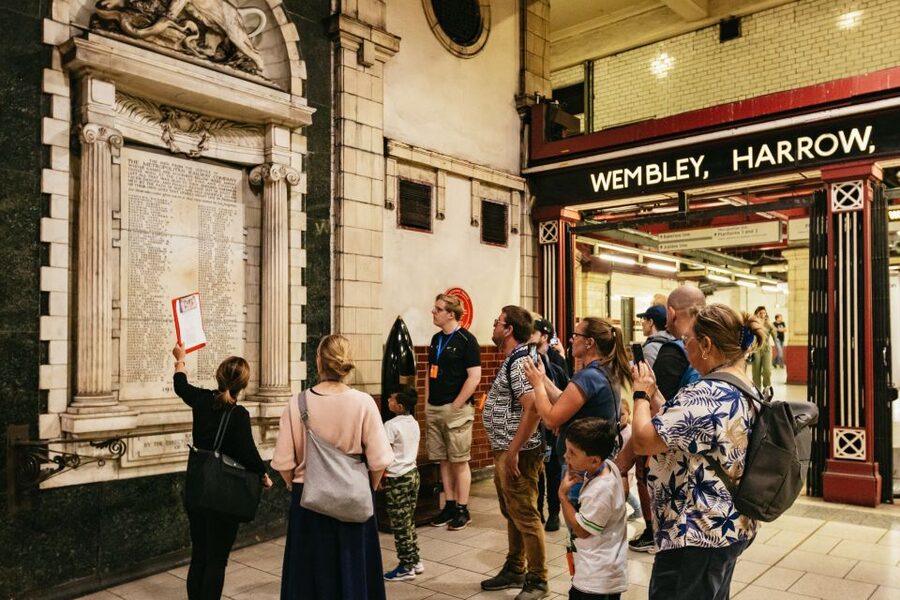
The change from steam-powered trains to electric rails is one of the main subjects. It helps explain why the Underground looks and operates as it does today.
The first lines had to cope with smoke and limited ventilation. Electric trains changed the experience for passengers and made deeper routes more practical. Your guide also explains how the earliest tunnels were built, which gives the tour an engineering angle without making it a technical lecture.
This is one of the better reasons to book the experience even if you already use the Tube regularly. You do not need to be a railway enthusiast. The subject is tied to the shape of London itself, including how people moved, where stations were placed, and how the city adapted to a railway running beneath its streets.
The famous Underground roundel also gets attention. It is one of London’s most recognizable symbols, but the tour explains the story behind it rather than treating it as simple decoration. You will begin to see station signs and transport graphics as part of a carefully developed public identity.
The audio headset is useful here. Underground platforms are noisy, and a group gathered around a guide can easily miss a sentence. The headsets have been praised for making the commentary easier to follow in busy stations, although one person found the sound crackly above ground. Bring your patience if the signal or volume needs adjusting.
Abandoned stations and the limits of the word secrets
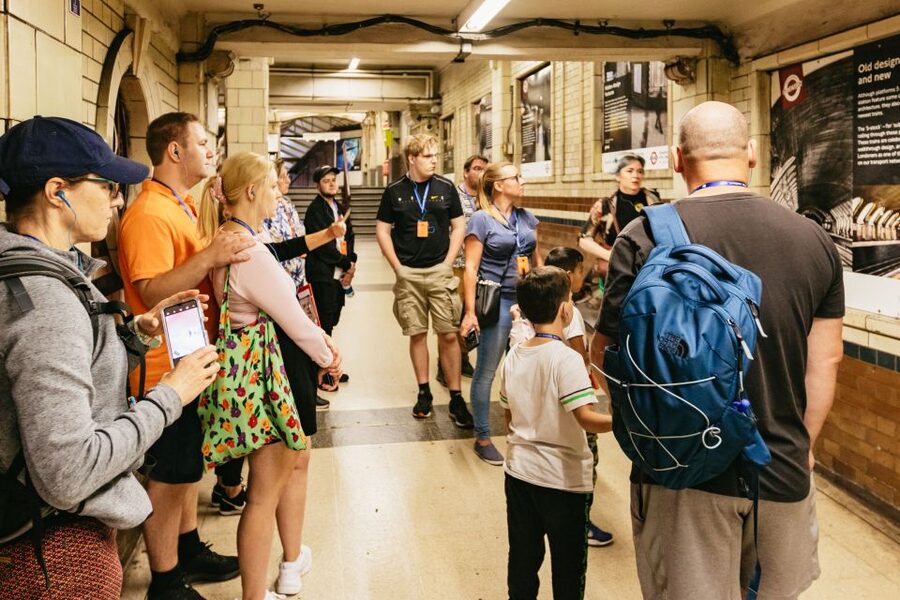
The tour promises stories about disused and haunted stations, and this is likely to be the section that draws most people. More than 40 stations have been left abandoned or closed in some form, and the reasons vary. Routes change, passenger patterns shift, and old stations can become impractical or unsafe.
You will hear about stations that have vanished from everyday use and may see a ghost station from the public network. You should not assume that you will go underground into a sealed platform. Several people expected more behind-the-scenes access and found the tour focused instead on history, visible remains, and explanation.
That distinction matters. If your main goal is to walk through a locked station, this may disappoint you. If you want to understand why abandoned stations exist and learn to spot their traces, the tour is a better match.
The guide also covers a station connected with the remains of 1,000 bodies. That subject shows how Underground construction often ran into older layers of London, including burial grounds and buildings that had occupied the route long before the railway arrived.
The ghost stories add atmosphere without being the whole point. You hear about a Pharaoh’s daughter and a nun said to haunt Underground locations. Treat these as local legends and pieces of Tube folklore, not as promised supernatural encounters. They work best as a contrast to the practical engineering story.
More Walking Tours in London:
- Magical London: Harry Potter Guided Walking Tour
★ 4.7 · 22,044 reviews - London: The Original Jack the Ripper Walking Tour
★ 4.7 · 7,833 reviews - Tour for Muggles The Ultimate Harry Potter Walking Tour in London
★ 5.0 · 4,684 reviews - London Jack The Ripper Guided Walking Tour
★ 5.0 · 3,131 reviews
The Tube during the Blitz and beyond transport
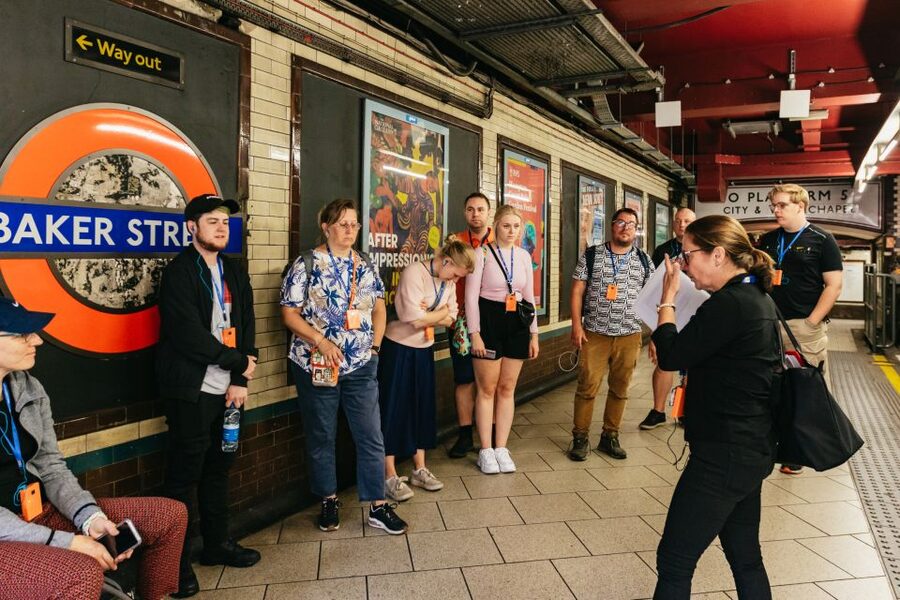
One of the most interesting parts of the tour is the range of jobs the Underground has performed. During the Blitz, stations were used as refuges. The tunnels offered protection from air raids, though life underground was not simply a matter of finding an empty platform and settling in.
The Underground was also used as an aircraft factory and as storage for treasures from the British Museum. These details show how quickly a transport network could be repurposed during a crisis.
I find this broader story more rewarding than a tour focused only on station architecture. The Tube appears as part of London’s daily life, wartime planning, industrial work, and cultural protection. It was not just carrying people from one stop to the next.
Your guide also connects Underground sites with landmarks above ground. This gives the walk extra value because you are not spending the entire time staring at platform walls. The route places transport history within the wider city, and the guide may point out surrounding areas as the group moves between stations.
That wider context helps explain why the Underground is so central to London. It carries more than 1.3 billion passenger journeys each year across 270 stations, but its importance is not only a matter of numbers. It has shaped the way the city grows and how people experience it.
The London Transport Museum finish
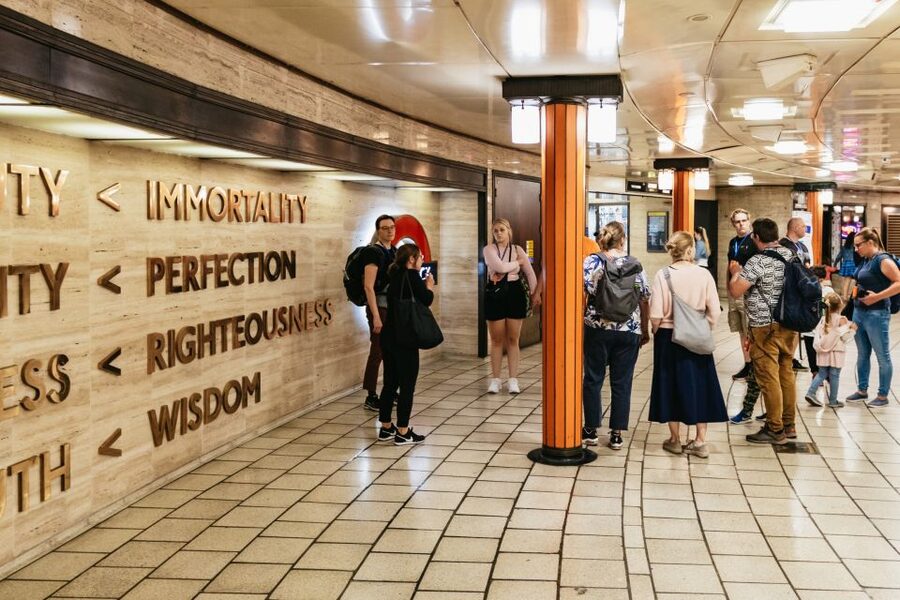
The tour ends at the London Transport Museum on Bridge Street, Westminster. The museum visit gives the experience a useful final stop, since you can continue looking at the objects, vehicles, signs, and transport stories introduced during the walk.
The museum is not simply an extra place to fill time. It helps bring the Tube’s design and technology into clearer focus after you have seen working stations. The tour gives you the city streets and active network. The museum gives you a more controlled setting for transport history.
You finish at 10B Bridge Street, close to central Westminster. That location is practical for continuing your day, although you should check your own plans before booking a tour that ends in the middle of an afternoon schedule. The total duration is 2.5 hours, and delays or a detour can affect the pace. One previous route had to change because of train delays and closures, but the guide managed the adjustment.
The museum stop also gives the tour a more definite ending than simply leaving you at another station. You can continue exploring on your own, or use the central location to reach another part of London.
What the $40 price really includes

At $40 per person, the price is reasonable if you want a guided introduction rather than a self-led history lesson. You are paying for a live English-speaking guide, the walking route, public-transport commentary, and the use of an audio headset.
The value is strongest for first-time London visitors and people who use the Tube without knowing much about it. A good guide can show you details that would be easy to miss and explain how separate facts fit together. The experience also saves you the work of researching station history and planning a route across several parts of the network.
The price does not include your Underground ticket, Oyster card, food, drinks, or hotel transfers. Buy a Zones 1 to 2 travel card or arrange an Oyster card before you arrive. Using a contactless bank card may be convenient, but one person reported an unexpectedly high charge of £17 for the tour journey, so check your payment method and fare rules before setting off.
The extra transport cost is usually modest compared with the tour price, but it should still be part of your budget. Do not arrive assuming the admission fee covers every train ride.
Free cancellation is available up to 24 hours before the start, and you can reserve now and pay later. Those terms are useful if your London plans are still shifting, but the more important practical point is to arrive ready for walking and stairs.
Who will enjoy this Tube history walk
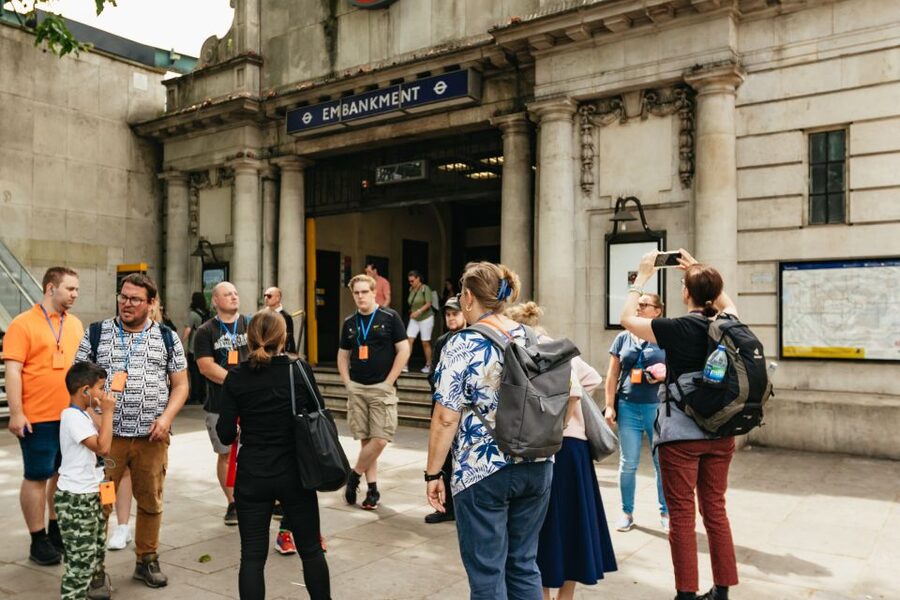
I would recommend it to you if you like city history, public transport, architecture, wartime stories, or urban legends. It is also a good choice if you have already used the Underground and want to see it with fresh eyes. The tour can reveal details even to people who live in London or have ridden the Tube for years.
Families with older children may enjoy it, especially if someone in the group is fascinated by trains, tunnels, or Jack the Ripper-era London stories. One guide was able to answer a child’s many questions, which suggests that the format can work well for curious young people who can keep up with the walking.
It is less suitable for anyone hoping for a theatrical ghost tour. The ghost stories are one thread in a larger history. It is also a poor fit if you need step-free access. The tour is not suitable for wheelchair users or people with reduced mobility, and baby strollers and large luggage are not allowed.
The group format and audio equipment make it easier to hear, but the Underground remains noisy and crowded. You will get more from the experience if you are comfortable listening while standing and moving through public spaces.
Should you book the Secrets of the London Underground tour?
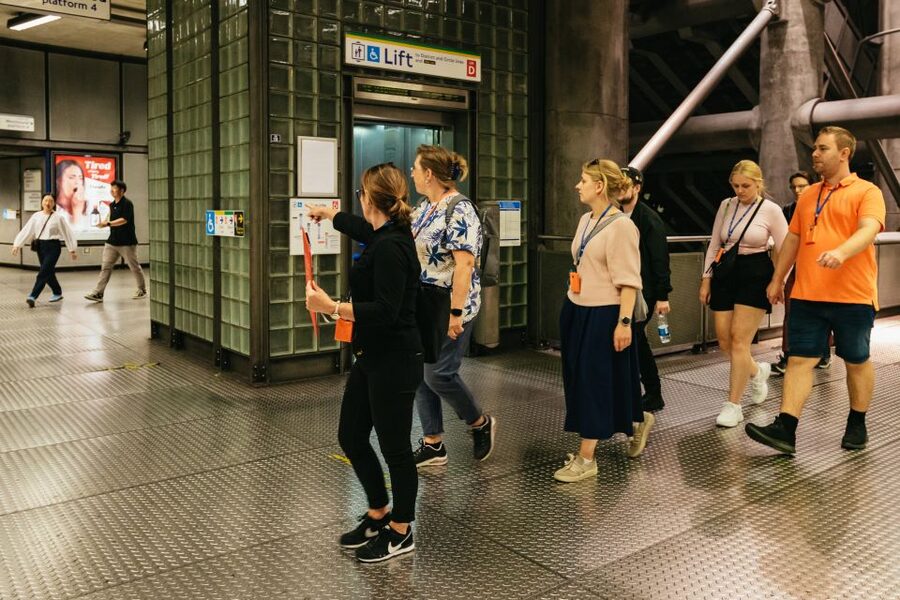
Book it if you want the Tube explained as a living part of London, not just a route planner. The best moments come from the combination of original 1863 history, engineering, wartime use, abandoned stations, and small details hiding in active stations.
Do not book it expecting guaranteed entry into a closed station. The tour may show you a ghost station or point out traces of lost platforms, but most of the experience takes place in public areas and on city streets.
For $40, plus your transport fare, I think it offers solid value for a curious visitor who wants a focused two and a half hours with a lively guide. Check the start time, bring a Zones 1 to 2 ticket or Oyster card, wear good shoes, and allow a little flexibility for service delays. If that sounds like your kind of London afternoon, this is a smart way to turn a familiar commute into a story.
FAQ
Where does the tour start?
Meet your guide by the Sherlock Holmes statue outside Baker Street Station in London.
How long does the tour last?
The tour lasts 2.5 hours, including walking, public transport, and the visit to the London Transport Museum.
Does the tour include Underground travel?
No. You need to bring a public transport ticket, travel card, or Oyster card. A Zones 1 to 2 day travel card is recommended.
Will I enter a disused Underground station?
Entry into a disused station is not guaranteed. The tour explains abandoned stations and may show you a ghost station or visible traces from the public network.
Is the tour suitable for wheelchair users?
No. The tour includes many Underground steps and is not suitable for wheelchair users or people with reduced mobility.
What is included in the $40 price?
The price includes the live English-speaking guide and an audio headset. Food, drinks, hotel transfers, and Underground fares are not included.
New routes in London
- German London : The Ultimate Walking tour★ 4.8 · 400 reviews
- London: Medieval History Walking Tour from The Tower★ 4.9 · 318 reviews
- The Beatles London Walking Tour★ 4.2 · 147 reviews
- London: Sherlock Holmes-Themed Walking Tour★ 4.7 · 756 reviews
- Secret Old London Walking Tour★ 4.8 · 154 reviews
- Secrets of London Walking Tour★ 4.7 · 562 reviews
- London: Notting Hill Walking Tour★ 4.5 · 254 reviews
- London: Old City Walking Tour★ 4.8 · 135 reviews
London Walking Tours, compared.

Magical London: Harry Potter Guided Walking Tour
Read our review →

Tour for Muggles The Ultimate Harry Potter Walking Tour in London
Read our review →

Harry Potter Movies Walking Tour (Kids Go Free)
Read our review →
London Bridge & Borough Market Food Tour with 7 Authentic Dishes
Read our review →
Changing of the Guard Guided Walking Tour in London
Read our review →
The Great British Rock and Roll Music Walking Tour
Read our review →Browse the lists this tour appears in