
Review · ROME
Rome Walking Tour: Pantheon, Trevi, Navona & Hidden Gems
Rome reveals itself best on foot, and this tour links several of the city center’s biggest sights with lesser-known corners that are easy to miss on your own. You move from Piazza Venezia and Trajan’s Column to Trevi Fountain, Galleria Sciarra, Sant’Ignazio, and the Pantheon, with a guide explaining how ancient Rome, the papal city, and modern Rome overlap.
I like the compact two-hour route, which gives you a useful first look without taking up an entire day. I also like the practical finish near Piazza Navona, where your guide can point you toward restaurants, bars, rooftop terraces, markets, and later sightseeing. Guides including Dan, Domenica, Sharon, Yousef, and Polina are repeatedly praised for clear storytelling and helpful local advice.
The main consideration is pace. There is a lot packed into two hours, and most major sites are viewed from outside or passed rather than entered. If you want interior visits or lengthy archaeological explanations, you will need separate tours.
Key points at a glance
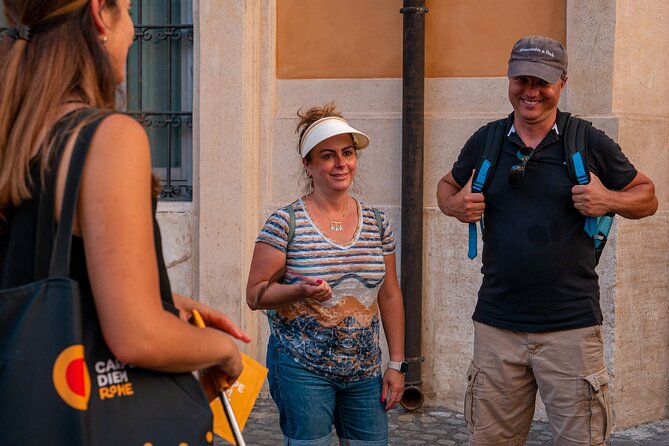
- Seven central Rome sights in about two hours: See Piazza Venezia, Trajan’s Column, Trevi Fountain, Galleria Sciarra, Sant’Ignazio, the Pantheon, and Piazza Navona.
- A story-led walk: Guides explain Rome from the Roman Empire through the present rather than simply naming monuments.
- Quiet streets as well as famous squares: The route includes less obvious corners and back roads where possible, helping you step away from the thickest crowds.
- Useful local advice at the end: Ask about places to eat, neighborhoods, markets, cafés, and further sightseeing.
- Small-group and private choices: The format can suit solo visitors, couples, families, and people who prefer a more personal walk.
- English and Spanish tours: Check the selected option carefully, since the meeting point and start time can vary.
Why this walk works as a first look at Rome
This is a good orientation walk because it covers the historic center without trying to explain every corner of the city. You see grand political monuments, an ancient Roman column, Baroque fountains, a painted illusion inside a church, and some of Rome’s most famous gathering places.
I like that the route is not limited to the headline sights. The smaller stops give you a sense of how Rome rewards attention. You might be looking for the Trevi Fountain, yet learn to watch for a quiet courtyard or an unusual architectural detail on the way there.
The guides also make a difference. Dan is praised for turning complex history into friendly, accessible stories. Sharon is noted for combining Roman history with her experience of living in the city. Yousef is described as engaging and inclusive, while Domenica is particularly well suited to private tours because she adjusts to the group’s pace.
The walking format means you should expect city streets, pauses in open squares, and periods of standing. Wear comfortable shoes and light, comfortable clothing. In hot weather, the guide may seek shade and offer a short bathroom break, but you should still plan for sun and warm pavement.
More Hidden Gems Walking Tours in Rome:
- Rome: Paranormal Night Walking Tour & Secret Backstreets
★ 4.9 · 1,921 reviews - Rome Highlights & Hidden Gems Guided Walking Tour
★ 4.8 · 280 reviews - Alternative Walking Tour of Rome’s City Center & Hidden Gems
★ 4.8 · 244 reviews
Piazza Venezia and Trajan’s Column
Depending on the option you book, you may begin at Piazza d’Aracoeli or Piazza di Pasquino. The exact meeting point matters in central Rome, so check your booking details rather than heading automatically to the first address you see.
Piazza Venezia is an energetic starting point, surrounded by major roads and large buildings. It gives the tour an immediate sense of Rome’s scale. Here, the guide can set up the city’s long timeline, from imperial power to the modern capital.
The stop at Trajan’s Column adds a more focused look at ancient Rome. Its carved spiral tells the story of Emperor Trajan’s military campaigns, and the column helps you understand how Roman rulers used public monuments to display power.
The guide portion at each of these first stops is listed at about 20 minutes. That is enough time for a clear explanation and questions, but not enough for an academic lecture. I see this as an advantage if you want a lively introduction rather than a long pause beside one monument.
Trevi Fountain and the art of seeing Rome
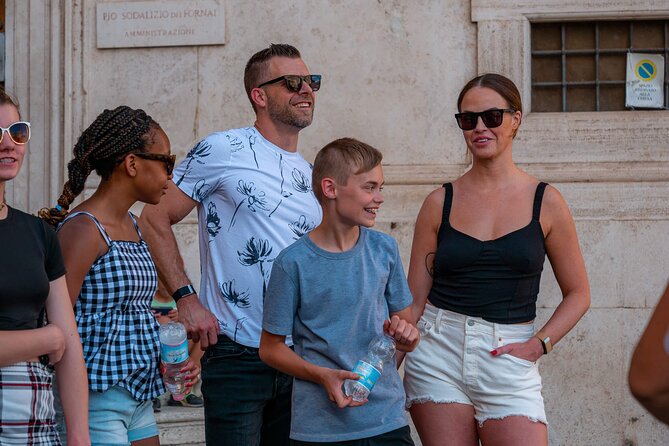
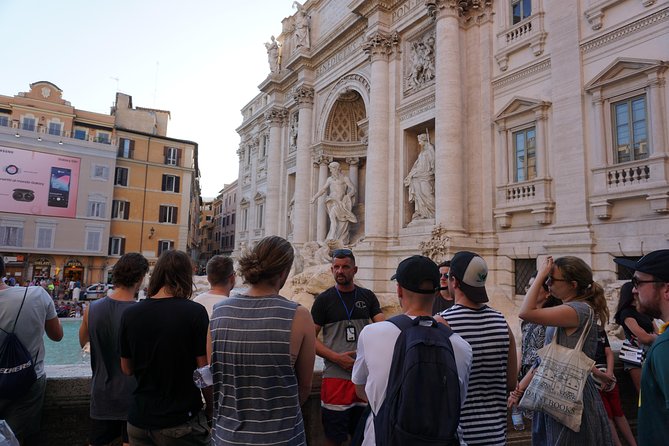
Trevi Fountain receives the longest listed stop, about 30 minutes, and that makes sense. It is one of Rome’s most famous sights, but its crowded setting can make it hard to appreciate without some direction.
Your guide can explain the fountain’s place in Rome’s Baroque design and point out details that disappear when you are focused only on taking a photograph. The practical value is simple: you arrive with context instead of treating the fountain as a quick backdrop.
Crowds are a real consideration here. The tour may use less crowded approaches or nearby streets where possible, but you should not expect a quiet private viewing. Sharon and Yousef are both praised for steering groups away from the thickest crowds when they can, while still keeping the main sights on the route.
Use this stop to listen first, then take your photographs. If you rush straight to the railings, you may miss the explanation that gives the place meaning.
Galleria Sciarra, a small stop with big detail
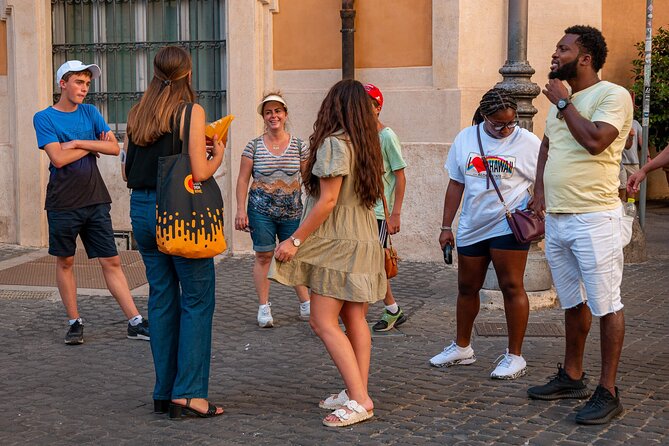
Galleria Sciarra is one of the more unusual points on the walk. It is not one of Rome’s giant monuments, which is exactly why it adds value to the route.
The covered courtyard is known for ornate decoration and painted figures, offering a change of scale after the large public spaces of Piazza Venezia and Trevi Fountain. A guide can help you notice the design overhead and the way this passage fits into the city’s older commercial center.
The listed guided time is about 20 minutes. This is the kind of stop you might pass without realizing it has something worth seeing. It also gives the walk a welcome pause from Rome’s busiest streets.
Do not expect a major museum visit here. Think of it as a brief architectural discovery that rewards a guide’s eye.
More Walking Tours in Rome:
- Rome: Guided Food Walking Tour with Wine in Trastevere
★ 4.9 · 3,105 reviews - Rome: Trastevere & Campo de Fiori Street Food Walking Tour
★ 4.9 · 2,768 reviews - Rome: Trastevere Street Food Walking Tour with Local Expert
★ 4.8 · 1,784 reviews - Rome: Small-Group Guided Day or Night Walking Tour
★ 4.8 · 1,009 reviews
Sant’Ignazio and Rome’s theatrical interior
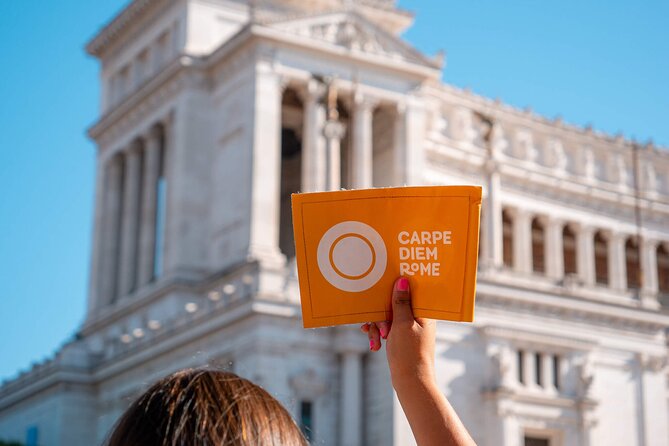
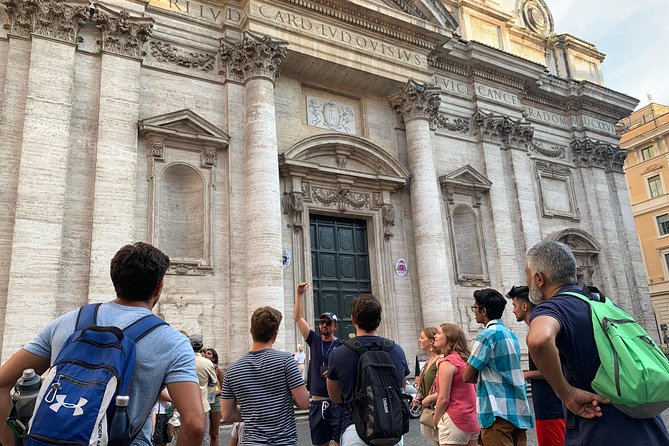
The Church of Sant’Ignazio di Loyola is another place where the tour moves beyond the standard checklist. Its interior is known for dramatic painted decoration and an optical effect that can make the ceiling appear more architectural and spacious than it really is.
That makes Sant’Ignazio a strong stop for anyone interested in Roman art, churches, or visual tricks. It also shows how Rome’s religious buildings were designed to create emotion and spectacle, not simply to provide a place for worship.
The guide has about 20 minutes here. You will get the essential story and a chance to look closely, but the time is not designed for a slow, independent study of every chapel.
I especially like this contrast in the itinerary. Ancient Rome is not presented as a sealed-off archaeological subject. Instead, you see how later generations built over, beside, and around the older city.
The Pantheon, seen in the middle of everyday Rome
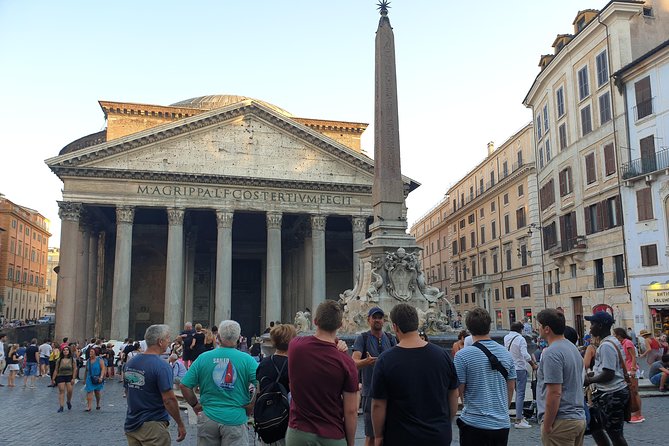
The Pantheon is listed as a pass-by stop rather than an interior visit. That distinction is important. You will see one of Rome’s most remarkable ancient buildings from the outside, hear about its history, and continue along the route.
The Pantheon is valuable even as a short stop because its massive portico and surviving Roman structure help connect the earlier discussion of imperial monuments to the streets you are walking through now. The building also sits in an active part of the city, so you see it as part of daily Rome rather than as an isolated museum piece.
If entering the Pantheon is high on your list, plan a separate visit. This tour can help you understand why it matters, but it does not replace time inside.
Finishing near Piazza Navona
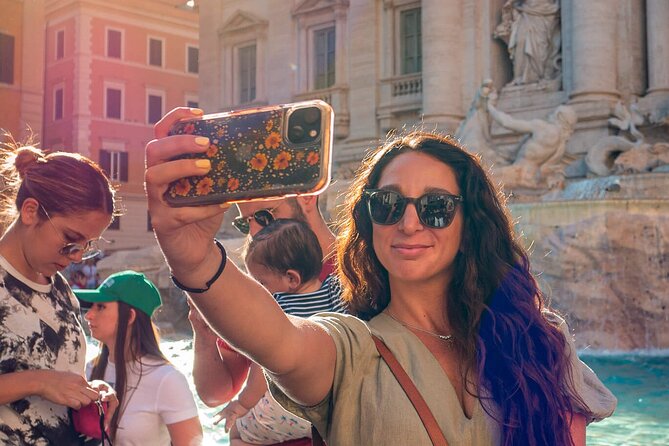
The walk ends with several possible drop-off locations, including Piazza Navona and the Colosseum area. The published description specifically highlights Piazza Navona as the natural finish, with restaurants, bars, and rooftop terraces nearby.
That ending is useful because you can turn the tour into the first step of your evening. Ask your guide for food suggestions rather than accepting the first menu placed in front of you. Guides have also offered recommendations for cafés, markets, neighborhoods, and later activities.
Piazza Navona itself is one of Rome’s great public spaces. The long oval shape follows the footprint of an ancient stadium, while its fountains and surrounding façades reflect the city’s later artistic and political ambitions. The tour gives you enough background to keep exploring after the guide leaves.
Some options may finish in the Colosseum area instead. That is worth checking before booking, especially if you are coordinating dinner or another timed attraction.
What the guides add to the route
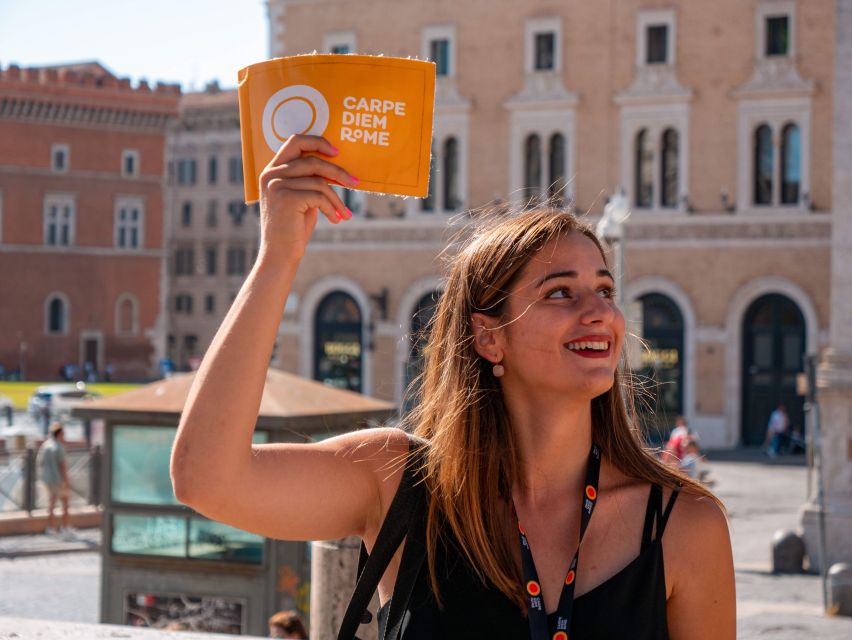
The strongest part of this experience is the guiding. The monuments are famous, but Rome is easier to understand when someone explains the connections between them.
Dan is praised for historical depth delivered in an approachable way. Several people found his explanations especially strong, and one private review describes him as flexible and attentive to the group’s interests. Sharon brings an engaging style, personal experience of living in Rome, and a habit of using quieter streets when practical.
Yousef is a good match if you want a guide who keeps the group involved and makes space for questions. Domenica has been praised for patience, friendliness, and adapting the pace during a private walk. Polina is described as a strong storyteller who adds amusing facts alongside the main history.
Other named guides include Kasia, Paulina, Sila, Alina, Anna, Dinara, Romani, Vlad, and Katsia. The exact guide depends on the date and option, so you cannot assume a particular person will lead your tour.
English and Spanish are offered. If you have trouble hearing in crowded streets, stay near the guide during explanations and use the walking stretches to ask individual questions.
Price, group size, and overall value
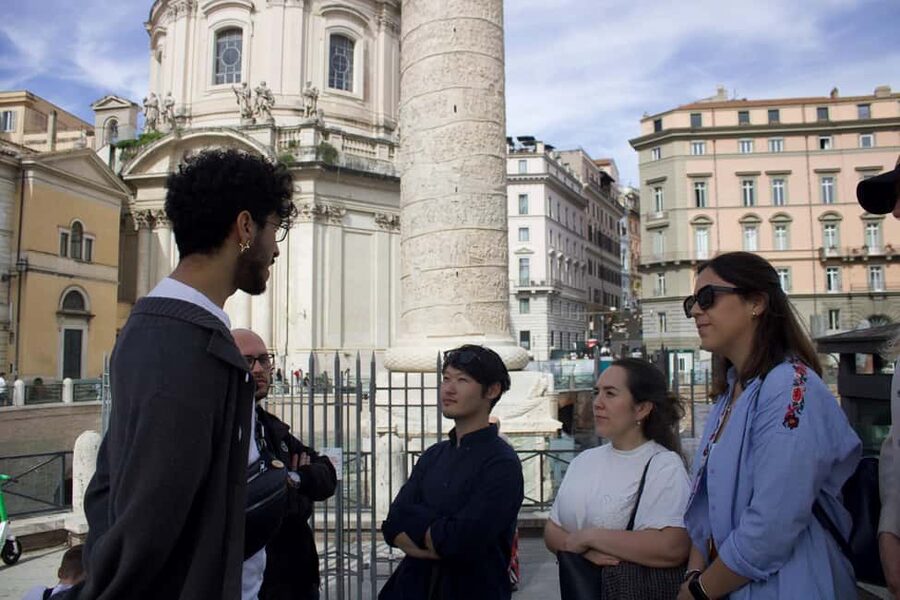
At $23 per person, this is a reasonably priced way to get oriented in central Rome. You are paying for a live guide, a planned route, and the time saved by understanding what you are looking at. You are not paying for attraction admission, meals, drinks, or hotel transportation.
The value is strongest on a first day in Rome. A good guide can help you decide which places deserve a longer visit later, and the final restaurant and sightseeing advice can prevent a few expensive mistakes.
Small-group and private options are available. A smaller group generally makes it easier to hear, ask questions, and adjust the pace. A private option costs more than the basic per-person price if priced separately, but it may suit families or couples who want to focus on particular interests.
Keep your expectations in line with the price and duration. This is a city walk, not a series of interior admissions. If you want the Colosseum, Pantheon interior, Vatican Museums, or detailed archaeological access, book those separately.
Free cancellation is available up to 24 hours before the tour for a full refund, and you can reserve now and pay later. That flexibility helps if your Rome schedule is still shifting.
Who should book this Rome walking tour
I would choose this tour for a first visit, a short stay, or the opening morning of a longer Rome trip. It gives you a useful mental map and several ideas for what to do next.
It also suits you if you like history explained through stories rather than a long lecture. The route has enough variety to hold the attention of families and mixed-age groups, though children should be comfortable walking and standing for two hours.
A private option makes sense if you want to set the pace or ask many questions. A small group is a good middle ground if you want personal contact without paying for a fully private guide.
I would choose another format if your main goal is to enter several monuments or spend a long time at each one. The Pantheon is passed, and the principal focus is exterior interpretation across a broad route.
Practical tips for getting more from the walk
- Check the exact meeting point, since it can vary by booking option.
- Wear shoes you can comfortably use on Rome’s streets for two hours.
- Bring water and clothing suitable for the weather, especially in summer.
- Stay close during explanations at Trevi Fountain and Piazza Venezia, where street noise and crowds can make it harder to hear.
- Save your food questions for the end, when the guide can suggest places around Piazza Navona or other areas.
- If you want to visit the Pantheon inside, arrange separate time for it.
- Treat the route as an introduction, then return to the places that captured your interest.
Should you book it?
Yes, if you want a lively introduction to central Rome at a fair price. The route gives you major landmarks, unusual architectural details, and practical advice without consuming a full day.
Book it with the understanding that the tour moves briskly and focuses on explanation rather than admission. For a first look, that is often exactly right. You get the city’s broad story, a few places you might not notice alone, and a guide who can help shape the rest of your Rome visit.
FAQ
How long is the Rome walking tour?
The advertised duration is two hours.
How much does the tour cost?
The listed price is $23 per person.
Which sights are included on the route?
The route includes Piazza Venezia, Trajan’s Column, Trevi Fountain, Galleria Sciarra, the Church of Sant’Ignazio di Loyola, the Pantheon, and Piazza Navona or another listed finish area.
Do I enter the Pantheon?
The Pantheon is listed as a pass-by stop, so the tour does not include an interior visit.
Where does the tour start?
Starting points can include Piazza d’Aracoeli and Piazza di Pasquino. The meeting point may vary according to the option you book.
Where does the tour finish?
Possible drop-off areas include Piazza Navona and the Colosseum area. Check your selected option for the exact finish.
What languages are available?
The tour is offered in English and Spanish.
Is the tour private or shared?
Private and small-group options are available.
Are food and drinks included?
No. Food and drinks are not included.
Can I cancel for a refund?
You can cancel up to 24 hours in advance for a full refund. Reserve now and pay later is also available.
New routes in Rome
- Rome: Colosseum and Ancient Rome Guided Walking Tour★ 4.5 · 95 reviews
- Rome: Guided Walking Tour and Pantheon Priority Entry Ticket★ 4.3 · 317 reviews
- Rome: Trastevere Food Walking Tour with Beer and Wine★ 4.9 · 71 reviews
- Rome: Trevi Fountain, Spanish Steps & Pantheon Walking Tour★ 4.6 · 336 reviews
- Rome: Underground Trastevere Guided Walking Tour★ 4.8 · 87 reviews
- Rome Trastevere Walking Food Tour★ 4.8 · 97 reviews
- Rome: Relics from the Passion of the Christ Walking Tour★ 4.9 · 84 reviews
- Rome: Trastevere and Roman Ghetto Guided Walking Tour★ 4.7 · 79 reviews
Rome Walking Tours, compared.

Guided Food Walking Tour with Wine in Trastevere
Read our review →
Trastevere & Campo de Fiori Street Food Walking Tour
Read our review →
Paranormal Night Walking Tour & Secret Backstreets
Read our review →
Colosseum Arena, Roman Forum & Palatine Hill Tour
Read our review →
Trastevere Street Food Walking Tour with Local Expert
Read our review →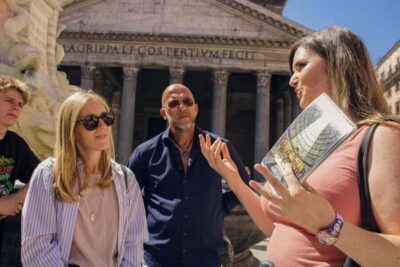

Rome by Night Walking Tour – Legends & Criminal Stories
Read our review →
Rome Food Tour in the Historic Centre with 8+ Food Tastings
Read our review →Browse the lists this tour appears in