
Review · ITALY
Pisa: 2-Hour Walking Tour
Pisa is much more than a famous crooked bell tower. This tour earns its keep by taking you from the railway station through the city’s southern and northern quarters before delivering you to the Square of Miracles. By then, the Leaning Tower feels like the final chapter, not the whole story.
I like two things right away: the route gives you a useful orientation after arriving by train, and guide David Giacomo brings together history, architecture, local life, Galileo, Vespa, Keith Haring, and even wartime Pisa. The walk also uses lesser-seen streets, river views, and practical food tips.
The main drawback is the amount of information. David is enthusiastic and some tours run beyond two hours, so children or anyone wanting a very light introduction may find the history-heavy sections tiring. Rain and summer heat can also affect the experience, since this is an outdoor walk from start to finish.
Key points to know before booking
- The route starts at Pisa Centrale and ends beside the Leaning Tower, making it a smart choice for a half-day visit or a stop between trains.
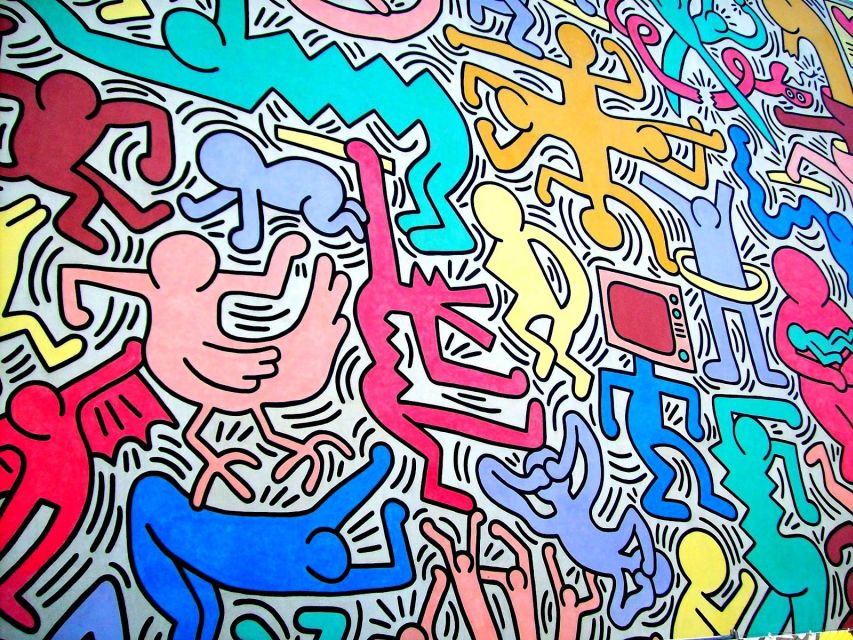
- Keith Haring’s mural is an unusual opening stop, giving you a modern contrast to Pisa’s Medieval streets and monuments.
- You cross both sides of the Arno, with time in Sant’Antonio, San Martino, San Francesco, and Santa Maria.
- David Giacomo is the central strength of the tour, especially if you enjoy detailed history, architecture, and local stories.
- The Leaning Tower is viewed from outside, so this walk is not a substitute for a timed tower climb or interior Cathedral visit.
- The pace is deliberately easy, and headsets help you hear the guide while walking through active city streets.
Why this Pisa walk works better than a tower-only visit
The Leaning Tower is Pisa’s star attraction, but a quick visit to the Square of Miracles can leave you with a thin picture of the city. You see the tower, take the classic tilted photo, admire the Cathedral, and then wonder what else there is.
This tour fixes that problem. It treats the tower as the finish line and uses the first part of the walk to explain how Pisa functions as a city. You see shopping streets, river crossings, university areas, market squares, old buildings, and small lanes. That gives the famous monument a setting.
At $30 per person, the value depends on what you want from Pisa. If your only goal is a photograph of the tower, you can walk there yourself for nothing. If you want the city to make sense, two hours with a local guide is a reasonable use of your time, especially on a first visit.
The tour has earned a 4.8 rating from 147 bookings, with especially strong praise for David’s delivery, humor, local knowledge, and ability to connect large historical events with small details in the street. One useful pattern comes through clearly: people who expected Pisa to be little more than a tower often leave surprised by how much more there is to see.
More Two-Hour Walks in Italy:
- Lucca: 2-Hour City Center Walking Tour
★ 4.7 · 1,314 reviews - Genoa: 2-Hour Guided Walking Tour of the Historical Center
★ 4.2 · 605 reviews - Milan by Night 2-Hour Walking Tour
★ 4.4 · 286 reviews
Starting at Pisa Centrale with Keith Haring
Meet at the fountain in front of Pisa Centrale train station. This is a practical meeting point if you arrive by rail, though transportation to the station is not included, so you need to make your own way there.
The opening stop is Keith Haring’s mural, a bright modern work that immediately broadens the city’s appeal. It is a clever beginning. Instead of launching into a long list of Medieval dates, the tour shows you that Pisa has a living cultural life alongside its old stone churches and towers.
David’s introduction also covers the wider territory around Pisa. That matters because the city’s character is easier to understand when you see it as more than a group of monuments. You get a first sense of the city’s geography, its role in Tuscany, and the everyday setting through which you will walk.
The station area is active and urban, not picturesque in the postcard sense. That is part of the point. You begin with the working city and gradually move toward the grand monuments.
Corso Italia and the southern bank of the Arno
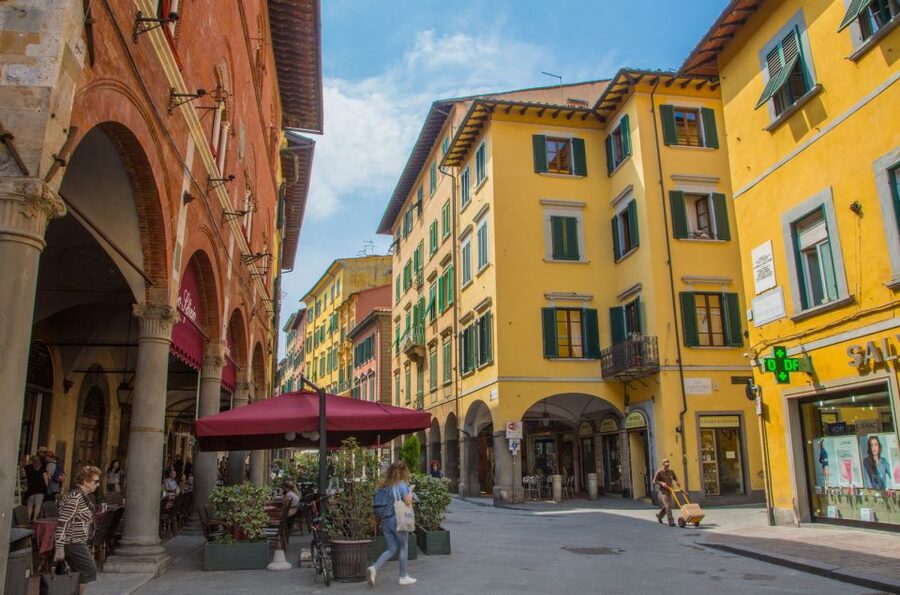
From the station, the route heads along busy Corso Italia. This is one of Pisa’s main commercial streets, so you see modern shops and ordinary city traffic rather than a preserved museum setting.
The walk then introduces Sant’Antonio and San Martino, two districts on the south bank of the Arno. This section gives you a useful framework for understanding Pisa’s layout. The city is divided by the river, and the different quarters have their own streets, buildings, and sense of place.
I like this part because it makes the walk feel local. You are not being moved directly from one photo stop to another. You are crossing a real city, seeing where people shop, walk, and live. David also uses buildings and street details to explain how Pisa changed over time, including the reuse and integration of older materials.
That architectural reading is one of the tour’s better features. You are encouraged to look up and around, not just at the guide. A doorway, wall, ceiling, or reused stone can say something about the city’s long development.
The Arno, Ponte di Mezzo, and two views of Pisa
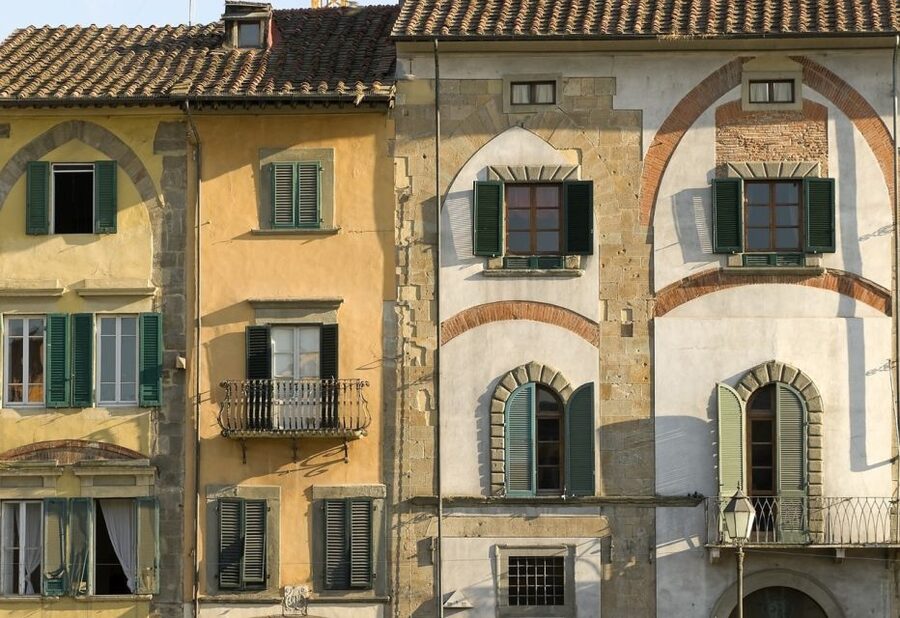
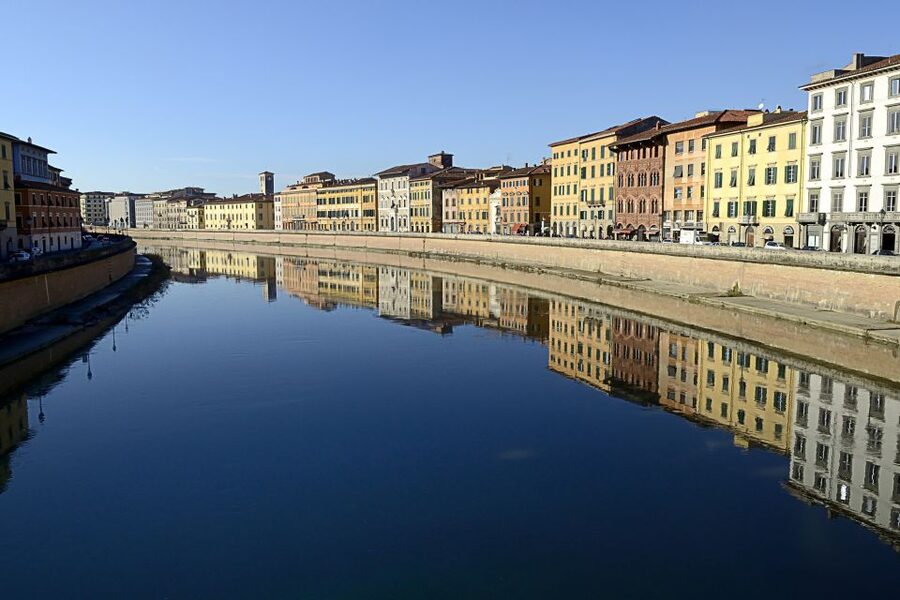
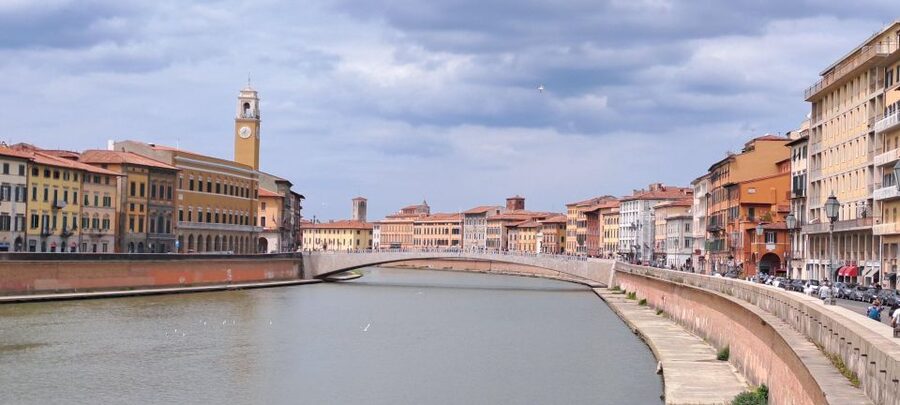
The Arno provides a natural pause in the walk. From the riverbanks and Ponte di Mezzo, you get broad views along the water and across the city. The bridge also helps you understand the relationship between the southern and northern quarters.
This is one of the more photogenic portions of the route, but it is not only a picture stop. The river has shaped Pisa’s movement and identity, and crossing it gives the tour a clear sense of progress.
The pace is described as leisurely, which suits this section. You can stop for views, listen through the provided headset, and keep up without hurrying. Comfortable shoes are still essential, since two hours on stone and paved streets can feel longer than the distance suggests.
On a warm day, the lack of a fast pace helps, but the heat can still wear you down. One family found the walk manageable with children aged 10 and 13, although summer conditions made the outing more demanding. If you visit during hot weather, bring water and consider an early or later starting time when available.
More Walking Tours in Italy:
- Venice: Doge’s Palace and St Mark’s Basilica Walking Tour
★ 4.4 · 6,291 reviews - Milan: Guided Walking Tour & Last Supper Visit with Ticket
★ 4.7 · 5,409 reviews - Naples: Street Food Walking Tour with Local Guide
★ 4.9 · 4,976 reviews - Florence: Highlights Walking Tour with Expert Guide
★ 4.6 · 4,662 reviews
San Francesco, Santa Maria, and the city beyond the postcard
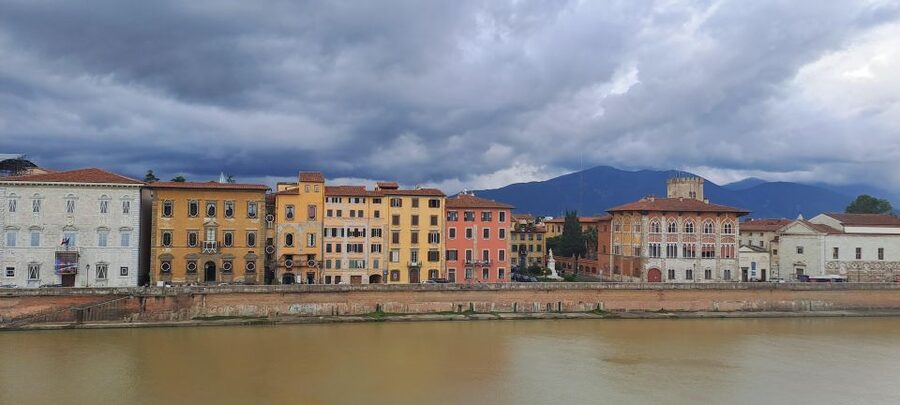
On the north bank, the route explores San Francesco and Santa Maria. These districts lead you away from the station and toward the city center, with more old streets and local landmarks along the way.
This portion is where the tour’s promise of lesser-known Pisa is most useful. You do not simply hear that the city has other sights. You are taken through areas that many short visits skip because they are focused on reaching the tower as quickly as possible.
The walk also covers Pisa’s university character and its everyday rhythm. The city feels lively without being reduced to tourism. You might find students, shops, market activity, and trattorias alongside centuries-old architecture.
David’s approach is detailed. He has been praised for explaining building styles and showing how the city changed from its earlier periods into the Pisa you see today. If you enjoy history presented through physical evidence, this is a strong part of the tour.
If you prefer a short set of entertaining stories, the detail may be less welcome. One family felt there were too many wars and dates for the children, and another participant would have preferred more stories and fewer facts. That is fair criticism. David’s strength is breadth, but you should expect a history lesson as well as a stroll.
Borgo Stretto and Piazza delle Vettovaglie
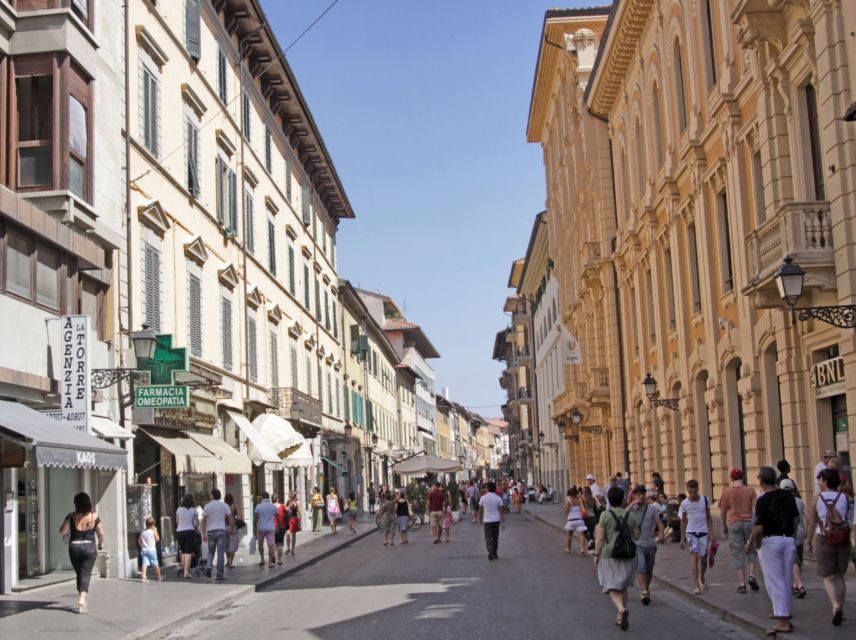
Borgo Stretto brings you into the heart of Pisa. Its arcaded streets and central position make it a natural place to watch the city at work. The route then reaches Piazza delle Vettovaglie, known for market stalls and trattorias.
This stop is valuable because it connects sightseeing with practical travel. You get a feel for where people eat and gather, rather than being pointed only toward grand monuments. David has also offered advice about places to eat, including local food such as cecina, a savory chickpea flatbread associated with the area.
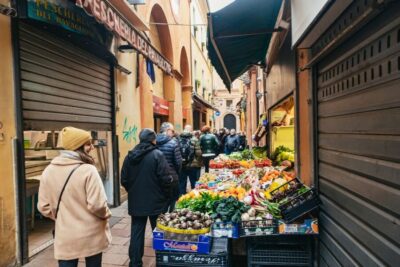
The square may feel very different depending on the hour. Market activity, restaurants, and local traffic give it a lived-in quality. It is not a quiet old-world set piece, and that is exactly why it belongs on the route.
I would pay attention here if you are planning to stay for lunch or dinner. The tour does not include a meal, but the local food guidance can help you avoid choosing a restaurant based only on proximity to the tower. Eating near the main monument is convenient, but the city center offers a more useful setting for a relaxed meal.
Piazza dei Cavalieri and Pisa’s grander side
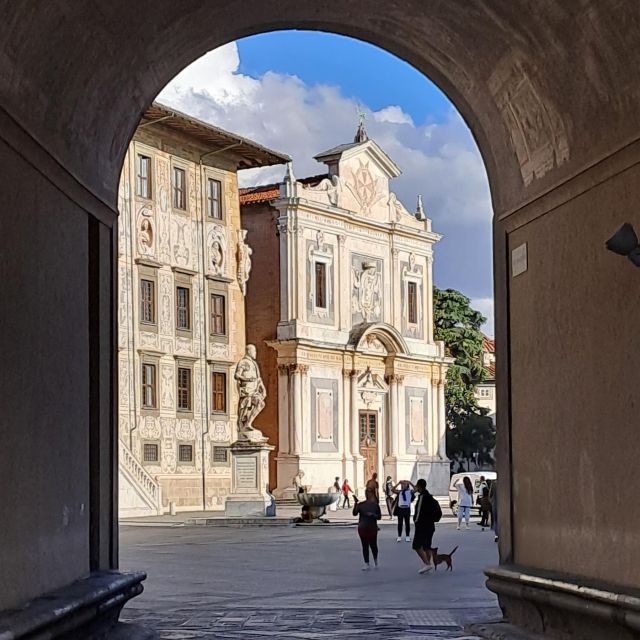
Piazza dei Cavalieri is one of the tour’s strongest architectural stops. Florentine architects redesigned the square at the end of the sixteenth century, giving it a formal appearance that differs from the more casual streets and market areas you have just seen.
This change of mood is important. Within a short walk, Pisa moves from shopping streets and neighborhood lanes to a carefully composed civic space. David explains the historical forces behind that transformation and places the square within Pisa’s wider political story.
The square is also a good example of why a guide can add value. You can walk across it alone and admire the façades, but you may miss how the architecture reflects changes in power and city planning. The tour gives you a way to read the place rather than simply photograph it.
Some participants have wished for more attention to old interiors, ceilings, and building details, including historic spaces now occupied by modern shops. That is a useful limitation to keep in mind. The walk is strongest outdoors, and not every interesting interior is explored.
Approaching the Cathedral and Leaning Tower
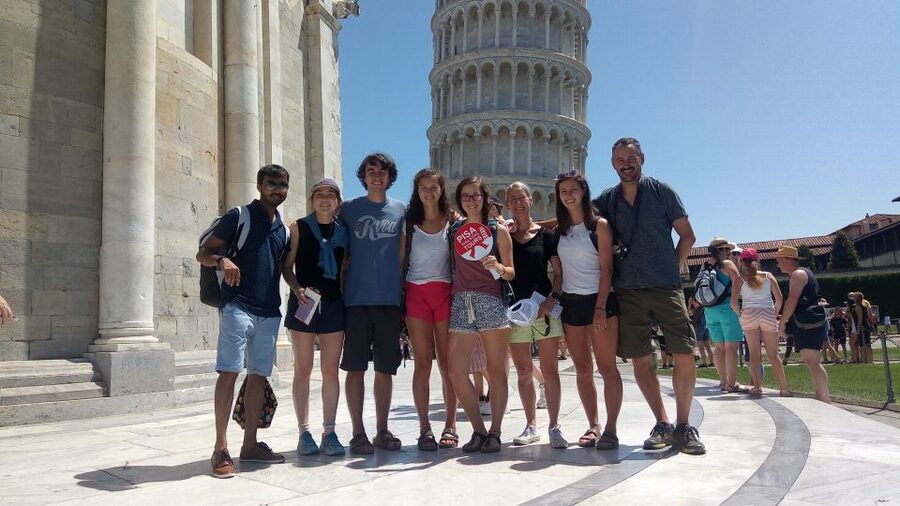
The final section brings you to the UNESCO-protected monumental complex of the Cathedral and Leaning Tower. The tour makes an external visit, so you should not expect entry into the tower or Cathedral as part of the $30 fee.
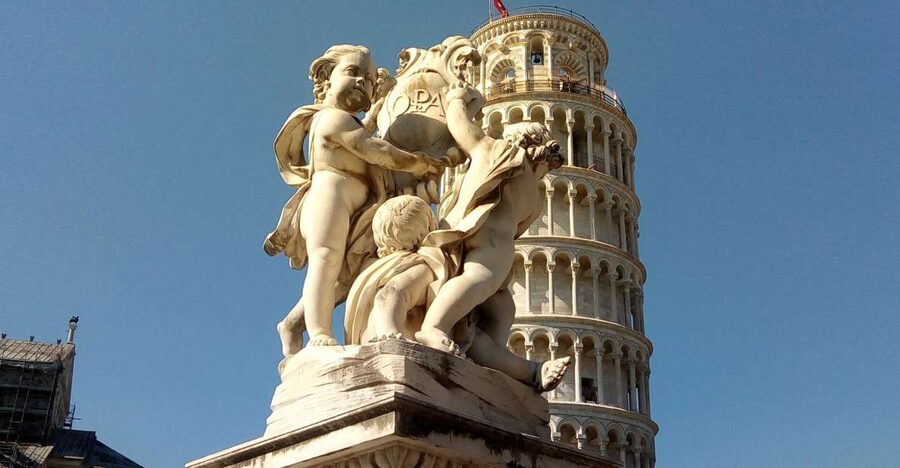
The delayed arrival works well. You see the tower after learning about the city around it, and the monument feels more dramatic because it is not the first thing you encounter. David also chooses an approach that gives the complex a strong visual reveal. One participant specifically appreciated reaching the Cathedral and tower from a striking angle.
Here you have time to take photographs and get your bearings. You will see the Cathedral, the Leaning Tower, and the surrounding monumental area, then finish at the tower itself. If you want to climb the tower, arrange that separately and allow additional time.
A tower-only visit is faster, but it gives you little context. This tour does not replace entry tickets, yet it does make the exterior visit more meaningful. You learn about the tower’s restoration and the long story behind its famous tilt, subjects David has included in his explanations.
The guide: David Giacomo’s strengths and style
David Giacomo is the main reason this experience receives such strong marks. His style combines local pride, broad historical knowledge, and a sense of humor. He has explained Pisa’s connection with Galileo, Vespa, Keith Haring, wartime strategy, Roman and Tuscan history, and the restoration of the Leaning Tower.
That is a wide range for two hours. David also connects with the people on the tour, including their home countries and questions. This helps keep the walk personal rather than turning it into a memorized speech.
His strongest quality is the ability to show that Pisa is still a city, not just an attraction. He points out details you might pass without noticing and explains how old materials and buildings have been reused. I find that kind of guidance more useful than a string of isolated dates.
The tradeoff is density. David can give you more information than you can remember, and some tours have lasted about 40 minutes beyond the stated two hours. That may be welcome if you want extra history, but it can be a problem if you have a train, lunch reservation, or tired children waiting at the end.
Who should book this two-hour walk?
This is a good fit for:
- First-time visitors who want context before exploring the tower area alone
- People arriving at Pisa Centrale by train
- Travelers with a half-day who want to see both everyday streets and major monuments
- Families who can manage a steady outdoor walk
- Architecture and history fans
- Visitors who prefer a local guide to a self-guided route
It is less suitable if you only want a quick photograph, need guaranteed completion in exactly two hours, or prefer a light tour with very few dates and explanations. It also may not be ideal in heavy rain, despite being wheelchair accessible, since the route is outdoors and weather can affect comfort.
The tour is pet-friendly and child-friendly, and the walking pace is relaxed. English is the stated tour language, and headsets are included so you can hear David more clearly in busy streets.
Should you book the Pisa Walking Tour?
Book it if you want Pisa to become more than a stop for a tilted-tower photograph. The route covers the major monument while giving you the Arno, old quarters, market life, architecture, modern art, and useful food advice. At $30, that is solid value for a first visit.
Choose a different plan if you mainly want to enter the Leaning Tower, since admission is not included. You should also leave flexibility after the scheduled finish in case the guide’s detailed style stretches the walk.
For most visitors arriving by train, I would book this early in the day and use the final stop at the tower as the starting point for your own monument visit. Cancel up to 24 hours ahead for a full refund, and you can reserve now while paying later, which helps if your Tuscan route is still shifting.
FAQ
Where does the Pisa walking tour start?
The tour starts at the fountain in front of Pisa Centrale train station.
Where does the tour finish?
The walk finishes at the Leaning Tower of Pisa.
How long does the tour last?
The scheduled duration is two hours. Some departures may run longer, so allow extra time if you have a train or another fixed booking.
Does the tour include entry to the Leaning Tower?
No. The tour includes an external visit to the Cathedral and Leaning Tower complex. Entry tickets are not included.
Is transportation included?
No. You are responsible for getting to the meeting point at Pisa Centrale.
What language is the tour offered in?
The live guided tour is offered in English.
Is the tour wheelchair accessible?
Yes, the activity is listed as wheelchair accessible.
Can children and pets join?
Yes. The tour is described as child-friendly and pet-friendly, and it moves at a leisurely pace.
What should I bring?
Bring comfortable shoes. The experience is a two-hour walking tour through city streets, river areas, and historic districts.
New routes in Italy
- Private St. Francis Basilica of Assisi and City Walking Tour★ 5.0 · 114 reviews
- Assisi Private Walking Tour including St. Francis Basilica★ 5.0 · 124 reviews
- Milan: City Highlights Walking Tour with The Last Supper★ 4.9 · 195 reviews
- Florence: Heart of Florence Guided Walking Tour★ 4.0 · 81 reviews
- Milan: Private or Shared Essential Walking Tour★ 4.7 · 84 reviews
- Taormina: Shared or Private Food & Wine Walking Tour★ 4.6 · 167 reviews
- Syracuse: Ortigia Private Walking Tour★ 4.8 · 181 reviews
- Syracuse: Ortigia and Neapolis Guided Walking Tour★ 4.7 · 205 reviews
Italy Walking Tours, compared.
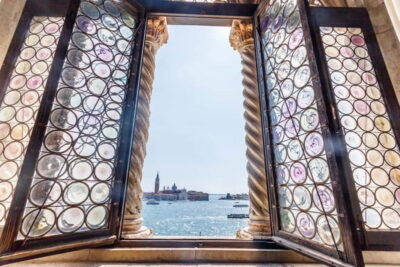
Doge’s Palace and St Mark’s Basilica Walking Tour
Read our review →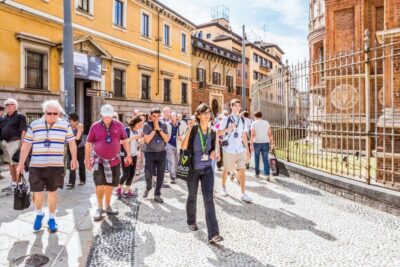
Guided Walking Tour & Last Supper Visit with Ticket
Read our review →
San Marco to Rialto Walk & Spritz Like a Local
Read our review →
Uffizi & Accademia Timed Entry: Small Group Duomo Walking Tour
Read our review →
Browse the lists this tour appears in