
Review · POLAND
Old Town Poznan: Guided Walking Tour in English
Poznań’s Old Town tells a bigger story than its pretty façades suggest. In two hours, you move from Liberty Square and the Royal Castle to the colorful Old Market Square, learning how trade, faith, Prussian rule, and Polish self-reliance shaped this important city.
I like the compact route, which gives you a useful first look at central Poznań without taking up half your day. I also like the guide-led storytelling, especially the link between the city’s trading wealth and its later focus on education, social work, and business.
The main consideration is the group size. This is a popular general walking tour, and large attendance can sometimes require splitting into two groups. That helps, but you should still expect a public tour rather than a private walk.
Key points to know before you go
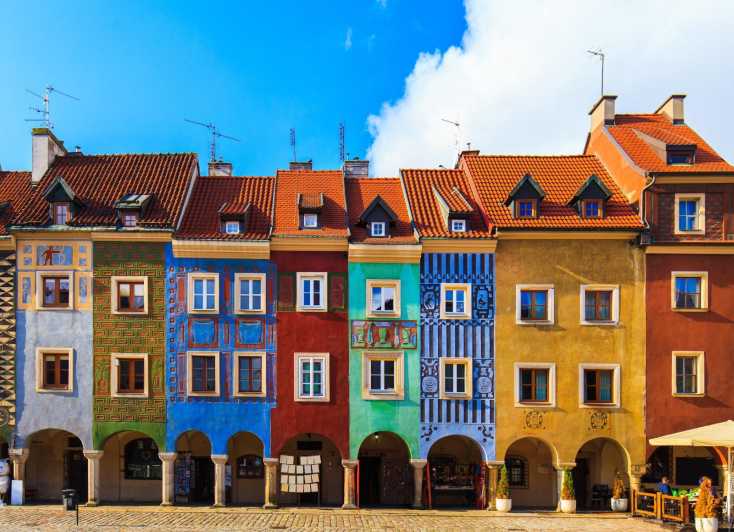
- Two hours in the historic center: The route covers Liberty Square, the Royal Castle, Old Market Square, the Old City Hall, colorful townhouses, and the Parish Church.
- English-speaking live guide: Guides including Susan, Jenna, Margret, and Svetlana have led informative, friendly walks with practical advice for the rest of your stay.
- A useful history lesson: You learn how Poznań grew through trade and how local people responded to Prussian rule through education, social organization, and economic progress.
- Easy meeting point: Find the guide beside the fountain at Plac Wolności, or Freedom Square, under a yellow umbrella.
- Good value at $26: The fee covers the reservation and guide’s payment, so you are not expected to make a separate payment at the end.
- Flexible booking: You can cancel up to 24 hours before the tour for a full refund and reserve without paying immediately.
Starting at Liberty Square beside the fountain
Your walk begins at Plac Wolności, or Freedom Square, a central open space with a fountain. This is a practical meeting point because it is easy to spot the guide’s yellow umbrella and gives the group room to gather before setting off.
Arrive 10 minutes early. That small buffer matters on a walking tour because the guide needs to check the group and begin on time. You will not receive hotel pickup, so plan your own way to the square.
Liberty Square is also a fitting place to begin a tour about Poznań’s changing identity. The city sits in Greater Poland, the area closely tied to the early development of the Polish state. From the opening minutes, the guide places the streets around you in a wider story of trade, political control, and local determination.
The guide’s role is important here. This is not simply a walk past old buildings. The strongest part of the experience is the way the guide connects places you can see with events that took place over many centuries.
More Old Town Walking Tours in Poland
- Warsaw: Old Town Highlights Walking Tour in English
★ 4.7 · 1,516 reviews - Old Town Krakow & Wawel Castle Walking Tour
★ 5.0 · 1,508 reviews - Krakow: The Old Town Walking Tour
★ 4.8 · 794 reviews
The Royal Castle and Poznań’s changing power
The Royal Castle is one of the route’s main historical markers. Its presence reminds you that Poznań was not only a merchant city but also an important center of political power.
The tour uses the castle as a way to explain Poznań’s place in Polish history. You hear about the city as part of the cradle of Polish statehood, then follow its development as trade routes brought money, people, and new ideas through the region.
This stop is especially useful if you are new to Polish history. The country’s borders and political rulers changed repeatedly, and it can be difficult to keep the story straight from guidebooks alone. A good walking guide can put those changes into a sequence you can follow while standing in the actual streets where the city developed.
The Royal Castle also helps balance the tour. The route is not limited to colorful buildings and attractive views. You get a sense of the city’s political importance, then see how that importance mixed with commerce and daily life.
Old Market Square and the Pranger
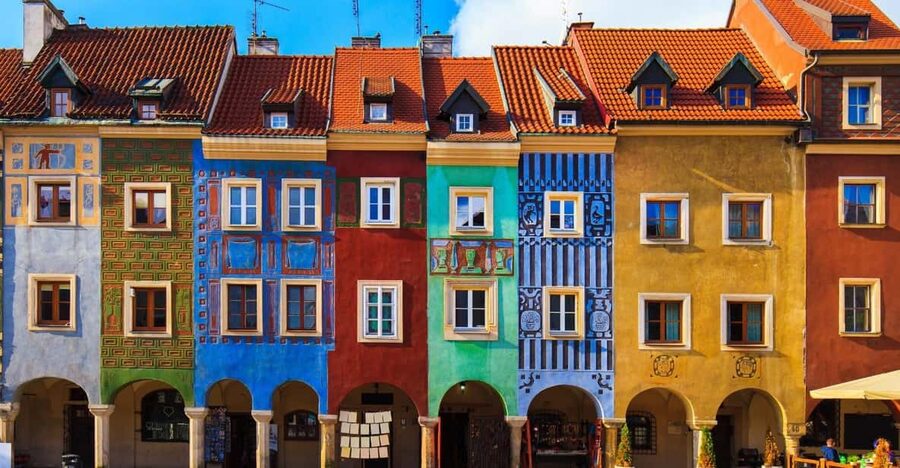
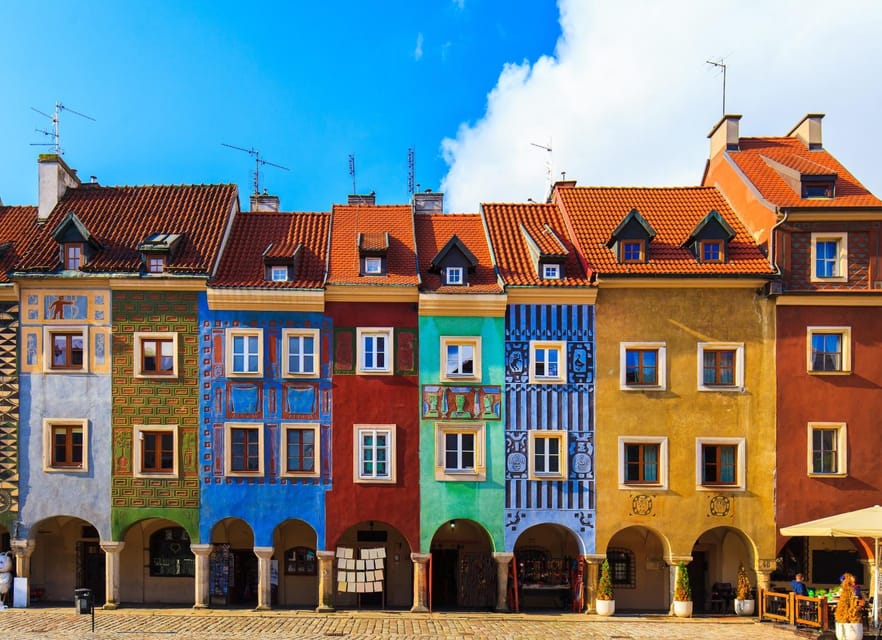
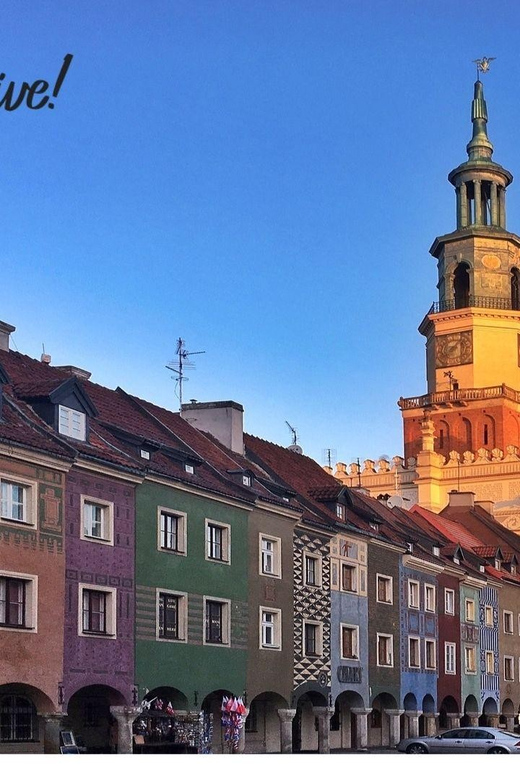
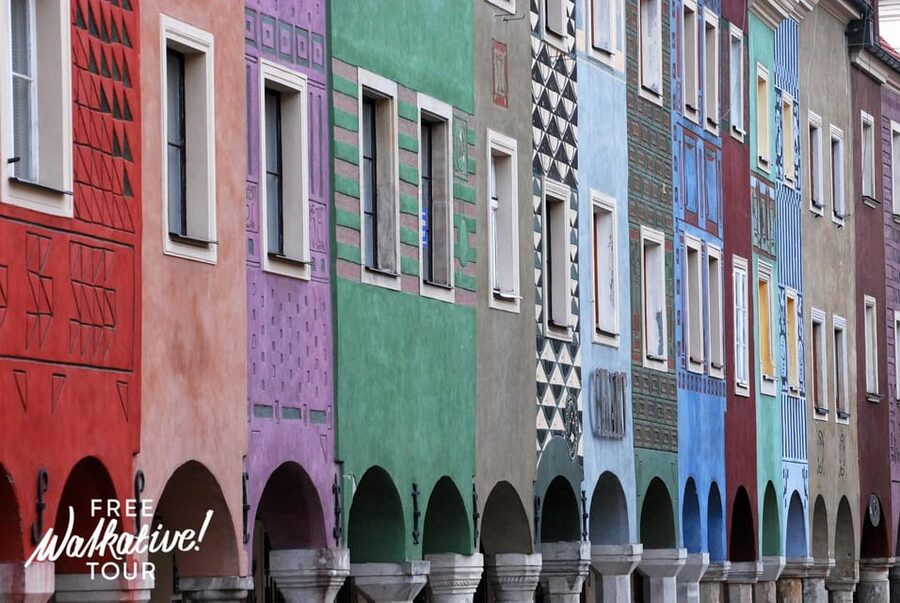
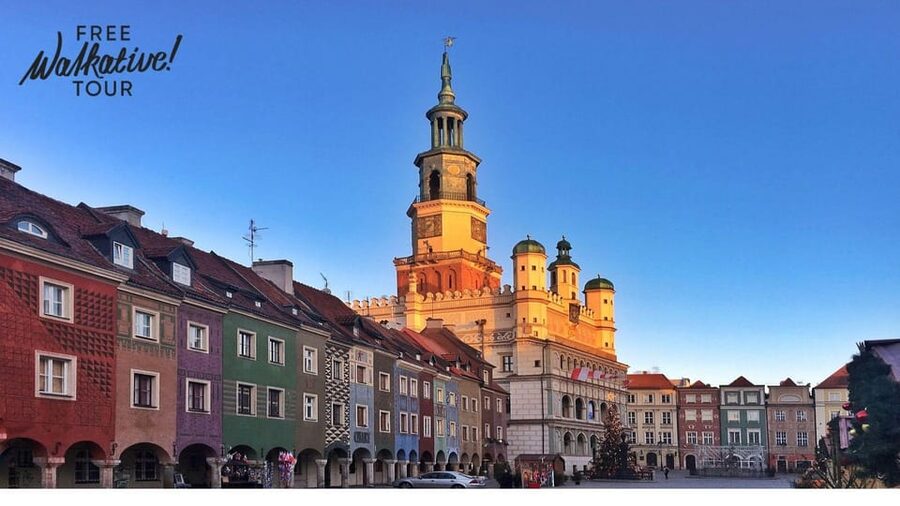
Old Market Square is the visual center of the walk. Its colorful townhouses and broad open space show the wealth that Poznań gained from its position at the crossroads of major trade routes.
This is where the city’s trading character becomes easiest to understand. The surrounding façades are not just decorative backdrops. They reflect the money and ambition that gathered in a place where merchants did business and different communities met.
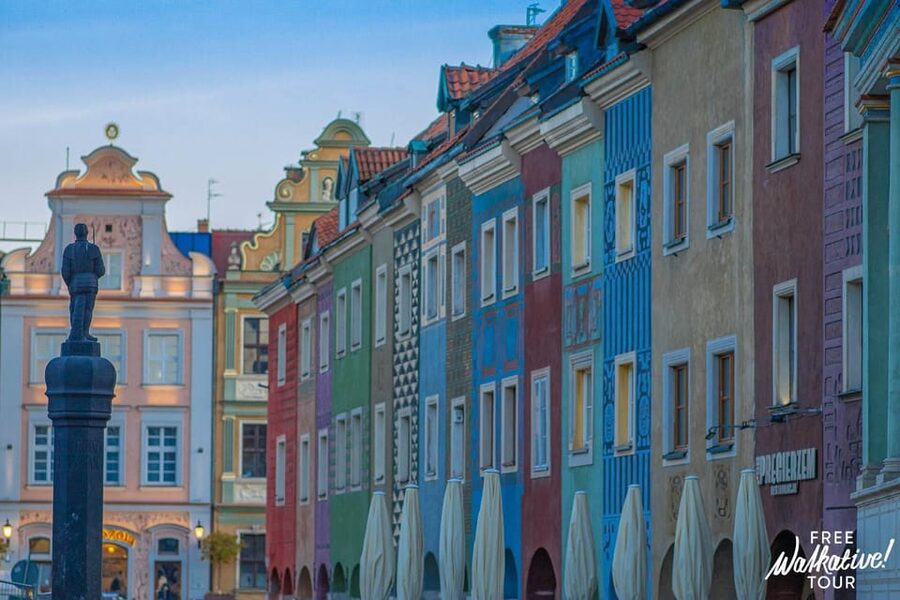
The Pranger is another memorable feature. This historic column gives the square a more complicated feel than a simple postcard view. It is a reminder that public spaces once served legal and social purposes as well as commercial ones.
Give yourself time to look upward at the tenement houses. The colors and details reward a slower glance, even during a guided walk. Your guide can point out features that are easy to miss if you are focused only on the square’s main buildings.
One practical drawback is that the market square is likely to be the busiest part of the route. If the group is large, it can be harder to hear every detail or stay close to the guide. The tour has handled heavy attendance by splitting people into two groups, which keeps the walk more manageable, but conditions can still vary.
The Old City Hall and the colorful townhouses
The Old City Hall is one of the tour’s central stops and a good place to see how civic pride and commercial success came together in Poznań.
The building and nearby tenements help explain how the city looked when it was prospering as a trading center. You get both the grand public architecture and the more personal details of the surrounding façades.
This part of the walk is valuable because it slows the story down. Large political events can feel distant, but the buildings around the square show how those events affected the city’s public life. Wealth had to be managed, displayed, and protected, and the architecture gives you a visible record of that process.
I would pay close attention to the guide’s local stories here. The strongest comments from this kind of tour are often not the dates you can find in a guidebook, but the details that help you understand how people used the square and why the buildings look the way they do.
The route is also paced for sightseeing rather than exercise. The reported experience of the walk is a comfortable tempo, with time to listen and take in the main views. Still, you should wear practical shoes. Two hours on city streets is easy for most people, but it is not a seated tour.
Same streets, a different guide:
- Creepy Krakow: 2-Hour City Walking Tour
★ 4.7 · 1,131 reviews - Gdańsk City Sights & History Guided Walking Tour in English
★ 4.8 · 876 reviews - Warsaw: Old Town Guided Walking Tour
★ 4.9 · 599 reviews - Krakow: Kazimierz Jewish Quarter Walking Tour
★ 4.8 · 571 reviews
The Parish Church and the role of faith
The Parish Church adds another layer to the walk. After the political story of the castle and the commercial story of the market square, the church shows how faith shaped the city’s identity and public life.
The stop also gives the tour a more balanced rhythm. You are not only looking at façades and civic buildings. The route includes a place tied to worship, community, and the long continuity of the city.
Expect the guide to place the church within the wider story of Polish culture. This is one reason an English guided walk can be more useful than a self-guided route. You can see the building alone, but the guide helps explain why it matters in relation to Poznań’s development.
The tour’s focus is the Old Town, so the Parish Church is part of a larger walking narrative rather than a stand-alone religious visit. If you want a long interior visit or detailed art history, you may need to explore further on your own after the tour.
Prussian rule and Poznań’s practical spirit
One of the more interesting themes is what happened when Poznań became part of Prussia at the end of the 18th century.
The tour explains that Poles faced persecution and efforts at Germanization during the partitions. But the response in Poznań was not limited to armed rebellion. People also concentrated on education, social projects, and economic development.
That detail gives the city a character different from the simple image of a place defined by conflict. The story becomes one of building strength through schools, organizations, business, and everyday cooperation. It helps explain why Poznań can feel practical and grounded compared with some other Polish cities.
I find this one of the most useful parts of the tour because it connects history with the city you see today. Poznań is known as an economic and cultural center, a university city, and a place that hosts international fairs. The guide presents those modern traits as part of a long habit of organization and enterprise, not as an accidental modern feature.
The subject can also make the tour feel heavier than a standard sightseeing stroll. If you want only light anecdotes and architecture, some of the political history may be more serious than expected. For most visitors, that balance is a strength.
What the guides add to the experience
The guide can make or break a two-hour walking tour. Here, the guide is expected to lead in English and provide both historical context and practical suggestions for your stay.
Several guides have received especially warm feedback for their style. Susan is described as energetic and generous with facts. Jenna is associated with a friendly manner and a steady pace. Margret has led an entertaining walk and helped keep a large group organized by dividing it into smaller sections. Svetlana has been praised for making the history and culture feel interactive while adding ideas for other places to visit.
You should not assume you will receive a particular guide, but these examples show the kind of approach to expect: clear explanations, local stories, and advice that extends beyond the official route.
The practical tips can be just as useful as the history. One guide provided a Google Maps list of recommended places, which is handy if Poznań is your base for more than one day. A walking tour is more valuable when it helps you decide what to see, eat, or explore next.
The tour is also designed for a general audience. You do not need specialist knowledge of Polish history, and the English format makes it a good first activity for international visitors. The guide’s job is to make the city understandable without turning the walk into a lecture.
Group size, pace, and accessibility
This is a public tour, not a private booking. Attendance can vary, and a popular start may bring enough people for the operator to create two groups. That is a positive solution, though you should be ready for some movement and noise in the busiest parts of the Old Town.
The walk lasts two hours. That is long enough to cover the main sights and give you a basic historical framework, but short enough to fit on an arrival day or before an afternoon activity.
The tour is wheelchair accessible, which makes the route more practical for many visitors. You should still consider the normal conditions of a central-city walking route, including crowds and changing street surfaces, but the stated activity format is accessible.
Food and drinks are not included. That is not a problem for most people because the tour is short, but bring water if the weather is warm. You can plan a café stop or meal afterward in the Old Town.
Is $26 a fair price?
At $26 per person, this is a sensible price if you want a structured introduction to Poznań rather than a quick look at the square.
The value comes from the context. You are not paying only to be led between the Royal Castle, Old Market Square, and Parish Church. You are paying for a guide who explains how those places connect to trade, Polish statehood, Prussian rule, and modern civic life.
The payment arrangement is worth understanding. This is described as a general pay-as-you-wish tour, but the amount paid when booking covers the reservation fee and the guide’s payment. You should not treat the online price as a small booking charge followed by an expected separate tip.
I think the price makes the most sense on your first day in Poznań. The route gives you orientation, history, and ideas for the rest of your visit. If you already know the Old Town well and prefer to read at your own pace, the value will be lower.
Free cancellation up to 24 hours before the start adds useful flexibility. You can also reserve now and pay later, which helps if your schedule is still changing.
Who should book this Poznań walk?
I would recommend it to first-time visitors who want the main sights explained in plain English. It also suits people who enjoy city history but do not want to spend a full day in a museum.
The tour is a good fit for solo visitors and couples who want company for their first look at the city. Families with older children may also find the two-hour format manageable, especially because the route combines stories, buildings, and open public spaces.
You may want something else if you need a private guide, a highly specialized architecture tour, or a slow visit inside each major building. This experience is a broad introduction, not an in-depth study of one monument.
Start with the tour early in your stay if possible. Use the guide’s suggestions afterward to shape your own visits around Poznań. That is where the walk earns its keep: it gives you a framework, then leaves you free to explore at your own speed.
FAQ
Where does the tour meet?
The meeting point is Plac Wolności, or Freedom Square, beside the fountain. Look for the guide carrying a yellow umbrella.
How long does the tour last?
The guided walking tour lasts two hours.
Is the tour offered in English?
Yes. It includes a live English-speaking guide.
What sights are included?
The route includes Liberty Square, the Royal Castle, Old Market Square with the Pranger, the Old City Hall, the surrounding tenement houses, and the Parish Church.
What does the $26 price include?
The price includes the guided walking tour and guide. The stated payment covers the reservation fee and the guide’s payment.
Can I cancel or pay later?
You can cancel up to 24 hours before the activity for a full refund. You can also reserve your place and pay later.
New routes in Poland
- Krakow: Jewish Quarter Guided Walking Tour★ 4.8 · 119 reviews
- Szczecin: Old Town Highlights Private Walking Tour★ 4.7 · 76 reviews
- Krakow: Old Town Guided Walking Tour★ 4.6 · 94 reviews
- Kraków: Old Town & Wawel Castle Walking Tour in English★ 4.8 · 532 reviews
- Krakow: Old Town Highlights Walking Tour★ 4.5 · 173 reviews
- Krakow: 2h Kazimierz (Jewish Quarter) Walking Tour★ 4.5 · 75 reviews
- Krakow: Old Town Highlights Private Walking Tour★ 4.9 · 79 reviews
- Krakow: Street Food Walking Tour★ 4.8 · 285 reviews
Poland Walking Tours, compared.
Gdańsk City Sights & History Guided Walking Tour in English
Read our review →
Browse the lists this tour appears in