
Review · KRAKOW
Krakow: Street Food Walking Tour
Krakow’s best introduction may come on a plate. This 90-minute walk takes you from the Main Square to local food stops and a market, with obwarzanek, zapiekanka, pierogi, sausage, mountain cheese, sweets, and vodka along the way. I like that it treats food as a key to Polish customs, not just as a series of snacks.
I also like the small maximum of 15 people and the chance to ask for recipes or restaurant tips. Guides such as Joanna, Olga, Alicja, and Mateusz add plenty of local color. The main drawback is the short running time: you cover a lot in 90 minutes, so the walk can feel quick if you want time for photos or a long sit-down meal.
Key points at a glance
- Start beside Saint Mary’s Church: Meet in front of the church on Krakow’s Main Square, where the guide holds an excursions.city sign.
- Taste seven or more Polish specialties: The selection includes obwarzanek, zapiekanka, pierogi, pickles, kiełbasa, oscypek, bundz, sweets, and Polish alcohol.
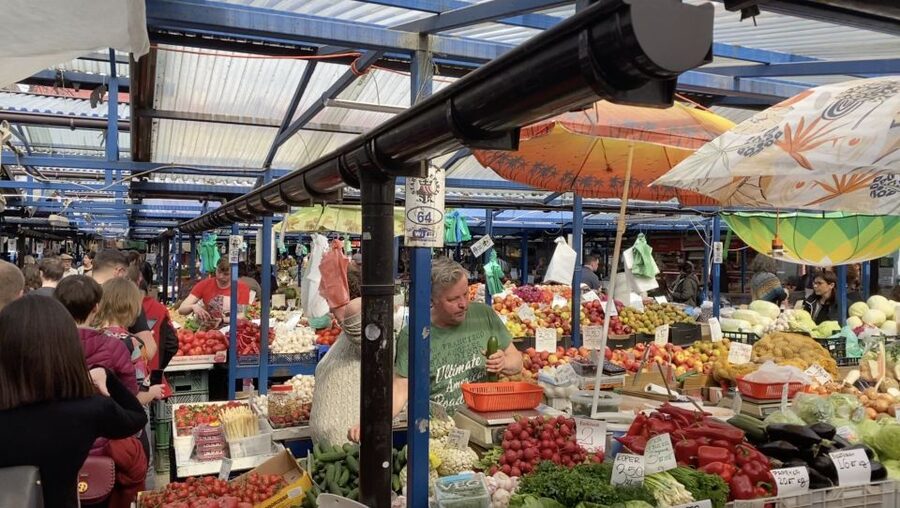
- Finish at a local market: The market stop lets you try regional products and see ingredients beyond the usual restaurant menu.
- Learn food history as you walk: Guides connect dishes and customs with Krakow and Polish culture.
- Small-group format: The group can include up to 15 people, though some departures may be much smaller.
- Plan around dietary limits: The experience is not suitable for vegans and is a poor fit for many serious food allergies or intolerances.
Why this food walk works as a first taste of Krakow
Food tours are useful in Krakow because Polish cooking can look familiar at first glance, then surprise you with its details. Dumplings, sausage, pickles, cheese, and baked bread are easy to recognize, but the seasoning, preparation, and local traditions give them a clear Polish character.
This walk puts those foods in the middle of the city rather than asking you to spend an evening in one restaurant. You move between stops, taste small portions, and hear stories about how food fits into daily life. That makes it a good first activity, especially if you have only a short stay and want an early list of dishes to order later.
The route stays in central Krakow. You meet at Saint Mary’s Church, one of the easiest landmarks on the Main Square, then set off through the city center. The exact order of food stops can vary, but the experience combines several tasting points with a market visit.
I like this format because you do not need to choose a restaurant before you understand what you want to eat. By the end, you will have tried several Polish staples and may have a better sense of which ones deserve a full meal.
More Street Food Walking Tours in Krakow:
- Ho Chi Minh City Street Food Tour & Sightseeing By Motorbike
★ 5.0 · 9,413 reviews - Naples: Street Food Walking Tour with Local Guide
★ 4.9 · 4,976 reviews - Private Street Food Evening Walking Tour in Ho Chi Minh City
★ 5.0 · 3,175 reviews
The first bite: Krakow’s obwarzanek
One of the first foods to look for is the Krakow obwarzanek, a ring-shaped bread with centuries of local tradition. It is often compared with a bagel, but that comparison only gets you part of the way. The texture and preparation make it its own Krakow specialty.
This is an important opening snack because it is simple, portable, and closely tied to the city. You are not starting with a dish created for tourists or a polished restaurant plate. You are tasting something people commonly buy while moving through Krakow.
The obwarzanek also gives the guide a natural way to explain local food customs. Ask about how it is prepared, what toppings are used, and where locals buy it. The tour specifically invites you to ask for recipes for the treats you enjoy most, so this is a good moment to start asking questions.
Zapiekanka brings Polish street food into focus
Zapiekanka is a long, open-faced piece of bread topped with ingredients and baked until hot. It is one of Poland’s classic street foods, and its appeal is easy to understand: crisp bread, savory toppings, and a filling snack that works well during a day of sightseeing.
The value here is not only the taste. Zapiekanka shows how Polish street food can be practical and adaptable. It is less formal than a restaurant dish and gives you a direct sense of how people eat between errands, shopping, and city walks.
The portion sizes are described as generous enough that you should not treat this as a tour where every tasting is just a tiny nibble. You may want to keep breakfast light, especially because the food list includes several substantial items later.
Pierogi, pickles, and the Polish balance of flavor
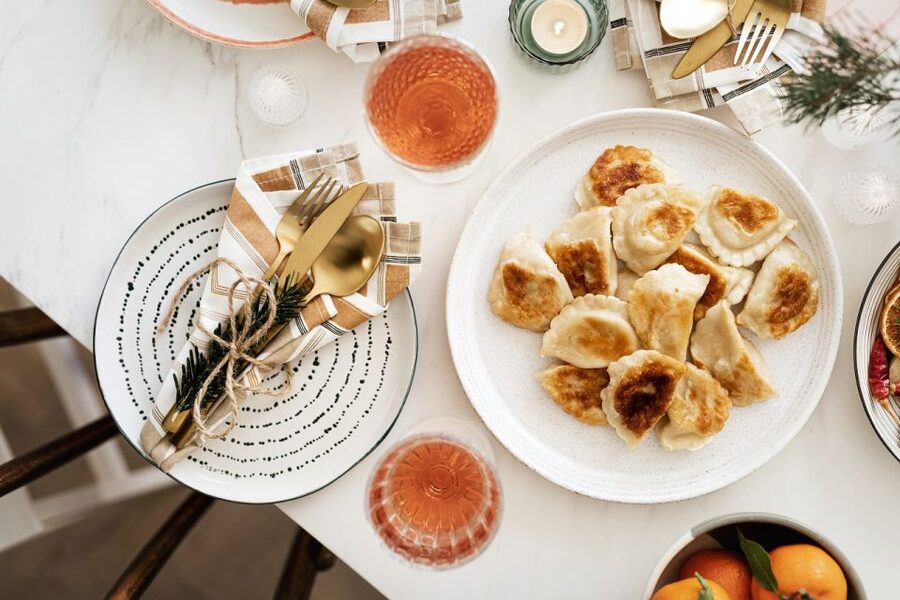
Pierogi are the familiar headline dish, but this tour places them alongside other foods that help explain Polish taste. Dumplings can be filled in many ways, and the experience gives you a chance to try a traditional version rather than simply ordering the most obvious menu item.
The pickled treats are just as useful for understanding the cuisine. Their sharp, sour flavor cuts through heavier foods such as dumplings, bread, and sausage. If you normally think of pickles as a side dish, pay attention to how they change the balance of the meal.
This is where a good guide matters. Joanna, Olga, and several other guides are praised for explaining the food clearly and linking it with Polish customs. The strongest part of the tour is not simply being handed a sample. It is learning why the food tastes the way it does and how it fits into local habits.
More Food Walking Tours in Krakow:
- Reykjavik Food Walk – Local Foodie Adventure in Iceland
★ 5.0 · 18,952 reviews - Little Havana Food and Walking Tour in Miami
★ 5.0 · 8,882 reviews - New Orleans Food Walking Tour of the French Quarter with Small-Group Option
★ 5.0 · 6,118 reviews - Authentic Parisian Gourmet Food Tour with 10 Local Dishes & Wines
★ 5.0 · 4,754 reviews
Kiełbasa and the taste of everyday Poland
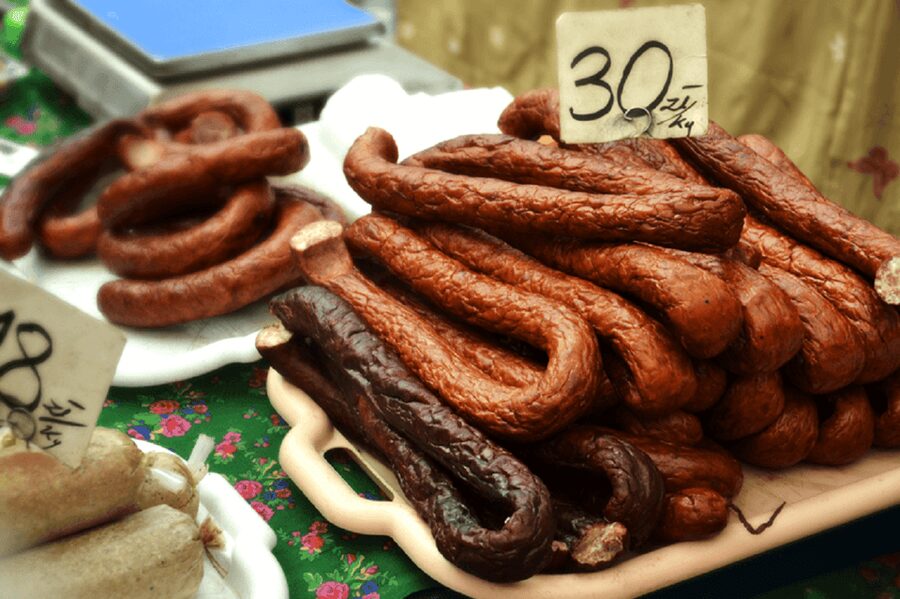
Polish sausage, or kiełbasa, is another central tasting. The term covers many styles, so do not expect every piece to taste the same. Here, the point is to try a well-known Polish food in a street-food setting and compare it with the milder or sharper flavors already sampled.
I would pay attention to the seasoning. The tour description points out that methods of seasoning help reveal the character of a cuisine, and sausage is a useful example. It brings together smoke, salt, herbs, and meat in a way that is direct and satisfying.
This stop may appeal most to people who want a broad sample of Polish cooking rather than a strictly vegetarian food walk. The tasting includes meat, and the full selection also includes dairy, eggs, wheat, and other common allergens.
Oscypek and bundz from the highlands
The traditional highlander cheeses, oscypek and bundz, add a regional note to the city-center route. Oscypek is strongly associated with Poland’s southern mountain areas, while bundz is another cheese from the highlander tradition.
Their presence keeps the tour from being limited to obvious Krakow snacks. You get a taste of food from the wider Lesser Poland region, not only what you might find at a central fast-food counter.
Cheese can also be a useful contrast with the bread, dumplings, and sausage. If you enjoy trying regional products at markets, this part of the experience may be one of the most interesting. It is also a reminder that Polish food is not only about heavy main dishes. Local dairy products have their own textures and character.
The market stop is the tour’s most useful finish
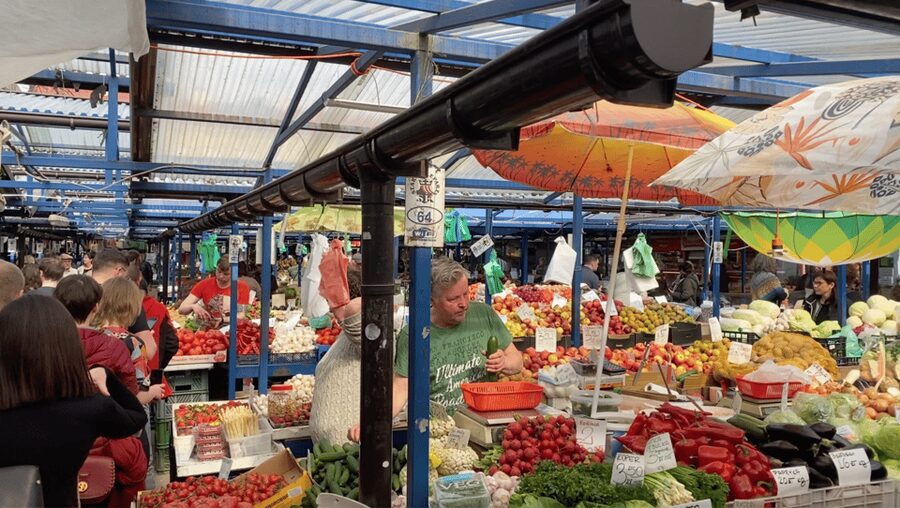
The market visit gives the walk a change of pace. Instead of moving from one prepared snack to another, you get to see a wider spread of regional products and taste items that may not appear on a standard restaurant menu.
Several aspects make this stop especially valuable. First, it lets you compare prepared street food with ingredients and products sold for everyday use. Second, it gives you a place to ask about what you are seeing. Third, it can point you toward foods to seek out during the rest of your stay.
You may find this part more relaxed than the earlier stops, but the tour still lasts only 90 minutes. One person described the experience as a quick tour with three food stops before the market, while another felt the time passed too quickly. Both points are worth keeping in mind. The short format is efficient, but it leaves little room for lingering.
If you want to return later, note down the names of foods and stalls as you go. The tour encourages questions about recipes, and several guides also give suggestions for places to eat afterward. That practical advice can be worth as much as the tasting itself.
A small group makes the food talk easier
The maximum group size is 15. That is small enough for a guide to keep people together in city-center streets and still answer questions without turning the walk into a lecture.
Actual group sizes can be much smaller. Some departures have had only a few people, and one departure became a private-feeling walk with a single participant. You should not book on the assumption that this will happen, but the 15-person limit provides a useful ceiling.
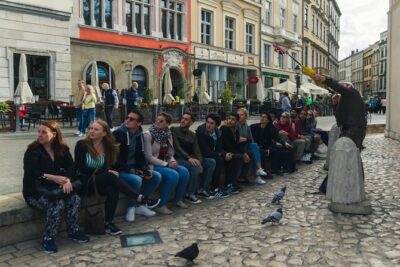
The social side is part of the design. You share reactions, compare favorite foods, and hear different responses to unfamiliar flavors. That works best if you are comfortable tasting at a shared pace rather than choosing every dish yourself.
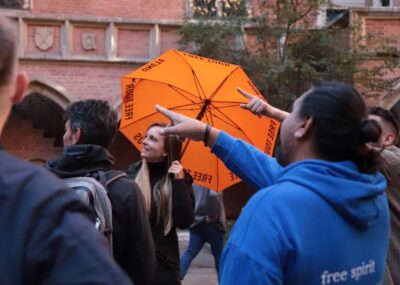
The guides are a major part of the experience. Joanna is repeatedly praised for combining food explanations with Krakow history. Olga is described as upbeat and clear, while Alicja, Carolina, Anna, Paulina, Mateusz, and others have been singled out for friendly, engaging presentations. Guide assignments can change, but the pattern is clear: the tour depends heavily on a personable guide who can keep the group moving and talking.
The pace, walking, and practical comfort
This is a walking tour, but the walking is limited rather than strenuous. You remain around central Krakow and stop often for food. One participant appreciated the modest amount of walking during warm weather, while another felt the pace was a little fast for taking photographs.
I would wear comfortable shoes and arrive ready to keep up. The meeting point is in front of Saint Mary’s Church on the Main Square, and you need to arrive 10 minutes early. Once the group leaves, latecomers cannot join and the ticket is not refundable.
Weather can affect the mood because some portions take place outdoors. The tour has still worked in rainy conditions, but a coat and comfortable shoes will make the experience easier. The walk is not suitable for wheelchair users, and the activity information says it is not suitable for people with disabilities.
Language choice matters. Group tours operate in one language only, with English, French, and Italian available. Select your preferred language when booking rather than expecting a multilingual discussion within one group.
What the $35 price includes
At $35 per person, this is priced as a tasting walk rather than a cheap snack crawl. You are paying for the guide, the route, the explanations, and a broad selection of food and drink in addition to the samples themselves.
The value is strongest if you would otherwise spend time and money guessing where to eat. The tour gives you a working introduction to obwarzanek, zapiekanka, pierogi, pickles, kiełbasa, highlander cheeses, sweets, and Polish alcohol in one short session. It also finishes with a market visit and gives you a chance to collect ideas for later meals.
The value is weaker if you want large portions or a slow meal. This is not a substitute for a full Polish lunch or dinner. You may feel comfortably full by the end, but the purpose is variety and context rather than one substantial dish.
The alcohol tasting is part of the advertised selection, including traditional Polish vodka. If you do not drink, confirm what nonalcoholic alternatives are available before booking. The supplied details specifically warn that the tour is not recommended for vegans or for people with allergies or intolerances to gluten, wheat, dairy, eggs, meat, sesame, or nuts.
Free cancellation is available up to 24 hours before the start, and you can reserve now and pay later. Those terms are useful if your Krakow plans are still shifting.
Who should book this Krakow food tour?
I would choose this tour for a first morning or afternoon in Krakow. It gives you a quick orientation to central streets, introduces the foods you are most likely to see elsewhere in Poland, and provides local tips before you commit to later meals.
It also suits couples, families with older children, and solo visitors who like a little company while exploring. The small group makes it easier to ask questions, and the mix of food and history gives the walk more purpose than simply moving between snack counters.
You should think twice if you need strict control over ingredients. The food list includes many common allergens, and the tour is specifically not recommended for vegans. It may also disappoint you if you prefer a leisurely pace, long explanations at each stop, or a sit-down meal.
Should you book it?
Book this tour if you want a fast, friendly introduction to Polish street food with enough history to make each tasting meaningful. The market stop, the small group, and the range of foods make the $35 price reasonable for a first look at Krakow’s food culture.
Skip it if your diet rules out most of the menu, if wheelchair access is essential, or if you want a slow culinary class rather than a brisk city walk. For everyone else, schedule it early in your stay, arrive hungry but not over-hungry, and use the guide’s food suggestions to shape the rest of your Krakow visit.
FAQ
Where does the Krakow street food tour meet?
Meet your guide in front of Saint Mary’s Church, Kościół Mariacki, on Krakow’s Main Square. The guide will hold an excursions.city sign.
How long does the tour last?
The tour lasts 90 minutes.
How much does the tour cost?
The listed price is $35 per person.
What food is included?
The tastings include obwarzanek, zapiekanka, pierogi, pickled treats, kiełbasa, oscypek, bundz, sweets, and Polish alcohol.
Is Polish vodka included?
Yes. Traditional Polish alcohol is included, and the tour information specifically says to be ready to try traditional Polish vodka.
What languages are available?
The tour is available in English, French, and Italian. Each group tour operates in one language only.
How large is the group?
The maximum group size is 15 participants.
Is the tour suitable for vegans or people with food allergies?
It is not recommended for vegans or for people with allergies or intolerances to gluten, wheat, dairy, eggs, meat, sesame, or nuts.
What happens if I need to cancel?
You can cancel up to 24 hours in advance for a full refund. You can also reserve now and pay later.
New routes in Krakow
- Krakow: Jewish Quarter Guided Walking Tour★ 4.8 · 119 reviews
- Krakow: Old Town Guided Walking Tour★ 4.6 · 94 reviews
- Kraków: Old Town & Wawel Castle Walking Tour in English★ 4.8 · 532 reviews
- Krakow: Old Town Highlights Walking Tour★ 4.5 · 173 reviews
- Krakow: 2h Kazimierz (Jewish Quarter) Walking Tour★ 4.5 · 75 reviews
- Krakow: Legends and Tales of Old Town Walking Tour★ 4.8 · 227 reviews
- Krakow: Old Town Highlights Private Walking Tour★ 4.9 · 79 reviews
- Krakow: Evening Walking Tour with Spooky Stories★ 4.7 · 500 reviews
Krakow Walking Tours, compared.
Browse the lists this tour appears in