Review · NUREMBERG
Nuremberg 2-Hour Old Town Highlights Walking Tour in English
Nuremberg’s past comes at you in layers on this two-hour walk: medieval walls, Renaissance art, the Holy Roman Empire, and the difficult story of the Nazi Party grounds. You begin at the main train station and finish in the Hauptmarkt, so the tour is useful from your first hour in town.
I like the easy meeting point and the practical advice woven into the history. I also like that the route includes both famous sights, such as the Imperial Castle and Albrecht Dürer’s House, and small details such as where to find Nuremberg sausages and amber lager. The main consideration is pace: two hours covers a lot, and most stops are outside or viewed from the street.
- Start at Hauptbahnhof: Meet by the large center arch, where your guide holds a red and white Nuremberg Tours in English sign.
- Walk through Handwerkerhof: Begin among the city walls and traditional craft shops near the station.
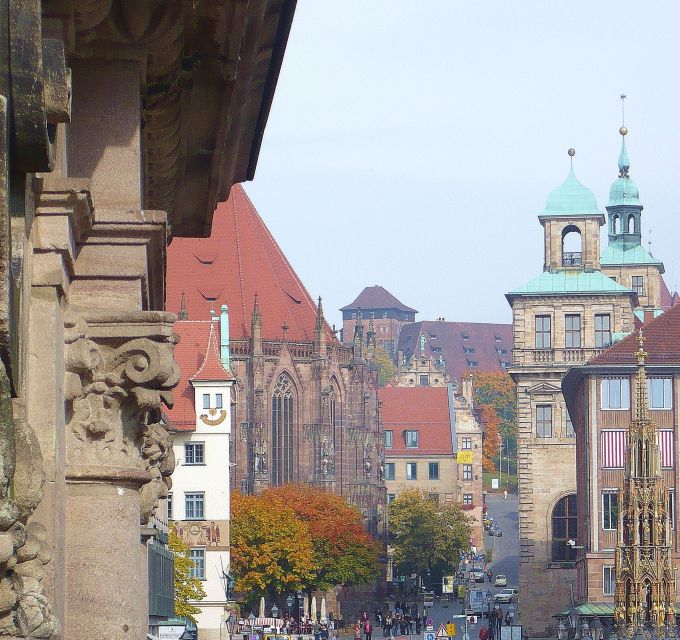
- See the main Old Town sights: Pass St. Lorenz Church, St. Sebaldus Church, Old City Hall, and the Hauptmarkt.
- Visit castle courtyards: The Imperial Castle section gives you a feel for Nuremberg’s role in the Holy Roman Empire.
- Connect art with place: Albrecht Dürer’s House and Albrecht-Dürer-Platz bring the German Renaissance into the walk.
- Get local planning tips: Your guide can point you toward grilled sausages, amber lager, modern food, and useful places for the rest of your stay.
A smart first look at Nuremberg
For $21, this tour gives you a guided orientation to the heart of Nuremberg without taking half a day. I see it as a good first activity, especially if you arrive by train and want to start sightseeing right away.
The route takes place mostly in a pedestrian zone. That matters in Nuremberg, where you can look up at towers, walls, and half-timbered buildings without constantly stepping aside for traffic. You still need comfortable shoes, since this is a genuine walking tour rather than a short series of roadside stops.
The guide speaks English, and the tour provider uses experienced English-speaking guides. One recent guide, Hannes, was praised for explaining the city with a mix of factual detail and humor. On a wet day, he also looked for shelter while continuing the talk. That is a useful sign for anyone visiting in uncertain weather, though the guide on your date may be someone else.
Meeting beneath the station arch
Your starting point is in front of the large central arched entrance to Nuremberg Hauptbahnhof. Look for the red and white Nuremberg Tours in English sign, and arrive a few minutes early so you can check in without holding up the group.
This is one of the tour’s strongest practical features. The train station is easy to locate, and the Old Town begins nearby. If you arrive in Nuremberg by rail, you do not need an extra taxi ride or a complicated search through side streets.
The tour ends at Hauptmarkt, the central marketplace. That gives you a useful launching point for lunch, more sightseeing, or a return walk through the Old Town. The tour does not include transportation, and the guide is the only listed inclusion, so plan to handle your own train tickets, food, and attraction admissions.
More City Highlights Walking Tours in Germany
- Frankfurt Highlights English Walking Tour
★ 5.0 · 1,203 reviews - Cologne: Old Town Highlights Walking Tour
★ 4.6 · 1,093 reviews - Trier: Guided Old Town Highlights and History Walking Tour
★ 4.7 · 687 reviews
Handwerkerhof and the medieval walls
The first stop is Handwerkerhof Nuremberg, also called the Craftsmen’s Court. It sits beside the old city walls and offers an early glimpse of traditional craft work, small shops, and old-style buildings.
I like this opening because it sets the mood quickly. You are not dropped into a random street with a long introduction. Instead, the walls and crafts court give you a clear sense that Nuremberg was once a fortified medieval center with trades and commerce packed close together.
The walls are also a good reminder that the Old Town is not just a collection of pretty façades. They mark the city’s defensive past and help you understand its compact shape. Bring a camera, but listen closely too. The value here is the explanation of how these pieces fit together.
St. Lorenz and the River Pegnitz
From Handwerkerhof, the walk continues through the Old Town toward St. Lorenz Church. The church is listed as a pass-by rather than a scheduled interior visit, so you should not expect a long indoor viewing or an included entry.
That distinction matters. This tour is designed around street-level history, not admission to every major church and museum. You will see the exterior, hear why it matters, and keep moving through the city.
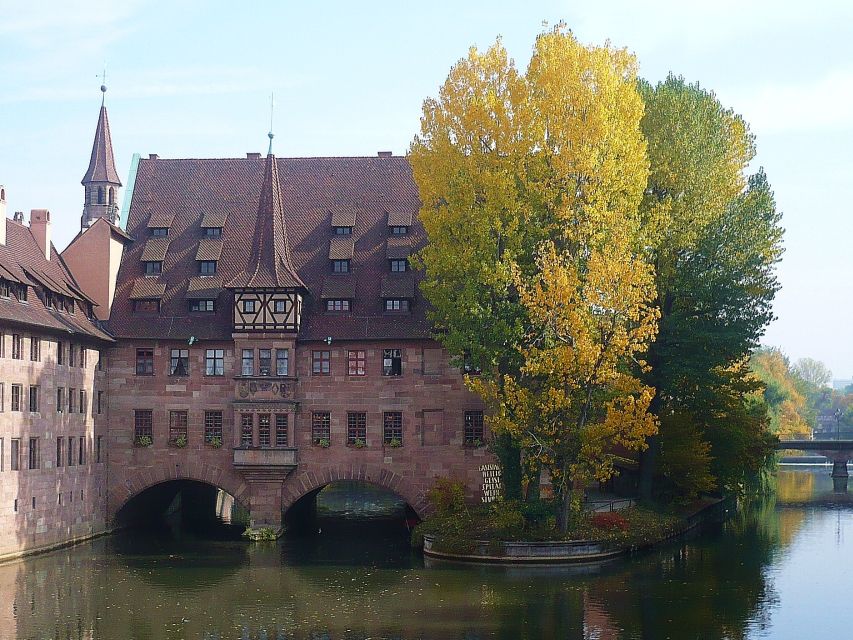
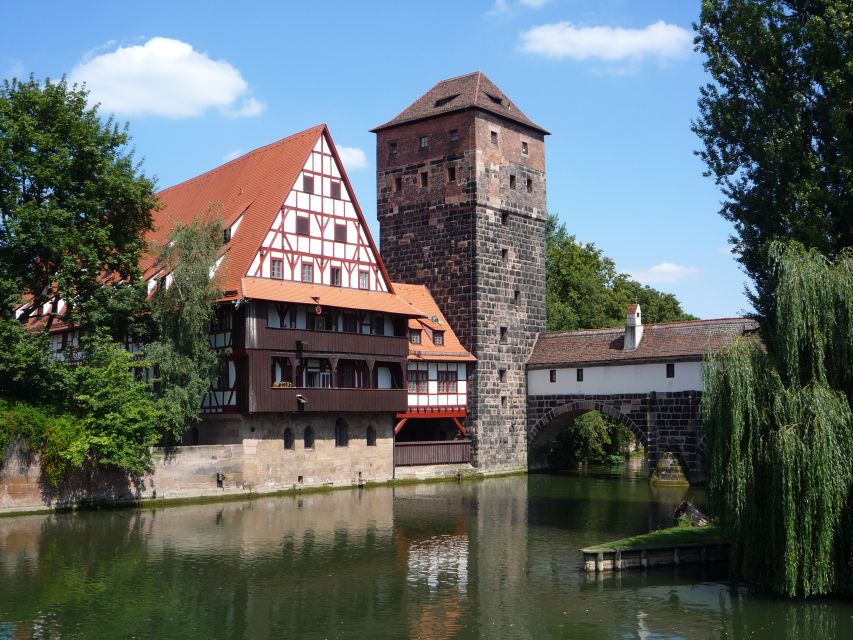
The route also follows the River Pegnitz. The river helps break up the stone streets and gives the walk a different rhythm. Along the way, you can expect stories about Nuremberg’s medieval past and its later importance during the Holy Roman Empire and German Renaissance.
A guide adds value here by making connections you might miss on your own. A church, bridge, wall, or narrow lane can look attractive without telling you much. The commentary gives each place a job in the larger story.
Hauptmarkt, the Beautiful Fountain, and Old City Hall
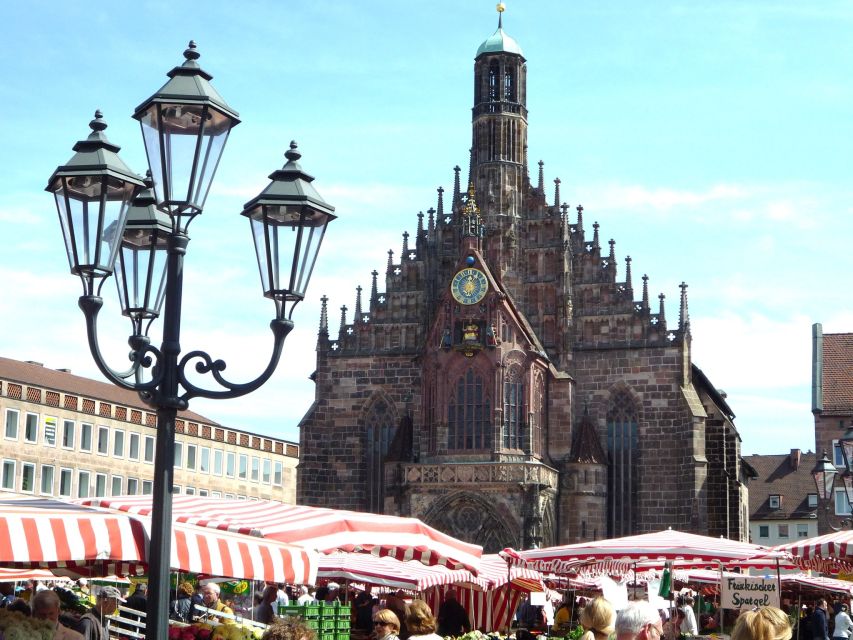
The walk reaches Hauptmarkt, Nuremberg’s main marketplace. This is where the famous Christkindlesmarkt takes place in December, but the square is used for seasonal markets and festivals at other times of year too.
Do not expect the Christmas market on an ordinary visit outside December. You can still get a useful look at the square, its buildings, and the Beautiful Fountain. The guide explains the role of the marketplace and points out the Old City Hall as well.
This is a strong part of the tour for first-time visitors because Hauptmarkt is both a sight and a practical center. You can return later for food, seasonal events, or another look at the architecture. The walk ends here, so the guide’s recommendations can help you decide what to do next.
The square may also be where you begin making sense of the city’s scale. Nuremberg has major landmarks, but many are close enough to connect on foot. The tour uses that compact layout well.
More Old Town Walking Tours in Germany
- Nuremberg: Old Town Guided Walking Tour
★ 4.6 · 2,416 reviews - Munich: Old Town & Viktualienmarkt City Walk in German
★ 4.7 · 2,304 reviews - Heidelberg: Walking Tour of the Old Town
★ 4.6 · 1,742 reviews - Cologne: Night Watchman Old Town Walking Tour
★ 4.6 · 1,638 reviews
St. Sebaldus Church and the old center
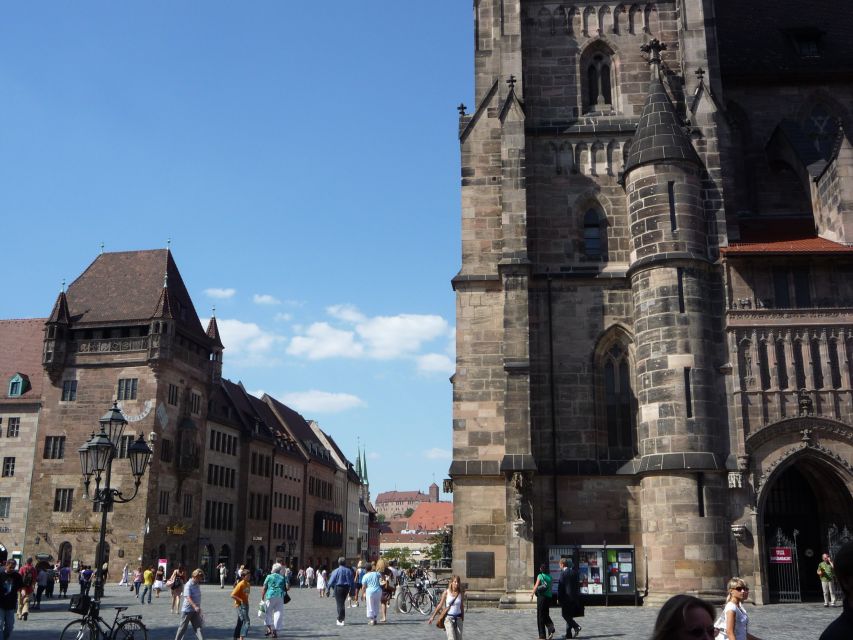
St. Sebaldus Church is another pass-by. Like St. Lorenz, it is an important landmark, but the itinerary does not promise an interior visit.
That approach keeps the two-hour schedule manageable. You see more of the city instead of spending most of the tour inside one building. If St. Sebaldus or St. Lorenz becomes a personal priority, you can ask the guide when to return and check any admission or opening details yourself.
The Old City Hall adds another layer to the route. It helps you picture Nuremberg as a place of civic power, not only a medieval trading center. The guide can place the city’s buildings in the setting of imperial politics, local government, and everyday urban life.
The Imperial Castle courtyards
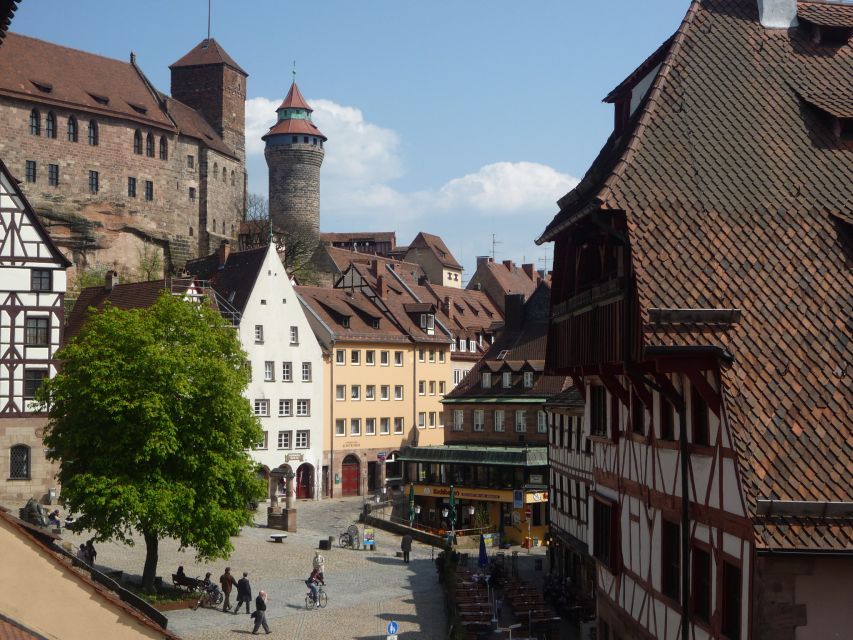
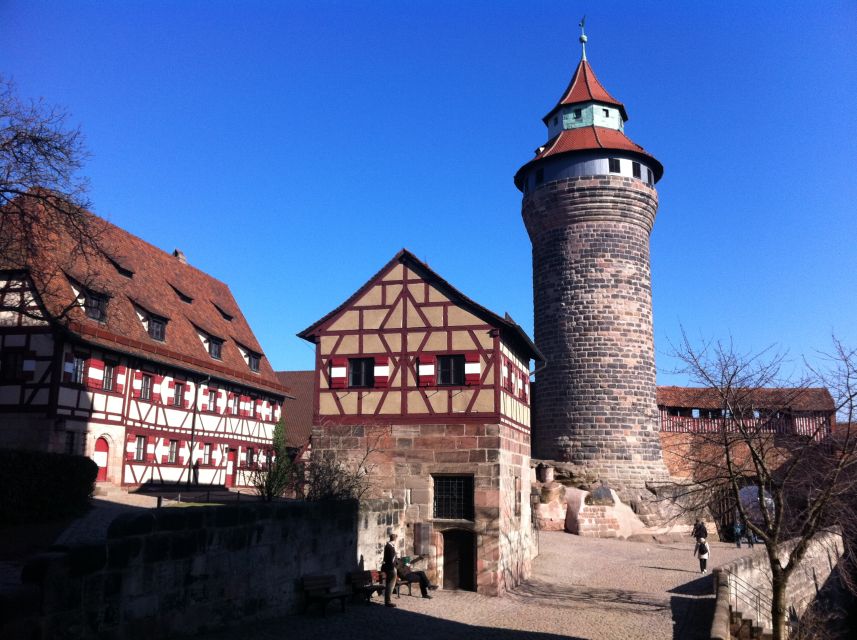
The Imperial Castle is the tour’s grandest stop. You visit the courtyards, where the setting makes Nuremberg’s link to the Holy Roman Empire easier to understand.
The castle sits above the Old Town, so this section may involve an uphill walk and uneven historic surfaces. The supplied information does not promise a full castle admission or an interior tour. Think of this as an outdoor introduction to one of Nuremberg’s defining landmarks.
I like the courtyard visit because it gives the tour a strong sense of place. The castle is not merely a pretty viewpoint or a photo stop. It represents the city’s position in imperial affairs and helps explain why Nuremberg became so important.
You will want to listen for the guide’s explanation rather than assume the castle tells its story on its own. The value of this stop comes from context, especially if you do not already know how Nuremberg fit into the Holy Roman Empire.
Albrecht-Dürer-Platz and the artist’s house
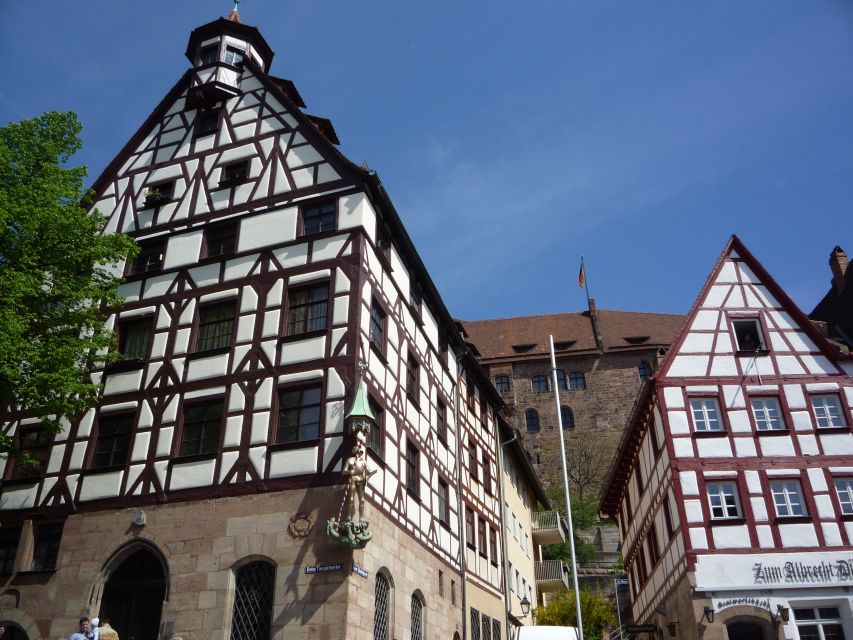
The tour continues to Albrecht-Dürer-Platz and Albrecht Dürer’s House. Dürer is one of the central names of the German Renaissance, and his former home connects the city’s artistic life to a real address in the Old Town.
The house is listed as a guided stop, but no museum admission is included in the tour details. You should treat the visit as an exterior or location-based explanation unless your guide says otherwise.
This is one of the more personal-feeling sections of the walk. Imperial history can seem distant, while a famous artist’s home gives you a more human way into the period. The surrounding streets also provide the colorful half-timbered buildings and medieval atmosphere many people hope to find in Nuremberg.
The guide’s use of historical pictures can help here. One recent assessment specifically appreciated seeing old images alongside the present-day streets. That is a practical way to notice what changed, what survived, and how much the city’s appearance has been reconstructed or preserved.
The Nazi Party grounds and an important clarification
The experience information also highlights the Congress Hall of the Nazi Party, Zeppelin Field, and Luitpold Arena. These sites are essential to Nuremberg’s modern history, but they do not appear as separate stops in the listed Old Town sequence, which begins at the station and finishes at Hauptmarkt.
That creates one point worth checking before you book. Ask how these Nazi-era locations are handled on your chosen departure. They may be discussed as part of the tour’s wider historical explanation, but the provided route does not promise a separate trip out to each site.
This matters because the Congress Hall and Zeppelin Field are not simply extensions of the central Old Town walk. If your main goal is the Nazi Party rally grounds, confirm the coverage rather than assuming the two-hour Old Town route gives them equal time.
The tour’s broad historical range is still useful. Nuremberg’s story includes medieval power, Renaissance culture, and the crimes of the Nazi period. A good guide can help you hold those chapters together without turning the city into a single theme.
How the guide shapes the experience
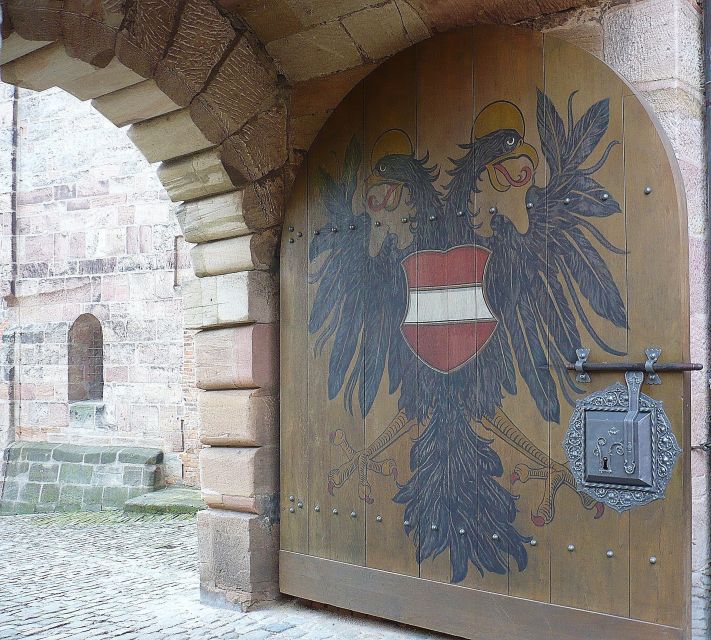
The strongest praise centers on the guides’ command of the subject, clear answers, and sense of humor. Hannes, named in one recent account, handled bad weather with care and kept looking for shelter when rain increased. Another guide was described as entertaining while sharing quirky facts alongside the formal story.
That mix is important on a short tour. You need enough structure to understand the city, but not so much detail that every stop becomes a lecture. The best moments are likely to come when the guide connects a famous sight with an unusual fact or a useful local suggestion.
The tone can vary by guide. One recent assessment liked the historical material and old pictures but found the use of profanity and crude sexual references distracting. If you prefer very formal commentary, keep that possibility in mind. The company uses different guides, so the tone is not guaranteed to be identical each time.
Price, pace, and value at $21
At $21 per person, the tour is priced reasonably for a live, English-language introduction to a major Bavarian city. You are paying for two hours of a guide’s time and local interpretation, not for attraction tickets, food, or transport.
I would call it good value if you want orientation, history, and practical advice in one compact outing. The guide can save you time by showing the main route and explaining where to eat afterward. The tour can also help you decide which sights deserve a longer return visit.
The value is weaker if you already know Nuremberg well or want extended time inside churches, museums, or the castle. The tour moves through many landmarks, and several are pass-bys or courtyard visits rather than full indoor tours.
You can cancel up to 24 hours before the start for a full refund, and the reserve-now, pay-later option keeps your plans flexible. The tour runs rain or shine, so bring weather protection and wear shoes suitable for two hours of city streets.
Who should book this walk?
I would recommend it to first-time visitors, rail arrivals, history-minded visitors, and anyone who wants a quick introduction before exploring alone. It also suits people who appreciate practical tips as much as formal sightseeing.
Families and mixed-interest groups may find the variety helpful, though the pace and historical content may not suit very young children. People with mobility impairments should note that the activity is not considered suitable for them.
You should choose another experience if your priority is a dedicated tour of the Nazi Party rally grounds, extensive church interiors, or a slow museum visit. This tour is broader and more introductory.
Should you book the Nuremberg Old Town tour?
Book it if you want a well-priced first orientation with a fluent English-speaking guide, a central meeting point, and a route that links walls, markets, churches, art, and imperial power. The practical food advice is a welcome bonus, especially if you want to try Nuremberg sausages and amber lager without guessing where to start.
Before booking, confirm how much time your departure gives to the Congress Hall, Zeppelin Field, and Luitpold Arena. If those sites matter most to you, the Old Town route may not be enough on its own. For a compact introduction to central Nuremberg, though, this is a sensible choice.
FAQ
Where does the tour begin?
Meet in front of the large center arched entrance to Nuremberg Hauptbahnhof, the city’s central train station.
How do I find the guide?
Look for a guide holding a red and white Nuremberg Tours in English sign. Arrive a few minutes early to check in.
Where does the tour finish?
The tour finishes at Hauptmarkt, at 90403 Nürnberg, Germany.
How long does the walking tour last?
The tour lasts two hours.
Is the tour conducted in English?
Yes. It includes a live English-speaking guide.
Does the tour run in bad weather?
Yes. The tour takes place rain or shine, so bring suitable clothing and shoes.
Does the price include entry to the castle or churches?
The listed inclusion is the English-speaking tour guide. Attraction admissions are not listed as included, and several churches are pass-by stops.
Is the tour suitable for people with mobility impairments?
No. The activity is listed as unsuitable for people with mobility impairments.
Can I cancel and receive a refund?
Yes. You can cancel up to 24 hours in advance for a full refund. You can also reserve now and pay later.
More Two-Hour Walks in Germany
- Berlin’s Best: 2 Hour Walking Tour Third Reich and the Cold War
★ 5.0 · 5,486 reviews - Leipzig: 2-Hour Guided Walking Tour in German
★ 4.8 · 1,612 reviews - Discover Munich 2-Hour Small Group Walking Tour
★ 4.6 · 491 reviews - Heidelberg: 2-Hour Walking Tour with Night Watchman
★ 4.4 · 134 reviews
New routes in Germany
- Munich: Walking Tour Old Town and Viktualienmarkt★ 4.7 · 839 reviews
- Stuttgart: Private Guided Circular City Walk★ 4.7 · 129 reviews
- Stuttgart: Old Town Highlights Guided Walking Tour★ 4.2 · 101 reviews
- Stuttgart: Guided Ghost Walking Tour★ 4.5 · 867 reviews
- Stuttgart: City Highlights – Guided Walking Tour★ 4.7 · 189 reviews
- Hamburg: Private Tour Red Light District Walking Tour★ 4.7 · 227 reviews
- Small Group Walking Tour: “Wild Kreuzberg”★ 4.8 · 199 reviews
- Sachsenhausen Memorial: Walking Tour from Berlin★ 4.7 · 132 reviews
Nuremberg Walking Tours, compared.
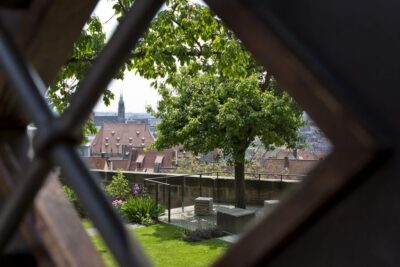
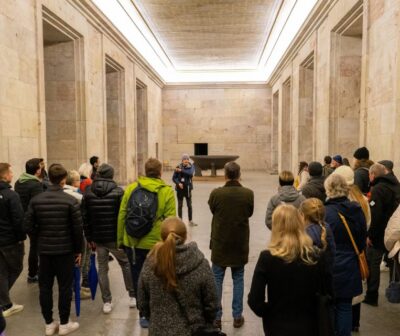
Walking Tour of Former Nazi Party Rally Grounds
Read our review →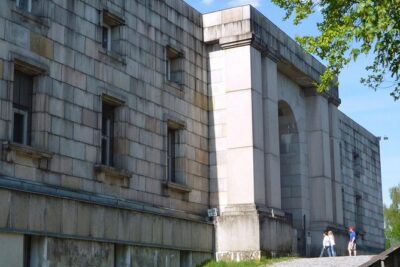
Nuremberg Old Town and Nazi Party Rally Grounds Walking Tour in English
Read our review →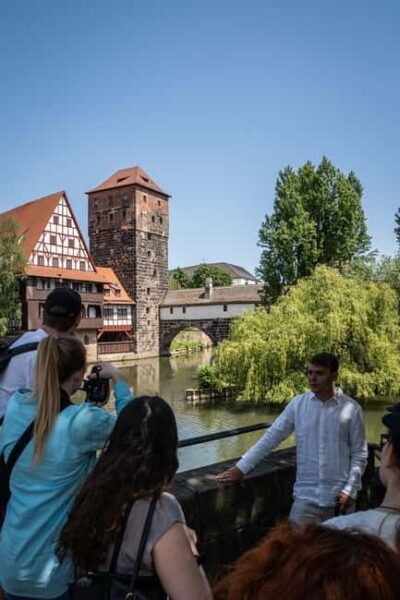

“Rotes Bier” and “Blaue Zipfel”. A historical-culinary walk
Read our review →
Nürnberg kennenlernen: Highlights in der Altstadt
Read our review →