
Review · NEW YORK CITY
NYC: History of Slavery & Underground Railroad Walking Tour
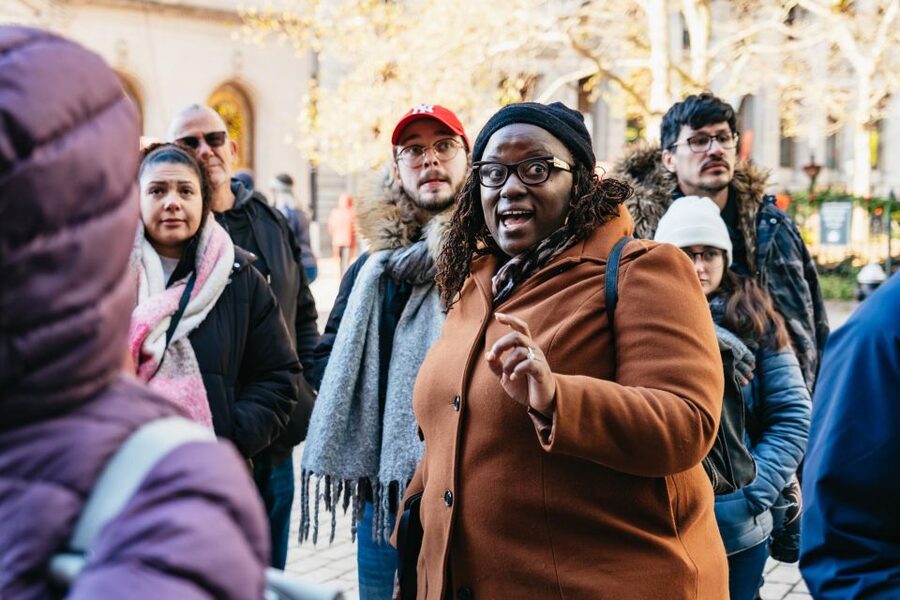
New York’s financial district was also a place of enslavement, resistance, escape, and Black community life. This 150-minute walking tour puts that largely overlooked past beside familiar sights such as Wall Street, Trinity Church, Fraunces Tavern, and the African Burial Ground National Memorial.
I like two things right away: the tour connects major landmarks to the people who built and shaped early New York, and it treats the Underground Railroad as a real network of people and safe places, not a romantic legend. The main consideration is the subject matter. Slavery, kidnappings, revolts, and forced separation are difficult topics, and the outdoor format means you will be on your feet in changing weather.
Key points to know before you book
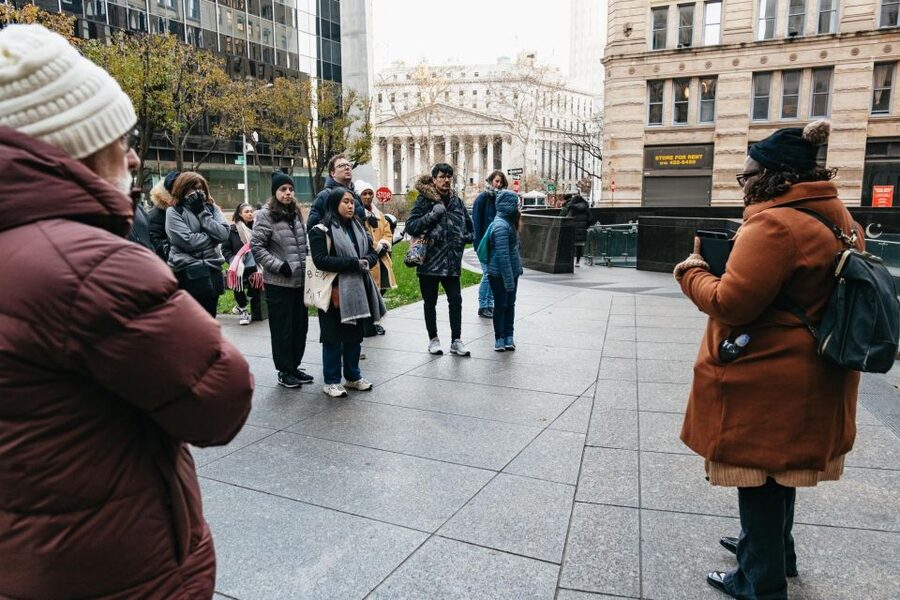
- African Burial Ground National Memorial: Begin at a site honoring enslaved Africans buried in colonial New York.
- Lower Manhattan through a different lens: See Wall Street, Trinity Church, and Fraunces Tavern while learning how slavery touched their surroundings.
- Underground Railroad stories: Visit former station locations and hear how escape routes, safe houses, and trusted helpers worked.
- Guides who invite questions: Guides including Maia, Maya, Sean, Shaun, Ludie, and Damaras have led tours praised for clear explanations and thoughtful discussion.
- A useful length: Two and a half hours gives the subject room to breathe without taking up an entire day.
- Bring practical gear: Wear comfortable shoes and dress for the weather. Hotel pickup is not included.
Why this history belongs in Lower Manhattan
Many people arrive in Lower Manhattan looking for the birthplace of American finance, government, and trade. Those stories are real, but incomplete without the labor of enslaved Africans and African Americans who helped build colonial New York.
This walk adds that missing layer. You will learn how African Americans shaped the foundations of New Amsterdam and later New York, while also hearing about resistance and the brave uprisings that challenged enslavement. The setting matters because the history is not confined to a distant museum. It unfolded around streets and buildings you can still see.
I find this approach especially useful if you have visited New York before. The tour can change the way you read familiar places. Wall Street is no longer only a symbol of money. A grand church is not only an architectural sight. A waterfront district is not only a place of offices and restaurants. The guide helps you ask who lived, worked, suffered, and fought for freedom in these same spaces.
The experience is educational rather than theatrical. It relies on a live guide, conversation, and place-based storytelling. That makes the tour a good fit if you want history explained in context instead of simply reading dates from plaques.
More History Walking Tours in New York City
- #1 Rated NYC Chinatown Food and History Walking Tour with FNYT
★ 5.0 · 171 reviews - Tribeca Architecture And History Walking Tour
★ 5.0 · 141 reviews - Lower Manhattan Secrets And History Walking Tour
★ 5.0 · 96 reviews
Starting at the African Burial Ground National Memorial
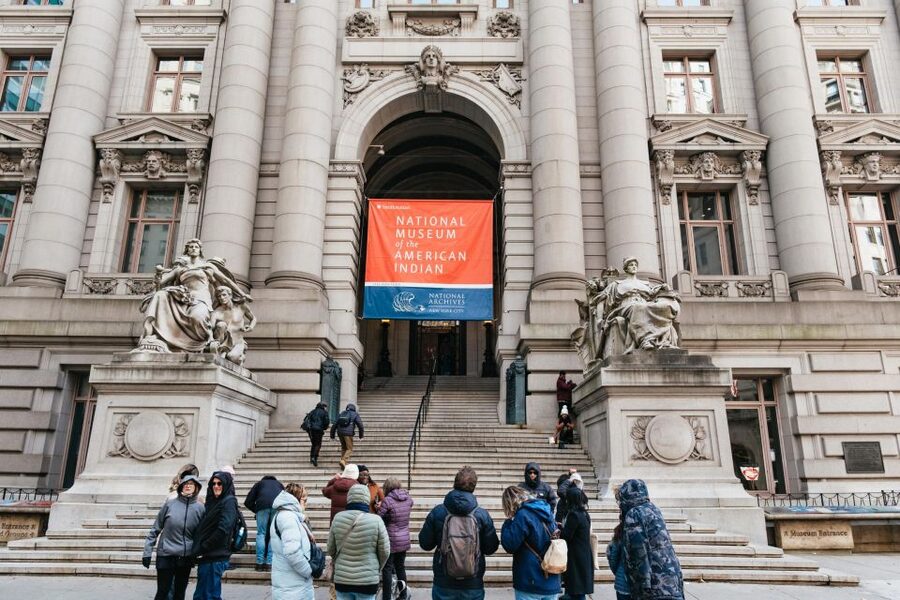
The meeting point is in front of the American Indian Museum. From there, the walk begins at an archaeological site and memorial dedicated to enslaved Africans in colonial America.
The African Burial Ground National Memorial is the emotional center of the experience. It honors people whose lives were long pushed aside in the public story of New York. Starting here gives the rest of the walk a clear purpose: you are not just touring old streets, you are remembering people whose work and suffering helped shape the city.
Expect the guide to explain what the burial ground reveals about African life and death in colonial New York. The subject calls for attention and respect, so this is not a stop to rush through for a quick photograph. Give yourself time to look around, listen, and consider the memorial before moving on.
For many people, this opening also provides an important correction to the idea that slavery was mainly a Southern institution. New York had its own connections to slavery, the slave trade, and forced labor. The guide places those facts within the city’s early development.
Fraunces Tavern, Trinity Church, and Wall Street
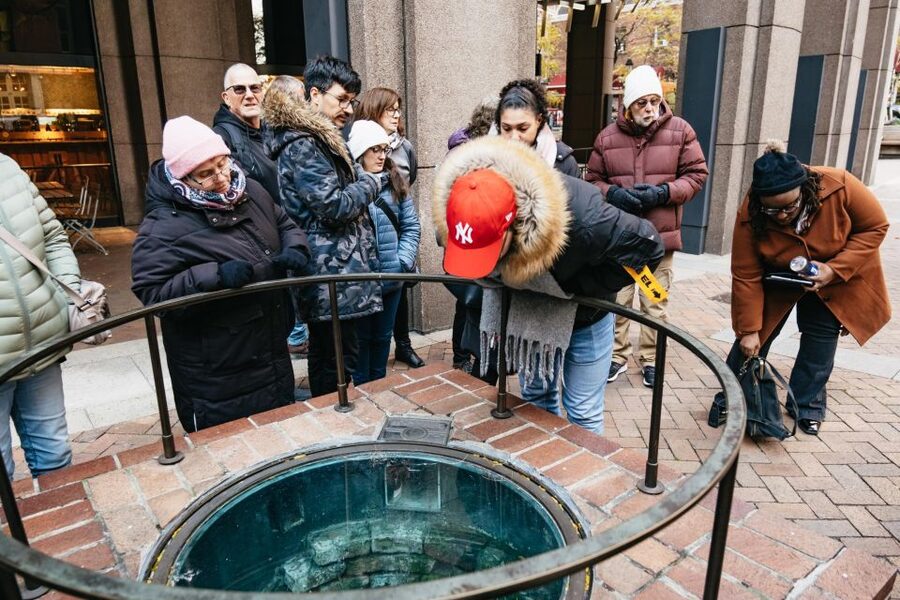
The route continues through some of Lower Manhattan’s best-known historic areas. Fraunces Tavern, Trinity Church, and Wall Street are not presented as isolated attractions. Instead, the guide uses them as reference points for stories about commerce, power, religion, labor, and race.
That makes the walk more useful than a standard sightseeing loop. You are still seeing recognizable New York landmarks, but the explanations focus on the people and systems behind them. The guide may also share related facts while the group moves between stops, a feature that helps keep the walk connected rather than turning it into a string of unrelated speeches.
Wall Street is particularly effective in this setting. Its name carries enormous weight today, yet the surrounding area has a much longer story. Learning about slavery and African American life here forces you to think about the relationship between wealth and labor in early New York.
Trinity Church adds another layer. A historic religious site can prompt questions about community, morality, and the institutions that existed alongside slavery. The tour does not ask you to view these landmarks in only one way. It gives you more information and lets you confront the contradictions.
Fraunces Tavern brings the early American setting into sharper focus. You will hear about the city during a period when politics, trade, and social life were closely linked. The stop helps show that slavery was part of ordinary urban life, not a subject separate from the growth of New York.
How the Underground Railroad actually worked
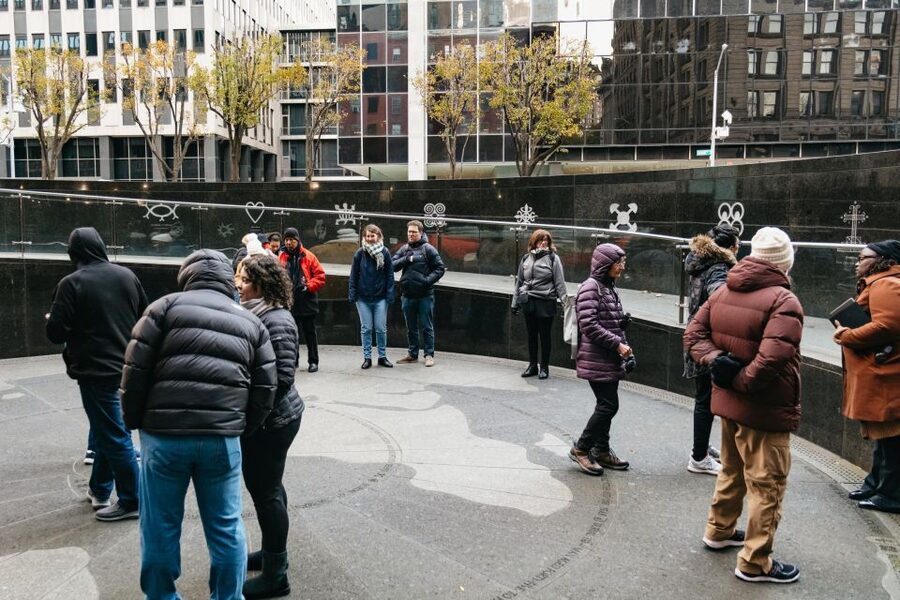
A strong part of the tour is its explanation of the Underground Railroad. The name can sound like a literal railway, but the guide describes a clandestine network of routes, safe houses, and helpers used by enslaved African Americans seeking free states and Canada.
You will stop at former locations connected with that network and hear about the people who risked their safety and property to help others escape. These stories bring the subject down to human scale. Freedom depended on trust, secrecy, timing, and courage. One person might provide shelter, another directions, and another a way to continue north.
The tour also covers the danger involved. Revolts, kidnappings, and dramatic escapes were part of the period, and an escape did not guarantee safety. The people involved faced laws and individuals determined to return fugitives to slavery.
I appreciate that this part of the walk focuses on cooperation as well as heroism. The Underground Railroad was not a single organization with a central office. It worked through scattered contacts and local action. That makes the story more complex, and it helps you understand why ordinary people were so important.
You should also expect a serious discussion of abolition and the fight to end slavery. The guide connects individual acts of assistance with the larger political struggle. That is valuable because the story is not only about people reaching freedom. It is also about the long effort to challenge the system itself.
More History Walking Tours in the USA
- Pride Tours NYC’s LGBTQ Historical Walking Tour
★ 5.0 · 89 reviews - History and Hauntings of Salem Guided Walking Tour
★ 5.0 · 14,564 reviews - Boston: Freedom Trail History Small Group Walking Tour
★ 5.0 · 6,450 reviews - Historic Charleston Guided Sightseeing Walking Tour
★ 5.0 · 6,216 reviews
Guides and the tone of the walk
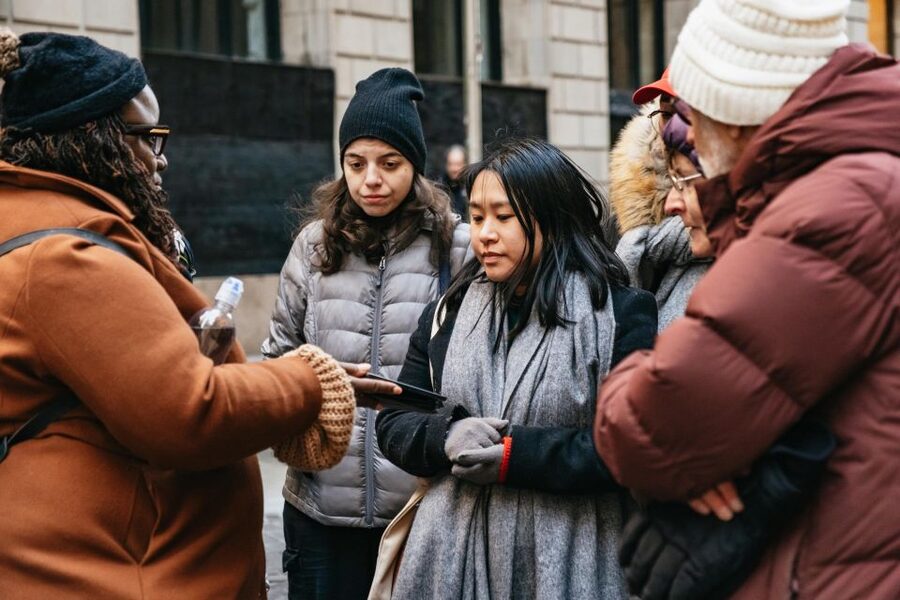
The guide can make or break a history tour, especially one dealing with cruelty, resistance, and racial injustice. Here, the strongest feature is the quality of the storytelling. Guides named Maia and Maya have been praised for making difficult material clear and approachable, while Sean and Shaun have been described as able to handle a wide range of questions.
Other guides, including Ludie and Damaras, have also led this experience. The names matter less than the pattern: you should expect a guide who knows the subject, speaks with feeling, and allows room for questions.
This is not a silent walk from one address to another. The guide may ask thought-provoking questions and invite you to consider the role of your own country, family, or community in the history of slavery. That can make the experience more personal, but it may also require honest self-reflection.
The tone is direct without needing to be sensational. You will hear about the role of ancestors in the slave trade, the damage caused by enslavement, and the continuing impact of that history. If you prefer a light sightseeing tour, this is not the right choice. If you want an open discussion that does not soften the subject, it should suit you well.
The mix of people on past walks has included New Yorkers, visitors from the United Kingdom and Ireland, and people from France, Germany, Boston, and elsewhere. That international mix can make the discussion especially interesting, since people arrive with different education and family histories.
Is two and a half hours the right length?
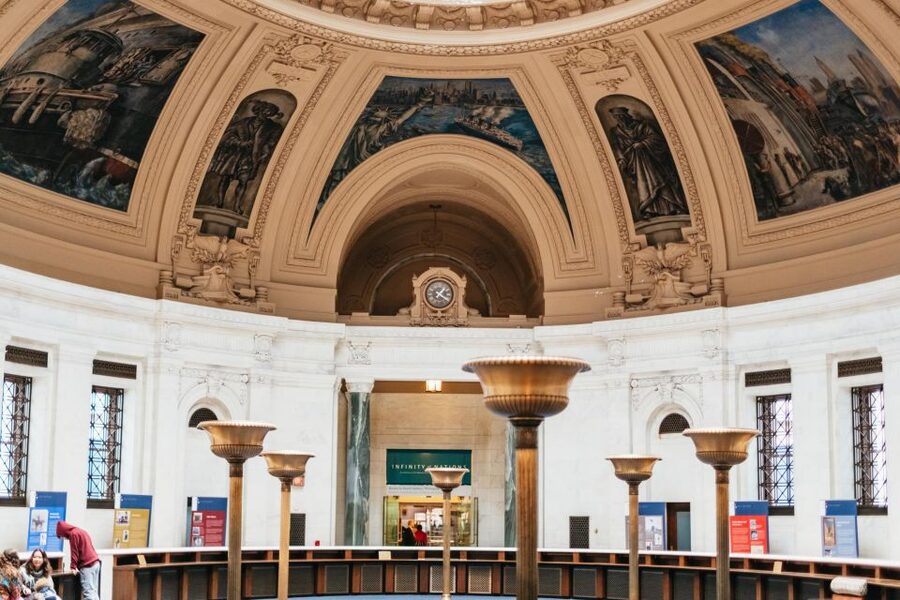
The tour lasts 150 minutes. That is long enough to cover several sites and explain the larger story, but short enough to fit into a day of Lower Manhattan sightseeing.
You will be walking outdoors, though the route is described by one participant as manageable rather than exhausting. Do not read that as a promise of no effort. Lower Manhattan is a city street environment, and you should still wear comfortable shoes. There are likely pauses at significant locations, but you should be ready to remain on your feet for much of the experience.
Weather matters. Bring clothing suited to the day, since hotel pickup and indoor transport are not part of the tour. Rain does not necessarily ruin the experience. One guide reportedly delivered much of the discussion under shelter during a wet afternoon, but you should not count on ideal cover at every stop.
The tour is conducted in English with a live guide. If you are more comfortable learning through conversation than through a recorded audio guide, that is a clear advantage. The live format also lets you ask about details that interest you, from colonial New York to the Underground Railroad.
What does the $49 price buy you?
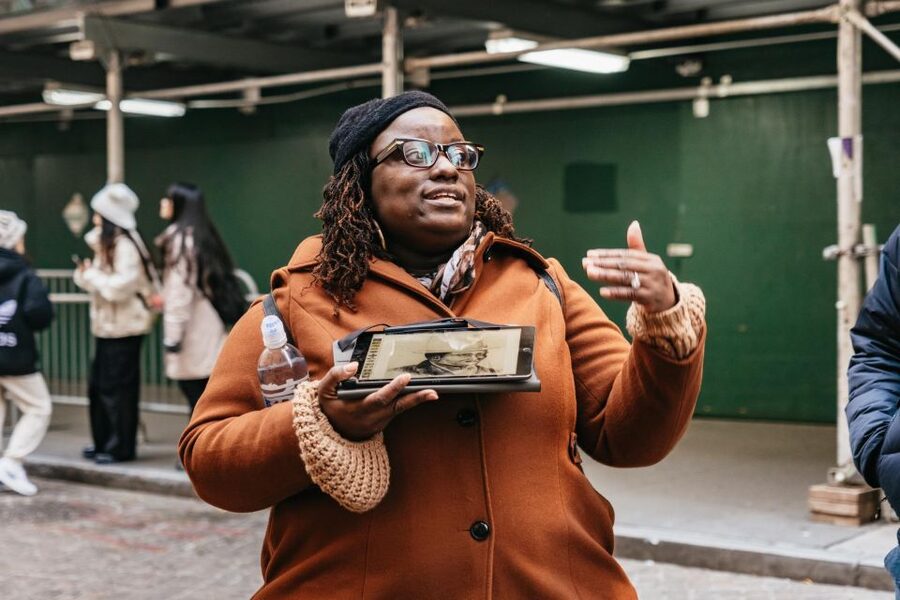
At $49 per person, the tour is not the cheapest way to walk around Lower Manhattan. You are paying for a focused historical experience led by a licensed New York tour guide, not simply access to public streets and memorials.
The value depends on what you want from your visit. If you already know the landmarks and want only exterior photographs, $49 may feel high. If you want someone to connect the African Burial Ground, early New York, slavery, abolition, and the Underground Railroad into one understandable story, the price is easier to justify.
I think the strongest value comes from the interpretation. You could pass these places on your own, but you might not know what happened there or which questions to ask. The guide supplies the links between sites, explains the wider system, and brings forward people whose stories are easy to miss.
The tour also gives you a more meaningful use of time than a general stroll. Two and a half hours is a reasonable investment for a subject that rarely receives enough attention in standard city sightseeing.
Free cancellation is available up to 24 hours before the start time, and you can reserve now and pay later. Those terms help if your New York schedule is still changing, though the main decision should be whether you are ready for a serious history lesson outdoors.
Who should take this tour?
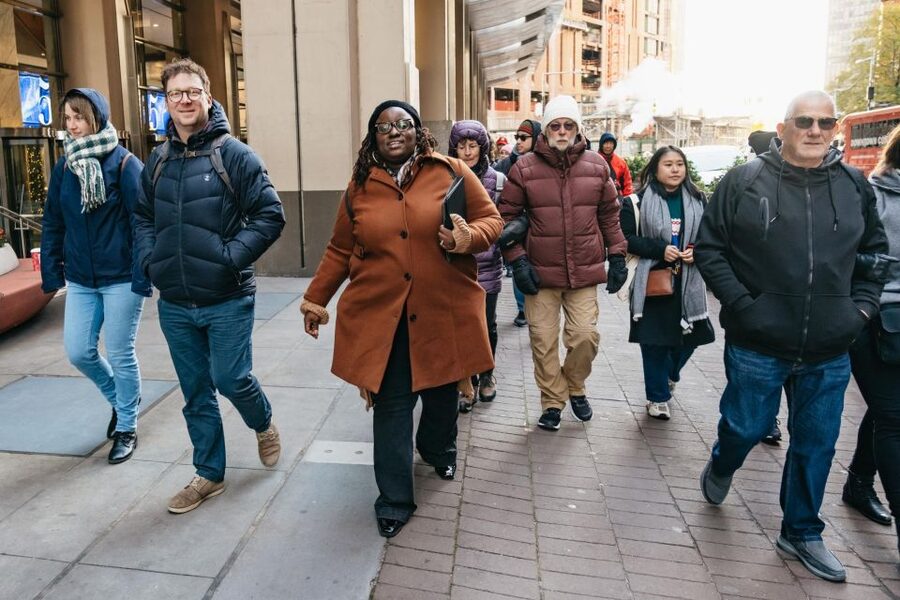
I would recommend it to first-time visitors who want more than the usual Manhattan highlights, and to lifelong New Yorkers who suspect there are major parts of the city’s past they never learned. One person who grew up in New York described being surprised by how much was new, which captures the tour’s purpose well.
It also suits students, families with older children, history-minded visitors, and anyone interested in African American history, abolition, or the Underground Railroad. The mix of famous locations and lesser-known stories gives you both orientation and substance.
You may want to choose another activity if you are looking for entertainment, shopping time, or a relaxed photo walk. The subject can be painful, and the guide may challenge comfortable assumptions. That seriousness is a strength, but only if you are prepared to listen.
My verdict: book it for the stories behind the streets
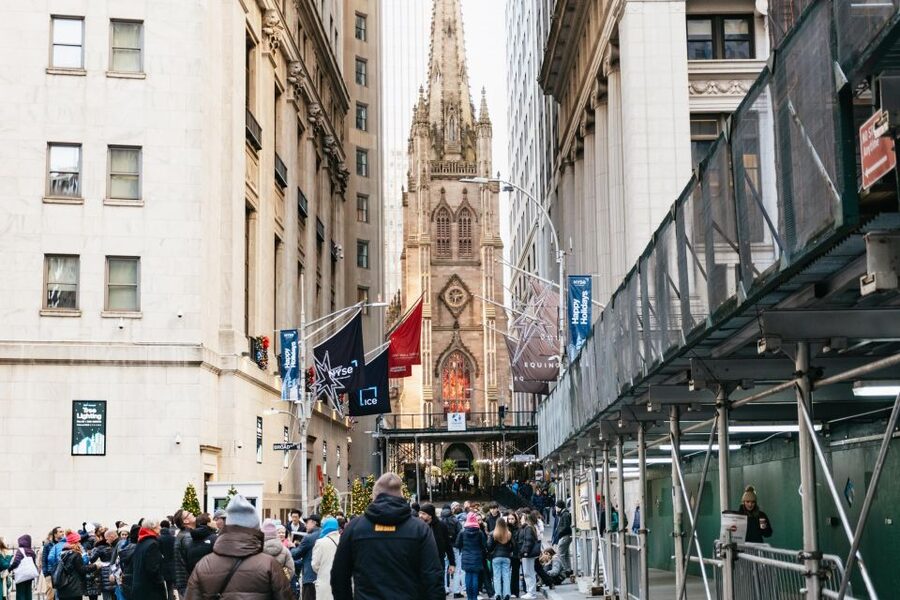
Book this tour if you want to understand how enslaved Africans and African Americans helped shape New York, and how people resisted slavery in a city often presented through finance, politics, and architecture alone.
The African Burial Ground National Memorial, former Underground Railroad locations, and familiar landmarks give the walk a strong structure. The best part is the human focus: people who escaped, people who helped, and people who fought a system built on forced labor.
At $49, it is best viewed as a guided history lesson in the streets, not a general sightseeing bargain. Wear good shoes, dress for the weather, arrive ready for difficult questions, and allow the guide’s stories to change how you see Lower Manhattan.
FAQ
Where does the tour meet?
Meet in front of the American Indian Museum in New York.
How long does the walking tour last?
The tour lasts 150 minutes, or two and a half hours.
What language is the tour conducted in?
The live tour is conducted in English.
What sites are included?
The tour includes the African Burial Ground National Memorial, Fraunces Tavern, Trinity Church, Wall Street, and former locations connected with the Underground Railroad.
Does the tour include hotel pickup?
No. Hotel pickup and drop-off are not included.
What should I bring?
Bring comfortable shoes and clothing suitable for the weather.
Can I cancel for a refund?
Yes. You can cancel up to 24 hours in advance for a full refund. You can also reserve now and pay later.
New routes in New York City
- New York City: Superheroes of NYC Guided Walking Tour★ 4.5 · 271 reviews
- West Harlem: Gospel Church Service and Sunday Walking Tour★ 4.3 · 411 reviews
- SoHo, Little Italy, and Chinatown 2-Hour Guided Walk★ 4.6 · 566 reviews
- New York City: Food Walking Tour of Chinatown & Little Italy★ 4.8 · 195 reviews
- NYC: Brooklyn Graffiti & Street Art Walking Tour in Bushwick★ 4.8 · 492 reviews
- NYC: Brooklyn Bridge and Dumbo Guided Walking Tour★ 4.5 · 186 reviews
- NYC: Walking Tour with Local Guide and 30+ Top NYC Sights★ 4.5 · 248 reviews
- New York City’s Hell’s Kitchen: Walking Food Tour★ 4.8 · 200 reviews
New York City Walking Tours, compared.
SoHo, Little Italy, and Chinatown Walking Tour in New York
Read our review →
Secrets of Grand Central Station Walking Tour New York City
Read our review →
Greenwich Village Walking and Food Tasting Tour
Read our review →
Artistic, Alternative Greenwich Village Walking Tour
Read our review →
True Crime NYC: Mafia Walk w/Ret. NYPD Detective and Local Food
Read our review →

NYC Greenwich Village Italian Food Guided Walking Tour
Read our review →Browse the lists this tour appears in