
Review · NEW YORK CITY
NYC: Brooklyn Graffiti & Street Art Walking Tour in Bushwick
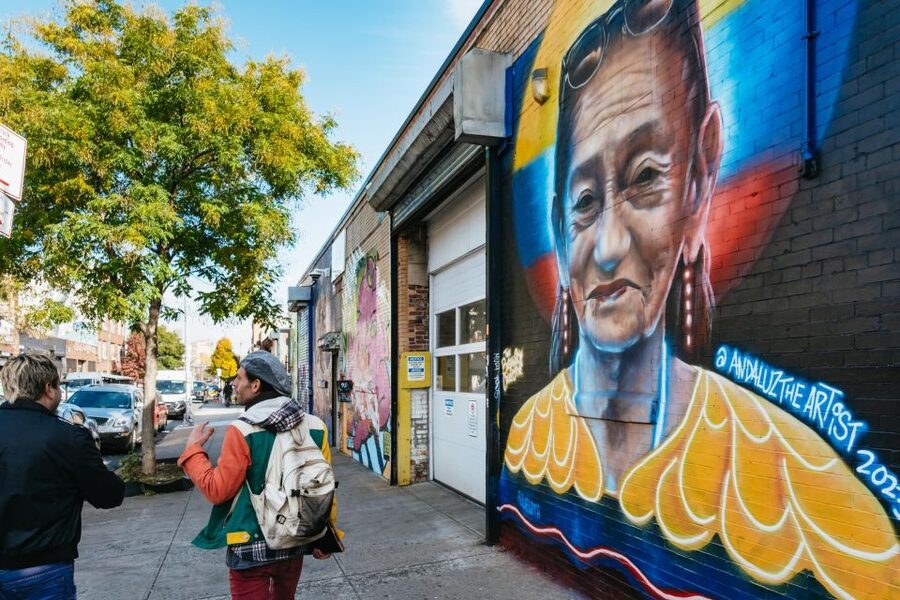
Bushwick turns ordinary walls into an open-air gallery, with giant murals, small tags, stencils, and wheatpaste works packed into a walkable part of Brooklyn. The art changes, but the stories behind it give this two-hour walking tour its real value.
I like the way the guides connect individual artists with the neighborhood’s past and present. I also like the chance to see styles from artists based in Europe, South America, East Asia, and beyond, sometimes with a surprise meeting involving an artist. The main drawback is simple: the artwork is free to see on your own, so you are paying for the guide’s context, stories, and route rather than admission to a site.
Key points to know before you book
- Bushwick Collective murals: See the area’s best-known large-scale works with a guide who can explain who painted them and how the scene developed.
- More than painted walls: Look for tags, stencils, wheatpaste posters, and smaller pieces that are easy to miss without help.
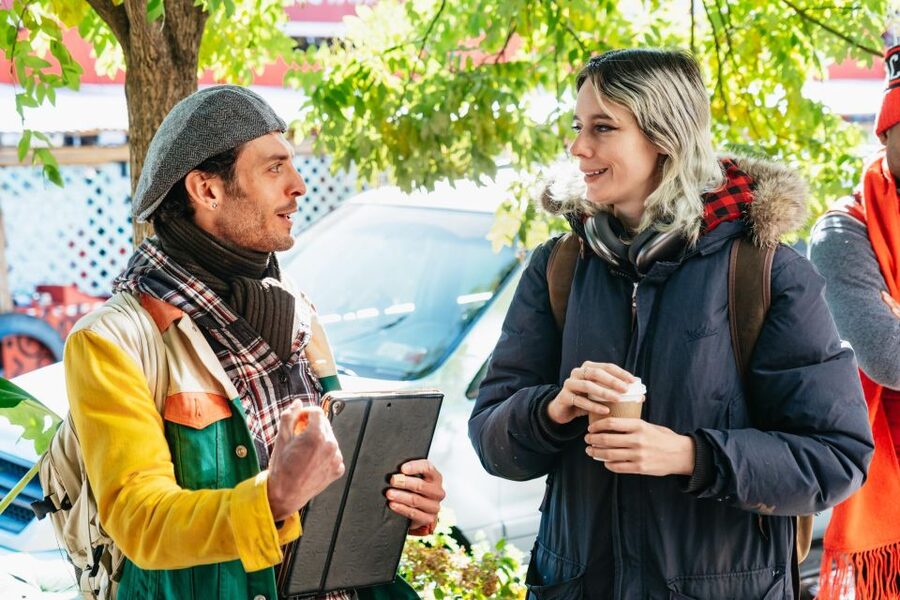
- Guides with personal connections: Nick, Caty, Derrick, Jeff, and other guides have led tours, with several guides bringing direct experience in street art.
- A neighborhood story: The walk links public art with local people, community change, and gentrification concerns.
- Easy subway access: Take the L train to Jefferson Street, then walk to Wyckoff Avenue and the meeting point.
- Strong value for art lovers: At $32, the tour makes sense if you want interpretation, artist details, and a carefully chosen route.
Why Bushwick works so well for a street art walk
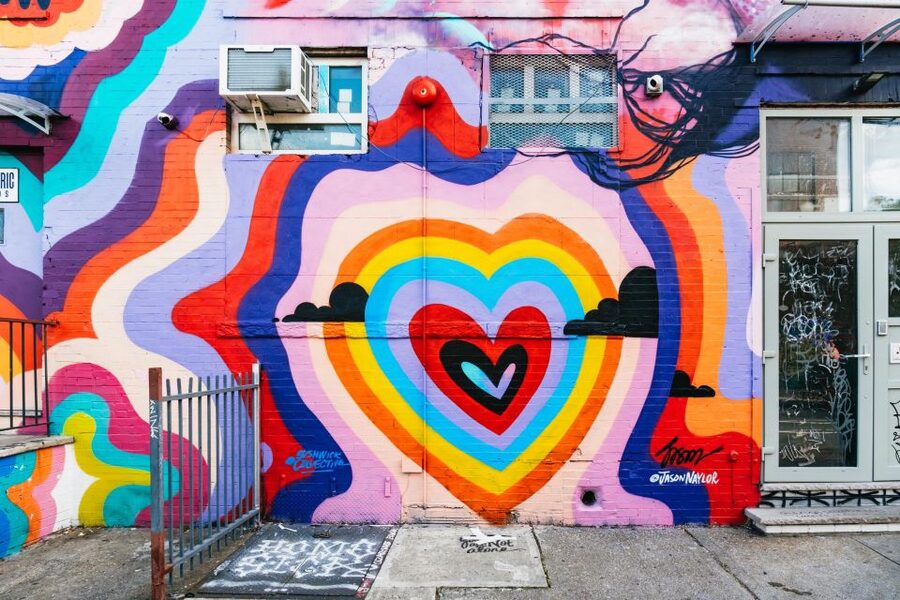
Many New York art experiences place you inside a museum, where the lighting, walls, and viewing order are controlled. Bushwick gives you something less tidy and more revealing. Here, the art shares space with shops, homes, warehouses, sidewalks, utility boxes, and passing neighbors.
That setting matters. You can see how a mural changes the feel of a block, how one piece sits beside another, and how public art remains exposed to weather, repainting, damage, and new work. The result is not a fixed exhibition. It is an outdoor collection that keeps changing.
The tour focuses on the Bushwick Collective and the surrounding Bushwick streets. The area is widely known for its concentration of street art, but you do not need to arrive with a list of artist names or a background in graffiti. The guide explains the basics as you go, pointing out the difference between large commissioned murals and quicker forms of street work.
I would not treat this as simply a photo stop. The strongest part is learning to look more closely. A guide can direct your attention to a stencil tucked beside a large mural, a wheatpaste poster partly covered by another work, or a detail that reveals an artist’s method.
More Street Art Walking Tours in New York City:
- London: Street Art and Graffiti Guided Walking Tour
★ 4.9 · 1,354 reviews - Berlin: City Street Art Guided Walking Tour
★ 4.8 · 1,051 reviews - Naples Spanish Quarters Walking Tour Street Art, Folklore & Sweet
★ 5.0 · 797 reviews
Meeting at Wyckoff-Starr Coffee Shop
The tour begins in front of Wyckoff-Starr Coffee Shop at 30 Wyckoff Avenue, between Troutman and Starr Streets. Pay close attention to the street name. You need Wyckoff Avenue, not Wyckoff Street, which is elsewhere in Brooklyn.
The easiest route from Manhattan is the L train to Jefferson Street. From 14th Street and Union Square, the ride is listed as about 20 minutes and nine stops. From Midtown, you will first need to reach 14th Street and transfer to the L, so allow roughly 30 minutes or more from much of Midtown or Lower Manhattan.
That subway ride is part of the planning. This is not a midtown attraction you can squeeze in between two nearby sights. You need to set aside time to get to Bushwick, meet the guide, walk for two hours, and return to the subway afterward.
I suggest arriving early enough to find the coffee shop without rushing. A coffee stop can also be useful before the walk, since food and drinks are not included. The tour begins and ends at the same coffee shop, making the meeting point easy to recognize and giving you a clear place to regroup at the end.
The first hour: Bushwick Collective murals
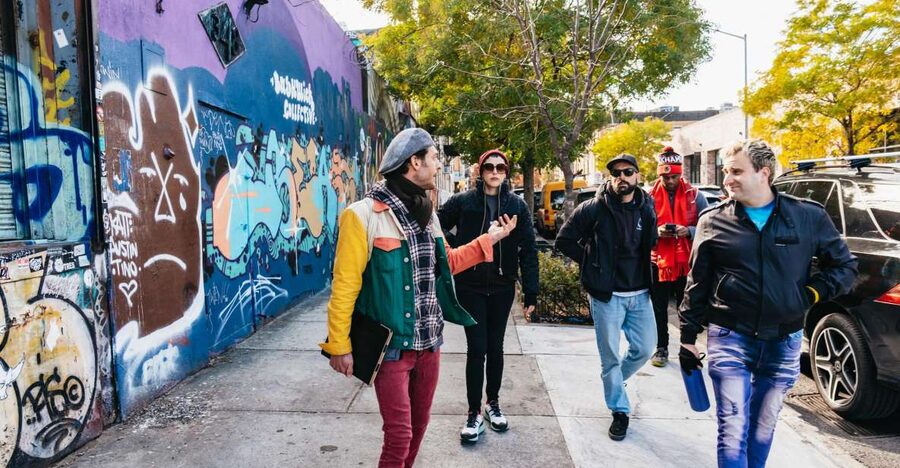
The first main portion focuses on the Bushwick Collective, a major part of the neighborhood’s street art identity. Expect large walls and substantial murals, often painted in bold colors and detailed styles. These are the pieces that make the area feel like an outdoor gallery.
A guide adds much more than a list of names. You can learn where artists come from, how they work, what techniques they use, and how much attention or money certain works have attracted. The tour also introduces the personalities behind the art, including international artists who have helped give Bushwick a worldwide reputation.
This is where the guide’s skill matters most. A large mural can look impressive in a photograph, but the backstory may explain its symbols, unusual method, or place within the local scene. Guides such as Nick have been praised for explaining who made what, when it was painted, and how the work fits into the neighborhood.
The group stops while the guide speaks, so you can expect a mix of walking and short talks in front of selected works. One useful detail from past tours is that guides make an effort to gather the group around the artwork before explaining it. That helps in a busy street setting, where it would be easy to miss parts of the presentation.
Some tours have included unexpected extras, such as meeting an artist or visiting an artist retrospective. These moments are not guaranteed, but they show how closely the tour can connect you with the working art community.
The second hour: smaller pieces and changing streets
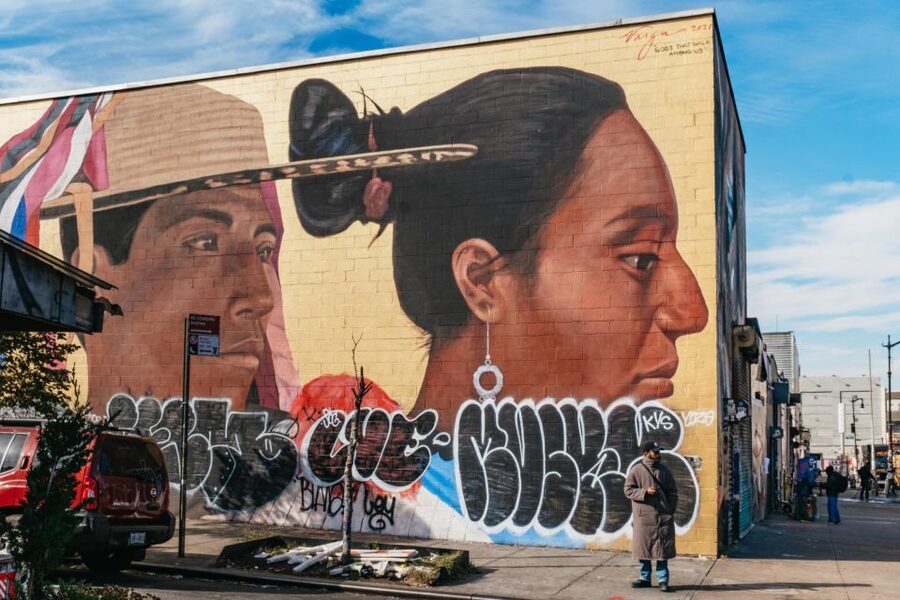
The second part continues through Bushwick, moving beyond the headline murals to the broader street art scene. This is where you encounter a wider mix of forms: tags, stencils, wheatpaste posters, and smaller works that may not command an entire building wall.
These pieces help explain the difference between graffiti and street art. The tour looks at the tools and methods involved, as well as how the culture has changed over time. You learn that a wall can carry several layers of work, with one artist painting over another or a piece being revised, damaged, or replaced.
That change is important. If you return to Bushwick later, you may not see exactly the same walls. A guide who follows the local scene can explain when a piece was created and how the area has shifted. Caty, who has led tours as a street artist herself, has been noted for explaining processes, styles, and changes to individual works.
The smaller pieces also make the walk more interactive. Rather than simply photographing the biggest mural, you begin looking along doorways, side walls, and street corners. The guide can show you details you would probably pass without noticing.
You should expect to walk at a steady but manageable pace for two hours. Comfortable shoes are important, and water is a good idea. The tour is outdoors, so dress for the weather and bring a camera if you want to record the art before it changes.
More Walking Tours in New York City:
- SoHo, Little Italy, and Chinatown Walking Tour in New York
★ 5.0 · 3,153 reviews - Secrets of Grand Central Station Walking Tour New York City
★ 5.0 · 1,796 reviews - Greenwich Village Walking and Food Tasting Tour
★ 5.0 · 1,572 reviews - Artistic, Alternative Greenwich Village Walking Tour
★ 5.0 · 971 reviews
The neighborhood story behind the paint
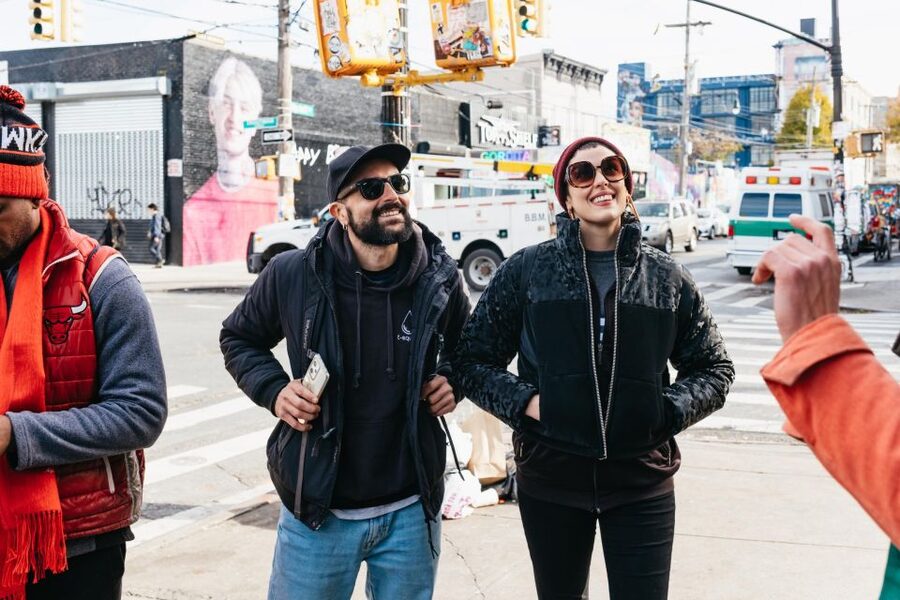
Bushwick’s art is tied to more than aesthetics. The tour also explains the neighborhood and the people who live and work there. That can include discussion of community identity, the role of local businesses and property owners, and the relationship between street art and gentrification.
This is one of the most useful parts for anyone who wants more than a colorful photo collection. Public art can attract new attention to a neighborhood, support artists, and give local walls a new purpose. It can also become part of rising rents and changing commercial life. A good guide does not present the art as separate from those questions.
Past guides have handled this subject directly. Nick, in particular, has been praised for connecting graffiti with community issues and explaining why public art matters. That kind of context helps you understand why some pieces are welcomed, some are commissioned, and others appear without permission.
The tour also gives you a sense of how artists coexist with the surrounding neighborhood. You are not walking through a sealed art district. You are seeing creative work in a lived-in area, which means you should remain respectful, avoid blocking entrances, and follow the guide’s lead when taking photographs.
What makes the guides important
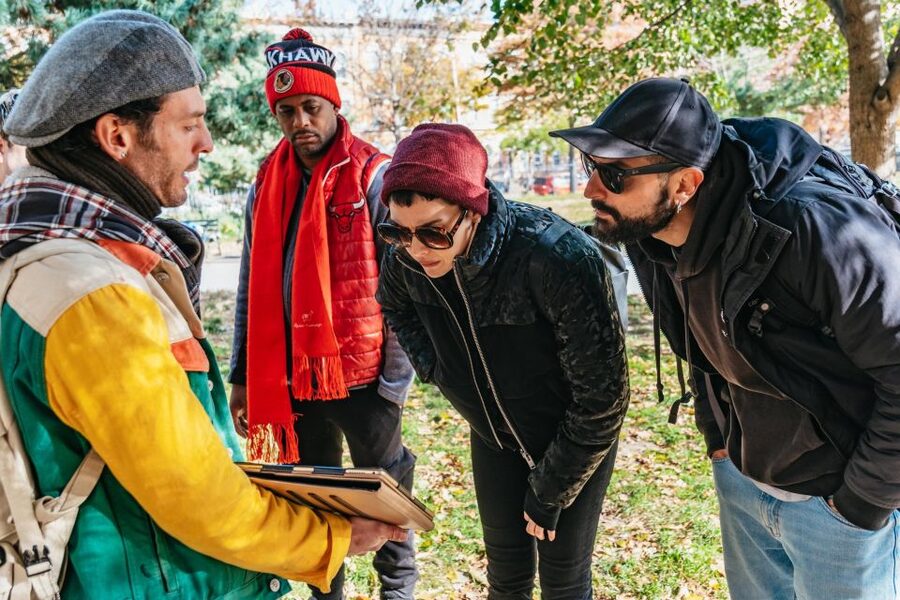
The guide is the main reason to book rather than walk around Bushwick independently. You can see many murals for free, but you cannot easily recreate the route, timing, artist background, and local interpretation.
The guide team has included Nick or Nic, Caty, Derrick, Jeff, Zlada, and others. Names and assignments can change, so you should not book expecting one particular person unless the operator confirms it. Still, the feedback points to a consistent strength: guides tend to be friendly, engaged, and comfortable explaining both art and neighborhood history.
Nick has been repeatedly singled out for his passion, humor, and ability to keep a group involved. Derrick has been praised for making the walk interactive, while Caty’s background as a street artist gives her a direct understanding of materials, process, and artistic choices. Jeff has been noted for his artist knowledge and lively surprises.
That range makes the tour suitable for different ages. A teenager interested in drawing can use the walk as creative inspiration. An adult who knows little about graffiti can follow the history without feeling out of place. An art teacher or serious art fan can ask more detailed questions about technique and public art.
One point to keep in mind is group size. A past participant found the group larger than expected, though the tour remained enjoyable. A larger group can make it harder to hear or gather around a small work, especially on a noisy street. The guides generally address this by stopping the group and making sure people are close enough to see and listen.
Is $32 a fair price?
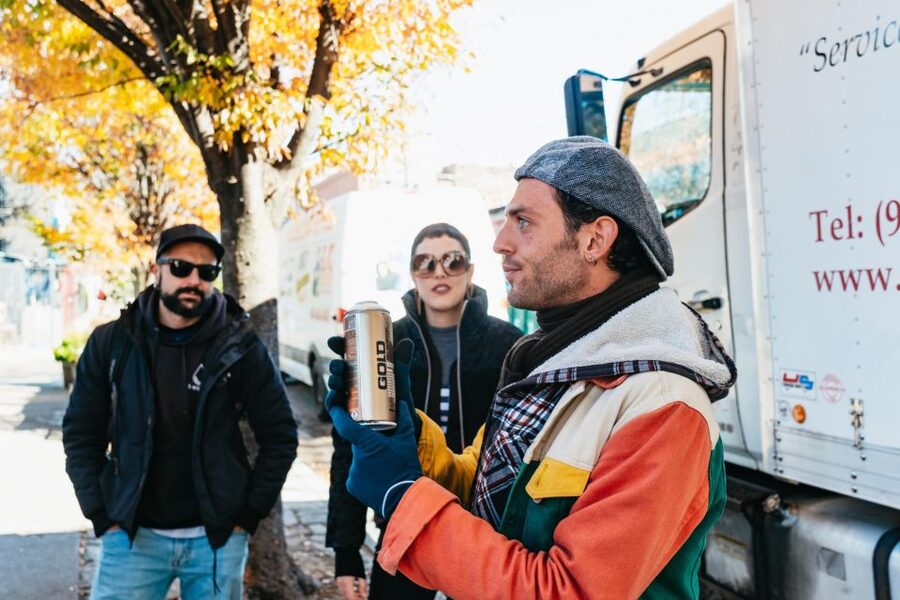
The cost is $32 per person for two hours, including the guide and walking tour. There is no separate admission fee because the art is displayed outdoors.
If you only want to photograph the largest murals, you can explore the area without paying. That makes the tour less attractive for a visitor on a strict budget who is happy to wander and research artists later.
I think the price is fair if you value explanation. You are paying for a route that concentrates the best local work, plus information about artists, methods, neighborhood change, and the history of graffiti and street art. A guide can also save you from spending time searching for pieces that have moved, faded, or been replaced.
The value is especially clear for first-time visitors to Bushwick or anyone with limited time in Brooklyn. Two hours gives you a structured introduction without requiring a full day away from Manhattan. It is also a useful complement to New York’s museums because it shows art in public space, where the surrounding buildings and people become part of the experience.
Practical details that affect your day
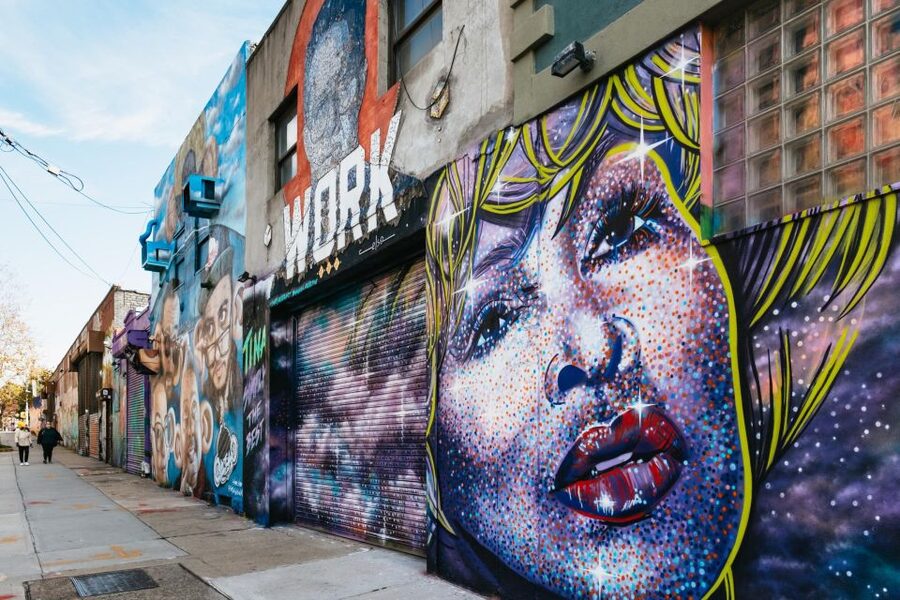
The tour is in English and lasts two hours. Food, drinks, and transportation are not included, so plan the subway journey and bring water. Wear shoes suitable for walking on city sidewalks, and bring weather-appropriate clothing because the experience takes place outside.
You can cancel up to 24 hours in advance for a full refund, and the reserve-now, pay-later option gives you some flexibility while arranging your New York plans. Check the available starting times before booking, since the exact schedule is not fixed in the information provided.
The tour returns to Wyckoff-Starr Coffee Shop. That makes the end point simple, but it also means you should allow extra time for the trip back to Manhattan. If you plan a Broadway show, timed museum entry, or dinner reservation, avoid scheduling it too tightly after the walk.
Who should book the Bushwick street art tour?
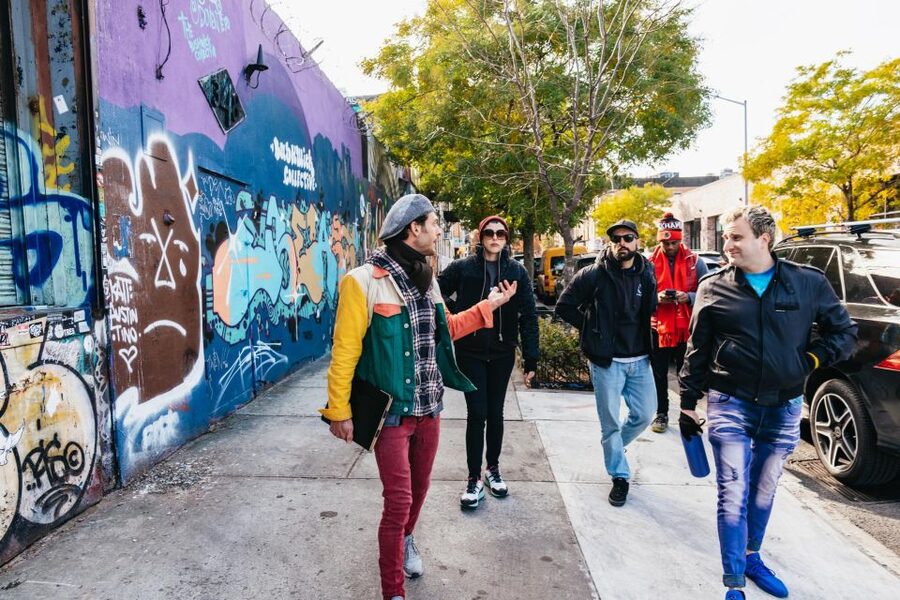
I would recommend it most strongly to:
- Art lovers who want to see murals in their real neighborhood setting.
- Visitors curious about the difference between graffiti, street art, tags, stencils, and wheatpaste.
- Families with older children or teenagers who enjoy drawing, design, or photography.
- First-time visitors to Bushwick who want a clear introduction instead of a random walk.
- Anyone interested in the link between art, local identity, and gentrification.
- Teachers, students, and photographers looking for ideas and useful background.
It may not suit you if you dislike walking, want a private experience, or prefer to explore without a set route. It is also less useful if you only want a quick photograph of a famous wall and do not care who made it or how the work fits into the area.
Should you book it?
Book this tour if you want Bushwick’s murals explained rather than simply photographed. The strongest reasons are the guide’s artist background, the mix of large murals and easy-to-miss pieces, and the clear connection between public art and neighborhood change.
Skip it if you are comfortable exploring independently and would rather spend the $32 on food or another attraction. For most first-time visitors with an interest in art, though, the two-hour format offers a practical introduction to a part of New York that is easy to misunderstand from photographs alone.
FAQ
Where does the Bushwick street art tour start?
Meet in front of Wyckoff-Starr Coffee Shop at 30 Wyckoff Avenue, between Troutman and Starr Streets, in Brooklyn.
How do I reach the meeting point from Manhattan?
Take the L subway line to Jefferson Street station. From 14th Street and Union Square, the ride is about 20 minutes and nine stops. From Midtown, reach 14th Street first and transfer to the L line.
Is the meeting point on Wyckoff Street?
No. The meeting point is on Wyckoff Avenue. Wyckoff Street is in another Brooklyn neighborhood, so check the address carefully.
How long does the tour last?
The walking tour lasts two hours and returns to Wyckoff-Starr Coffee Shop.
What language is the tour conducted in?
The live tour guide speaks English.
What kinds of art will I see?
You can see large murals, graffiti, tags, stencils, and wheatpaste posters. The guide also explains the techniques and styles used by different artists.
Are food and drinks included?
No. Food and drinks are not included in the tour price.
What should I bring?
Bring comfortable shoes, water, a camera, and clothing suited to the weather.
Can I cancel the booking?
You can cancel up to 24 hours before the tour for a full refund. A reserve-now, pay-later option is also available.
New routes in New York City
- New York City: Superheroes of NYC Guided Walking Tour★ 4.5 · 271 reviews
- West Harlem: Gospel Church Service and Sunday Walking Tour★ 4.3 · 411 reviews
- SoHo, Little Italy, and Chinatown 2-Hour Guided Walk★ 4.6 · 566 reviews
- New York City: Food Walking Tour of Chinatown & Little Italy★ 4.8 · 195 reviews
- NYC: Brooklyn Bridge and Dumbo Guided Walking Tour★ 4.5 · 186 reviews
- NYC: Walking Tour with Local Guide and 30+ Top NYC Sights★ 4.5 · 248 reviews
- NYC: History of Slavery & Underground Railroad Walking Tour★ 4.7 · 87 reviews
- New York City’s Hell’s Kitchen: Walking Food Tour★ 4.8 · 200 reviews
New York City Walking Tours, compared.
SoHo, Little Italy, and Chinatown Walking Tour in New York
Read our review →
Secrets of Grand Central Station Walking Tour New York City
Read our review →
Greenwich Village Walking and Food Tasting Tour
Read our review →
Artistic, Alternative Greenwich Village Walking Tour
Read our review →
True Crime NYC: Mafia Walk w/Ret. NYPD Detective and Local Food
Read our review →
NYC Greenwich Village Italian Food Guided Walking Tour
Read our review →Browse the lists this tour appears in