
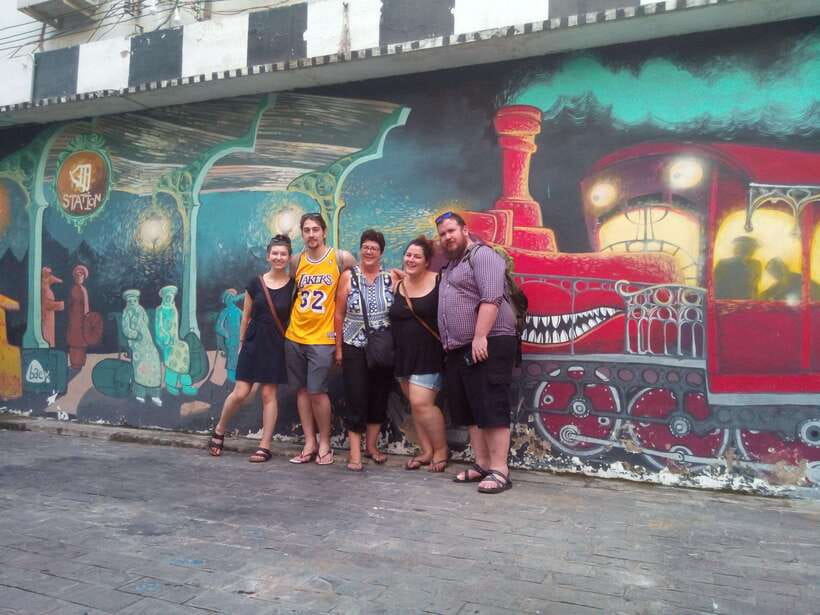
Review · HO CHI MINH CITY
Ho Chi Minh City: Highlights & Hidden Gems Walking Tour
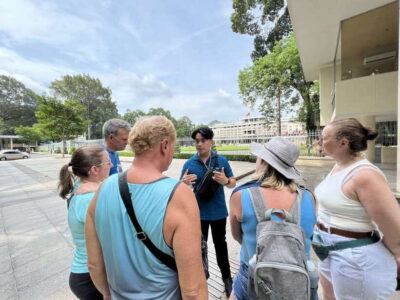
Ho Chi Minh City makes a better first impression on foot than through a taxi window. This tour links the city’s grand French-era buildings with a wet market, old apartments, cafés, wartime sites, and streets where daily life carries on at full speed. I like the clear historical thread, which runs from French rule and the opium trade through the Vietnam War and into modern Saigon. I also like the local touches, including café stops, alleyways, market food, and the fried banana snack praised by several participants.
The main thing to consider is the payment system. The advertised price is only about $0.60, but this is a tip-based tour, and the suggested tip is typically $10 to $50 per person. That can still be good value for 2.5 hours with a strong guide, but you should treat the tip as the real cost, not an optional surprise.
Key things to know before booking
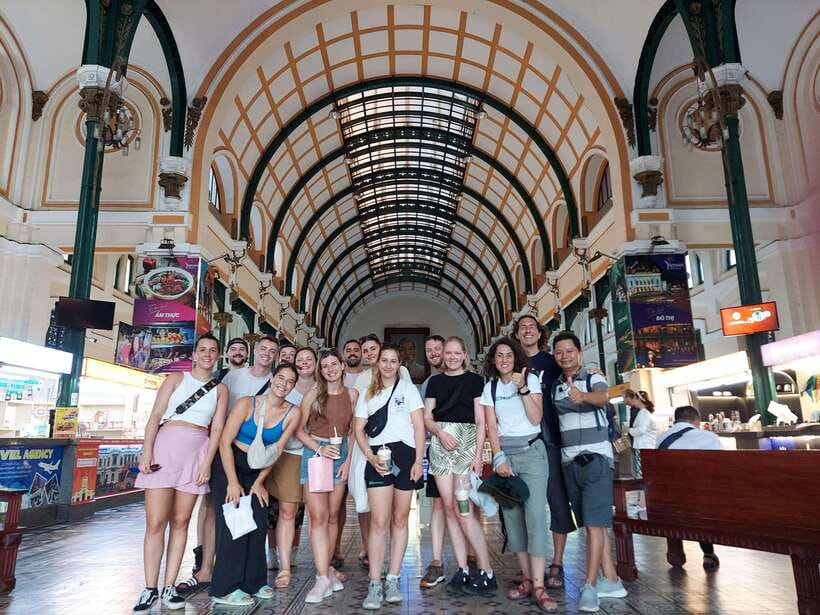
- Joseph is a frequently named guide, praised for clear English, humor, historical storytelling, and useful food and sightseeing advice.
- The route covers major central sights, including City Hall, the Opera House, the former CIA building, the Central Post Office, and Notre-Dame Cathedral.
- The local side matters as much as the monuments, with Chợ Cũ Tôn Thất Đạm, café culture, alleyways, and a traditional market experience.
- Expect a history-focused walk, with stories about French colonization, the Vietnam War, and the growth of Saigon into Ho Chi Minh City.
- The tour is tip-based, so budget roughly $10 to $50 per person rather than relying on the very low displayed booking price.
- It suits first-time visitors, especially if you want orientation, context, and ideas for where to eat and what to explore later.
Starting beneath Bitexco Financial Tower
The meeting point is outside the main entrance of Starbucks at Bitexco Financial Tower. This is a sensible place to begin because the tower gives you an immediate visual marker in central Ho Chi Minh City, and the opening discussion sets up the city’s old and new sides.
Bitexco is more than a convenient landmark. It represents the modern business center that has grown around older streets, French buildings, markets, and the Saigon River. Your guide uses the area to explain how the city developed and why central Ho Chi Minh City can shift from polished towers to narrow lanes within a few minutes.
You then pass the flags of the ASEAN nations. The stop is brief, about 10 minutes, but it gives the tour a regional frame. Ho Chi Minh City is not only a former colonial capital or a war-history destination. It is also one of Southeast Asia’s major commercial cities, tied closely to its neighbors.
More Hidden Gems Walking Tours in Vietnam:
- Dublin Highlights and Hidden Gems Guided Walking Tour
★ 5.0 · 6,020 reviews - Explore Berlin: See All The Iconic Sights & Some Hidden Gems
★ 5.0 · 4,429 reviews - Kyoto Geisha Walking Tour: Gion District & Hidden Gems
★ 4.7 · 3,273 reviews
State Bank stories and the old market
The State Bank of Vietnam’s Ho Chi Minh City office receives about 20 minutes of guided attention. This is the kind of stop that can be easy to ignore on your own. A good explanation helps you connect architecture, government, money, and the city’s changing role.
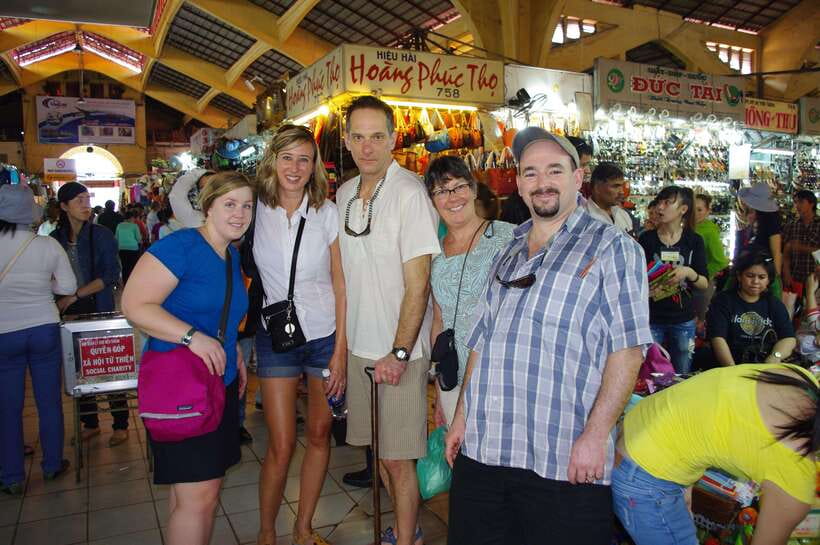
The real change of pace comes at Chợ Cũ Tôn Thất Đạm, the old market. You leave the formal avenues and enter a more everyday setting, with small stalls, food, local commerce, and the smells that define a Saigon morning or afternoon. This is one of the most useful parts of the walk because it gives you a look at the city beyond its postcard buildings.
Do not expect a long market-shopping session. The listed stop lasts about 20 minutes, so the purpose is orientation and observation rather than a full meal or serious buying trip. Still, the market helps explain how local neighborhoods function. It also gives you a chance to ask your guide what to eat and where to return later.
Several guides have added small treats along the way. Fried banana was a particular highlight for some participants, and snacks like this make the walk feel less like a string of lectures. Food stops are not guaranteed as a formal inclusion, so think of them as a possible guide-led extra rather than part of the paid package.
Nguyen Hue and the city’s grand civic center
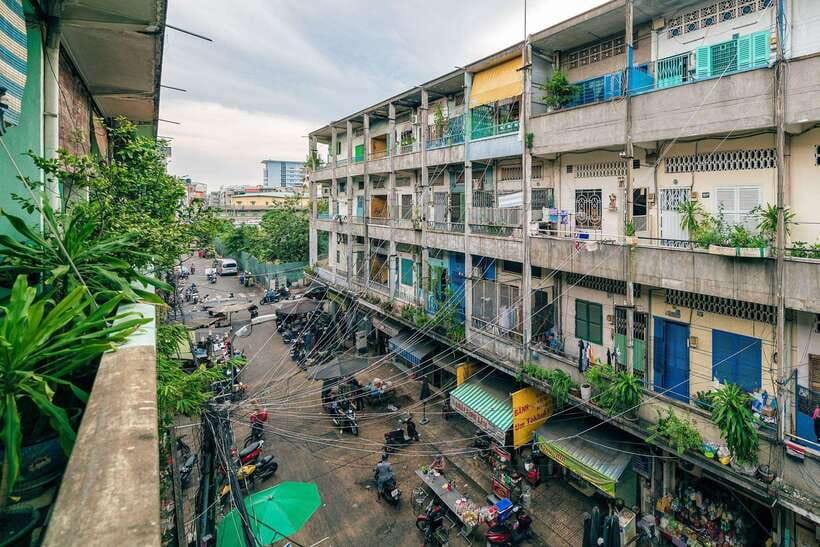
At 42 Nguyen Hue, you get a 10-minute photo stop. The address is known for its old apartment buildings, some of which have become cafés, shops, and creative spaces. This is a good example of Ho Chi Minh City’s habit of giving old structures new uses.
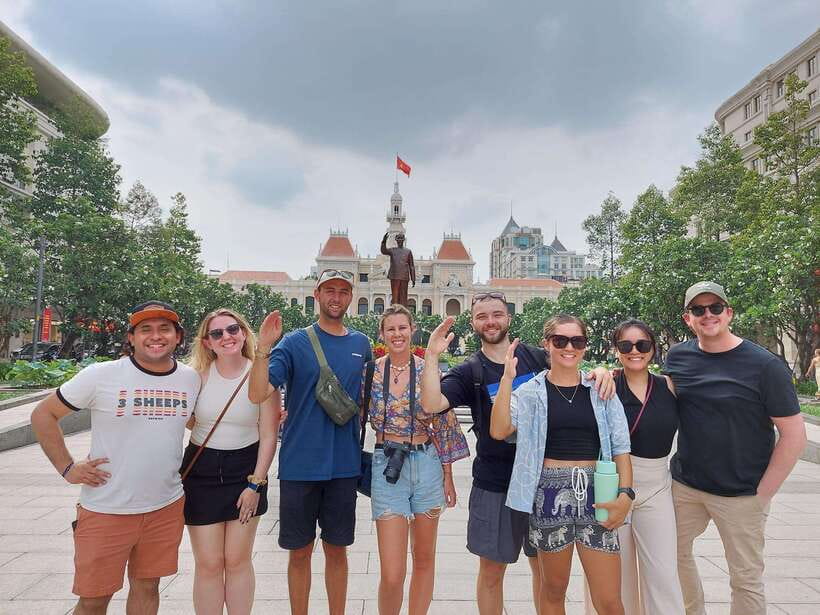
The stop also leads naturally to Nguyen Hue Walking Street. Here, the city opens out into a broad pedestrian avenue framed by grand buildings, cafés, hotels, and government offices. Your guide can help you read the street as more than a place for photographs. It is a public stage where modern city life, national celebrations, families, young people, and visitors all meet.
Ho Chi Minh City Hall follows. The building is one of the most recognizable French colonial landmarks in the center, though access inside is limited. The value is in hearing about its political role and its place in the city’s colonial past. Your guide can also point out how the formal architecture contrasts with the noisy streets and dense commercial life around it.
This part of the walk is relatively open and easy to follow. In strong heat, though, the wide street may provide less shade than a narrow lane. Bring water, wear light clothing, and use the rest stops when offered.
The Opera House and the former CIA building
The Municipal Theatre, usually called the Saigon Opera House, is another major French colonial building. Its decorative façade makes it one of the most attractive stops on the route, but the surrounding streets also show how the old colonial center has been absorbed into a modern business district.
The guide’s explanation is what turns a photo stop into useful travel context. You learn how the building fits into the city’s colonial story and how the district changed after independence. You may not enter the theater, so this is primarily an exterior visit.
At 22 Ly Tu Trong, the tour turns toward wartime history. The address is associated with the former CIA building, a place connected to the final period of the Vietnam War. It is a powerful stop because it brings a large historical event down to one ordinary-looking city address.
The best guides handle this section with care. Joseph, in particular, has been praised for telling the city’s story in clear chapters, from its early development through French rule, the American War, and the present day. The tour is not a formal museum visit, but it gives you enough background to understand why certain streets and buildings matter.
If you have strong interest in war history, you will probably want to pair this walk with a longer visit to a dedicated museum or historic site. The tour offers a compact overview rather than a full military or political study.
More City Highlights Walking Tours in Vietnam:
- Ho Chi Minh City Street Food Tour & Sightseeing By Motorbike
★ 5.0 · 9,413 reviews - Ho Chi Minh: City Highlights Guided Walking Tour
★ 4.9 · 188 reviews - Historic Charleston Guided Sightseeing Walking Tour
★ 5.0 · 6,216 reviews - Vienna: Guided Walking Tour of City Center Highlights
★ 4.7 · 4,989 reviews
The Central Post Office and Notre-Dame Cathedral
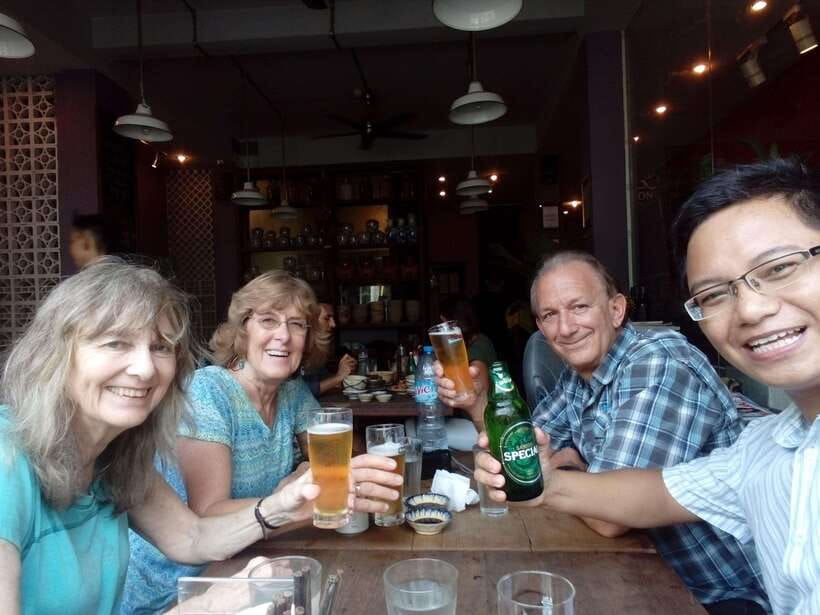
The Central Post Office is one of the route’s best-known landmarks and a rewarding place to see in person. Its French-era design, high interior, and continuing public use make it more than a preserved façade. You can see how a colonial institution has become part of the city’s ordinary life.
The guided portion lasts around 10 minutes. That is enough for the main story and a few architectural details, but not enough for a long independent visit. If you want to send postcards, inspect the interior slowly, or browse the displays, you may need to return on your own.
Notre-Dame Cathedral is next door. Restoration work or access limits can affect what you see, and the experience is mainly from outside. Even so, the cathedral and post office together show how strongly French planning shaped the old center of Saigon.
This pair is also a useful photography stop. Go early or late in the day if you want softer light, but the tour’s exact start time depends on availability. Your guide can tell you when to return for quieter photographs.
Finishing with Book Street and practical local advice
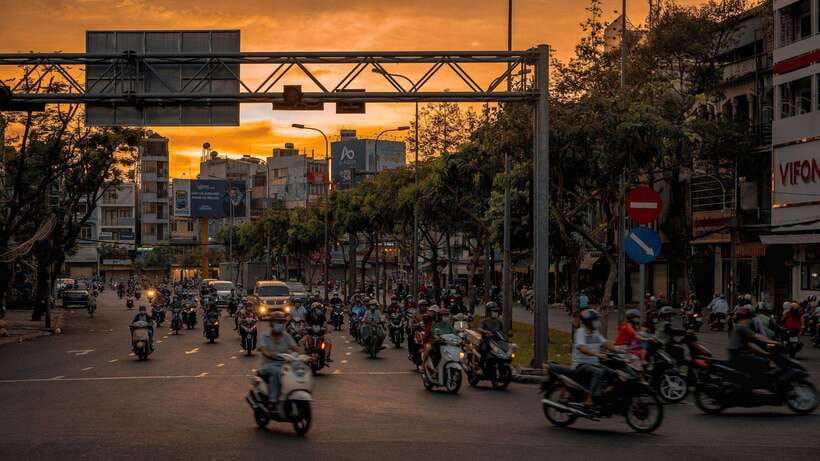
The route finishes at Ho Chi Minh City Book Street, a calmer pedestrian area near the cathedral and post office. It is a fitting end because it shifts the mood from colonial buildings and wartime memory to modern culture, reading, cafés, and local leisure.
Book Street is not a major sightseeing blockbuster. That is precisely why it works as a final stop. You can slow down, browse, and ask your guide for suggestions on food, neighborhoods, cafés, and places to visit next. Several participants valued the recommendation lists sent after the tour, particularly when they were short on time in Saigon.
The published information also says the activity ends back at the meeting point, while the route description identifies Book Street as the finish. Confirm the exact end point with the provider before setting up a tight dinner reservation or airport transfer. The locations are close within the central district, but the distinction still matters.
The experience is described as a walking tour, though cabs may be arranged when needed. That is useful in hot weather or if a section of the route becomes impractical on foot. It also means you should not assume every minute will be spent walking continuously.
What the guide can add to the experience

The guide is the key variable here. Joseph is repeatedly singled out for energetic storytelling, strong English, humor, gifts and treats, and recommendations sent after the walk. Van is praised for reading the group well, adding breaks in air-conditioned or shaded places, and answering questions clearly. Little Trung is also mentioned warmly for a well-planned outing, a good mood, and snacks.
That range tells you what to look for. A strong guide does not simply recite dates. The guide explains why the city developed where it did, how different districts relate to one another, and how historic buildings remain part of daily life.
The route can include stories about French demands for opium, café culture, back alleys, the American War, and scenes linked with The Quiet American. These references give history a human scale, but the exact emphasis may vary by guide and group.
The tour can also be fun without becoming lightweight. Participants valued guides who used humor while still explaining the serious parts clearly. If you enjoy asking questions, this is likely to be more rewarding than a rigid sightseeing circuit.
Price, tips, and overall value
The displayed price of $0.60 per person is not the full financial picture. This is a tip-based walk with no fixed tour price, and the usual suggested tip is $10 to $50 per person. Your final cost depends on your budget and how much you value the guide’s work.
At the lower end, the tour can be an excellent bargain for 2.5 hours of orientation, local stories, and central-city sightseeing. At the upper end, it becomes comparable to a standard paid walking tour, so your decision should rest on the guide, the route, and the personal attention you receive.
The tip system has one advantage: it gives you flexibility. It also creates uncertainty. If you prefer to know the exact cost before booking, this format may feel uncomfortable. Prepare cash or another suitable way to tip, and remember that the guide’s income depends on this payment.
Free cancellation up to 24 hours before the start and reserve-now, pay-later booking make it easy to fit into a changing itinerary. The tour is offered in English and is listed as wheelchair accessible. Babies under one year and people over 95 are listed as unsuitable for the activity.
Is this 2.5-hour walk right for you?
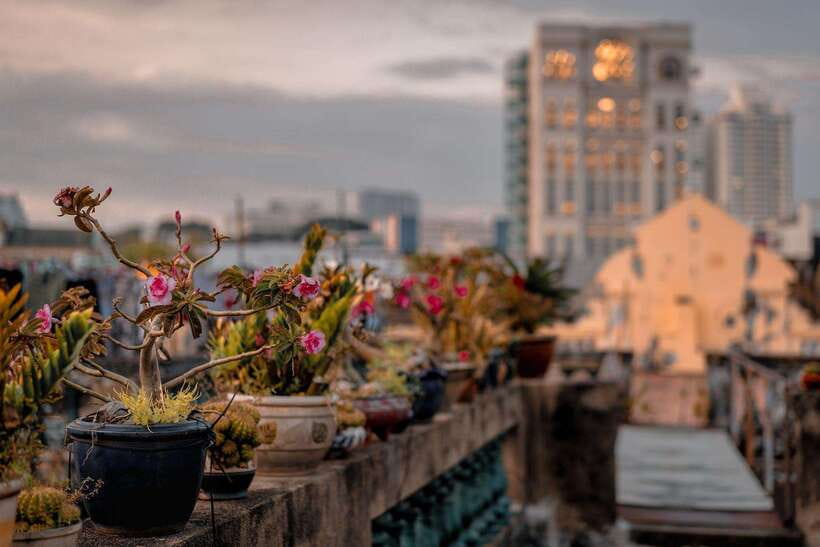
I would choose this tour early in a Ho Chi Minh City visit, especially if I had only a few days. It gives you a city map in your head, a basic historical timeline, and a useful list of cafés, food stops, and neighborhoods to explore later.
It is also a good fit if you want more than landmark photographs. The market, café culture, old apartments, former CIA building, and street-level details give the walk texture without requiring a full-day commitment.
You should think twice if you dislike walking in heat, want extensive interior visits, or prefer a fixed-price tour. The route is fairly compact, the historic buildings are mostly viewed from outside, and the tip is the real payment.
FAQ
How long does the Ho Chi Minh City walking tour last?
The tour lasts 2.5 hours. Some descriptions refer to nearly three hours, so check the selected start time and current details when booking.
Where does the tour start?
Meet outside the main entrance of Starbucks Coffee at Bitexco Financial Tower.
Where does the tour finish?
The route description finishes at Ho Chi Minh City Book Street. The activity information also says it ends back at the meeting point, so confirm the exact finish location before booking other plans.
What language is the tour in?
The live tour guide speaks English.
Is the tour free?
It is a tip-based walking tour with no set price. The displayed booking amount is about $0.60 per person, but the usual tip is between $10 and $50 per person.
What sights are included?
The route includes Bitexco Financial Tower, the ASEAN flags, the State Bank of Vietnam office, Chợ Cũ Tôn Thất Đạm market, Nguyen Hue, Ho Chi Minh City Hall, the Municipal Theatre, the former CIA building, the Central Post Office, Notre-Dame Cathedral, and Book Street.
Are taxis used during the tour?
The experience is primarily on foot, but cabs may be arranged when needed.
Is the tour wheelchair accessible?
Yes, the activity is listed as wheelchair accessible. It is not listed as suitable for babies under one year or people over 95 years old.
Can I cancel the booking?
Yes. You can cancel up to 24 hours in advance for a full refund. You can also reserve now and pay later.
Should you book it?
Book this walk if you want a lively introduction to central Ho Chi Minh City with history, local streets, food suggestions, and a guide who can connect the major sights. Joseph, Van, and Trung are names worth noting, though your assigned guide may differ.
I would especially recommend it for first-time visitors, short stays, and anyone who wants to understand the city before exploring it alone. Just budget for the tip, carry water, allow for heat, and confirm the final meeting point. With those details handled, this is a practical way to get your bearings and see why Saigon rewards curious walkers.
New routes in Vietnam
- Ho Chi Minh City: Super Niche Walking Street Food Tour★ 5.0 · 438 reviews
- Hanoi: Street Food Walking Tour & Water Puppet Show★ 4.8 · 205 reviews
- Saigon: Private Backstreets Walking Food Tour★ 4.9 · 83 reviews
- Ninh Binh Sunset Tour And Visit Hoa Lu Walking Town At Night★ 4.4 · 94 reviews
- Hue Imperial Ancient City Walking Tour★ 4.8 · 308 reviews
- Hue Imperial City Walking Tour: Citadel & Forbidden City★ 4.8 · 245 reviews
- Hoi An/Da Nang: Private Photoshoot & Guided Walking Tour★ 5.0 · 160 reviews
- Hoi An Ancient Town – Walking Tour with Local Guide★ 4.9 · 385 reviews
Ho Chi Minh City Walking Tours, compared.
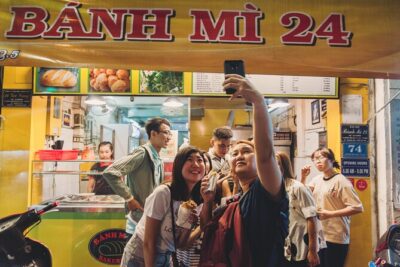
Ho Chi Minh City Street Food Tour & Sightseeing By Motorbike
Read our review →
Private Street Food Evening Walking Tour in Ho Chi Minh City
Read our review →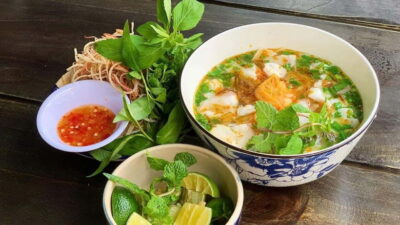
Ho Chi Minh City: Walking Food Tour with 13 Tastings
Read our review →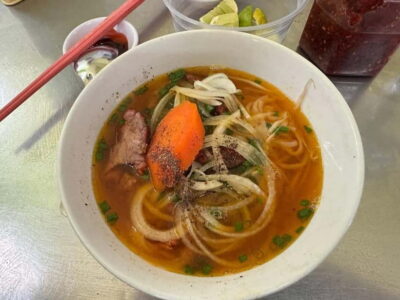
Ho Chi Minh: Original Walking Street Food Tour with Foodies
Read our review →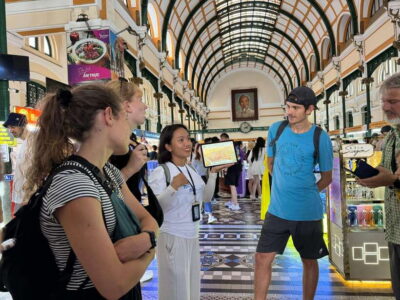
Ho Chi Minh: City Highlights Guided Walking Tour
Read our review →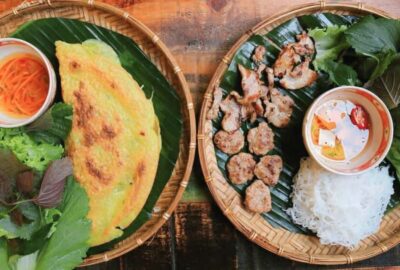
Browse the lists this tour appears in