
Review · ITALY
Alberobello: History Walking Tour
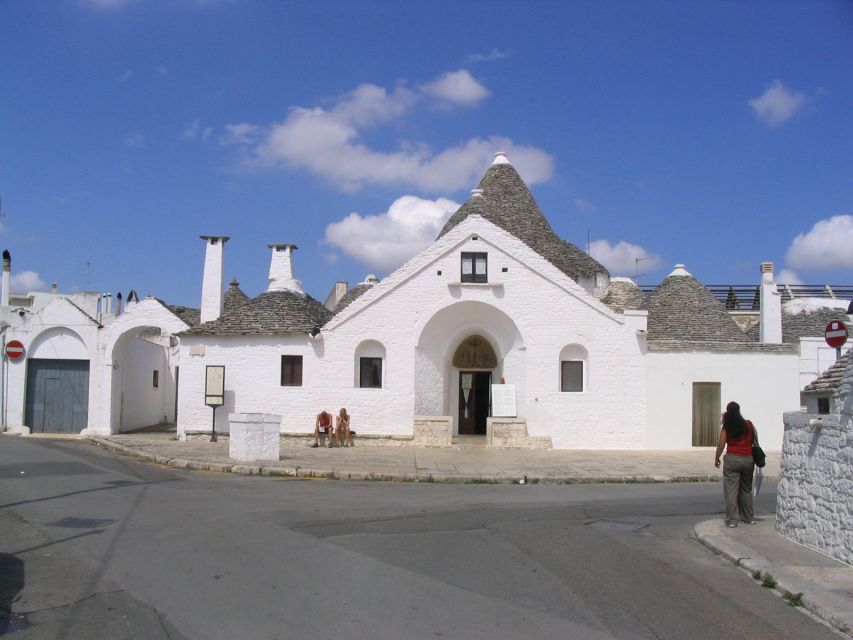
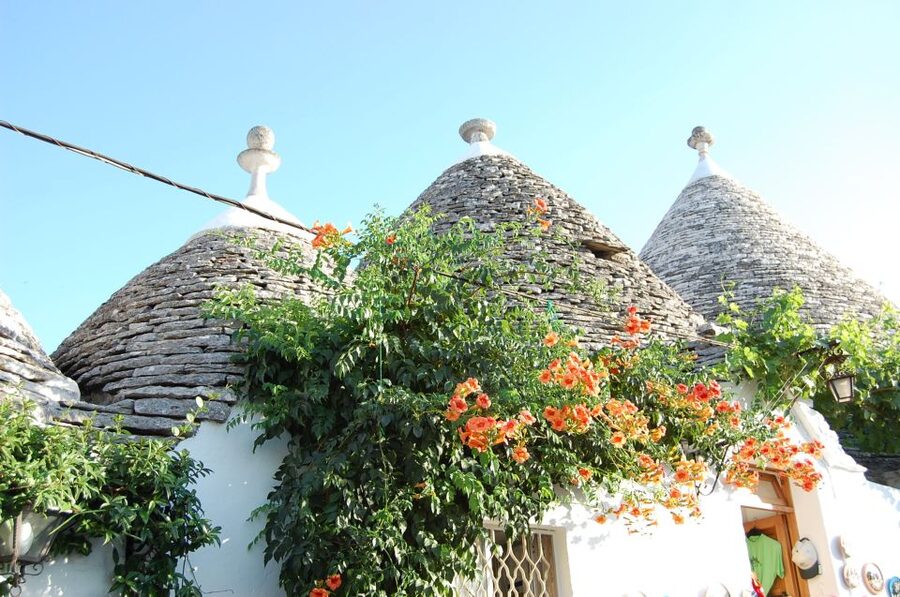
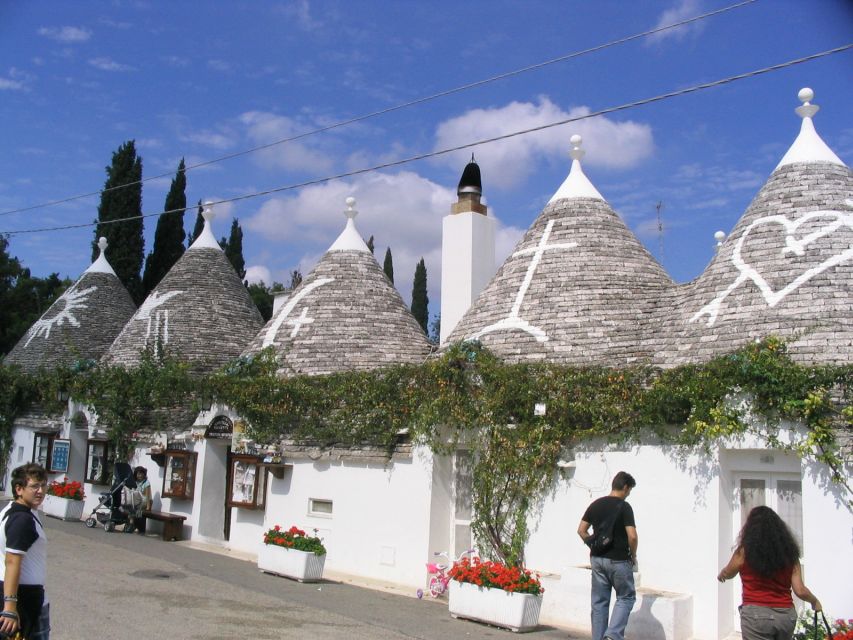
Alberobello makes its first impression with rows of whitewashed houses topped by gray stone cones. This walking tour helps you see past the postcard view, explaining why the trulli were built without cement, how their unusual form works, and how people still use them today. You begin at the Belvedere terrace, then walk through Rione Monti and Aia Piccola before entering a traditional trullo.
I like the balance of history and access here. You do not only look at the buildings from the street. You also step inside a local home to see how a trullo is arranged. I also like the human touch: guides including Francesco, Mario, Roberta, Floriana, Alessandro, and Sylvia have been praised for clear explanations, warm conversation, local contacts, and even lunch or food suggestions. The main consideration is that this is a short walking tour, not a full-day cultural program, and transfers are not included.
Key points at a glance
- Start with the Belvedere view: Get your bearings before entering Alberobello’s two famous trulli districts.
- Compare Rione Monti and Aia Piccola: See two parts of town with different moods and architectural details.
- Enter a real trullo home: Go beyond exterior photographs and learn how the cone-shaped rooms fit together.
- Reach the Church of San Antonio: Walk through narrow lanes to a church built in the same trullo style.
- Learn from a licensed local guide: Tours are offered in English, French, Spanish, and Italian, with a private-group option.
- Good value at $40: The fee covers a 1.5 to 2-hour guided walk, local context, and entry to a traditional home, but not transport.
Why Alberobello makes more sense with a guide
You can walk through Alberobello and admire the white walls and pointed roofs without help. The town is visually easy to enjoy. The harder part is understanding why it looks this way, what makes one trullo different from another, and how a whole district developed around this form of building.
That is where this tour earns its keep. A guide gives you the story behind the stone roofs and the building methods, rather than leaving you with a collection of attractive photographs. Roberta, for example, explains why local people built trulli with rocks and no cement, then uses actual buildings and museum displays to make the construction easier to understand.
The guide also gives you a local point of reference. Francesco has been praised for taking people inside historic houses and explaining small details of their design. Mario brings a lighter touch while still covering the history of the trulli. Floriana combines a pleasant manner with solid historical explanations, while Alessandro has been described as especially accommodating and generous with information.
Guide quality can vary from one departure to another, of course. Still, the repeated emphasis on storytelling, clear English, and personal attention is important. This is not a walk where the guide simply points down a lane and recites dates. The best version of the experience connects the buildings to daily life.
More History Walking Tours in Italy:
- Venice: City Center Historical Guided Walking Tour
★ 4.2 · 1,873 reviews - Palermo: Street Food and History Walking Tour
★ 4.9 · 1,486 reviews - Verona: History and Hidden Gems Guided Walking Tour
★ 5.0 · 1,379 reviews
The Belvedere terrace gives you the right beginning
The tour starts with a view from the Belvedere terrace. This is a smart first stop because Alberobello’s trulli districts make more sense when you see them as a whole.
From above, the cone-shaped roofs create a pattern that is difficult to understand at street level. The Belvedere also gives your guide room to explain the town’s history before you enter the narrow alleys. You get the broad picture first, then the close-up details.
I like this order. It prevents the walk from becoming a string of disconnected stops. As you look across the town, you can begin to notice the repeated shapes, white walls, and tightly packed buildings that define Alberobello.
The viewpoint is also useful for orientation. Since the meeting point may vary depending on the option you book, check your confirmation carefully before setting out. Transfers are not part of the experience, so you will need to reach the starting point on your own.
Rione Monti: Alberobello’s famous trulli streets
The walk continues into Rione Monti, one of the two districts included in the tour. This is the part of Alberobello most closely linked with the classic trulli image: small white buildings, conical roofs, and lanes that invite you to keep looking around the next corner.
Your guide can point out the architectural features that are easy to miss when you are focused on taking pictures. The tour is especially useful here because the buildings can look similar at first glance. An explanation of their structure helps you see the differences in layout and use.
Rione Monti is also where the town’s popularity is most apparent. You should expect a more visitor-focused setting than in a quiet residential quarter. That is not a reason to skip it. The district is central to Alberobello’s identity, and seeing it with a guide lets you place the busy, photogenic streets in their proper context.
A short tour cannot examine every trullo in detail. Instead, it gives you a clear introduction and shows you how to look. I would pay attention to the relationship between the outside cone and the rooms below. The guide’s explanation is more valuable than simply hearing that the houses are old or unusual.
Aia Piccola offers a different view of the town
The tour also visits Aia Piccola, the other major trulli district. Having both districts in the itinerary is one of the strongest features of the experience because it gives you a point of comparison.
Aia Piccola helps broaden your view of Alberobello beyond its most photographed streets. You still walk among the same distinctive houses and small lanes, but the district adds another side to the town. The guide can explain how the old and newer parts of Alberobello relate to one another, a distinction that Sylvia has used to make the town easier to understand.
This contrast matters. If you only see one cluster of trulli, you may leave thinking Alberobello is simply a pretty collection of cone-roofed houses. Visiting both areas gives you a better sense of the town’s structure and history.
The lanes are part of the charm, but they also mean you should wear comfortable shoes. The tour is entirely on foot and lasts about 1.5 to 2 hours. That is manageable for most people, though anyone who prefers a very slow pace should remember that the group still has several areas to cover.
More Walking Tours in Italy:
- Venice: Doge’s Palace and St Mark’s Basilica Walking Tour
★ 4.4 · 6,291 reviews - Milan: Guided Walking Tour & Last Supper Visit with Ticket
★ 4.7 · 5,409 reviews - Naples: Street Food Walking Tour with Local Guide
★ 4.9 · 4,976 reviews - Florence: Highlights Walking Tour with Expert Guide
★ 4.6 · 4,662 reviews
The Church of San Antonio keeps the theme going
As you move through the little alleys, you reach the Church of San Antonio. Its trullo-shaped design makes it a natural part of this walking route.
The church is not presented as an isolated church visit. It fits into the wider explanation of Alberobello’s architecture. After seeing ordinary trulli used as homes, you encounter the same general visual language applied to a religious building.
That makes the stop more meaningful than a quick photograph. You can compare the church’s form with the houses around it and see how strongly the trullo shape defines the town.
The tour does not promise an extended interior visit or a religious service experience, so think of San Antonio as an architectural stop within the walk. Your guide’s explanation is what turns it into a useful part of the route.
Inside a traditional trullo home
The most valuable stop comes near the end, when you visit a local home and see how a trullo is composed. This answers the question many people have after walking past the buildings: what is it actually like inside?
From the outside, a trullo can seem small and almost toy-like. Inside, the structure becomes easier to understand. Your guide explains the arrangement and the details that make the building work as a home. This is also where the difference between looking at architecture and understanding architecture becomes clear.
Entry to a traditional house gives the tour a personal quality. You are not limited to public streets or a distant view. You get a closer look at how the rooms fit under the cone-shaped roof and how the building’s form affects everyday space.
The exact home and host can vary, so do not expect the same household or presentation every time. The supplied tour information does confirm that you will visit a local home, and several guides have been praised for arranging access to historic houses and meeting local residents.
Some departures may also include a taste of local products. That detail appears in individual accounts of the experience, but it should not be treated as a guaranteed part of every booking. If food matters to you, ask when you meet your guide rather than assuming it is included.
What the guides add to the walk
A good local guide is especially useful in Alberobello because the town’s visual appeal can overshadow its details. The strongest guides on this experience appear to do three things well: explain the building methods, tell the story in an engaging way, and respond to questions.
Dominicio is praised for storytelling that keeps the history entertaining. Francesco is noted for strong English, personal attention, historic house visits, and local product tastings on one departure. Mario is described as both funny and well informed about the trulli.
Other guides bring different strengths. Roberta focuses on why the buildings were made from rocks without cement and uses museum displays to explain the structure. Sylvia combines historical information with a warm manner and a look at old and new Alberobello. Floriana adds humor, while Alessandro is praised for kindness and flexibility.
You cannot choose among these guides unless a private option or a specific guide request is available at booking. Still, the range of feedback suggests that the experience depends less on a rigid script and more on the person leading your walk. That is generally a good sign for a small local tour.
Is $40 a fair price?
At $40 per person, this is not the cheapest way to stroll through Alberobello. You can walk the streets without paying anything. The price becomes easier to justify because it includes a licensed guide, the full route through Rione Monti and Aia Piccola, the Belvedere introduction, the Church of San Antonio, and entry into a traditional trullo home.
The home visit is the key value. Without it, you would mainly be paying for interpretation while walking through public areas. With it, you gain access to the inside of a building that you might otherwise only photograph from the lane.
The tour also makes sense if you have limited time in Apulia. In under two hours, you receive an organized introduction to the town and its unusual architecture. You do not need to spend your arrival time working out which district to visit first.
I would be less enthusiastic about the price if you already know Alberobello well, have studied trulli architecture, or prefer to wander alone. For a first visit, though, the combination of guide, two districts, and home access gives the fee a reasonable return.
Children under 18 are free, which improves the value for families. At least two participants are required for the tour to operate, and a private group option is available for people who want a more personal setting.
Timing, group style, and practical planning
The stated duration is 1.5 to 2 hours, with starting times depending on availability. That makes this an easy addition to a day in Alberobello rather than a full-day commitment.
Because the tour ends back at the meeting point, it is simple to continue with your own plans afterward. You might use the rest of your day for independent shopping, lunch, or another Apulian town, but the tour itself does not provide transfers.
Wear shoes suited to walking through small alleys. The route includes several districts and is not a seated talk. You should also arrive at the correct meeting point, since the starting location can change according to the option booked.
Live guiding is available in English, French, Spanish, and Italian. The availability of a particular language depends on the departure you select, so confirm it before paying.
The cancellation terms are practical: you can cancel up to 24 hours in advance for a full refund. You can also reserve now and pay later, which helps if your Apulia plans are still shifting.
Who will get the most from this tour?
I would recommend this walk to a first-time visitor who wants more than photographs. It suits you especially well if you like architecture, local stories, and short guided experiences with a clear route.
Families can benefit from the free admission for children under 18, though younger children need to be comfortable walking for up to two hours. The unusual houses give children something concrete to look at, while the home visit adds a sense of discovery.
The tour also works well for people who do not want a large, impersonal group. A private option is available, and the guide accounts suggest that some departures feel personal and flexible. Ask about the group format when booking if that matters to you.
I would choose a different plan if you want a long food tour, extensive museum time, or transport from another town. None of those are included. This is a focused introduction to Alberobello’s trulli, not a complete Apulia sightseeing package.
Should you book the Alberobello History Walking Tour?
Book it if you want the town explained rather than simply photographed. The strongest reasons are the Belvedere overview, the comparison between Rione Monti and Aia Piccola, and the chance to enter a traditional trullo home.
The $40 cost is fair for a first visit, especially because children under 18 go free and the tour includes a licensed guide in several languages. Go in with realistic expectations: you will walk for 1.5 to 2 hours, arrange your own transport, and may experience different guide styles depending on the departure.
If you prefer independent wandering, you can skip the tour and still enjoy Alberobello’s striking streets. But if you want to understand why these houses were built, how their stone roofs work, and what life inside one feels like, this is a useful and well-focused choice.
FAQ
Where does the Alberobello History Walking Tour take place?
The tour takes place in Alberobello, in Apulia, Italy. It visits the Belvedere terrace, Rione Monti, Aia Piccola, the Church of San Antonio, and a traditional trullo home.
How long does the walking tour last?
The tour lasts approximately 1.5 to 2 hours. Starting times depend on availability.
What is included in the tour?
The price includes the walking tour and a licensed guide. The route also includes a visit inside a traditional trullo home.
Are transfers included?
No. Transfers are not included, so you must arrange your own way to the meeting point.
Where does the tour start?
The meeting point may vary depending on the option you book. Check the booking details for the specific starting location.
Where does the tour end?
The activity ends back at the meeting point.
Which languages are available?
Live guiding is available in English, French, Spanish, and Italian.
Is a private group possible?
Yes. A private-group option is available.
Are children allowed to join for free?
Yes. Children under 18 can join for free.
Is there a minimum number of participants?
Yes. At least two participants are required for the tour to run.
Can I cancel the booking?
Yes. You can cancel up to 24 hours in advance for a full refund.
Can I reserve now and pay later?
Yes. The reserve-now-and-pay-later option lets you hold a place without paying immediately.
New routes in Italy
- Private St. Francis Basilica of Assisi and City Walking Tour★ 5.0 · 114 reviews
- Assisi Private Walking Tour including St. Francis Basilica★ 5.0 · 124 reviews
- Milan: City Highlights Walking Tour with The Last Supper★ 4.9 · 195 reviews
- Florence: Heart of Florence Guided Walking Tour★ 4.0 · 81 reviews
- Milan: Private or Shared Essential Walking Tour★ 4.7 · 84 reviews
- Taormina: Shared or Private Food & Wine Walking Tour★ 4.6 · 167 reviews
- Syracuse: Ortigia Private Walking Tour★ 4.8 · 181 reviews
- Syracuse: Ortigia and Neapolis Guided Walking Tour★ 4.7 · 205 reviews
Italy Walking Tours, compared.
Doge’s Palace and St Mark’s Basilica Walking Tour
Read our review →
Guided Walking Tour & Last Supper Visit with Ticket
Read our review →
San Marco to Rialto Walk & Spritz Like a Local
Read our review →
Uffizi & Accademia Timed Entry: Small Group Duomo Walking Tour
Read our review →
Browse the lists this tour appears in