
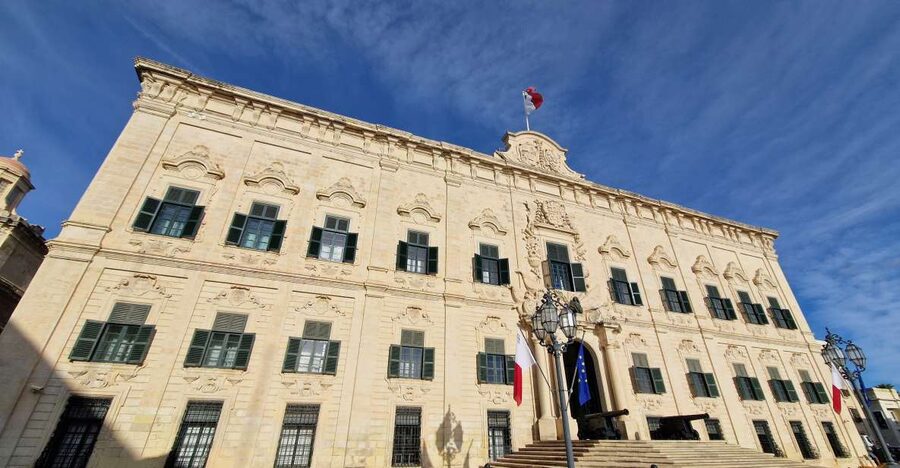
Review · VALLETTA
Valletta: City Walking Tour in a Small Group
Valletta is compact, but it packs centuries of power, faith, war, and daily Maltese life into a small peninsula. This 2.5-hour walking tour gives you a useful first look, from Renzo Piano’s modern City Gate and Parliament building to knight-built palaces, busy streets, quiet corners, and the harbour view from Upper Barrakka Gardens.
I like the small-group format because guides such as Karl, Chris, Lorraine, and Leila can keep the pace comfortable and answer questions without shouting over a crowd. I also like the price: at $24 per person, you get a clear introduction to Valletta without paying for transport or a long half-day commitment.
The main consideration is that this is an outdoor walking tour in all weather, with no entrance visits listed for the major churches or palaces. Bring good shoes, water, and clothing for the forecast, and expect to see many important buildings from the street rather than tour their interiors.
Key points to know before you book
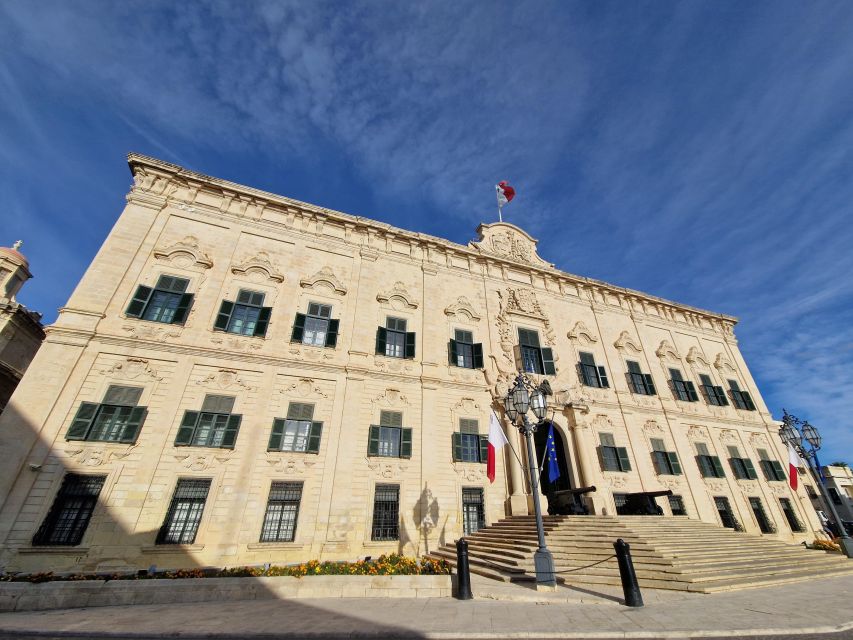
- Start beside the Triton Fountain: Meet under the shady trees to the left of the fountain, just outside Valletta’s gates and next to the bus terminal.
- See old and new Valletta together: Renzo Piano’s City Gate and Parliament building frame the approach to a city built by the Knights of St John.
- A story-led walk: Guides including Karl, Chris, Lorraine, and Leila are praised for clear history, humour, and an easy pace.
- Main sights plus quieter streets: You follow Republic Street, then turn into side roads where smaller details are easier to notice.
- Two Barrakka Gardens feature in the route: Lower Barrakka Gardens appears as a rest and photo stop, while Upper Barrakka Gardens is the final viewpoint.
- Good value for a first visit: The tour costs $24, lasts 2.5 hours, is conducted in English, and is wheelchair accessible.
Starting at Valletta’s modern City Gate
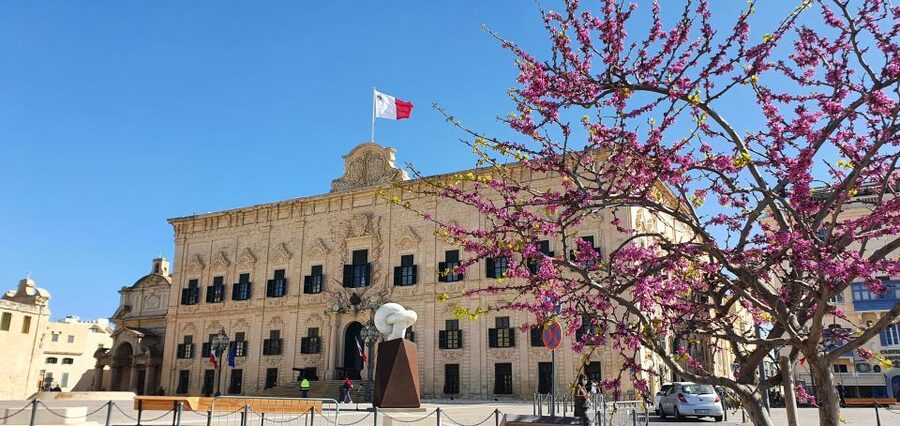
Your meeting point is easy to locate if you arrive by bus. Meet just outside Valletta, next to the bus terminal, to the left of the Triton Fountain as you look toward the city. The guide waits beneath the shady trees in front of the Tourist Information Office.
That location sets up one of the tour’s best contrasts. Valletta begins with a modern entrance designed by Italian architect Renzo Piano, not a grand medieval gate. You then see the Parliament building, also part of Piano’s work, before walking into a city whose main shape and identity were formed by the Knights of St John.
I appreciate this opening because it prevents Valletta from becoming a parade of old stones without context. You see that the city continues to change, and the guide can explain how modern Malta meets its knightly past. The short stop at Parliament is listed as about ten minutes, so do not expect an interior visit or a long architectural lecture. It is a quick orientation before the main walk.
The setting can be busy, especially near the bus terminal and City Gate. Stay close to your guide during the first few minutes, listen for the meeting instructions, and wear shoes that feel secure on historic streets.
More Small-Group Walking Tours in the world:
- Amsterdam Anne Frank: Small-Group Walking Tour & Local Guide
★ 4.8 · 12,789 reviews - Boston: Freedom Trail History Small Group Walking Tour
★ 5.0 · 6,450 reviews - New Orleans Food Walking Tour of the French Quarter with Small-Group Option
★ 5.0 · 6,118 reviews
Walking Republic Street and the Knights’ palaces
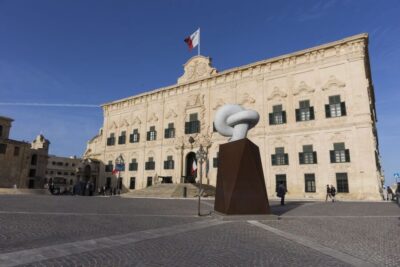
Republic Street is Valletta’s main spine. It brings together shops, museums, churches, palaces, and the daily movement of the city. The tour spends roughly thirty minutes here, using the street as a way to explain Valletta’s plan and the role of the Knights of St John.
This is not just a march from one landmark to the next. The guide points out the different architectural styles along the way and explains how the city became a meeting place for people from many cultures. Malta’s position in the Mediterranean shaped that mix, and the stories help you understand why Valletta can feel both distinctly Maltese and outward-looking.
You pass the imposing St John’s Co-Cathedral, one of the city’s essential sights. The route description treats it as an exterior stop, so plan a separate visit if you want to see the interior, Caravaggio paintings, or the cathedral’s decorated chapels. That limitation is worth knowing before you book. The walking tour gives you the setting and the story, but it is not a substitute for a dedicated cathedral visit.
Republic Street can be crowded and noisy. That is part of seeing Valletta as a living city, but it can make conversation harder for a very large group. The small-group format helps. Several guides are praised for making sure everyone could hear, and one guide was singled out for taking the group through busy streets with care.
Republic Square and the city’s public face
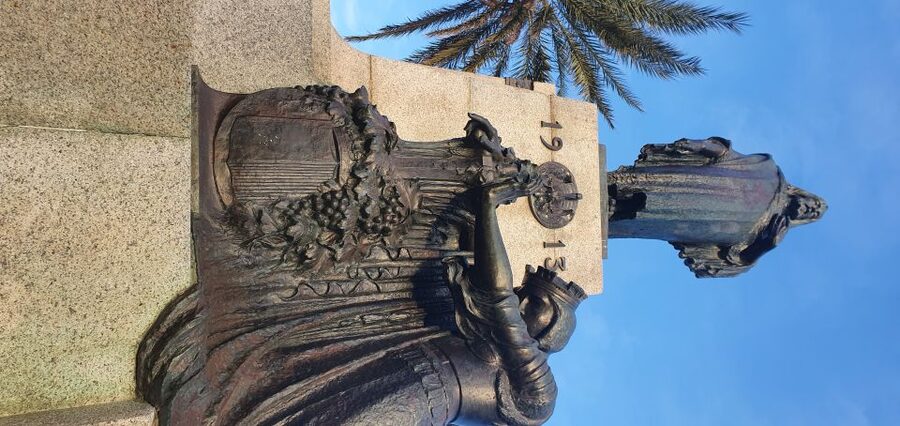
Republic Square gives the walk a natural pause. You stop for photographs and hear about Queen Victoria’s statue, which sits among the activity of modern Valletta. The square connects public ceremony, local life, and the city’s shopping streets in one open space.
This is a short stop, around ten minutes, so think of it as a visual and historical pause rather than a full museum-style explanation. Your guide can help you read the square: who is represented, how the space is used, and why central squares matter in a planned capital.
I find stops like this useful because they give you a mental map. After the tour, you can return to Republic Square on your own and use it as a reference point for finding nearby churches, cafés, and museums. The guide’s wider comments about Valletta’s past also give more meaning to details you might otherwise pass without noticing.
Lower Barrakka Gardens and time to catch your breath
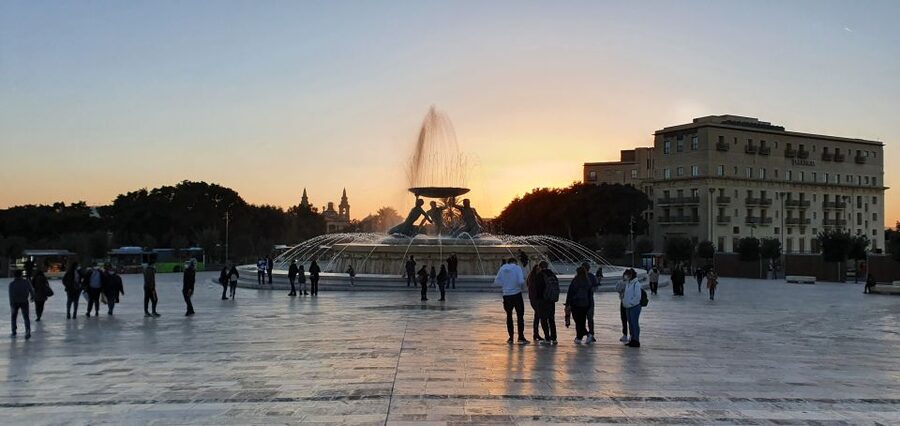
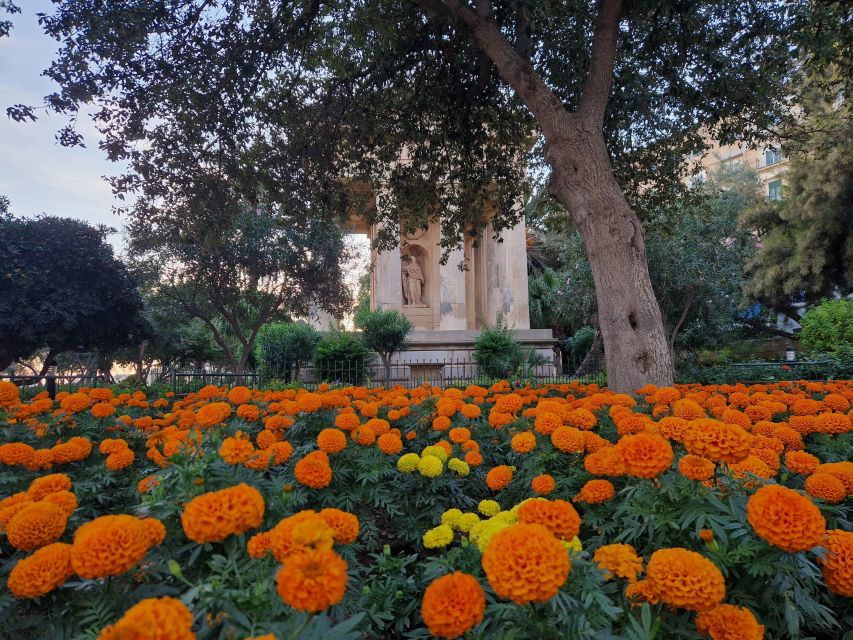
The route includes a break and photo stop at Lower Barrakka Gardens, with about twenty minutes set aside. This is a welcome change from the narrow streets and hard paving. You can slow down, listen, take pictures, and let the guide connect Valletta’s gardens with its position above the Grand Harbour.
The gardens offer a different view of the city. Instead of looking mainly at façades and doorways, you get open space and a sense of Valletta’s defensive setting. The stop also keeps the tour from becoming a nonstop history lecture.
Do not assume the break includes food or drinks. The included service is the guide, and the practical advice is to bring your own water. A short rest is especially useful in warm weather, though the tour runs rain or shine. In wet conditions, the pace and stop locations may need to change, as one guide did when rain affected the group.
The route information also refers to Upper Barrakka Gardens as the final viewpoint. That means you can expect both the lower garden stop and an ending at Upper Barrakka, although the precise order or timing may vary with the guide and conditions.
More Walking Tours in the world:
- Magical London: Harry Potter Guided Walking Tour
★ 4.7 · 22,044 reviews - Reykjavik Food Walk – Local Foodie Adventure in Iceland
★ 5.0 · 18,952 reviews - History and Hauntings of Salem Guided Walking Tour
★ 5.0 · 14,564 reviews - New Orleans Premier Ghost, Voodoo and Vampire Walking Tour
★ 4.5 · 12,856 reviews
St Paul’s Cathedral and Valletta’s religious story
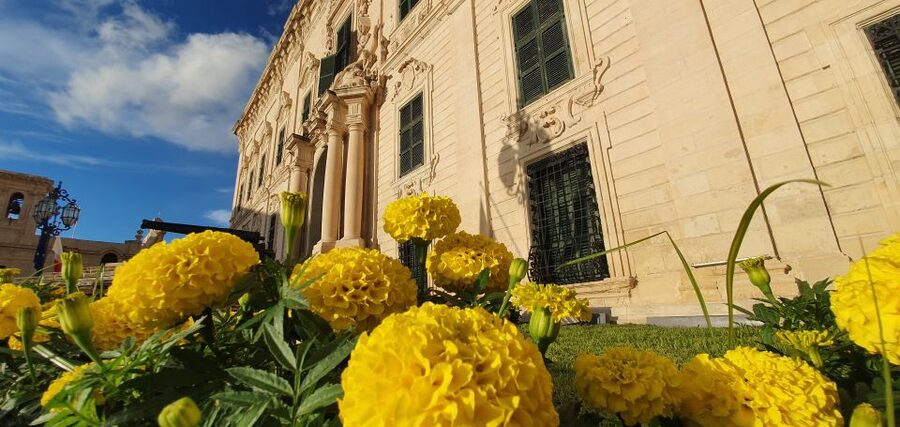
St Paul’s Cathedral is another listed stop, with about fifteen minutes of guided commentary. As with the other major buildings, the supplied details do not promise an interior entry, so treat this as an outside visit unless your guide tells you otherwise.
The stop adds balance to the tour. Valletta is not only about military power and grand palaces. Churches and cathedrals show how faith shaped public life, art, architecture, and the daily rhythm of the city. Your guide can place St Paul’s within the broader story of Malta’s Christian identity and the many communities that passed through the islands.
A fifteen-minute stop is long enough for an explanation and photographs, but not enough for a detailed art tour. If religious buildings are your main interest, leave time elsewhere in your schedule for independent visits. The walking tour works best as an overview that tells you where to return.
Ending at Upper Barrakka Gardens
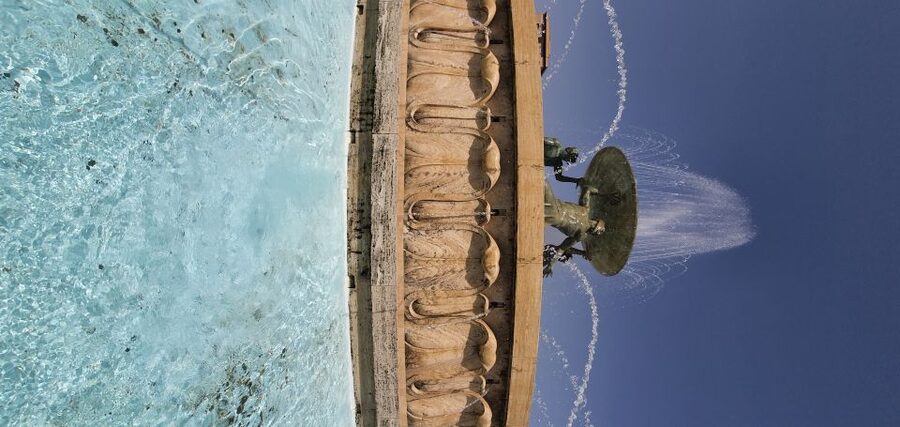
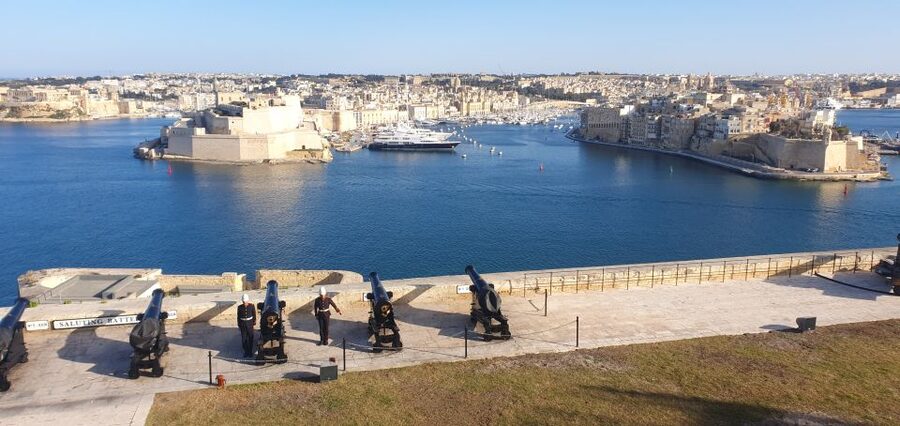
The tour finishes at Upper Barrakka Gardens, a strong choice for the final stop. From here, you look across the Grand Harbour and toward the historic waterfront areas beyond Valletta. After two and a half hours of streets, squares, façades, and stories, the broad view helps you understand the city’s location.
I like this ending because it gives the tour a clear visual payoff without rushing you toward transport. You finish inside Valletta rather than back at the City Gate, so check your next destination before the walk begins. The gardens are also a useful place to continue exploring or pause before heading back to the bus terminal.
Bring a phone or camera, but do not spend the whole stop looking through a screen. The harbour view is one of the moments when Valletta’s setting becomes immediately clear. Your guide can point out what you are seeing and tie the view back to the city’s defensive and maritime past.
Why the guides make a difference
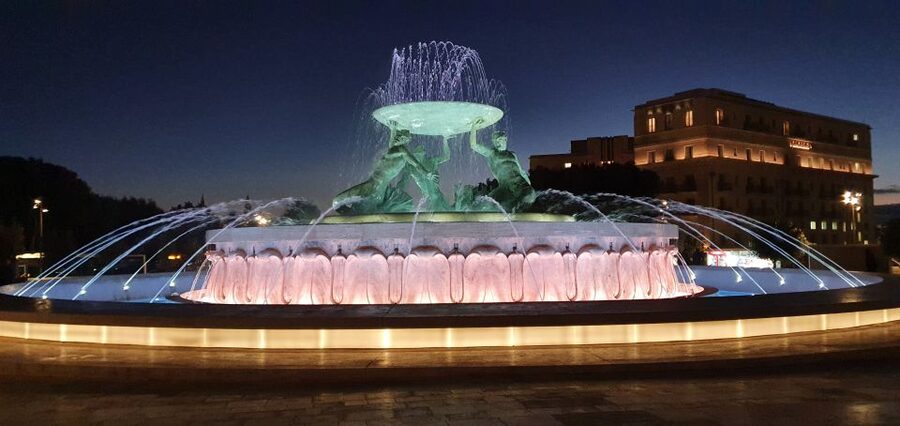
The strongest part of this experience is the guiding. The route itself is easy to follow, but Valletta becomes much more memorable when someone explains why the buildings are there and how the city changed over time.
Karl receives repeated praise for his storytelling, humour, and ability to keep a mixed group interested. Chris is also described as warm, funny, and well informed, with a style that makes historical facts easy to follow. Lorraine is noted for decades of guiding experience, clear explanations, patience with questions, and good judgment in rainy weather.
Other named guides include Leila, Layla, Ros, Daz, Christian, and Laila. The guide assigned to your departure can vary, so do not book on the assumption that one particular person will lead your walk. Still, the pattern is encouraging: the guides are repeatedly described as friendly, engaging, and able to adjust their pace to the group.
You should also feel free to ask questions. The small-group setting makes that more practical than on a large coach tour. One useful benefit is that the guide can draw attention to small details you might walk past, rather than giving only the standard list of famous sights.
Group size, pace, and practical comfort
This is advertised as a small-group tour, and that matters in Valletta. Narrow streets, crowded pavements, and busy squares are easier to manage when the group is not huge. A smaller group also makes it easier to hear the guide and ask for clarification.
The pace is intended to be relaxed and suitable for a range of ages. One family specifically found the walk comfortable for children, while other participants appreciated guides who adjusted their speed to the group. You still need to be comfortable walking outdoors for 2.5 hours, with stops rather than long seated periods.
The tour is wheelchair accessible, according to the activity information. Valletta’s streets and slopes can still make any walking route tiring, so contact the provider if you need details about the exact route on your date. The data confirms accessibility, but it does not give a detailed surface-by-surface description.
Choose comfortable clothes and shoes, and bring water. Since the tour takes place rain or shine, pack weather-appropriate layers and rain protection when needed. Malta’s bright conditions can make shade valuable, while wet paving calls for extra care.
Is $24 good value?
At $24 per person, this is a good-value introduction to Valletta if you want context rather than just a self-guided stroll. You receive a live English-speaking guide, a two-and-a-half-hour route, major squares, historic buildings, both Barrakka Gardens, and a harbour viewpoint.
The price is especially fair for a first day in the city. A good guide can save you time by showing how the landmarks fit together, and the route covers enough ground to help you decide where to return later. It also costs far less than a private tour.
The tradeoff is simple. The price does not include meals, drinks, or listed interior admissions. If you want to spend an hour inside St John’s Co-Cathedral or explore palaces in detail, you will need extra time and likely separate admission. Think of this tour as your city orientation, not your entire Valletta program.
The flexible booking terms add practical value. You can cancel up to 24 hours before the start for a full refund, and you can reserve now and pay later. Check the available departure times before booking, since the tour duration is fixed but start times can vary.
Who should take this walk?
I would choose this tour for a first visit to Valletta, especially if you want the basic story before exploring independently. It suits couples, families, solo visitors, and cruise passengers who want more substance than a quick walk around the main street.
It is also useful for repeat visitors. One regular Malta visitor found that a guided city walk revealed details missed on earlier trips. That is the advantage of a guide who knows the city well: familiar streets can look different when someone explains the symbols, buildings, and historical events behind them.
You may want something else if your priority is interior access, art history, or a private pace. The tour moves through several major areas, so it cannot give every palace or church the attention it deserves. For most people, that is a sensible compromise, but it is still a compromise.
Should you book this Valletta walking tour?
Book it if you want a well-paced first look at Valletta, enjoy history told through stories, and value a small group over a large sightseeing crowd. The combination of City Gate, Republic Street, public squares, churches, palaces, Barrakka Gardens, and the Grand Harbour gives you a strong framework for the rest of your visit.
I would be less inclined to book it if you dislike outdoor walking in uncertain weather or want guaranteed access inside every landmark. Otherwise, $24 is a modest cost for two and a half hours with a local guide, and the final harbour view is a fitting close to a useful introduction.
FAQ
How long does the Valletta walking tour last?
The tour lasts 2.5 hours.
How much does the tour cost?
The listed price is $24 per person.
Where do I meet the guide?
Meet just outside the gates of Valletta, next to the bus terminal. The meeting point is to the left of the Triton Fountain as you look toward Valletta, under the shady trees in front of the Tourist Information Office.
What language is the tour conducted in?
The tour is conducted in English.
Is the tour wheelchair accessible?
Yes. The activity information states that the tour is wheelchair accessible.
Does the tour include entry to St John’s Co-Cathedral or other buildings?
The tour includes guided sightseeing at major landmarks, but the supplied information does not list interior admission to St John’s Co-Cathedral, the palaces, or St Paul’s Cathedral.
Does the tour visit the Barrakka Gardens?
Yes. The route includes Lower Barrakka Gardens as a break and photo stop, and it finishes at Upper Barrakka Gardens.
What should I bring?
Bring comfortable shoes, water, comfortable clothing, and clothing suited to the weather.
What happens if it rains?
The tour takes place rain or shine. You should bring suitable rain protection and weather-appropriate clothing if rain is forecast.
New routes in the world
- Baltimore Walking Foodie Tour in Fells Point★ 5.0 · 182 reviews
- Baku Walking Tour (Old City)★ 5.0 · 127 reviews
- Baku Oil Heritage & Old Town Walking Tour★ 5.0 · 232 reviews
- The Madam’s Curse Walking Ghost Tour★ 4.5 · 103 reviews
- Austin Small Group Morning Walk★ 5.0 · 412 reviews
- Austin Haunted Pub Crawl Walking Tour★ 4.5 · 232 reviews
- Austin Downtown Private Walking Food Tour With Secret Food Tours★ 5.0 · 71 reviews
- Austin Murder Walk★ 5.0 · 310 reviews
Valletta Walking Tours, compared.

Valletta: Street Food and Culture Walking Tour
Read our review →
Browse the lists this tour appears in