
Review · VIENNA
The unknown Vienna City- a guided walking tour in 3 hours
Vienna’s famous center is easy to admire, but its best stories often sit in narrow lanes and quiet courtyards. This three-hour walk from Stubentor to the Hofburg follows those less obvious routes, linking medieval buildings, music history, local legends, and the architectural marks left by religious change.
I like the small group, limited to 10 people, and the way the tour moves from the Greek Quarter toward Hofburg rather than simply ticking off grand sights. I also like the unusual subject matter: the legends of Lugeck, Augustine, and the basilisk, along with Mozart’s connection to the Deutscher Orden Haus. The main consideration is pace. Three hours on foot with extensive explanations can feel long if you want a quick orientation tour, and comfortable shoes are essential.
Key points at a glance
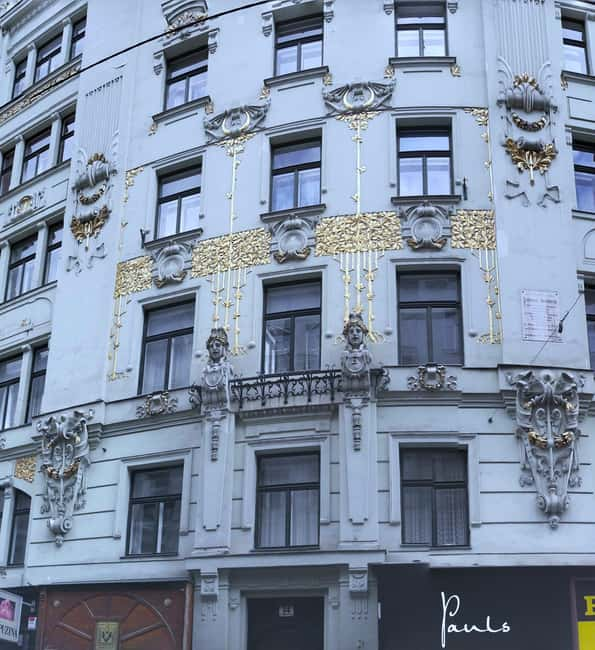
- Medieval Vienna beside modern buildings: See Gothic, Renaissance, Baroque, Art Nouveau, and modern architecture within a compact central route.
- Local legends with a darker edge: Hear how Vienna’s stories of monsters, basilisk creatures, and supernatural trouble shaped the city’s memory.
- Music history at the Deutscher Orden Haus: Follow the footsteps of musicians and patrons, including Mozart’s connection to the concert hall.
- Small group, personal questions: With no more than 10 participants, you have a better chance to ask about details that catch your eye.
- A walk for curious repeat visitors: The route is especially useful if you already know the main squares and want less familiar corners.
- A practical central finish: The tour ends at In der Burg 1, placing you by the Hofburg for further sightseeing.
Why this Vienna walking tour feels different
Many first visits to Vienna follow a familiar path through St. Stephen’s Cathedral, the Hofburg, the Ringstrasse, and the grand imperial avenues. Those places matter, but they can leave you with a polished, official version of the city.
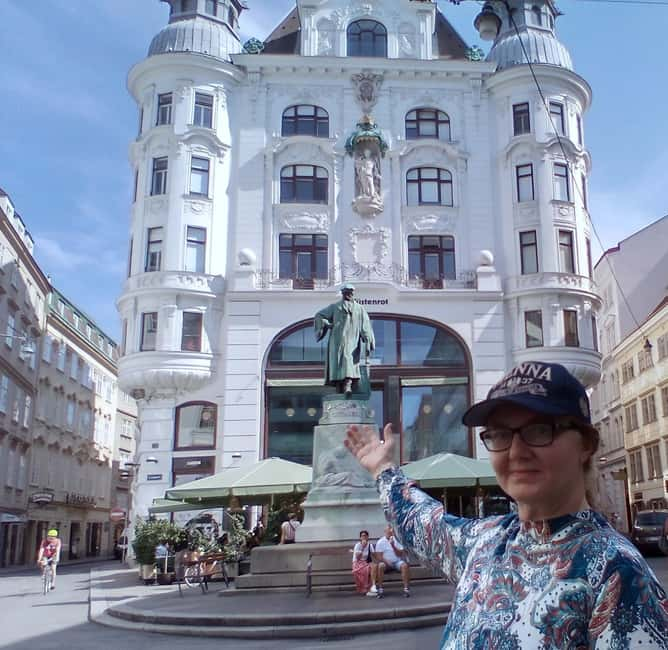
This walk takes a more textured route. You begin near the Dr. Karl Lueger monument and the Stubentor subway station, then move through the historic center toward the Hofburg. Along the way, the guide connects buildings and stories that are easy to miss when you walk alone.
I like this approach because Vienna’s past is not confined to museums. It is written into doorways, alleyways, churches, courtyards, and changes in building style. A Gothic remnant may sit next to a much later facade. A quiet lane may carry a story about a monster or a religious conflict. The pleasure comes from learning what to look for.
The guide listed for this experience is Nicoleta, and the tour may also be led by another guide from Guide from Vienna, RAXI Tours. Nicoleta is described as accommodating questions and adjusting the walk to the interests of the group. That matters on a tour built around details rather than one huge landmark.
More Three-Hour Walks in Vienna:
- 3-Hour Walking Tour of Vienna Central Cemetery
★ 4.7 · 71 reviews - Prague: 3-Hour Walking Tour of Old Town & Prague Castle
★ 4.7 · 5,696 reviews - Eat Like a Local: Venice 3-Hour Small-Group Food Tasting Tour
★ 5.0 · 3,137 reviews
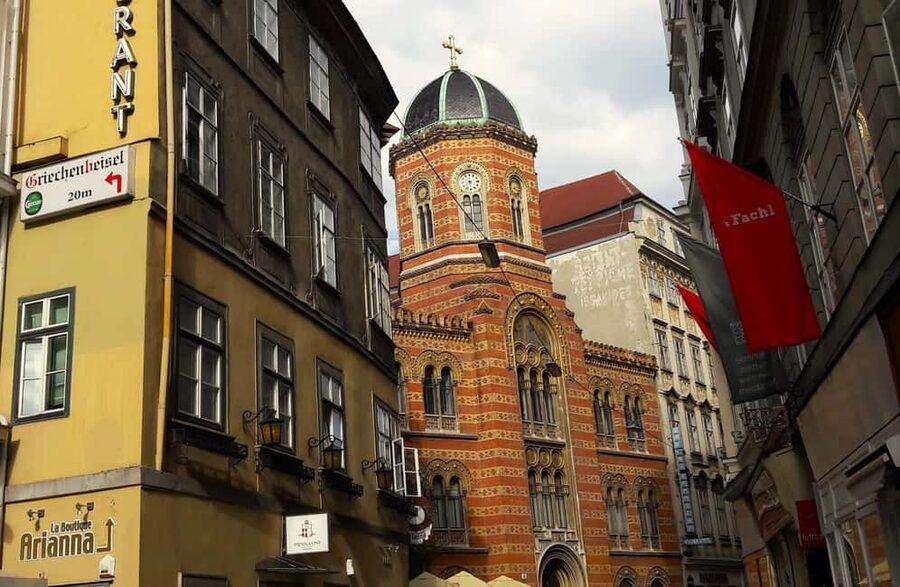
Starting near Stubentor and the Greek Quarter
The meeting point is near the Dr. Karl Lueger monument, close to Stubentor subway station. This is a practical place to begin because you are already at the edge of Vienna’s historic center, yet not in the most crowded tourist zone.
The route heads toward the Greek Quarter and the inner city. This opening section helps place Vienna in its wider story. You are not only looking at imperial grandeur. You are entering an older urban world shaped by trade, religion, music, war, and changing political power.
The Greek Quarter gives the tour a useful sense of variety. It helps you see the first district as more than a parade of palace facades. The central city has long been a meeting place for different communities and traditions, and the walk uses that setting to introduce less familiar parts of Vienna.
Expect plenty of standing and walking while the guide explains what you are seeing. There is no suggestion of a seated break or a meal stop, so eat before you arrive. This is one of the most useful practical tips for the tour. Three hours can pass quickly, but it is a long stretch if you start hungry.
Lugeck, Augustine, and Vienna’s monster stories
One of the tour’s most unusual threads is its collection of local legends. You hear the Legend of Lugeck, the Legend of Augustine, and the story of the basilisk. These tales add a lively human layer to the stones and facades around you.
The basilisk story is especially useful for understanding how old cities preserve fear and folklore. Rather than treating the tale as a simple oddity, the guide explains its origins and significance, along with how the people of Vienna supposedly dealt with the threat. You get a sense of how stories once helped explain danger, strange events, and the unknown.
The Legend of Augustine brings another side of local memory. Vienna’s legends are not all grand imperial episodes. Some are tied to ordinary people, taverns, streets, and moments of crisis. These stories make the city feel less like a museum and more like a place where generations of residents made sense of daily life.
I would choose this tour if you enjoy folklore alongside architecture. If you prefer only documented political facts, some sections may feel less central to your interests. The best way to take them is as cultural history: stories reveal what people feared, admired, mocked, or remembered.
Mozart and the Deutscher Orden Haus
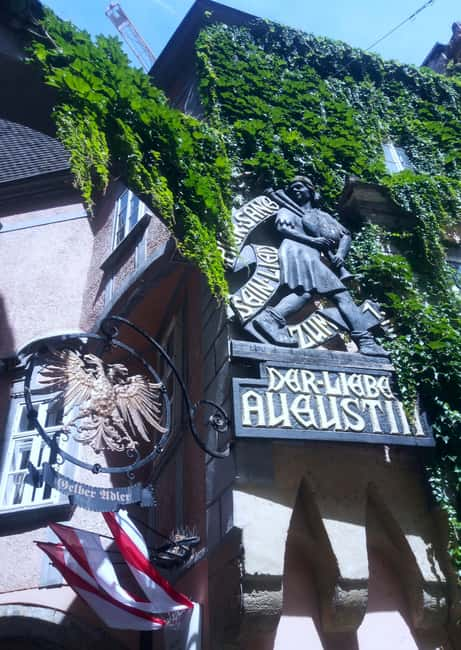
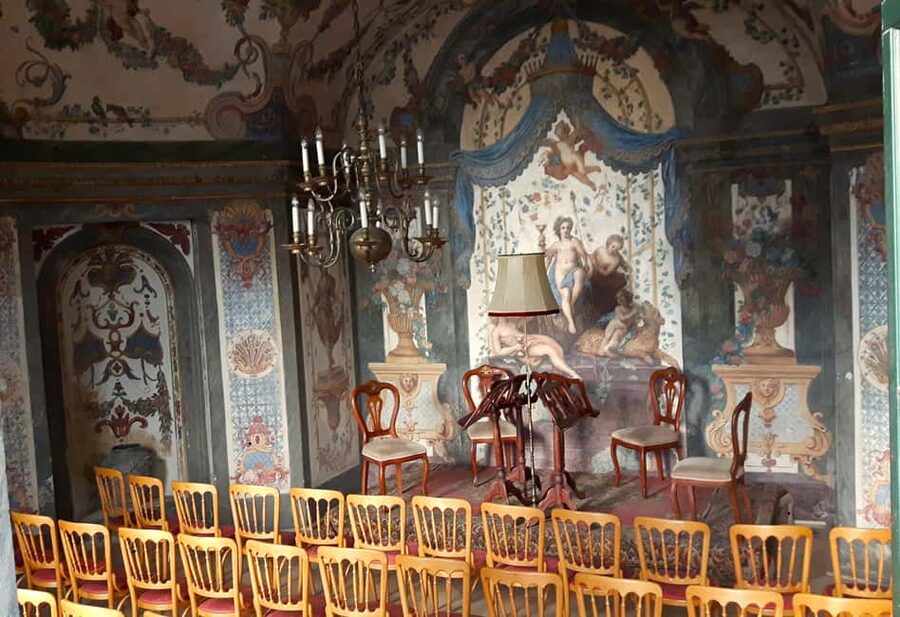
Music is another major thread. The walk includes Mozart’s concert hall in the Deutscher Orden Haus and follows the footsteps of musicians and patrons of music.
Vienna’s musical reputation can feel enormous and abstract. A reference to Mozart becomes more useful when you connect it to an actual building and a specific urban setting. Here, the point is not simply that Mozart lived or performed in Vienna. You see how music belonged to the city’s social and architectural world.
The Deutscher Orden Haus also adds a different angle to the route. It links music with institutions, patrons, and older buildings rather than treating concert life as a separate attraction. You may find this especially rewarding if you plan to attend a concert during your stay and want more context before hearing the music.
The music section is not presented as a full concert or performance. It is part of the walking tour, so expect explanation rather than entertainment onstage. Still, the connection gives the route a welcome change of mood after the darker legends and medieval stories.
More Guided Walks in Vienna:
- Vienna: Guided Walking Tour of City Center Highlights
★ 4.7 · 4,989 reviews - Vienna: Vienna Central Cemetery Guided Walking Tour
★ 4.8 · 3,307 reviews - Vienna: Guided Walking Tour of City Highlights & Hidden Gems
★ 4.9 · 2,180 reviews - Vienna: Viennese Underworld Guided Walking Tour
★ 4.7 · 1,865 reviews
Winding streets and the medieval Hofburg
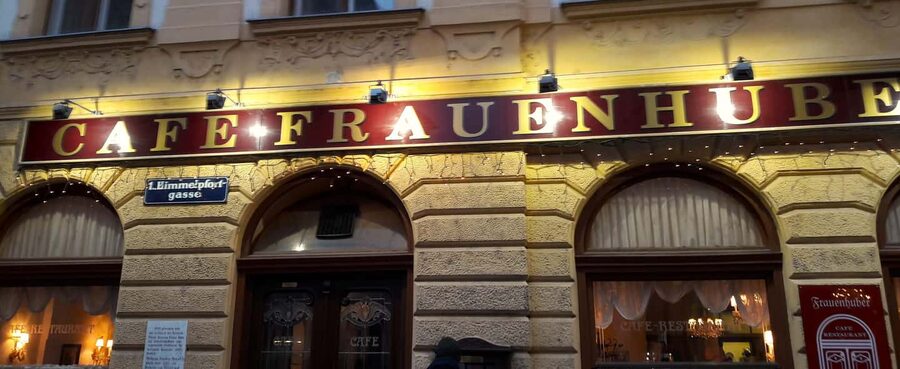
The tour’s central pleasure is the movement through winding, lesser-known streets. Vienna’s first district is compact, but it rewards slow looking. A straight route between major sights can hide courtyards, side entrances, old walls, and small churches.
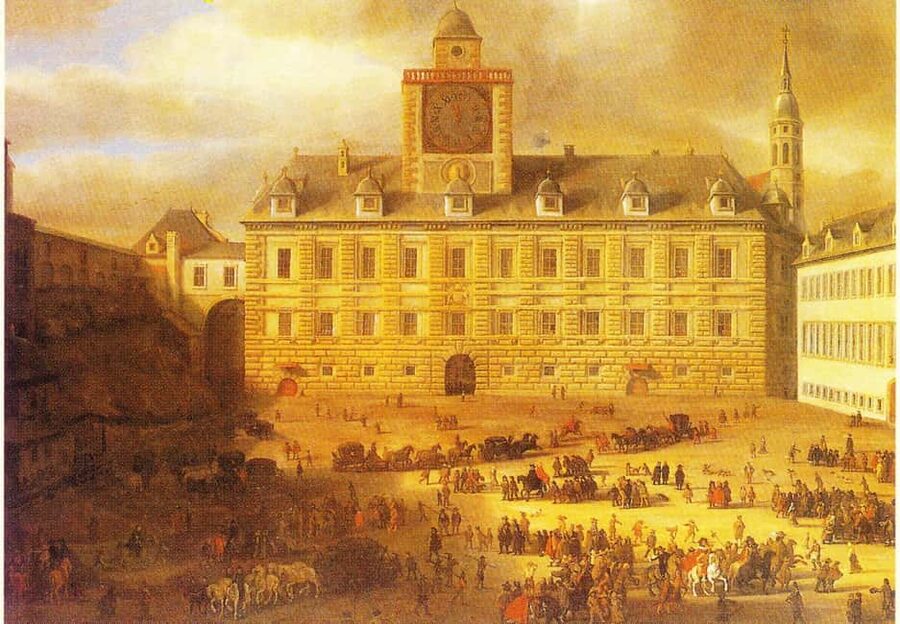
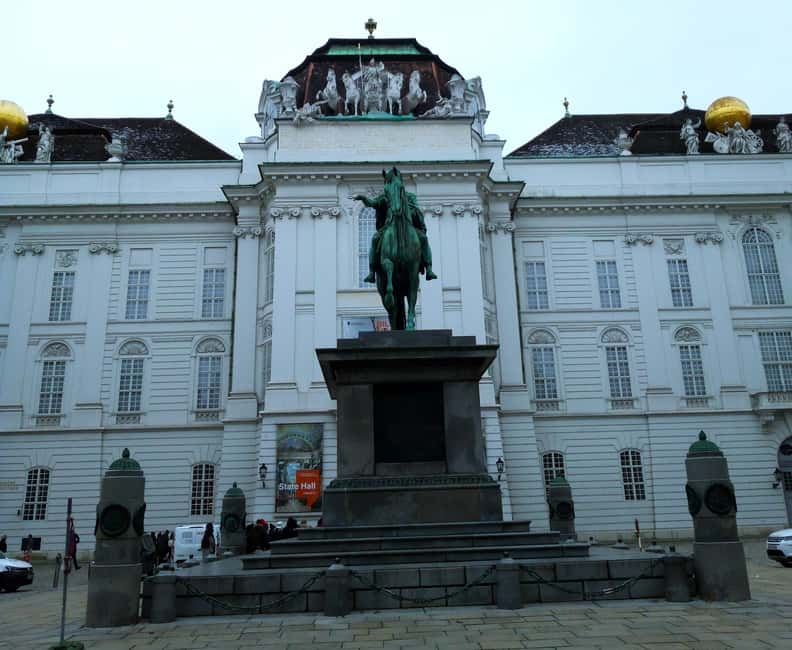
The guide draws attention to the medieval Hofburg, a side of the imperial complex that is easy to miss beneath later additions. Most people associate the Hofburg with grand ceremonial rooms and Habsburg power. This walk looks further back, toward the fortress-like and medieval parts of the complex.
That shift in focus changes how you read the palace. The Hofburg was not created all at once. It grew over centuries, with each period adding its own needs and style. The route presents Vienna as a city built in layers, from medieval foundations to later imperial and modern additions.
The finish at In der Burg 1 puts you near the Hofburg itself. That is a useful ending because you can continue exploring the complex, visit another central sight, or stop for a meal nearby. The walk does not return you to Stubentor, so plan your next move from the Hofburg area rather than assuming you will finish where you started.
Architecture from Gothic to modern Vienna
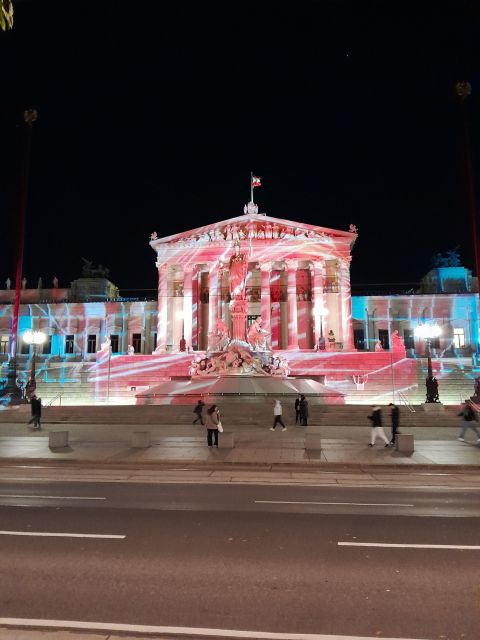
Architecture is the tour’s strongest organizing idea. Over three hours, you look at traces ranging from the Middle Ages to the present day: Gothic, Renaissance, Baroque, Art Nouveau, and newer modern buildings.
This range is valuable because Vienna’s styles often sit close together. You do not need to visit a separate district for every period. A careful guide can show how an older structure survived, how a facade changed, or how a modern building responds to its historic setting.
The route also points out architectural traces of the re-Catholicization of Vienna. This is a more specialized subject than the usual palace-and-composer story, but it helps explain why churches, interiors, and public spaces look as they do. Religious change left physical marks on the city, and the walk gives you a way to read those marks.
I appreciate tours that explain architecture without turning every building into a list of dates. Here, the larger value is comparison. You can notice how Gothic verticality differs from Baroque display, how Renaissance ideas altered older forms, and how newer buildings sit beside historic ones.
The descriptions also include the period between the Ottoman Wars and the end of the Habsburg Monarchy. That is a broad sweep, so you should not expect a full political history of Austria. Instead, you get a guided thread through major changes, tied to the places you are standing in.
What the three-hour pace is really like
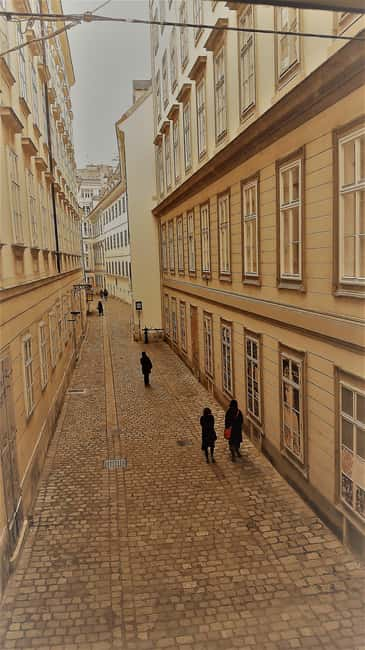
Three hours gives the guide time to explain details that a shorter city orientation would skip. You can ask questions, pause at less familiar sites, and follow connections between legends, buildings, and historical events.
The small group helps here. With a maximum of 10 participants, it is easier to hear the guide and ask about a church, courtyard, or story that interests you. A private booking for two people may also feel good value because you receive a very personal walk without arranging a fully private tour.
There is a possible tradeoff. A small-group tour can still be affected by the interests and language needs of the people who book. In rare cases, the tour may be conducted in two languages, especially with short-notice bookings or during crowded periods such as Easter and Christmas. You can ask the operator in advance about the language already booked, since the booking system may not show that detail.
The available languages are English, Italian, and German. If clear, single-language commentary matters to you, contact the operator before booking. That small step can prevent an avoidable surprise.
Wear comfortable shoes. The tour is not suitable for wheelchair users, and the format involves walking through historic streets and less familiar passages. You should also eat beforehand, since no meal is included.
Is $63 a fair price?
At $63 per person, this is not the cheapest way to see Vienna’s center. You can walk through many of these streets for free with a map or audio guide.
The price makes more sense if you value interpretation. The guide supplies the links between places, explains stories you would not easily find on a street sign, and answers questions as you go. You are paying for access to a particular route and a human explanation, not for admission to a major attraction.
The value is strongest for first-time visitors who want more than the standard postcard sights, and for repeat visitors who have already seen the big landmarks. It may be less worthwhile for someone who wants a fast overview, takes little interest in folklore, or prefers to explore at their own pace.
Flexible booking also helps. You can reserve now and pay later, and cancellation is allowed up to 24 hours before the tour for a full refund. Those terms are useful when your Vienna schedule is still taking shape.
Who should book this walk?
I would recommend it to anyone who enjoys old streets, architectural clues, local legends, and music history. It is a good fit for curious visitors who like asking questions and are happy to spend three hours on foot.
It also suits people who have already visited Vienna’s major sights. The route includes familiar areas, but the emphasis is on corners, stories, and layers you might pass without noticing.
Families with older children may enjoy the basilisk and monster tales, though the long walking time may test younger children. Wheelchair users should choose another activity because this tour is not suitable for wheelchair users.
If you need a tour in English, Italian, or German, check the language arrangement before booking. Also arrive fed and ready to walk. Those simple preparations will make the experience much more enjoyable.
Should you book The Unknown Vienna?
Book this tour if you want Vienna explained through small streets and unusual stories, not only through palaces and famous names. The combination of medieval architecture, Mozart, religious change, the Hofburg, and local legends gives you a fuller sense of how the center developed.
Skip it if you want a short, landmark-focused introduction or dislike long walks with frequent historical explanations. At $63, the tour earns its price through the guide’s route and personal commentary.
For the right visitor, this is a smart way to see a familiar part of Vienna with fresh eyes. Start near Stubentor, finish by the Hofburg, and leave yourself time afterward to explore the imperial complex at your own pace.
FAQ
How long does The Unknown Vienna tour last?
The tour lasts three hours.
Where does the tour begin?
It begins near the Dr. Karl Lueger monument by the Stubentor subway station.
Where does the tour finish?
The listed finish is In der Burg 1, near the Hofburg.
What languages are available?
The tour is available in English, Italian, and German.
How many people can join the group?
The group is limited to 10 participants.
Is the tour suitable for wheelchair users?
No. The tour is not suitable for wheelchair users.
Should I eat before the tour?
Yes. You are advised to eat something before starting because no meal is included in the activity details.
What should I wear?
Comfortable shoes are recommended for this walking tour.
Can the tour be conducted in two languages?
In rare cases, the tour may be conducted in two languages. This can happen with short-notice bookings or during crowded periods such as Easter or Christmas.
Can I cancel for a refund?
Yes. You can cancel up to 24 hours in advance for a full refund. You can also reserve now and pay later.
New routes in Vienna
- Hungry in Vienna? A Food Lover’s Coffee & Market Walk★ 4.9 · 276 reviews
- 3-Hour Walking Tour of Vienna Central Cemetery★ 4.7 · 71 reviews
- Vienna: City Center Guided Walking Tour★ 4.8 · 99 reviews
- Vienna Private Walking Tour with a Local★ 4.5 · 131 reviews
- Private Hidden Vienna Walk — Stories Behind Quiet Corners★ 5.0 · 137 reviews
- Historical Hitler Walking Tour of Vienna★ 5.0 · 887 reviews
- Vienna: Essential History Walking Tour★ 4.9 · 633 reviews
- Vienna: Small Group Guided Walking Tour of City Highlights★ 5.0 · 540 reviews
Vienna Walking Tours, compared.

Guided Walking Tour of City Center Highlights
Read our review →
Vienna Historic Center Small Group Walking Tour
Read our review →
Ghosts and Legends Guided Nighttime Walking Tour
Read our review →Browse the lists this tour appears in