
Review · STRASBOURG
Strasbourg: Guided Walking Tour
Strasbourg is a city where French and German influences meet at every turn, and this walking tour puts that story in front of you through bridges, churches, defensive walls, grand squares, and crooked old streets. The most useful part is the way the route links the postcard views of Petite France with the less obvious details of Strasbourg’s past.
I like the strong mix of architecture and local guidance. You get the Vauban Barrage and covered bridges for photographs, then hear how the city defended itself and how its river worked. I also like the practical advice from guides such as Fabrizio and Carlos, who point out restaurants, cheese shops, cafés, and quieter routes. The main drawback is that the tasting may be smaller than you expect, and the advertised wine and cheese portion is not always clear.
Key points to know before you book
- A two-culture history lesson: Learn how French and German influence shaped Strasbourg’s buildings, politics, food, and identity.
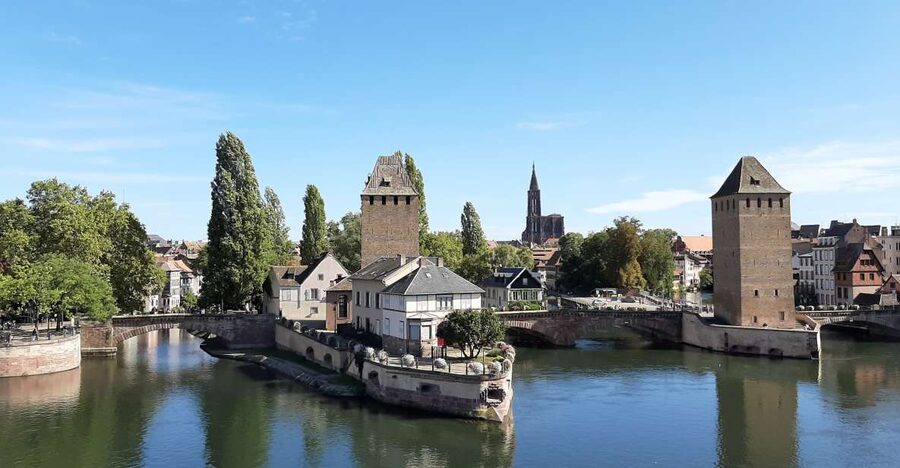
- Excellent photo stops: The Vauban Barrage, covered bridges, Petite France, and cathedral provide the tour’s best views.
- A useful first-day orientation: Guides often share restaurant, shopping, museum, and local food suggestions.
- Mostly an outdoor experience: You see the cathedral from outside, and museum entry is not included.
- A compact but active route: The tour lasts 125 minutes and requires comfortable walking shoes.
- Tasting details need checking: The experience includes a local tasting, but the exact food and wine arrangements can vary.
Strasbourg’s French and German story in 125 minutes
The tour begins around Place Kléber, the central square of Strasbourg, with a second meeting option listed at Hôtel Strasbourg Le Kléber. This is a sensible place to start because you are close to the city’s main pedestrian streets and several major sights.
Your guide sets the tone by explaining how Strasbourg’s position near the French and German border shaped its culture. This is not just a matter of two architectural styles placed side by side. The city’s language, food, defenses, churches, political role, and changing national identity all connect to that location.
The route also includes modern and historic sights. You may pass La Aubette, the Maison de Fère, Rue des Jeu des Enfants, the National School of Administration, and other central buildings before moving toward the river. The guide’s job here is important. Without context, these can look like a pleasant series of façades. With the right explanation, they become clues to how Strasbourg developed.
The first part is a good fit if you want to get your bearings fast. It gives you an outline of the center before the route narrows into older streets and waterfront areas. Since the tour is guided in English or Spanish, check your preferred language and meeting point when booking.
More Guided Walks in France:
- Paris Top Sights Half Day Walking Tour with a Fun Guide
★ 5.0 · 2,893 reviews - Paris: Montmartre Highlights Walking Tour with a Local Guide
★ 4.9 · 2,318 reviews - Paris: Montmartre Cheese, Wine & Pastry Guided Walking Tour
★ 4.8 · 2,255 reviews
From the Museum of Modern Art to the Vauban Barrage
The itinerary includes a stop at Strasbourg’s Museum of Modern and Contemporary Art, with about seven minutes for a guided visit and photographs. Do not expect a full museum tour. Museum entry is not included, and this portion works more as an exterior stop and orientation point.
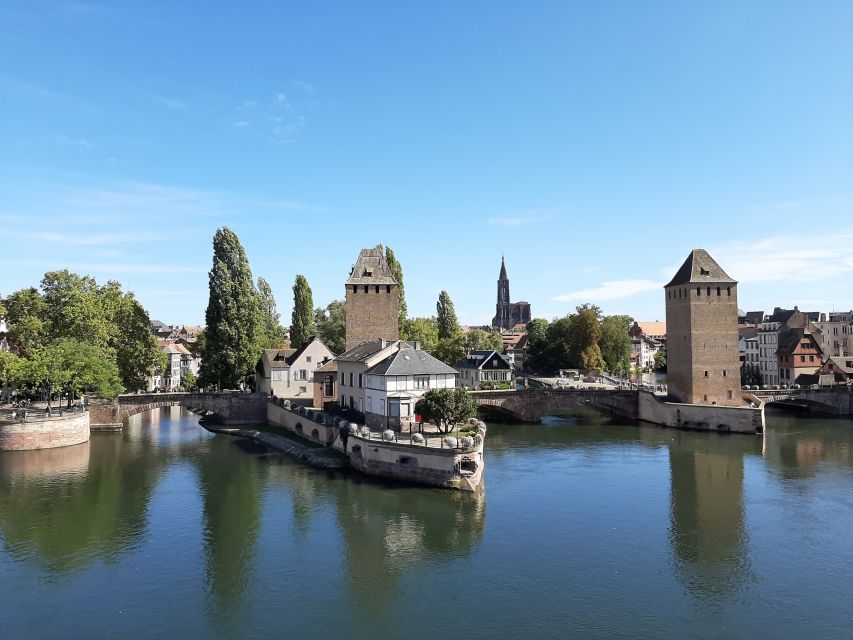
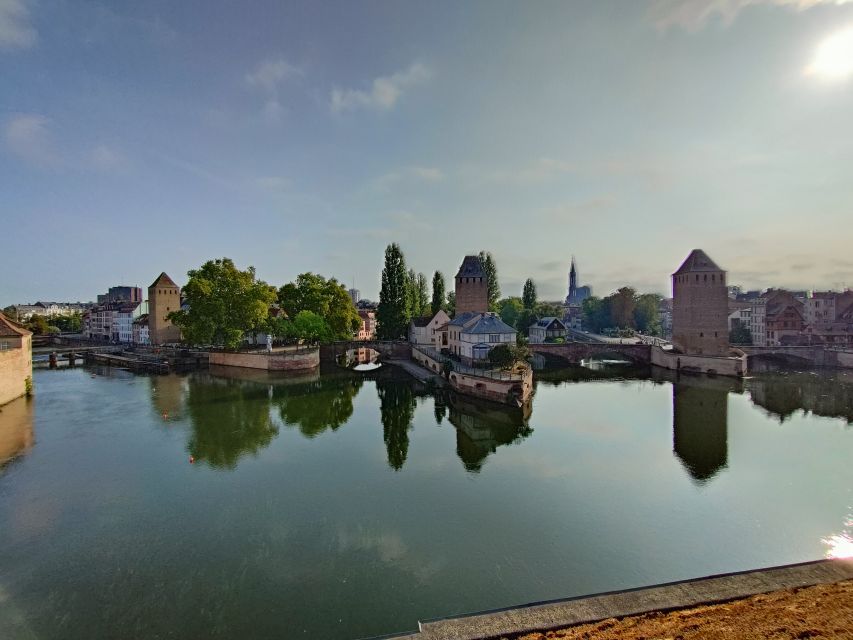
From here, the walk heads toward the Vauban Barrage, one of the strongest visual points on the route. This long defensive structure was built as part of Strasbourg’s military system. Your guide explains the first and second defensive barriers, the covered bridges, and the way these structures worked with the river.
The Barrage is especially valuable for photography. From its upper level, you can look toward the covered bridges and the old quarter, with the water and defensive architecture framing the scene. Several visitors specifically appreciated guides who suggested good photo positions and kept the pace moving without rushing the pictures.
You may also pass a local food market during this part of the walk. That gives the route a more everyday feel, although market schedules and exact activity can vary. Do not count on a long market visit. The focus remains on the city’s history and views.
Petite France, where the postcard really begins
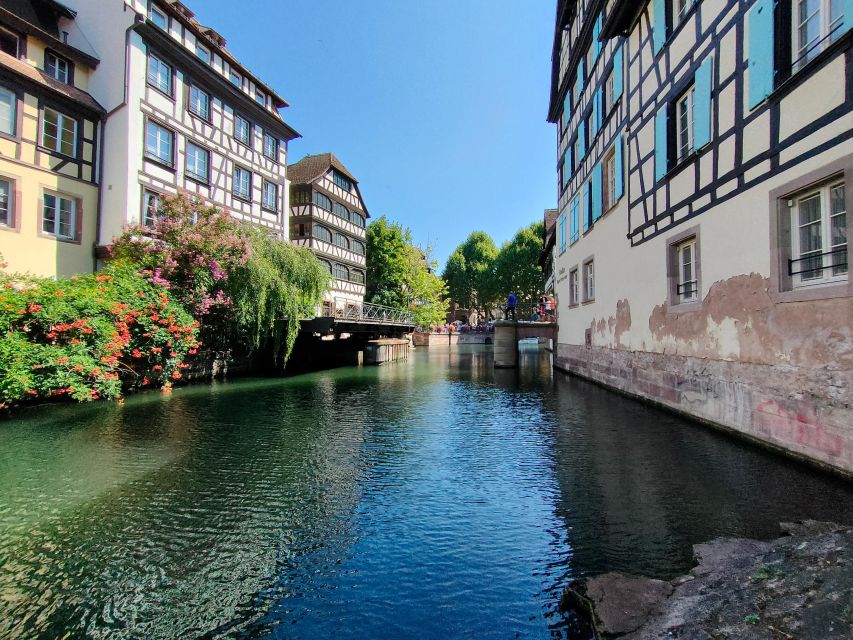
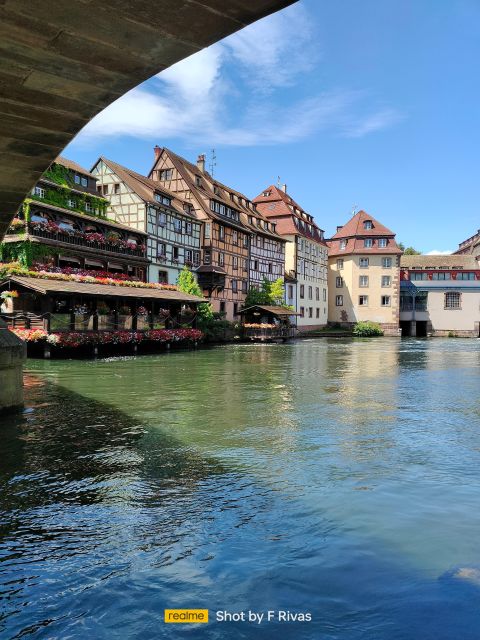
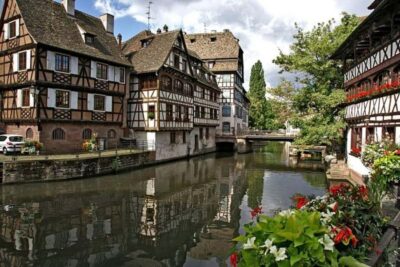
Petite France is the emotional center of the tour. The district is known for its canals, timber-framed buildings, bridges, and narrow streets, and it delivers the classic Strasbourg photographs promised by the experience.
Here you get a break, photo time, a guided walk, and some free time for shopping. The guide points out the swing bridge and the gate that allowed boats to change levels in the middle of the district. That detail helps you see Petite France as a working waterway, not just a pretty old quarter.
The route also includes a short safety briefing. That makes sense in a narrow area where people stop suddenly for photographs and foot traffic can be heavy. Keep your bag close and stay aware of the group when the guide moves on.
Petite France can be crowded, especially at popular times. A useful tip from the tour’s past guests is to ask your guide about back routes. Carlos, Fabrizio, and other guides have been praised for steering groups through less crowded streets when possible. This is one of the practical benefits of walking with someone who knows the center rather than following a fixed map alone.
The free time is useful, but short. You can look at shops and take pictures, yet this is not enough time for serious shopping. Treat it as a chance to note places you may want to return to later.
Covered bridges and the river defenses
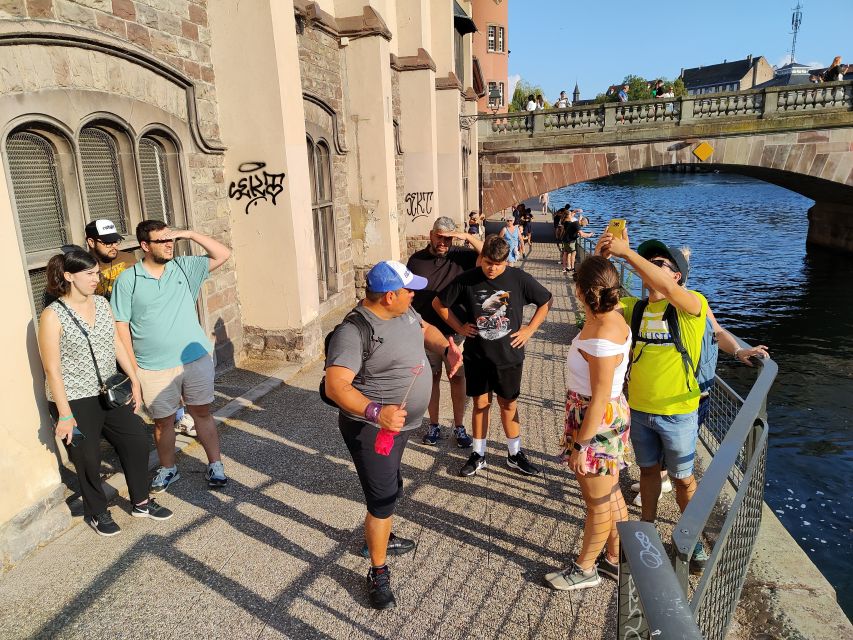
The covered bridges, or Ponts Couverts, follow naturally from the Vauban Barrage. The name refers to the fortified bridge system that once protected the city. The original roofs are gone, but the bridges remain a strong reminder that Strasbourg’s waterways once formed part of its defense.
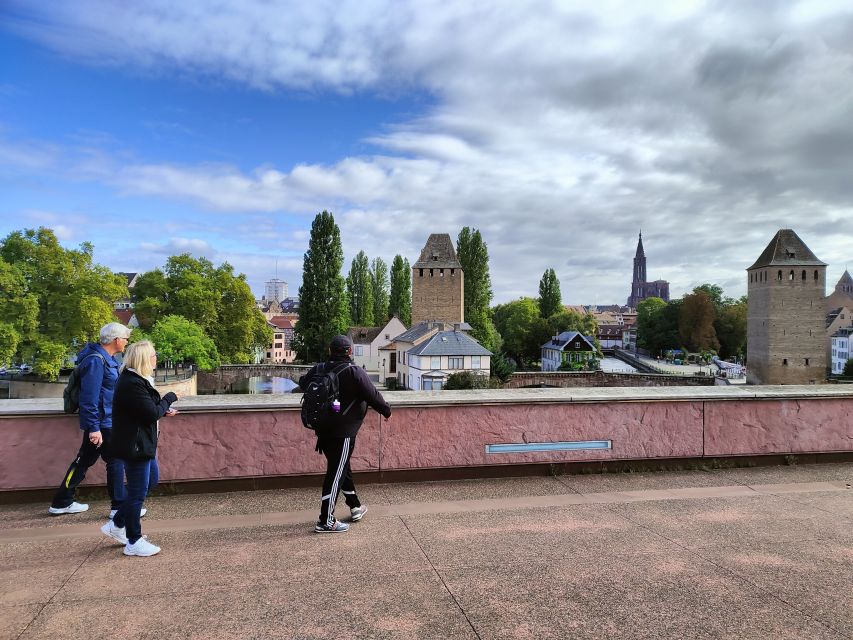
This stop is mainly about views and photographs. You get another angle on the canals, towers, stonework, and Petite France. If the weather is clear, this is one of the best stretches for a wide city photograph. If it is wet or cold, the same section may feel less comfortable because the tour remains outdoors.
The guide’s explanation of the defenses is one of the tour’s most praised features. Several people found that the military layout became much easier to understand when shown on location. That is a real advantage over reading a brief plaque or looking at a map.
More Walking Tours in France:
- Authentic Parisian Gourmet Food Tour with 10 Local Dishes & Wines
★ 5.0 · 4,754 reviews - Montmartre Hidden Gems and Scenic Highlights Walking Tour
★ 5.0 · 2,684 reviews - Montmartre Hill French Gourmet Food and Wine Tasting Walking Tour
★ 5.0 · 2,588 reviews - Paris Île de la Cité and Notre-Dame Walking Tour With Crypt
★ 5.0 · 2,272 reviews
St. Thomas Church and the quieter central streets
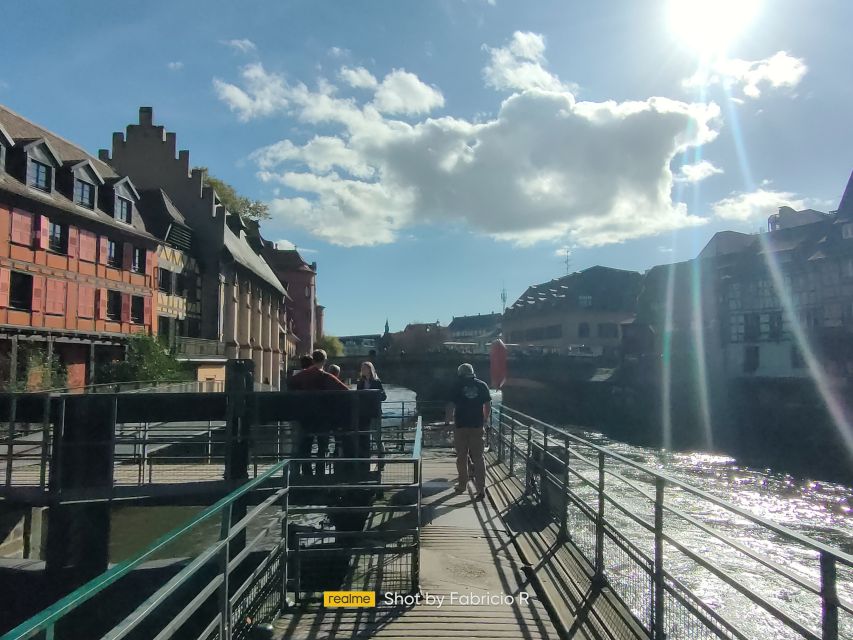
The walk continues to Église Saint-Thomas, or St. Thomas Church, for about ten minutes. This stop adds a religious and civic layer to the tour. Strasbourg’s churches are not only places of worship. They also reflect the city’s changing affiliations and the long connection between French and German traditions.
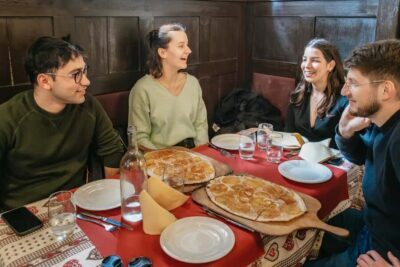
You then move through Rue des Serruriers, where the itinerary includes a cheese tasting. This is a welcome shift from monuments to local food. The tasting is not presented as a full meal, so plan to eat separately if you need lunch or dinner.
The tasting information deserves a careful note. The included features describe a typical German shepherd dessert, while the route also lists cheese and wine tasting. Some people expected a fuller food experience and found the tasting modest. I would book this primarily as a history and walking tour, with tasting as a small extra rather than the main event.
One particularly useful stop mentioned during the experience is a local shop called Chez Lucienne. The tour can give you a chance to learn about local products and where to buy them. The exact shop visit may depend on the guide and day, so do not treat it as a guaranteed scheduled stop.
Wine, local advice, and the tasting question
The itinerary allows up to 45 minutes for a winery visit, wine, and wine tasting. On paper, this is a substantial part of the outing. In practice, the experience description and individual comments suggest that the food and wine portion may not always match the expectations created by the schedule.
This is the clearest point to confirm before booking. Ask what tasting is included on your selected date, whether wine is served, and whether the stop is at a winery or a local shop. The experience does not include additional food and drinks, so anything beyond the included tasting is your responsibility.
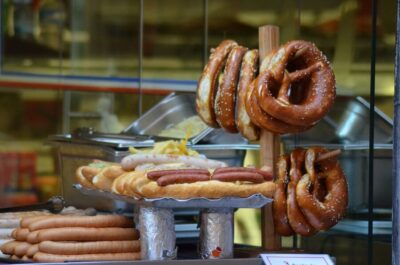
Still, the food component can be useful even when brief. Strasbourg is a good place to ask about regional dishes, cheese, sweets, and Alsatian wine. Guides have offered suggestions for baeckeoffe, cafés, cheese shops, and local products. Those tips may save you from choosing a restaurant at random in the most touristy streets.
If your main goal is a long wine tasting with several pours and detailed producer information, this tour may not be the best match. If you want a city walk with a small taste of local food and practical dining advice, it is a more reasonable choice.
Gutenberg Square and the cathedral exterior
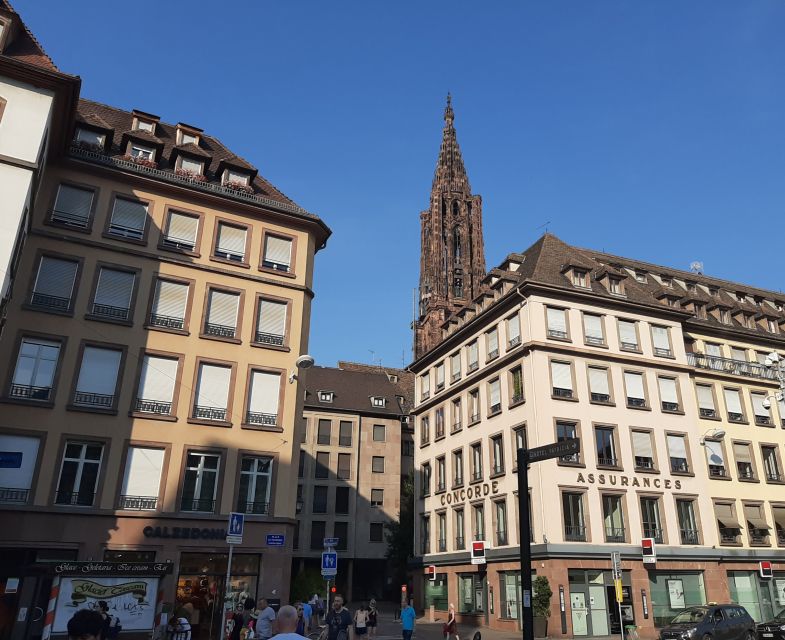
Place Gutenberg is a quick photo stop, listed at about three minutes. The square is named for Johannes Gutenberg, who lived in Strasbourg before developing his printing work elsewhere. The short visit gives you a chance to connect the city to the history of printing, though the tour does not provide extended museum time.
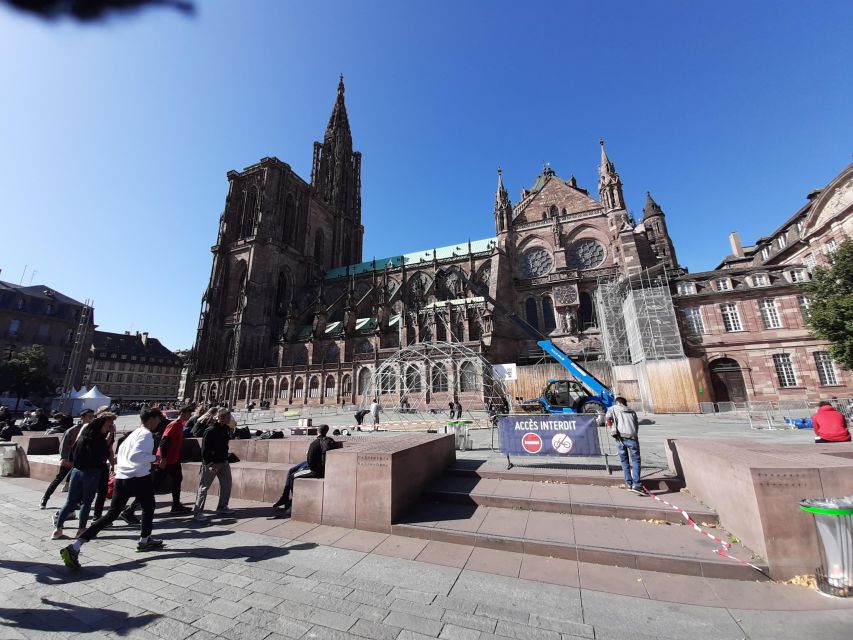
The route finishes near Notre Dame Cathedral, with about ten minutes for photographs. The cathedral is one of Strasbourg’s defining sights, and seeing it at the end gives the tour a strong finish. The experience includes an exterior visit only, not entry inside.
That distinction matters. Strasbourg Cathedral rewards a closer interior visit, but you will need to return on your own if you want to see it inside. The tour ends near Palais Rohan or Place de la Cathédrale, making either area convenient for continuing your afternoon.
The Maison Kammerzell is also among the listed places to see. Its decorative façade is one of the city center’s most memorable buildings. Depending on the guide’s exact pacing and street conditions, some listed sights may be viewed from outside or passed during the walking sections rather than treated as full stops.
What the $30 price gets you
At $30 per person, the tour offers reasonable value if you want a guided overview rather than a museum-heavy program. You are paying for 125 minutes with a live English- or Spanish-speaking guide, a route through the central landmarks, historical explanation, photo stops, and a tasting.
The value improves if you are new to Strasbourg. A guide can connect places that might otherwise feel scattered: Place Kléber, Petite France, the river defenses, St. Thomas Church, Gutenberg Square, and the cathedral. You also get restaurant and shopping pointers that can shape the rest of your stay.
The price is less compelling if you want extensive entry inside attractions. Museum tickets, cathedral interior access, tram tickets, hotel pickup, and extra food or drinks are not included. You will also need to reach the meeting point yourself, and the starting location can vary according to the option you book.
Private groups are available. That may be worthwhile for families or friends who want a slower pace, more questions, or a route shaped around photographs and food. The standard format is better for keeping the cost down.
Pace, accessibility, and what to bring
The tour lasts 125 minutes, with many short stops. You will walk through streets, bridges, squares, and waterfront areas rather than sit for long periods. Comfortable shoes are essential, especially because the route includes Petite France, the covered bridges, and the Vauban area.
The experience is listed as wheelchair accessible, but the route includes bridges, older streets, and busy pedestrian areas. If you use a wheelchair, confirm the exact route and meeting point before booking, since the practical conditions may vary.
Large bags and luggage are not allowed. Bring a camera, water if needed, and weather-appropriate clothing. The tour notes specifically advise checking the weather on the day. One meeting instruction refers to meeting in front of the Apple Store when a local market is present, so read the final meeting details closely.
Free cancellation is available up to 24 hours before the start, and you can reserve now and pay later. Those policies are useful if your Strasbourg plans depend on weather or a changing schedule.
The guides and the human side of the tour
The guide can make a real difference here because the route has a lot of stops packed into a short time. Fabrizio, also called Fabry by some visitors, has been praised for explaining the city’s history in a relaxed way, answering questions, and giving food recommendations. Carlos has been singled out for clear explanations, humor, and helpful follow-up suggestions for the rest of a Strasbourg visit.
Other named guides include Erick and Gidda. The strongest pattern is enthusiasm for guides who bring the city’s past to life rather than simply naming buildings. People also appreciated guides who suggested photo angles, adjusted the pace, and pointed out streets or shops they would likely have missed alone.
Language ability can vary by guide, but English and Spanish are offered. If precise historical detail in your preferred language is important, confirm the language option when you reserve.
Who should book this walking tour?
I would choose this tour if you have one or two days in Strasbourg and want a well-organized introduction before exploring alone. It is especially useful for first-time visitors, families who want a simple route, and anyone who prefers stories and orientation over long museum visits.
It also suits photographers. The Vauban Barrage, covered bridges, Petite France, and cathedral give you several strong viewpoints, while the guide can suggest where to stand and when to pause.
Food-focused visitors should set their expectations carefully. You may receive cheese, wine, or a local sweet, but this is not clearly a full tasting tour. Book it for the city walk first, then treat the food stop as a bonus.
Should you book it?
Yes, if you want a compact, friendly introduction to Strasbourg with strong architecture, river views, defense history, and practical local advice. The 4.7 rating from 127 reviews fits the tour’s main strengths: enthusiastic guides, useful explanations, good photographs, and a route that covers far more than a simple stroll around the cathedral.
Before paying, confirm the meeting point, guide language, and exact tasting arrangement. If you do that, the $30 price is fair for a 125-minute orientation. You will leave with a better map of Strasbourg in your head, a set of photographs from Petite France and the Vauban Barrage, and enough restaurant advice to make the rest of your visit easier.
FAQ
How long does the Strasbourg walking tour last?
The tour lasts 125 minutes, or just over two hours. It includes walking, guided explanations, photo stops, scenic views, and tasting time.
Where does the tour begin?
The listed starting options are Place Kléber and Hôtel Strasbourg Le Kléber. The exact meeting point may depend on the option you book, so check the booking details carefully.
Which languages are available?
The live tour guide service is available in English and Spanish.
Is Strasbourg Cathedral included inside the tour?
The tour includes a visit and photo stop outside Strasbourg Cathedral. Entrance to the cathedral interior is not included.
Is food or wine tasting included?
A local tasting is included, with the route listing cheese tasting and a winery visit with wine tasting. The exact tasting arrangement can vary, and additional food and drinks are not included.
What should I bring?
Bring comfortable shoes and a camera. Large bags and luggage are not allowed, and you should check the weather before setting out.
New routes in France
- The Official Emily in Paris Locations Walking Tour★ 4.9 · 383 reviews
- Strasbourg: Private Walking Tour of the Historical Center★ 4.2 · 107 reviews
- Strasbourg: Historic Center Walking Tour★ 4.7 · 88 reviews
- Strasbourg : European District Walking Tour★ 5.0 · 95 reviews
- Paris: Montmartre Food Tasting Walking Tour with Secret Dish★ 4.8 · 107 reviews
- Paris: Emily Inspired Walking Tour★ 4.9 · 312 reviews
- Saint-Germain: Gourmet Chocolate & Pastry Walking Food Tour★ 4.8 · 495 reviews
- Saint-Émilion: Vineyard Walking Tour and Tasting★ 5.0 · 404 reviews
Strasbourg Walking Tours, compared.
Browse the lists this tour appears in