
Review · STRASBOURG
Strasbourg: Guided Historical Neighborhoods Walking Tour
Strasbourg’s story is written in its streets, and this tour connects the grand squares, German Imperial buildings, canalside homes, and cathedral quarter into one useful walk. The route moves from Place de la République through Neustadt and Petite France, ending beside Notre Dame Cathedral, so you get both the city’s formal face and its storybook old quarter.
I like the small group, limited to 10 people, and the guide’s lively style. Davide, also called David in some bookings, is praised for using humor, clear explanations, and memorable anecdotes. I also like the practical restaurant, bar, coffee, and sightseeing suggestions you receive along the way. The main drawback is simple: 150 minutes on foot can feel long in cold, hot, or wet weather, and the cathedral interior is not included.
Key points to know before booking
- A full old-town orientation: Cover Neustadt, Place Broglie, Place Kléber, Grand’Rue, Petite France, and the cathedral square in one route.
- A guide with personality: Davide is known for animated storytelling, humor, and useful local suggestions.
- A small group of up to 10: Easier to hear the guide and ask questions than on a large city walk.
- The cathedral is an exterior stop: You finish at Place de la Cathédrale, but entrance fees are not included.
- Strong value at $35: The price buys two and a half hours of guided context across central Strasbourg.
- Come ready for the weather: Comfortable shoes and suitable clothing matter, especially during the longer outdoor portions.
Why this walk makes sense early in your Strasbourg stay
Strasbourg can look easy to understand at first. There is the cathedral, the canals, Petite France, and a set of handsome squares. Yet the city’s past is not simple. Strasbourg sits in Alsace, a border region shaped by French and German rule, shifting identities, wars, rebuilding, and modern European life.
A good first walk helps you see why the city looks the way it does. This one begins at Place de la République and finishes at the cathedral, giving you a clear route through several different parts of central Strasbourg. I would book it near the start of a stay, because the guide’s advice on restaurants, bars, cafés, and other sights can shape the rest of your time.
The format is personal rather than theatrical. The group is capped at 10, and the guide speaks English or Italian. You are not simply led from one photo stop to another. The aim is to connect buildings and places with the events that shaped them.
The tour costs $35 per person. That is fair value if you want a broad introduction rather than a specialist visit to one building. You cover a lot of ground, hear historical explanations at several major sites, and finish in the city center with plenty of ideas for your own exploring.
More History Walking Tours in France
- Paris: Dark History and Ghostly Guided Walking Tour
★ 4.7 · 1,000 reviews - Vieux Lyon Cultural & Historical Walking Guided Tour (English)
★ 5.0 · 942 reviews - Paris City of Fashion History Private Guided Walking Tour
★ 5.0 · 221 reviews
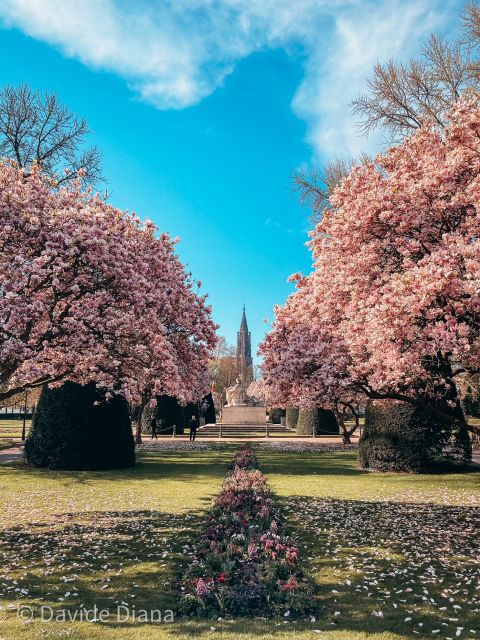
Starting at Place de la République and entering Neustadt
Meet your guide in the center of Place de la République, in front of the war memorial. This is an important detail because the square is open and spacious, so identifying the exact meeting point helps you avoid a rushed start.
The first section covers Place de la République and the surrounding Neustadt district. This part of Strasbourg feels different from the medieval streets near the cathedral. The avenues are broader, the buildings more formal, and the urban design reflects a later period in the city’s history.
Your guide uses the square and the Palais du Rhin as a way into Strasbourg’s political past. You hear how the area developed and why its architecture looks unlike the timber-framed houses farther south. The explanations are designed to give you context before the tour moves into the older center.
I appreciate this opening because it keeps the walk from becoming a string of disconnected landmarks. You begin with the city’s changes over time, then see those changes in the street plan and buildings around you.
This section takes about 30 minutes. You will be outside for most of it, so cold mornings deserve extra layers. One review specifically noted that the cold made extended standing uncomfortable. The guide kept the group moving, but you should still dress for the forecast.
Place Broglie and the city’s grand public spaces
The walk continues to Place Broglie for a shorter visit of about 10 minutes. This square gives you another view of Strasbourg’s public architecture and civic life.
Do not expect a long stop here. It works as a bridge between Neustadt and the central commercial area, with the guide pointing out details that are easy to pass without context. This is one of the reasons a local guide helps: you get a short explanation of why a square matters instead of only a quick photograph.
The route is not built around long indoor visits. You see the city from street level, with time divided among several locations. That is useful if your main goal is to understand Strasbourg’s layout and history, but less suitable if you prefer to spend 30 minutes inside each monument.
Place Kléber and Strasbourg’s Christmas tradition
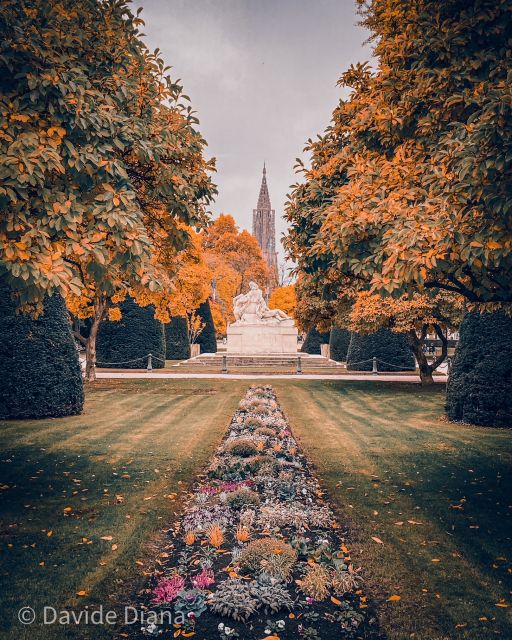
Place Kléber is the largest and most important square on the route. The tour allows about 20 minutes here, enough time to discuss its history and its place in present-day Strasbourg.
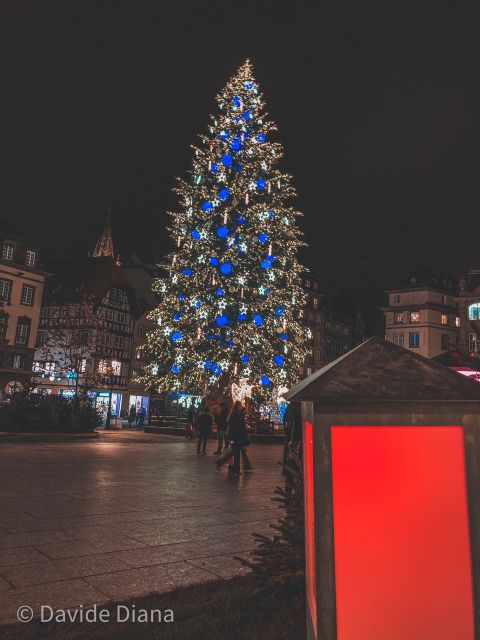
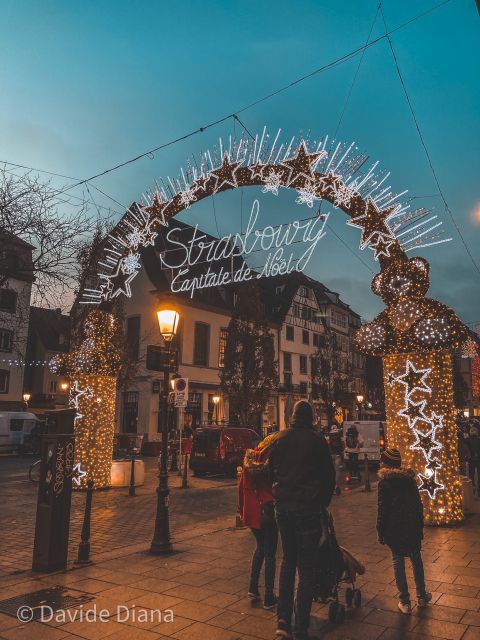
The guide also explains the tradition of the Christmas tree in Place Kléber and the city’s winter market. This is especially useful if you visit during the holiday season, when the square becomes one of the main settings for Strasbourg’s Christmas celebrations.
Even outside winter, the explanation adds a useful layer. The square is not just a central meeting place. It helps show how Strasbourg’s public spaces change with the calendar and how seasonal traditions have become part of the city’s identity.
If you visit in December, expect the central areas to be busy. A small group helps, but you will still be walking through one of the city’s most popular public spaces. Keep close enough to hear the guide and avoid drifting behind during the move to Grand’Rue.
Same streets, a different guide:
- Authentic Parisian Gourmet Food Tour with 10 Local Dishes & Wines
★ 5.0 · 4,754 reviews - Paris Top Sights Half Day Walking Tour with a Fun Guide
★ 5.0 · 2,893 reviews - Montmartre Hidden Gems and Scenic Highlights Walking Tour
★ 5.0 · 2,684 reviews - Montmartre Hill French Gourmet Food and Wine Tasting Walking Tour
★ 5.0 · 2,588 reviews
Grand’Rue and the shift toward the old center
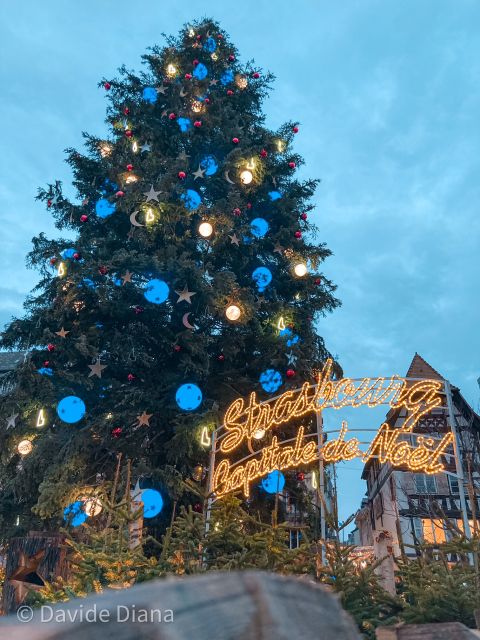
Grand’Rue provides a change of pace. After the broad squares and formal buildings, the route moves into a more intimate street environment.
The guide spends about 10 minutes here, pointing out the character of the street and placing it within the old center. This is not a long shopping stop, and you should not expect time to browse stores during the tour. Instead, it is another connecting section that leads toward Petite France.
The practical value is orientation. After this walk, you will have a better sense of how the main squares link with the old quarter. That matters in Strasbourg, where a map can make the center look compact but the different districts still have distinct personalities.
Petite France and the original half-timbered houses
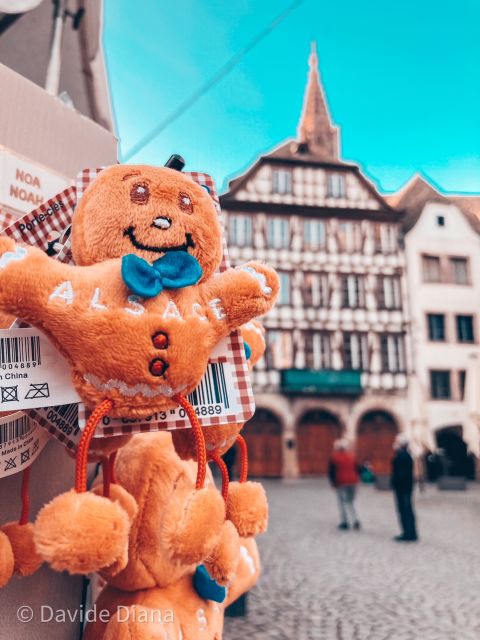
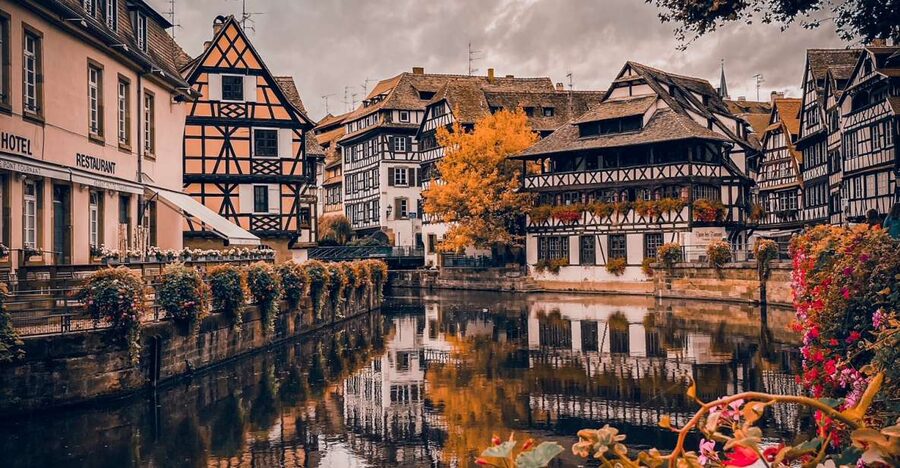
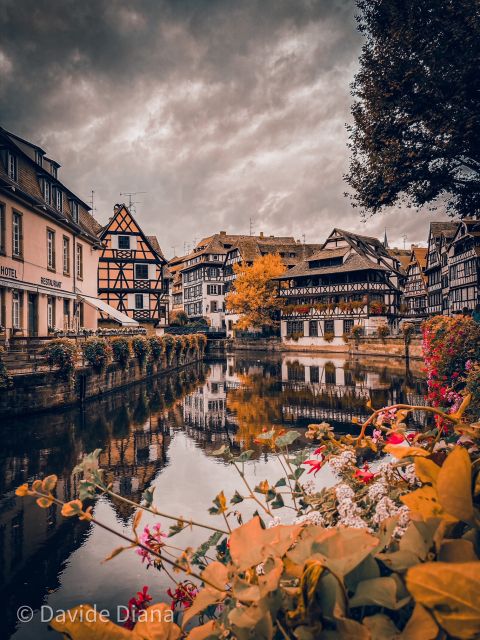
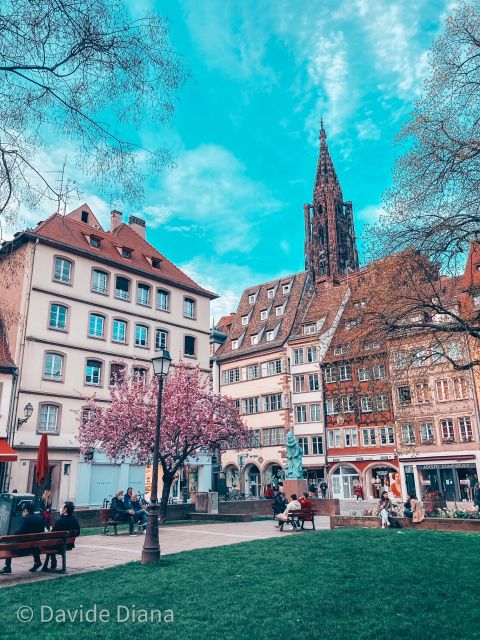
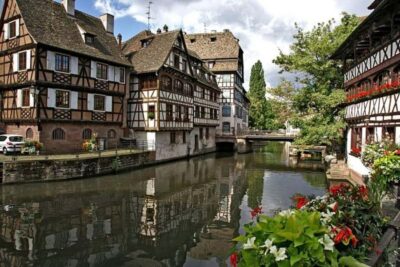
Petite France is the visual centerpiece of the walk. You spend about 30 minutes here, with time for photographs and an explanation of how the neighborhood got its name and changed over the centuries.
This is the Strasbourg most people picture: canals, narrow streets, and original half-timbered homes. The buildings are attractive, but the guide gives you more than a picture-postcard view. You learn how the quarter developed and why its appearance differs from the grand squares visited earlier.
I like the fact that the tour treats Petite France as a lived-in historic neighborhood, not just a backdrop. Look up at the timber framing, notice the relationship between the houses and waterways, and listen for the details that explain how the area evolved.
The 30-minute stop is long enough for a proper introduction, though it is not a complete visit to every lane. You may want to return later for your own photographs, especially if you want more time beside the water or prefer to explore at a slow pace.
The route includes a photo stop, so bring a phone or camera if you want to record the details. Comfortable shoes are important here because the overall tour lasts two and a half hours and includes steady walking between districts.
Notre Dame Cathedral and the final stories
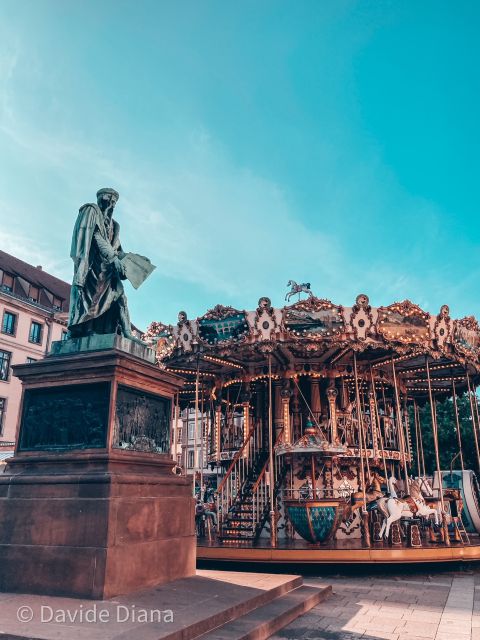
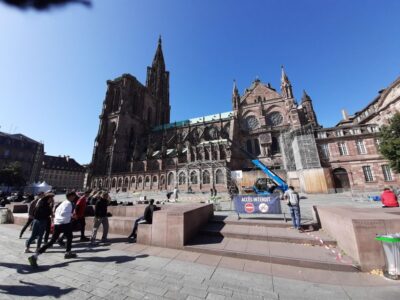
The tour ends at Notre Dame Cathedral, one of Strasbourg’s defining landmarks. The guide discusses the cathedral and the Rayonnant Gothic architecture visible from the outside, then concludes at Place de la Cathédrale.
This is a strong finish. By this point, you have seen several periods of Strasbourg’s development, and the cathedral gives the guide a natural place to draw those threads together. The building is not treated as an isolated monument. It becomes part of the wider story of the city.
The cathedral visit is exterior only. Entrance is not included, so plan a separate visit if you want to go inside. That is not a major flaw, but it is important to understand the format before booking. The tour ends after the guide’s stories and explanations in the square, rather than continuing through the interior.
Finishing here is practical. You are near one of Strasbourg’s main sightseeing areas, so you can continue on your own, find a café, visit the cathedral separately, or follow one of the guide’s suggestions for food and drinks.
What the guide adds to the experience
The strongest part of this walk is the presentation. Davide is repeatedly described as funny, animated, enthusiastic, and easy to follow. He explains Strasbourg from its earliest settlement through modern wars and contemporary life, using stories to keep the chronology clear.
That balance matters. Strasbourg’s past includes difficult political and military chapters, and a tour can become heavy if every stop is delivered as a lecture. Davide’s approach uses humor without losing the historical thread. You get facts, but also anecdotes that help the places stick in your memory.
You should also expect practical advice. The guide points out places to eat, drink coffee, and continue sightseeing. A coffee or bathroom break has sometimes been worked into the experience, depending on the pace and group. Treat this as a useful possibility rather than a guaranteed scheduled stop.
The language options are English and Italian. If you book for an English-speaking group, the tour is designed to be clear and conversational rather than academic. The guide’s style suits people who want historical detail in plain language.
Pace, group size, and weather
Two and a half hours is enough time to see a lot, but it is not a casual wander. You move through several districts, with stops ranging from 10 to 30 minutes. The pace has been described as steady, and the guide keeps the group moving.
The group limit of 10 is a real advantage. You can usually hear explanations more easily, ask questions, and move through the streets without the awkward stop-and-start of a large crowd. It also gives the walk a more personal feel.
Weather is the main practical concern. You are outside for the entire route, and Strasbourg can be cold in winter or uncomfortable during hot weather. One summer review noted that the route was planned with breaks on a hot day, while another cold-weather experience would have benefited from less standing.
Wear shoes you can walk in for 150 minutes. Bring weather-appropriate clothing, and do not count on the tour as an indoor activity. Pregnant women are advised not to take this experience, according to the activity information.
The tour is wheelchair accessible. Since the route passes through public streets and historic quarters, you may still want to confirm current route details if you have specific mobility needs.
How much value do you get for $35?
At $35, this is a reasonably priced introduction to central Strasbourg. The value comes from the range: Neustadt, Place Broglie, Place Kléber, Grand’Rue, Petite France, and the cathedral area would take effort to connect on your own during a first visit.
You are paying for a guide, not entrance tickets. There are no included admissions, and the cathedral interior is outside the tour. If you want a guided interior visit, you will need to arrange that separately.
For me, the price works best for first-time visitors who want orientation and context. It is less useful for someone who already knows Strasbourg well or only wants a relaxed photo walk. The local food tips also add value, since they can help you avoid spending the rest of the visit near the most obvious tourist spots.
Free cancellation up to 24 hours before the tour and the option to reserve now and pay later make it easier to fit into a changing schedule. Starting times depend on availability, so check the time before you commit your day around it.
Who should book this Strasbourg walk?
I would recommend it to first-time visitors, history fans, couples, families with older children, and anyone who wants a clear introduction before exploring alone. It is also a good choice if you have only a short stay and want to cover the main historic areas without planning every turn yourself.
The tour suits people who like stories and explanation more than people who want long stretches of independent time. You will spend much of the 150 minutes listening, walking, and moving between stops.
It is especially useful for visitors interested in Alsace’s changing political identity. The route does not stay only with pretty buildings. It connects the city’s architecture and public spaces with the larger events that shaped Strasbourg.
You should think twice if you dislike outdoor walking, have difficulty standing for extended periods, or want guaranteed interior access to the cathedral. In bad weather, the same route can feel much harder than it does on a mild day.
Should you book it?
Book this tour if you want a lively historical orientation with a small group and a guide who adds humor, local advice, and plenty of context. The route covers Strasbourg’s major central areas without wasting time on transport, and the cathedral finish leaves you well placed for the rest of your day.
Skip it if you already know the old center, prefer to explore entirely at your own pace, or mainly want to visit the cathedral interior. For most first visits, though, $35 is a sensible price for two and a half hours of useful sightseeing and a better understanding of why Strasbourg looks the way it does.
FAQ
How long is the Strasbourg historical neighborhoods walking tour?
The tour lasts 150 minutes, or two and a half hours.
Where does the tour begin?
It begins at Place de la République. Your guide waits in the center of the square, in front of the war memorial.
Where does the tour finish?
The tour finishes at Place de la Cathédrale, beside Notre Dame Cathedral.
Which languages are available?
The live guide is available in English and Italian.
Is entry to Strasbourg Cathedral included?
No. The tour includes an exterior visit and guided explanation, but entrance fees are not included.
How large is the group?
The tour is a small-group experience limited to 10 participants.
Is the tour wheelchair accessible?
Yes, the activity is listed as wheelchair accessible.
New routes in France
- The Official Emily in Paris Locations Walking Tour★ 4.9 · 383 reviews
- Strasbourg: Historic Center Walking Tour★ 4.7 · 88 reviews
- Strasbourg: Private Walking Tour of the Historical Center★ 4.2 · 107 reviews
- Strasbourg: Guided Walking Tour★ 4.7 · 127 reviews
- Strasbourg : European District Walking Tour★ 5.0 · 95 reviews
- Paris: Montmartre Food Tasting Walking Tour with Secret Dish★ 4.8 · 107 reviews
- Paris: Emily Inspired Walking Tour★ 4.9 · 312 reviews
- Saint-Germain: Gourmet Chocolate & Pastry Walking Food Tour★ 4.8 · 495 reviews
Strasbourg Walking Tours, compared.

Browse the lists this tour appears in